
 Effects of an exercise program using an smatphone App with remote or in-person supervision on the functional capacity of older adults: a randomized clinical
Introduction Population aging is a significant global challenge, demanding strategies that promote healthy aging. Regular physical activity is crucial for maintaining functional capacity, quality of life, and preventing chronic diseases in older adults. However, sedentary behavior remains high, and evidence on effective, supervised smartphone-based exercise strategies for older adults is limited.
Objective To evaluate the effects of smartphone-based exercises with in-person or remote therapeutic supervision on functional capacity.
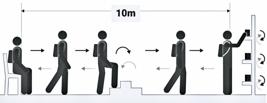
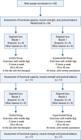
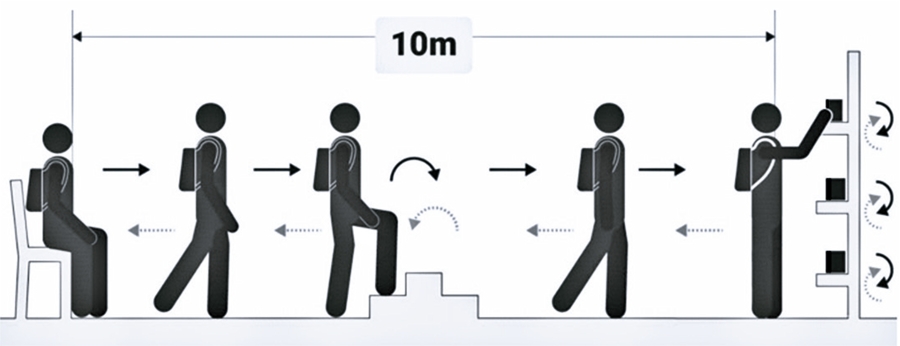
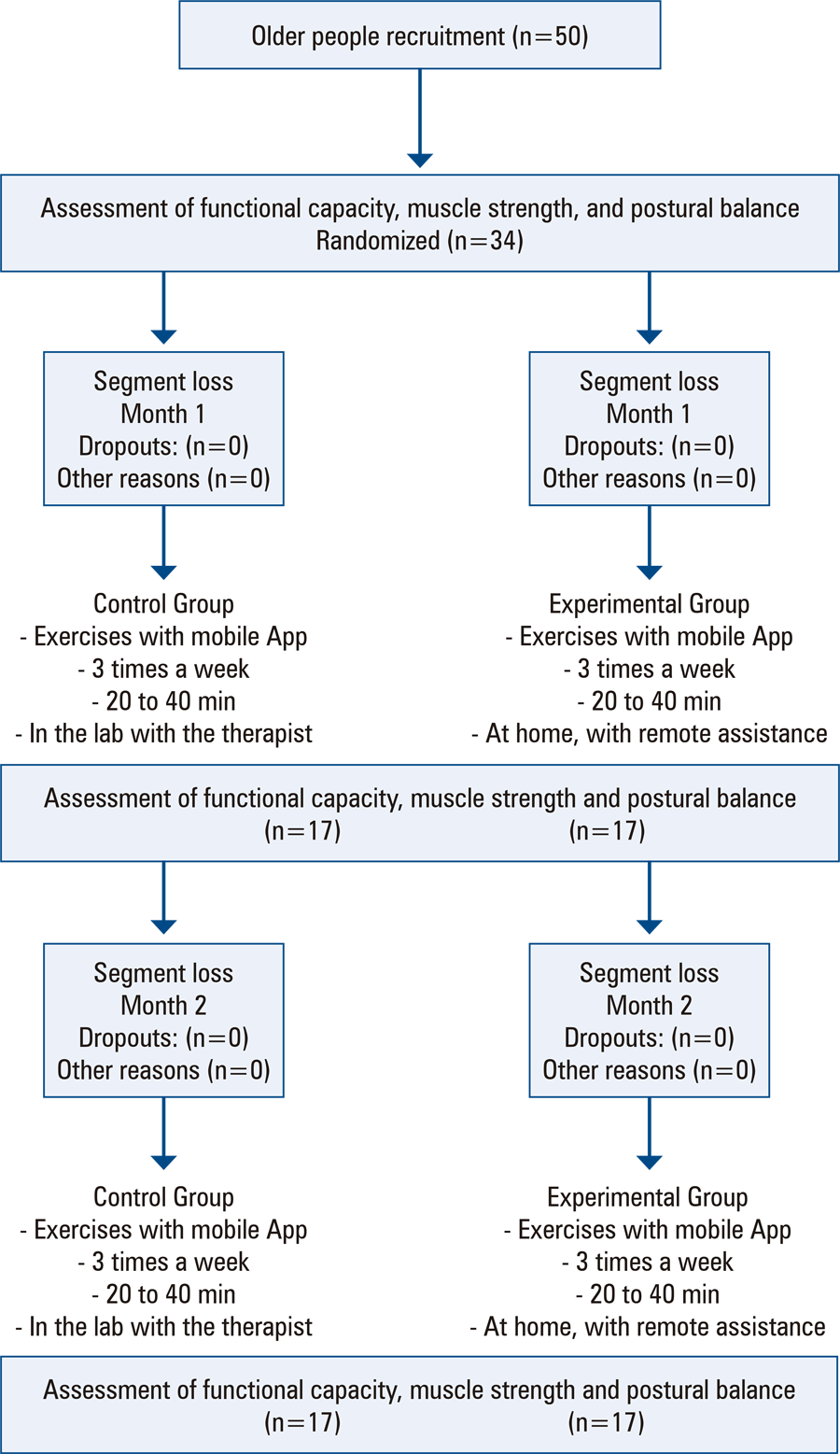
Methods Thirty-four older adults were randomized into two training groups with App-based exercises: a Control Group with in-person supervision and an Experimental Group with remote supervision. The exercises were performed three times a week for 8 weeks. The Experimental Group performed exercises at homes with remote supervision, and the Control Group performed exercises in the laboratory. Functional capacity was measured using the Glittre Activities of Daily Living (Glittre ADL) test, postural balance with the Mini Balance Evaluation Systems Test, and lower limb strength with the Five Times Sit-to-Stand test.
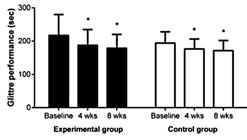
Results Both groups demonstrated significant improvement in functional capacity. After 8 weeks, Glittre-ADL test time reduced similarly in both groups (Experimental Group: 217±63 to 188±47 s and Control Group 194±34 to 171±30 s, ES=0.09). Postural balance improved similarly in both groups (ES=0.15), and the lower limb strength improved in the Experimental Group (ES=0.32).
Conclusion A smartphone App-based exercise program, with and without in-person supervision, improved functional capacity and postural balance in older adults, whereas lower limb strength improved only with in-person supervision. Brazilian Registry of Clinical Trials: RBR-22ctkjq.
Keywords
Frail older individuals; Functional residual capacity; Postural balance; Muscle strength; Mobile applications; Physical exercise
Smartphone-based training improved functional capacity in older adults.
Remote and in-person supervision led to similar gains in functional capacity.
Postural balance improved comparably in both groups.
Lower limb strength improved only in-person supervision with exercise App.
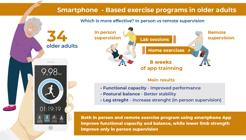
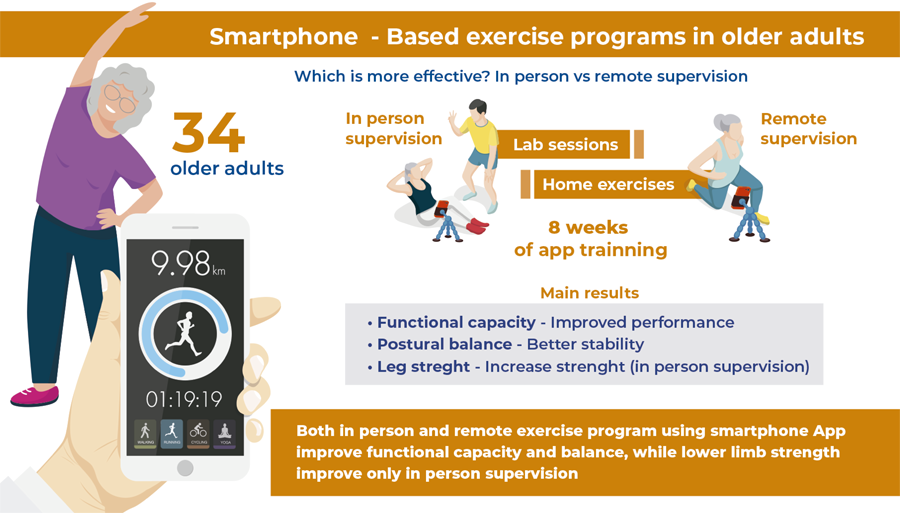
This study evaluated App-based exercise programs with in-person or remote supervision in older adults. After 8 weeks, both groups showed similar improvements in functional capacity and postural balance. Lower limb strength improved only in the in-person supervised group, supporting the effectiveness of smartphonebased training.
 Thumbnail
 Thumbnail
 Thumbnail
 Own Source
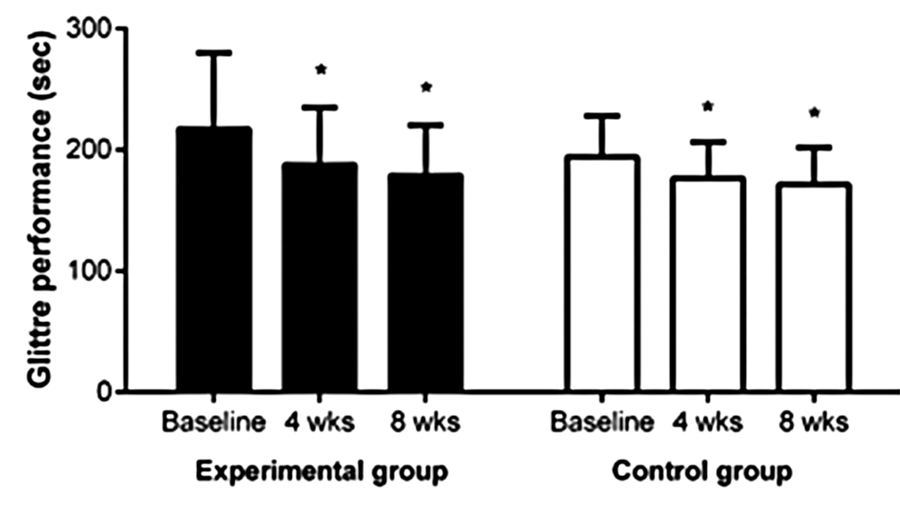 * Significant difference from baseline p<0.05.Data are expressed as the mean ± standar derivation