person Raphaella Josino
Conceptualization · Methodology · Data curation, formal analysis, and methodology · Writing - original draft · read and approved the published version of the manuscript
schoolFaculdade Israelita de Ciências da Saúde Albert Einstein, Hospital Israelita Albert Einstein, São Paulo, SP, Brazil.Hospital Israelita Albert EinsteinBrazilSão Paulo, SP, BrazilFaculdade Israelita de Ciências da Saúde Albert Einstein, Hospital Israelita Albert Einstein, São Paulo, SP, Brazil.
person Bruno Yukio Yokota-Moreno
Conceptualization · Methodology · Data curation, formal analysis, and methodology · Writing - original draft · read and approved the published version of the manuscript
schoolFaculdade Israelita de Ciências da Saúde Albert Einstein, Hospital Israelita Albert Einstein, São Paulo, SP, Brazil.Hospital Israelita Albert EinsteinBrazilSão Paulo, SP, BrazilFaculdade Israelita de Ciências da Saúde Albert Einstein, Hospital Israelita Albert Einstein, São Paulo, SP, Brazil.
person Isabella de Sousa Nóbrega
Conceptualization · Methodology · Data curation, formal analysis, and methodology · Writing - original draft · read and approved the published version of the manuscript
schoolFaculdade Israelita de Ciências da Saúde Albert Einstein, Hospital Israelita Albert Einstein, São Paulo, SP, Brazil.Hospital Israelita Albert EinsteinBrazilSão Paulo, SP, BrazilFaculdade Israelita de Ciências da Saúde Albert Einstein, Hospital Israelita Albert Einstein, São Paulo, SP, Brazil.
person André Luíz Teles e Silva
Conceptualization · Methodology · Data curation, formal analysis, and methodology · Writing - original draft · read and approved the published version of the manuscript
schoolFaculdade Israelita de Ciências da Saúde Albert Einstein, Hospital Israelita Albert Einstein, São Paulo, SP, Brazil.Hospital Israelita Albert EinsteinBrazilSão Paulo, SP, BrazilFaculdade Israelita de Ciências da Saúde Albert Einstein, Hospital Israelita Albert Einstein, São Paulo, SP, Brazil.
person Melissa Bernardini Bachir Moysés
Data curation, formal analysis, and methodology · read and approved the published version of the manuscript
schoolFaculdade Israelita de Ciências da Saúde Albert Einstein, Hospital Israelita Albert Einstein, São Paulo, SP, Brazil.Hospital Israelita Albert EinsteinBrazilSão Paulo, SP, BrazilFaculdade Israelita de Ciências da Saúde Albert Einstein, Hospital Israelita Albert Einstein, São Paulo, SP, Brazil.
person Guilherme Grecco Ferreira
Data curation, formal analysis, and methodology · read and approved the published version of the manuscript
schoolFaculdade Israelita de Ciências da Saúde Albert Einstein, Hospital Israelita Albert Einstein, São Paulo, SP, Brazil.Hospital Israelita Albert EinsteinBrazilSão Paulo, SP, BrazilFaculdade Israelita de Ciências da Saúde Albert Einstein, Hospital Israelita Albert Einstein, São Paulo, SP, Brazil.
person Mariana Silva Branquinho
Data curation, formal analysis, and methodology · read and approved the published version of the manuscript
schoolFaculdade Israelita de Ciências da Saúde Albert Einstein, Hospital Israelita Albert Einstein, São Paulo, SP, Brazil.Hospital Israelita Albert EinsteinBrazilSão Paulo, SP, BrazilFaculdade Israelita de Ciências da Saúde Albert Einstein, Hospital Israelita Albert Einstein, São Paulo, SP, Brazil.
person Elisa Varella Branco
Data curation, formal analysis, and methodology · read and approved the published version of the manuscript
schoolCentro de Estudos do Genoma Humano e Células-tronco, Departamento de Genética e Biologia Evolutiva, Instituto de Biociências, Universidade de São Paulo, São Paulo, SP, Brazil.Universidade de São PauloBrazilSão Paulo, SP, BrazilCentro de Estudos do Genoma Humano e Células-tronco, Departamento de Genética e Biologia Evolutiva, Instituto de Biociências, Universidade de São Paulo, São Paulo, SP, Brazil.
person Maria Rita Passos-Bueno
Project administration · Funding acquisition · read and approved the published version of the manuscript
schoolCentro de Estudos do Genoma Humano e Células-tronco, Departamento de Genética e Biologia Evolutiva, Instituto de Biociências, Universidade de São Paulo, São Paulo, SP, Brazil.Universidade de São PauloBrazilSão Paulo, SP, BrazilCentro de Estudos do Genoma Humano e Células-tronco, Departamento de Genética e Biologia Evolutiva, Instituto de Biociências, Universidade de São Paulo, São Paulo, SP, Brazil.
person Andrea Laurato Sertié
Conceptualization · Writing - original draft · Project administration · Supervision · Funding acquisition · read and approved the published version of the manuscript
schoolFaculdade Israelita de Ciências da Saúde Albert Einstein, Hospital Israelita Albert Einstein, São Paulo, SP, Brazil.Hospital Israelita Albert EinsteinBrazilSão Paulo, SP, BrazilFaculdade Israelita de Ciências da Saúde Albert Einstein, Hospital Israelita Albert Einstein, São Paulo, SP, Brazil.
personCorresponding Author: Andrea Laurato Sertié Rua Comendador Elias Jafet, 755, floor L4, room 406C - Morumbi Zip code: 05653-000
- São Paulo, SP, Brazil Phone: (55 11) 2151-2265
E-mail: andrea.sertie@einstein.br
Conflict of interest:
none.

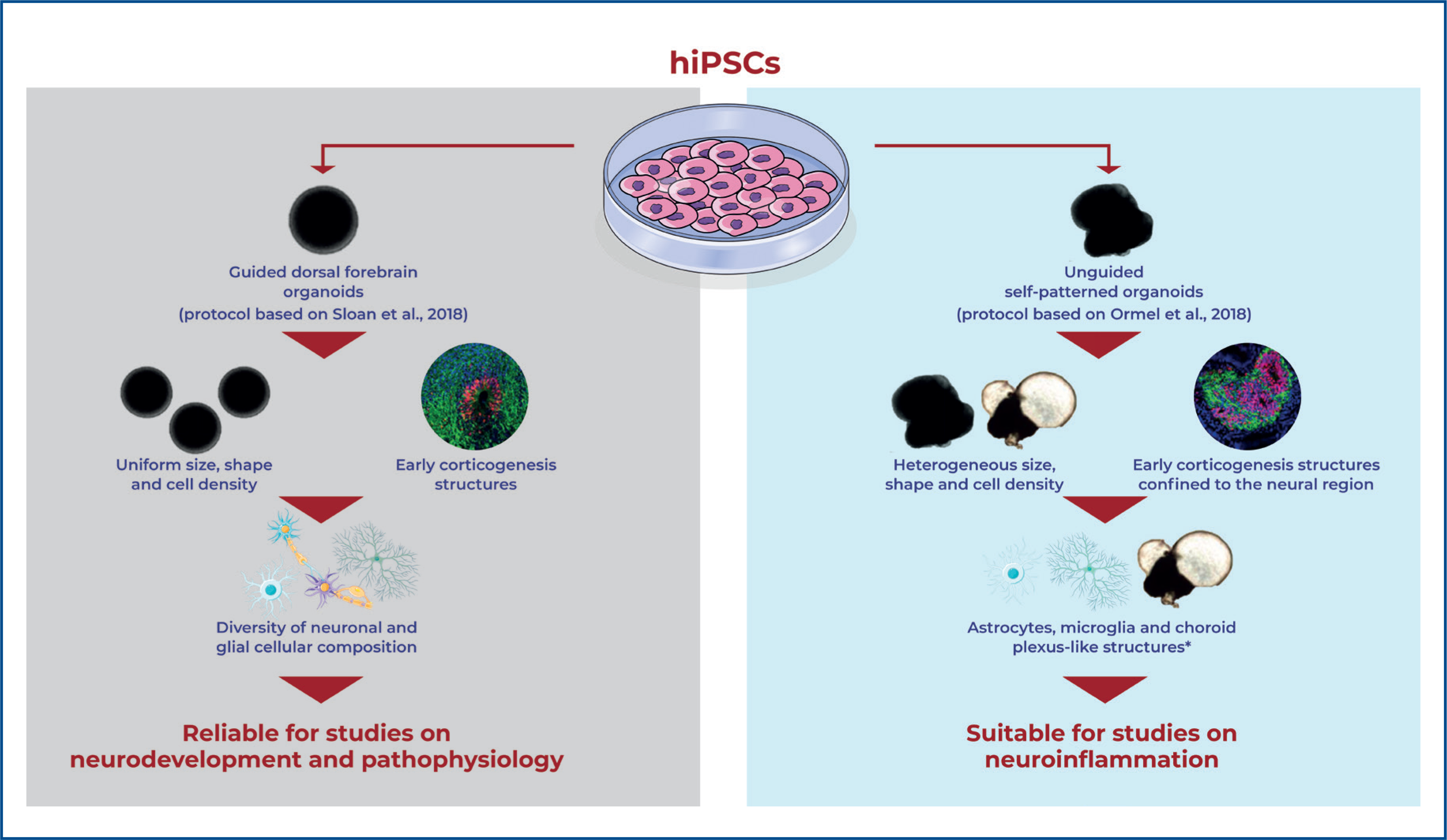
 Guided and unguided neural organoids play complementary roles in studying neurodevelopment and neuroinflammation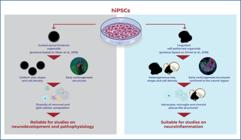
 Thumbnail
 Thumbnail
 Thumbnail
 Thumbnail