 Maternal mortality in the context of COVID-19: an ecological study comparing maternal mortality ratios before and during the pandemic, Minas Gerais, Brazil, 2010-2021
Objective To investigate changes in maternal mortality during the COVID-19 pandemic according to sociodemographic, regional and obstetric care characteristics in Minas Gerais state, and the correlation of the Maternal Mortality Ratio (MMR) with socioeconomic indicators of macro-region of residence.
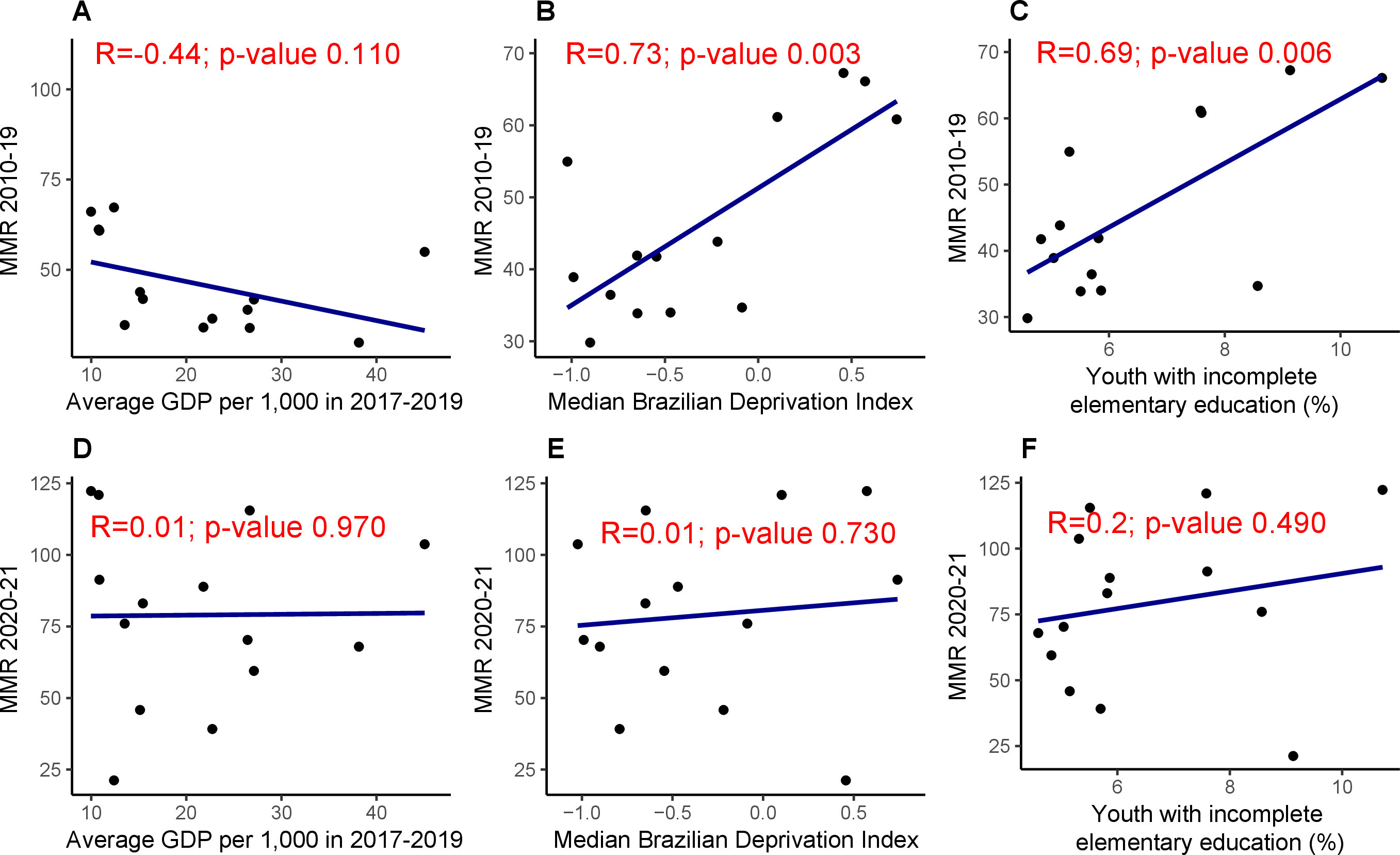
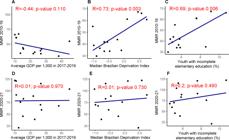
Methods The study compared Mortality Information System data between 2010-2019 and 2020-2021. The MMR and its percentage change were calculated according to age, schooling, race/skin color, number of prenatal consultations/trimester of prenatal care initiation and health macro-region. We assessed the correlation between the MMR and macro-region socioeconomic variables (Gross Domestic Product [GDP] per capita, Brazilian Deprivation Index and Schooling).
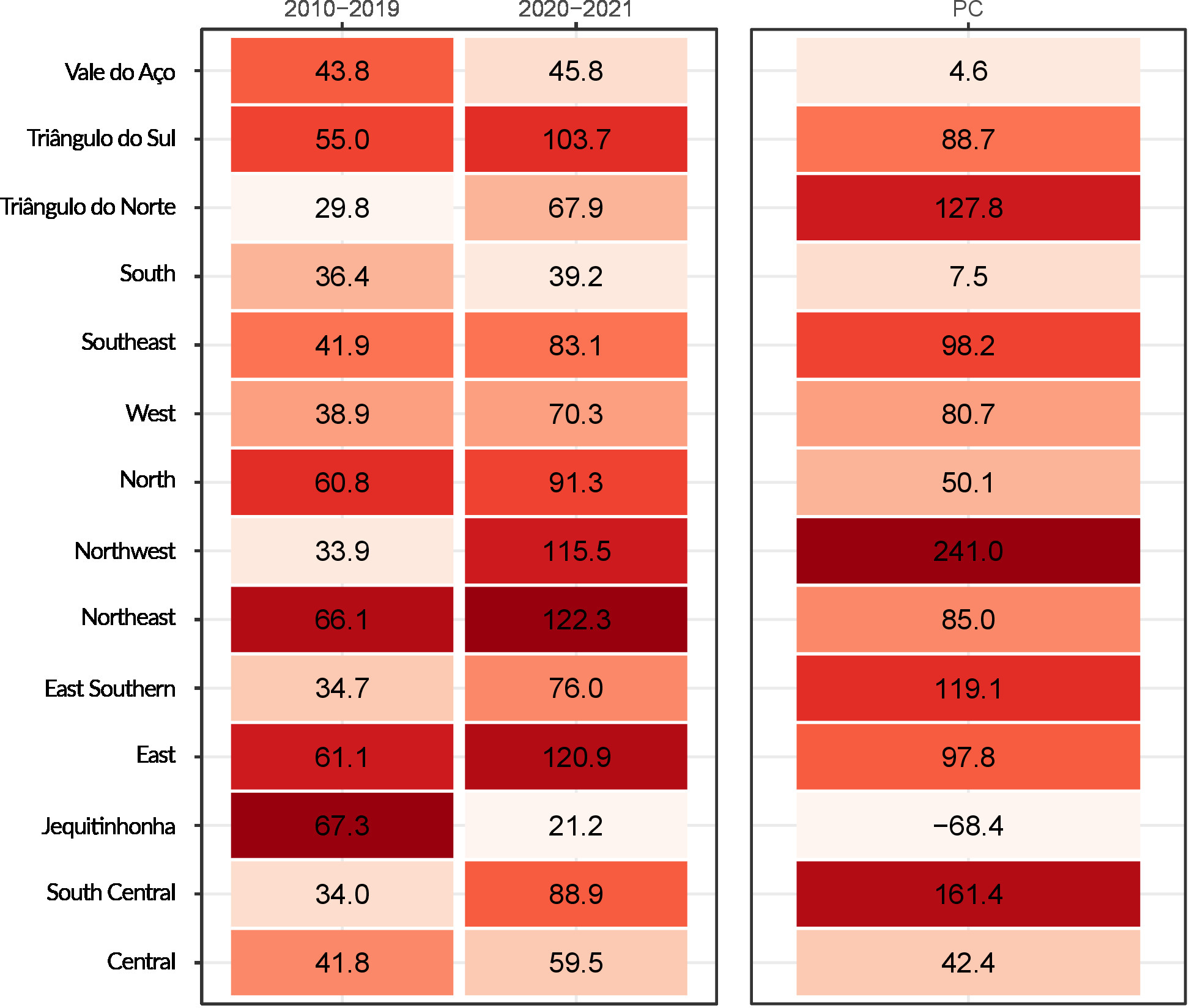
Results 1,488 deaths were recorded. The MMR increased by 62.5% during the pandemic, especially among women aged 20 to 34 (64.5%), White women (77.7%), women with lower education levels (134.9%), fewer prenatal visits (102.2%), those who started prenatal care in the 1st trimester (58.1%), and those living in the Northwest macro-region (241%). However, the highest MMRs were found in women aged 35 or older (125.1/100,000 live births), Black women (90.5/100,000 live births), women with lower education levels (151.5/100,000 live births), women with fewer prenatal visits (181.2/100,000 live births), women who started prenatal care in the 1st trimester (61.8/100,000 live births), and women living in the Northeast macro-region (122.3/100,000 live births). We found no correlation between socioeconomic indicators and the MMR during the pandemic.
Conclusion The percentage increase in the ratio during the pandemic was greater in groups and regions with historically lower MMRs. Timely recognition of pregnant/postpartum women as a risk group in health crises can reduce preventable maternal deaths.
Keywords
Maternal Mortality; COVID-19; Pandemics; Health Status Disparities; Ecological Studies
 Thumbnail
 Thumbnail