
 Principles and Barriers of Education for Sustainability Identified in the Activities of the Sustainable School Project
Abstract
Education for sustainability (EfS) provides the opportunity to learn attitudes, perspectives, and social values that lead to healthier conscious choices. In this context, formal education spaces have a high potential to promote the EfS in an integral and permanent form, but they face barriers. This work aimed to identify the potentialities and weaknesses of the activities of the Sustainable School Project and verify its adherence to the principles and barriers to the EfS. The action research was performed in stages of systematic review; presentation of the case study in public schools in São José dos Campos (SP); Survey to identify the perception of the different participating social actors; and critical analysis using statistical methods. The main results we highlight are the project’s involvement and organization as potentialities. And main barriers are the integration of sustainability into institutional planning, the limited instructional time, and the fragmentation of the school curriculum.
Keywords:
Environmental education; sustainable schools; indicators; sustainability; education in Brazil
Resumo
A educação para a sustentabilidade (EpS) oportuniza o aprendizado de atitudes, perspectivas e valores sociais que conduzem a escolhas conscientes mais saudáveis. Nesse contexto, os espaços de educação formal possuem elevado potencial para promover a EpS de forma íntegra e permanente, mas enfrentam barreiras. Este trabalho visou identificar as potencialidades e as fragilidades das atividades do projeto Escola Sustentável e verificar sua aderência aos princípios e barreiras da EpS. A pesquisa-ação foi realizada em etapas de revisão sistemática; apresentação do estudo de caso do projeto realizado em escolas públicas em São José dos Campos (SP); Survey para identificação da percepção dos diferentes atores sociais participantes; e análise crítica com emprego de métodos estatísticos. Dentre os principais resultados destacam-se o envolvimento e a organização como potencialidades do projeto. E, como principais barreiras, a integração da sustentabilidade ao planejamento institucional, o tempo de instrução limitado e a fragmentação do currículo escolar.
Palavras-chave:
Educação ambiental; escola sustentável; indicadores; sustentabilidade; educação no Brasil
Resumen
La educación para la sostenibilidad (EpS) ofrece la oportunidad de aprender actitudes, perspectivas y valores sociales que conduzcan a elecciones conscientes más saludables. Los espacios de educación formal tienen un alto potencial para promover la EpS de forma integral y permanente, pero enfrentan barreras. Este trabajo tuvo como objetivo identificar las potencialidades y debilidades de las actividades del proyecto Escola Sustentável y verificar su adhesión a los principios y barreras de la EpS. La investigación-acción se realizó en etapas de revisión sistemática; presentación del estudio de caso del proyecto realizado en escuelas en São José dos Campos; Encuesta para identificar la percepción de los actores sociales participantes; y análisis crítico utilizando métodos estadísticos. Entre los principales resultados, destacan como potencialidades del proyecto la implicación y la organización. Y, como principales barreras, la integración de la sostenibilidad en la planificación institucional, el limitado tiempo lectivo y la fragmentación del currículo escolar.
Palabras-clave:
Educación ambiental; escuelas sostenibles; indicadores; sostenibilidad; educación en Brasil
Introduction
The initial global discussions on Environmental Education (EE) emerged in the 1970s, propelled by the Stockholm Conference, a milestone in the environmental movement. Outcomes of this era include the Belgrade Charter and the International Environmental Education Program, both products of the International Environmental Education Seminar, as well as the Tbilisi Conference, which established the foundational principles, strategies, and future directions for EE (MCCORMICK, 1992; SÃO JOSÉ DOS CAMPOS, 2006).
Although Brazil has been influenced by the international environmental movement, the political context of the military dictatorship has limited discussions of EE to practices focused on raising awareness of the relationship between humans and nature (da CRUZ FERREIRA, MELO; MARQUES, 2016). It was just in the 1980s that EE gained traction as a political movement, transformative and critical practice, with an approach to environmental issues and their social, political, and economic contexts (TRISTÃO, 2004; CARVALHO, 2002; da CRUZ FERREIRA, MELO; MARQUES, 2016).
The beginning of the EE in Brazil highlights the inclusion of the environmental chapter in the 1988 Federal Constitution, which assigned the public sector the duty to promote EE across all educational levels. The enactment of a specific law establishing the National Environmental Education Policy (NEEP), incorporating EE as an essential and permanent component of education in the country, provided guidelines for its implementation. The NEEP stipulated that EE should be integrated at all levels and modalities of the educational process, both formally and informally. This policy emphasizes sustainability by considering the environment holistically, including its natural, social, economic, and cultural aspects (BRASIL, 1999).
In the context of integrated educational practice, EE should focus on awareness, habit change, skill development, evaluation capacity, and active participation. According to Pádua and Tabanez (1998), EE is challenging because it must account for current social transformations and emerging environmental risks to provide new knowledge for solving increasingly complex problems and achieving sustainable development (UNESCO, 1997).
The United Nations Decade of Education for Sustainable Development adopts Education for Sustainability (EfS) as a tool for fostering sustainable development (CMDS, 2002), aiming to cultivate more informed citizens with new values, skills, attitudes, and behaviors that consciously guide the choice of a more sustainable life (GADOTTI, 2008). There is a certain confusion between EE and EfS (de SOUZA; DE FREITAS RÊGO; GIESTA-CABRAL, 2017), as the terminologies are interpreted differently, as noted by Meira and Sato (2005), Barbieri and Silva (2011), and Jacobi et al. (2011).
In the European context, EE is approximated to a scientistic and behaviorist perspective, while EfS is geared towards empowering learners as the main characters of the actions to decision-makers. Conversely, in Latin America, the concept of EE is inherent to that of EfS (JACOBI et al., 2011), where EE from a critical-emancipatory perspective closely aligns with EfS by incorporating economic and social dimensions with a sustainable development outlook (BARBIERI; SILVA, 2011). Given the various political-pedagogical currents that have permeated EE over its trajectory (SAUVÈ, 2005; LAYRARGUES; LIMA, 2014), this paper uses the term EfS to emphasize the critical-emancipatory perspective and distinguish it from other EE currents, as elucidated by Barbieri and Silva (2011).
Experiencing sustainability first-hand is fundamental for building sustainable awareness (GADOTTI, 2008). Therefore, examples and sustainable living habits within the school setting, whether through experiences or practical sustainable activities, can contribute to the educational process. Thus, creating spaces that allow for the development of continuous and permanent teaching-learning processes, capable of raising student awareness, can help build a more fair and sustainable society (MOREIRA, 2012). For a sustainable school environment, it is crucial to construct an articulated approach between space, curriculum, and management, based on constant dialogues between the internal and external school community to improve the quality of life (TRAJBER; SATO, 2010). There is little clarity in the guiding principles of EfS (PRABAWA-SEAR; DOW, 2019), which, according to Silva et al. (2020), are dispersed and poorly integrated.
Studies evaluating EfS experiences in educational units have observed that, often, although educational units intend to provide such education, they face barriers that render their practice ineffective (TAL; PELED, 2017; SILVA et al., 2020). In other cases, institutions certified as eco-schools or receiving government funds for promoting sustainable schools develop isolated activities disconnected from the reflection-action process among students or throw the responsibility solely to science teachers (KRNEL; NAGLIC, 2009; SILVA et al., 2020).
National educational public policies focused on EfS face the challenge of addressing the climate change scenario and disaster risks, mainly through Disaster Risk Reduction Education (DRRE) (SELBY; KAGAWA, 2012). It also creates favorable conditions for implementing strategies to promote educational transitions towards sustainability and resilience (TRAJBER; OLIVATO, 2017).
The integration of EfS into the educational context of the country has been guided by creating sustainable educational spaces with the intent to educate by example and extend their influence on the communities in which they are situated, known as sustainable and resilient schools. Based on the National Curricular Guidelines for Environmental Education and prioritized by the National Program for Sustainable Schools in its preliminary version, EfS focuses on four dimensions: physical space, democratic management, curriculum, and school-community relationship (BRASIL, 2013; MACHADO, 2015; TRAJBER; OLIVATO, 2017).
Given the complexity and dynamism of the concept and application of EfS, clarifying its principles is essential for educational units to find pathways within their limitations to achieve EfS in an integrated and permanent way. Nonetheless, challenges may arise in the process of building EfS; thus, understanding the panorama of barriers faced by educational units beyond the principles can be helpful for those aiming to become sustainable schools. In this context, the present work aimed to identify the strengths and weaknesses of the “Sustainable School” project carried out in public schools in the municipality of São José dos Campos in 2019 and evaluate the adherence of their activities to the principles and barriers of EfS.
Contextualization of the study area
The municipality of São José dos Campos, located approximately 100 km from the capital of São Paulo, spans a territorial area of 1,099.41 km² and has an estimated population of 737,310 inhabitants. It hosts 181 elementary schools, achieving a schooling rate of 97,4% for children aged 6 to 14 (IBGE, 2021). Since 2004, the municipality has a legal instrument establishing the municipal policy for EE in formal and informal education. One of its objectives is to coordinate an EE network in the area, comprising different stakeholders, to enhance communication and meaningful learning about sustainability (SÃO JOSÉ DOS CAMPOS, 2004; SÃO JOSÉ DOS CAMPOS, 2006).
Among the EE initiatives currently active in the municipality and led by public management, notable examples include those associated with the municipal program for revitalizing urban springs. This program provides experiential learning opportunities aimed at restoring degraded areas. Since 2006, students from partner public schools have been involved in planting and monitoring activities in the permanent preservation areas of springs and participate in formative activities related to sustainability. These activities are brought back to the population through annual video showcases, which have been held since 2010 (SUNDFELD et al., 2021).
EE activities conducted through collaborative networks without the direct involvement of local public authorities are also reported in schools in the municipality (BAIÃO; BATISTA, 2016; AGUIAR; AGUIAR; CASTRO, 2019). These activities highlight the importance of schools as catalysts for fostering care for natural resources and disseminating knowledge and attitudes. The positive impact of planning and teaching methods implemented by elementary school teachers in this municipality regarding climate change was also reported by Marchezini and Londe (2020). However, the authors emphasized the need for greater opportunities for teachers’ scientific advancement on this specific topic.
Within the context of the interinstitutional EE network established in São José dos Campos, the Sustainable School project was structured with the active participation of the local public authorities. This project aims to provide EfS activities tailored to the formal educational units in the region (FERREIRA et al., 2019).
Methodology
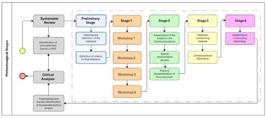
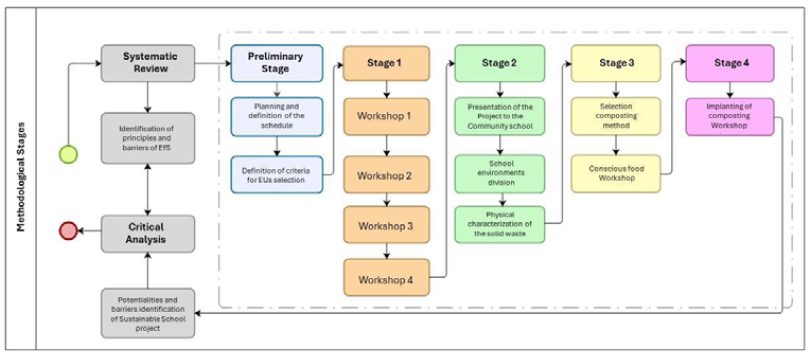
This work is a research-action1 study supported by qualitative data, with its stages and activities illustrated in Figure 1 (THIOLLENT, 1985; FLICK, 2008).
A systematic review was conducted using the Archive Research Method (SEARCY; MENTZER, 2003). The databases Scopus and Web of Science were utilized, with results limited from 2015 to 2020 and the top 50 articles ordered by relevance, for the following keywords: “environmental education” “school” and “sustainability”.
The case study: Sustainable School project - Phase 1 was conducted in the municipality of São José dos Campos in 2019, involving activities at seven Full-Time Education Schools (FTES) at the elementary level. The project involved an interinstitutional network of stakeholders, including three municipal departments (Health, Education and Citizenship, Urban Planning and Sustainability), two universities, and a Rotary Club unit.
In this project, participants were categorized into three distinct teams: multipliers agents (MA), composed of teachers and educational coordinators of each educational unit (EU); the project team (PT), consisting of interinstitutional collaborators (professors and staff from universities and municipal departments) and volunteer university students; and the school team (ST) formed by the MA, representatives from the PT, and students from each EU.
In the preliminary stage, the PT conducted strategic planning of activities through face-to-face collaborative construction meetings, fostering an environment of interaction and exchange among participants to enable validation and ownership of the developed products and reinforce collective learning (THIOLLENT, 1985). For Stage 1, the logic of Situational Strategic Planning (SSP) in education was applied to prepare the four sequential and complementary participatory workshops (GENTILINI, 2014).
The continuous improvement of the participatory workshops in Stage 1, following the SSP logic, was based on a reflective analysis of the results obtained from participants’ evaluations after each workshop. The evaluation, based on the Likert scale, was supported by a survey to measure the level of participants’ satisfaction and included indicators related to structuring, quality, relevance, adequacy, potential for multiplier formation, and motivation for continuation (LIKERT, 1932).
Workshop 1, conducted by the PT for the MA, was preceded by gathering participants’ perceptions of the sustainability theme to ensure meaningful learning (TAVARES, 2004). Following the collection of prior knowledge, the workshop was conducted in two parts: a lecture to level knowledge and a group dynamic where participants, divided into three working groups, associated elements of sustainability in educational units with the pillars of the triple bottom line (ELKINGTON, 1997). The dynamic occurs in two rounds, where in the last round these elements were relativized based on their importance, considering the local school context. In Workshop 2, an interactive lecture on modern dietary habits in the context of the organic matter cycle, conscious eating, waste, and its environmental impacts was conducted, following the Participatory Research method (BRANDÃO, 1981; PRETTY et al., 1997).
Workshop 3 was conducted with a discussion circle to develop and reach a consensus on the script for characterizing solid waste in the EUs. Based on the application of SSP (GENTILINI, 2014), the workshop ensured the identification of strategies and variables guiding practical activities, considering the specificities of the schools by adapting the methodology described by Moraes, Bardini, and Fiore (2020). Finally, Workshop 4 approaches the theme of organic matter composting and garden implementation, expanding knowledge on the physico-chemical principles of the composting process, and conventional methods for implementing and maintaining composters and community gardens, and presented successful cases in the municipality. In this workshop, composting models and organic compounds processed using different techniques were presented in a materialized form to ensure quality learning.
Stage 2 was conducted as presented by Pereira et al. (2021), to provide environmental experiences for the participating schools by characterizing the solid waste produced in each unit. In Stage 3, for selecting the type of composter to be implemented in each EU, these data were associated between the physical characterization of solid waste (Stage 2), specificities of each composting method (Stage 1 - Workshop 4), and the physical and operational context of each school (Stage 1 - Workshop 3). The selection was made in a discussion circle between the MA of all participating EUs and the PT (BRANDÃO, 1981). In Stage 4, PT members conducted workshops for implementing composters in schools, with the participation of the ST.
To identify the potentials and weaknesses of the Sustainable School Project, as well as the adherence of its activities to the principles and barriers for EfS, the perceptions of the MA and PT regarding the activities conducted in this case study were collected. Data collection was conducted through a structured survey applied on an online platform - Google Forms, in the second semester of 2021 (GROVES et al., 2009). The questionnaire was designed for participants to freely describe the potentials and weaknesses recognized in each stage of the project. For the principles and barriers of EfS identified in the systematic review, respondents were asked to assign weights based on their individual perceptions, using the Likert scale.
The obtained data were categorized according to the respondent group. For this, the project team (PT) was divided into volunteer undergraduate students (VOL) and the team of professionals from the proposing organizations (PrT). The school team (ST) consisted of teachers, educational coordinators, and staff from the participating EUs. The categorization and systematization, supported by content analysis (BARDIN, 2011; SILVA; FOSSA, 2015), were grouped by similar or complementary content for subsequent recurrence evaluation. The critical analysis of the results was supported by the triangulation of potentials and weaknesses with the principles and identified at each stage of the project. The recurrence of potentials and weaknesses were evaluated based on their percentage value, considering the total number of emerging categories.
With the survey results systematized, statistical analyses were performed using Microsoft Excel (2019). The statistical method of analysis of variance (ANOVA) was employed to verify statistically significant variability between the perceptions of the three groups of social actors participating in the research. A double factor without replication was considered (LEVIN; FOX, 2004) for the three classes of participants (ST, PrT, and VOL). The T-Student method was also used to verify significant inter-class differences (ST-PrT, ST-VOL, and PrT-VOL) (COHEN, 2013). The significance level for all analyses was 5% (p < 0.05). The obtained results were compared with the principles and barriers reported by other researchers, identified through the systematic review, using Pearson’s correlation coefficient (WASSERMAN, 2013).
Results and Discussion
Based on the systematic review, a final sample of 16 scientific articles was analyzed. Table 1 summarizes the principles of EfS identified, it was classified according to the pedagogical assumptions established by Moreira (2012).
Table 2 presents the barriers identified in the systematic review, categorized according to the evaluative focuses found in each initiative and referenced by Olsson et al. (2019).
Case of study: School Sustainable Project
In the Preliminary Stage, the PT validated the planning of methodological approaches, the schedule, activities, and responsibilities for conducting Stage 1. The seven participating EUs were also selected, corresponding to all FTESs in the municipality of São José dos Campos that involved the theme of Sustainability in 2019. The workshops in Stage 1 took place during Collective Work Hours (CWH) and lasted 2 hours each. The educational resources developed and used during the workshops, along with photographic and supplementary materials, were standardized and made available to participants. A summary of the key moments recorded in each phase of the project is presented in Figure 2.
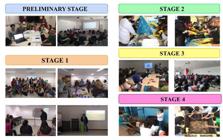
In Workshop 1, the MA demonstrated their understanding of sustainability in economic, social, and environmental dimensions through the selection and organization of elements presented during the dynamic. Workshop 2 included a coffee break featuring Unconventional Food Plants (UFPs) to complement discussions on conscious consumption and healthy eating. Workshop 3 involved the collective construction of a standard procedure for characterizing solid waste, which allowed for a consistent application across different EUs and facilitated comparable results among them. Workshop 4 provided hands-on experience with processed organic material through various composting techniques, using touch, sight, and smell to help participants understand the physical aspects of matured composts.
Between 8 to 9 MA have participated in workshops (Phase 1), with about 85% of them providing feedback at the end of each session. 67.85% of participants rated Workshop 1 as very satisfied, with the ‘distribution of activities within the available time’ being the lowest-rated indicator, with around 70% rating it as neutral or lower. Workshop 2 was rated very satisfied by 93.88% of participants, yet the time management indicator was still poorly rated by 45%. 85.71% of participants in Workshops 3 and 4 also considered them very satisfied, with 95.93% of the evaluated parameters receiving the highest marks.
Highlights that obtaining immediate feedback after each workshop enabled the PT to critically assess activities and continuously improve subsequent workshops. This aligns with Thiollent (1985) and Gentilini (2014), who emphasize that, for effective cooperative engagement among various actors, the flexibility and adjustment of planning based on arising circumstances are essential as interactions occur.
In Stage 2, the average per capita waste generation in EUs was approximately 100 g/person.day, with 57% organic and 28% recyclable (PEREIRA et al., 2021). Key results from this phase included: assigning direct oversight of specific schools to “PT member sponsors”; involving the school community (students, cleaning staff, etc.) in planning and characterization activities; the quality of the consensually developed standard procedure, which enabled comparable information across different schools; and the importance of planning at each EU before activities to identify local specificities.
In Stage 3, the MAs presented the results from the previous phase to the entire school community to facilitate discussions on the impact of solid waste generation in schools and identify solutions for proper waste management, following the action-research methodology (THIOLLENT, 1985). Given the predominance of organic waste, the main cause identified was food waste from uneaten processed foods and post-meal leftovers. Proposed solutions included modifying the public procurement process for food services in EUs to recognize and accommodate varying student consumption quantities, flexibility in substituting menu items with better-quality and preferred foods, providing meals for EU staff with unused student food, and/or donating unused food to the internal community.
Selecting the composting model to be implemented by each EU also occurred during this phase. The community considered criteria such as pre-existing infrastructure, space limitations, or previous rodent problems. Workshops on conscious eating were also conducted in EUs, addressing eating habits and their relation to solid waste generation.
In Stage 4, the composting models implemented included: pallet composting, vermicomposting, commercial composters (Tramontina model), and composters assembled from market crates. During the composting workshops, discussions covered the generation and gravimetric composition of solid waste in EUs, internal use of composting products for the school community’s benefit, and internal actions for raising awareness and understanding the impacts of consumption habits and improper waste disposal on both a small (school) and large (community) scale. These experiences aimed to question and share students’ perspectives on their current experiences.
The hands-on learning provided by the implementation of composters in EUs aimed to create an educational environment where students could engage, form discussion groups with peers, and understand their role as change agents in the local school context autonomously (CALVENTE, 2018). According to Silverman and Corneau (2017), experiential learning linked to critical discussions of actions promotes increased solidarity, sensory experiences, affirmation of pluralism, and environmental activism, gradually increasing environmental awareness.
The organization of the PT into sponsor roles, maintained in Stage 4, facilitated smooth activities in EUs. As the formed teams adopted different organizational strategies for activities, varying levels of engagement from the school community, especially students, were observed, indicated by positive feedback from parents and guardians to EU teachers. Sponsorship created an organizational structure capable of adapting collective proposals to the local context, resulting in distinct operational characteristics, enhancing the sense of belonging among involved agents, both in adhering to the project’s principles and maintaining the actions.
Identification of principles and barriers of the EfS in the Sustainable School Project
The perception of MA and PT regarding potentialities, weaknesses, and barriers of EfS are shown respectively in the I, II, and III graphs from Figure 3.
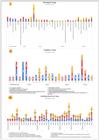
After analyzing the responses from the 23 participants in the research, 39 categories of potentialities were identified. These categories are represented in an accumulated bar chart based on the belonging group of the following social actors: volunteers (VOL), school team (ST), and project team (PrT).
Potentialities
There are no statistically significant differences in the perceptions of the different groups of stakeholders by potentialities (p-value = 0.75), as the ratio of variances was less than the maximum ratio (F = 0.096 < Fc = 2.084). Therefore, it can be inferred that the variations between the groups are not statistically significant, indicating a uniform distribution of responses among the project participants. Consequently, the T-Student method was employed, revealing a statistically significant inter-class variation in the perceptions between ST and PrT, as the calculated t-value is less than the maximum value (tc = 1.99 < t = 2.10) and the p-value (0.03) is lower than the adopted significance level.
To synthesize the information, the category “Others” was created to group the potentialities with low recurrence among the respondents. A minimum recurrence value per class was used as a reference, associated with the calculated tc value (1.99%). Thus, potentialities with values less than 2.6% (corresponding to 1 response) were considered insignificant for disaggregated analysis. This aggregation was applied to all stages, except for Stage 3, where most cited potentialities corresponded to this percentage.
Highlighted potentialities by respondents per stage were: Preliminary Stage: “Engagement.”; Stage 1: “Collaboration with school coordination,” “Analysis of the local school context (Teacher’s perspective),” and “Integration between school and university.”; Stage 2: “Training.”; Stage 4: “Full implementation,” “Objectivity,” “Continuity,” and “Availability of materials.”
“Involvement” stands out as the most relevant potentiality in Stage 2, with a recurrence of 25.6% among VOL, 12.8% among ST, and 7.7% among PrT, and was also mentioned, albeit less frequently, in Stage 3. Another noteworthy potentiality is “Organization,” which had a high recurrence in the Preliminary Stage and was cited at least once in all stages except Stage 1. Among the most relevant potentialities, according to the same criterion, are: “Organization” and “Planning” in the Preliminary Stage; “Excellent support material” and “Collaborative construction of knowledge and methodology” in Stage 1; “Involvement” and “Organization” in Stage 2; “Involvement” in Stage 3; and “Achieved solutions” and “Awareness” in Stage 4.
Weaknesses
Regarding the weaknesses in the actions of the project in implementing EfS principles, there were no statistically significant differences in the perceptions of the different social actors, with the p-value (0,12) being greater than the adopted significance level (0,05) and the variance ratio less than the maximum ratio (F = 2,483 < Fc = 4,259). Similar to the potentialities, the T-Student method was applied, finding a statistically significant inter-class variation between EE and VOL in terms of perceptions of weaknesses, as evidenced by the calculated t-value being greater than the maximum value (t = 3,27 > tc = 2,01) and the p-value (0,05) being less than the adopted significance level.
Stage 4 showed the highest recurrence of barriers: “Sustainable practices as isolated activities”; “Participation aiming at the certification of sustainability programs”; “Lack of practical activities, teacher support, and/or financial resources”; “Integration of sustainable practices and themes into institutional planning”; “Teacher turnover” (the most cited barrier); and “Fragmentation of the school curriculum.” Thus, teacher turnover is understood as the most impactful barrier in the project’s actions and was identified in all stages. The barriers “Integration of sustainable practices and themes into institutional planning,” “Limited instruction time,” and “Fragmentation of the school curriculum” have a significant impact, as they recur in all stages with average significant frequencies of 9,08%, 7,83%, and 8%, respectively, which corresponds to one indication per social actor category.
Perceptions of participants and correlation of principles and barriers
Regarding the potentialities, the statistically significant differences between ST and PrT perceptions can be understood by the fact that the participant groups have different roles in the execution of the activities described. The ST played a central role in mediating and validating the methodologies proposed by PrT in the school units, participating from the beginning in all project stages.
As for the weaknesses, statistically significant differences were found between ST and VOL. This finding supports the discussion presented by Huang and Cheng (2022), who highlight that perception variations regarding sustainability practices arise from different approaches to the concept of sustainability in the academic training of involved agents. While the ST group includes professionals with backgrounds in biology, geography, history, mathematics, and other fields, the VOL group consists of agents in training in environmental sciences.
Besides, it stands out that EE agents, being embedded in school units, serve as intermediaries for the project’s actions and actively participate in the execution of the proposed activities. Thus, it is understood that they have a clearer understanding of the limiting aspects, enhancing the developed activities, as evidenced by Gomes, Soares, and Bronzatto (2015).
No correlation was found between the principles reported in the literature and the project’s potentialities (r = 0.2466), nor between the barriers presented in the literature and the weaknesses identified in the activities’ execution (r = 0.258). This is because a Pearson Coefficient between 0.2 and 0.5 is considered low (COHEN, 2013). It is inferred that the lack of correlation is associated with the recent concept of EfS and the fact that the project did not include a discussion of this theme with participating stakeholders.
Conclusions
The systematic review highlighted the principles of EfS identified in research over the past five years. It is understood that these principles can be adopted as sustainability axes/pillars and incorporated into tools that measure the quality of EfS, particularly in management, curriculum, physical space, and relationships with the local community. The review also revealed barriers, mainly related to the weaknesses of mandatory environmental practices and the absence of practical activities, teacher support, and financial resources.
The methodology for identifying EfS principles, potentialities, and weaknesses proved adequate and demonstrated that stakeholders have distinct perceptions. Among the perceived potentialities of the sustainable school project’s actions, engagement, collaboration networks, objectivity, and material production were highlighted, facilitating training, full implementation, and continuity. Weaknesses associated with the integration of sustainability into institutional planning, limited instruction time, and curriculum fragmentation were also noted.
The results of this research contribute to the creation of a theoretical and methodological reference for EfS and can guide the development of evaluation tools for current educational practices. Consequently, complementary studies are being conducted to propose sustainability indicators and assess the applicability of the educational strategy at different teaching levels. Additionally, new case studies are being conducted in the municipal territory to strengthen the interinstitutional Environmental Education network.
Acknowledgements
This project was carried out with the support of the Pro-Rectory for University Extension and Culture at São Paulo State University (Unesp), which funded the Sustainable School Project and offered a grant.
References
-
AGUIAR, M. C.; AGUIAR, D. R. C.; CASTRO, C. V. O sistema de gestão ambiental como estratégia da Educação Ambiental no Senac de São José dos Campos (SP). Revista Brasileira De Educação Ambiental (RevBEA), v. 14, n. 1, p. 132-148, 2019. (https://doi.org/10.34024/revbea.2019.v14.2561)
» https://doi.org/10.34024/revbea.2019.v14.2561 -
AGIRREAZKUENAGA, L. Embedding sustainable development goals in education. Teachers’ perspective about education for sustainability in the Basque Autonomous Community. Sustainability, v. 11, n. 5, p. 1496, 2019. (https://doi.org/10.3390/su11051496)
» https://doi.org/10.3390/su11051496 -
ALKAHER, I.; GAN, D. The role of school partnerships in promoting education for sustainability and social capital. The Journal of Environmental Education, v. 51, n. 6, p. 416-433, 2020. (https://doi.org/10.1080/00958964.2020.1711499)
» https://doi.org/10.1080/00958964.2020.1711499 -
ALMEIDA, S. C.; MOORE, D.; BARNES, M. Teacher identities as key to environmental education for sustainability implementation: A study from Australia. Australian Journal of Environmental Education, v. 34, n. 3, p. 228-243, 2018. (https://doi.org/10.1017/aee.2018.40)
» https://doi.org/10.1017/aee.2018.40 -
BAIÃO, C. F. P.; BATISTA, G. T. Watershed evaluation by elementary school students: contribution to water resources teaching. Revista Ambiente & Água, v. 11, p. 5 1056 - 1067, 2016. (https://doi.org/10.4136/ambi-agua)
» https://doi.org/10.4136/ambi-agua - BARBIERI, J. C.; SILVA, D. Desenvolvimento sustentável e educação ambiental: uma trajetória comum com muitos desafios. RAM. Revista de Administração Mackenzie, v. 12, p. 51-82, 2011.
- BARDIN, L. Análise de conteúdo. Lisboa: Edições 70, 2011.
- BENTHAM, D; WILSON, A.; MCKENZIE, M.; BRADFORD, L. Sustainability education in first nations schools: A multi-site study and implications for education policy. Canadian Journal of Educational Administration and Policy, n. 191, 2019.
- BEVERIDGE, D; MCKENZIE, M.; AIKENS, K.; STROBBE, K. A national census of sustainability in K-12 education policy: implications for international monitoring, evaluation, and research. Canadian Journal of Educational Administration and Policy, n. 188, 2019.
- BRANDÃO, C. R. Pesquisa participante. São Paulo: Brasiliense, 1981.
- BRASIL. Constituição (1988). Constituição da República Federativa do Brasil. Brasília, DF: Senado Federal, 1988.
- BRASIL. Lei nº 9.795, de 27 de abril de 1999: dispõe sobre a educação ambiental, institui a Política Nacional de Educação Ambiental e dá outras providências. Diário Oficial da União, Brasília, DF, 28 de abril de 1999.
-
BRASIL. Ministério da Educação. Manual Escolas Sustentáveis. Brasília: MEC, 2013. Disponível em: http://pdeinterativo.mec.gov.br/escolasustentavel/manuais/ Manual_Escolas_Sustentaveis_v%2005.07.2013.pdf
» http://pdeinterativo.mec.gov.br/escolasustentavel/manuais/ Manual_Escolas_Sustentaveis_v%2005.07.2013.pdf - BRASIL. Ministério da Educação. Manual Escolas Sustentáveis. Brasília: MEC, 2013. Acessado em: 17 de set. 2023.
- CALVENTE, A.; KHARRAZI, A.; KUDO, S.; SAVAGET, P. Non-formal environmental education in a vulnerable region: Insights from a 20-year long engagement in Petropolis, Rio de Janeiro, Brazil. Sustainability, v. 10, n. 11, p. 4247, 2018.
- CARVALHO, I.C.M. O ‘ambiental’ como valor substantivo: uma reflexão sobre a identidade da Educação Ambiental. In: SAUVÉ, L. ORELLANA, I. SATO, M. Textos escolhidos em Educação Ambiental: de uma América à outra. Montreal, Publications ERE-UQAM, Tomo I, v. 9, p. 85-90, 2002.
-
DA CRUZ FERREIRA, C. A.; MELO, I. B. N.; MARQUES, S. C. M. A educação ambiental brasileira: história e adjetivações. Revista Brasileira de Educação Ambiental (RevBEA), v. 11, n. 1, p. 183-195, 2016. (https://doi.org/10.34024/revbea.2016.v11.2097)
» https://doi.org/10.34024/revbea.2016.v11.2097 - CZAPSKI, S. A implantação da Educação Ambiental no Brasil. Brasília: Ministério da Educação e do Desporto, p. 166, 1998.
-
DAVIS, J. N.; SPANIOL, M. R.; SOMERSET, S. Sustenance and sustainability: maximizing the impact of school gardens on health outcomes. Public health nutrition, v. 18, n. 13, p. 2358-2367, 2015. (doi:10.1017/S1368980015000221)
» https://doi.org/10.1017/S1368980015000221 -
DE MORAES, C. A. S.; BARDINI, V. S. dos S.; FIORE, F. A. Gerenciamento dos resíduos sólidos na obra social Celio Lemos. Brazilian Journal of Development, v. 6, n. 4, p. 17404-17416, 2020. (https://doi.org/10.34117/bjdv6n4-057)
» https://doi.org/10.34117/bjdv6n4-057 - DE SOUZA, L.; DE FREITAS RÊGO, T.; GIESTA-CABRAL, L. C. Educação Ambiental e Educação para a Sustentabilidade: um Estudo Bibliométrico das Produções Científicas do EnANPAD, ENGEMA e ECOINOVAR. Encontro da ANPAD, v.41, 2017.
-
DIAS, D. S. S.; CARNEIRO, S. M M. Environmental little citizen project and environmental education for elementary school. Educação, v. 41, n. 2, p. 399-410, 2016. (https://doi.org/http://dx.doi.org/10.5902/1984644417963)
» https://doi.org/http://dx.doi.org/10.5902/1984644417963 -
EAMES, C.; BARKER, M.; SCARFF, C. Priorities, identity and the environment: Negotiating the early teenage years. The Journal of Environmental Education, v. 49, n. 3, p. 189-206, 2018. (https://doi.org/10.1080/00958964.2017.1415195)
» https://doi.org/10.1080/00958964.2017.1415195 - ELKINGTON, J. Cannibals with forks - Triple bottom line of 21st century business. Stoney Creek, CT: New Society Publishers. 1997
- FERREIRA, A. B; DE MORAIS, C. A. S; PEREIRA, V. R.; FARINHA, E. M. K.; MACHADO, L. R. de M.; GODOI, K. M.; NASR, E. M. B.; ESPOSITO, E.; FREITAS, N. T. A.; FORMIGA, J. K. S.; MEDEIROS, L. C. de C.; SOUZA, R. G.; BARDINI, V. S. dos S.; FIORE, F. A. Escola Sustentável Fase 1: Resíduos Sólidos. In: VII Fórum Local de Extensão Universitária do ICT.SJC. São José dos Campos, 2019.
- FLICK, U. Introdução à pesquisa qualitativa-3. Artmed editora, 2008.
- GADOTTI, M. Educar para a sustentabilidade: uma contribuição à década da educação para o desenvolvimento sustentável. São Paulo: Editora e Livraria Instituto Paulo Freire, p. 61-86, 2008.
- GADOTTI, M. Ecopedagogia, pedagogia da terra, pedagogia da sustentabilidade, educação ambiental e educação para a cidadania planetária. Centro de Referência Paulo Freire. 2009.
-
GENTILINI, J. A. Atores, cenários e planos: o planejamento estratégico situacional e a educação. Cadernos de pesquisa, v. 44, p. 580-601, 2014. (https://doi.org/10.1590/198053142954)
» https://doi.org/10.1590/198053142954 -
GOLDMAN, D.; AYALON, O.; BAUM, D.; WEISS, B. Influence of ‘green school certification’on students’ environmental literacy and adoption of sustainable practice by schools. Journal of cleaner production, v. 183, p. 1300-1313, 2018. (https://doi.org/10.1016/j.jclepro.2018.02.176).
» https://doi.org/10.1016/j.jclepro.2018.02.176 - GOMES, M. A.; SOARES, N.; BRONZATTO, L. A. Metodologias Participativas, Elaboração e Gestão de Projetos. WWF-Projeto BR, 2015.
- GROVES, R. M.; FOWLER JR., F. J.; COUPE, M. P.; LEPKOWSKI, J. M.; SINGER, E.; TOURANGEAU, R. Survey Methodology, 2009.
- HUANG, H.; CHENG, E. W. Sustainability education in China: Lessons learnt from the teaching of geography. Sustainability, v. 14, n. 1, p. 513, 2022
-
IBGE. Instituto Brasileiro de Geografia e Estatística. 2021. Disponível em: https://cidades.ibge.gov.br/brasil/sp/sao-jose-dos-campos/panorama Acesso em 25 out. 2021.
» https://cidades.ibge.gov.br/brasil/sp/sao-jose-dos-campos/panorama - JACOBI, P. R.; GUERRA, A.F.S.; SULAIMAN, S.N.; NEPOMUCENO, T. Mudanças climáticas globais: a resposta da educação. Revista brasileira de educação, v. 16, p. 135-148, 2011.
-
JERONEN, E.; PALMBERG, I.; YLI-PANULA, E. Teaching methods in biology education and sustainability education including outdoor education for promoting sustainability-A literature review. Education Sciences, v. 7, n. 1, p. 1, 2017. (https://doi.org/10.3390/educsci7010001)
» https://doi.org/10.3390/educsci7010001 -
KAHRIMAN-PAMUK, D.; UZUN, N. B.; YILDIZ, T. G.; HAKTANIR, G. Reliability of indicators measuring early childhood education for sustainability: a study in Turkey using generalizability theory. International Journal of Early Childhood, v. 51, n. 2, p. 193-206, 2019. (https://doi.org/10.1007/s13158-019-00243-6)
» https://doi.org/10.1007/s13158-019-00243-6 - KRNEL, D.; NAGLIC, S. Environmental literacy comparison between eco-schools and ordinary schools in Slovenia. Science Education International, v. 20, p. 5-24, 2009.
- LAYRARGUES, P. P.; LIMA, G. F. da C. As macrotendências político-pedagógicas da educação ambiental brasileira. Ambiente & sociedade, v. 17, p. 23-40, 2014.
- LEVIN, J.; FOX, J. A. Estatística para ciências humanas. In: Estatística para ciências humanas. 2004.
- LIKERT, R. A technique for the measurement of attitudes. Archives of psychology. 1932.
- MACHADO, J. T. Espaços educadores sustentáveis: a dimensão da cidadania incorporada a partir de processos educadores ambientalistas. 2015. Tese de Doutorado. Universidade de São Paulo.
- MALHEIROS, T. F.; COUTINHO, S. M. V.; PHILIPPI JR, A. Indicadores de sustentabilidade: uma abordagem conceitual. In: PHILIPPI JR, A.; MALHEIROS, TF Indicadores de Sustentabilidade e Gestão Ambiental. São Paulo: Manole, v. 1, p. 1-29, 2013.
-
MARCHEZINI, V., LONDE, L.R. Looking to future perceptions about climate change in Brazil: What children’s teachers think, learn and teach about?. Nat Hazards, v. 104, p. 2325-2337, 2020. (https://doi.org/10.1007/s11069-020-04274-4)
» https://doi.org/10.1007/s11069-020-04274-4 - MCCORMICK, J. Rumo ao paraíso: a história do movimento ambientalista. Rio de Janeiro: Relume-Dumará, v. 224, 1992.
- MEIRA, P.; SATO, M. Só os peixes mortos não conseguem nadar contra a correnteza. Revista de Educação Pública, v. 14, n. 25, p. 17-31, 2005.
- MIEDIJENSKY, S.; ABRAMOVICH, A. Implementation of “Education for Sustainability” in Three Elementary Schools-What can we Learn about a Change Process? Eurasia Journal of Mathematics, Science and Technology Education, v. 15, n. 10, p. 1754, 2019.
- MOREIRA, T. Vamos cuidar do Brasil com escolas sustentáveis: educando-nos para pensar e agir em tempos de mudanças socioambientais globais. Brasília: A Secretaria, 2012.
-
NTANOS, S., KYRIAKOPOULOS, G. L., ARABATZIS, G., PALIOS, V., & CHALIKIAS, M. Environmental behavior of secondary education students: A case study at central Greece. Sustainability, v. 10, n. 5, p. 1663, 2018. (https://doi.org/10.3390/su10051663)
» https://doi.org/10.3390/su10051663 -
OLSSON, D.; GERICKE, N.; CHANG RUNDGREN, S. N. The effect of implementation of education for sustainable development in Swedish compulsory schools-assessing pupils’ sustainability consciousness. Environmental Education Research, v. 22, n. 2, p. 176-202, 2016. (https://doi.org/10.1080/13504622.2015.1005057)
» https://doi.org/10.1080/13504622.2015.1005057 -
OLSSON, D.; GERICKE, N.; BOEVE-DE PAUW, J.; BERGLUND, T.; CHANG, T. Green schools in Taiwan-Effects on student sustainability consciousness. Global Environmental Change, v. 54, p. 184-194, 2019. (https://doi.org/10.1016/j.gloenvcha.2018.11.011)
» https://doi.org/10.1016/j.gloenvcha.2018.11.011 -
PEREIRA, V. R.; FERREIRA, A. B.; DE MORAES, C. A. S.; FARINHA, E. M. K.; FIORE, F. A. Vivências de educação ambiental a partir de atividades de caracterização de resíduos sólidos em unidades educacionais: Estudo de caso realizado em São José dos Campos (SP) In: 31º Congresso da ABES. Curitiba, PR. 2021. Disponível em: https://icongresso.abes-dn.itarget.com.br/anais/index/resultado/index/index/cc/9 Acessado em: 29 dez. 2021.
» https://icongresso.abes-dn.itarget.com.br/anais/index/resultado/index/index/cc/9 - PRABAWA-SEAR, K.; DOW, V. Education for Sustainability in Western Australian Secondary Schools: Are We Doing It?. Australian Journal of Environmental Education, v. 34, n. 3, p. 244-261, 2018.
- PRETTY, J. N.; GUIJT, I. R. E. N. E.; SCOONES, I.; THOMPSON, J. O. H. N.. Guía del capacitador para el aprendizaje y acción participativa. DPID: Universidad Núr. Bolívia, 1997.
-
SAO JOSÉ DOS CAMPOS. Prefeitura de São José dos Campos. Lei nº 6690, de 21 de outubro de 2004. Dispõe sobre a Educação Ambiental, institui a Política Municipal de Educação Ambiental e dá outras providências. Disponível em: <https://servicos2.sjc.sp.gov.br/legislacao/Leis/2004/6690.pdf> Acesso em: 30 mar. 2021.
» https://servicos2.sjc.sp.gov.br/legislacao/Leis/2004/6690.pdf -
SÃO JOSÉ DOS CAMPOS. Prefeitura de São José dos Campos. Programa Municipal de Educação Ambiental: Semeando ideias para uma vida melhor!, 2006. Disponível em : <https://servicos2.sjc.sp.gov.br/media/521945/programamunicipaldeeducacaoambiental_2014_finalizado.pdf> Acesso em: 30 mar. 2021.
» https://servicos2.sjc.sp.gov.br/media/521945/programamunicipaldeeducacaoambiental_2014_finalizado.pdf - SADAN, N.; ALKAHER, I. Development and formation of ESE policy: learning from teachers and local authorities. Environmental Education Research, v. 27, n. 2, p. 192-216, 2021.
- SAUVÉ, L. Educação Ambiental: possibilidades e limitações. Educação e pesquisa, v. 31, p. 317-322, 2005.
- SEARCY, D. L.; MENTZER, J. T. A Framework for conducting and evaluating research, Journal of Accouning Literature, v. 22, n. 7374607, p. 130-167, 2003.
- SELBY, D.; KAGAWA, F. Disaster risk reduction in school curricula: case studies from thirty countries. 2012
- SILVA, A. H.; FOSSÁ, M. I. T. Análise de conteúdo: exemplo de aplicação da técnica para análise de dados qualitativos. Qualitas Revista Eletrônica, v. 16, n. 1, 2015.
- SILVA, M. de O.; PASSOS, J. K. F., CARVALHO, D. O.; DA CUNHA OLIVEIRA, C. C.; COELHO, A. S. A sustentabilidade e o Desenvolvimento do Programa Dinheiro Direto na Escola-Escolas Sustentáveis, em Aracaju, Sergipe. Educação (UFSM), v. 45, p. 99-1-27, 2020.
- SILVERMAN, J.; CORNEAU, N. From nature deficit to outdoor exploration: Curriculum for sustainability in Vermont’s public schools. Journal of Adventure Education and Outdoor Learning, v. 17, n. 3, p. 258-273, 2017.
- SORRENTINO, M. De Tbilisi a Tessaloniki, a educação ambiental no Brasil. In: JACOBI, P. et al. (orgs.). Educação, meio ambiente e cidadania: reflexões e experiências. São Paulo: SMA. p. 27-32, 1998.
- SUNDFELD, A.; FARINHA, E. M. K.; FIORE, F. A.; MURAKAMI, L. Y. K.; MACHADO, L. R. M.; RIBEIRO, M. R. As Nascentes e a cidade: um olhar para São José dos Campos. São Paulo: Cultura Acadêmica, p. 228, 2021.
-
TAL, T.; PELED, E. The philosophies, contents and pedagogies of environmental education programs in 10 Israeli elementary schools. Environmental Education Research, v. 23, n. 7, p. 1032-1053, 2017. (https://doi.org/10.1080/13504622.2016.1153047)
» https://doi.org/10.1080/13504622.2016.1153047 - TAVARES, R. Aprendizagem significativa. Revista conceitos, v. 10, n. 55, p. 55-60, 2004.
- THIOLLENT, M. Metodologia da pesquisa-ação. 2. ed. São Paulo: Cortez, 1985.
- TRAJBER, R.; SATO, M. Escolas sustentáveis: incubadoras de transformações nas comunidades. REMEA-Revista Eletrônica do Mestrado em Educação Ambiental, 2010.
- TRAJBER, R.; OLIVATO, D. A escola e a comunidade: ciência cidadã e tecnologias digitais na prevenção de desastres. Marchezini V, Wisner B, Londe LR, et al. Reduction of Vulnerability to Disasters: from knowledge to action. São Carlos: RiMa, p. 531-550, 2017.
- TRISTÃO, M. A educação ambiental na formação de professores: redes de saberes. Annablume, 2004.
- UITTO, A.; BOEVE-DE PAUW, J.; SALORANTA, S. Participatory school experiences as facilitators for adolescents’ ecological behavior. Journal of Environmental Psychology, v. 43, p. 55-65, 2015.
- VIEIRA, S. R.; TORALES CAMPOS, M. A.; DE MORAIS, J. L. Proposal for environmental education indicators matrix for assessment of environmental sustainability in school. Remea-Revista Eletrônica do Mestrado em Educação Ambiental, v. 33, n. 2, p. 106-123, 2016.
-
ZELENIKA, I.; MOREAU, T.; LANE, O.; ZHAO, J. Sustainability education in a botanical garden promotes environmental knowledge, attitudes and willingness to act. Environmental education research, v. 24, n. 11, p. 1581-1596, 2018. (https://doi.org/10.1080/13504622.2018.1492705)
» https://doi.org/10.1080/13504622.2018.1492705 -
WALS, A. E.J.; BENAVOT, A. Can we meet the sustainability challenges? The role of education and lifelong learning. European Journal of Education, v. 52, n. 4, p. 404-413, 2017. (https://doi.org/10.1111/ejed.12250)
» https://doi.org/10.1111/ejed.12250 -
WALKER, R.; CLARY, R. M.; WISSEHR, C. Embedding sustainability instruction across content areas: best classroom practices from informal environmental education. Journal of Geoscience Education, v. 65, n. 2, p. 185-193, 2017. (https://doi.org/10.5408/16-167.1)
» https://doi.org/10.5408/16-167.1 - WARNER, B. P.; ELSER, M. How do sustainable schools integrate sustainability education? An assessment of certified sustainable K-12 schools in the United States. The Journal of Environmental Education, v. 46, n. 1, p. 1-22, 2015.
- WASSERMAN, L. All of statistics: a concise course in statistical inference. Springer Science & Business Media, 2013.
-
WOLFF, L.A.; SJÖBLOM, P.; HOFMAN-BERGHOLM, M.; PALMBERG, I. High performance education fails in sustainability? A reflection on Finnish primary teacher education. Education sciences, v. 7, n. 1, p. 32, 2017. (https://doi.org/10.3390/educsci7010032).
» https://doi.org/10.3390/educsci7010032

 Font: Authors, 2024.
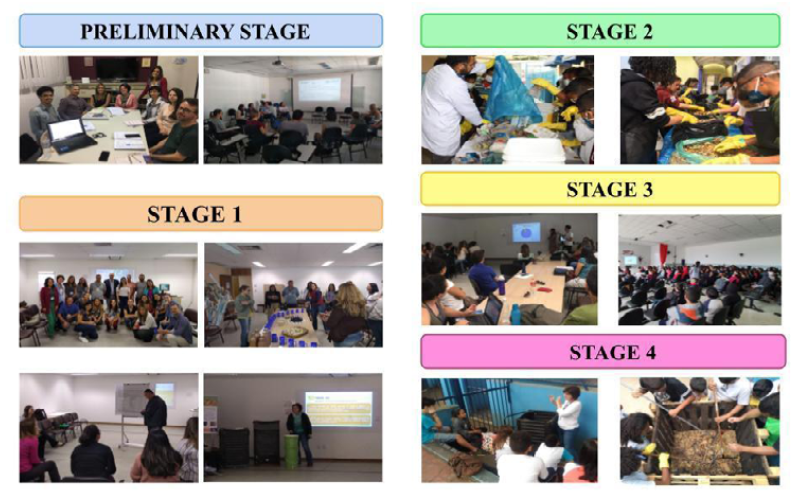 Font: Authors, 2024
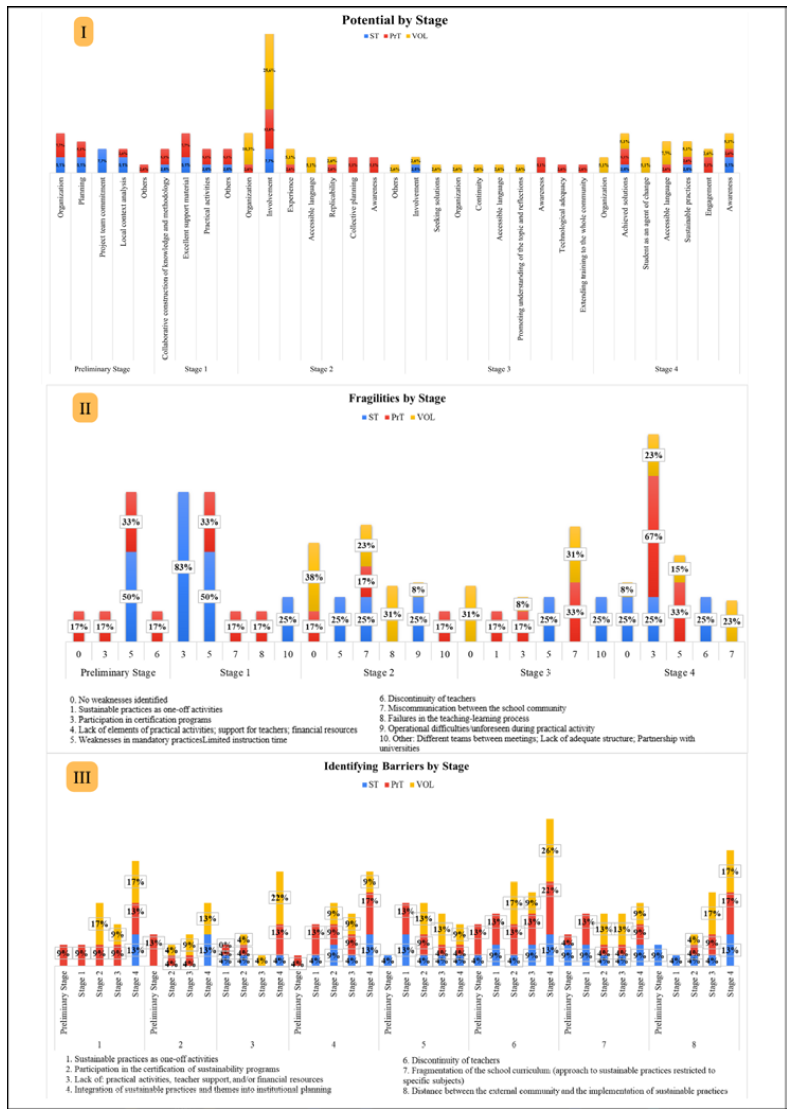 Font: Authors, 2024