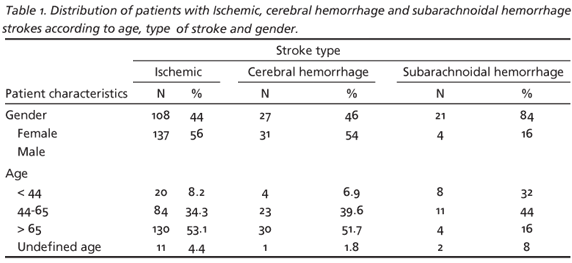
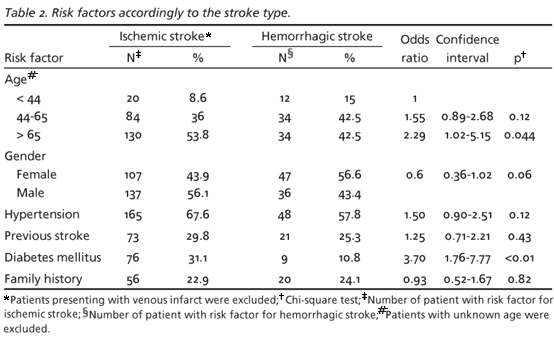
We performed a cross-sectional study of stroke type frequency at a local emergency hospital, in Natal, Brazil. The sample consisted of all patients who were admitted to an emergency hospital with a presumptive diagnosis of stroke. Of the 416 patients, 328 were studied, 88 were excluded for not meeting inclusion criteria, 74.7% (n= 245) had ischemic stroke 17.7% (n=58) had intracerebral hemorrhage, 7.6% (n=25) had subarachnoid hemorrhage; 173 were men (52.7%). Mean age was 64.1 years. The intrahospital mortality rate was 10.2%, 17.2% and 36% for ischemic stroke, intracerebral hemorrhage and subarachnoid hemorrhage, respectively. The most prevalent modifiable risk factor was hypertension for ischemic stroke (67.6%) and hemorrhage stroke (57.8%). Logistic regression analysis identified diabetes (OR=3.70; CI=1.76-7.77) as independent risk factor for ischemic stroke. The ischemic stroke was most common type of stroke. Hypertension and diabetes were important risk factors for stroke.
stroke; Brazil; hypertension