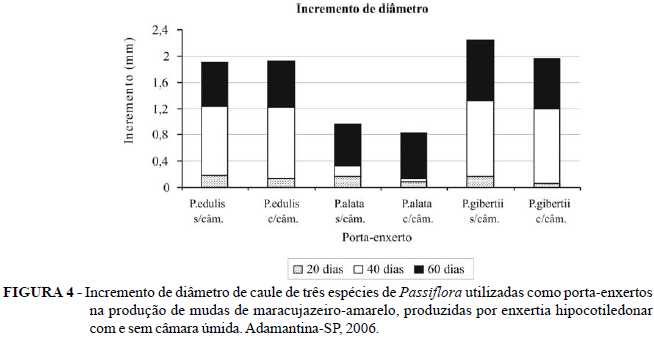
Com o objetivo de avaliar o desenvolvimento e a sobrevivência de plantas de maracujazeiro-amarelo (Passiflora edulis Sims) enxertadas sobre três porta-enxertos com uso de câmara úmida, instalou-se este experimento em um viveiro de mudas no município de Adamantina - SP, no período de dezembro de 2005 a abril de 2006. O delineamento foi em blocos ao acaso, em esquema fatorial 3 x 2, com quatro repetições. Os fatores avaliados foram três porta-enxertos (Passiflora edulis, P. alata e P. gibertii) em dois ambientes (com e sem câmara úmida). Foi utilizada a enxertia hipocotiledonar pelo método de garfagem tipo fenda cheia. Avaliaram-se a altura das plantas, o diâmetro do caule do porta-enxerto e do enxerto, o número de folhas, o comprimento do entrenó, a porcentagem de sobrevivência das plantas e a fitomassa seca da parte aérea e das raízes. Observou-se que o método de enxertia utilizado foi bem-sucedido para as três espécies de porta-enxertos estudadas. P. gibertii e P. edulis proporcionaram melhores resultados como porta-enxertos. O porta-enxerto P. alata proporcionou menor altura de planta, menor diâmetro do enxerto e do porta-enxerto e menor índice de sobrevivência. O uso da câmara úmida não favoreceu nenhuma das variáveis estudadas.
Propagação assexuada; Passifloraceae; produção de mudas; ambiente protegido