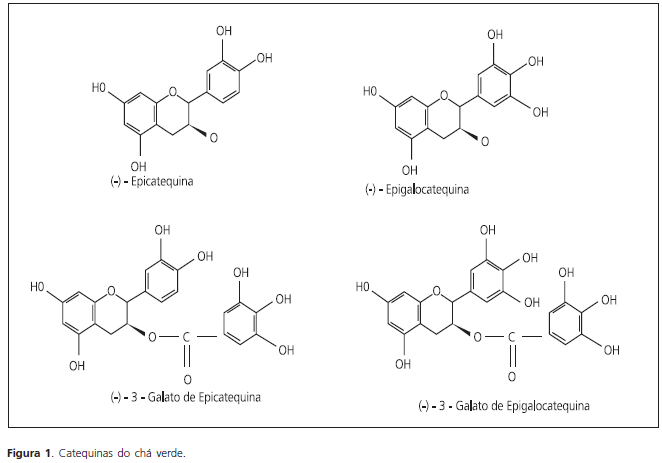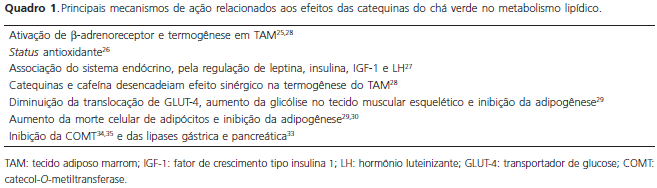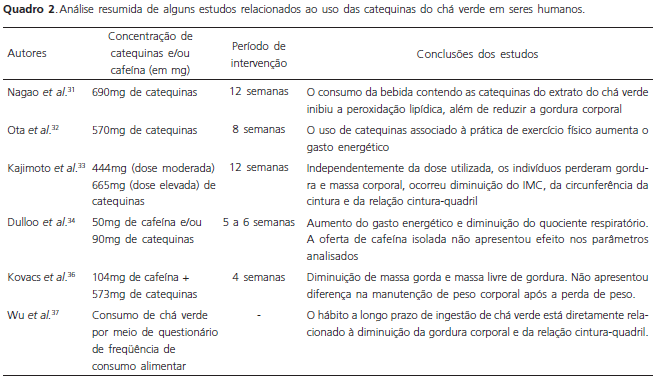
O chá é uma bebida amplamente utilizada, perdendo apenas para a água como a bebida mais consumida no mundo. O chá verde é rico em polifenóis, principalmente catequinas. Entre uma variedade de efeitos benéficos à saúde atribuídos ao consumo do chá verde, grande atenção tem sido focalizada no seu efeito na redução da gordura corporal. Este estudo tem como objetivo apresentar uma descrição dos estudos com o chá verde e/ou seus compostos bioativos relacionados à biologia celular, estudos experimentais e epidemiológicos associados ao metabolismo lipídico e à redução da gordura corporal. Galato de epigalocatequina é o principal composto bioativo presente no chá verde e seus efeitos anti-obesidade estão sendo investigados. Tais efeitos estão associados a diversos mecanismos bioquímicos e fisiológicos, dentre eles podem-se destacar a estimulação do metabolismo lipídico pela combinação da ingestão de catequinas e a prática de exercícios físicos regulares. Apesar do efeito promissor do chá verde e seus compostos bioativos no tratamento da obesidade, estudos clínicos controlados devem ser conduzidos. Finalmente, um plano alimentar adequado associado à prática regular de atividade física constitui a principal ferramenta para a prevenção da obesidade e de suas comorbidades.
Alimentos funcionais; Camellia sinensis; Metabolismo lipídico; Obesidade