 Potential effects of plastic waste: microplastics, a global concern
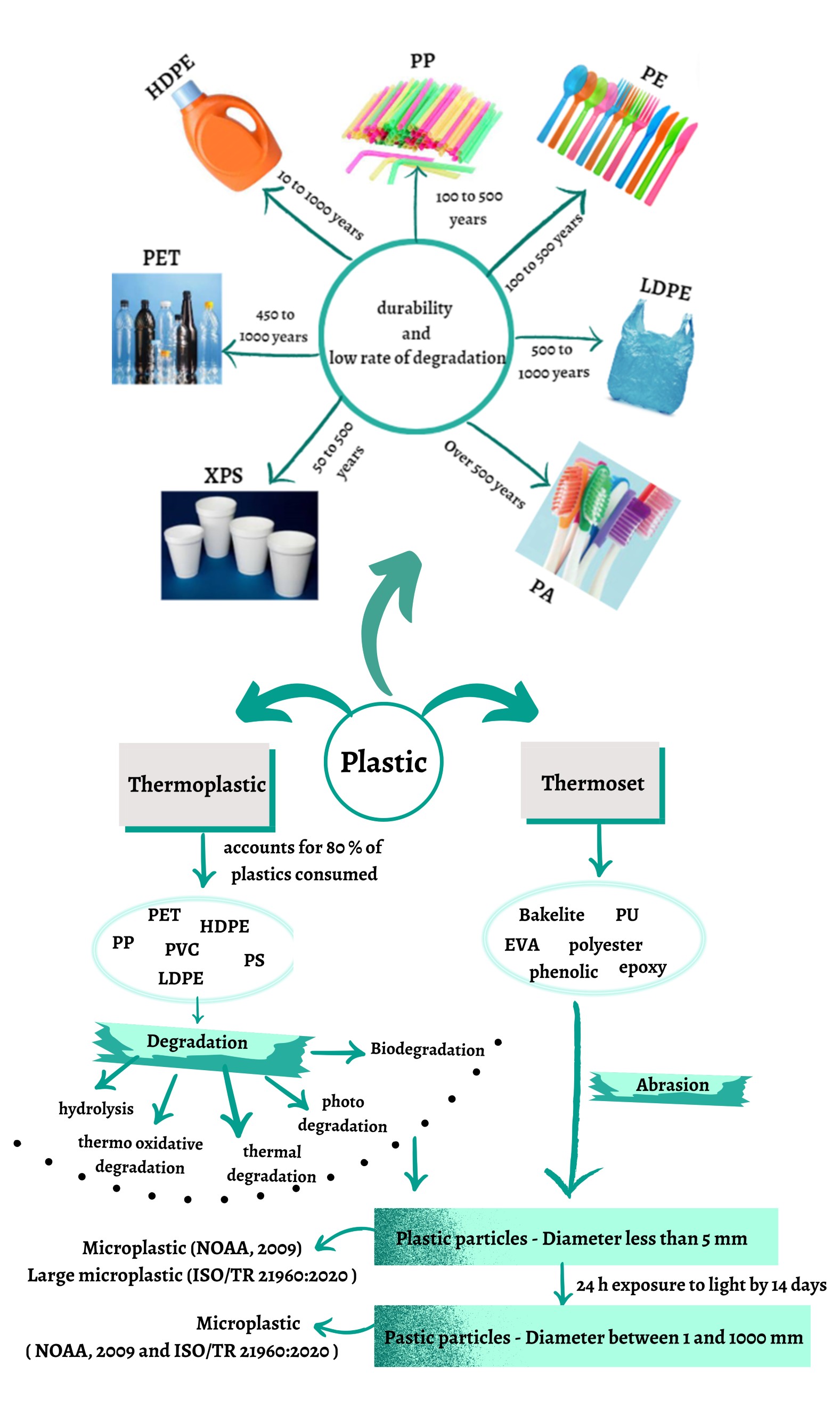
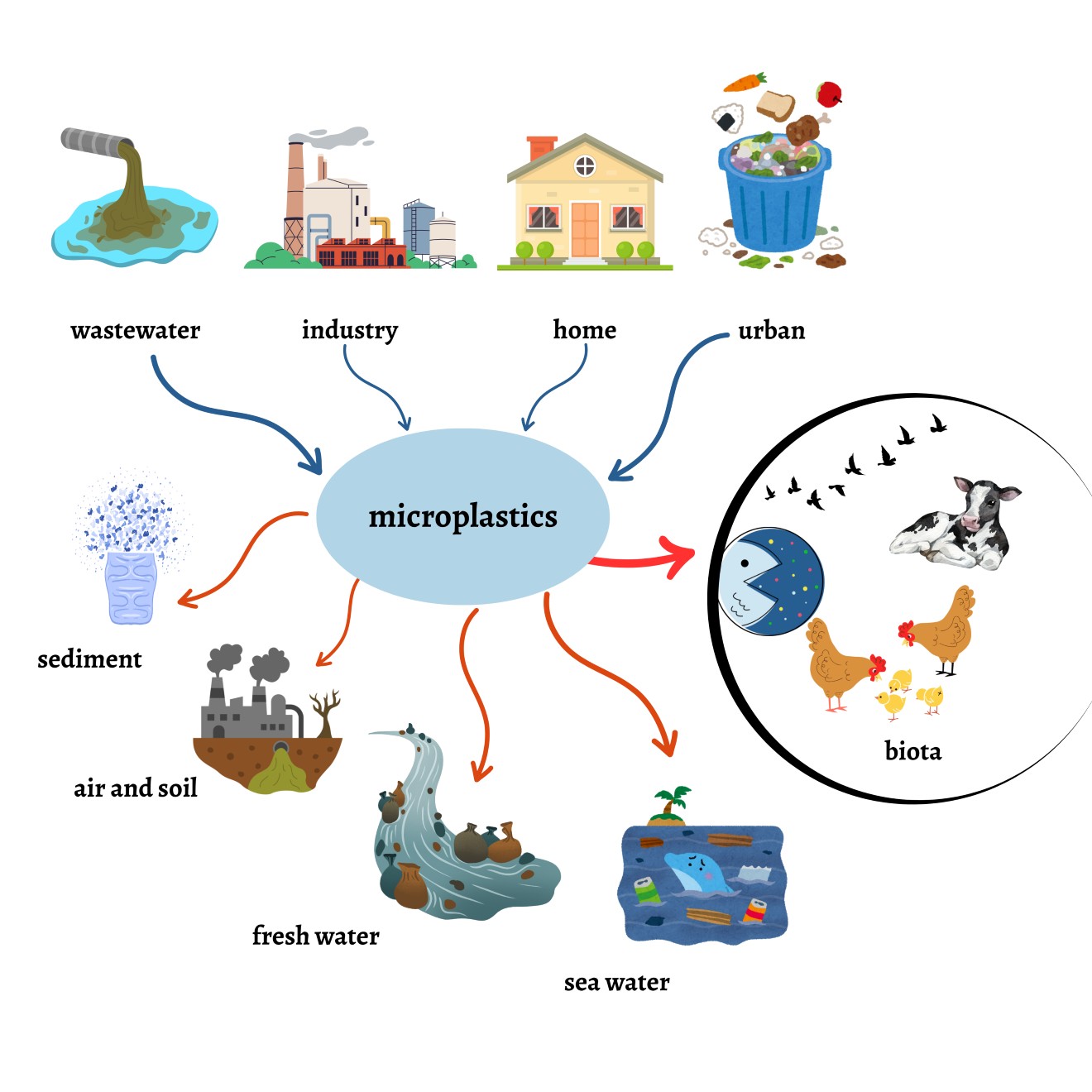
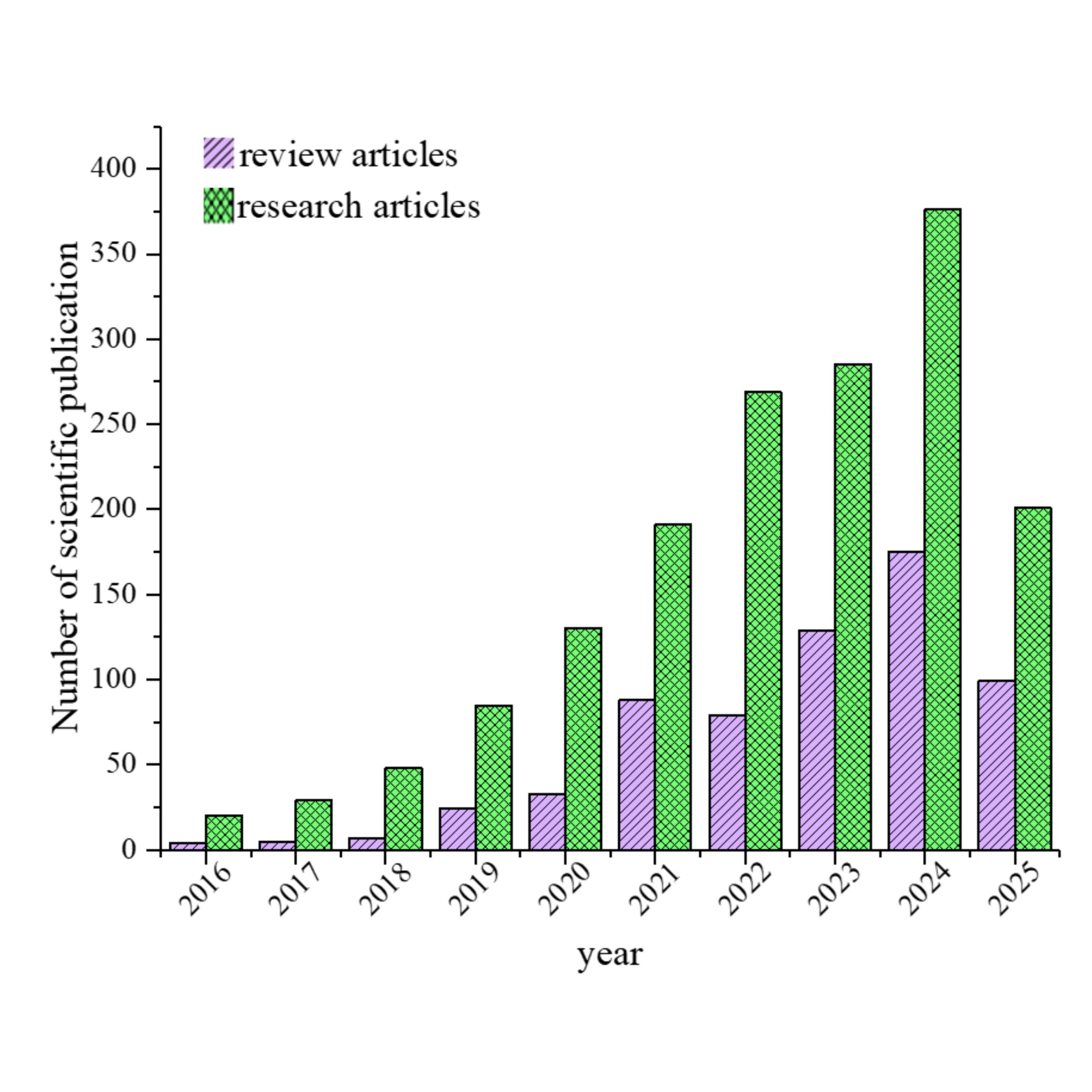
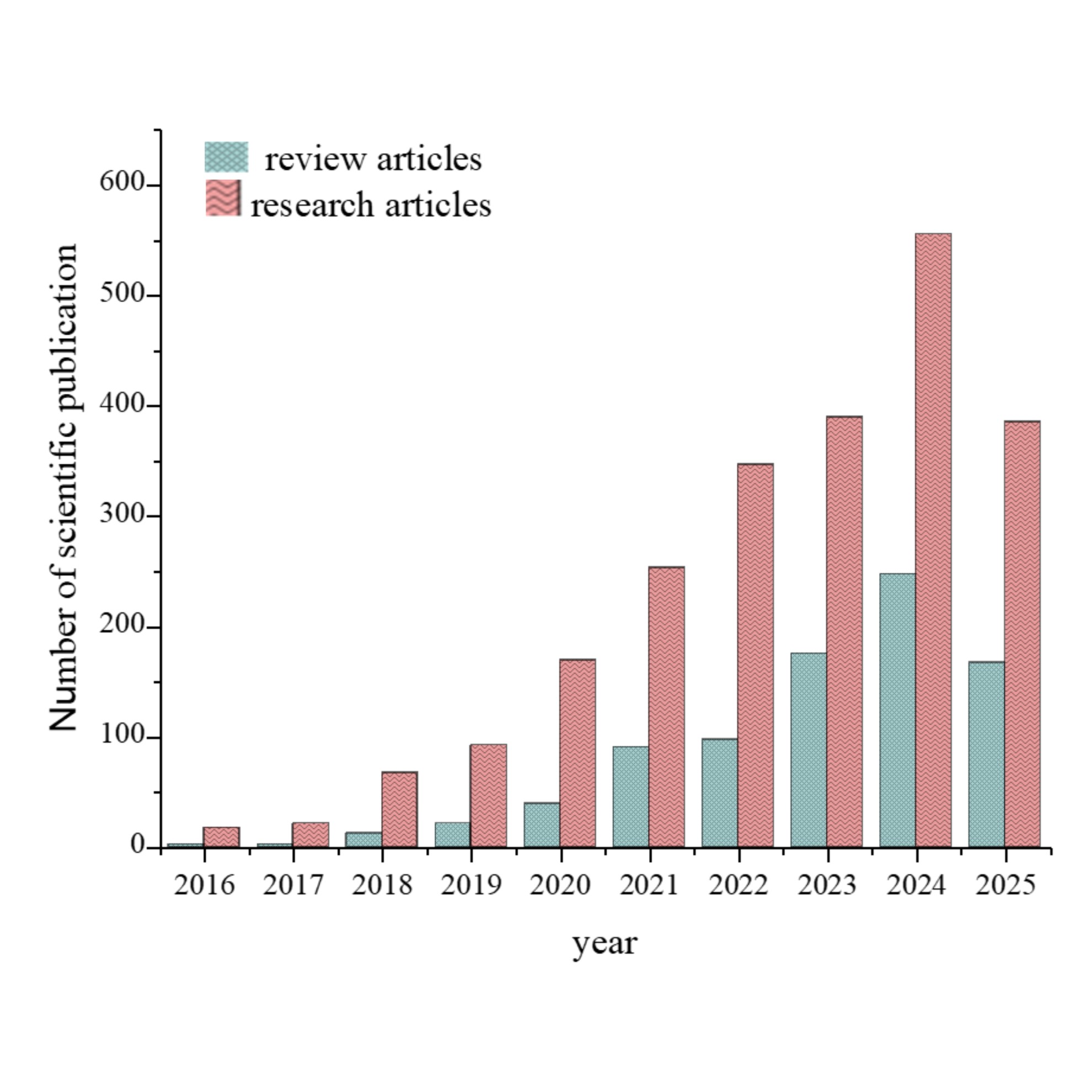
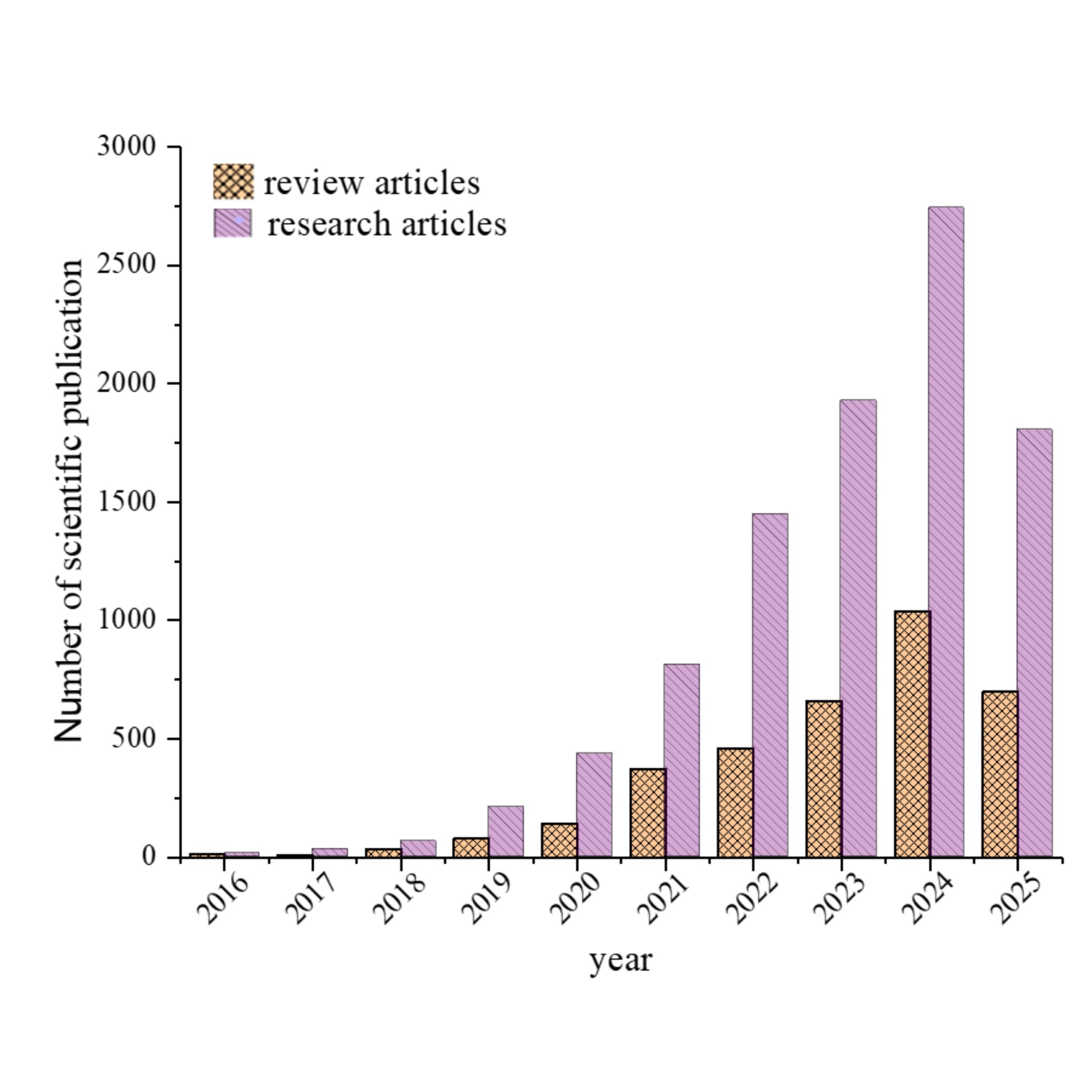
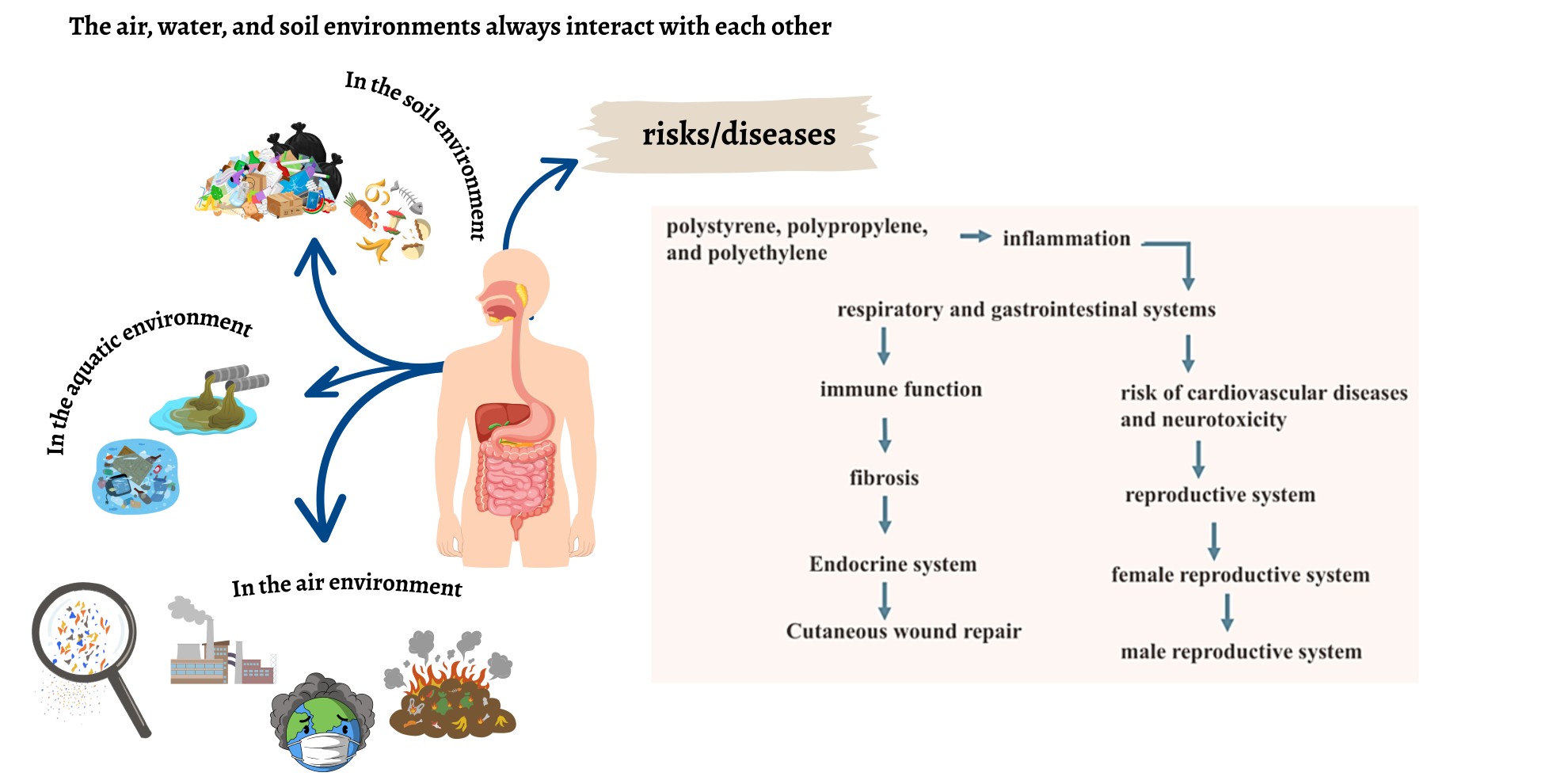
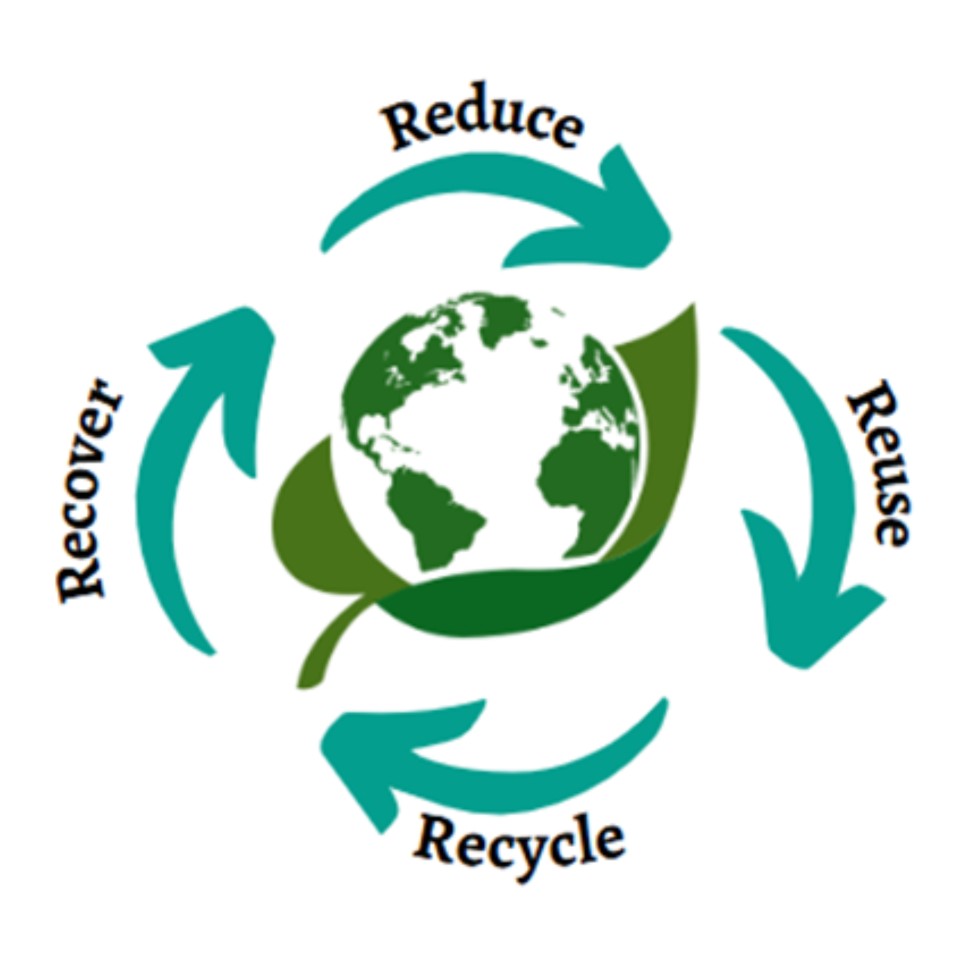
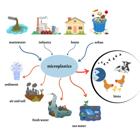
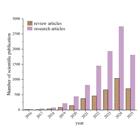
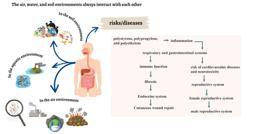
The degradation of plastic materials has led to the emergence of new forms of reduced size (≤ 5 mm); know as microplastics (MPs). The presence of microplastics is a growing concern due to their persistence and, consequently, their ability to disseminate environmental pollutants. This review, in addition to providing an overview of the accumulation of plastic waste, which poses a risk to aquatic organisms and human health, seeks alternatives to mitigate this problem. To this end, we sought to address the main causes, sources, affected sites (soil, air, water), as well as the possible harmful effects caused by the presence of MPs on aquatic organisms and humans. The circular economy system has become an alternative for effectively reducing MPs in nature. In this context, we also presented an overview of trends in MP recycling, pollution control, and how proposed legislation on single-use plastic production is being discussed. Finally, an overview of scientific publications on the subject over the last ten years was presented.
Key words
Airborne particles; aquatic environment; contamination; plastics; soil
 Thumbnail
 Thumbnail
 Thumbnail
 Thumbnail
 Thumbnail