 Maternal exposure to BPA during the perinatal period leads to imbalances in the testicular antioxidant enzymatic system and apoptosis in adult rat offspring
Abstract
Bisphenol A (BPA) is a widely used plasticizer that can leach from packaging, leading to contamination of food and beverages. Exposure to endocrine-disrupting chemicals during critical windows of development may lead to functional abnormalities in adulthood. Disruption of redox homeostasis and impaired activity of key antioxidant enzymes contribute to testicular dysfunction and reduced sperm quality. We evaluated the effects of perinatal BPA exposure on the testicular enzymatic antioxidant system in the adult offspring of dams treated with BPA (0.5 or 5 mg BPA/kg BW/day) from gestational day 18 throughout postnatal day (PND) 5. The testes of offspring were collected at PND90, and the transcription levels of <italic>Sod1</italic> and <italic>Gsr</italic> were reduced, those of <italic>Nfe2l2</italic> and <italic>Blc2 </italic>were increased, and those of <italic>Casp3</italic> were not altered, whereas an increased ratio of <italic>Bcl2</italic>/<italic>Bax</italic> expression was observed in the BPA5 group. An increase in SOD activity was observed in the BPA0.5 group, and a decrease in GSR activity was observed in the BPA5 group. Functional enrichment analysis revealed interactions between antioxidant genes and those involved in the hypothalamic‒pituitary‒testicular axis and spermatogenesis. These findings suggest that BPA exposure can disrupt the antioxidant defense system in male reproductive tissues, potentially leading to adverse reproductive outcomes.
Key words
catalase; glutathione peroxidase; glutathione reductase; superoxide dismutase; infertility
INTRODUCTION
Bisphenol A (BPA) is a synthetic chemical employed in the production of polycarbonate plastics and epoxy resins and is used in the manufacturing of everyday products (Cimmino et al. 2020). BPA migrates from food packaging, becoming contaminated food and beverages, the primary source of human exposure (Khalili Sadrabad et al. 2023, Maiolini et al. 2014).
Infertility, defined as the inability to conceive after one year of unprotected intercourse (WHO 2023), affects millions, significantly impacts families and communities, and is thus a public health concern (Calogero et al. 2023). Male factors contribute to half of all infertility cases (Agarwal et al. 2015), but approximately 50% of cases still remain idiopathic (Calogero et al. 2023). In this context, exposure to endocrine-disrupting chemicals (EDCs) may affect fertility (Rodprasert et al. 2023).
BPA has been detected in the serum, amniotic fluid, and placental tissue of pregnant women, as well as in fetal serum (Dickerson et al. 2011, Ikezuki et al. 2002, Diamanti-Kandarakis et al. 2009). Recently, studies have suggested that exposure to BPA leads to cellular damage through oxidative stress (Carchia et al. 2015, Auten & Davis 2009, Abdulhameed et al. 2022), including DNA alterations through chain breaks and base oxidation, lipid peroxidation, and protein oxidation (Auten & Davis 2009).
Infertility can also reflect changes that occur during fetal life or shortly after birth in a critical window of development. The perinatal period is crucial for hypothalamic sexual differentiation, during which any interference can have an impact on fertility in adulthood (Oliveira et al. 2017, Salian et al. 2011, Shamhari et al. 2021). Therefore, exposure to EDCs during pregnancy may have implications for adult reproductive life (Kortenkamp 2017, Skakkebaek et al. 2015).
Previously, we demonstrated that perinatal BPA administration resulted in various effects on sperm production, morphology, and functionality; alterations in testicular and seminiferous tubule architecture; and changes in the expression of genes related to spermatogenesis in adult offspring (Campos et al. 2019). These findings highlight the clear and evident damage that BPA causes in male infertility, which may be secondary to the consequences of oxidative stress (Aitken et al. 2022, Presunto et al. 2023).
Thus, the aim of this study was to assess whether perinatal exposure to BPA affects the testicular enzymatic antioxidant system in adult offspring by evaluating the expression of transcripts; the enzymatic activity of catalase, superoxide dismutase, glutathione reductase, and glutathione peroxidase; the expression of transcripts of Nfe2l2 (Nfr2), a gene involved in the control of the cell response to oxidative stress; and genes involved in apoptotic pathways (Bcl2, Bax and Casp3). We also performed enrichment analysis of genes related to enzyme antioxidant activity (Cat, Sod1, Gsr and Gpx4) and those involved in the control of the hypothalamic‒pituitary‒testicular axis and spermatogenesis (Esr1, Esr2, Ar, Gper1, Inhbb, Cyp19a1, Lhcgr, Fshb, Lhb, Gnrh1, Gnrhr) via systems biology tools.
MATERIALS AND METHODS
Animals, housing, and ethical standards
The animals were sourced from our breeding colony and kept in a temperature-controlled room (23 ± 1°C) with a 12:12-hour dark/light cycle. The animals were provided standard rat chow (Nuvilab CR-1; Nuvital, PR, Brazil) and water ad libitum. All procedures adhered to the guidelines set by the Conselho Nacional de Controle de Experimentação Animal (CONCEA) and received approval from the Universidade Estadual do Centro-Oeste - Ethical Committee for Animal Research (protocol 012/2014).
Experimental design
At the age of 90 days, nineteen female Wistar rats (Rattus norvegicus var. albinus) were subjected to mating, and the first day of gestation (GD1) was confirmed by the presence of sperm in the vaginal smear. The pregnant rats were randomly divided into three groups, each receiving daily doses of BPA (CAS 80--05--7; Sigma‒Aldrich Co., St. Louis, USA) at 0 (BPA0), 0.5 (BPA0.5), or 5 (BPA5) mg/kg body weight (BW) from GD18 through postnatal day (PND) 5. BPA was dissolved in corn oil and administered subcutaneously to the mothers between 7 and 8 a.m. The control group received corn oil alone. To standardize litter sizes and minimize litter size-related influences, all litters were adjusted to 12 pups (6 males and 6 females) on PND4. At PND90, the male offspring were euthanized, and their tissues were collected as previously described (Campos et al. 2019, Oliveira et al. 2017).
Selection of doses
The doses used were selected on the basis of our previous study in which reproductive toxicity was observed at a dose ten times lower than the reproductive no observed adverse effect level (NOAEL) (Wisniewski et al. 2015). Therefore, the doses used here are ten and one hundred times lower than the NOAEL for BPA in terms of reproductive and developmental toxicity (50 mg/kg BW/day) (Fao & Meeting 2010).
The margin of safety for BPA is estimated at 1.1 µg/kg bw/day for infants under 2 years of age and 0.5 µg/kg bw/day for the population over two years of age, according to the FDA/USA (FDA/USA 2014). Recently, the European Food Safety Authority reduced the tolerable daily intake from 4 μg/kg bw/day to 0.2 ng/kg bw/day on the basis of its toxicity to the immune system (Lambré et al. 2023). In this study, the estimated daily intake for humans was 0.5 µg/kg bw/day and 0.05 µg/kg bw/day, which was calculated by dividing the doses of 5 and 0.5 mg/kg by uncertainty factors of 1,000 (10 for human variability, 10 for an animal study, and 10 for less than chronic exposure) (FDA/USA 2014).
Tissue collection
After euthanasia, the testes were removed, immediately frozen in liquid nitrogen and stored in an ultrafreezer at -80°C until further analyses of relative gene expression and enzymatic activity were performed.
Reverse transcription followed by real-time quantitative PCR (RT‒qPCR)
The enzymatic antioxidant system was evaluated through the expression of the genes encoding superoxide dismutase 1 (Sod1), catalase (Cat), glutathione-disulfide reductase (Gsr), glutathione peroxidase 4 variants 1 (Gpx4var1) and 2 (Gpx4var2), NFE2-like bZIP transcription factor 2 (Nfe2l2, or Nfr2), BCL2, apoptosis regulator (Bcl2), BCL2 associated X, apoptosis regulator (Bax), and caspase 3 (Casp3) via real-time quantitative PCR. Briefly, the testes were pulverized in liquid nitrogen, and an aliquot of 50 mg was used for total RNA extraction via TRIzol reagent (Life Technologies, Carlsbad, USA) according to the manufacturer’s instructions. The total RNA concentration was estimated with a nanospectrophotometer (Kasvi, Brazil), and 2.5 µg was reverse transcribed via the GoScript Reverse Transcription System (Promega, Madison, USA) via oligo(dTs) according to the manufacturer’s instructions. Gene expression was evaluated via reverse transcription (RT–qPCR) via real-time quantitative PCR via Platinum® SYBR® Green qPCR SuperMix-UDG (Life Technologies, Carlsbad, USA) and an Applied Biosystems StepOnePlus Real-Time PCR System (Applied Biosystems, Singapore, Singapore). The following cycling conditions were used: 50°C (2 min), 95°C (2 min), and 40 cycles of 95°C (15 s) and 60°C (30 s). At the end of the reaction, a melting curve was generated and analyzed to confirm the specificity of the amplification. The average cycle threshold (Ct) was automatically determined via StepOne™ Software v2.3 (Applied Biosystems), and quantification was performed via the 2-ΔΔCt method, as described previously (Livak & Schmittgen 2001). The ribosomal protein L19 (Rpl19) was used as an internal control (housekeeping gene). The primer sequences are shown in Table I and were previously standardized in our laboratory (Lopes et al. 2019, Gomes et al. 2019).
Antioxidant enzyme activity in the testis
Testicular enzymatic antioxidant activity was evaluated according to previous publications (Lopes et al. 2019, Gomes et al. 2019). Briefly, twenty-five milligrams of pulverized testis tissue was homogenized in 250 µL of 0.5 mM Tris-HCl (pH 7.4) and centrifuged at 590 × g for 10 min at 4°C. The total protein content was estimated by applying the Bradford method (Bradford 1976) to the collected supernatant. Additionally, the supernatant was subjected to enzymatic assays to determine the activities of superoxide dismutase (SOD), glutathione peroxidase (GPX), glutathione reductase (GSR) and catalase (CAT). These assays were performed using a SpectraMax 190 Microplate Reader (Molecular Devices, USA).
SOD activity
SOD activity was estimated according to the degree of formazan inhibition in the presence of xanthine and xanthine oxidase and detected via spectrophotometry (Beauchamp & Fridovich 1971). The analyses were performed following the manufacturer’s instructions for the RANSOD Kit (Randox Laboratories Limited, Crumlin, Northern Ireland), and the absorbance at 505 nm was measured. The SOD activity data were obtained for each sample by the absorbance/protein concentration ratio.
GPX activity
GPX activity was measured via a RANSEL Kit as previously described (Paglia & Valentine 1967) (Randox Laboratories Limited, Crumlin, Northern Ireland). GPX catalyzes the oxidation of GSH to GSSG in the presence of cumene hydroperoxide. The reduction in absorbance was measured at 340 nm. The GPX activity data were obtained for each sample by the absorbance/protein concentration ratio.
GSR activity
GSR activity was measured following the manufacturer’s instructions for the GLUTATHIONE REDUCTASE Kit (GLUT RED, Randox Laboratories Limited, Crumlin, Northern Ireland). GSR catalyzes GSSG reduction and NADPH oxidation to NADP+ (Kaneko et al. 2002). The absorbance was measured at 340 nm. For each sample, the absorbance value was divided by the protein concentration.
CAT activity
The catalase activity was measured by H2O2 decay at 30°C via spectrophotometry at 240 nm, according to a previously described method (Aebi 1984). Briefly, ten microliters of protein lysate was added to 500 µl of H2O2 (20 mM, pH 7.0) at 30°C, and the absorbance was measured at 60 seconds in quartz cuvettes via a V-630 Bio UV‒Vis Spectrophotometer (JASCO, USA). The results are expressed as the delta of absorbance (initial minus final) per second per μg of protein (Δ Abs × Sec-1 × μg of Ptn-1).
Integration of the biomarker response (IBR)
The IBRv2 (integrate biomarker response) method was first described by Beliaeff & Burgeot (2002) and later modified by Sanchez et al. (2013). This method evaluates and summarizes the effects of different doses of BPA on biomarkers, providing a global view. The method consists of calculating the mean (µ) and standard deviation (σ) after performing a log-transformation (Yi) of the data grouped by biomarker. Another normalization is subsequently performed with Yi, applying the equation Zi = (Yi - µ)/σ. The value of Ai is calculated with the equation Ai = Zi - Z0. Typically, the values of Ai are plotted on a graph to evaluate the distance from the base values. The IBR index is finally acquired by adding the absolute values of Ai for all the markers. Positive values of the Ai and IBR indices indicate stimulation, and symmetrical, negative values indicate inhibition of the biomarker. Notably, Ai indicates the impact of the substance on each marker separately, whereas the IBR index reflects the influence of the substance on the set of parameters measured by the biomarkers. The higher the index value is, the greater the disturbance on the set.
Gene Set Enrichment Analysis
Using a systems biology approach, genes related to enzyme antioxidant activity (Cat, Sod1, Gsr and Gpx4) were evaluated for possible functional interactions with the genes involved in the control of the hypothalamic‒pituitary‒testicular axis and spermatogenesis (Esr1, Esr2, Ar, Gper1, Inhbb, Cyp19a1, Lhcgr, Fshb, Lhb, Gnrh1, Gnrhr), which were previously studied for BPA toxicity by our group (Campos et al. 2019, Oliveira et al. 2017). Gene set enrichment was performed via systems biology analysis through the formation of a functional network via Cytoscape 3.9.1 software (Shannon et al. 2003) and ClueGO v2.5.9 + CluePedia v1.5.9 (Bindea et al. 2009, 2013). The enrichment analysis by ClueGo was performed using the categories of gene ontology (GO) (biological processes, cellular components, immune system processes, and molecular function), KEGG, INTERPRO and REACTOME (reactions and pathways). The enriched networks were obtained from the following parameters: (1) mode of analysis: functional analysis; (2) list of charge markers: Homo sapiens; (3) visual style: groups; (4) ClueGO configurations: biological process + cellular components + molecular function; (5) network specificity: average; and (6) kappa score = 0.4 (standard).
Statistical analysis
The dataset was first subjected to Kolmogorov–Smirnov tests for normality and the Bartlett test for homoscedasticity. The parameters were analyzed by ANOVA followed by the post hoc Dunnet test. The Pearson correlation coefficient (r) was used to measure the linear correlation between two variables. The linear correlation ranged from -1 to 1 and was classified as strong (|r > 0.7|), moderate (|0.5 < r < 0.7|) or weak (|0.3 < r < 0.5|). When |0 < r < 0.3|, there is no linear correlation between the variables. All analyses were performed with Statistica 7.0 (StatSoft, Inc., Tulsa, OK, USA). P values lower than 0.05 were considered to indicate statistical significance. The values are expressed as the means and the standard error of the mean (± SEM).
RESULTS
Superoxide dismutase (SOD) transcript expression and activity
The transcript expression levels of Sod1 were reduced in the testes of the BPA5 group (P<0.05) (Fig. 1a). SOD activity increased in the BPA0.5 group (P<0.0001) (Fig. 1b). There was no correlation between SOD transcript expression and activity.

Relative superoxide dismutase (a) mRNA expression and (b) enzyme activity in adult male offspring from dams exposed to 0, 0.5 or 5 mg BPA/kg body weight from GD18 through PND5. The data are expressed as the mean ± S.E.M.; ANOVA followed by Dunnet’s post hoc test; n = 9/group; *P < 0.05 and ****P < 0.0001 vs. control (BPA0). Sod1: superoxide dismutase 1; SOD: superoxide dismutase; Ptn: protein.
Glutathione peroxidase (GPX) transcript expression and activity
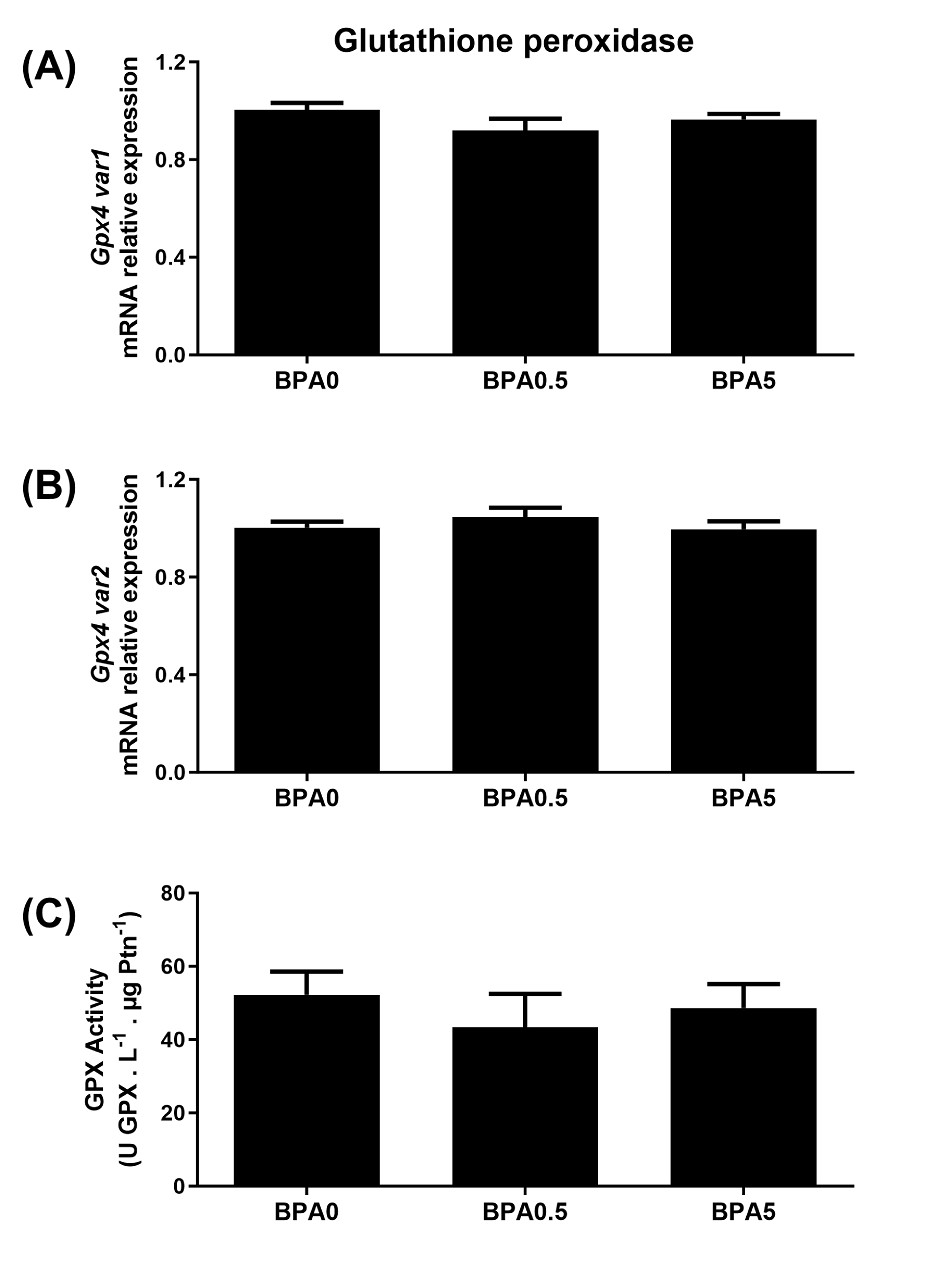
The transcript levels of Gpx4Var1 (Fig. 2a) and Gpx4Var2 (Fig. 2b) and the enzymatic activity of GPX (Fig. 2c) were not affected by perinatal exposure to BPA. There was no correlation between GPX transcript expression and activity.

Relative expression of glutathione peroxidase 4 mRNA in (a) transcript variant 1, (b) transcript variant 2 and (c) enzyme activity in adult male offspring from dams exposed to 0, 0.5 or 5 mg of BPA/kg of body weight from GD18 through PND5. The data are expressed as the mean ± S.E.M.; ANOVA followed by Dunnet’s post hoc test; n = 9/group. Gpx4var1: glutathione peroxidase 4 transcript variant 1; Gpx4var2: glutathione peroxidase 4 transcript variant 2; GPX: glutathione peroxidase; Ptn: protein.
Catalase (CAT) transcript expression and activity
The transcript expression levels of Cat (Fig. 3a) and the enzymatic activity of CAT (Fig. 3b) were not affected by perinatal BPA exposure. There was no correlation between CAT transcript expression and activity.
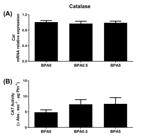
Relative catalase (a) mRNA expression and (b) enzyme activity in adult male offspring from dams exposed to 0, 0.5 or 5 mg BPA/kg body weight from GD18 through PND5. The data are expressed as the mean ± S.E.M.; ANOVA followed by Dunnet’s post hoc test; n = 9/group. Cat: catalase; CAT: catalase; Abs: absorbance; Ptn: protein.
Glutathione reductase (GSR) transcript expression and activity
The transcript expression levels of Gsr (Fig. 4a) and the enzymatic activity of GSR (Fig. 4b) were reduced in the BPA5 group (P<0.05). There was a weak Pearson correlation (r = 0.47) between transcript expression and enzymatic activity (Fig. 4c).

Relative expression of glutathione reductase (a) mRNA, (b) enzyme activity and (c) correlation between mRNA and enzyme activity in adult male offspring from dams exposed to 0, 0.5 or 5 mg BPA/kg body weight from GD18 through PND5. The data are expressed as the mean ± S.E.M.; ANOVA followed by Dunnet’s post hoc test; n = 9/group; *P < 0.05 vs. control (BPA0). Pearson correlation coefficient (r) = 0.47; P < 0.02. Gsr: glutathione reductase; GSR: glutathione reductase; Ptn: protein.
IBR Results
The analyses of the parameters via the IBRv2 method revealed a great impact of BPA on all biomarkers, with high index values of 7.13 for the BPA0.5 group and 6.71 for the BPA5 group (Fig. 5). This integrated analysis revealed altered biomarker parameters for BPA0.5 and BPA5 that were not identified by ANOVA. The following biomarkers were affected by both BPA0.5 and BPA5: increased enzymatic activity of CAT and SOD; decreased enzymatic activity of GPX; decreased transcript expression of Cat, Gpx4Var1, and Gsr; and increased transcript expression of Gpx4Var2. GSR activity and Sod1 transcript expression decreased only in the BPA5 group.

Integrated biomarker response (IBR) indices for the enzymatic activity and expression of catalase (CATa, CATe), glutathione peroxidase (GPXa, GPXe_v1 and v2), superoxide dismutase (SODa, SODe), and glutathione reductase (GSRa, GSRe) in adult male offspring from dams exposed to 0, 0.5 or 5 mg of BPA/kg of body weight from GD18 through PND5. The IBR indices (IBRv2) were calculated as 7.13 and 6.71 for BPA0.5 and BPA5, respectively.
Interaction network between genes of the antioxidant enzymatic system, the control of the hypothalamic‒pituitary‒testicular axis and spermatogenesis
The functional enrichment analysis revealed an interaction between the evaluated genes (Fig. 6). The antioxidant enzymes (Cat, Gsr, Gpx4 and Sod1) and Inhbb were clustered in the “response to toxic substances”. At least one gene of this cluster interacts with other clusters: response to peptide hormone (Cat), response to organic cyclic compounds (Cat, Gpx4, Sod1), hormone ligand-binding receptors (Sod1), response to hormones (Cat), and gonad development (Cat, Gpx4, Sod1).
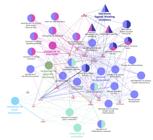
Network of genes related to enzyme antioxidant activity and genes involved in the control of the hypothalamic‒pituitary‒testicular axis and spermatogenesis, as determined by functional enrichment analysis of ClueGo + CluePedia. The biological terms are differentially represented by color and shape, the sizes vary according to significance, and the most significant term is highlighted with the name of each group. The edges connect small nodes that represent related genes to the corresponding terms. Ontology used: GO_Biological Process; GO_Cellular Component; GO_Immune System Process; GO_Molecular Function (all GO terms are represented by circles); REACTOME_Pathways; REACTOME_Reactions (REACTOME terms are represented by triangles); KEGG (represented by octagons).
Specifically, Cat is also clustered in response to peptide hormones, response to organic cyclic compounds, and response to hormone and gonad development. Gpx4 in response to organic cyclic compounds and gonad development. Sod1 in response to organic cyclic compounds, hormone ligand-binding receptors, and gonad development. The term “regulation of the inflammatory response” is shared by Gpx4, Sod1, Gper1, Esr1 and Cyp19a1.
Transcript expression of genes involved in the cellular response to oxidative stress and apoptosis
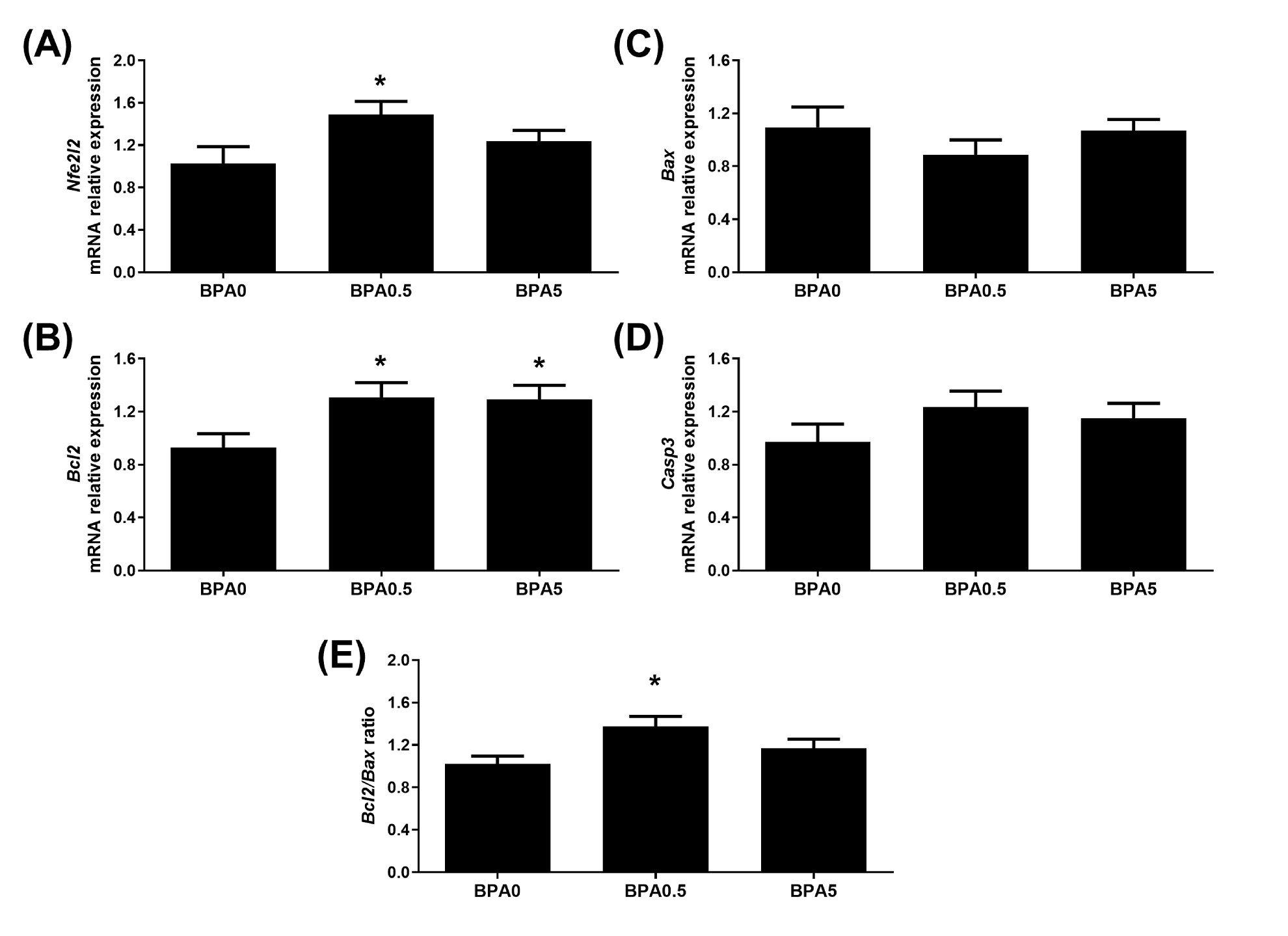
The transcript expression levels of Nfe2l2 were increased in the testes of the BPA0.5 group (P<0.05) (Fig. 7a). The transcript expression levels of Blc2 were increased in the testes of the BPA0.5 and BPA5 groups (P<0.05) (Fig. 7b). Bax and Casp3 were not altered (Fig. 7c and d). The ratio of the expression of the Bcl2 and Bax transcripts was increased in the BPA0.5 group (Fig. 7e).

Relative expression of Nfe2l2 (a), Bcl2 (b), Bax (c), and Casp3 (d) mRNAs and the Bcl2/Bax ratio (e) in adult male offspring from dams exposed to 0, 0.5 or 5 mg of BPA/kg of body weight from GD18 through PND5. The data are expressed as the mean ± S.E.M.; ANOVA followed by Dunnet’s post hoc test; n = 9/group. Bax: BCL2 associated X, apoptosis regulator; Bcl-2: BCL2, apoptosis regulator; Casp3: Caspase 3; Nfe2l2: NFE2 like bZIP transcription factor 2.
DISCUSSION
Previously, we observed a reduction in the integrity of the plasma membrane and acrosome, a reduction in mitochondrial activity, and an increase in abnormal sperm morphology in the BPA5 group, which were not observed in the BPA0.5 group (Campos et al. 2019). Here, we investigated how the mechanisms underlying the response of sperm cells to oxidative stress may be involved in this scenario.
The first and most important line of defense against oxidative damage occurs through the action of SOD, which is responsible for the oxidation and reduction of the superoxide radical (O●-2) into H2O2 (Fridovich 1997, Zelko et al. 2002). BPA exposure is associated with increased ROS generation (Ullah et al. 2018, Kaur et al. 2018), lipid peroxidation (Zhang et al. 2023, Li et al. 2023, Molangiri et al. 2022), and protein carbonylation (Melebary et al. 2022, Al-Griw et al. 2021). In these cases, this seems to be a direct effect of the reduction in the activity of the antioxidant enzymes SOD and/or CAT (Melebary et al. 2022, Ullah et al. 2018, Chen et al. 2012, Othman et al. 2016). However, in our study, SOD activity was increased in the offspring of mothers in the BPA0.5 group, whereas Sod1 transcript levels were not altered in this group. After BPA5 treatment, the expression of the transcripts decreased, but the activity did not change. The Sod1 transcript is constitutively expressed and is considered a housekeeping gene (Miao & St. Clair 2009). Perinatal exposure to BPA altered the constitutive pattern of the gene in adult offspring, suggesting that there was interference in specific transcriptional mechanisms in the promoter region of this gene (Miao & St. Clair 2009) and/or epigenetic mechanisms, as observed in the brains of offspring exposed to low doses of BPA (Kundakovic et al. 2013). Sod1 is an enzyme that undergoes intense posttranslational modification and has reactive effects on several cellular factors (Banks & Andersen 2019). It is believed that more than 99% of the activity of this enzyme is not related to its canonical action as a dismutator of superoxide (Banks & Andersen 2019). In this context, the increased activity of SOD in the BPA0.5 group in our study may be related to the lack of observation of reduced sperm functionality in this group (Campos et al. 2019).
Interestingly, the Nfe2l2 gene (Nrf2) is a transcription factor (Li et al. 2004) involved in the control of the cell response to oxidative stress (Vomund et al. 2017, Nguyen et al. 2009). In the testis, Nrf2 activation increases the expression of SOD and GPX (Signorini et al. 2024) and is considered a target for preventing oxidative damage and apoptosis caused by xenobiotics (Khan et al. 2024). In this study, we observed an increase in its expression in the testis of the BPA0.5 group, concomitant with increased SOD activity.
Although less reactive than superoxide radicals are, excess H2O2 generated by SOD activity can contribute to increased oxidative stress in the cell. Thus, two other enzymes, CAT and GPX, are activated (Drevet 2006). CAT uses H2O2 as a substrate when its concentration is above physiological levels (Rotruck et al. 1973). According to the results of the integrated analysis (IBR), we also observed an increase in CAT activity, which may have neutralized the increase in H2O2 production by SOD1 in the BPA0.5 group. When BPA is administered to adult rats, it causes a reduction in CAT activity (Melebary et al. 2022, Chouhan et al. 2015, Ullah et al. 2018), suggesting that epigenetic modulation may occur (Kundakovic et al. 2013).
Another important testicular antioxidant enzyme, GPX, has a protective effect on small adjustments in H2O2 concentrations, where it metabolizes glutathione (GSH) into oxidized glutathione (GSSG) (Rotruck et al. 1973). GPX4 is highly expressed in all cell types in the testis (Guo et al. 2020). Perinatal BPA did not affect GPX4 transcript expression or activity, as determined by ANOVA. However, integrated analysis (IBR) revealed a reduction in the expression of Gpx4var1 and in GPX activity in both groups.
The GSSG formed is regenerated to GSH in an NADPH-dependent manner through the action of the GSR enzyme since most of the functions of glutathione require its reduced form, thus ensuring the efficiency of the cellular protection system against possible oxidative damage (Beutler 1989, Kaneko et al. 2002). In the testis, GSR is expressed in Sertoli cells, spermatogonium, spermatids, and spermatocytes (Guo et al. 2020) and protects the sulfhydryl groups and unsaturated fatty acids of sperm from oxidation during maturation and storage processes (Kaneko et al. 2002). In the BPA5 group, there was a reduction in the expression of Gsr transcripts and in the activity of the GSR enzyme. The GSR plays an important role in detoxifying xenobiotics, therefore providing essential protection for the seminiferous epithelium (Castellón 1994, Sies 1999, Boer et al. 1989, Bauche et al. 1994, Gualtieri et al. 2011). In this manner, the reduction in the activity of both GPX and GSR in the BPA5 group may be related to the decreased sperm functionality previously observed in these animals (Campos et al. 2019).
Oxidative stress may lead to the activation of apoptotic pathways. In this context, we evaluated the expression of genes involved in anti- and proapoptotic events. Bcl2 is a gene encoding an antiapoptotic protein that preserves outer mitochondrial membrane integrity, preventing the action of proapoptotic proteins, such as Bax (Opferman & Kothari 2017). The accumulation of Bax in outer membrane mitochondria increases the degree of permeabilization, resulting in the leakage of cytochrome c and causing cell death (Salvador-Gallego et al. 2016). The balance between Bcl2 and Bax expression regulates the degree of apoptosis in human melanoma (Raisova et al. 2001). In this study, we observed increased expression of Bcl2 in both BPA-treated groups, whereas Bax was not affected. However, the Bcl2/Bax ratio was increased in the BPA0.5 group. The Casp3 gene is a member of the apoptosis pathway, and its activation is considered the executioner of apoptosis (Elmore 2007, Walsh et al. 2008); however, its expression was not affected by BPA treatment in this study.
Taken together, these results suggest that, in the BPA0.5 group, the increased expression of Nrf and Bcl2 and the ratio of Bcl2/BaxI and increased activity of SOD protected the sperm cells from oxidative stress caused by xenobiotics. On the other hand, in the BPA5 group, none of the antiapoptotic mechanisms investigated here were activated, in addition to a reduction in Sod1 and Gsr1 expression and reduced GSR activity.
The IBR test was designed to facilitate the interpretation of biomarkers, indicating an overall measure of stress, by integrating contributions from all responses (Iturburu et al. 2018). The IBRv2 index summarizes the overall response of the selected biomarkers to BPA as a possible antioxidant system deregulator in terms of both enzyme activity and expression (Resende & Pereira 2024). In this study, high IBRv2 values at both doses suggested a significant effect on oxidative stress markers, which was not detected by ANOVA. This discrepancy is attributed to the IBRv2 algorithm, which compares log-transformed biomarker values to a mean reference (Resende & Pereira 2024). Similar situations may be observed in other studies (Bhagat et al. 2016, Hou et al. 2021, Serafim et al. 2012, Feng et al. 2022, Iturburu et al. 2018).
In this study, we also present a systems biology approach involving the antioxidant system to include these genes/proteins in a more global physiological situation. Sod1 is also a key integrator of endocrine function in the testis and is involved in the terms gonad development, development of primary sexual characteristics, sex differentiation, steroid biosynthetic process, regulation of reproductive process, steroid metabolic process, reproductive structure development, reproductive system development, regulation of the inflammatory response, small molecule biosynthetic process, gland development, and response to organic cyclic compounds. CAT is also involved in the response to estradiol and the steroid metabolic process. GPX4 is involved in other testicular processes, such as the response to estradiol, the regulation of the inflammatory response, and small molecule biosynthetic processes. Therefore, the participation of these genes/proteins in the regulation of the spermatogenic process involves more pathways than does oxidative stress.
In conclusion, maternal exposure to low doses of BPA during the period of hypothalamic sexual differentiation alters the pattern of expression and activity of the key enzymes involved in the control of ROS generated in the testes of adult offspring. We observed that in the BPA0.5 group, the activation of stressor response mechanisms culminated with normal sperm parameters, whereas in the BPA5 group, these mechanisms were disrupted, and many sperm alterations were detected. In addition, steroidogenic and spermatogenic processes may also be affected, as revealed by enrichment analysis. These findings suggest that BPA exposure can disrupt the antioxidant defense system in male reproductive tissues, potentially leading to adverse reproductive outcomes in adulthood.
Acknowledgements
This study was supported by Coordenação de Aperfeiçoamento de Pessoal de Nivel Superior (CAPES, 23038.009865/2013-32). DP was the recipient of a scholarship from Fundação Araucária. GIS and RMR (310157/2023-4) are fellowship recipients from the Conselho Nacional de Desenvolvimento Científico e Tecnológico (CNPq − Brazil).
References
- ABDULHAMEED AAR, LIM V, BAHARI H, KHOO BY, NAZRUL M, ABDULLAH H & TAN JJ. 2022. Review Article Adverse Effects of Bisphenol A on the Liver and Its Underlying Mechanisms: Evidence from In Vivo and In Vitro Studies. Biomed Res Int: doi: 10.1155/2022/8227314.
- AEBI H. 1984. Catalase in vitro. In: Methods in Enzymology, Academic Press, p. 121-126.
- AGARWAL A, MULGUND A, HAMADA A & CHYATTE MR. 2015. A unique view on male infertility around the globe. Reprod Biol Endocrinol 13: 37.
- AITKEN RJ, BROMFIELD EG & GIBB Z. 2022. Oxidative stress and reproductive function: The impact of oxidative stress on reproduction: a focus on gametogenesis and fertilization. Reproduction 164: F79-F94.
- AL-GRIW MA, ALGHAZEER RO, SALAMA NM, LWALEED BA, ESKANDRANI AA, ALANSARI WS, ALNAJEEBI AM, BABTEEN NA, SHAMLAN G & ELNFATI AH. 2021. Paternal bisphenol A exposure induces testis and sperm pathologies in mice offspring: Possibly due to oxidative stress? Saudi J Biol Sci 28: 948-955.
- AUTEN RL & DAVIS JM. 2009. The Role of Oxygen in Health and Disease - A Series of Reviews Oxygen Toxicity and Reactive Oxygen Species: The Devil Is in the Details. 66: 121-127.
- BANKS CJ & ANDERSEN JL. 2019. Mechanisms of SOD1 regulation by post-translational modifications. Redox Biol 26: 101270.
- BAUCHE F, FOUCHARD MH & JEGOU B. 1994. Antioxidant system in rat testicular cells. FEBS Lett 349: 392-396.
- BEAUCHAMP C & FRIDOVICH I. 1971. Superoxide dismutase: Improved assays and an assay applicable to acrylamide gels. Anal Biochem 44: 276-287.
- BELIAEFF B & BURGEOT T. 2002. Integrated biomarker response: A useful tool for ecological risk assessment. Environ Toxicol Chem 21: 1316-1322.
- BEUTLER E. 1989. Nutritional and metabolic aspects of glutathione. Annu Rev Nutr 9: 287-302.
- BHAGAT J, SARKAR A & INGOLE BS. 2016. DNA Damage and Oxidative Stress in Marine Gastropod Morula granulata Exposed to Phenanthrene. Water Air Soil Pollut 227: 1-22.
- BINDEA G, GALON J & MLECNIK B. 2013. CluePedia Cytoscape plugin: Pathway insights using integrated experimental and in silico data. Bioinformatics 29: 661-663.
- BINDEA G, MLECNIK B, HACKL H, CHAROENTONG P, TOSOLINI M, KIRILOVSKY A, FRIDMAN WH, PAGÈS F, TRAJANOSKI Z & GALON J. 2009. ClueGO: A Cytoscape plug-in to decipher functionally grouped gene ontology and pathway annotation networks. Bioinformatics 25: 1091-1093.
- BOER PJ, MACKENBACH P & GROOTEGOED JA. 1989. Glutathione metabolism in cultured Sertoli cells and spermatogenic cells from hamsters. J Reprod Fertil 87: 391-400.
- BRADFORD MM. 1976. A rapid and sensitive method for the quantitation of microgram quantities of protein utilizing the principle of protein-dye binding. Anal Biochem 72: 248-254.
- CALOGERO AE ET AL. 2023. The Renaissance of Male Infertility Management in the Golden Age of Andrology. World J Mens Health 41: 237-254.
- CAMPOS P, OLIVEIRA IM, SENA DE SOUZA J, CONCEIÇÃO RR, GIANNOCCO G, CHIAMOLERA MI, SILVA MRD, ROMANO MA & ROMANO RM. 2019. Maternal bisphenol A exposure disrupts spermatogenesis in adult rat offspring. J Toxicol Environ Heal - Part A Curr Issues 82(3): 163-175.
- CARCHIA E, PORRECA I, ALMEIDA PJ, ANGELO FD, CUOMO D, CECCARELLI M, FELICE M, MALLARDO M & AMBROSINO C. 2015. Evaluation of low doses BPA-induced perturbation of glycemia by toxicogenomics points to a primary role of pancreatic islets and to the mechanism of toxicity. Cell Death Dis 6(10): e1959.
- CASTELLÓN EA. 1994. Glutathione and gamma-glutamyl cycle enzymes in rat testis during sexual maturation. Syst Biol Reprod Med 33: 179-185.
- CHEN M ET AL. 2012. Bisphenol A Alters n-6 Fatty Acid Composition and Decreases Antioxidant Enzyme Levels in Rat Testes: A LC-QTOF-Based Metabolomics Study. PLoS One 7: 1-8.
- CHOUHAN S, YADAV SK, PRAKASH J, WESTFALL S, GHOSH A, AGARWAL NK & SINGH SP. 2015. Increase in the expression of inducible nitric oxide synthase on exposure to bisphenol A: a possible cause for decline in steroidogenesis in male mice. Environ Toxicol Pharmacol 39: 405-416.
- CIMMINO I, FIORY F, PERRUOLO G, MIELE C, BEGUINOT F, FORMISANO P & ORIENTE F. 2020. Potential Mechanisms of Bisphenol A (BPA) Contributing to Human Disease. Int J Mol Sci 21(16): 5761.
- DIAMANTI-KANDARAKIS E, BOURGUIGNON J-P, GIUDICE LC, HAUSER R, PRINS GS, SOTO AM, ZOELLER RT & GORE AC. 2009. Endocrine-Disrupting Chemicals: An Endocrine Society Scientific Statement. Endocr Rev 30: 293-342.
- DICKERSON SM, CUNNINGHAM SL, PATISAUL HB, WOLLER MJ & GORE AC. 2011. Endocrine Disruption of Brain Sexual Differentiation by Developmental PCB Exposure. Endocrinology 152: 581-594.
- DREVET JR. 2006. The antioxidant glutathione peroxidase family and spermatozoa: a complex story. Mol Cell Endocrinol 250: 70-79.
- ELMORE S. 2007. Apoptosis: A Review of Programmed Cell Death. Toxicol Pathol 35: 495.
-
FAO J & MEETING WHOE. 2010. Toxicological and Health Aspects of Bisphenol A Report of Joint FAO / WHO Expert Meeting. Available at: https://iris.who.int/bitstream/handle/10665/44624/97892141564274_eng.pdf?sequence=1
» https://iris.who.int/bitstream/handle/10665/44624/97892141564274_eng.pdf?sequence=1 -
FDA/USA. 2014. Memorandum. Available at: https://www.regulations.gov/#!docketBrowser;rpp=25;po=0;dct=SR;D=FDA-2010-N-0100
» https://www.regulations.gov/#!docketBrowser;rpp=25;po=0;dct=SR;D=FDA-2010-N-0100 - FENG W, SU S, SONG C, YU F, ZHOU J, LI J, JIA R, XU P & TANG Y. 2022. Effects of Copper Exposure on Oxidative Stress, Apoptosis, Endoplasmic Reticulum Stress, Autophagy and Immune Response in Different Tissues of Chinese Mitten Crab (Eriocheir sinensis). Antioxidants 11(10): 2029.
- FRIDOVICH I. 1997. Superoxide anion radical (O2-.), superoxide dismutases, and related matters. J Biol Chem 272: 18515-18517.
- GOMES SN ET AL. 2019. Imbalanced testicular metabolism induced by thyroid disorders: New evidences from quantitative proteome. Endocrine 67(1): 209-223.
- GUALTIERI AF, IWACHOW MA, VENARA M, REY RA & SCHTEINGART HF. 2011. Bisphenol A effect on glutathione synthesis and recycling in testicular Sertoli cells. J Endocrinol Invest 34: e102-e109.
- GUO J ET AL. 2020. The Dynamic Transcriptional Cell Atlas of Testis Development during Human Puberty. Cell Stem Cell 26: 262-276.e4.
- HOU K, JUHASZ A & LI B. 2021. Toxicity Evaluation of Chlorpyrifos Metabolite 3, 5, 6- trichloro-2-pyridinol to Eisenia fetida in Different Soils. Res Sq 259: 109394.
- IKEZUKI Y, TSUTSUMI O, TAKAI Y, KAMEI Y & TAKETANI Y. 2002. Determination of bisphenol A concentrations in human biological fluids reveals significant early prenatal exposure. Hum Reprod 17: 2839-2841.
- ITURBURU FG, BERTRAND L, MENDIETA JR, AMÉ MV & MENONE ML. 2018. An integrated biomarker response study explains more than the sum of the parts: Oxidative stress in the fish Australoheros facetus exposed to imidacloprid. Ecol Indic 93: 351-357.
- KANEKO T, IUCHI Y, KOBAYASHI T, FUJII T, SAITO H, KURACHI H & FUJII J. 2002. The expression of glutathione reductase in the male reproductive system of rats supports the enzymatic basis of glutathione function in spermatogenesis. Eur J Biochem 269: 1570-1578.
- KAUR S, SALUJA M & BANSAL MP. 2018. Bisphenol A induced oxidative stress and apoptosis in mice testes: Modulation by selenium. Andrologia 50(3): doi: 10.1111/and.12834.
- KHALILI SADRABAD E, HASHEMI SA, NADJARZADEH A, ASKARI E, AKRAMI MOHAJERI F & RAMROUDI F. 2023. Bisphenol A release from food and beverage containers - A review. Food Sci Nutr 11: 3718-3728.
- KHAN MZ, KHAN A, HUANG B, WEI R, KOU X, WANG X, CHEN W, LI L, ZAHOOR M & WANG C. 2024. Bioactive Compounds Protect Mammalian Reproductive Cells from Xenobiotics and Heat Stress-Induced Oxidative Distress via Nrf2 Signaling Activation: A Narrative Review. Antioxidants 13: 597.
- KORTENKAMP A. 2017. Endocrine disruptors: The burden of endocrine-disrupting chemicals in the USA. Nat Rev Endocrinol 13: 6-7.
- KUNDAKOVIC M, GUDSNUK K, FRANKS B, MADRID J, MILLER RL, PERERA FP & CHAMPAGNE FA. 2013. Sex-specific epigenetic disruption and behavioral changes following low-dose in utero bisphenol A exposure. Proc Natl Acad Sci 110(24): 9956-9961.
- LAMBRÉ C ET AL. 2023. Re-evaluation of the risks to public health related to the presence of bisphenol A (BPA) in foodstuffs. EFSA J 21: e06857.
- LI L, WANG MY, JIANG HB, GUO CR, ZHU XD, YAO XQ, ZENG WW, ZHAO Y & CHI LK. 2023. Bisphenol A induces testicular oxidative stress in mice leading to ferroptosis. Asian J Androl 25: 375-381.
- LI N ET AL. 2004. Nrf2 Is a Key Transcription Factor That Regulates Antioxidant Defense in Macrophages and Epithelial Cells: Protecting against the Proinflammatory and Oxidizing Effects of Diesel Exhaust Chemicals. J Immunol 173: 3467-3481.
- LIVAK KJ & SCHMITTGEN TD. 2001. Analysis of relative gene expression data using real-time quantitative PCR and the 2(-Delta Delta C(T)). Method Methods 25: 402-408.
- LOPES IMD, OLIVEIRA IM, BARGI-SOUZA P, CAVALLIN MD, KOLC CSM, KHALIL NM, QUINÁIA SP, ROMANO MA & MARINO ROMANO R. 2019. The effects of silver nanoparticles exposure on the testicular antioxidant system during pre-pubertal rat stage. Chem Res Toxicol 32(6): 986-994.
- MAIOLINI E, FERRI E, PITASI AL, MONTOYA A, DI GIOVANNI M, ERRANI E & GIROTTI S. 2014. Bisphenol A determination in baby bottles by chemiluminescence enzyme-linked immunosorbent assay, lateral flow immunoassay and liquid chromatography tandem mass spectrometry. Analyst 139: 318-324.
- MELEBARY SJ, ALGHAMDI MS, ELHALWAGY MEA, ALSOLMY SA & BIN DOHAISH AJA. 2022. Disturbance in Some Fertility Biomarkers Induced and Changes in Testis Architecture by Chronic Exposure to Various Dosages of Each of Nonylphenol or Bisphenol A and Their Mix. Life 12(10): 1555.
- MIAO L & ST CLAIR DK. 2009. Regulation of Superoxide Dismutase Genes: Implications in Diseases. Free Radic Biol Med 47: 344.
- MOLANGIRI A, VARMA SMS, KAMBHAM S, DUTTAROY AK & BASAK S. 2022. Prenatal exposure to bisphenol S and bisphenol A differentially affects male reproductive system in the adult offspring. Food Chem Toxicol 167: 113292.
- NGUYEN T, NIOI P & PICKETT CB. 2009. The Nrf2-Antioxidant Response Element Signaling Pathway and Its Activation by Oxidative Stress. J Biol Chem 284: 13291.
- OLIVEIRA IM, ROMANO RM, DE CAMPOS P, CAVALLIN MD, OLIVEIRA CA & ROMANO MA. 2017. Delayed onset of puberty in male offspring from bisphenol A-treated dams is followed by the modulation of gene expression in the hypothalamic-pituitary-testis axis in adulthood. Reprod Fertil Dev 29(12): 2496-2505.
- OPFERMAN JT & KOTHARI A. 2017. Anti-apoptotic BCL-2 family members in development. Cell Death Differ 25: 37.
- OTHMAN AI, EDREES GM, EL-MISSIRY MA, ALI DA, ABOEL-NOUR M & DABDOUB BR. 2016. Melatonin controlled apoptosis and protected the testes and sperm quality against bisphenol A-induced oxidative toxicity. Toxicol Ind Health 32: 1537-1549.
- PAGLIA DE & VALENTINE WN. 1967. Studies on the quantitative and qualitative characterization of erythrocyte glutathione peroxidase. J Lab Clin Med 70: 158-169.
- PRESUNTO M, MARIANA M, LORIGO M & CAIRRAO E. 2023. The Effects of Bisphenol A on Human Male Infertility: A Review of Current Epidemiological Studies. Int J Mol Sci 24(15): 12417.
- RAISOVA M, HOSSINI AM, EBERLE J, RIEBELING C, WIEDER T, STURM I, DANIEL PT, ORFANOS CE & GEILEN CC. 2001. The Bax/Bcl-2 ratio determines the susceptibility of human melanoma cells to CD95/Fas-mediated apoptosis. J Invest Dermatol 117: 333-340.
- RESENDE AC & PEREIRA DMC. 2024. IBRtools: An R package for calculating integrated biomarker indexes. Ecol Evol 14: e10864.
- RODPRASERT W, TOPPARI J & VIRTANEN HE. 2023. Environmental toxicants and male fertility. Best Pract Res Clin Obstet Gynaecol 86: 102298.
- ROTRUCK JT, POPE AL, GANTHER HE, SWANSON AB, HAFEMAN DG & HOEKSTRA WG. 1973. Selenium: biochemical role as a component of glutathione peroxidase. Science (80-) 179: 588-590.
- SALIAN S, DOSHI T & VANAGE G. 2011. Perinatal exposure of rats to Bisphenol A affects fertility of male offspring-an overview. Reprod Toxicol 31: 359-362.
- SALVADOR-GALLEGO R, MUND M, COSENTINO K, SCHNEIDER J, UNSAY J, SCHRAERMEYER U, ENGELHARDT J, RIES J & GARCÍA-SÁEZ AJ. 2016. Bax assembly into rings and arcs in apoptotic mitochondria is linked to membrane pores. EMBO J 35: 389-401.
- SANCHEZ W, BURGEOT T & PORCHER JM. 2013. A novel “Integrated Biomarker Response” calculation based on reference deviation concept. Environ Sci Pollut Res 20: 2721-2725.
- SERAFIM A, COMPANY R, LOPES B, FONSECA VF, FRANA S, VASCONCELOS RP, BEBIANNO MJ & CABRAL HN. 2012. Application of an integrated biomarker response index (IBR) to assess temporal variation of environmental quality in two Portuguese aquatic systems. Ecol Indic 19: 215-225.
- SHAMHARI AA, HAMID ZA, BUDIN SB, SHAMSUDIN NJ & TAIB IS. 2021. Bisphenol a and its analogues deteriorate the hormones physiological function of the male reproductive system: A mini-review. Biomedicines 9(11): 1744.
- SHANNON P, MARKIEL A, OZIER O, BALIGA NS, WANG JT, RAMAGE D, AMIN N, SCHWIKOWSKI B & IDEKER T. 2003. Cytoscape: A software Environment for integrated models of biomolecular interaction networks. Genome Res 13: 2498-2504.
- SIES H. 1999. Glutathione and its role in cellular functions. Free Radic Biol Med 27: 916-921.
- SIGNORINI C, SASO L, GHAREGHOMI S, TELKOPARAN-AKILLILAR P, COLLODEL G & MORETTI E. 2024. Redox Homeostasis and Nrf2-Regulated Mechanisms Are Relevant to Male Infertility. Antioxidants 13(2): 193.
- SKAKKEBAEK NE ET AL. 2015. Male reproductive disorders and fertility trends: Influences of environment and genetic susceptibility. Physiol Rev 96: 55-97.
- ULLAH A, PIRZADA M, JAHAN S, ULLAH H, TURI N, ULLAH W, SIDDIQUI MF, ZAKRIA M, LODHI KZ & KHAN MM. 2018. Impact of low-dose chronic exposure to bisphenol A and its analogue bisphenol B, bisphenol F and bisphenol S on hypothalamo-pituitary-testicular activities in adult rats: A focus on the possible hormonal mode of action. Food Chem Toxicol 121: 24-36.
- VOMUND S, SCHÄFER A, PARNHAM MJ, BRÜNE B & VON KNETHEN A. 2017. Nrf2, the Master Regulator of Anti-Oxidative Responses. Int J Mol Sci 18: 2772.
- WALSH JG, CULLEN SP, SHERIDAN C, LÜTHI AU, GERNER C & MARTIN SJ. 2008. Executioner caspase-3 and caspase-7 are functionally distinct proteases. Proc Natl Acad Sci U S A 105: 12815-12819.
-
WHO. 2023. Infertility. Available at: https://www.who.int/news-room/fact-sheets/detail/infertility
» https://www.who.int/news-room/fact-sheets/detail/infertility - WISNIEWSKI P, ROMANO RM, KIZYS MML, OLIVEIRA KC, KASAMATSU T, GIANNOCCO G, CHIAMOLERA MI, DIAS-DA-SILVA MR & ROMANO MA. 2015. Adult exposure to bisphenol A (BPA) in Wistar rats reduces sperm quality with disruption of the hypothalamic-pituitary-testicular axis. Toxicology 329: 1-9.
- ZELKO IN, MARIANI TJ & FOLZ RJ. 2002. Superoxide dismutase multigene family: A comparison of the CuZn-SOD (SOD1), Mn-SOD (SOD2), and EC-SOD (SOD3) gene structures, evolution, and expression. Free Radic Biol Med 33: 337-349.
- ZHANG M, MA B, YANG S, WANG J & CHEN J. 2023. Bisphenol A (BPA) induces apoptosis of mouse Leydig cells via oxidative stress. Environ Toxicol 38: 312-321.