 Socioeconomic influences on the attitudes, knowledge, and perceptions of people about the making of Junina bonfires: A case study in two communities in Northeast Brazil
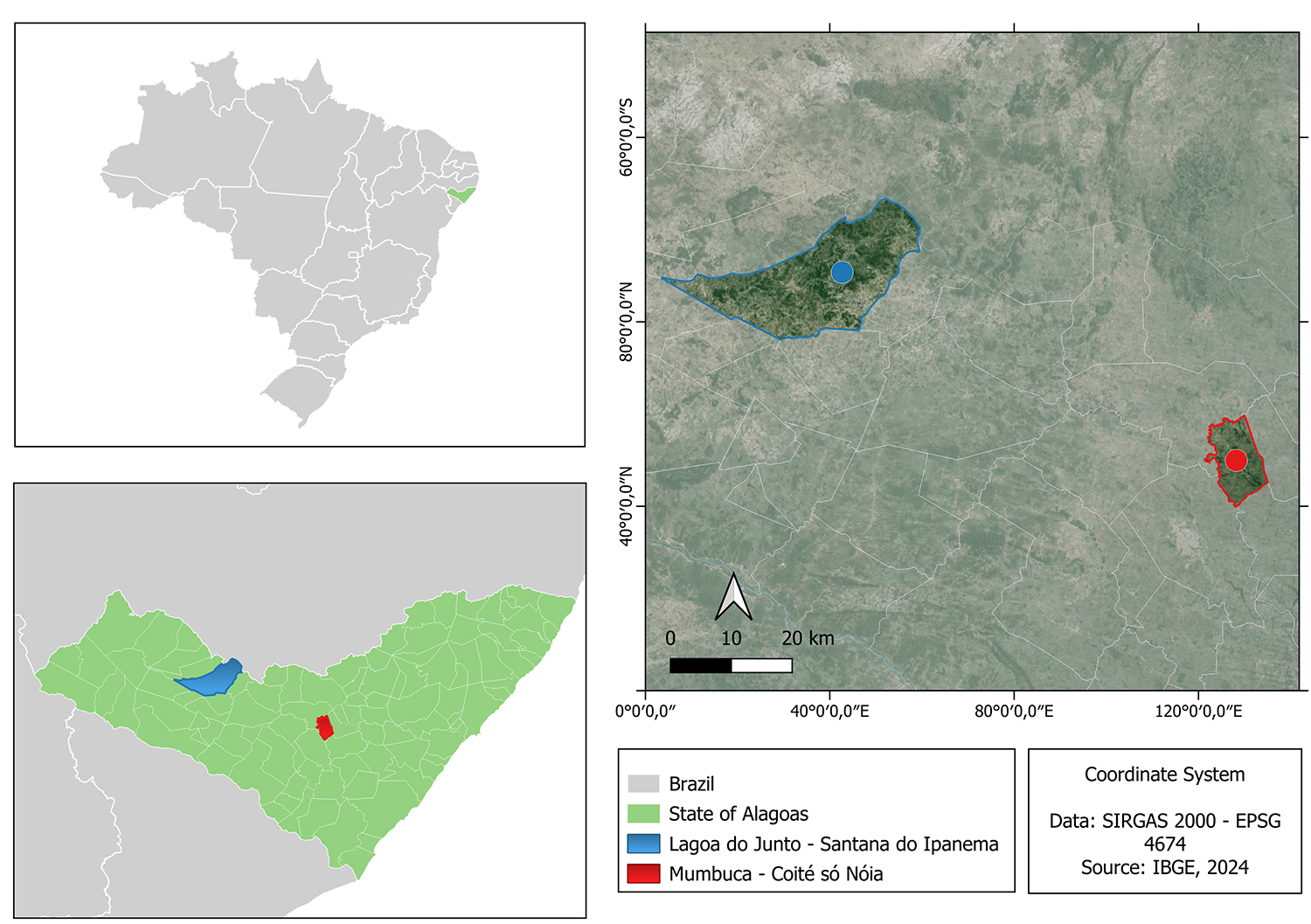
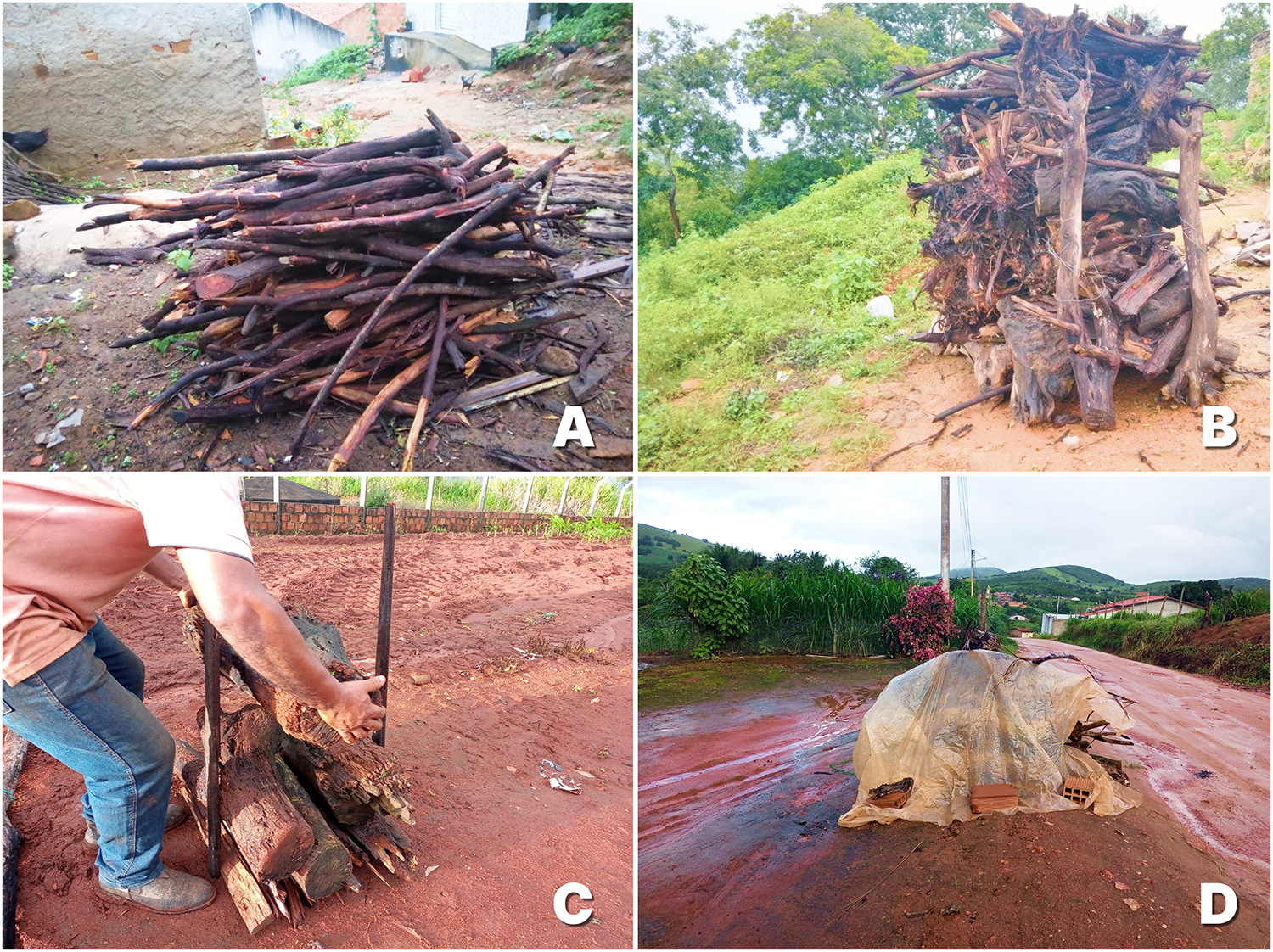
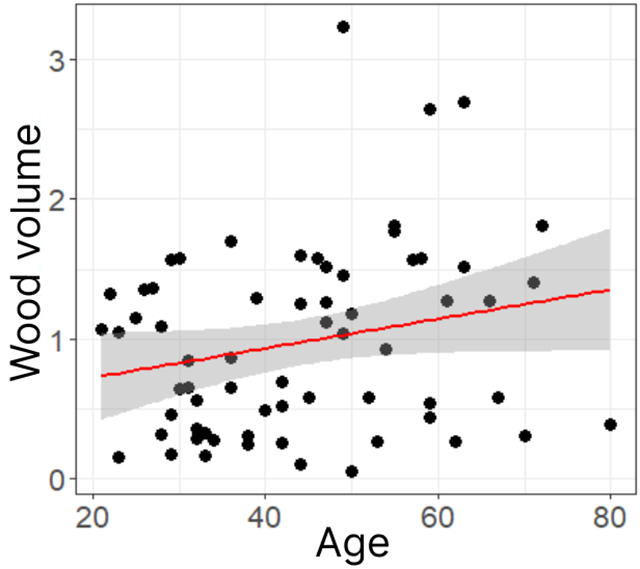
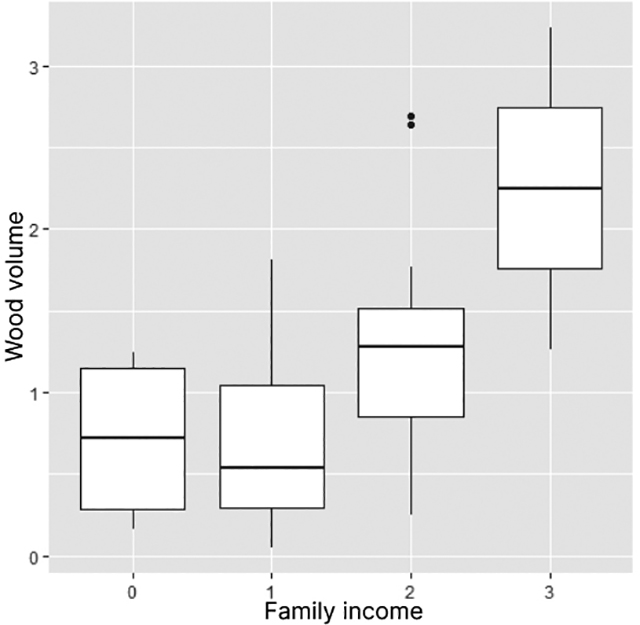
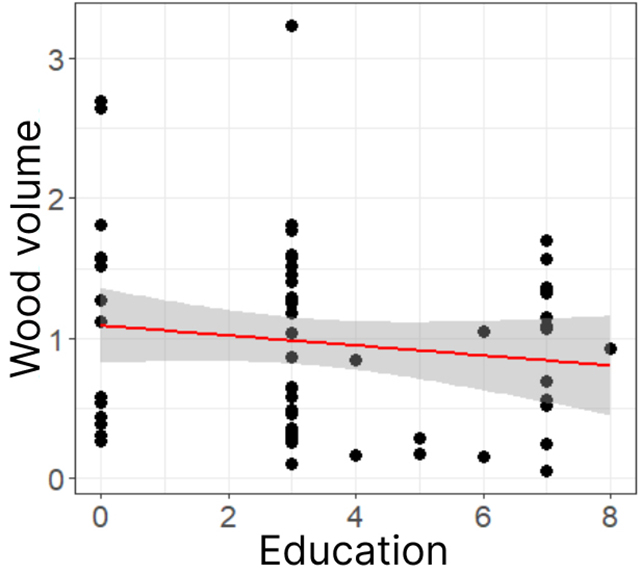
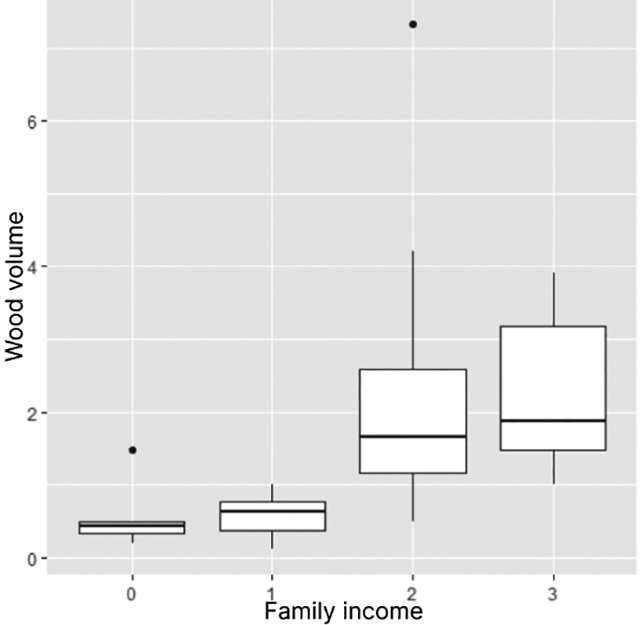
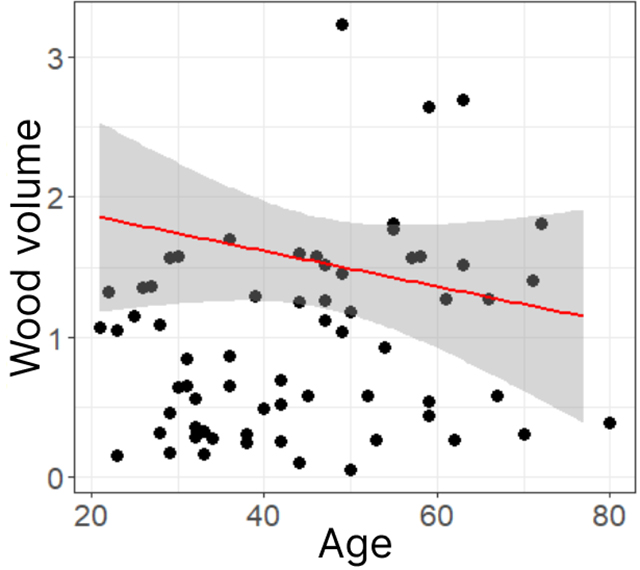
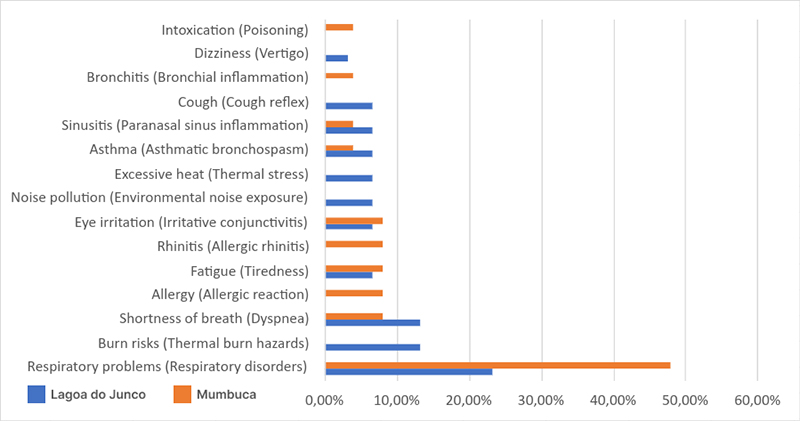
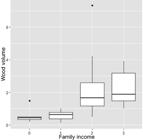
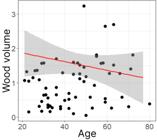
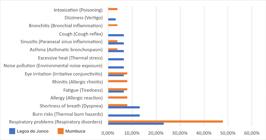
In Northeastern Brazil, the tradition of building bonfires is especially common, particularly during the June festivals. This study aimed to examine the influence of socioeconomic factors on the construction of June bonfires, as well as to analyze the local attitudes, knowledge, and perceptions about this practice in two northeastern communities. Semi-structured interviews were conducted during 2022 and 2023 to collect socioeconomic data and perceptions of the risks associated with bonfires. A Generalized Linear Mixed Model was used to relate the dependent variables (knowledge and volume of wood per person) to the independent variables (sex, age, education level, number of household members, and family income). Additionally, the Collective Subject Discourse method was applied to analyze the population's perceptions of the impacts of bonfires on health and the environment. The results show that family income is positively linked to the amount of wood used, with elderly individuals and those with lower education levels also using more wood. Although environmental impacts were rarely perceived, respiratory problems were frequently mentioned. These results highlight the need for education and awareness of the risks associated with cultural practices and suggest management strategies to protect forest areas that consider local practices.
Keywords:
conservation; culture; ethnobotany; traditional festivals; woody plants
 Thumbnail
 Thumbnail
 Thumbnail
 Thumbnail
 Thumbnail
 Thumbnail
 Thumbnail
 Thumbnail