 Environmental gradient drives variation in functional diversity: insights from Fissidens (Bryophyta) from the Atlantic Forest
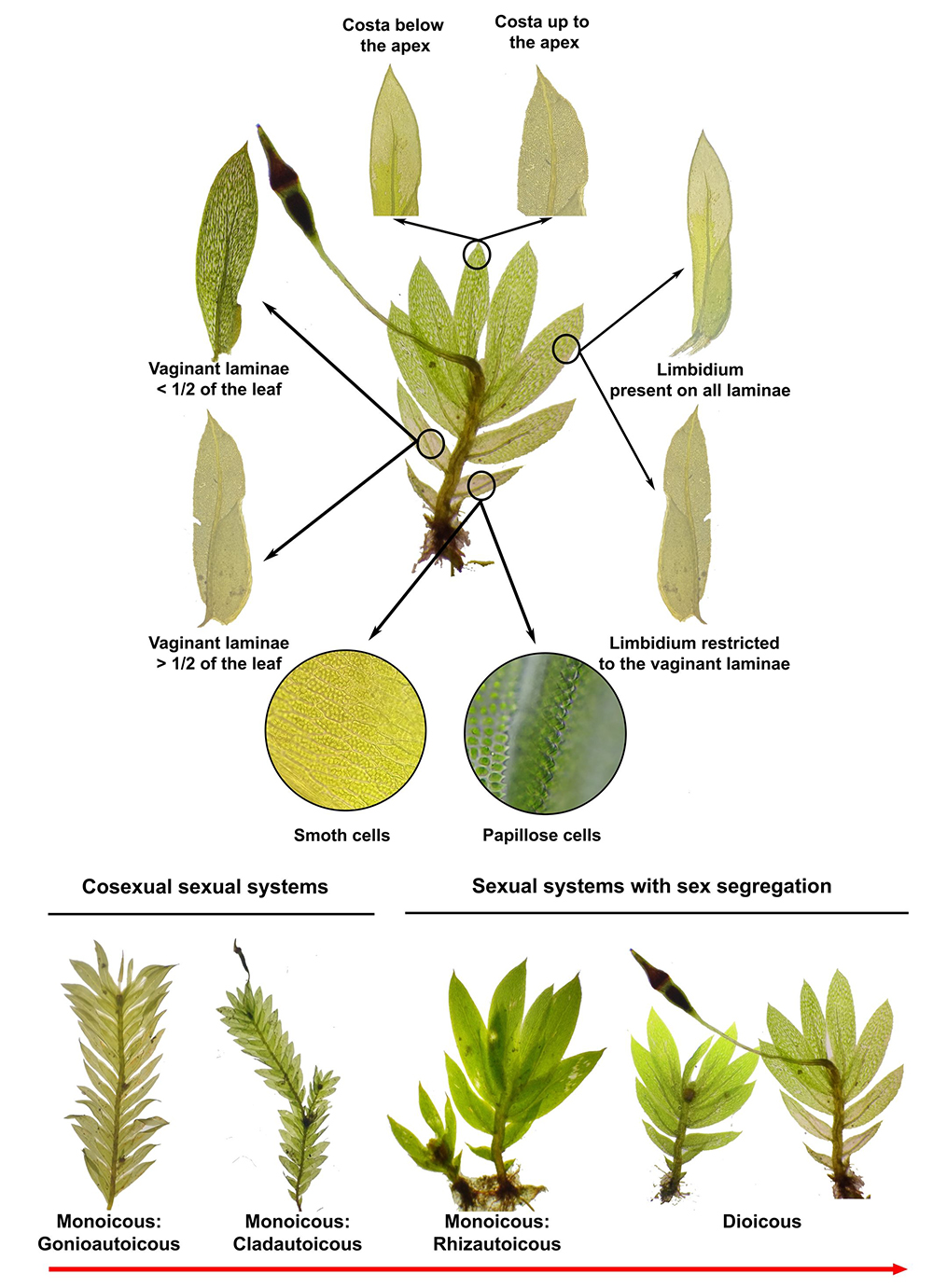
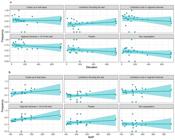
This study investigated the impact of abiotic factors (elevation and precipitation) on the functional diversity and composition of Fissidens in the Brazilian Atlantic Forest. Fissidentaceae has significant morphological and functional diversity, making it an ideal model for understanding biodiversity and ecosystem functioning. The research was conducted in the biogeographic region of ‘Serra do Mar’ in the Atlantic Forest, Southern Brazil, using 24 randomly selected plots. The functional strategies of each Fissidens species were described based on six traits, including sex segregation, presence and distribution of limbidium on the leaf and the vaginant lamina, and climate data were obtained from CRU-TS 4.06 and WorldClim 2.1 datasets. Our findings showed that precipitation led to greater functional richness, as higher precipitation levels supported a broader range of functional traits, thereby expanding the community’s functional space. Elevation, on the other hand, increased functional dispersion, reflecting a wider range of viable morphological traits. This pattern was likely driven by the combined effects of temperature and moisture, which vary predictably along the elevational gradient. Future research, including experimental approaches, should explore the influence of ecological and evolutionary factors on functional traits in this diverse and ecologically important group of mosses.
Keywords:
Bryophyte ecology; community composition; environmental filters; functional traits; Neotropical region
 Thumbnail
 Thumbnail
 Thumbnail
 Thumbnail