 Thin and in situ melanoma: an update for the dermatologist
Background: Thin melanoma (TM, ≤1.0 mm Breslow thickness) and Melanoma In Situ (MIS) constitute the majority of melanoma diagnoses worldwide and are responsible for melanoma-related deaths in these early-stage tumors. Despite their favorable prognosis, MIS and TM represent an opportunity for improving patient outcomes through early detection, accurate risk stratification, and long-term surveillance for metastasis and new skin neoplasms.
Objective: Provide an update of current evidence regarding epidemiology, risk factors, prog-nostic indicators, genetic background, and clinical management of MIS and TM.
Methods: A comprehensive review of the literature and international guidelines was conducted, integrating epidemiologic data, clinical prognostic parameters, and molecular insights relevant to MIS and TM.
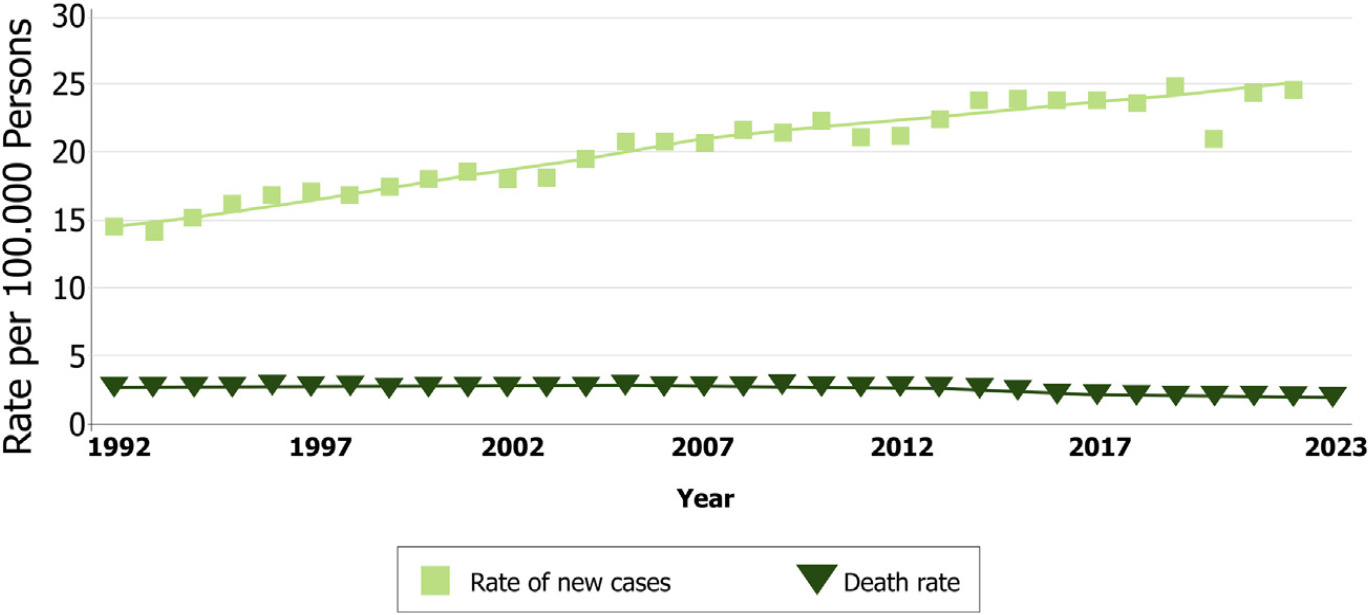
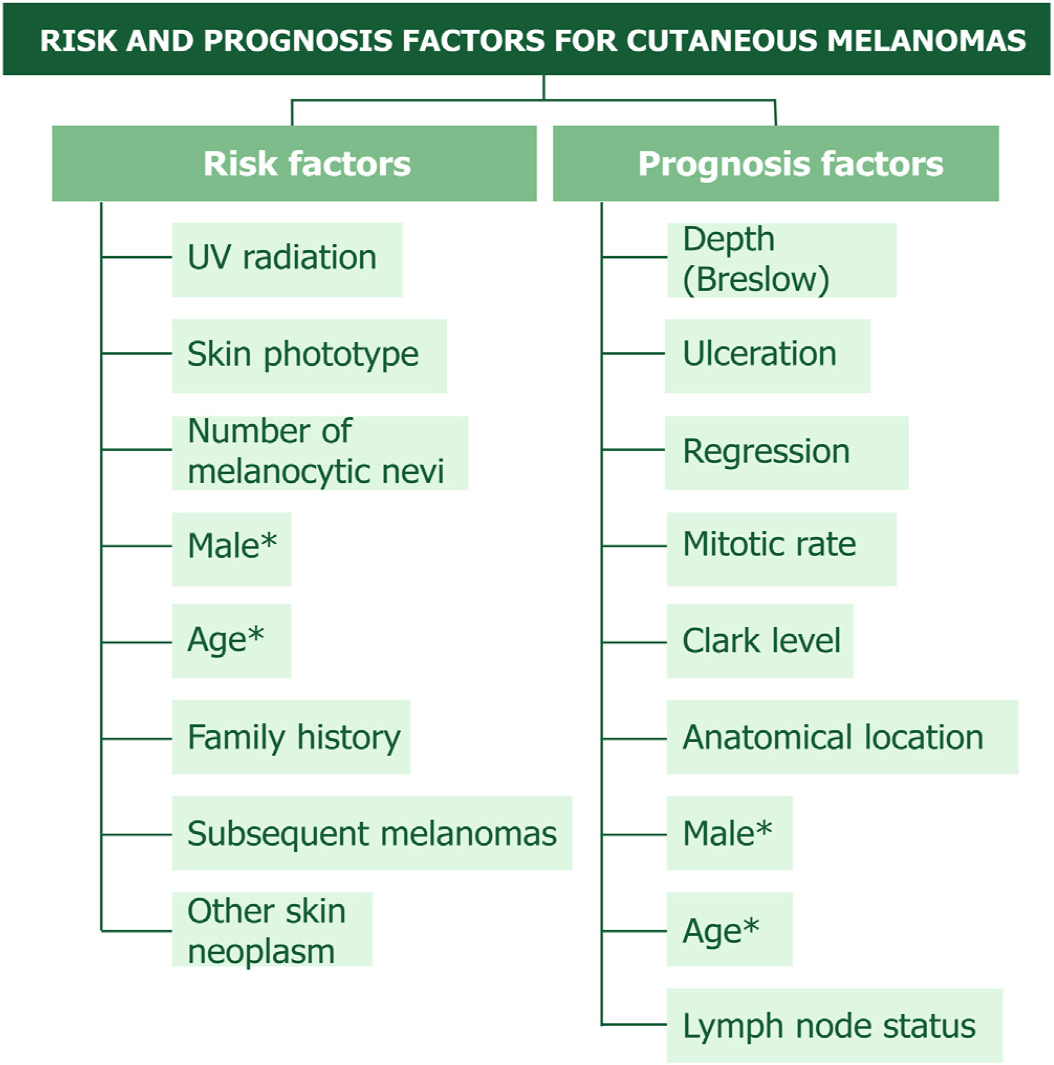
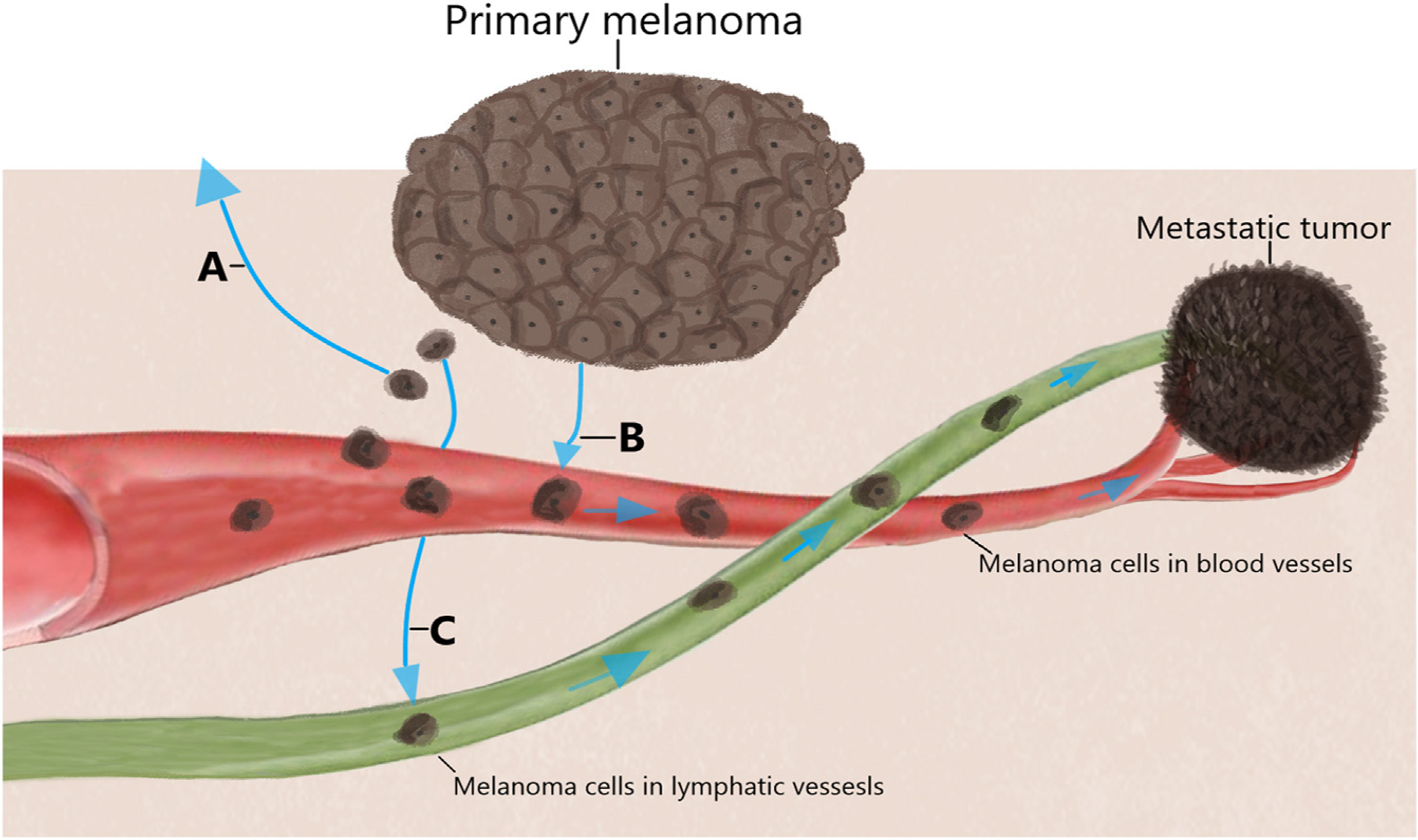
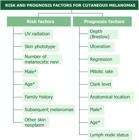
Results: MIS and TM account for over 80% of all melanomas, with increasing incidence and relatively stable mortality rates. Prognosis is primarily determined by Breslow depth and ulcer-ation, while factors such as mitotic rate, anatomic site, and age further refine risk assessment. Genetic alterations contribute to tumorigenesis but are not yet integrated into routine mana-gement. Long-term dermatological surveillance is needed, as new neoplasms, recurrence, and metastasis can develop during follow-up.
Conclusions: MIS and TM are increasingly diagnosed, and dermatologists need to be a part of early detection, multidisciplinary management, and lifelong surveillance, which remain the cornerstone of reducing melanoma-related mortality. Study limitations: The substantial heterogeneity among the included studies limits direct comparison and quantitative synthesis of the available data.
KEYWORDS
Melanoma; Neoplasm metastasis; Prognosis; Recurrence
 Thumbnail
 Thumbnail
 Thumbnail
 Thumbnail