An intuitive heuristic tool for participation in technical decision-making: an empirical study in a rural settlement in the semi-arid region of the state of Rio Grande do Norte
Abstract
This article investigates the extent to which an intuitive heuristic tool can broaden the participation of non-specialists in technical decisions—a dimension that remains comparatively underexplored in participatory design processes. The aim was to develop, apply, and evaluate a tool to integrate these participants into a project's technical decision-making. The research consisted of an empirical-experimental study conducted at the Agrovila Santa Luzia–Modelo II rural settlement in the municipality of João Câmara, state of Rio Grande do Norte, Brazil, focusing on the design of small-scale production-support equipment using roundwood from the Caatinga. The methodology combined reference studies, scale-model making, tool development, and participatory charrette-style workshops. The results demonstrate participants’ agency in decisions concerning stability, alignment, bracing, base reinforcement, and load-bearing capacity, as well as a reduction in barriers associated with technical representation. It is concluded that the tool has the potential to broaden social participation intuitively in the technical decisions of a design project, demonstrating the viability of heuristic devices as forms of sociotechnical mediation in professionally assisted participatory processes.
Keywords
Design process; Heuristics; Roundwood; Caatinga
Resumo
Este artigo investiga em que medida uma ferramenta heurística intuitiva pode ampliar a participação de não especialistas em decisões técnicas, dimensão ainda pouco explorada em processos projetuais participativos. O objetivo foi desenvolver, aplicar e avaliar uma ferramenta voltada à inserção desses participantes em decisões técnicas do projeto. A pesquisa consistiu em um estudo empírico-experimental realizado no assentamento Agrovila Santa Luzia – Modelo II, na cidade de João Câmara, estado do Rio Grande do Norte, Brasil, orientado à concepção de pequenos equipamentos de apoio à produção em madeira roliça da Caatinga. O método combinou estudos de referência, elaboração de maquetes, desenvolvimento da ferramenta e oficinas participativas do tipo charrete. Os resultados evidenciam a atuação das participantes em decisões relativas à estabilidade, ao alinhamento, ao travamento, ao reforço da base e à capacidade de suporte de carga, além da redução de barreiras de representação técnica. Conclui-se que a ferramenta tem potencial para ampliar, de modo intuitivo, a participação social em decisões técnicas do projeto, mostrando a viabilidade de dispositivos heurísticos como mediação sociotécnica em processos participativos assessorados.
Palavras-chave
Processo projetual; Heurísticas; Madeira roliça; Caatinga
1 Introduction
Since the 1970s, the participation of users and communities has gained increasing relevance in debates on the design process. Despite the consolidation of distinct participatory methodologies, the boundary between what can be discussed with participants who lack technical training and what remains reserved for specialized expertise has remained comparatively stable. In general, contributions related to use, programme, and spatial organization are incorporated with greater openness, whereas structural, constructive, and technological decisions remain largely inaccessible to shared deliberation.
This pattern can be observed both in classical references and in more recent experiences of participation and co-design. The grid structural system employed by Giancarlo De Carlo at Villaggio Matteotti (Franchini, 2017), in which residents could choose the arrangement of non-structural walls within their homes; Lucien Kroll’s notion of the ‘Model House’ (De Graaf, 2016), in which the architect defines the building envelope and transfers responsibility for the conception of the internal layout to users; Friedman’s (2020) proposal for ‘mobile architecture’, whose construction system enables agile transformations according to the inhabitants’ wishes; and Livingston’s (2014) advocacy of buildings conceived as shells amenable to internal adaptation by residents—all are examples of approaches that, while broadening users’ scope for action, do not necessarily bring about a substantive shift in control over the project’s central technical definitions.
This tendency also appears in contemporary experiences carried out in diverse social and geographical contexts, such as the co-design of housing with Aboriginal Australians (Rodd et al., 2022), the participatory revitalization of a vegetable market in Egypt (Shehayeb; Abdel-Hafiz, 2006), the identification of spatial priorities in social housing in Brazil (Zalite; Imai, 2017), and projects with refugees in Jordan (Albadra et al., 2021), rural communities in Bangladesh (Lee; Na, 2019), and communities in Malaysia (Mariotti et al., 2023). While relevant, these experiences largely reiterate a framework in which participants collaborate primarily in defining uses, priorities, and functional arrangements, whereas technical variables remain comparatively opaque or are mediated only indirectly.
However, the design process cannot be reduced to meeting functional demands. Reference models in the field show that design involves an articulated system of problems combining programmatic, spatial, formal, technical, and technological requirements (Peña; Parshall, 2001; Lawson, 2011; Hershberger, 1999). Although some of these issues, at later stages, depend on specialized calculations, normative verifications, and technical compatibility checks, their preliminary exploration tends to rely on heuristic procedures, that is, on practical rules, approximations, and provisional operative criteria. These are reasoning processes that allow behavior to be anticipated and decisions to be guided before full technical detailing. From this perspective, it becomes pertinent to ask whether heuristic strategies, widely mobilized by designers, might also underpin devices capable of broadening the influence of nonspecialists over certain technical decisions.
The central problem of this article therefore lies in the asymmetry between the growing valorization of participation in design and the limited expansion of the scope of technical decisions that are effectively shared. The starting hypothesis is that an intuitive tool supported by heuristic strategies can facilitate the comprehension and discussion of these aspects by non-specialists, broadening their participation in choices that generally remain under technical control.
The central argument guiding the article is that intuitive mediation devices, when grounded in heuristic strategies, can make certain structural and constructive relationships visible, manipulable, and open to discussion, allowing experiential knowledge and tacit expertise to intervene more directly in design decisions with technical implications—without suppressing professional assistance, but rather redefining its role.
The objective of this study is to develop, apply, and evaluate an intuitive heuristic tool aimed at broadening the participation of non-specialists in the technical decisions of a design project. To this end, the research combines reference studies, scale-model making, progressive tool development, and participatory charrette-style workshops, seeking to analyze the device’s performance as a form of design mediation in an empirical setting.
The study takes as its empirical context the semi-arid region, more specifically the Agrovila Santa Luzia – Modelo II rural settlement in the municipality of João Câmara, state of Rio Grande do Norte, Brazil, where the design of production-support equipment using roundwood from the Caatinga in association with photovoltaic systems was investigated. In this context, black-wattle (jurema-preta) stands out as a local species with constructive potential, although its morphological characteristics—such as dimensional heterogeneity and curvature—pose challenges to its application in structural solutions.
Timber is a sustainable alternative to aluminum for photovoltaic support structures, given the high energy costs and emissions associated with metal production (Lennon et al., 2022), as well as the limited recyclability of solar panels (Irena, 2022). In the state of Rio Grande do Norte, the constructive use of timber obtained through sustainable forest management can increase the value of the resource, combat illegal extraction, and reduce deforestation in the Caatinga, thereby contributing to the preservation of the biome and to CO₂ sequestration.
The relevance of this discussion becomes particularly evident in the Modelo II rural settlement, where structural limitations are compounded by limited integration with public policies aimed at strengthening productive processes—a recurrent factor in semi-arid settlements (Francelino et al., 2003). The community coexists with solutions frequently imposed from outside, as occurred with the photovoltaic system donated by a subcontractor of Paulista Power and Light Company (CPFL) in exchange for the installation of transmission lines. Implemented without the effective participation of the settlers and without corresponding training in operation and maintenance, the system reproduces, at the local scale, an exclusionary logic similar to that of large energy projects in the region. In this sense, the empirical case not only provides a context for the application of the tool but also highlights the political and social relevance of investigating forms of mediation aimed at sharing technical decisions.
Considering this context, the present article proposes to understand the developed tool as an intuitive device for sociotechnical mediation, aimed at creating conditions for farmers’ knowledge to intervene more directly in design decisions with technical implications. Its role is neither to replace the architect’s function nor to reduce participation to mere guided execution. It is within this framework that the methodological path presented below is organized.
2 Methodological approaches
The investigation combined action research and an empirical-experimental study to observe, in a real situation, a design process developed with people lacking specialized training. To evaluate the participatory potential of the tool, the nature of the decisions made by participants during the workshop was observed, as well as the interactions established with the device. Action research, as defined by Thiollent (2011), includes procedures that can be adapted in accordance with the experiences, interactions, and discoveries arising within the field of study itself (Franco, 2005). In consonance with Actor-Network Theory, the research privileged the description of facts ‘at hand’, following the assemblages and mediations constituted throughout the process (Latour, 2012).
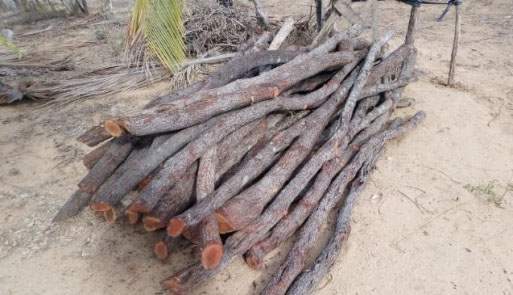
The study universe was the Modelo II rural settlement. Founded in 1996, it covers an area of approximately 2,500 ha and is structured into three sectors: the nature reserve; the agrovila (agricultural village), comprising 79 masonry dwellings built according to a standard National Institute of Colonization and Agrarian Reform (INCRA) typology and a central area designated for community facilities; and the production areas, consisting of the agrovila’s kitchen gardens, individual plots, and collective plots linked to two local associations. Native timber from the reserve, particularly black-wattle (jurema-preta, Figure 1), is little used in local construction, being restricted primarily to shelters and fence posts.

The participants1 were part of a group of fourteen women from the Modelo II rural settlement who, among the invitations extended to women and men belonging to the community association, volunteered to take part in the series of charrettes. Some attended all the workshops, while others participated on a rotating basis. The settlers are engaged in the community’s collective discussions, with two serving as local leaders, and are accustomed to group work, but have no prior experience in construction using roundwood. They are all farmers aged between 30 and 70 years and produce both on the association’s collective plots and in the kitchen gardens of their homes. In addition, two participants also work as artisans.
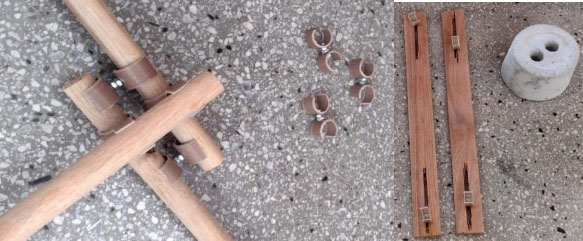
The tool developed for this research comprises 32 timber rods—broom handles measuring 2.3 cm in diameter and cut into 50 cm lengths—representing roundwood trunks at a scale of 1:5. The broom handles more closely resemble eucalyptus than black-wattle, as it is difficult to find pieces of timber that reproduce, at the scale of the tool, the curvature and dimensional variations characteristic of the species. In addition, the tool includes 30 arc-shaped connectors made from cold-water PVC pipes (Ø = 2.0 cm), screws, and 5 mm nuts (Figure 2); four concrete cylinders (15 × 15 × 5 cm) with slots for the timber rods, simulating foundation blocks; eight floorboard planks (60 × 10 × 2 cm) with oblong holes; PVC connectors for adjusting the distance between supports; and a cylindrical cool-box filled with water, representing, at the scale of the tool, a 500-litre reservoir.

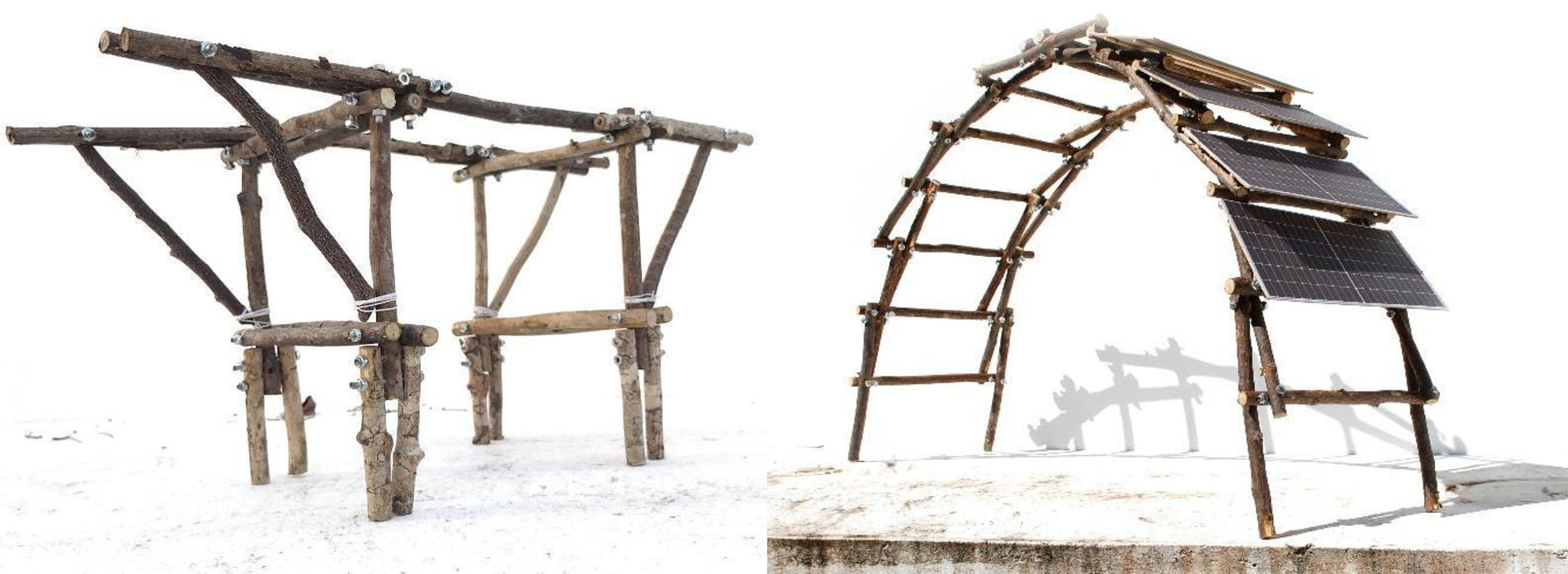
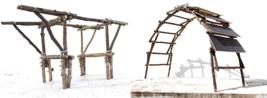
The conception of the tool resulted from two prior procedures that provided relevant references regarding connections, assembly methods, and the structural behavior of roundwood. The first involved technical visits for the dimensional surveying of structural components and the recording, in sketch form, of two carpark roofing structures built in 2022, both constructed from eucalyptus and integrated with photovoltaic systems: one at the Hotel Praiamar and another at the Tábua de Carne restaurant (Figure 3), both in the city of Natal, Brazil. During these visits, the methodological focus was less on formally reproducing existing solutions and more on understanding constructive principles that could be transposed into experimental models at a smaller scale.

The second procedure consisted of producing models at different scales to test the relationships between form, connection, stability, and support, as well as to evaluate the different degrees of material abstraction necessary to construct a tool intelligible to participants. The first series was produced at a scale of 1:25 using bamboo rods, and the second at a scale of 1:10 using black-wattle twigs, threaded bars, and nuts (Figure 4). This latter scale allowed the connections between components and the assembly processes to be evaluated in a situation closer to the actual properties of the timber.
At this stage, the experimentation served a dual function. On the one hand, it allowed the heuristics incorporated into the device to be refined, that is, the practical rules and operative relationships that could be perceived and tested without specialized training or graphic representation. On the other hand, it allowed the limits of material approximation based on simplified models to be identified, especially in relation to the geometric heterogeneity of black-wattle. Such simplification does not invalidate the experience but delimits its scope. The tool was designed to make certain aspects of the structural problem legible rather than to fully reproduce the material complexity of the components available in the empirical context.
he tool was tested in four charrette-style workshops between 2024 and 2025, held in the community hall of Modelo II—the only covered space available for collective activities in the settlement. This article addresses the second workshop, whose purpose was to design a small support structure for an elevated water reservoir. Although the study focuses on a single workshop, the analytical emphasis is not on statistical representativeness but on the qualitative potential of the interaction between participants and the device.
This focus is justified by the fact that this was the only workshop to test the tool’s performance under a real loading condition, using a 10-litre cylindrical cool-box filled with water to represent, during the activity, the load corresponding to a 500-litre reservoir. This required the design of a solution that was not merely self-supporting but also capable of sustaining the intended load. In this way, synthesis (solution generation) and evaluation cease to constitute sequential stages of the design cycle described by Lawson (2011) and other authors, as evaluation becomes intrinsic to synthesis itself.
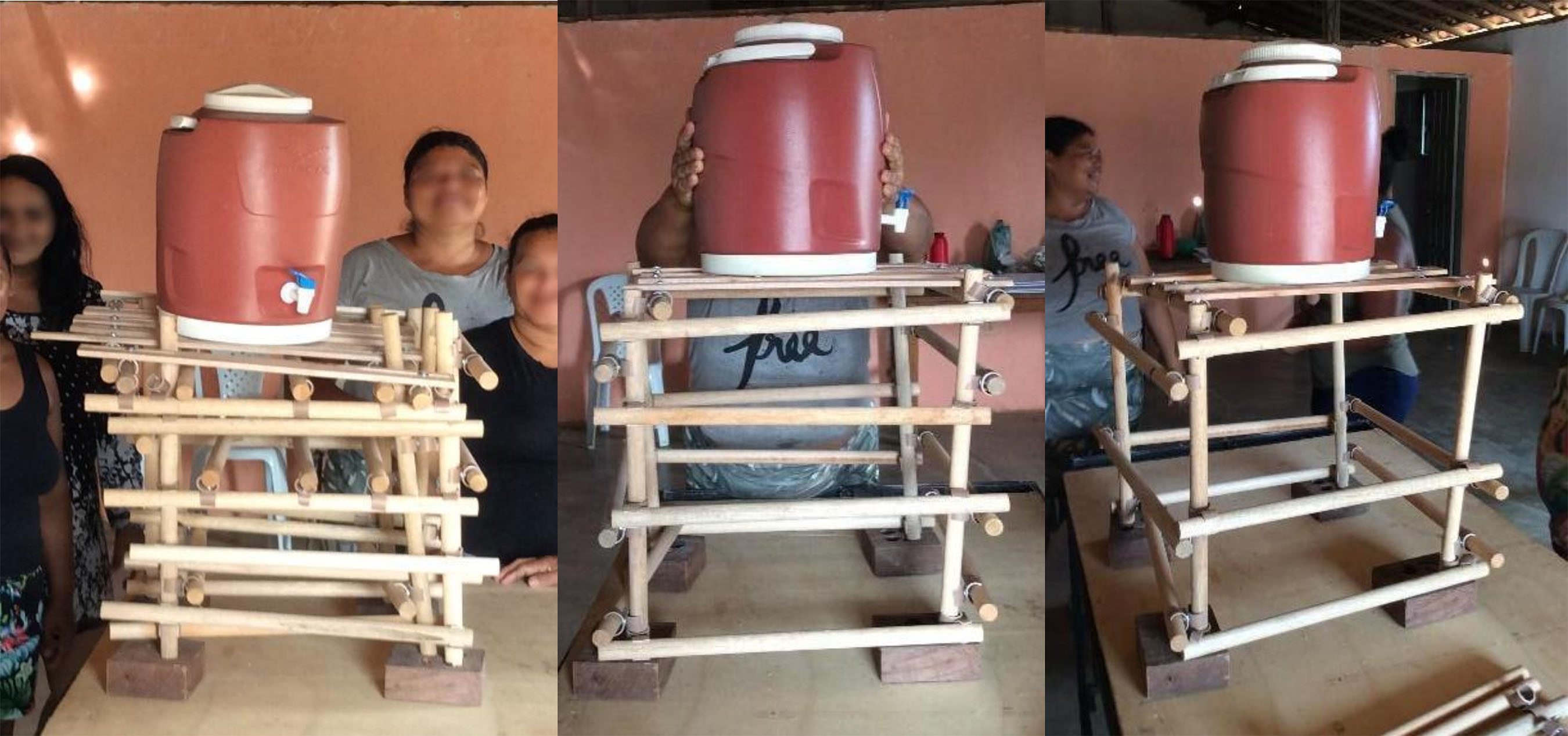
The choice of the object to be designed arose from a situation observed in the community, in which the reservoir intended for the irrigation of kitchen gardens was resting on stacked tires. The precariousness of this solution motivated the formulation of the design exercise (Figure 5).

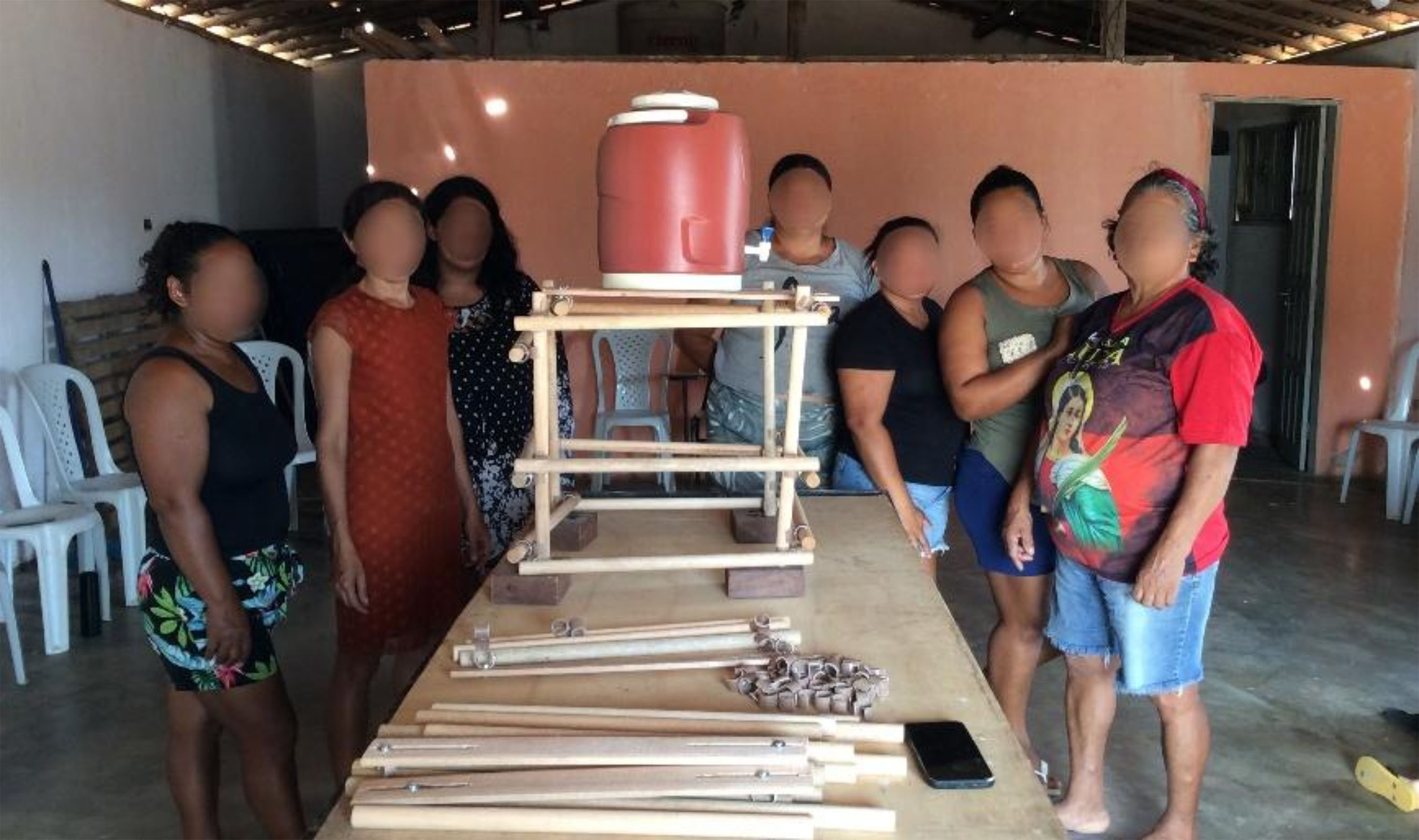
The structure was assembled on a wooden table (Figure 6), and the activity lasted approximately one hour: ten initial minutes for explaining the activity, 40 minutes for generating solutions, and ten final minutes for collective discussion of the design process and the results obtained. The participants were already familiar with the tool, since in the previous workshop they had designed a vertical self-supporting tower and a bridge spanning 1.5 m.

The participants therefore received an initial explanation of what was to be designed and the design problem involved, with supporting the reservoir’s load established as the criterion for validating the solution. The authors remained as observers throughout the process, recording the solutions through photographs and audio-recording the dialogues using a mobile phone application. Subsequently, the recordings were fully transcribed by the researchers and transformed into a diagram showing the frequency of speech acts by each participant according to the topic debated during the assembly, while the main solutions developed with the tool were represented through sketches. The audio, photographic, and direct-observation records supported the reconstruction of the workshop’s dynamics and the identification of the technical decisions addressed by the participants.
To assess whether the tool broadened participation in technical decision-making, the analysis considered four observable criteria:
-
participants’ identification of technical variables involved in the problem, such as stability, alignment, reinforcement, and load-bearing capacity;
-
participants’ formulation or reformulation of technical solutions during the workshop;
-
participants’ use of practical or structural justifications to support their proposals; and
-
the effective incorporation of these contributions into the successive refinement of the solution.
These criteria were examined through the full transcription of the workshop, the diagramming of speech acts by topic, and the graphic record of the solutions developed with the device.
3 Participation in technical decisions: results and discussion of the empirical study
The following analysis examines the broadening of participation through evidence of technical problem recognition, solution reformulation, justificatory reasoning, and participants’ influence on the final structural configuration.
The empirical results indicate that the tool developed in this research showed potential for making technical issues unfamiliar to participants intelligible in an intuitive manner. From this perspective, the experiment represents an advance in terms of autonomy when compared with the authors discussed in the Introduction, whose participatory influence is more strongly centered on the functional aspects of the project.
The approach of promoting self-learning through manipulation, observation, and successive adjustment of solutions with the intuitive heuristic tool contrasts with the approaches of authors such as Sanoff (2000) and Lee (2008), who argue that designers must initially train people to broaden their repertoire. In the case analyzed, however, this broadening appears to occur in the very course of the design action. In this sense, the tool helped to transform ‘practical constraints’ into ‘radical constraints' (Lawson, 2011) without the need for technical training. According to Lawson (2011), constraints act as crucial sources of information in the design process, helping to ensure that the idealized object meets its requirements. They are present from the initial analytical phases of structuring design problems and can be updated or revised as new solutions are developed (Cross, 2021). According to Lawson (2011), constraints may be ‘radical’ when related to the project’s function and forming part of the root of the problem; ‘practical’ when associated with constructability and technical performance; ‘formal’ when pertaining to the visual organization of the object; and ‘symbolic’ when related to the generation of meaning as a central part of the process.
Rather than presupposing the prior internalization of a formalized disciplinary repertoire, the research showed that this influence can emerge in situ, provided that it is mediated by devices capable of converting technical abstractions into sensible and shareable problems. In this respect, the results are close to Schön’s (2000) notion of reflection-in-action, according to which understanding is produced in the very course of experimentation and the practical revision of solutions. In this way, the tool approximates, to a certain extent, the interfaces developed by the MOM group—that is, open mediation tools for autonomous production and gains in autonomy that ‘broaden access to information and imagination’—the creative potential—without ‘prefiguring solutions’ or judging decisions (Baltazar; Kapp, 2021a, p. 72). They also contribute to participant observation of how groups interact with tools and problematize their own reality (Baltazar; Kapp, 2021b).
Among the empirical situations examined in the study, the elevated reservoir workshop made particularly visible both the power and the limitations of the tool. Over approximately 40 minutes, the group formulated, tested, and reformulated three successive versions of the structure, moving from an initial solution comprising 32 components to progressively more economical alternatives, ultimately reaching a final configuration with 17 components without any loss of load-bearing capacity (Figure 7). This successive refinement of the solution expresses material economy but, above all, demonstrates the participants’ capacity to operate on the technical variables of the problem, evaluate the structural behaviour of the whole, and make decisions independently rather than simply execute a predetermined solution.
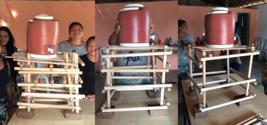
This solution-refinement strategy relates to the concept of ‘slow prototyping’ proposed by Hillgren, Seravalli, and Emilson (2011), since the solution was not defined in advance but constructed and reformulated throughout the interaction between participants, material, and problem. Likewise, the manual making and collective construction afforded by the tool are close to the ‘co-crafting’ approach described by Hansson and Busch (2023). According to these authors, this approach favors trust-building, the development of collaborative competences, and the strengthening of participants’ engagement by making the design process more accessible through the rapid and interactive transformation of abstract ideas into tangible results.
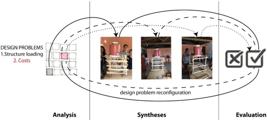
The first version constructed proved technically satisfactory in terms of load support but economically unviable because of the excessive number of components employed. The emergence of the cost variable—prompted by the researchers—reconfigured the problem field and required a new round of deliberation, making it explicit that the structural solution could not be evaluated solely in terms of stability (Figure 8). This shift is particularly relevant from an analytical standpoint, as it demonstrates that the tool was effective in making certain structural aspects intelligible but did not initially encompass all the relevant dimensions of the design problem. This corroborates Lawson’s (2011) assertion that the design process helps to make explicit problems that had not previously been considered.
3.1 From consultation to the collective formulation of solutions
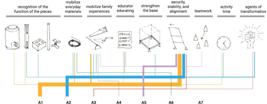
The analysis of the frequency of speech acts and topics systematized in the diagram in Figure 9 shows that recurrences were concentrated in the recognition of the function of the components, the emphasis on structural base reinforcement, concerns regarding safety, stability, and alignment, the mobilization of everyday material references, and participants’ recognition of themselves as agents of transformation. This point is relevant because it shifts participation from the plane of demand assessment to that of the formulation and evaluation of technical alternatives, in contrast to participatory models that remain restricted to the identification of needs or spatial preferences. Through the experience, the settlers ceased to occupy the position of mere ‘depositaries’ – to use Freire’s (2021) analogy – of technical solutions and began to act as active epistemological subjects.
This was not, therefore, merely an opinion-based or consultative form of engagement, characteristic of participatory processes corresponding to the tokenism levels—the intermediate rungs—of Arnstein’s (1969) Ladder of Citizen Participation. For instance, Till (2005) describes a process in which the community was informed about the construction of a new community center and invited only to approve a previously developed design. Although the proposal was presented clearly and accessible, participants had no opportunity to discuss or influence the design solutions. Similarly, Ku and Dominelli (2018) report on the design of a museum and a community kitchen in a rural community in China, in which participants were invited to choose, from among different proposals presented by architects and represented through physical scale models, the one that best met their expectations—without, however, participating in the formulation of the solutions.
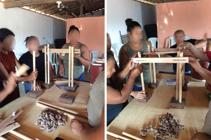
Furthermore, the protagonism observed among some participants provides important evidence of this broadening of agency. The vocabularies and practices associated with everyday experiences such as references to plumb, level, firmness, and balance—show that the incorporation of technical reasoning did not occur through the mere reproduction of disciplinary discourse but through the articulation of tacit knowledge with concrete situations of testing and evaluation. The tool, in this sense, did not introduce external technical knowledge in finished form; rather, it created conditions for experiential knowledge to participate more directly in the group’s decisions. Throughout the activity, the group developed and tested successive versions of the structure, engaging in cycles of formulation, evaluation, and reformulation that involved both load support and material economy. In one of the most significant moments of the process, the understanding of the function of certain components was made explicit in the interactions between participants, as shown in the episode recorded in Figure 10.
3.2 The architect's role
The results also indicate that participation in technical decisions does not imply the suppression of professional mediation. On the contrary, the tool operates in articulation with technical assistance, which creates the conditions for experimentation, translates design issues, and sustains the collective evaluation process. Thus, the data does not support the hypothesis that making manipulable instruments available would be sufficient to render mediation dispensable. What they suggest instead is that the architect’s role can be reorganized on less hierarchical and more collaborative grounds.
This argument is in dialogue with Till (2005), for whom ‘full participation’ is unlikely in the field of architecture. In the case under analysis, however, the significance of the experience lies in demonstrating that, even without eliminating asymmetries, it is possible to concretely broaden participants’ influence over decisions normally reserved for the specialized domain. In contrast, the author proposes the concept of ‘transformative participation’, which acknowledges the power and knowledge imbalances inherent in participatory processes and seeks to transform them, promoting changes in both expectations and participants themselves, including architects. From this perspective, it falls to the architect to recognize and value participants’ knowledge, grounded in their everyday experiences, and to create means through which this knowledge can be expressed and incorporated into the project.
In these terms, the architect’s role shifts from the unilateral definition of the solution to the organization of the conditions under which it can be formulated, tested, and collectively revised. Professional knowledge, far from being eliminated, begins to operate in a less hierarchical and more mediating manner, oriented towards translating the problem and sustaining the experiment. This shift approaches Freire’s (2021) perspective on the problematization of ‘limit situations’, since the workshop did not presuppose the prior transmission of technical content but rather the elaboration, testing, and revision of alternatives arising from a concrete question.
In this way, certain aspects of architecture cease to present themselves as a ‘finished science’—a term used by Lefèvre (1977) to designate knowledge that arrives ready-made to people—and come to be understood as a ‘science in the making’, that is, an open process in which the intelligibility of the project also constitutes a political question. This also engages with Markus’s (1972) critique of the production of proposals without effective participation and with Lawson’s (2011) observation concerning the recurrent distance between designers and the other subjects involved in the process.
This reorganization of the architect’s role allows the study to be repositioned within the broader debate on participation. Rather than situating the experience solely on the intermediate rungs of consultation or listening, in the terms of Arnstein’s (1969) ladder, the results suggest a shift towards more substantive forms of shared decision-making, albeit circumscribed by material and methodological limits. The aim is not to claim a condition of full participation but to demonstrate that the device allowed the settlers to exert concrete influence over structurally relevant variables of the project. This aspect reinforces the argument that participation depends less on its mere normative proclamation than on the existence of mediations capable of making it effective at the technical level of the design process.
3.3 Reduction of barriers in architectural representation
Another relevant result concerns the overcoming of obstacles associated with architectural representation. By dispensing with technical drawings and shifting design elaboration to the plane of material manipulation, the activity appears to have reduced difficulties that recur in participatory processes involving people without technical training. More than facilitating communication, this shift broadened the possibilities for participants to formulate technical judgements by making the structural problem accessible through the sensory experience of experimentation. To this extent, the tool operated as a means of translation between technical abstraction and concrete experience, converting design variables into objects of shared experimentation.
This result is in dialogue with observations already present in the literature concerning recurrent obstacles in participatory contexts that hinder the effective involvement of people. These include the ‘blank page’ approach—asking participants to design something without defining parameters; the difficulty of working with constraints observed by Albadra et al. (2021), when refugees demonstrated difficulty in designing new dwellings within imposed limitations; the ‘self-deprecation’ described by Freire (2021), whereby vulnerable groups may feel inhibited from developing solutions because they ‘do not know how to design’, as observed by Shehayeb and Abdel-Hafiz (2006); and, above all, traditional technical representations that operate as mechanisms of exclusion, since they require abstract architectural imagination and have historically separated intellectual from manual labor.
Zalite and Imai (2017), for instance, note difficulties concerning scale comprehension and representation in social housing processes; Till (2005) draws attention to the abstract and frequently exclusionary character of certain design languages; and Ferro (2005), from a broader critical perspective, highlights the role of drawing in the hierarchical organization of production and in the separation between those who conceive and those who execute. Without claiming to abolish the importance of graphic representation in professional practice, the experience analyzed here suggests that, in certain contexts, material manipulation can constitute a more effective means of preliminarily sharing technical decisions, particularly when the aim is to broaden the influence of non-specialist participants over structural aspects of the project. These obstacles may not be inherent to the people themselves but rather to the tools and modes through which the design process is conducted, suggesting the value of approaches that integrate tacit knowledge.
The experience also indicates that, given appropriate mediation, participants without prior technical familiarity can become involved in formulating solutions to problems of this nature. This finding contrasts with the predominance, in various contexts of vulnerability, of participatory processes restricted to needs assessment, demand prioritization, and consultation regarding uses, as documented in numerous recent studies (Fumagalli et al., 2020; Abbakyari et al., 2023; Sharmin; Khalid, 2022; Oyinlola et al., 2018). In the case analyzed, participation advanced towards the discussion of structural choices because the mediation was not limited to the verbal translation of a technical problem but took material form in a device capable of making the problem accessible to collective experimentation.
3.4 Limitations of the tool and the research
Although the results indicate participation in technical decisions, their interpretation must be situated within the empirical arrangement in which they were produced. The tool was designed to make certain aspects of the structural problem legible rather than to fully reproduce the material and operational complexity of construction using Caatinga roundwood. The simplification incorporated into the device—including the regularity of the elements used in the modelling, in contrast to the geometric heterogeneity of black-wattle—was conceived as part of the experimental design and as a condition of possibility for the experimentation itself. This methodological choice allowed certain technical relationships to be made manipulable, and the adjustments produced during the process to be tracked, which should be understood as a foreseeable component of analogous applications. At the same time, this simplification delimits the scope of the results. It therefore cannot be inferred that all the difficulties associated with construction using local timber were resolved or fully simulated by the tool.
Caution is also warranted regarding the thematic scope of the experiment. Although the research’s empirical universe encompasses the articulation between roundwood structures and photovoltaic systems, the elevated reservoir workshop focused primarily on the structural variables of the support, without exhausting the discussion of the integration between structural solution, energy infrastructure, maintenance, and prolonged use. This does not compromise the validity of the study but calls for precision regarding what was effectively demonstrated: the tool showed potential for broadening participation in certain structural decisions, rather than for comprehensively resolving the set of technical dimensions involved in the broader problem of the settlement’s productive infrastructure.
Finally, the results are inseparable from the specific conditions in which they emerged: a group of seven women, a particular socio-territorial context, a limited number of charrettes, and a dynamic of interaction shaped by prior bonds, shared frames of reference, and particular forms of engagement. The study should therefore not be read as a universal validation of a methodology but as situated evidence that such devices can, under specific conditions, broaden the influence of non-specialists over the technical decisions of a project. It is in this situated condition, more than in claims of immediate generalization, that the principal analytical contribution of the results discussed here resides.
4 Conclusions
In light of the problem guiding this study—the persistent restriction of social participation to the functional and spatial dimensions of design, while structural, constructive, and technological decisions remain under specialized control—the results indicate that the developed tool favored the participation of non-specialists in technical aspects that remain comparatively little explored in the literature on the subject. By making certain structural relationships manipulable, the device allowed participants to intervene in decisions related to stability, alignment, bracing, base reinforcement, and load-bearing capacity.
The experience also evidenced the participants’ progressive appropriation of reasoning related to the structural behavior of the whole—not through the abstract transmission of technical content but through concrete experimentation in situ. In this process, the tool also contributed to reducing representational barriers frequently present in participatory contexts by shifting design elaboration from the plane of technical drawing to that of material manipulation. As a result, certain project variables became more intelligible and operable for participants without specialized training.
The results therefore suggest that intuitive heuristic tools can favor the influence of non-specialists at the technical level of a project, provided that they are understood as mediation devices rather than substitutes for professional assistance. From this perspective, the study reinforces the possibility of reorganizing the architect’s role on less hierarchical and more collaborative grounds, in which technical knowledge operates in articulation with the situated knowledge of users.
The conclusions of the study, however, must be understood in light of its limitations. This is a single case study developed with a specific group and under particular socio-territorial conditions. Moreover, the device itself incorporates simplifications and prior choices made by its designers, which delimit the scope of the results. The aim is therefore neither to universally validate a methodology nor to assert that the tool reproduces the material and operational complexity of construction using Caatinga roundwood.
In this way, the study’s contribution lies not solely in reiterating the importance of participation in design—already widely recognized in the literature—but in indicating, in a situated manner, that such devices can make certain technical decisions open to problematization, deliberation, and collective formulation, provided that they are articulated within contexts of experimentation and professional assistance.
-
Declaration of Generative AI and AI-Assisted Technologies in the Writing Process
In the preparation of this article, the artificial intelligence applications Manus (version 1.6-Lite), ChatGPT (model GPT-5.5 Thinking), and Genspark (AI 4.0) were used as ‘tools’ for support and production, employed to optimize tasks and accelerate workflows, in accordance with the terminology used by Alves and Leone (2026, p. 240). Their use was concentrated primarily on textual revision and on identifying the articulation between the content of different sections and their relationship with the research objectives. The authors assume full responsibility for the content, in accordance with the Framework for the Responsible Development and Use of Artificial Intelligence in Education (Brazil, 2026) and CNPq Ordinance No. 2,664, of 6 March 2026, which require human supervision, transparency regarding the tool and its intended use, and authorial accountability for the final content.
-
Financiamento
This study was financed in part by the Coordenação de Aperfeiçoamento de Pessoal de Nível Superior—Brasil (CAPES)—Finance Code 001—and by the Fundação de Amparo e Promoção da Ciência, Tecnologia e Inovação do Rio Grande do Norte (FAPERN) through calls Nº 13/2021, 21/2022, and 08/2023, as well as calls Nº 03/2022 and 10/2023 from the Pró Reitoria de Extensão da UFRN (extension projects in social innovation and/or social technologies and development of the solidarity economy).
-
DIONISI, A. P.; SILVA, H. de. An intuitive heuristic tool for participation in technical decision-making: an empirical study in a rural settlement in the semi-arid region of the state of Rio Grande do Norte. Ambiente Construído, Porto Alegre, v. 26, e155242, jan./dez. 2026. ISSN 1678-8621 Associação Nacional de Tecnologia do Ambiente Construído. http://dx.doi.org/10.1590/s1678-86212026000101025
-
1
This study was previously approved by the Ethics Committee of the Federal University of Rio Grande do Norte (UFRN), under protocol No. 65247622.3.0000.5292, on April 6, 2023. It adhered to the ethical principles set forth in CNS Resolution No. 510/2016. Participants were informed about the study’s objectives and voluntarily consented to participate in the activities.
Data Availability Statement
Data are contained within the article.
References
- ABBAKYARI, M. et al Designing sustainable housing using a user-centred approach: paipe case study. Buildings, v. 13, n. 10, p. 1-19, 2023.
- ALBADRA, D. et al Participatory design in refugee camps: comparison of different methods and visualization tools. Building Research & Information, v. 49, n. 2, p. 248-264, 2021.
- ARNSTEIN, S. R. A ladder of citizen participation London: Academy Editions, 1969.
- BALTAZAR, A. P.; KAPP, S. Contra a determinação, além da mediação. In: KAPP, S.; BALTAZAR, A. (ed.). Moradia e outras margens Belo Horizonte: MOM, 2021a.
- BALTAZAR, A. P.; KAPP, S. Assessoria técnica com interfaces. In: KAPP, S.; BALTAZAR, A. (ed.). Moradia e outras margens Belo Horizonte: MOM, 2021b.
-
BRAZIL. Ministério da Educação. Referencial para desenvolvimento e uso responsável de inteligência artificial na educação Brasília, DF: MEC, 2026. 241 p. Available: https://www.gov.br/mec/pt-br/referencial-de-ia-na-educacao/referencial-ia-na-educacao Access: 15 Feb. 2026.
» https://www.gov.br/mec/pt-br/referencial-de-ia-na-educacao/referencial-ia-na-educacao - CROSS, N. Engineering design methods: strategies for product design. 5th ed. Hoboken: John Wiley & Sons, 2021.
-
DE GRAAF, R. Few architects have embraced the idea of user participation: a new movement is needed. The Architectural Review, 26 Jul. 2016. Available: https://www.architectural-review.com/essays/few-architects-have-embraced-the-idea-of-user-participation-a-new-movement-is-needed Access: 20 Apr. 2026.
» https://www.architectural-review.com/essays/few-architects-have-embraced-the-idea-of-user-participation-a-new-movement-is-needed - FERRO, S. O canteiro e o desenho São Paulo: Vicente Wissenbach, 2005.
- FRANCELINO, M. R. et al. Contribuição da caatinga na sustentabilidade de projetos de assentamentos no sertão norte-rio-grandense. Revista Árvore, v. 27, n. 1, p. 79-86, 2003.
- FRANCHINI, A. Giancarlo De Carlo y la participación: el caso del villaggio Matteotti. Arquitextos, p. 9-26, 2017.
- FRANCO, M. A. S. Pedagogia da pesquisa-ação. Educação e Pesquisa, v. 31, n. 3, p. 483-502, 2005.
- FREIRE, P. Pedagogia do oprimido Rio de Janeiro: Paz e Terra, 2021.
- FRIEDMAN, Y. L'architecture mobile: vers une cité conçue par ses habitantes. Paris: Lyber-eclat, 2020.
- FUMAGALLI, N. et al. Sustainable co-design with older people: the case of a public restorative garden in Milan (Italy). Sustainability, v. 12, n. 8, p. 3166, 2020.
- HANSSON, H.; BUSCH, O. V. Co-crafting the social: material manifestations through collaborative crafts. CoDesign, v. 19, n. 2, p. 162-176, 2023.
- HERSHBERGER, R. G. Architectural programming and predesign manager New York: McGraw-Hill, 1999.
- HILLGREN, P.-A.; SERAVALLI, A.; EMILSON, A. Prototyping and infrastructuring in design for social innovation. CoDesign, v. 7, n. 3-4, p. 169-183, 2011.
-
IRENA. Insight on renewables c2022. Available: https://www.irena.org/ Access: 15 Sep. 2022.
» https://www.irena.org/ - KU, H. B.; DOMINELLI, L. Not only eating together: space and green social work intervention in a hazard-affected area in Ya'an, Sichuan of China. The British Journal of Social Work, v. 48, n. 5, p. 1409-1431, 2018.
- LATOUR, B. Reagregando o social Salvador: UFBA, 2012.
- LAWSON, B. Como arquitetos e designers pensam São Paulo: Oficina de Textos, 2011.
- LEE, B.; NA, I. S. A case study of a community center project based on appropriate technology as a community capacity building of underdeveloped country. Journal of Asian Architecture and Building Engineering, v. 18, n. 2, p. 43-48, 2019.
- LEE, Y. Design participation tactics: the challenges and new roles for designers in the co-design process. CoDesign, v. 4, n. 1, p. 31-50, 2008.
- LEFÈVRE, R. B. Notas de um estudo sobre objetos de ensino da arquitetura e meios para atingi-los em trabalho de projeto São Paulo: FAU USP, 1977.
- LENNON, A. et al The aluminium demand risk of terawatt photovoltaics for net zero emissions by 2050. Nature Sustainability, v. 5, p. 357-363, 2022.
- LIVINGSTON, R. Cirurgia de casas Porto Alegre: Masquatro, 2014.
- MARIOTTI, J. et al Connecting citizens through participatory design activities: Lessons from Kuala Lumpur, Malaysia. The Design Journal, v. 26, n. 4, p. 624-640, 2023.
- MARKUS, T. A. A doughnut model of the environment and its design. In: CROSS, N. (ed.). Design participation London: Academy Editions, 1972.
- OYINLOLA, M. et al. Bottle house: a case study of transdisciplinary research for tackling global challenges. Habitat International, v. 79, p. 18–29, 2018.
- PEÑA, W. M.; PARSHALL, S. A. Problem seeking New York: John Wiley & Sons, 2001.
- RODD, K. et al Aboriginal community co-design and co-build: far more than a house. Sustainability, v. 14, article 5294, 2022.
- SANOFF, H. Community participation methods in design and planning Hoboken: John Wiley & Sons, 2000.
- SCHÖN, D. A. Educando o profissional reflexivo: um novo design para o ensino e a aprendizagem. Porto Alegre: Artes Médicas Sul, 2000.
- SHARMIN, T.; KHALID, R. Post occupancy and participatory design evaluation of a marginalized low-income settlement in Ahmedabad, India. Building Research & Information, v. 50, n. 5, p. 574–594, 2022.
- SHEHAYEB, D. K.; ABDEL-HAFIZ, M. Tradition, change, and participatory design: re-designing tablita market in historic Cairo. Open House International, v. 31, n. 4, p. 67-76, 2006.
- THIOLLENT, M. Metodologia da pesquisa-ação São Paulo: Cortez, 2011.
- TILL, J. The negotiation of hope. In: JONES, P. B.; PETRESCU, D.; TILL, J. Architecture and Participation London: Routledge, 2005.
- ZALITE, M. G. D. A.; IMAI, C. O modelo físico ajustável para a identificação das prioridades dos usuários de habitação de interesse social. PARC Pesquisa em Arquitetura e Construção, v. 8, n. 1, p. 20, 2017.
Edited by
-
Editor-in-chief:
Enedir Ghisi
-
Guest editor:
Rosaria Ono