 “HAVING HEARD THE PARTIES, THE JUDGE DISPOSED.” THE NOTEBOOK OF COMPLAINTS OF THE JUSTICE OF THE PEACE OF SAN NICOLÁS. BUENOS AIRES, 1843
The objective of this paper is to determine the problematic issues on which the justice of the peace of the city of Buenos Aires acted, as well as the social groups that accessed it, through an analysis of the Notebook of Complaints of the Justice of the Peace of San Nicolás from 1843. From the perspective of the social history of justice, the research is conducted through three axes of analysis. First, to determine the role of the justice of the peace in mediating neighborhood conflicts, that is, in conducting verbal trials. First, it determines the role of the justice of the peace in mediating neighborhood conflicts, that is, in conducting verbal trials. Second, and related to this, it explores the mechanisms of access to justice for different social sectors recorded in the Notebook. That is, it quantifies claims by gender and different social sectors. Third, it describes the link with the legal justice system and other key aspects of the administration of small claims justice, such as the role of clerks, as well as the participation of witnesses and experts in the resolution of claims. In this way, the work aims to contribute to the study of 19th-century America by approaching the administration of local justice from a unique source.
Keywords:
Justice of the peace; Small claims; Proximity Justice; 19th century
 Thumbnail
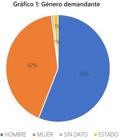 Thumbnail
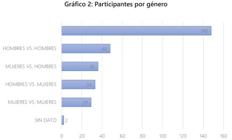 Thumbnail
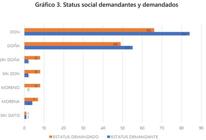 Thumbnail
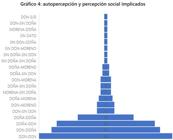 Thumbnail
 Thumbnail
 Thumbnail
 Thumbnail
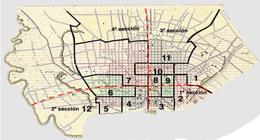
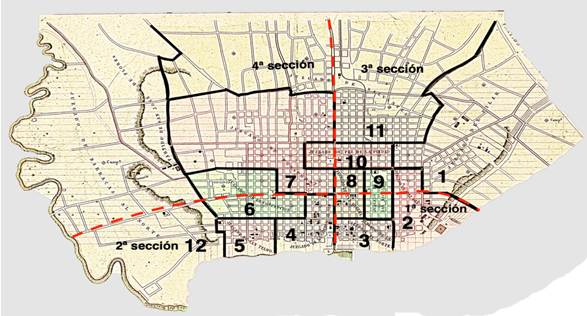 1. Juzgado de Paz del Pilar (1831), 2. Juzgado de Paz del Socorro (1821), 3. Juzgado de Paz de Catedral al Norte (1824), 4. Juzgado de Paz de Catedral al Sur (1824), 5. Juzgado de Paz de San Telmo (1821), 6. Juzgado de Paz de Concepción (1821), 7. Juzgado de Paz de Monserrat (1821), 8. Juzgado de Paz de San Miguel (1831), 9. Juzgado de Paz de San Nicolás (1821), 10. Juzgado de Paz de Piedad (1821), 11. Juzgado de Paz de Balvanera de la Encarnación (1833)