
 The barracks’ transformations in luso-brazilian military architecture
Conflicts in the 17th century’s Iberian Peninsula led to the formation of a permanent army by the Portuguese Crown. New defensive structures and concern with logistical spaces, such as barracks, aimed at meeting the demand. In the military architecture specific typology, the Portuguese Brazilian barracks are the research’s focus, which aims to analyze the typological path. Therefore, a documental study of military treaties was conducted, alongside a theoretical precepts’ systematization and a comparative graphic representation in the treatises and in representative examples of the reflections on the barracks morphology. The results indicate there is a Portuguese military production, although the French influence is noticeable in the examples from the 18th century, similar to the fortified structures and thebarracks are classified into three groups: 1) fortified barracks built inside fortified structures; 2) isolated barracks; and 3) barracks in complexes, which are part of modern military complexes. With the gradual loss of fortifications’ functionality, were the barracks that acquired a protagonism, encompassing other logistics structures, such as prisons and command posts. This also reflected in a structure more elaborated and monumental in some representative cases.
KEYWORDS:
Military Heritage; Memory; Tipology; Recognition
 Thumbnail
 Thumbnail
 Thumbnail
 Thumbnail
 Thumbnail
 Thumbnail
 Thumbnail
 Thumbnail
 Thumbnail
 Thumbnail
 Thumbnail
 Thumbnail
 Thumbnail
 Thumbnail
 Thumbnail
 Thumbnail
 Thumbnail
 Thumbnail
 Thumbnail
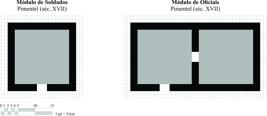
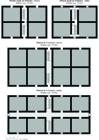
 Produção gráfica dos autores.
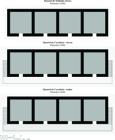
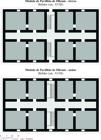
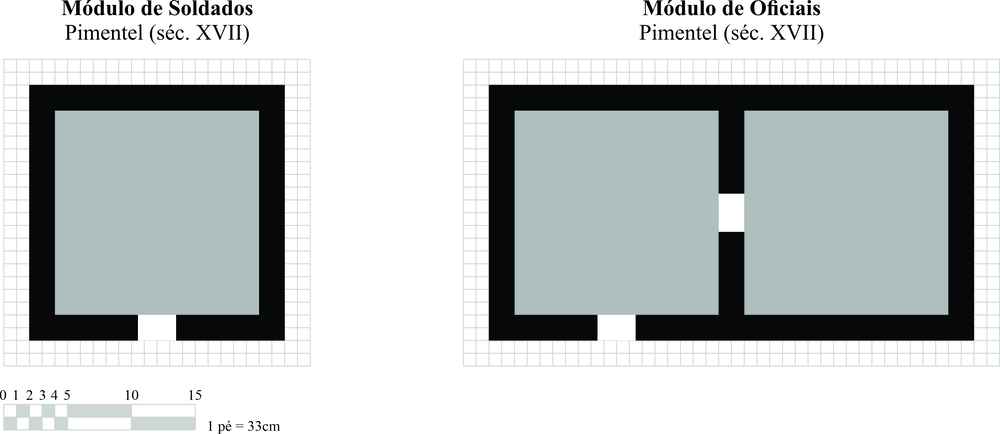
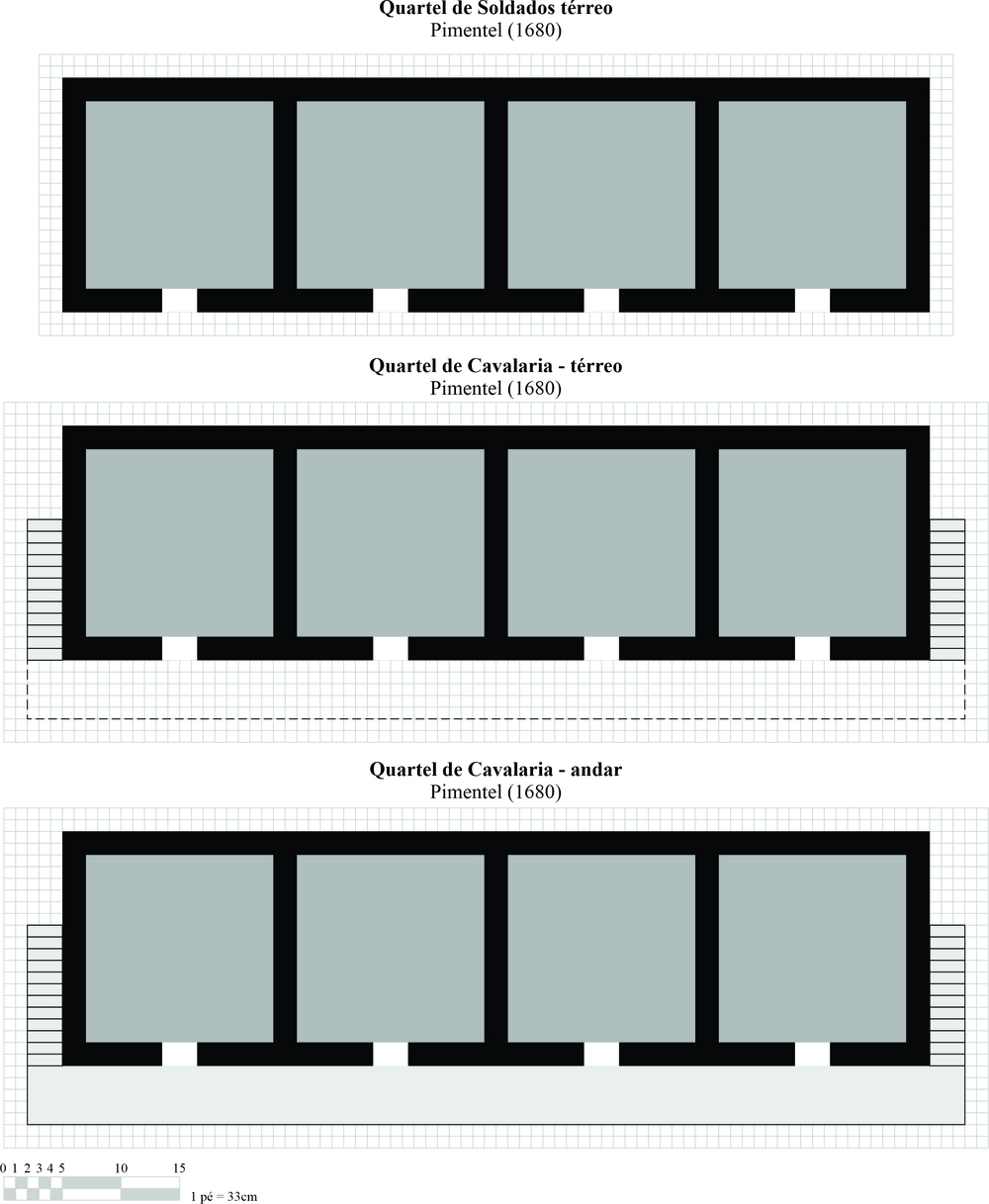 Produção gráfica dos autores.
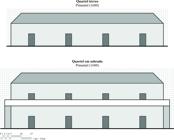
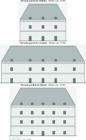
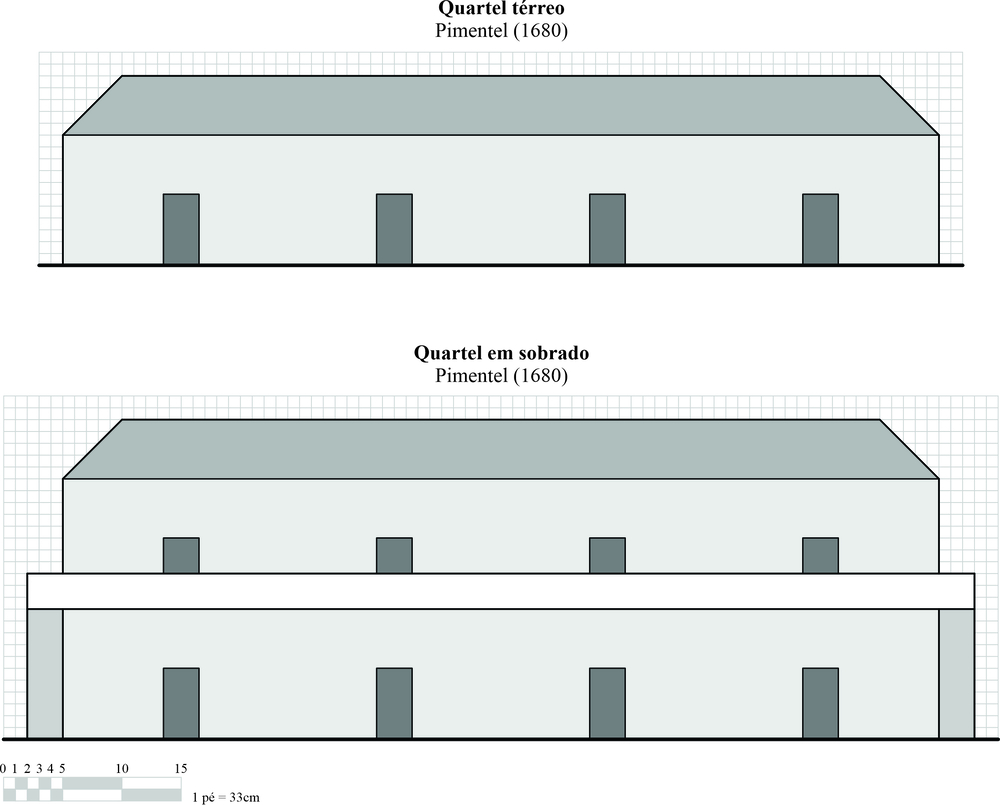 Produção gráfica dos autores.
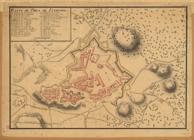
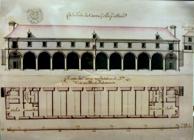
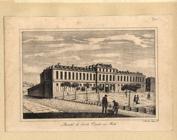
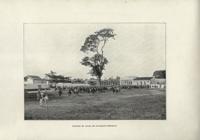
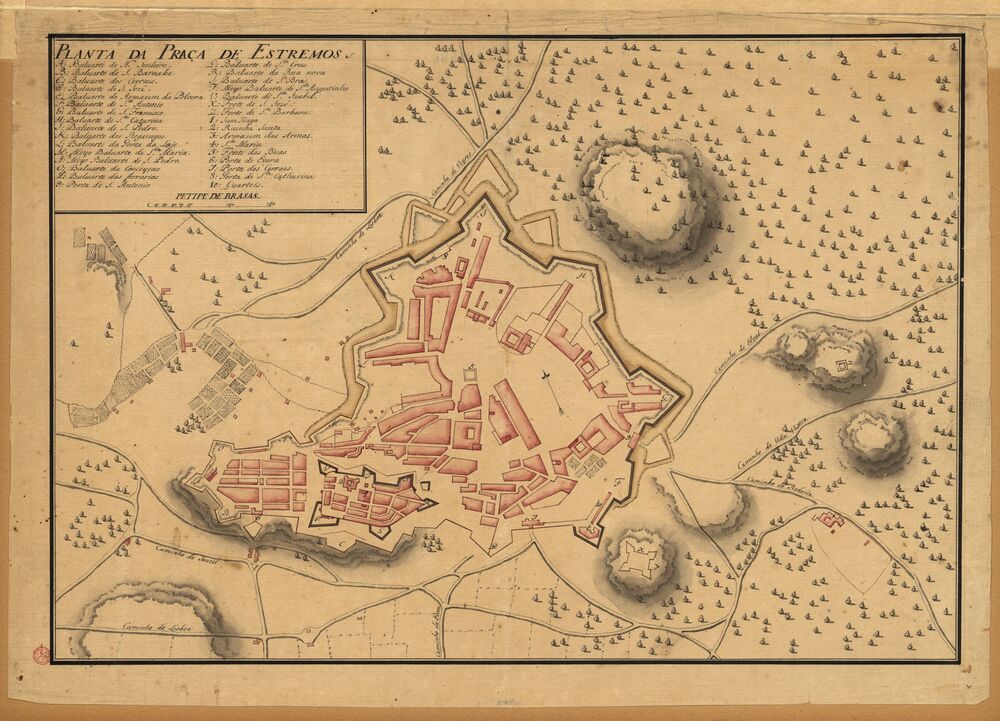 Fonte: Biblioteca Nacional de Portugal.
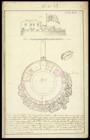
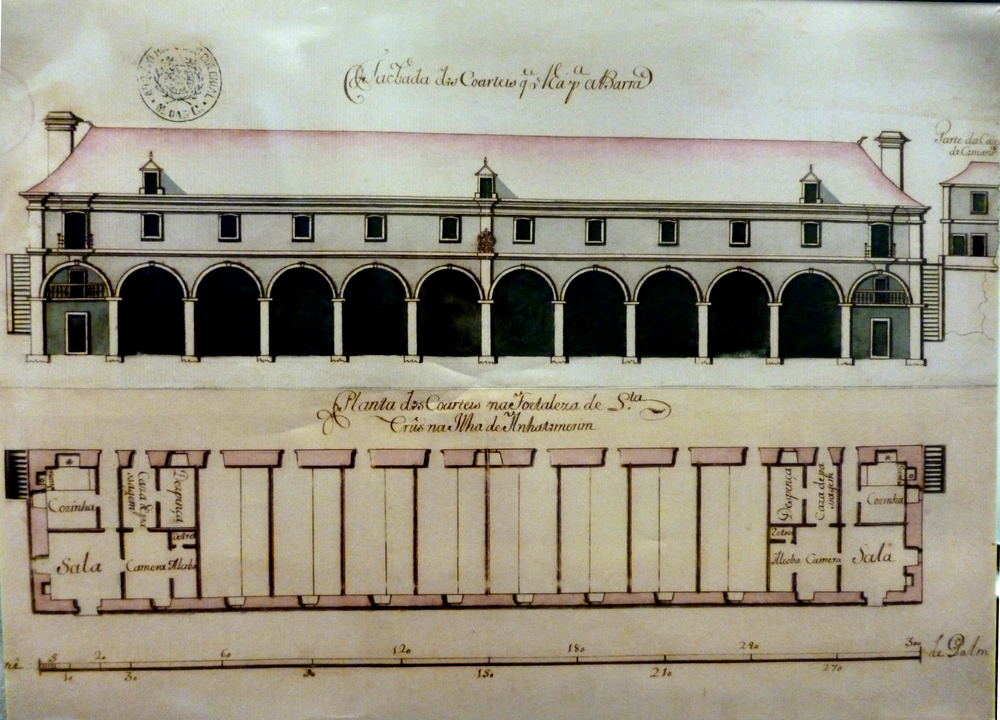 Fonte: acervo da Assembleia Legislativa do Estado de Santa Catarina.
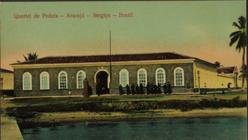
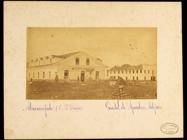
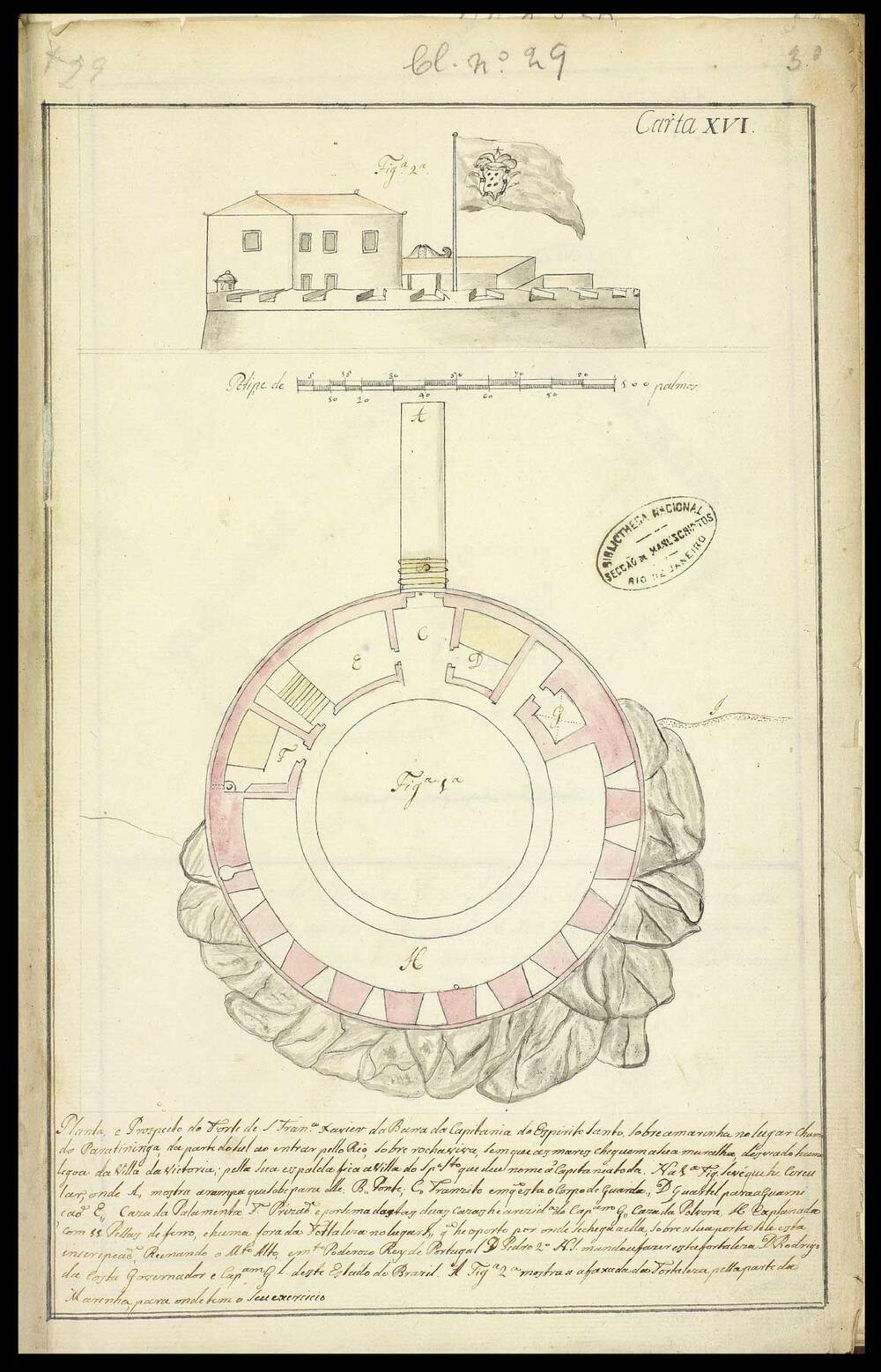 Fonte: Acervo da Biblioteca Nacional (Brasil), coleção Benedicto Ottoni.
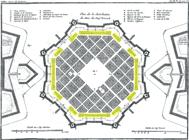
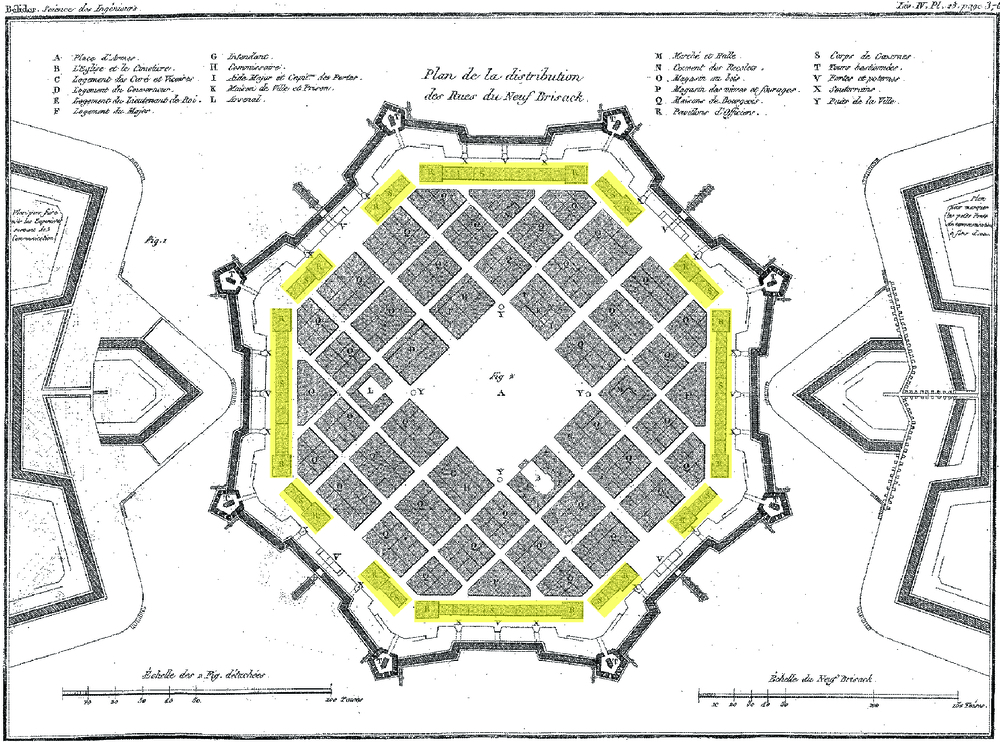 Reprodução: Desenho extraído do livro La Science des Ingenieurs por Bélidor, prancha 25, 1813 (Modificada).
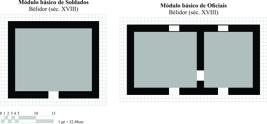
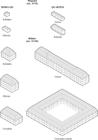
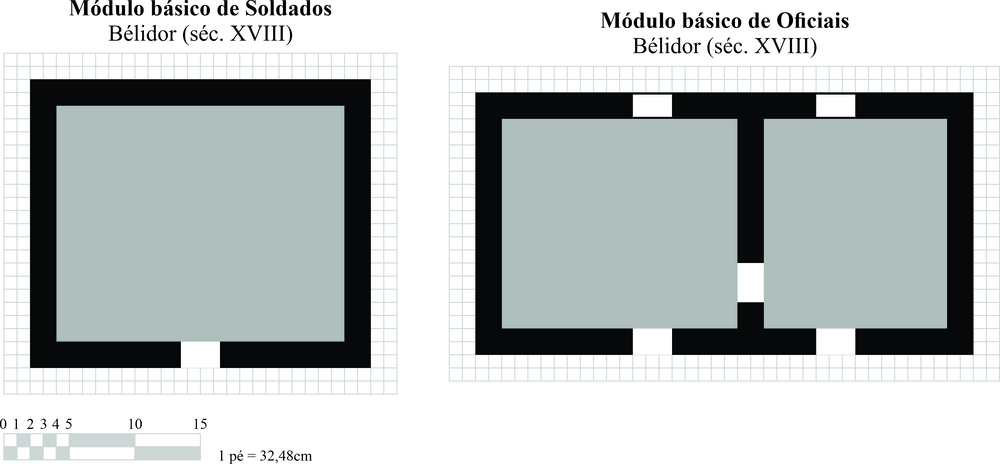 Produção gráfica dos autores.
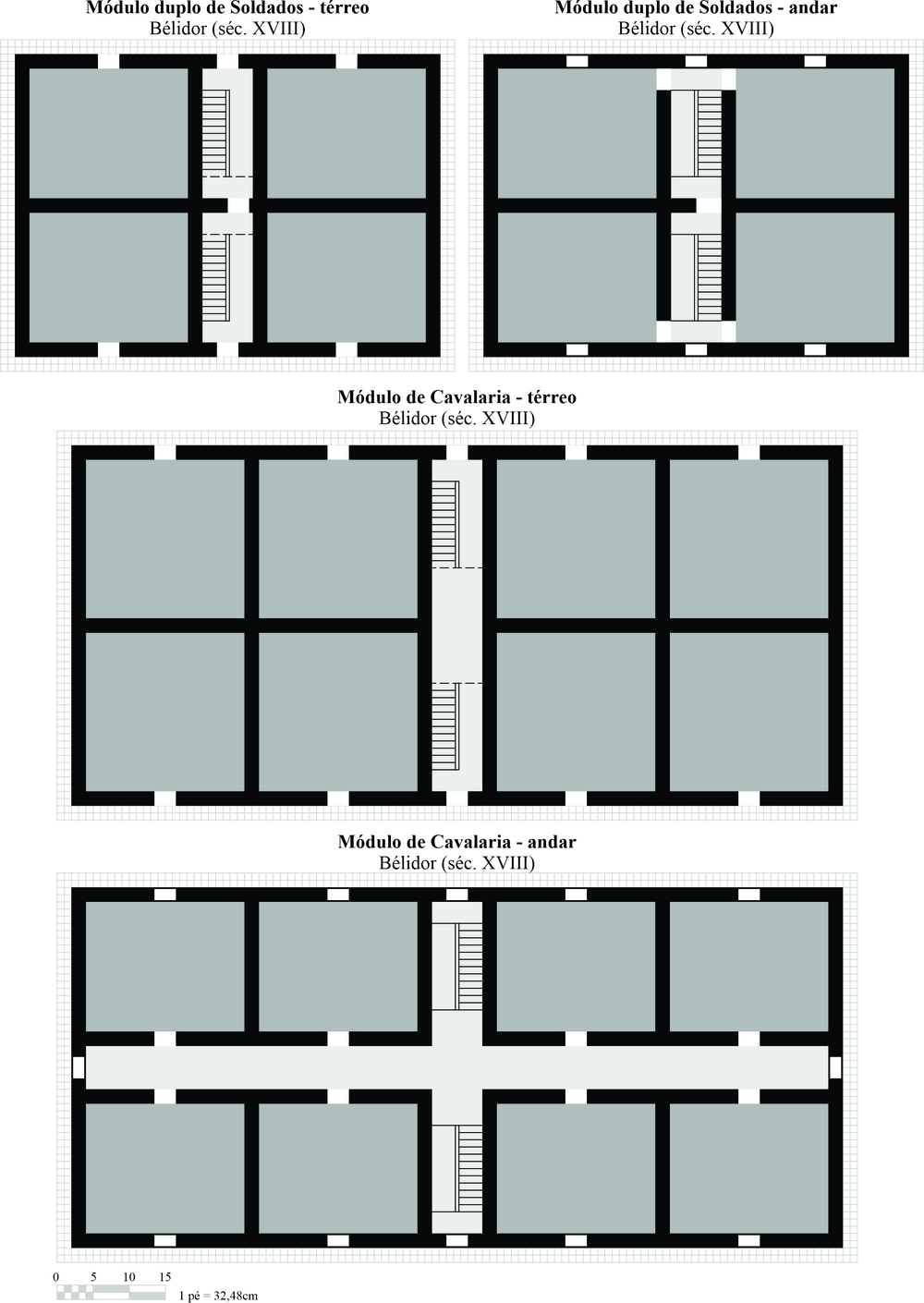 Produção gráfica dos autores.
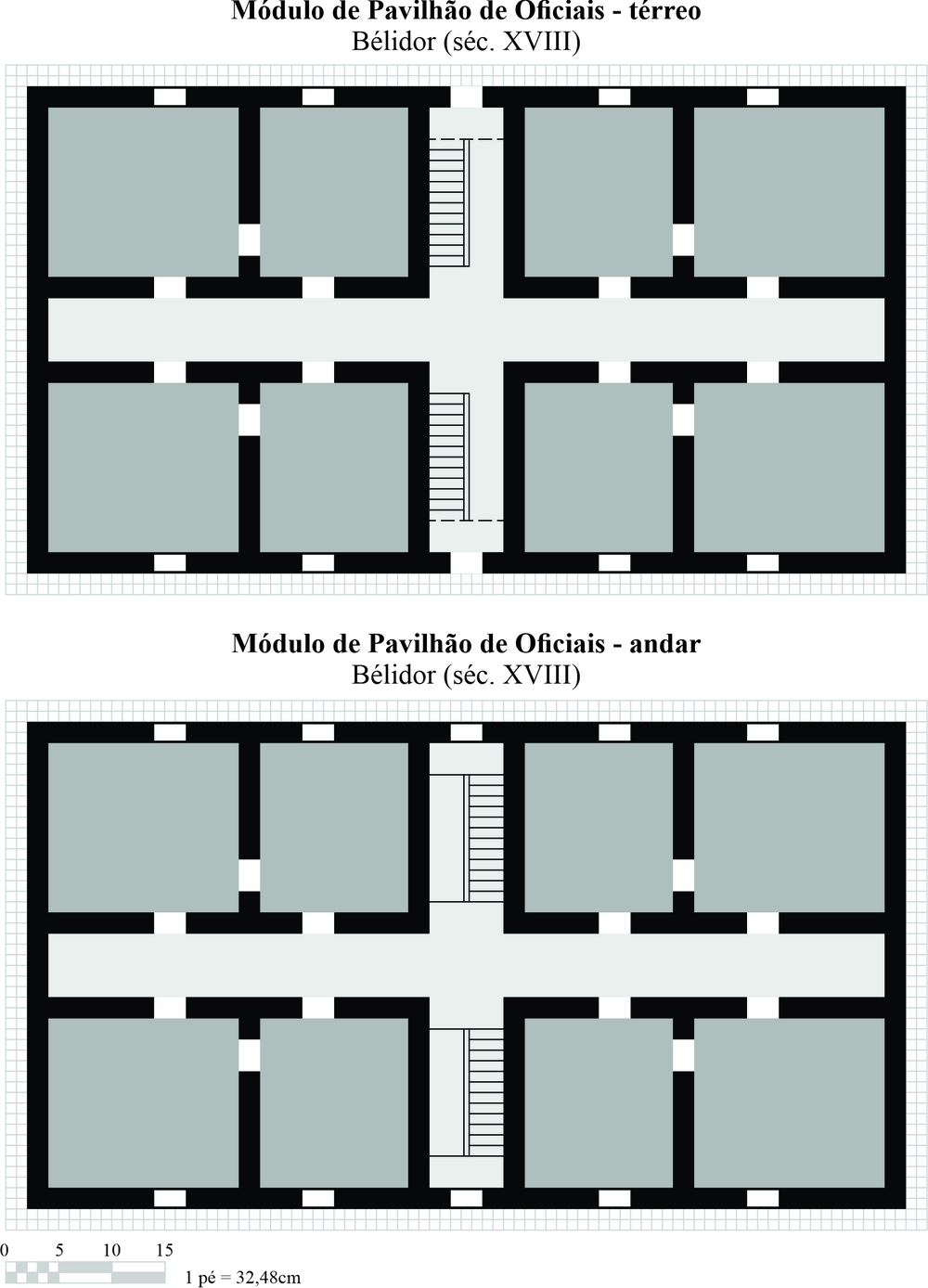 Produção gráfica dos autores.
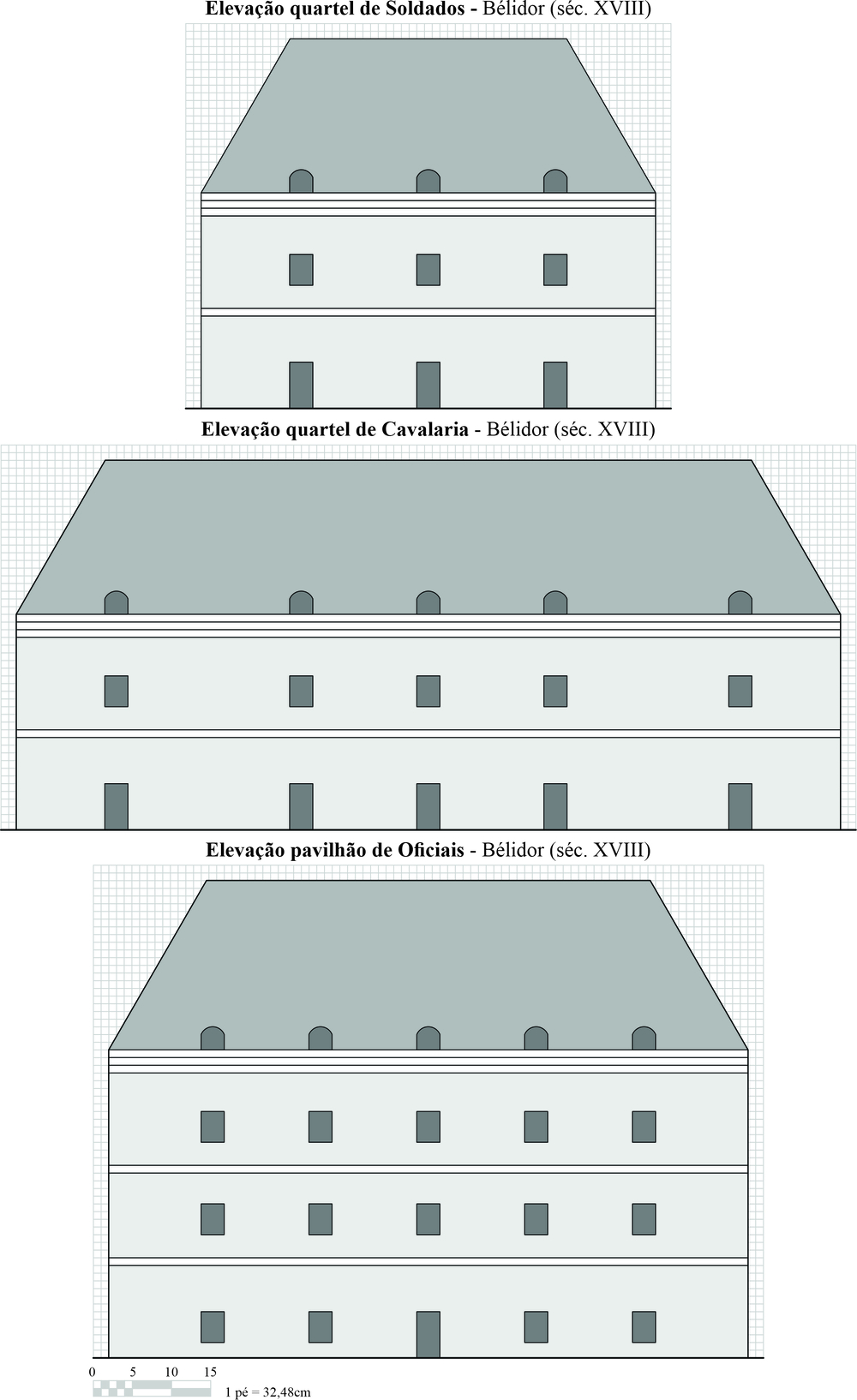 Produção gráfica dos autores.
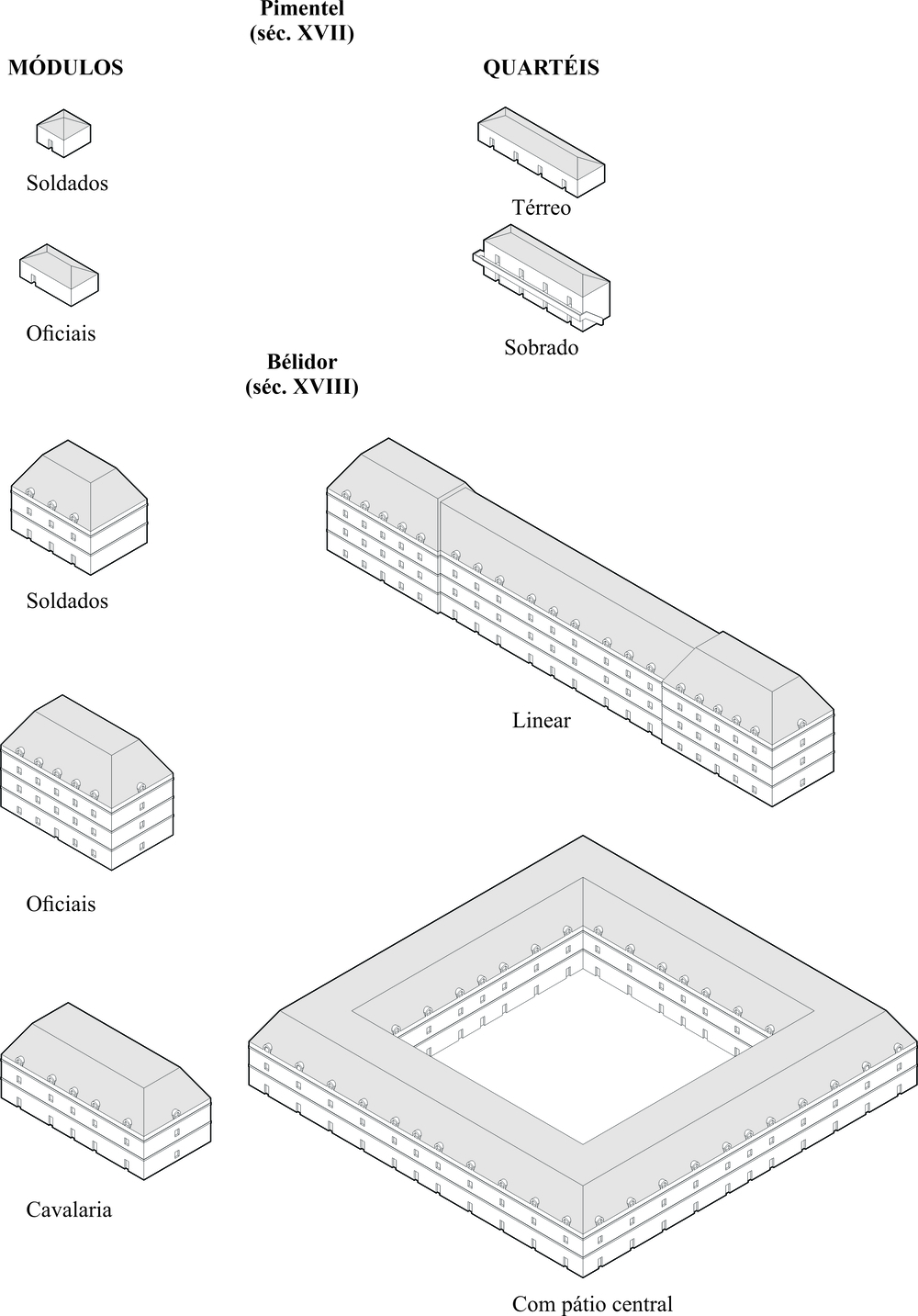 Produção gráfica dos autores.
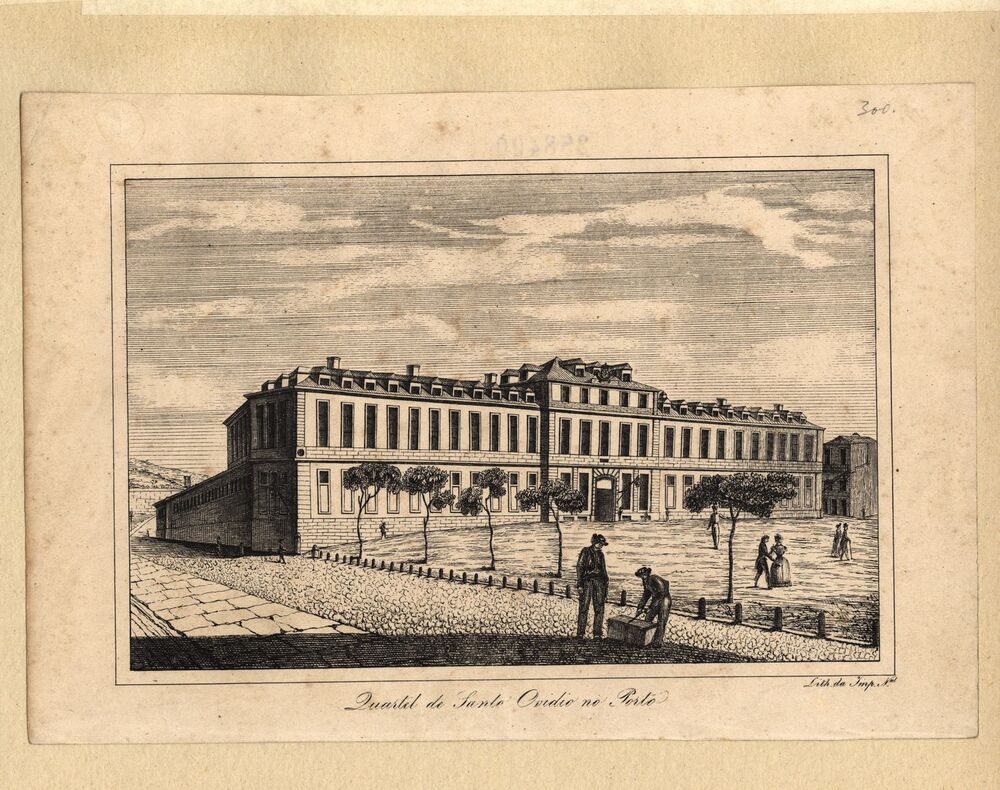 Fotografia da autora, 2023.
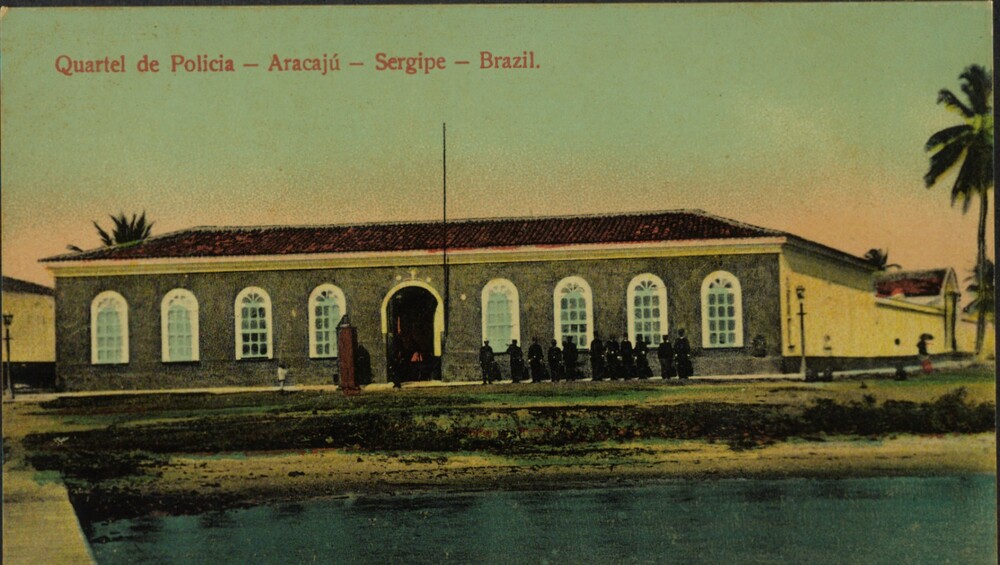 Fonte: Biblioteca Nacional.
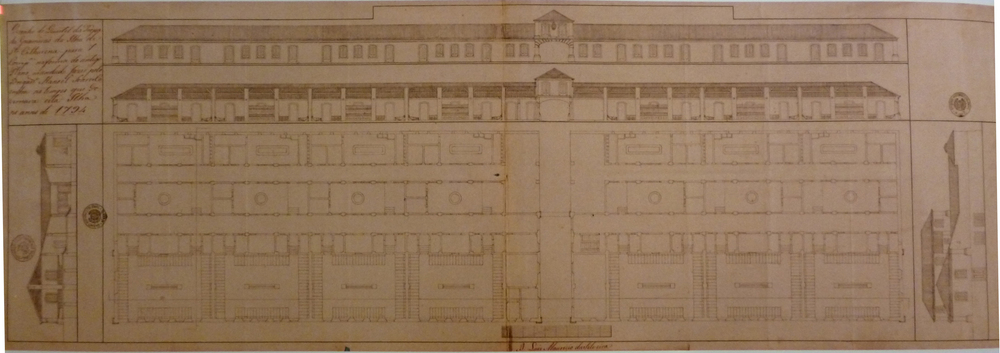 Fonte: acervo da Assembleia Legislativa do Estado de Santa Catarina.
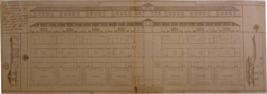
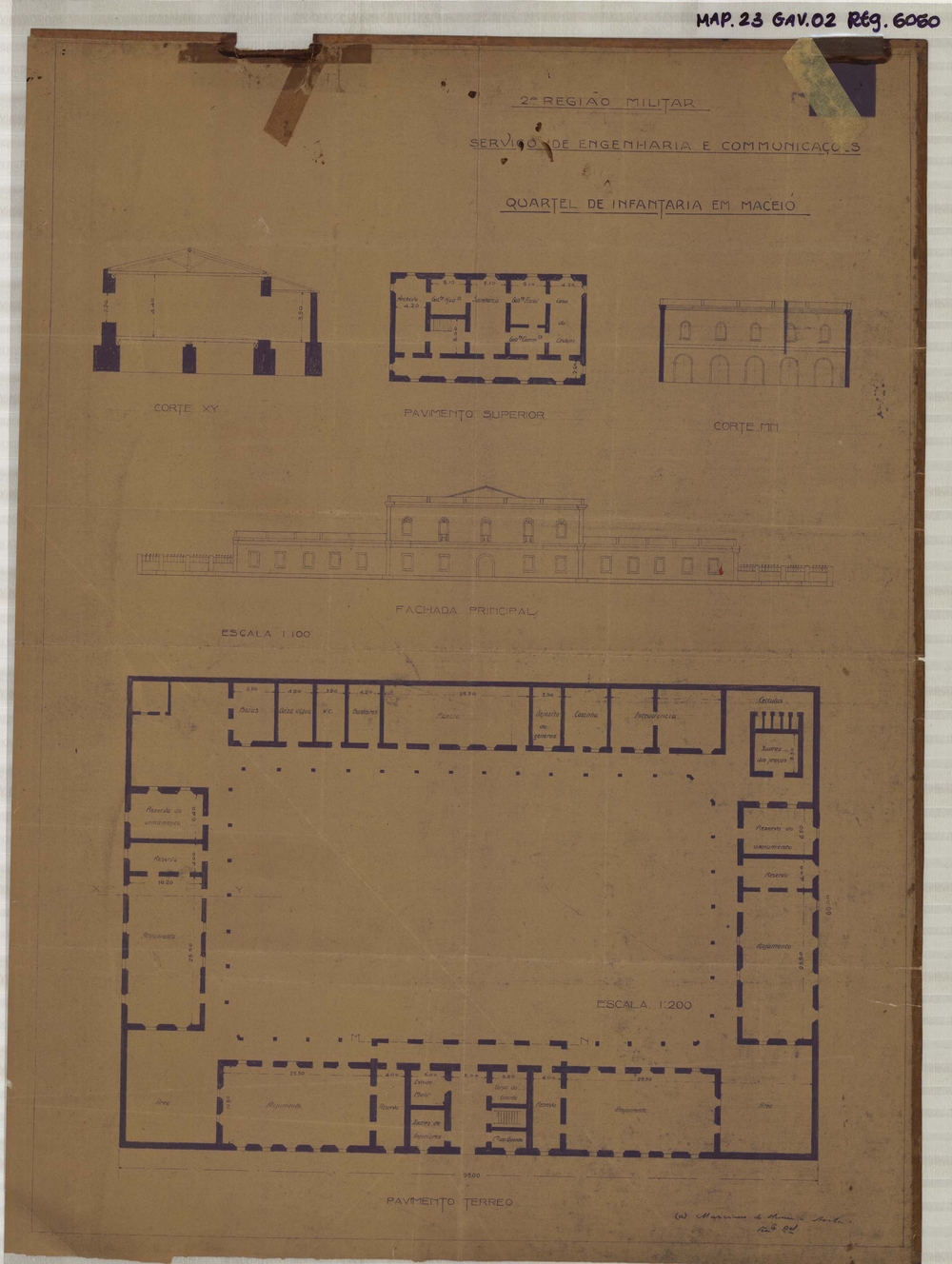 Fonte: Acervo Histórico e Institucional da Secretaria do Patrimônio da União (SPU)
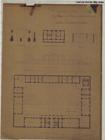
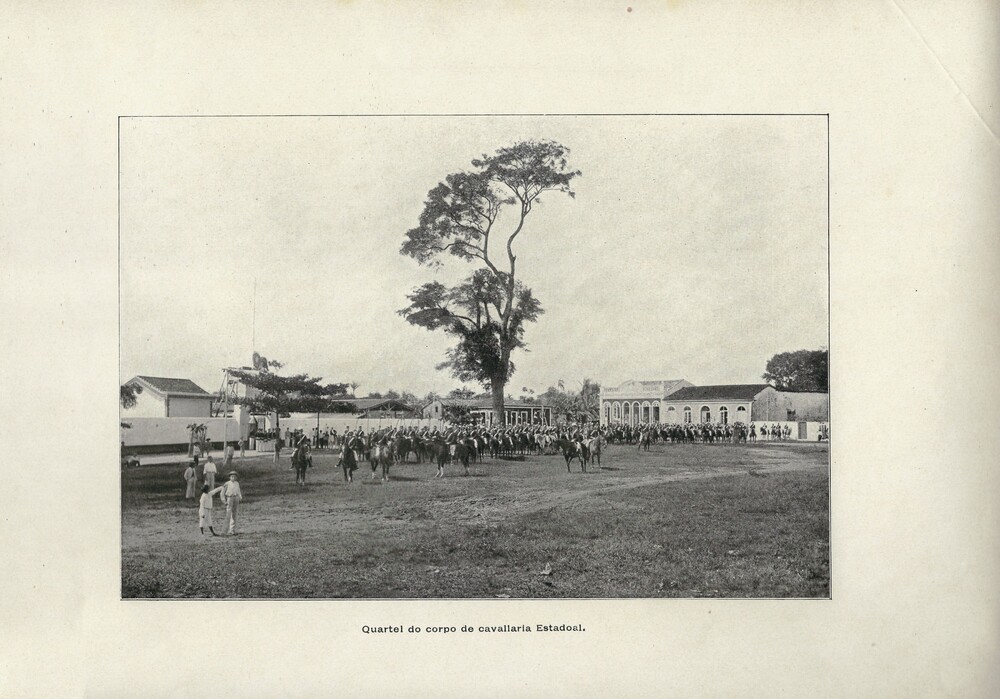 Acervo Digital da Biblioteca Pública Arthur Vianna.
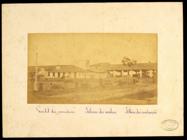
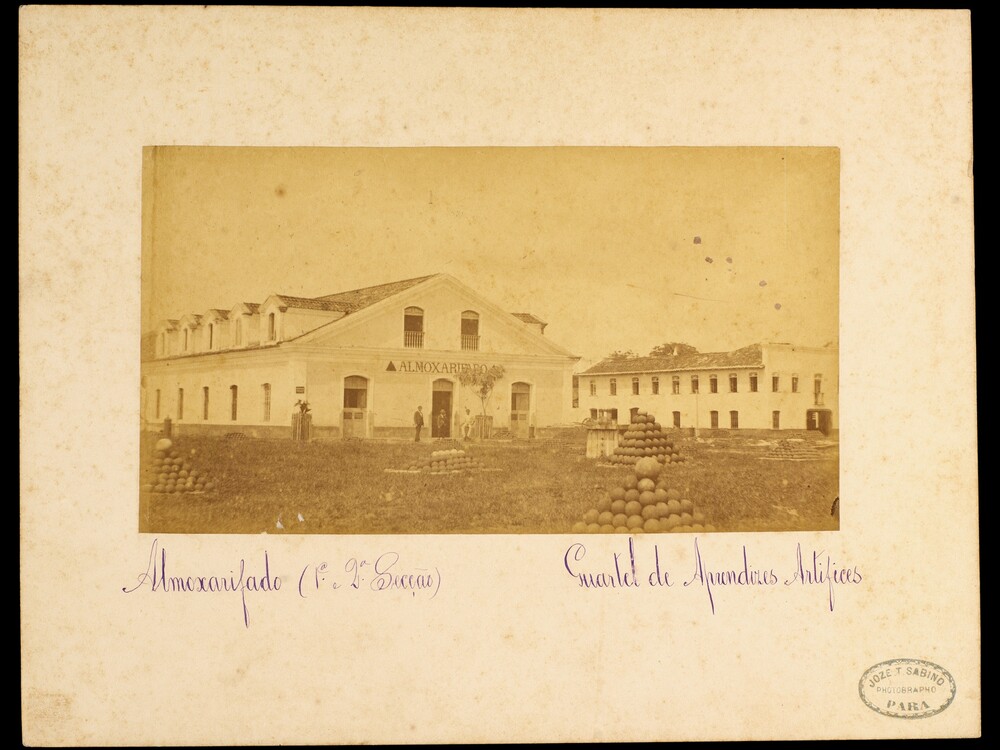 Fonte Biblioteca Nacional.
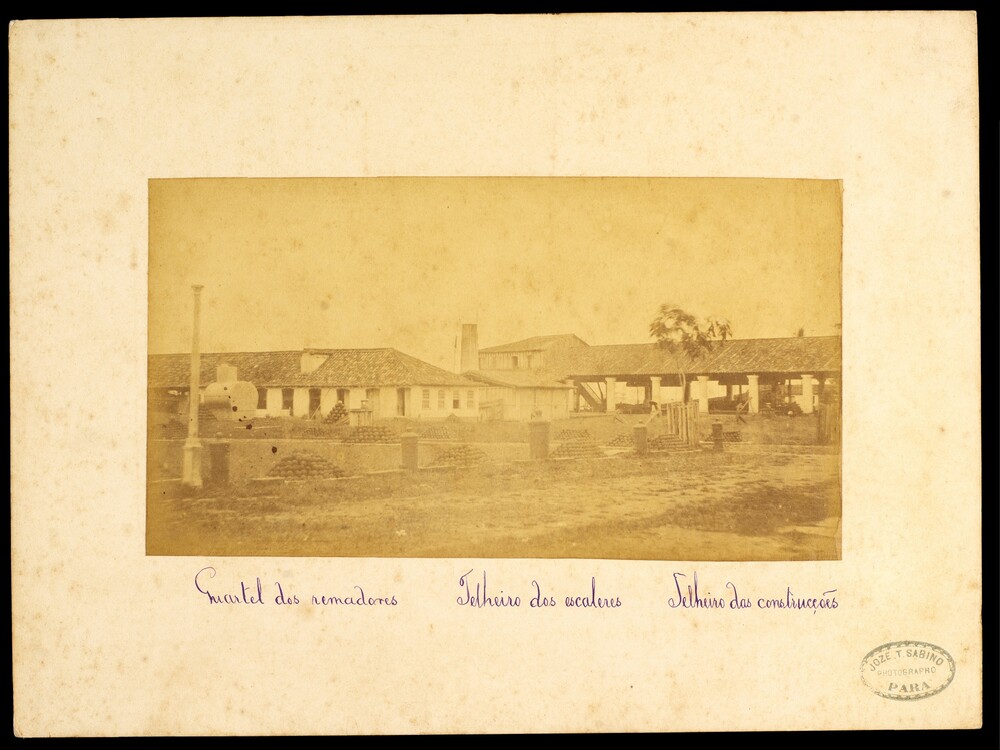 Fonte Biblioteca Nacional.