 ANTHROPOMETRIC CORRELATION OF HAMSTRING AND PERONEUS LONGUS GRAFTS IN ACL RECONSTRUCTION
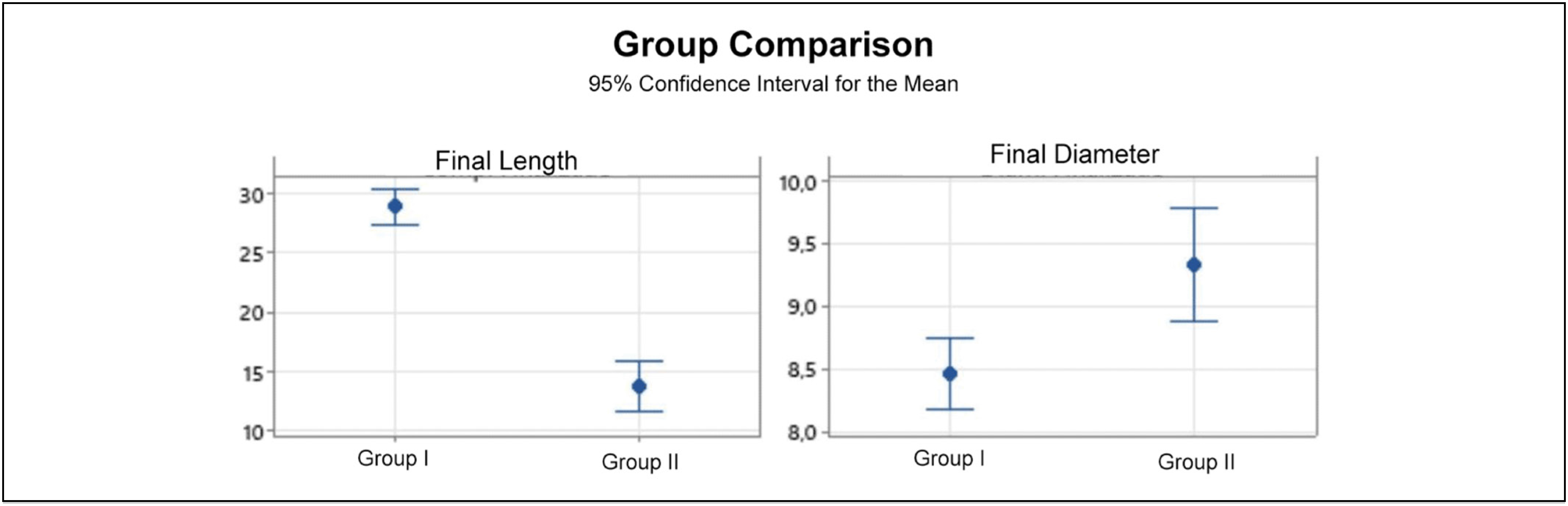
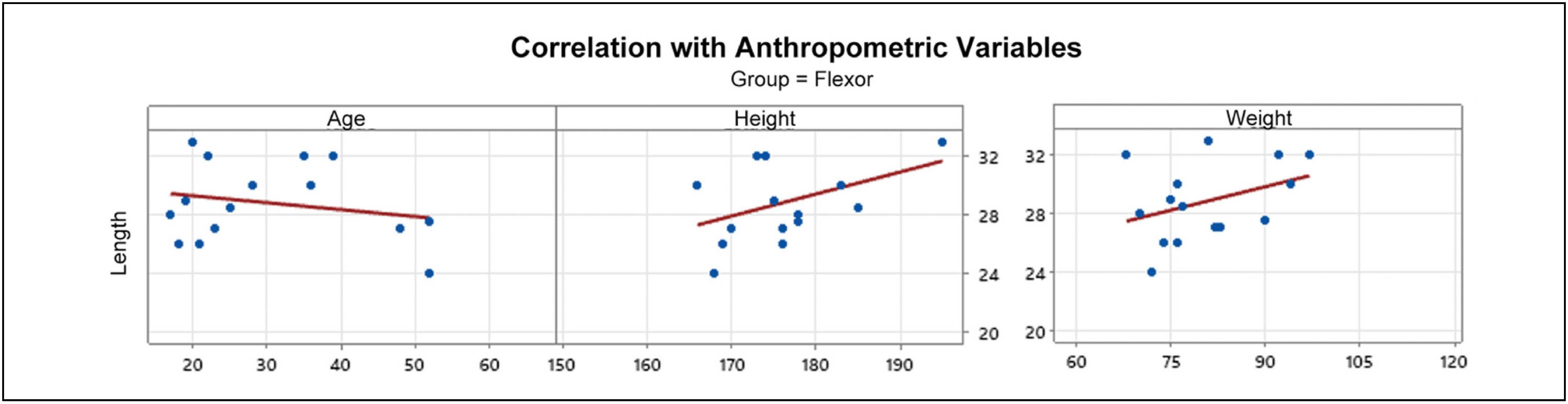
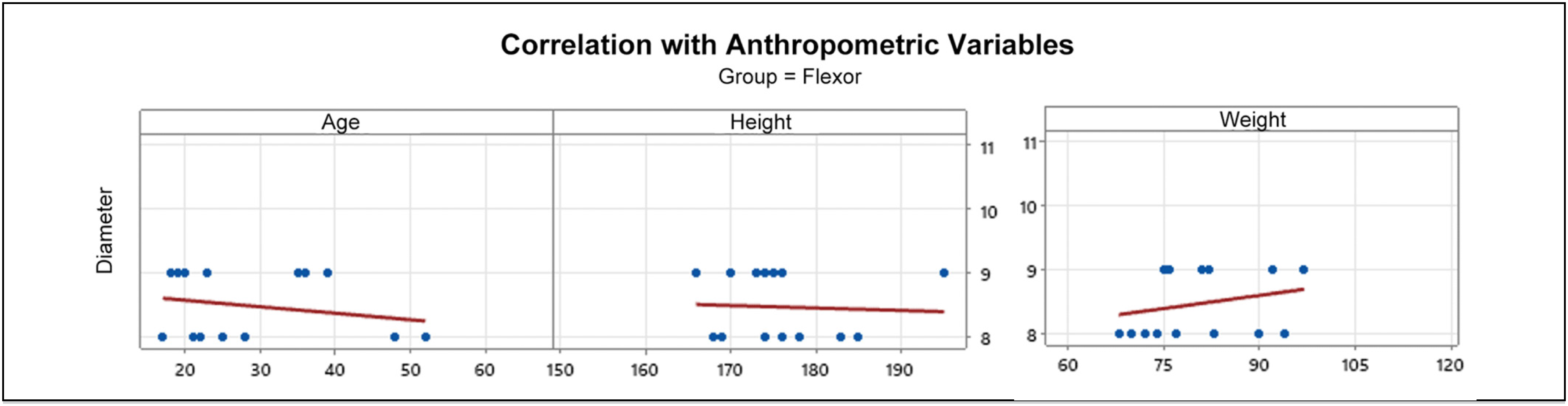
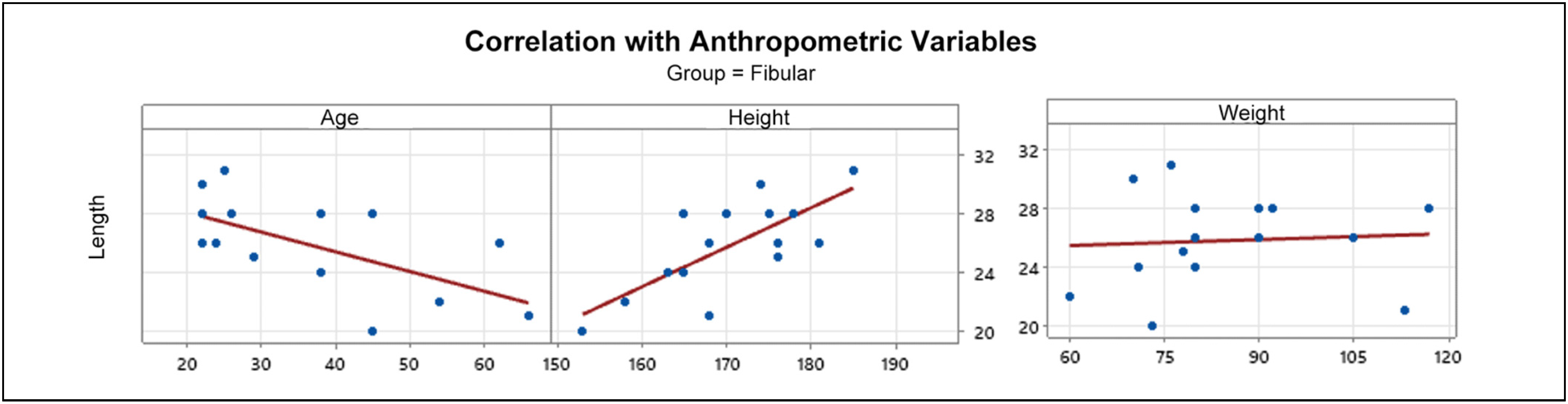
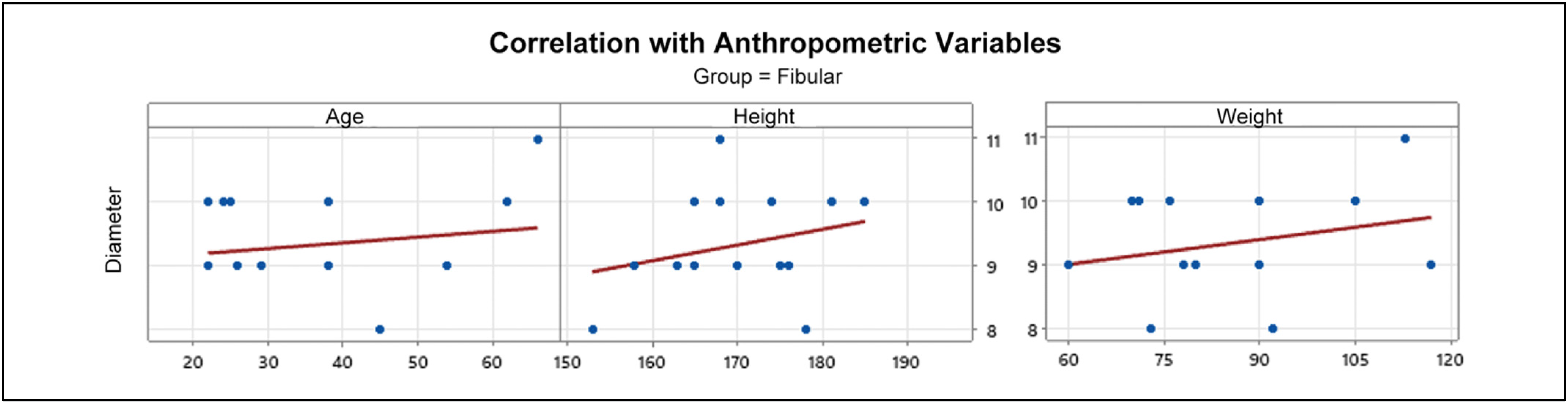
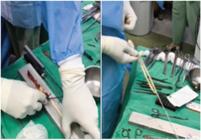
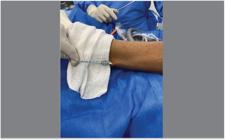
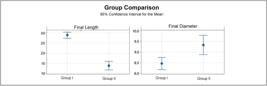
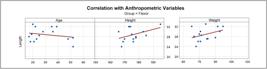
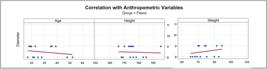
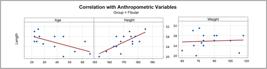
This study aimed to analyze the association between anthropometric data of patients with anterior cruciate ligament injuries and the characteristics of the grafts used in ligament reconstruction. This analytical study involved 30 patients randomly assigned to two groups: Group I, flexor tendon grafts (semitendinosus and gracilis), and Group II, peroneus longus tendon grafts. Graft length and diameter were measured, as well as preoperative anthropometric variables such as age, height, and weight. Student's t-test, chi-square test, and Pearson's correlation test were used. The results showed significantly greater length for the flexor tendon grafts (28.8 ± 2.66 vs. 25.8 ± 3.19 cm), while the peroneus longus tendon exhibited a greater final diameter (9.33 ± 0.82 vs. 8.47 ± 0.52 cm), both with p < 0.05. A negative correlation was observed between age and the length of the peroneus longus graft, and a positive correlation between height and the same parameter. Anthropometric data were not shown to be reliable predictors for the flexor grafts, although younger and taller patients were more likely to have a greater length in the peroneus longus graft. Level of Evidence I; Prognostic study – investigation of the effect of a patient's characteristics on disease outcome.
Keywords:
Anthropometry; Anterior Cruciate Ligament Injuries; Transplants; Tendons
 Thumbnail
 Thumbnail
 Thumbnail
 Thumbnail
 Thumbnail
 Thumbnail
 Thumbnail
 Thumbnail