
 RADIOFREQUENCY THERAPY IN PATIENTS WITH OSTEOARTHRITIS AWAITING KNEE ARTHROPLASTY
Objective: To evaluate the palliative use of conventional radiofrequency (RF) in patients awaiting total knee arthroplasty (TKA).
Methods: Seventy-one knees with osteoarthritis and indication for TKA were evaluated and divided into two groups: Group 1 with 51 knees treated with RF and Group 2 with 20 patients treated with intra-articular corticosteroids. The primary outcome was pain response using the visual analog scale (VAS) at six months postoperatively. The secondary outcome was functional assessment using the WOMAC and KSS scales. The MCID (minimal clinically important difference) criterion was used. The influence of clinical and radiographic parameters on the procedural outcome was evaluated.
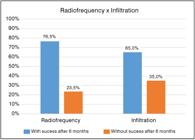
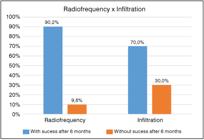
Results: The RF group showed improvement in VAS at 6 months compared to the control group (χ2 test, p=0.0124). The RF group obtained a superior result than the control group using the WOMAC scale (χ2 test, p=0.044). The KSS, divided into knee and function subgroups, performed better than the control group (p=0.02 and p=0.048). Knee angulation and degree of osteoarthritis were associated with procedural prognosis (χ2 test, p=0.028, p=0.019).
Conclusion: The RF group showed superior pain and functional improvements compared to the control group. Osteoarthritis severity and knee angulation influenced functional and pain outcomes. Level of Evidence II; Comparative Prospective Study.
Keywords:
Corticoid; Knee; Osteoarthritis; Radiofrequency
 Thumbnail
 Thumbnail
 Thumbnail
 Thumbnail
 Thumbnail
 Thumbnail
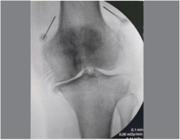
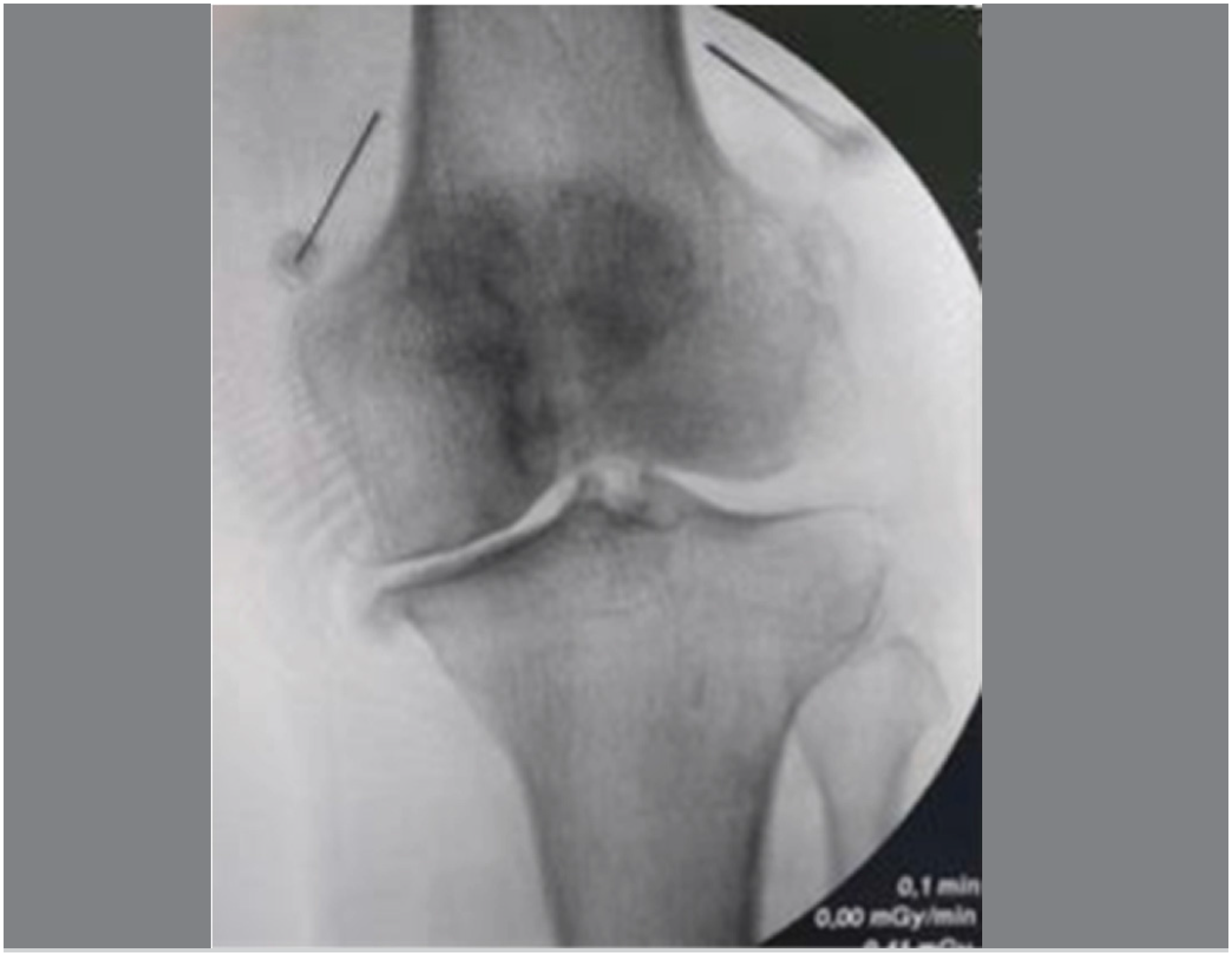 Source: Author's collection (2024).
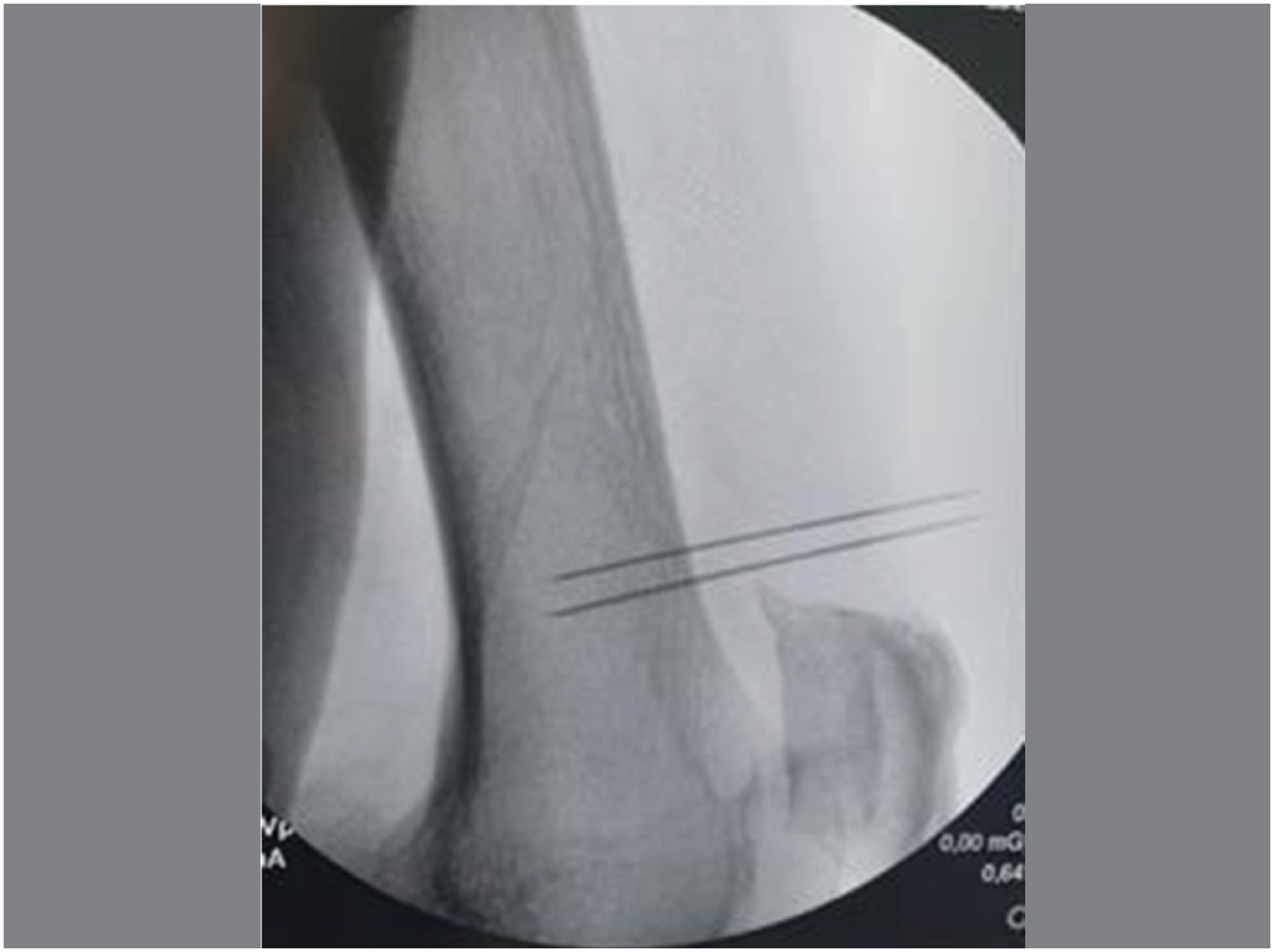 Source: Author's collection (2024).
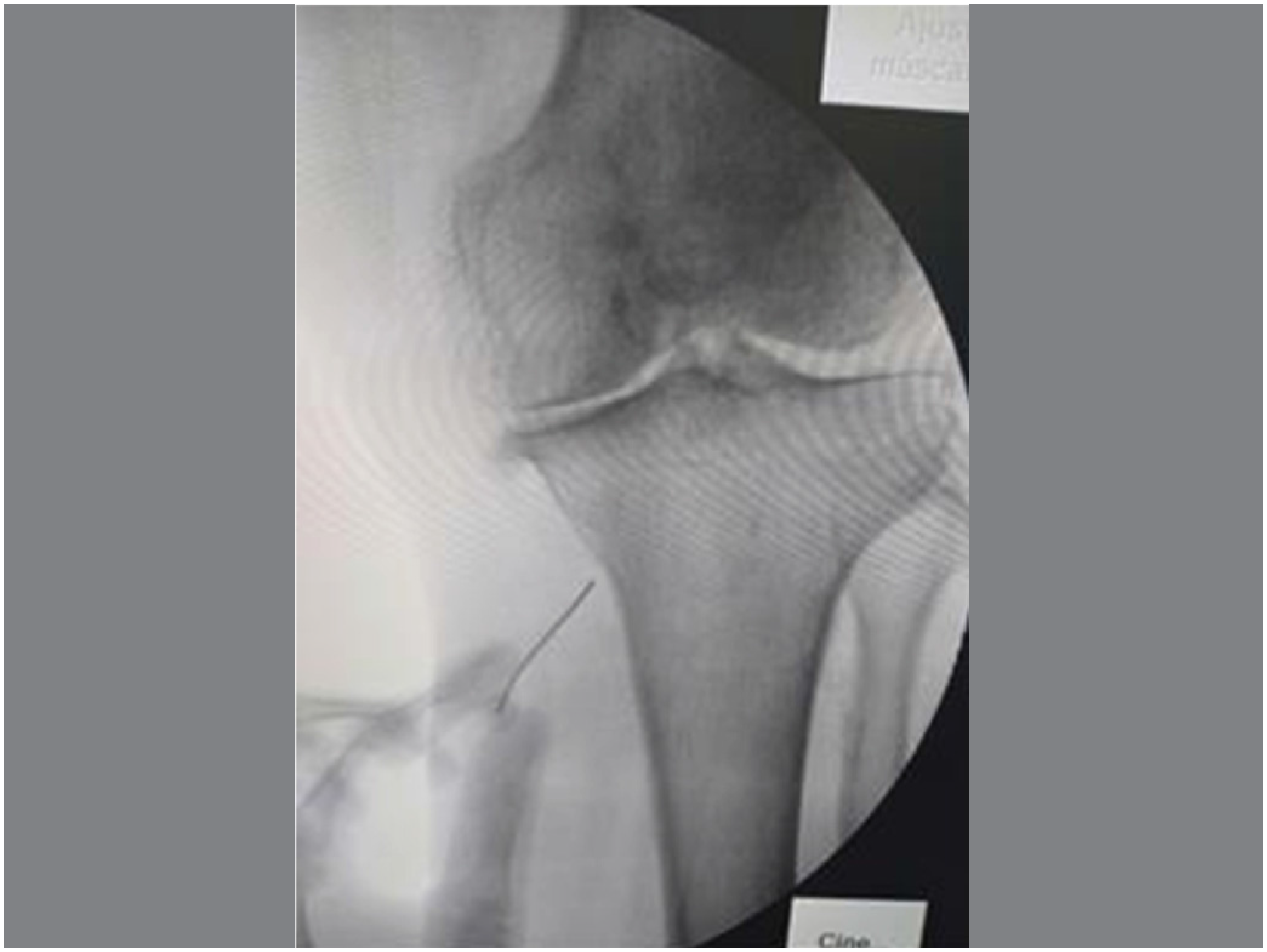 Source: Author's collection (2024).
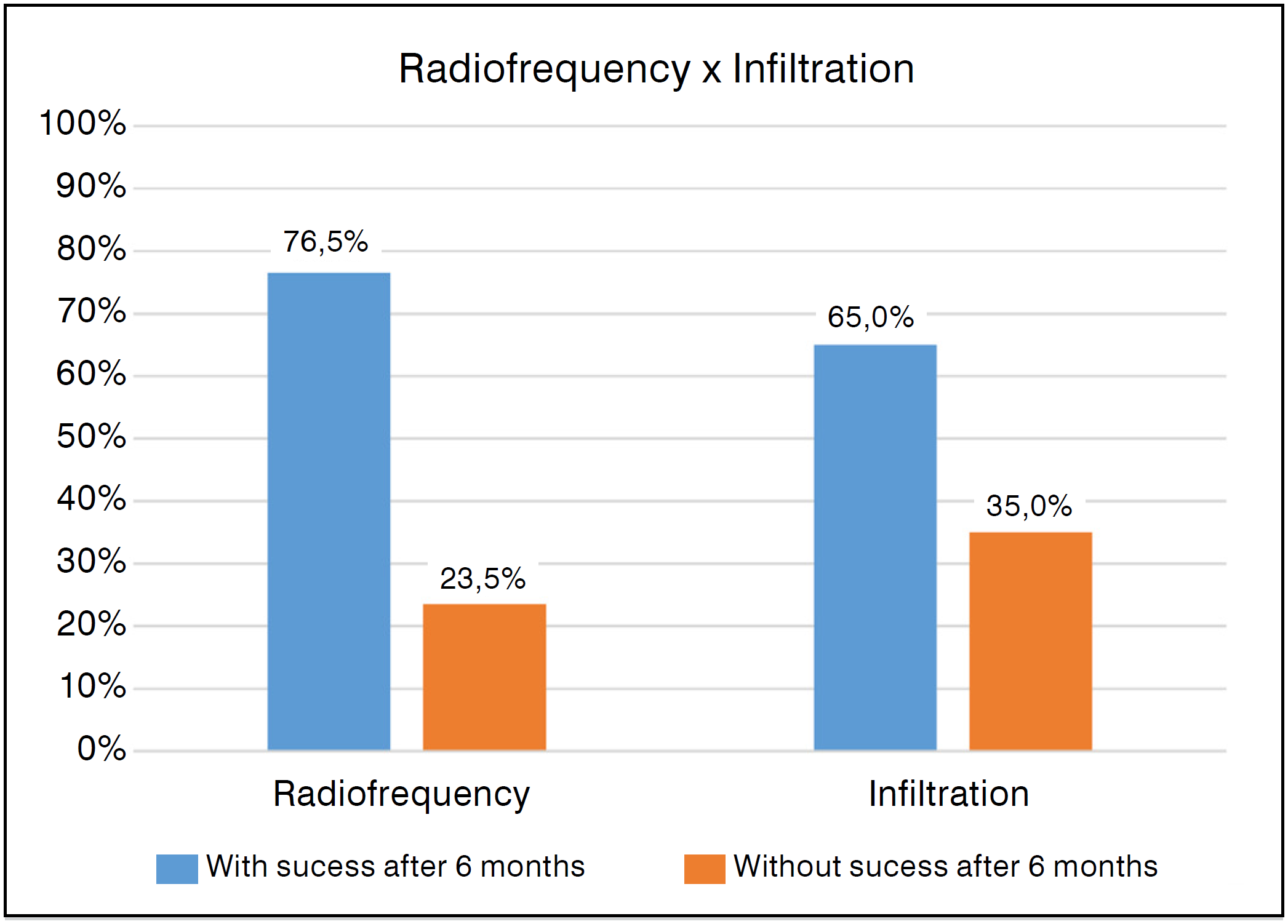 Source: Author's collection (2024).
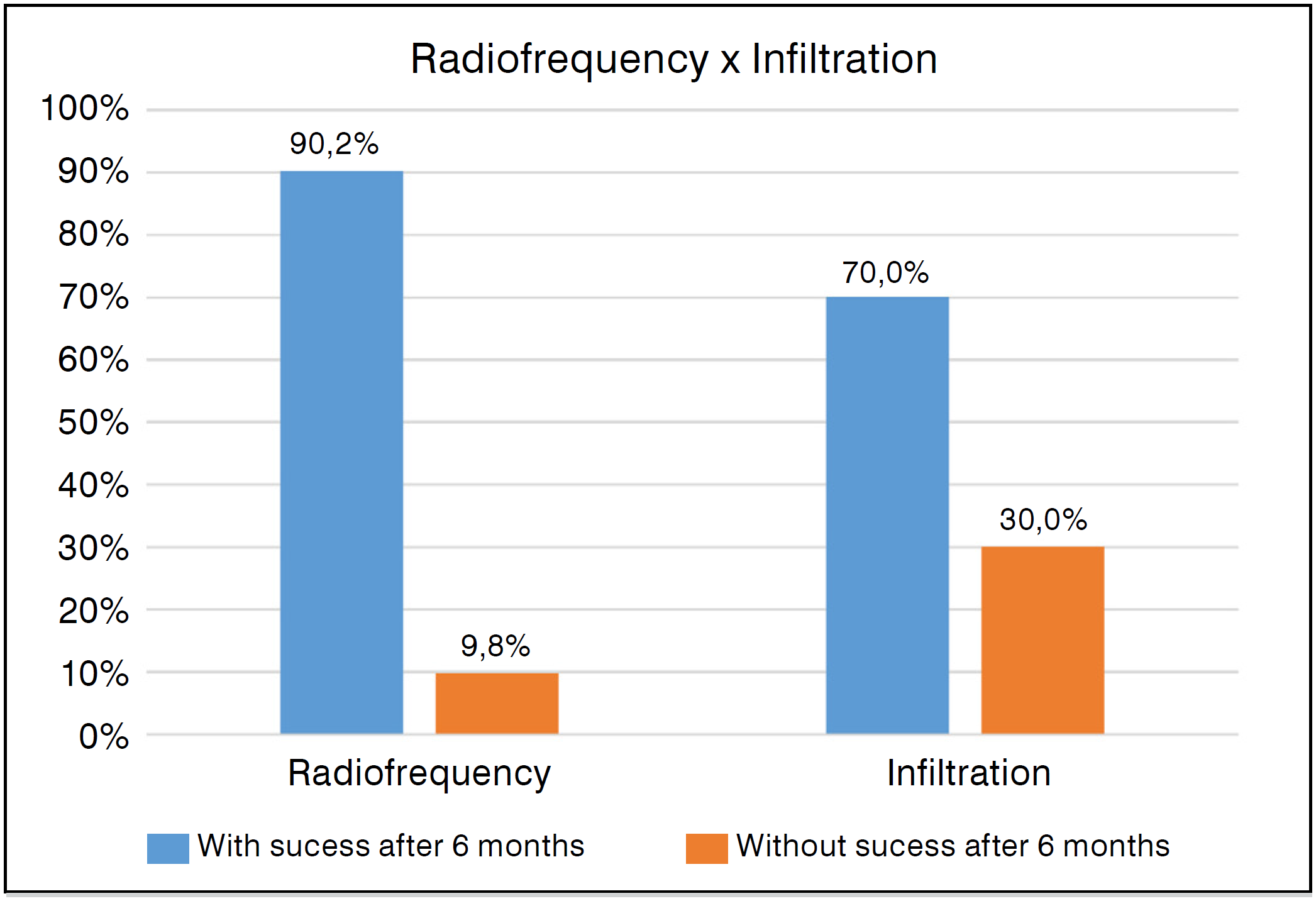 Source: Author's collection (2024).
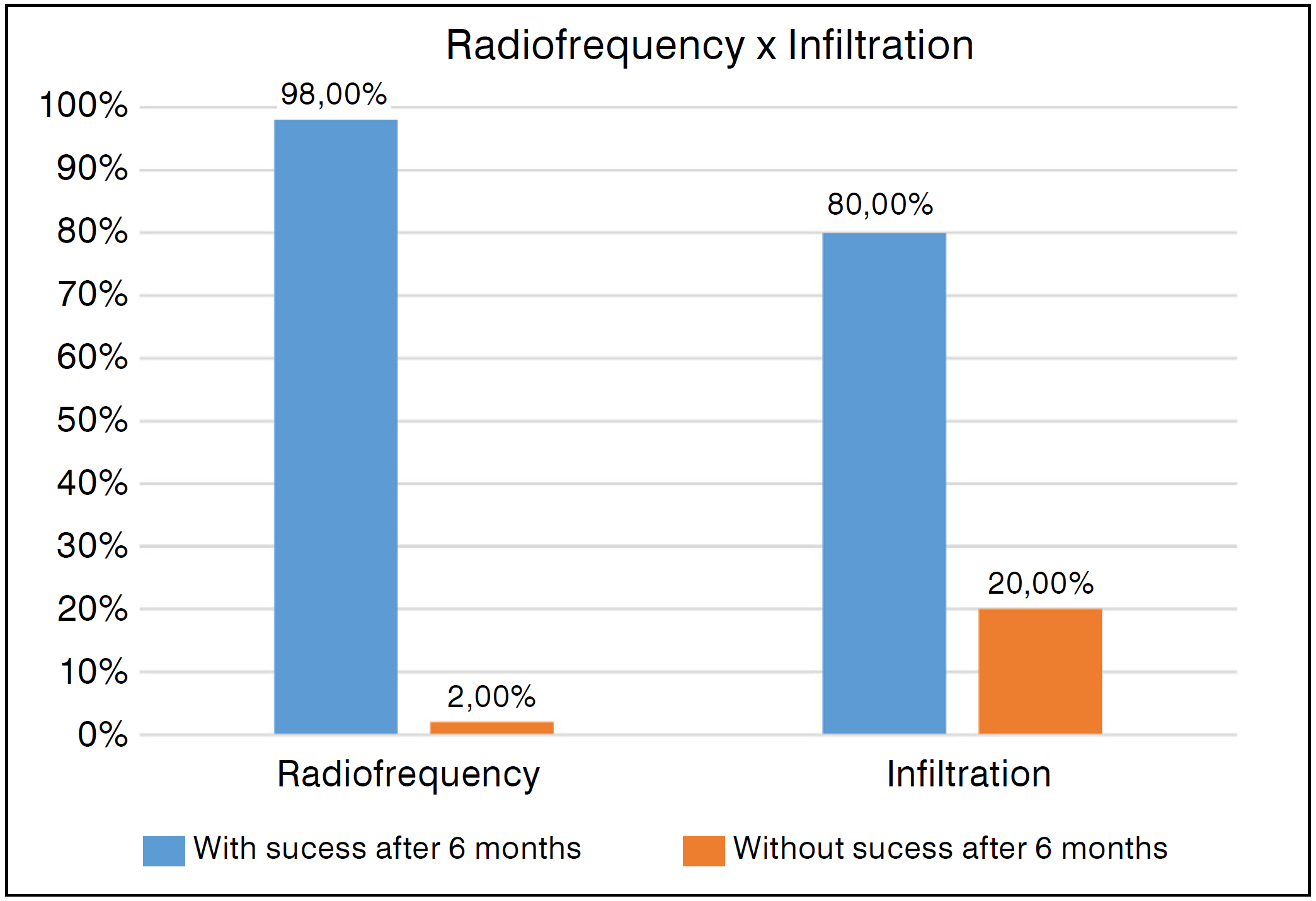 Source: Author's collection (2024).