 Sewage sludge in the production of chrysanthemum (Dendranthema grandiflora) and petunia (petunia x hybrida) seedlings
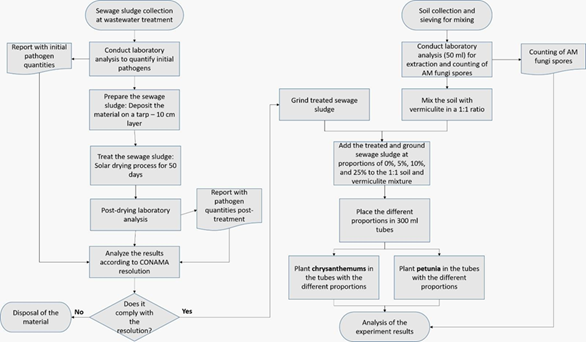
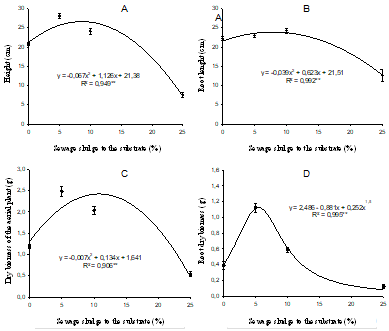
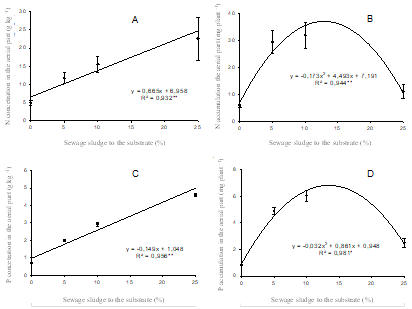
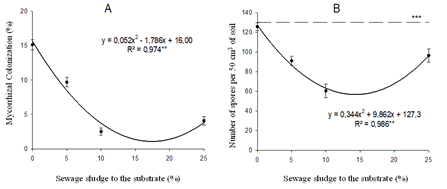
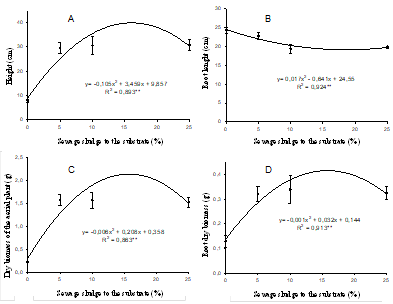
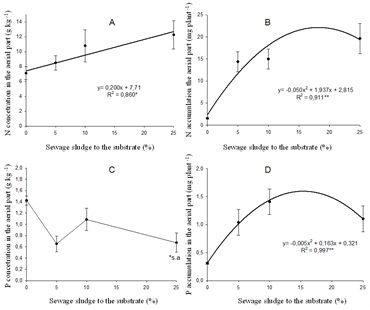
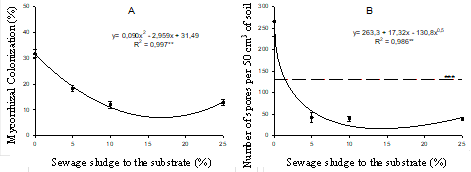
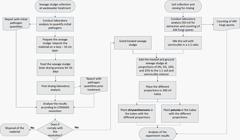
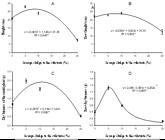
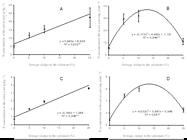
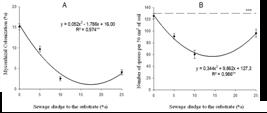
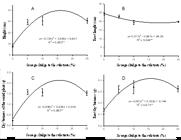
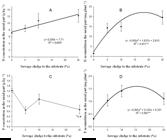
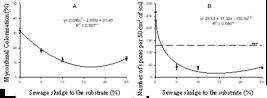
Sewage sludge generated from wastewater treatment plants is an environmental and economic liability that burdens not only waste management companies, but the society at large, because it causes environmental damage. Therefore, this study aimed to seek an alternative to the destination of this sludge, such as using it as a substrate to produce chrysanthemum (Dendranthema grandiflora) and petúnia (petunia x hybrid) seedlings. The sludge was collected at CASAN, Florianópolis (SC-Brazil), and subjected to solar drying for later application in proportions of 0, 5, 10, and 25%, together with soil collected from the Ressacada Farm Experimental Station, and used as inoculum for arbuscular mycorrhizal fungi. The parameters used in the analyses were plant height (cm), root length (cm), production of aerial part dry matter, production of root dry matter (g), nitrogen content in the aerial part (g kg-1), nitrogen accumulation in the aerial part (mg plant-1), phosphorus content in the aerial part (g kg-1), phosphorus accumulation in the aerial part (mg plant -1), soil arbuscular mycorrhizal fungi spore count (in 50 cm of soil), mycorrhizal colonization (%), and pH of the substrate (pre- and post-treatment). The study showed that solar drying is an efficient method of eliminating pathogens, and the sludge was classified as proper for agricultural application. The results showed that the best dosages of sludge for the growth of chrysanthemum and petunia varied from 5 to 13%, and 13 to 18%, respectively. These concentrations provided the best yield for all variables tested, except mycorrhizal colonization and spore counting that decreased as the sludge concentration increased.
Keywords:
biosolids; cultivation; substrate; arbuscular mycorrhizal fungi; innovation
 Thumbnail
 Thumbnail
 Thumbnail
 Thumbnail
 Thumbnail
 Thumbnail
 Thumbnail