 Correction of distortions in image analysis for improved phenotyping of tomato fruit
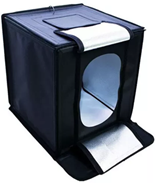
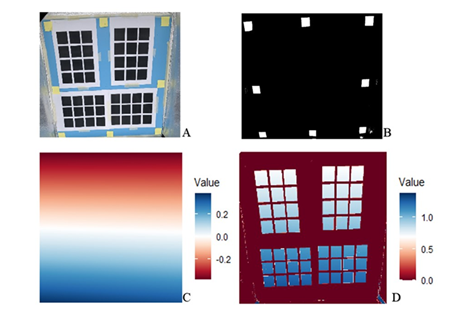
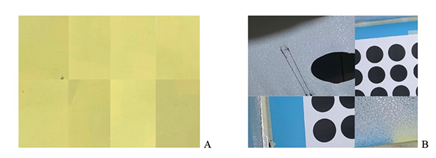
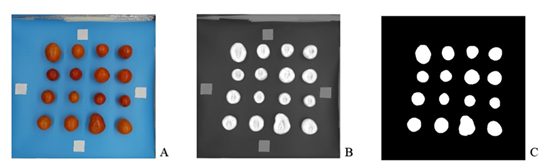
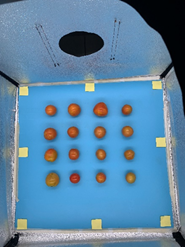
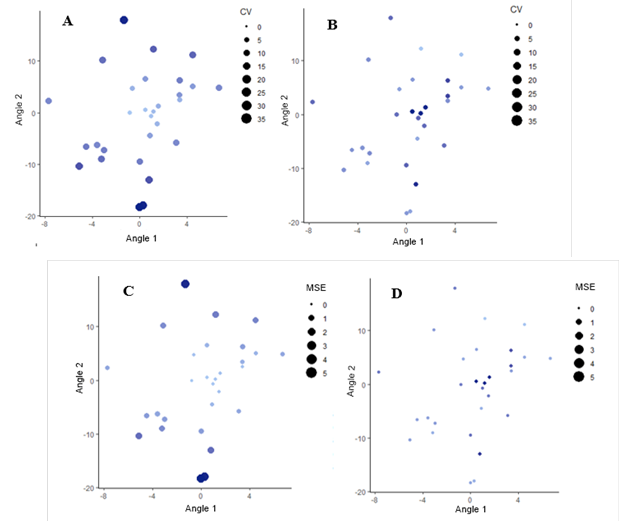
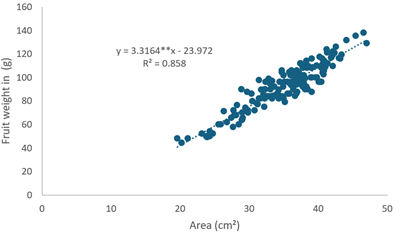
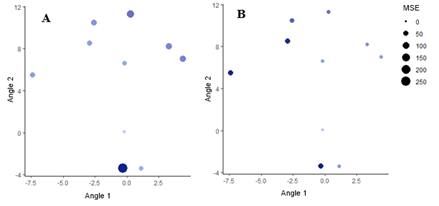
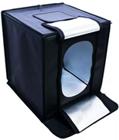
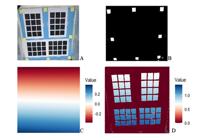
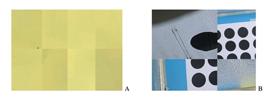
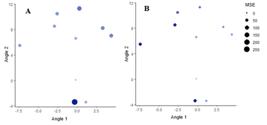
With technological advancements, particularly in image analysis, phenotyping can now be conducted more accurately, impartially, and non-destructively. However, distortions caused by different camera angles as well as environmental factors, such as lighting, lead to inaccurate results in image analysis. Therefore, a method for correcting these distortions is necessary to achieve more precise outcomes. The objective of this study was to develop an algorithm that corrects image distortion and improves tomato fruit phenotyping and to determine its efficiency. A photographic studio and a smartphone were used to capture the images. To test the developed algorithm, twelve 4 × 4 cm black squares were printed on A4 sheets, with four of these sheets placed inside the studio. Additionally, eight 3 × 3 cm yellow square sheets were used as reference objects to correct distortions. A total of 40 images were obtained with different camera angles. A multiple regression model was then adjusted and tested for each image to obtain a correction factor for distortions caused by varying camera angles. In the test images, higher estimates for the coefficient of variation and mean squared error were observed at the edges and lower ones at the center. After correcting the images using the adjusted regression model, uniformity in the estimates was achieved. The same behavior was observed when validating the model with images of tomato fruit. The coefficient of determination of the adjusted model was over 80%, indicating a high fit for the selected model. Therefore, the image distortion correction methodology ensures more accurate results in tomato fruit phenotyping.
Keywords:
phenomics; tomato; image distortions; pixels
 Thumbnail
 Thumbnail
 Thumbnail
 Thumbnail
 Thumbnail
 Thumbnail
 Thumbnail
 Thumbnail