
 Artisanal Fishermen’s Insights on Human Impacts on Ichthyofauna in Southern Rio de Janeiro Bays
Fishermen’s Local Ecological Knowledge (LEK) provides valuable insights for environmental conservation and fisheries management. LEK from fishermen in two large Brazilian bays was used to detect changes in fish abundance and trophic levels, allowing an evaluation of human impacts and the ‘fishing down marine food webs’ hypothesis. Currently, the most frequently captured species are Whitemouth croaker (Micropogonias furnieri) (61.5% of fishermen’s responses), Lebranche mullet (Mugil liza) (29%), and Common snook (Centropomus undecimalis) (20%). In contrast, Brazilian sardinella (Sardinella brasiliensis) (17%), Bluefish (Pomatomus saltatrix) (15%), and Serra Spanish mackerel (Scomberomorus brasiliensis) (14%) have shown marked declines. According to fishermen, the main drivers of these declines are industrial fishing by large trawlers (36%), industrial pollution (16%), and large-scale development projects (10%). Declines in fish trophic levels support the ‘fishing down marine food webs’ hypothesis. Strengthened enforcement of fishing regulations is essential for sustaining artisanal fisheries and conserving biodiversity.
Keywords:
Coastal fish; human actions; local ecological knowledge; trophic level; tropical bays
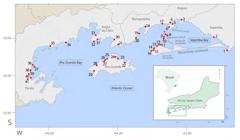 Thumbnail
 Thumbnail
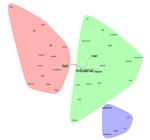 Thumbnail
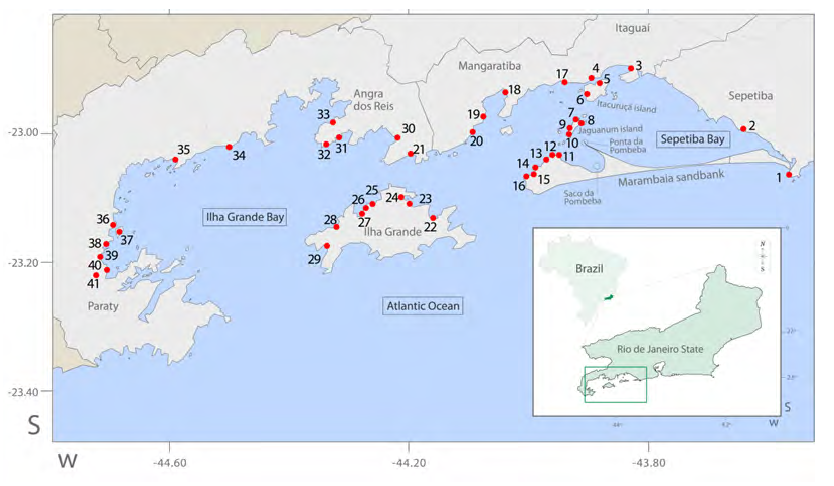 Source: Prepared by the authors, 2024.
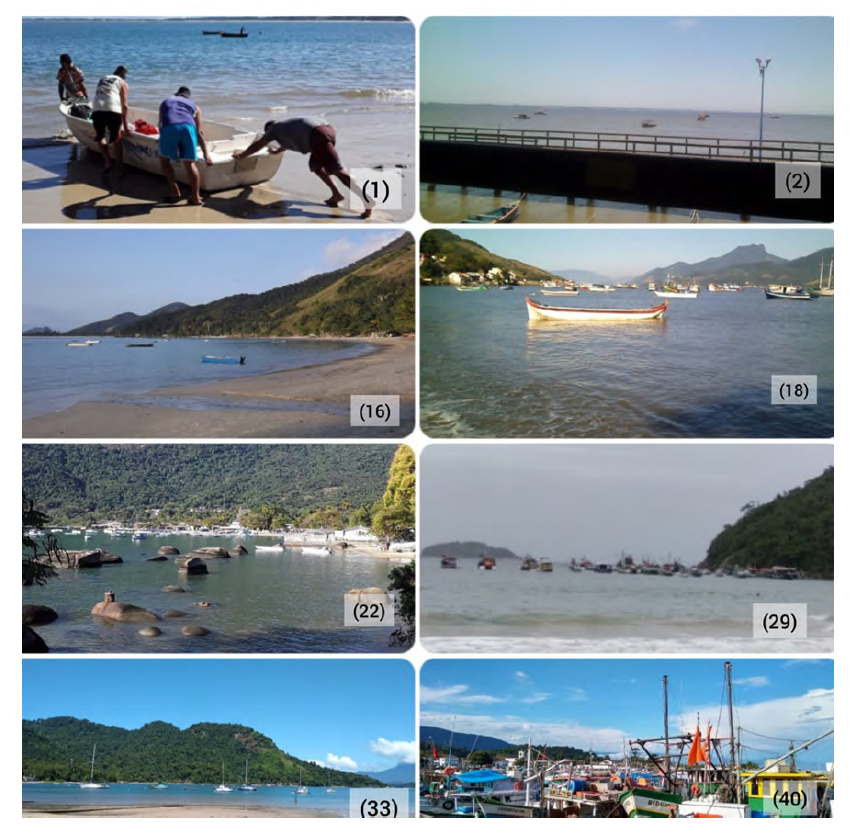 Source: Prepared by the authors, 2024.
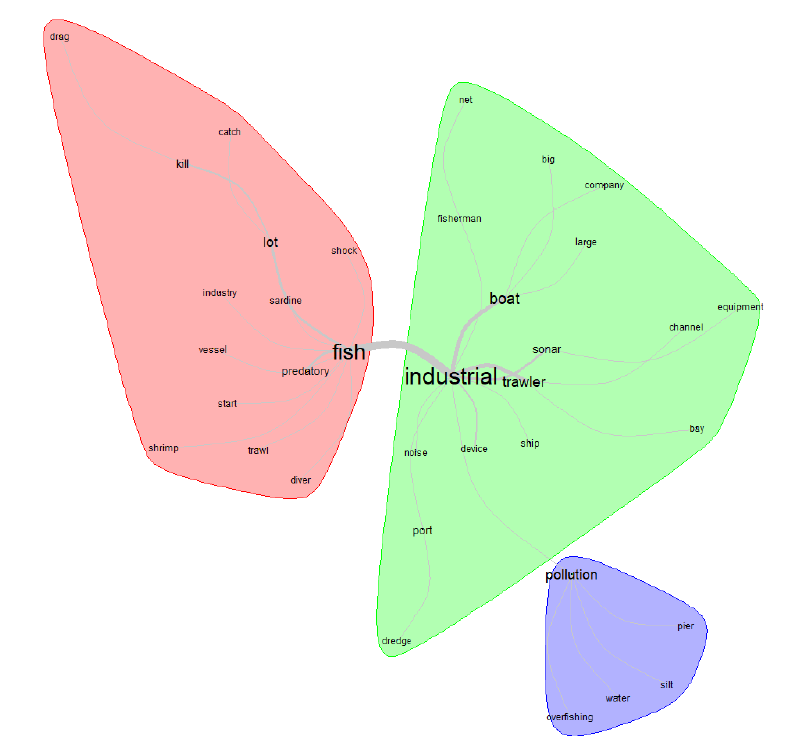 Source: Prepared by the authors, 2024.