 VLP (Virus-Like Particles) Vaccines - Current Knowledge and Future Directions
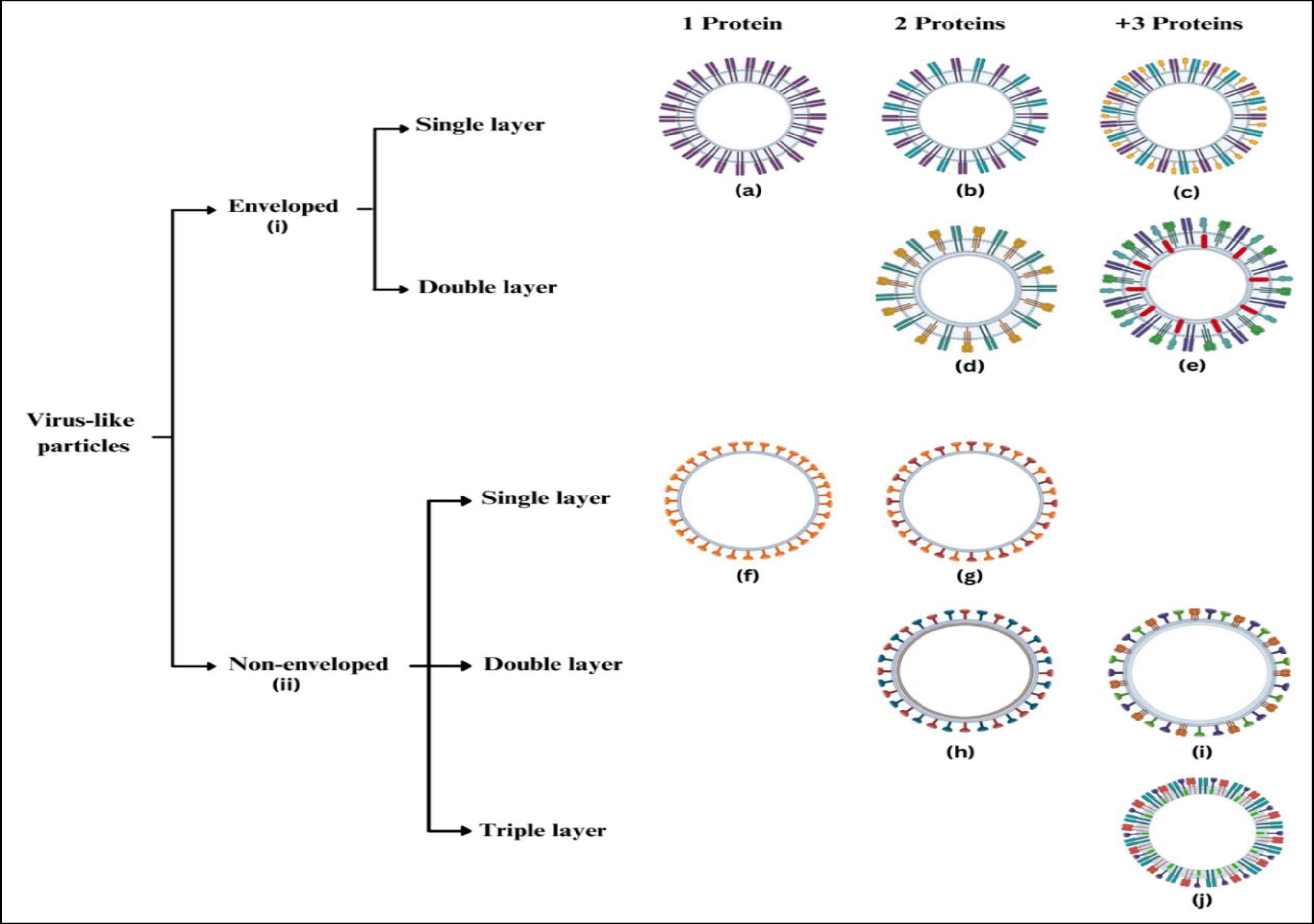
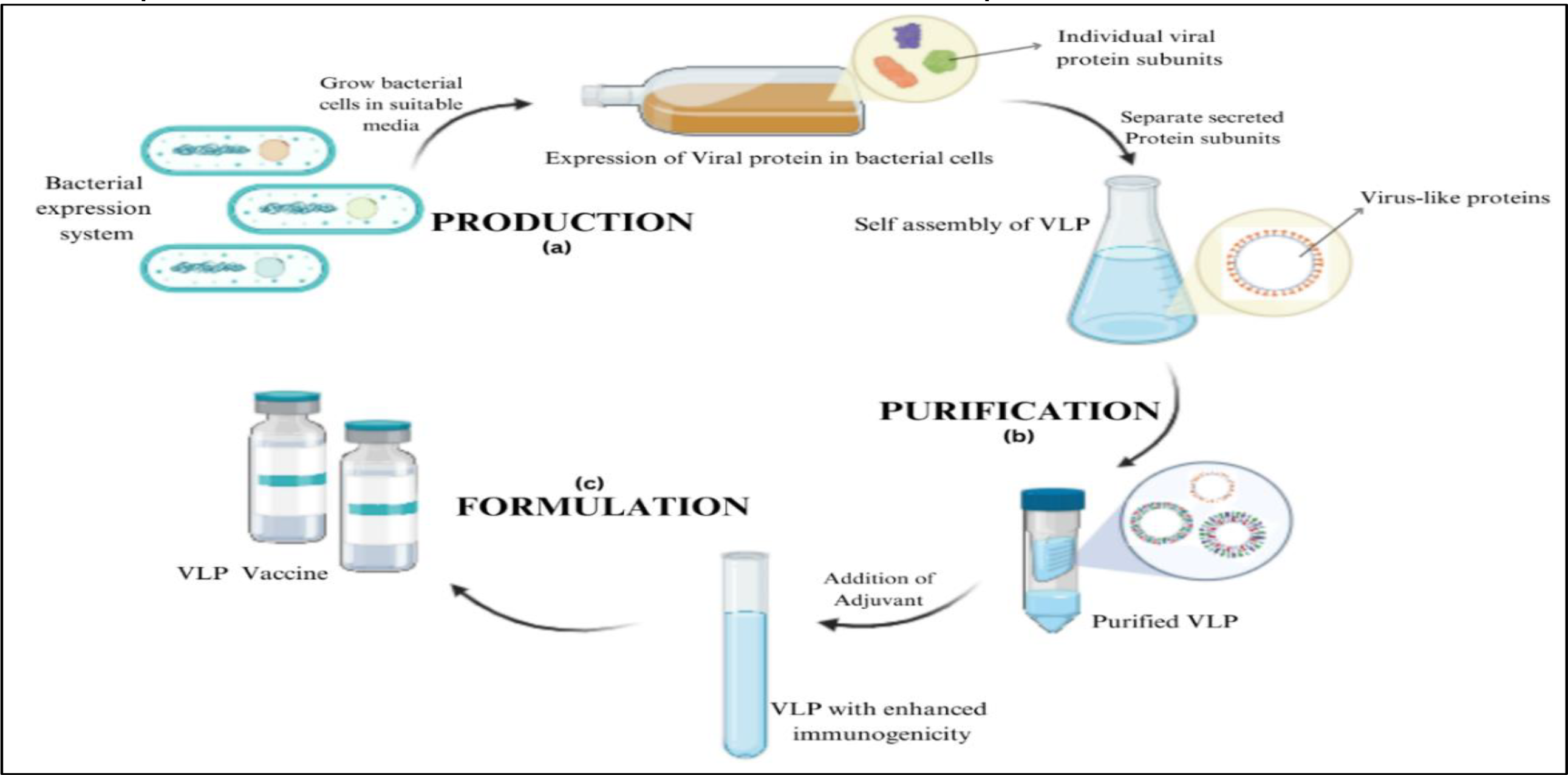
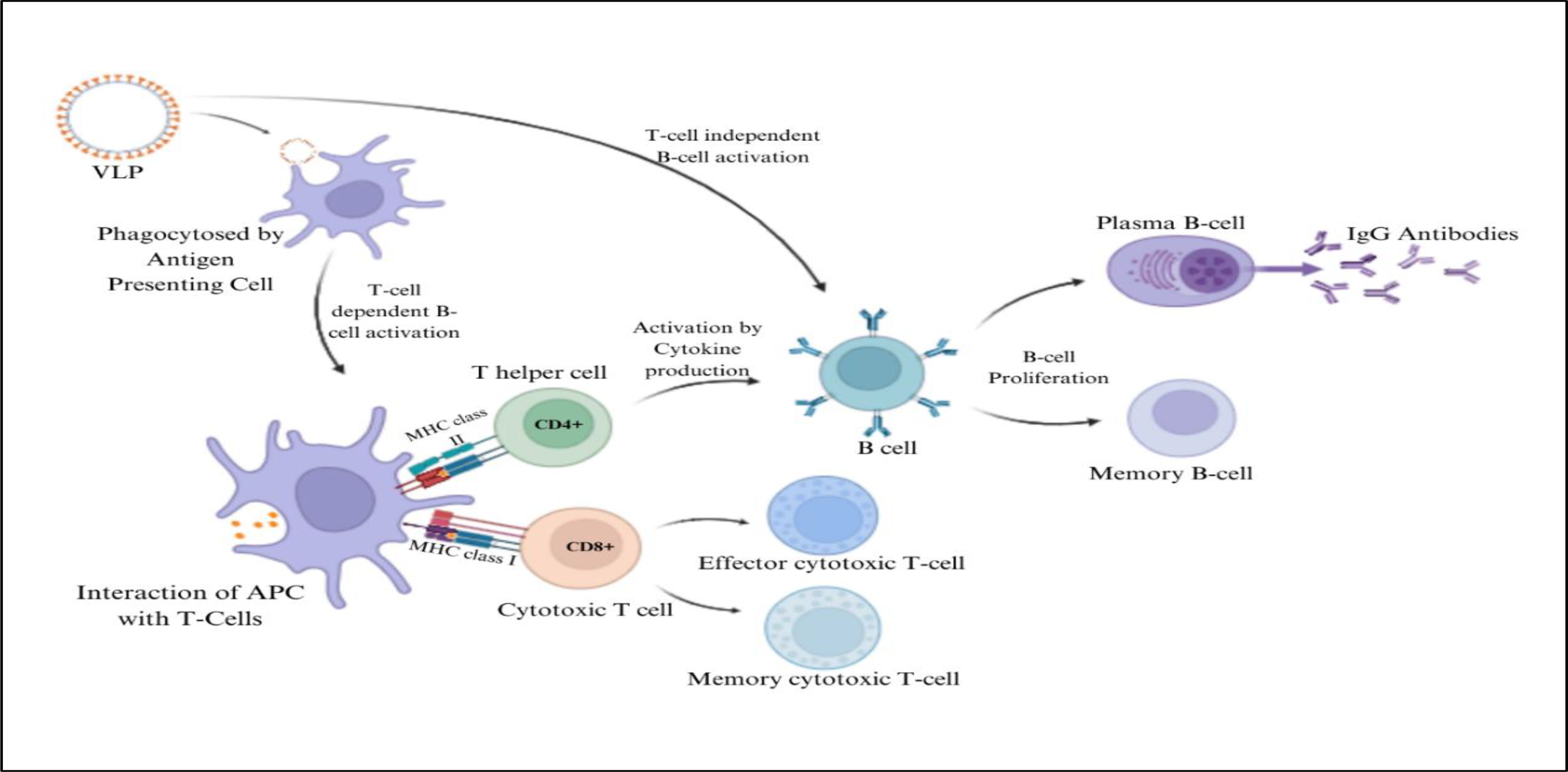
Viruses are acellular, potential pathogenic agents causing infections, ranging from acute to chronic. A wide range of conventional immunization methodologies have been employed to control viral diseases. But, their ability to mutate or remain inactive in environment empowers their survival. Hence, novel particles capable of mimicking such viruses to immunize susceptible organisms and not cause harm is the need-of-the-hour. Virus-like particles (VLPs) are virus-derived entities containing only antigenic determinant portion of target virus with the ability to self-assemble, mimic form and size of target virus but lack genetic material. The lack of genetic material renders them incapable of infecting hosts thereby serving as safe and reliable way to combat infectious diseases. However, expression of viral proteins can occur in various expression systems. VLPs mount immune responses similar to original viruses by inducing either humoral or cell-mediated immune responses or both. Recent advancements in biomedical engineering technologies have led to approved commercial use of VLP-based vaccines against three infectious agents namely, Hepatitis B virus, Human Papillomavirus and Hepatitis E virus due to production of efficacious and enduring immune response. However, enhancement of immunogenicity of antigenic determinants displayed on VLP surface is the main objective behind use of VLP-based vaccines. An increasing attention towards VLP-based vaccines has led to development of mono-, diand multi-valent VLP particles capable of combating many viral infectious agents simultaneously. This review provides an insight on the importance, characteristics, development, and application of VLP-based vaccines to combat emerging diseases, and as nanoparticles to deliver drugs against cancer.
Keywords:
Cancer vaccine; Infectious disease vaccine; Immune response; Nano-drug delivery system; Virus-like particles (VLPs).
VLPs are antigenic determinant bearers lacking any viral genetic material.
They are highly efficient in immuno-stimulation compared to conventional viral vaccines.
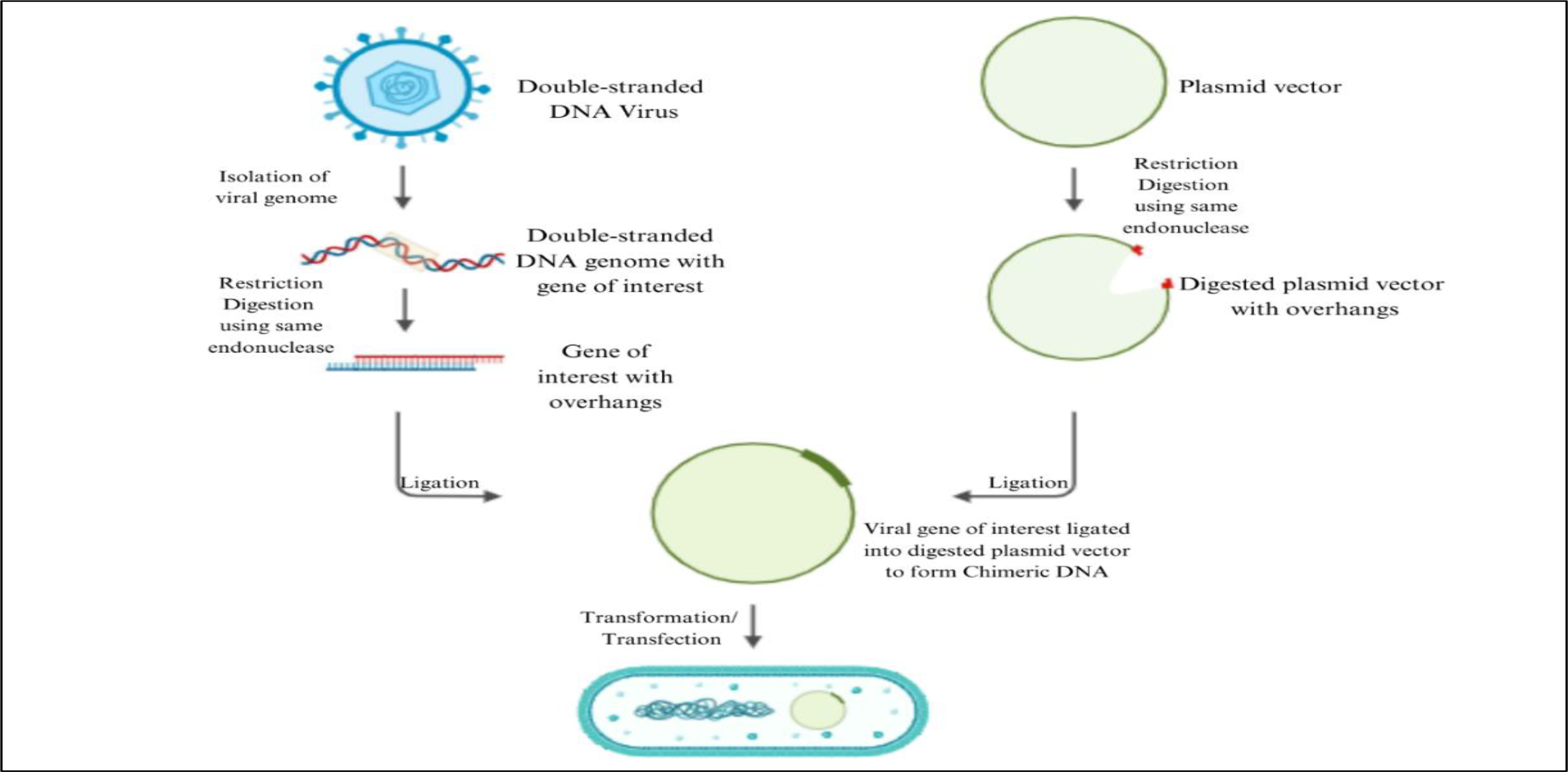
The construction, expression, production and formulation of VLP-based vaccines is tedious and expensive.
VLP-based vaccines against various infectious diseases and cancers are in use for treatment purposes.
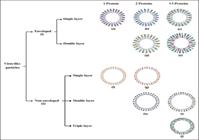 Thumbnail
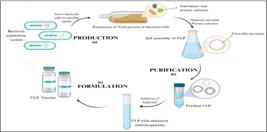 Thumbnail
 Thumbnail
 Thumbnail