 Lutein Polymeric Nanocapsules for Skin: Development and Characterization
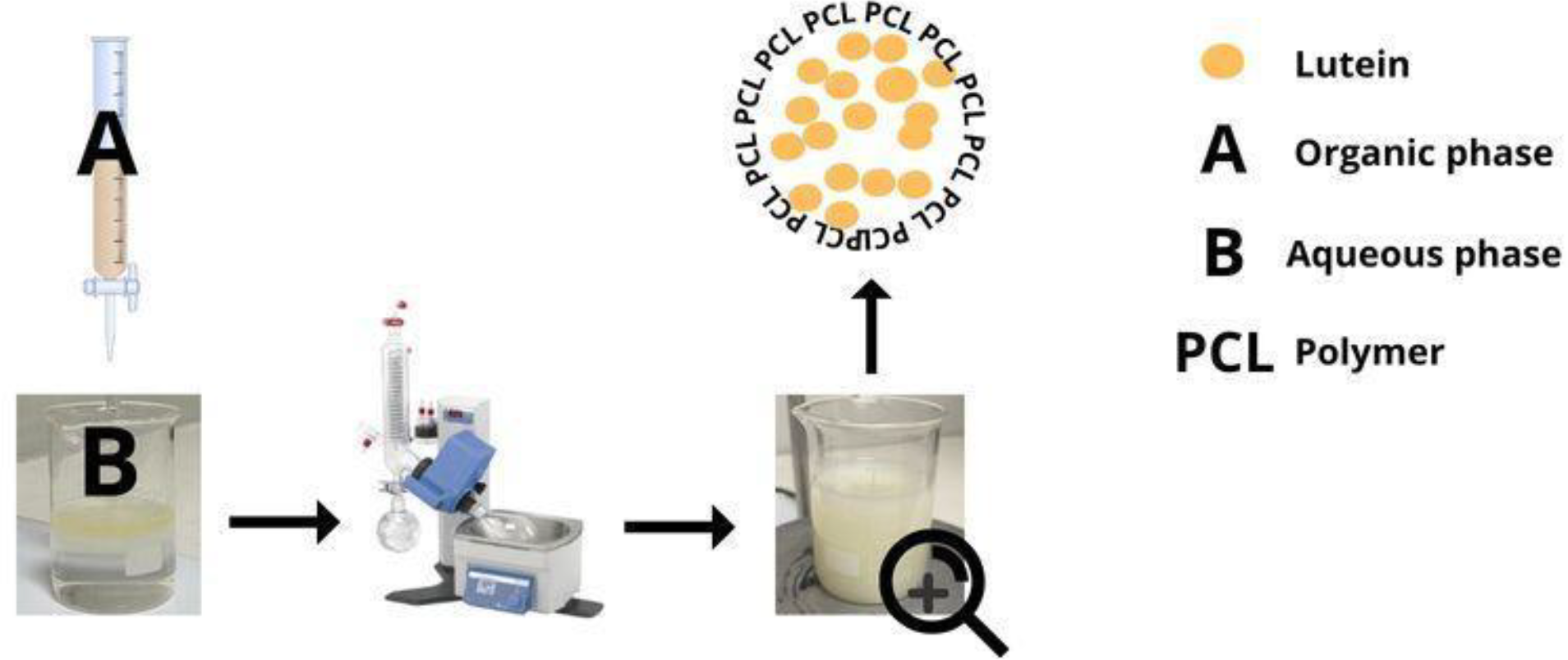
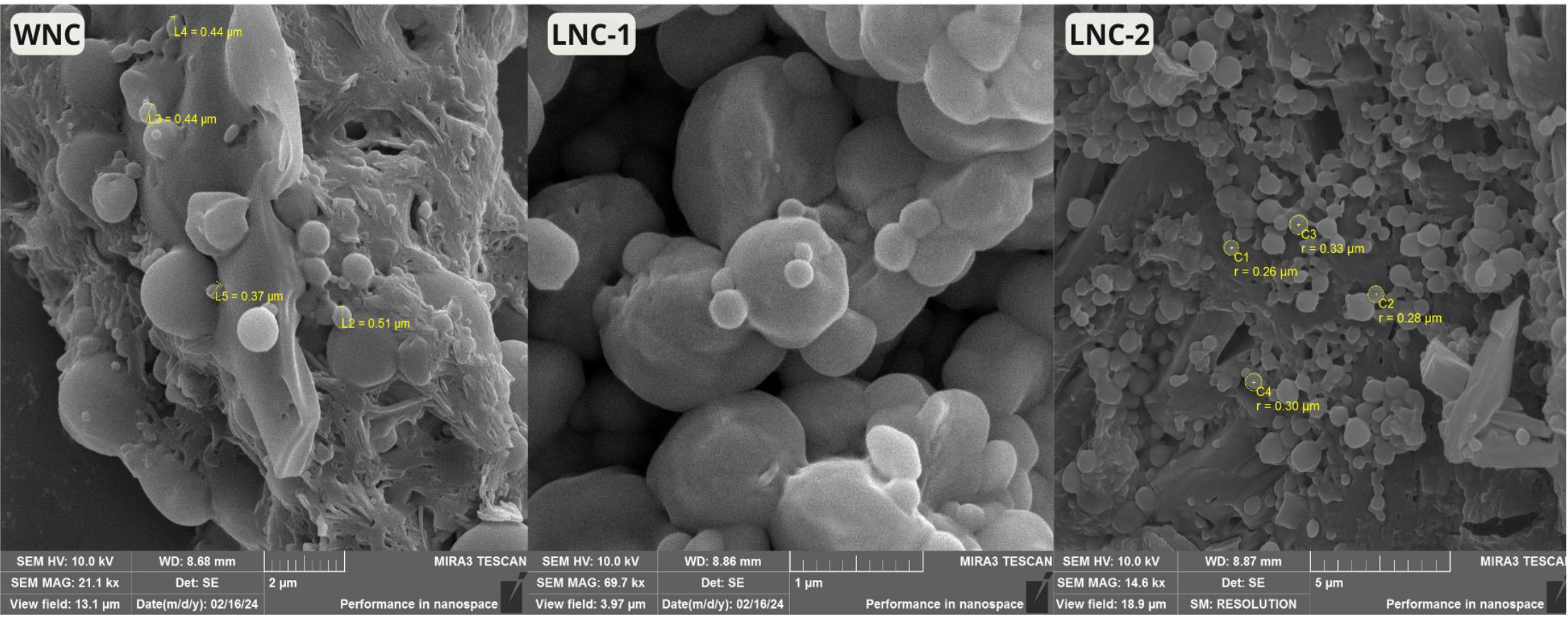
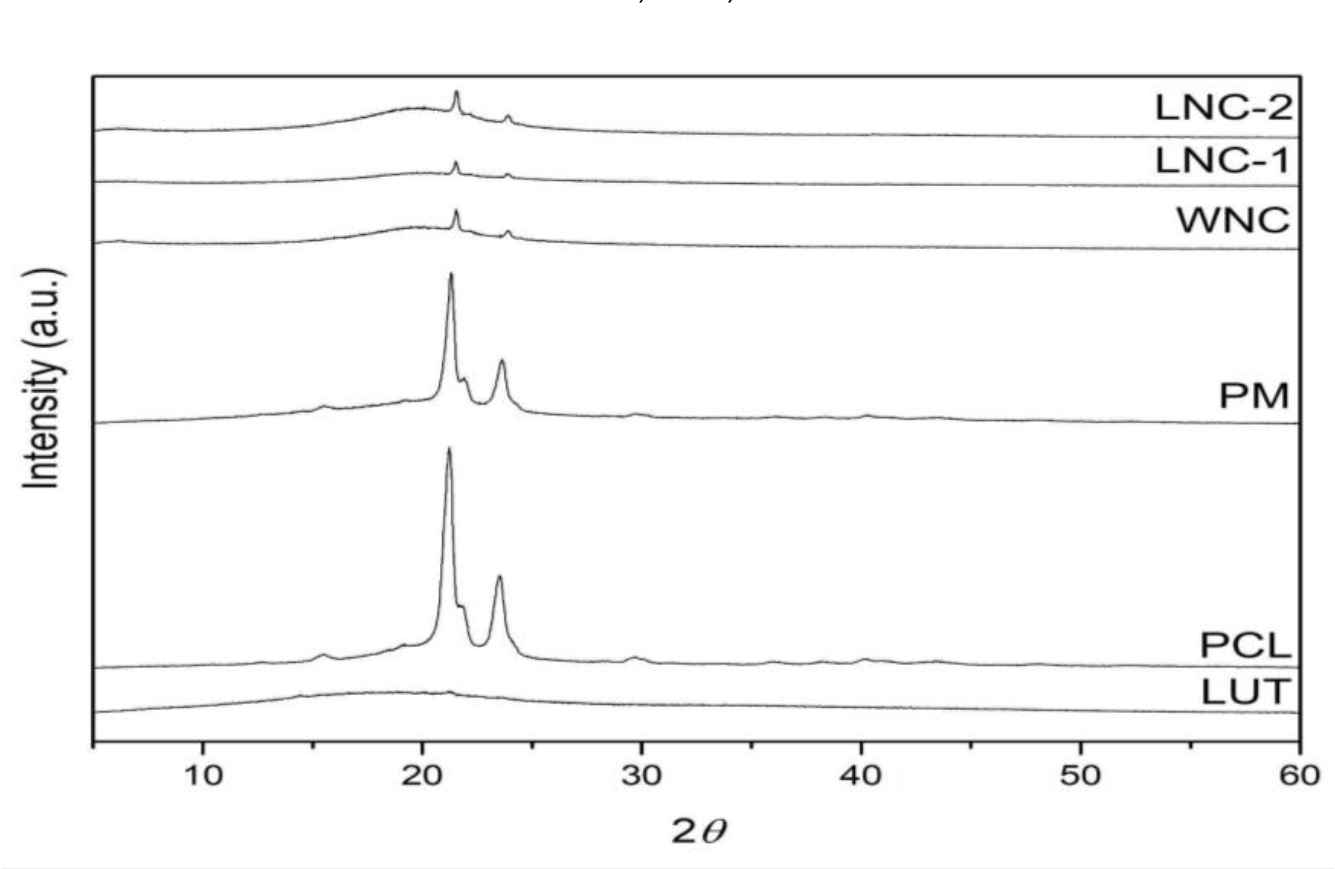
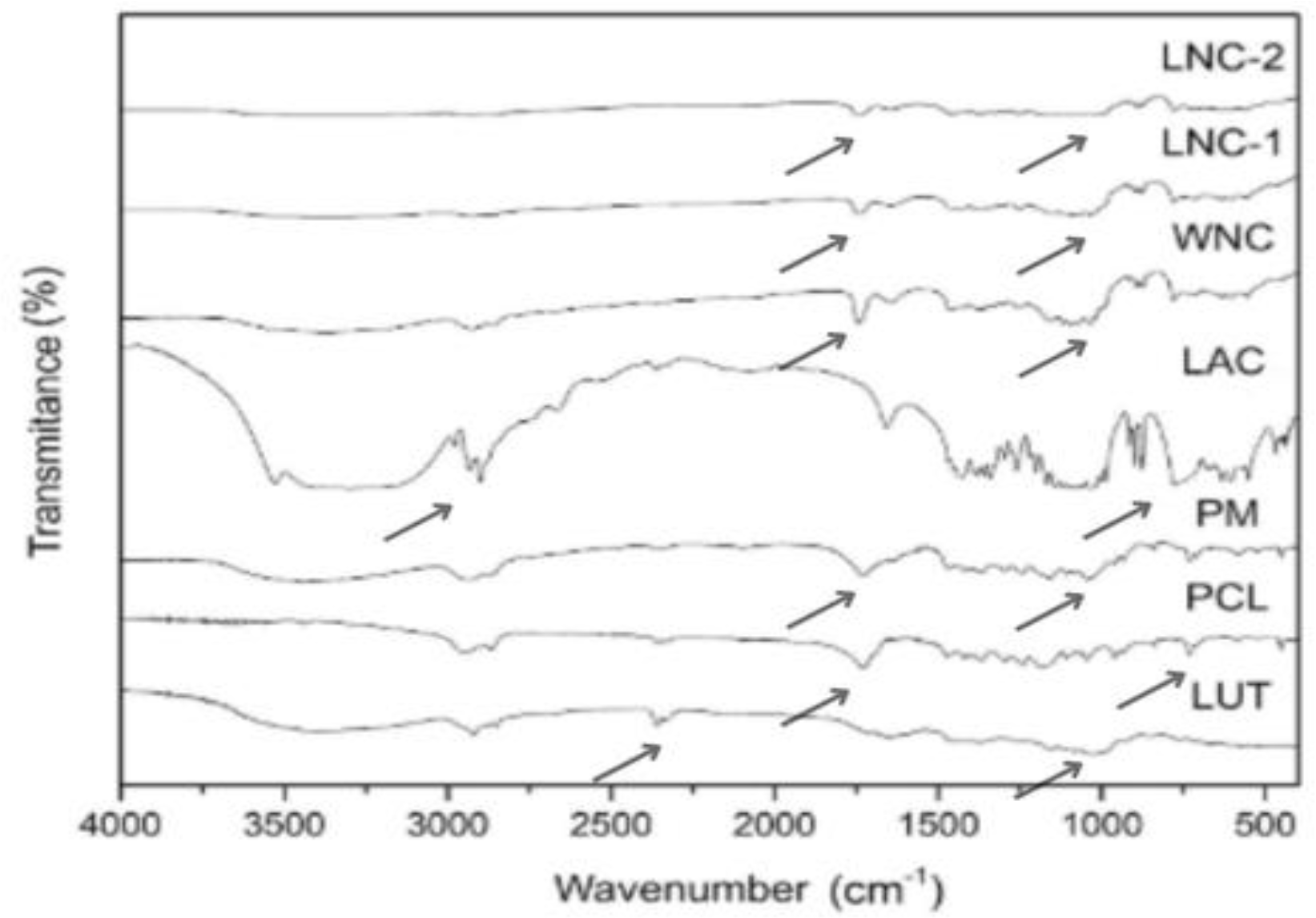
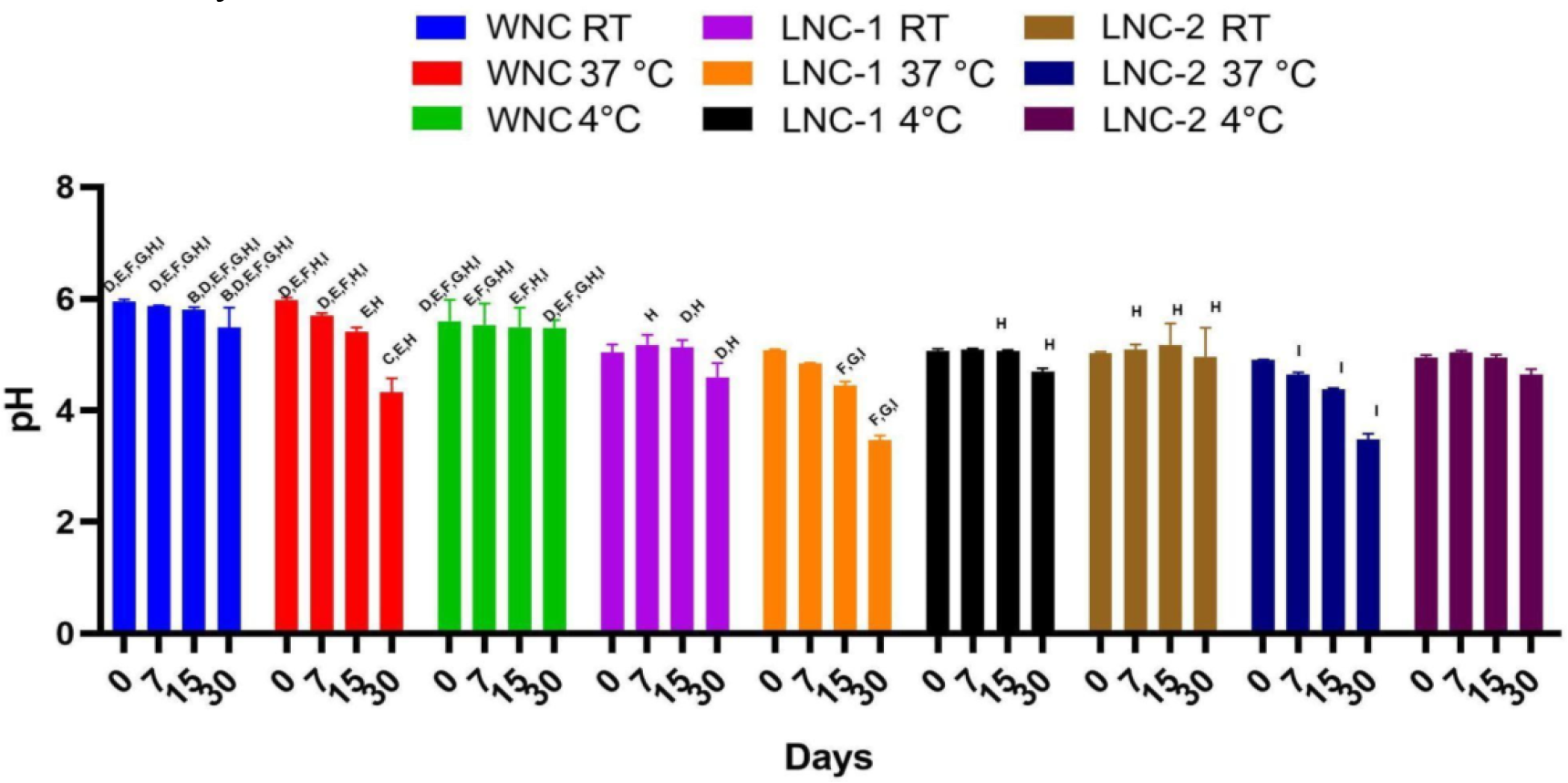
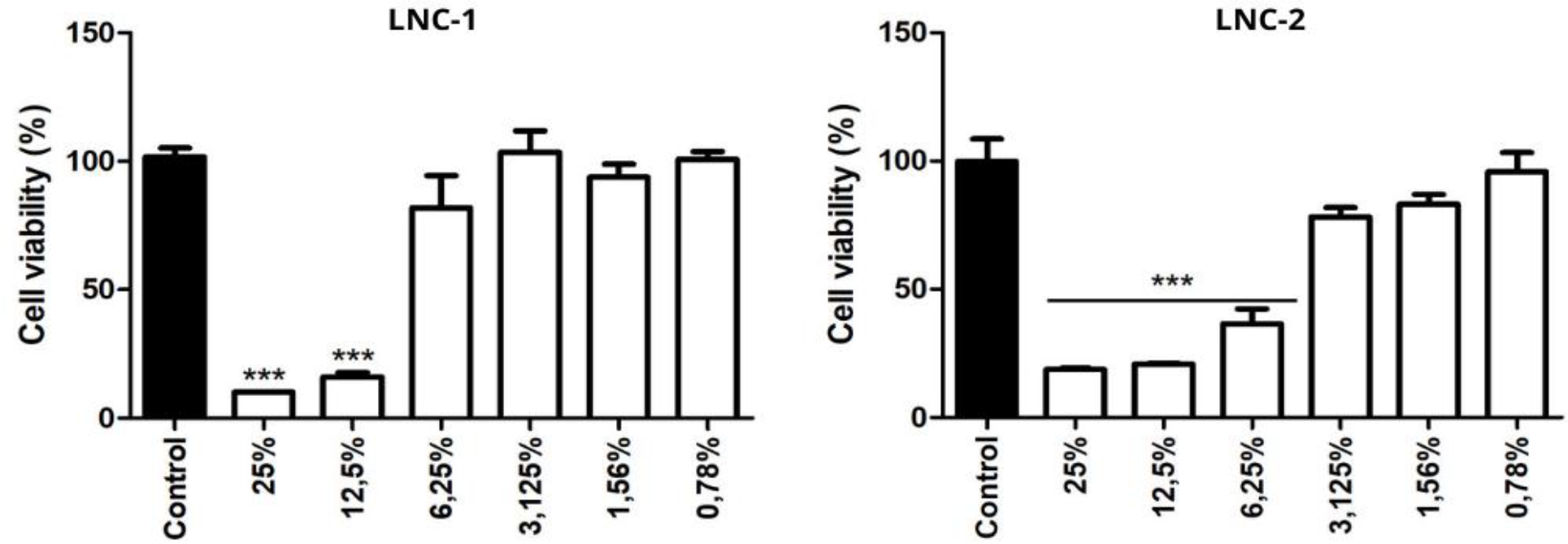
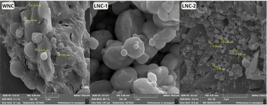
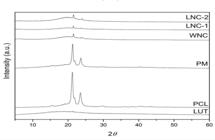
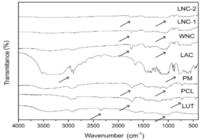
Lutein, a potent carotenoid antioxidant, shows promise for anti-aging applications. However, its vulnerability to light, heat, and oxygen, coupled with poor water solubility, hinders skin penetration and bioavailability. Nanostructured systems offer a solution to enhance stability and permeation. Our objective was to develop, characterize, and assess the cytotoxicity and antioxidant activity of polymeric nanocapsules containing lutein, using poly(ɛ-caprolactone) (PCL). Nanocapsules were synthesized via preformed polymer interfacial deposition method and characterized using dynamic light scattering (DLS), electrophoretic mobility, and pH. Morphology was examined using field emission scanning electron microscopy (FESEM). X-ray diffraction (XRD) indicated the crystalline structures while Fourier-transform infrared spectra (FTIR) provided information on the chemical bonds between the drug and polymer. Antioxidant activity was measured using FRAP, DPPH, and ABTS assays, while cytotoxicity was evaluated on 3T3 fibroblasts. Lutein encapsulation within PCL nanocapsules yielded spherical particles around 300 nm, with low polydispersity and zeta potential exceeding -30 mV. The pH ranged from 4.57 ± 0.03 to 5.42 ± 0.065. XRD suggested molecular dispersion of the lutein and the polymer. FTIR demonstrated the absence of chemical bonds between lutein and PCL. Ambient and 4 °C temperatures preserved nanosystems' characteristics for 30 days. Enhanced antioxidant activity was observed in encapsulated lutein, shown by FRAP, DPPH, and ABTS assays. Results indicated that lutein nanoparticles exhibited good biocompatibility and no cytotoxicity at concentrations ranging from 61.87 μg/mL to 7.73 μg/mL. These findings emphasize the potential of lutein-loaded PCL nanocapsules for skin delivery, providing stability and antioxidant efficacy.
Keywords:
Nanotechnology; nanocapsule; carotenoid; skin; anti-aging.
PCL nanocapsules containing lutein for skin use were successful obtained.
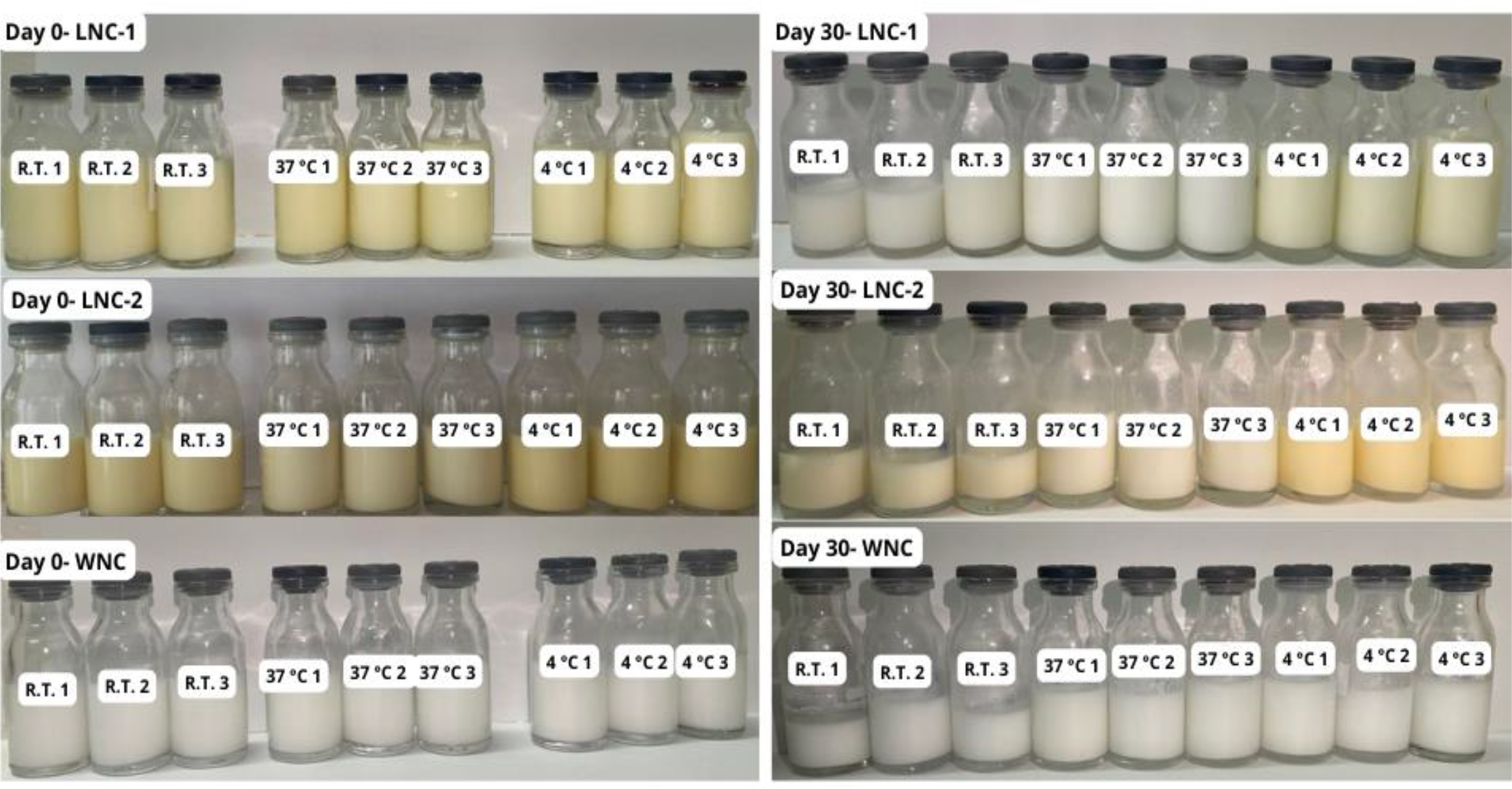
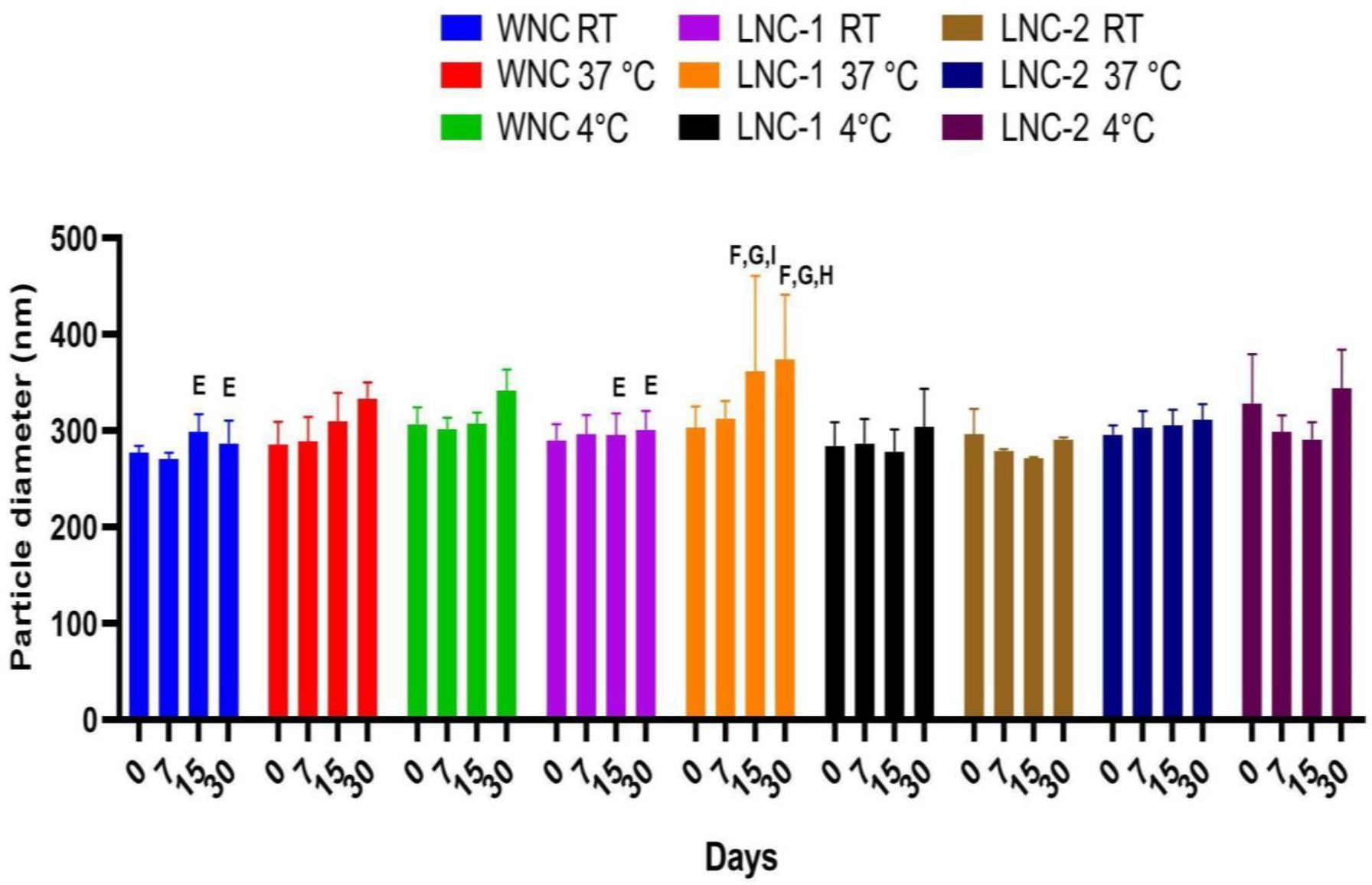
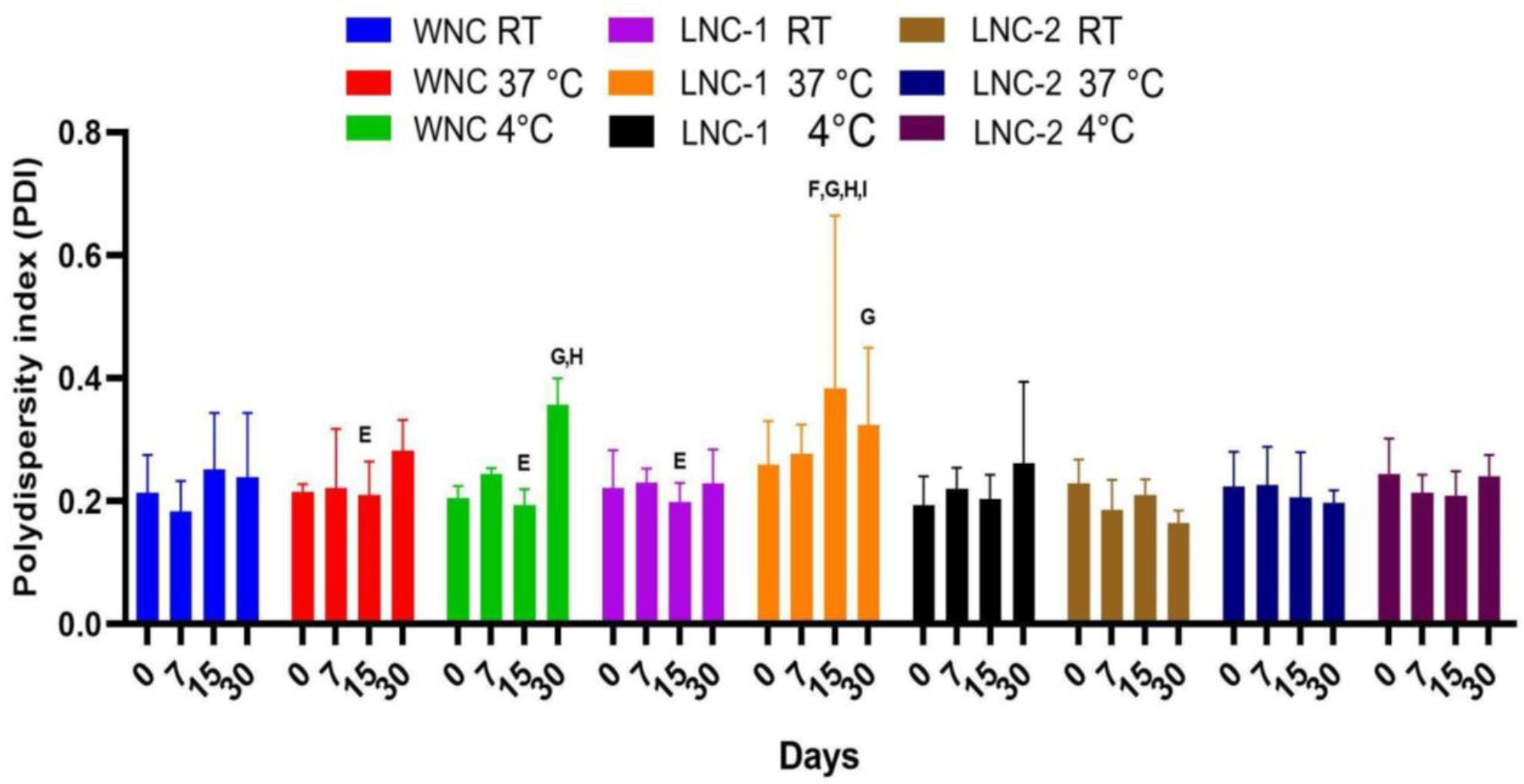
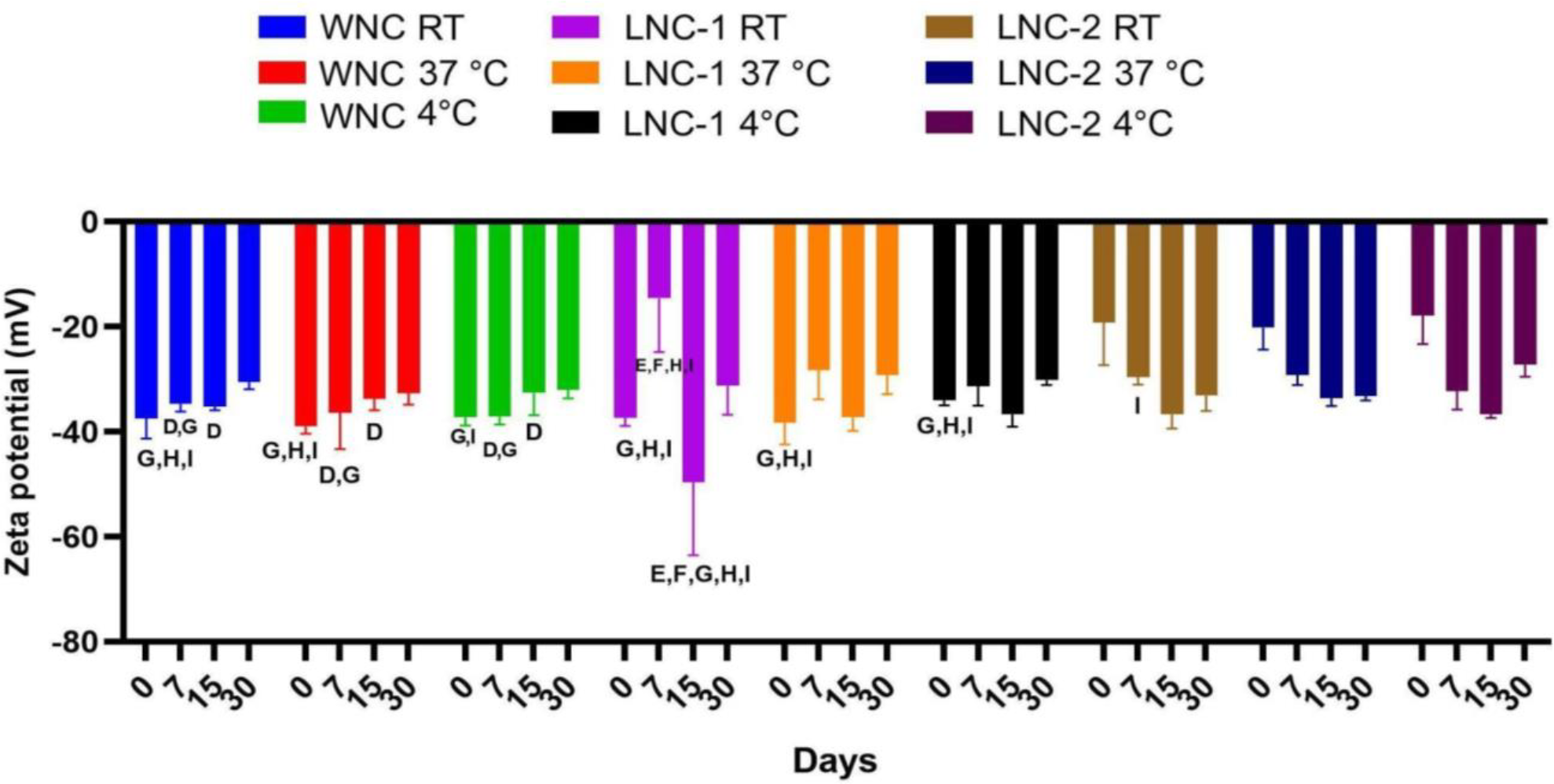
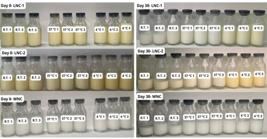
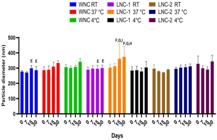
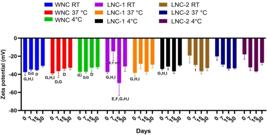
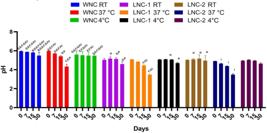
Nanocapsules showed physical stability after 30 days when stored at room temperature and 4 °C.
Nanoencapsulation improved the in vitro antioxidant action compared to free lutein.
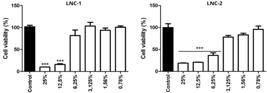
PCL nanocapsules containing lutein show biocompatibility with fibroblasts at lower concentrations.
 Thumbnail
 Thumbnail
 Thumbnail
 Thumbnail
 Thumbnail
 Thumbnail
 Thumbnail
 Thumbnail
 Thumbnail
 Thumbnail