 Designing and Functionalization of dsRNA Targeted to DOPAL Synthase Gene of Aedes aegypti with Nanoparticles from Different Molecular Weight Chitosan
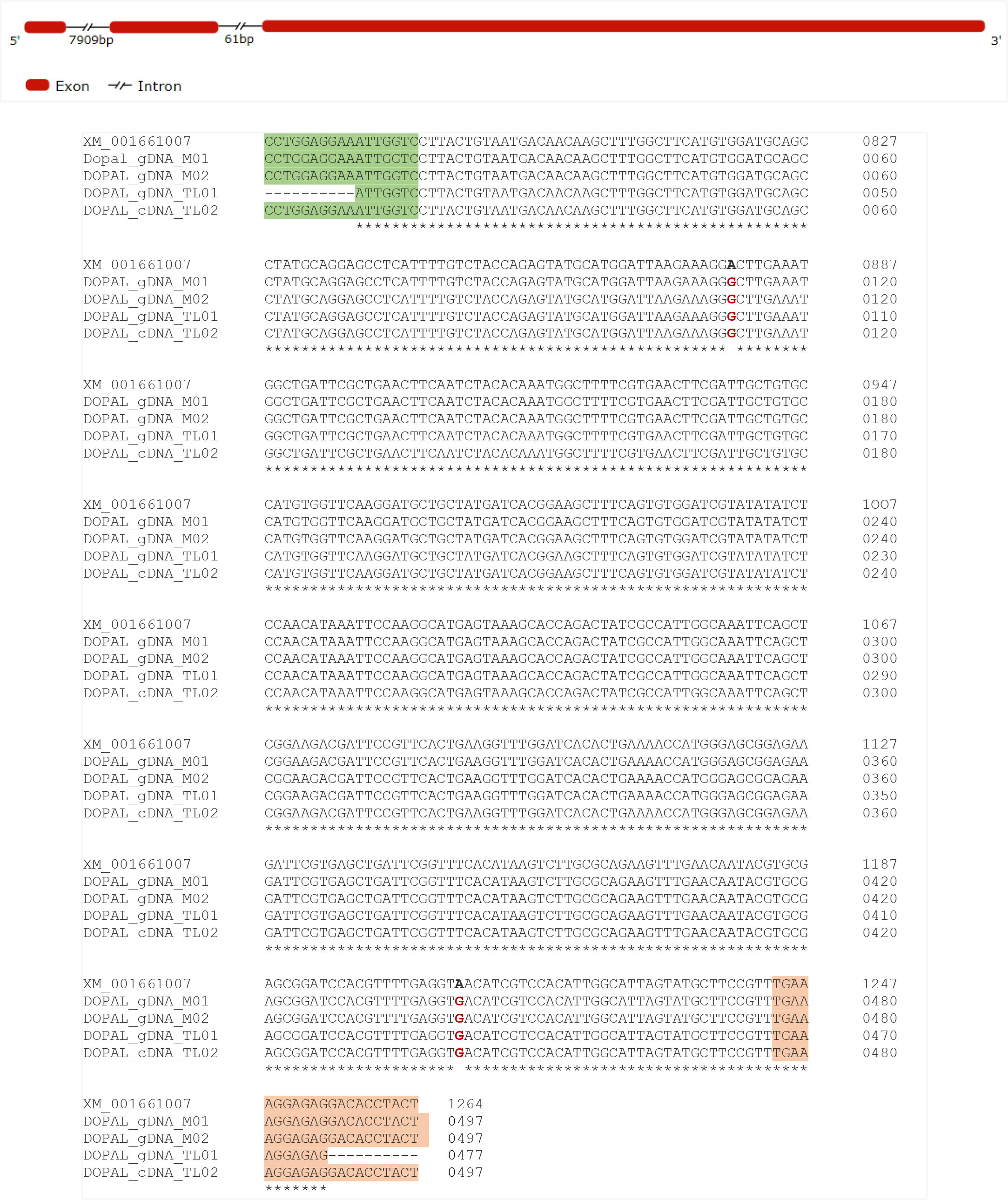
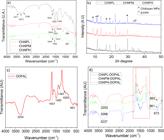
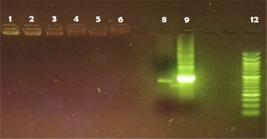
RNA interference (RNAi) technology is an effective tool for silencing specific genes in living organisms, with a wide range of applications. However, its administration through ingestion in insects faces significant challenges, such as degradation by ribonucleases and chemical hydrolysis in natural environments. Functionalizing double-stranded RNA (dsRNA) with nanoparticles (NPs) constitutes an effective strategy to preserve and stabilize these RNAs, allowing their application in controlling populations of Aedes aegypti, a vector of serious diseases such as dengue, malaria, zika, and chikungunya. In this study, a segment of the 3,4-dihydroxyphenylacetaldehyde (DOPAL) synthase gene from wild specimens of A. aegypti originating from the northwest of Peru was amplified and sequenced. Sequencing revealed that the amplified segments contain two single nucleotide polymorphisms (SNPs), both A/G substitutions that do not lead to changes in the amino acid sequence. These segments were used to generate dsRNA through in vitro transcription and cloning in Escherichia coli HT115 (D3). Finally, the obtained dsRNA-DOPAL synthase was functionalized with chitosan NPs from different molecular weight ranges chitosan types (50-190, 190-310, and 310-375 kDa). The interaction between dsRNA-DOPAL synthase and chitosan NPs was confirmed by electrophoretic mobility shift assays (EMSA) and Fourier transformed infrared spectroscopy (FTIR-ATR) analysis. Functionalizing dsRNA-DOPAL synthase with chitosan NPs is a first step to develop an effective strategy for controlling A. aegypti populations. However, further in vivo tests with mosquito larvae in natural habitats (water containers or water bodies for example) are necessary to confirm its effectiveness.
Keywords:
Transformed E; coli; RNA interference; chitosan nanoparticles; DOPAL synthase gene; mosquito.
Amplicons of the DOPAL synthase gene from Aedes aegypti from endemic areas in northwest Peru were isolated.
Two single nucleotide polymorphisms were detected in DOPAL synthase gene, both A/G replacement.
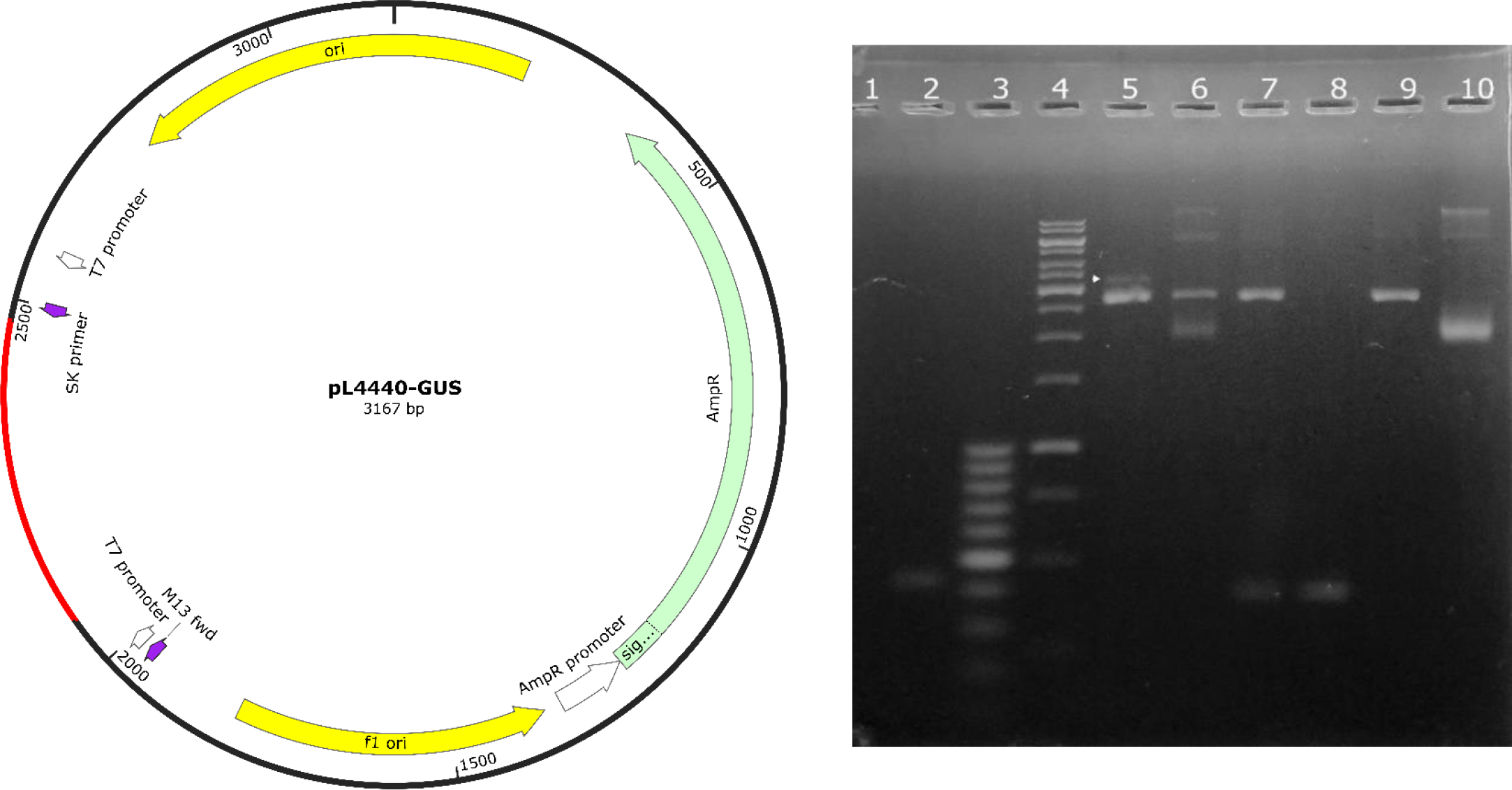
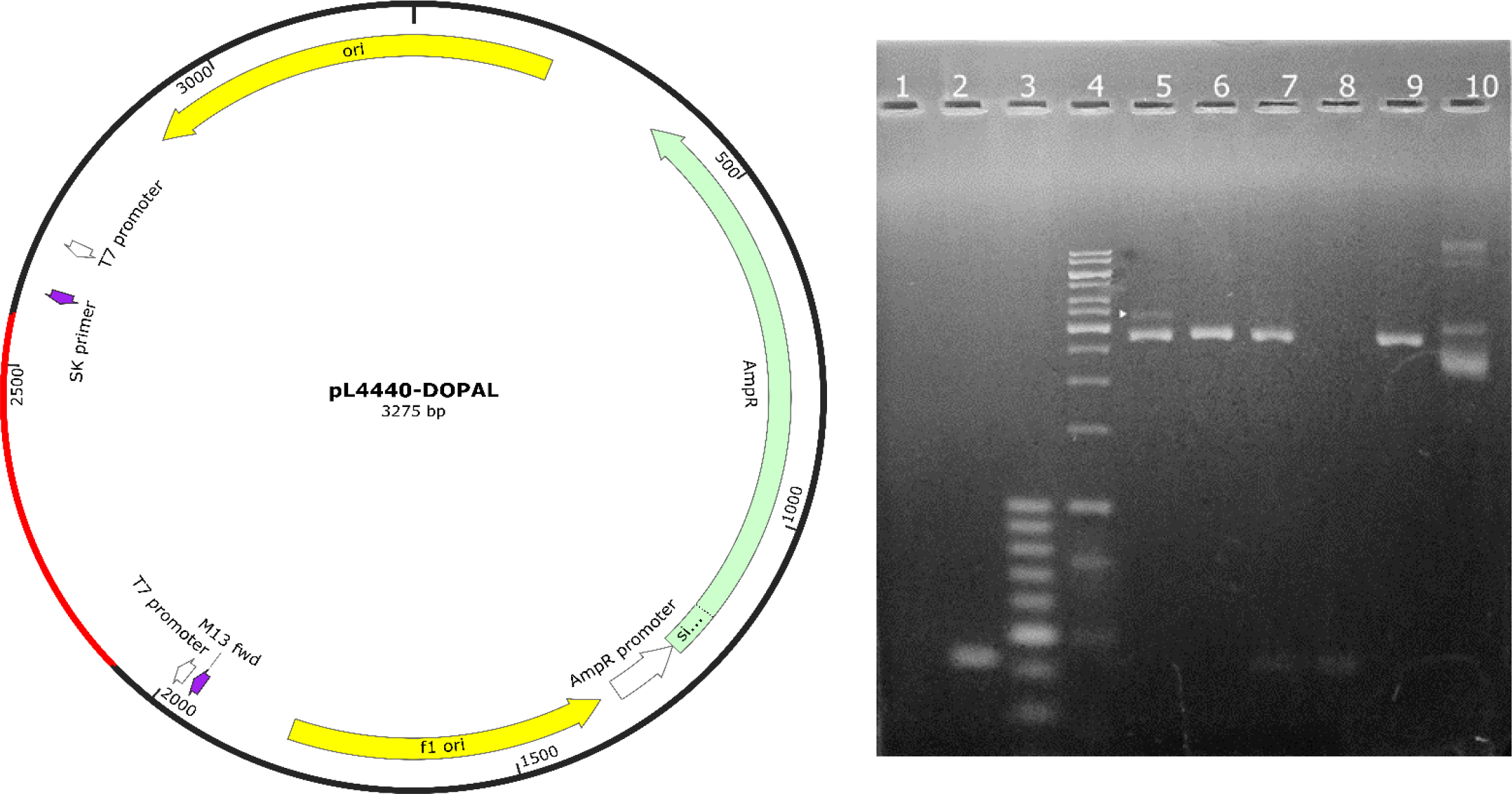
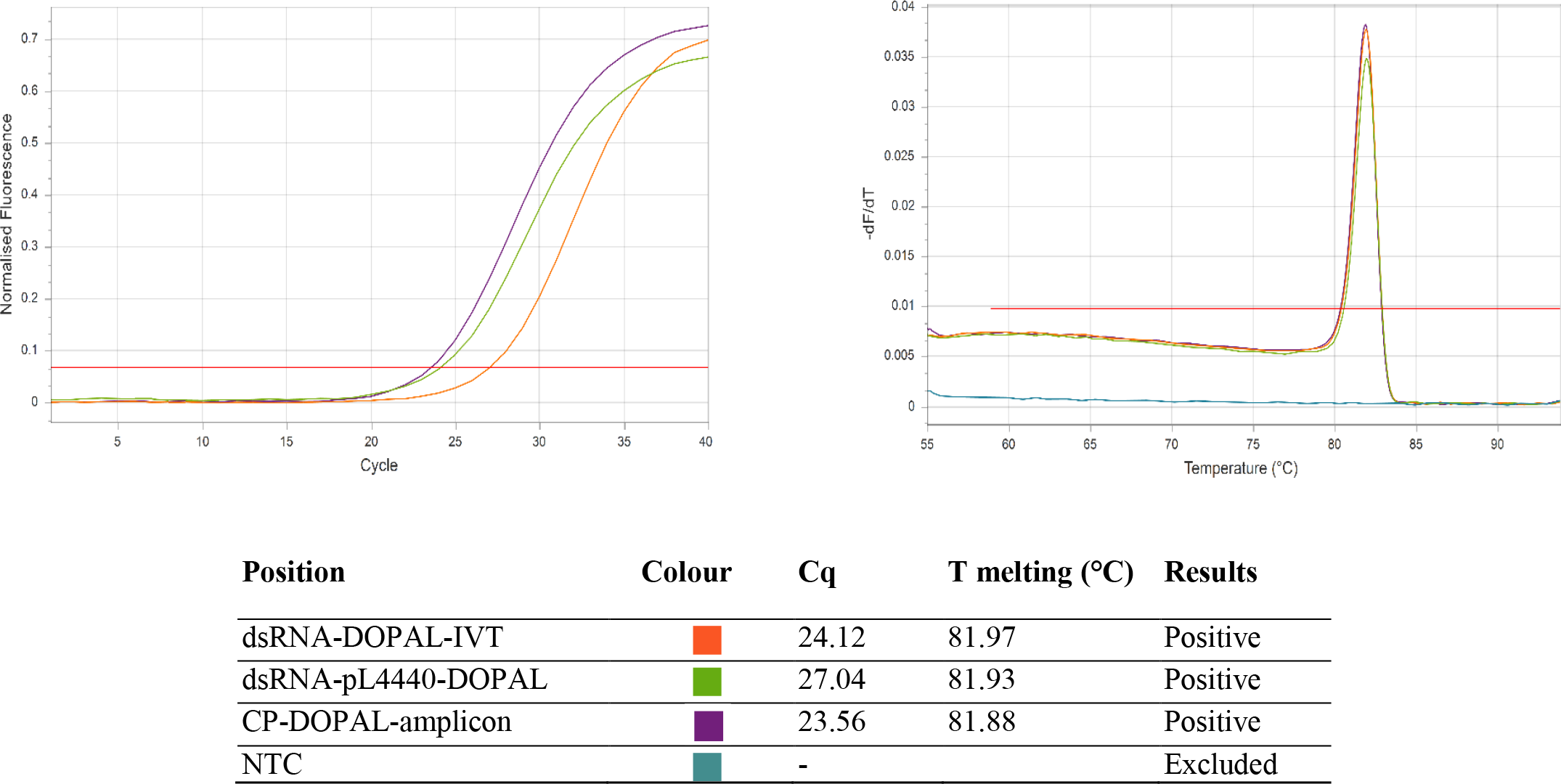
DOPAL synthase-dsRNA was designed and constructed by two methods, in vitro transcription and cloning.
DOPAL-dsRNA was functionalized with NPs from different molecular weight Chitosan
Insert a highlight no longer than 85 characters.
 Thumbnail
 Thumbnail
 Thumbnail
 Thumbnail
 Thumbnail
 Thumbnail
 Thumbnail