 Hypocholesterolemic, Antiaterogenic, Antimutagenic Potential and Non-Toxic in vivo of Sorghum (Sorghum bicolor (l.) Moench) Flour and its Protein Hydrolysate
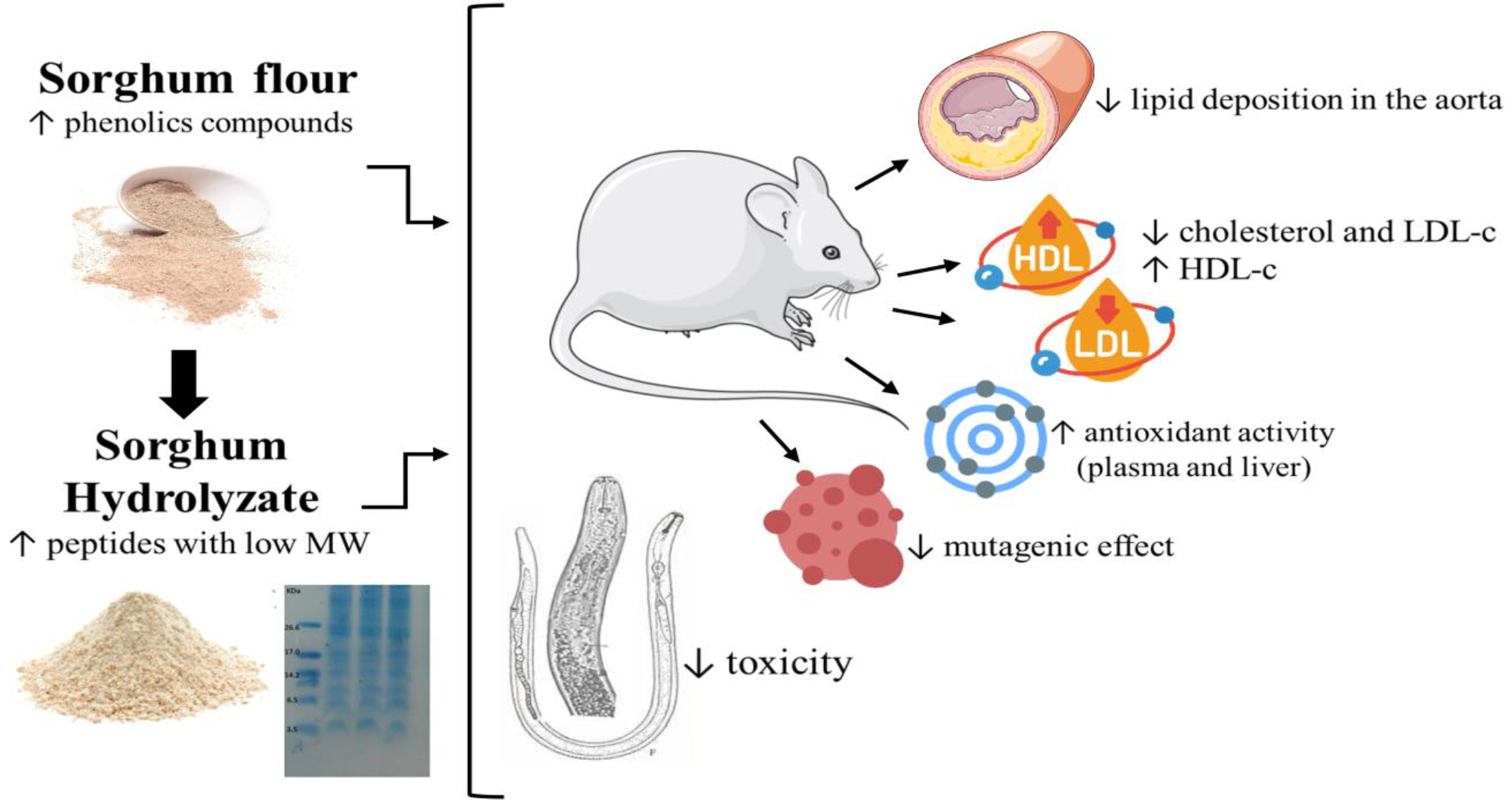
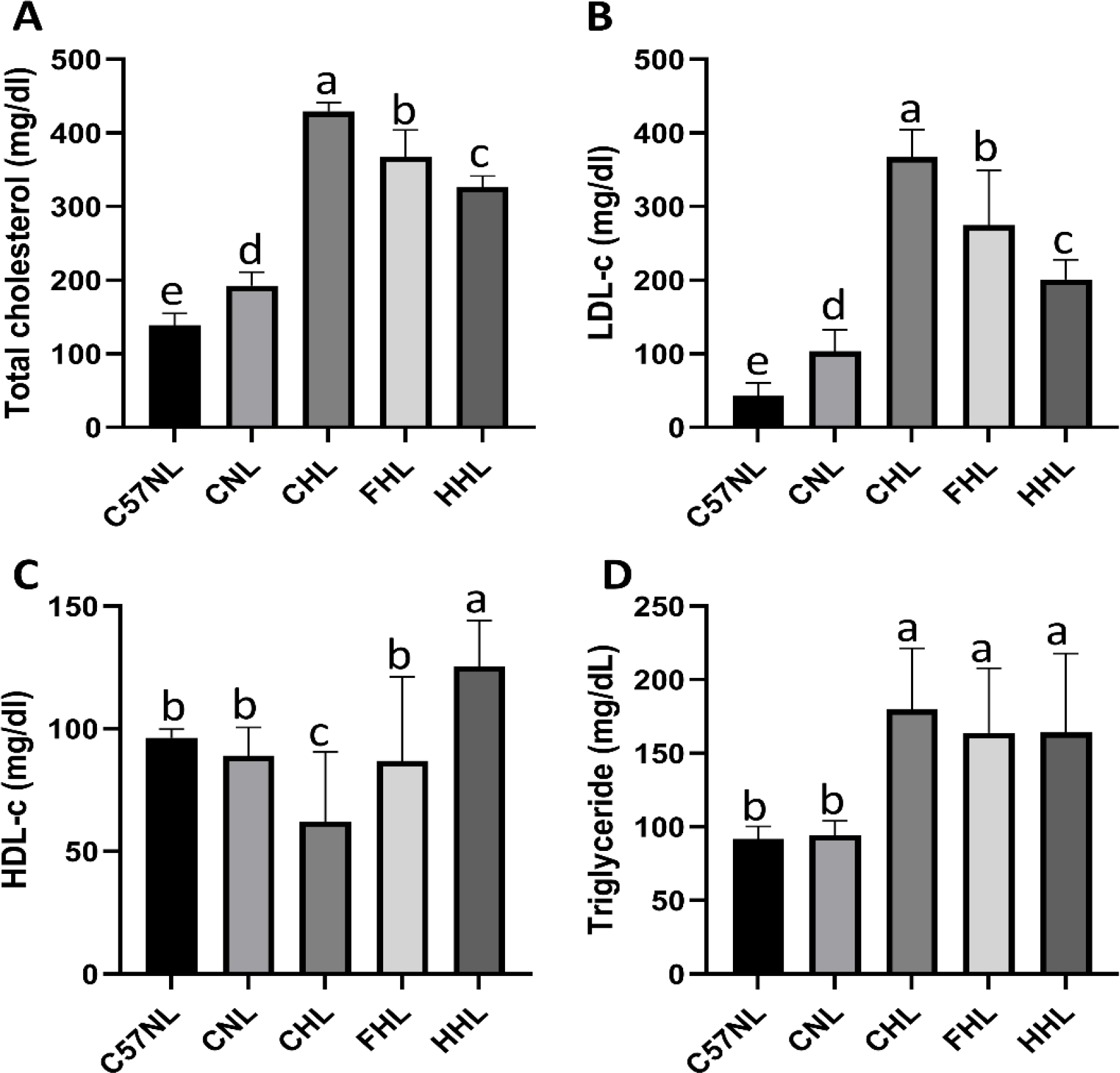
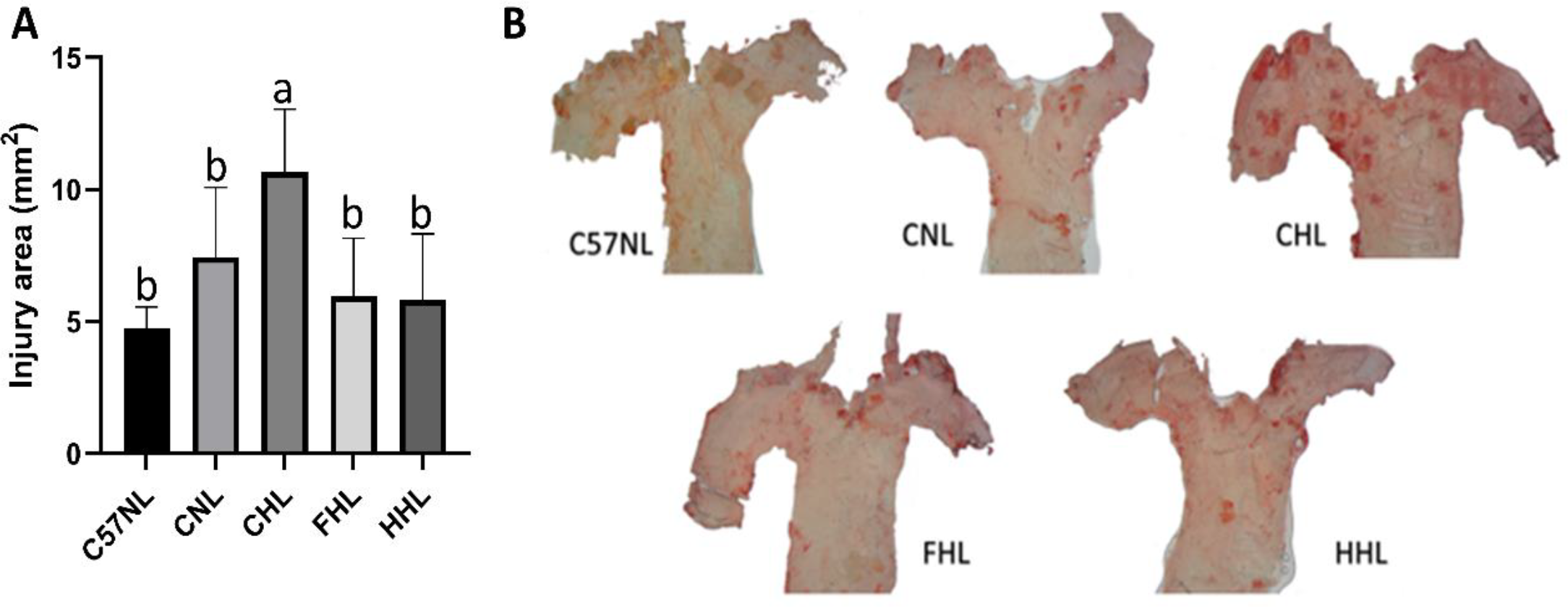
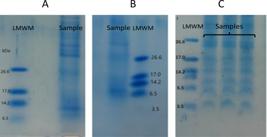
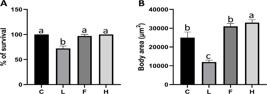
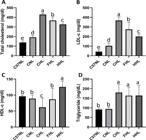
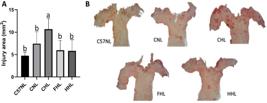
Sorghum (Sorghum bicolor (L.) Moench) is an alternative to the consumption of conventional cereals, with high technological, nutritional and functional potential. The peptides formed during the enzymatic digestion of their proteins have shown a modulating effect on variables related to chronic noncommunicable diseases, including cardiovascular ones. The aim of this study was to identify and characterize the bioactive compounds of sorghum and its hydrolysate in their toxicity, hypocholesterolemic, antiatherogenic, and antioxidant properties in vivo. For the toxicity test, nematodes Caenorhabditis elegans were used. For the experimental study, wild-type C57BL/6 and LDL-cholesterol receptor knockout (LDL-/-) mice were maintained on a normal or atherogenic diet and received whole sorghum flour or its hydrolysate by intragastric oral gavage (800 mg/kg) for 8 weeks. The protein hydrolysate showed the highest concentration of phenolic compounds and high antioxidant activity; the enzymatic hydrolysis reached 42.5% of the proteins, with low molecular weight peptides, in addition to not showing toxicity at the dose used. The in vivo results demonstrated that the flour and hydrolysate reduced the levels of total and LDL-c cholesterol and the lipid deposition in aorta of animals with atherogenic diet, and increased the antioxidant activity in plasma and liver, in addition to plasmatic HDL-c. The hydrolysate also showed an antimutagenic effect by micronucleus test. Therefore, whole sorghum flour and its hydrolysate are a source of antioxidant nutritional compounds that act against the development of hypercholesterolemia and atherogenesis, in addition to an antimutagenic effect and absence of toxicity.
Keywords:
Sorghum hydrolyzed; Peptides; Atherosclerosis; Phenolic compounds; Caenorhabditis elegans.
Sorghum has high content of phenolic compounds, dietary fiber and it’s gluten-free.
Its proteins during enzymatic digestion can form peptides with bioactive potential.
hydrolysate hasn’t genotoxicity by the micronucleus assay and antimutagenic effect.
Sorghum flour and hydrolysate improve lipid and antioxidant profile.
 Thumbnail
 Thumbnail
 Thumbnail
 Thumbnail
 Thumbnail