 Differentially Expressed Genes in Oral Cavity and Thyroide Cancer: An In Silico Approach with GEO and TCGA Data
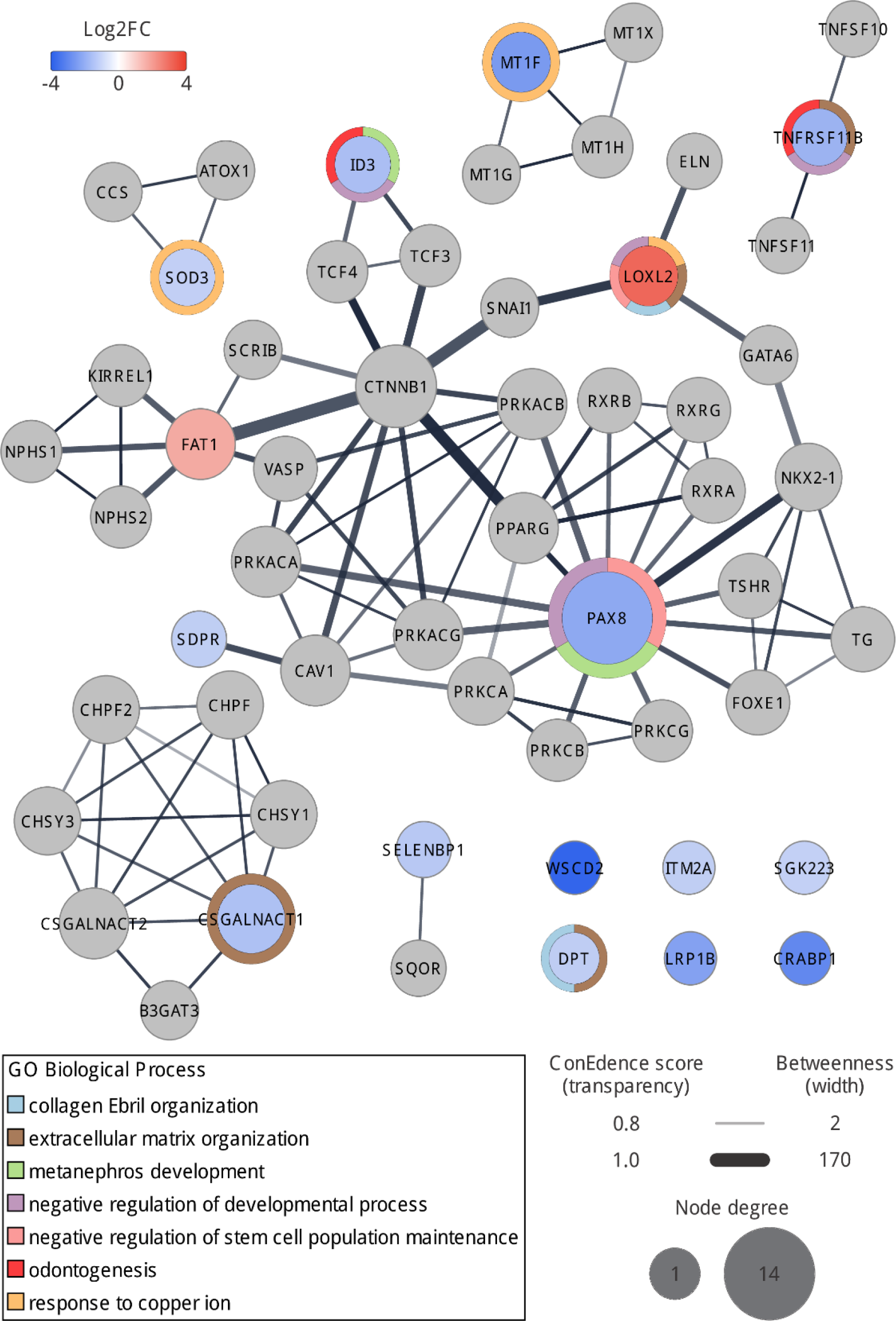
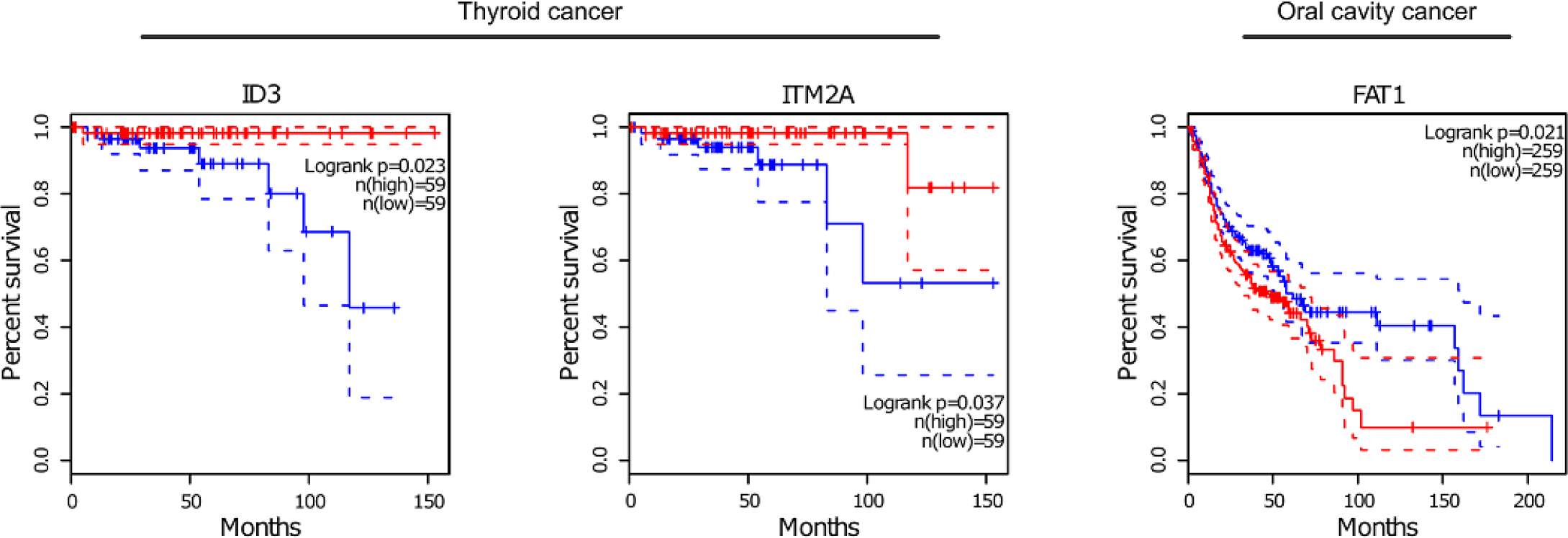
Head and neck cancer comprises several pathologies occurring at distinct sites above the clavicle. Due to their anatomical position, these types of cancer may cause additional physical, physiological and psychosocial impairments. Early detection is known to improve clinical outcomes, highlighting a clear need for improved cancer screening such as employing molecular biomarkers. Technological advancements have led to an increasing volume of gene expression data deposited in public repositories. The present study conducted a differential gene expression analysis for head and neck cancer, focusing on oral cavity cancer and thyroid cancer. Expression data was extracted from the Gene Expression Omnibus and The Cancer Genome Atlas databases. The data was prepared and analyzed in the R environment. Four differentially expressed genes were identified for oral cavity cancer: LOXL2, FAT1, SOD3 and DPT; and 12 altered genes were found for thyroid cancer: CRABP1, CSGALNACT1, WSCD2, ITM2A, ID3, PAX8, SELENBP1, TNFRSF11B, SDPR, LRP1B, MT1F and SGK223. A survival analysis demonstrated that higher expression of FAT1 in oral cavity cancer is associated with lower survival. For thyroid cancer, lower expression of ITM2A and ID3 were associated with lower survival. This study identified potential diagnostic and prognostic genetic biomarkers for oral cavity and thyroid tumors.
Keywords:
head and neck cancer; thyroid cancer; oral cavity cancer; gene expression; biomarkers.
Using GEO and TCGA data to identify differentially expressed genes;
Identification of 4 differentially expressed genes for oral cavity cancer;
Identification of 12 differentially expressed genes for thyroid cancer.
 Thumbnail
 Thumbnail