 Preservative Effects on Crude Bromelain Stability and Enzymatic Applications
Abstract
Agricultural waste management is a critical environmental and economic issue. Thailand is one of the world's leading pineapple growers. Pineapples contain bromelain, a very important protease. This study used an ammonium sulfate precipitation method to partially purify bromelain from pineapple peel waste, which represented the largest enzyme portion with the highest level of specificity. The study findings indicate that partially purified bromelain is more stable and has nearly twice the activity of crude bromelain. Based on SDS-PAGE analysis, bromelain has a molecular weight of approximately 24 kDa. The enzyme’s stability was assessed in the presence and absence of preservatives. The preservatives, chitosan and sodium benzoate, both reduced bromelain activity and affected the protein pattern as well as the brightness of clear zones analyzed using SDS-PAGE. Using chitosan instead of sodium benzoate results in a less decreased bromelain activity. Dehairing tests showed unwinding of hairs and gentle scraping without visible collagen destruction, suggesting proper skin peeling upon closer examination. The enzyme completely removes stains from cloth samples. These results indicate that the enzyme can aid hair and stain removal. Leather and washing applications may benefit from the use of crude bromelain. Since enzymes naturally degrade, it would be advisable to add appropriate preservatives.
Keywords:
pineapple peel; chitosan; sodium benzoate; hair removal; detergent.
HIGHLIGHTS
In pineapple waste, peels exhibit the highest specific proteolytic activity.
Sodium benzoate inhibits crude bromelain more effectively than chitosan.
Preservatives in SDS-PAGE affect clear zone transparency and crude bromelain pattern.
Crude bromelain can potentially remove hair from cattle hides and stains from cloth.
INTRODUCTION
Pineapples (Ananas comosus L. Merr.) are the third most important tropical fruit worldwide, behind mangos and avocados, with an estimated 3.2 million tonnes exported globally [1]. Asia has become the world's largest producer, accounting for 40% of global output [2]. According to [3], Thailand is among the world's top producers of pineapples. Fresh, cooked, juiced, and canned pineapples are all available. [4] stated that pineapples are a rich source of vitamins and minerals. Pineapples are processed in a variety of ways, such as peeling and pulping. Research indicates that 48% of pineapples consist of waste (cores, peels, crowns, stems, and leaves) [5]. Thus, waste has increased proportionally with the rise of pineapple agriculture. Since this waste is frequently at risk of supporting microbial growth, waste management is an important environmental issue. Further use of processing wastes might be advantageous. Several applications can utilize pineapple peels as raw materials. Pineapple peels could be used as feed for animals or as fertilizer. The peels are a rich source of other carbohydrates, hemicelluloses, and cellulose. They have been employed in textile and paper manufacture [6].
Bromelain is the most important pineapple protease. It combines several thiol endopeptidases with other enzymes such as phosphatase, peroxidase, cellulase, glucosidase, and various protease inhibitors [7]. Bromelain is present in all parts of the pineapple plant, but its biological characteristics vary based on its location [8]. "Stem bromelain" (EC 3.4.22.2) is the protease present in pineapple stems, while "fruit bromelain" (EC 3.4.22.3) is the protease in pineapple fruit [9]. Numerous industries utilize bromelain, including those in the food, textile, pharmaceutical, and cosmetic industries [10]. Commercial bromelain is usually obtained from pineapple stems [11]; however, it is very expensive, costing up to 2400 USD/kg [12].
Pineapple fruit is seasonal and highly perishable. According to a sensory study, preserved pineapple juice color, flavor, taste, and appearance are all remarkable [13]. Preservatives successfully protect the sensory qualities of pineapple juice. [14] found that preserved juice demonstrated a shelf life of 21 days at room temperature and 45 days under refrigeration. However, insufficient studies have been done to investigate how the preservatives used in pineapple juice storage affect bromelain activity. The present study aimed to extract bromelain from pineapple waste and examine selected biochemical characteristics.
MATERIAL AND METHODS
Chemical reagents
Ammonium sulfate and phosphoric acid were purchased from QRëC™ (New Zealand). Casein and bovine serum albumin (BSA) were obtained from Sigma-Aldrich (Germany). Coomassie brilliant blue G-250 and trichloroacetic acid (TCA) were purchased from Thermo Fisher Scientific (USA) and Carlo Erba (Italy), respectively. All reagents used in the experiments were of analytical grade. Deionized (DI) water was used to prepare all solutions.
Extraction of crude bromelain
Ripened pineapple fruit was purchased from the Muang Thong Market, the largest agricultural products market in Udon Thani Province, and stored at 4ºC. Five parts of the fruit (pulp, peels, crowns, stems, and cores) were separated and cut into small pieces (~1⊆1 cm). Each part was individually weighed and ground in a juicer mixer grinder (Sharp) by adding DI water in a 1:1 fruit:DI ratio before turning on the machine. Juice was filtered through clean cotton sheets. The solution was centrifuged at 10,000⊆g and 4ºC for 20 min (Beckman Coulter Allegra X-30R Centrifuge). Supernatant was collected as crude bromelain and stored at 4°C for further investigation.
Measurement of activity and protein content of crude bromelain
Crude bromelain activity was assessed using the method described by [12], with slight modification. The assay solution was done at 37ºC in 50 mM phosphate buffer (pH 7.0) using 5% (w/v) casein as a substrate. Enzymatic activity was quantified based on the amount of amino acid (L-tyrosine) generated by hydrolysis of peptide bonds. One unit of enzyme (U) is defined as the amount of enzyme that liberated 1 µmol of tyrosine per minute under the assay conditions. The activity was calculated according to [15], with some modifications, and shown in the following equation.
where A is the volume of crude bromelain used for the assay (0.1 ml), B is the incubation time (10 min), and C is the volume used to spectrophotometrically determine absorbance (1 ml).
The protein content was assessed employing the procedures of [16], using BSA as a protein standard.
Partial purification and shelf life of bromelain
Protein was precipitated by adding 30% (w/v) ammonium sulfate followed by centrifugation at 10,000⊆g and 4ºC for 20 min. Supernatant was collected after centrifugation and stored under refrigeration. The resulting pellets were resuspended in 50 mM Na-phosphate buffer (pH 7.0) and dialyzed against the same buffer at 4ºC for 2 days with gentle stirring. The relative activity of the enzyme was measured and compared to the shelf life of crude bromelain to determine the shelf life of partially purified bromelain.
Protein pattern and zymography
15% SDS-PAGE was used to analyze crude and partially purified bromelain [12]. First, to obtain a final concentration of 1x, the enzyme was dissolved in a 4x SDS protein-loaded buffer with no β-mercaptoethanol. Except for the samples used for the activity staining method, all samples were boiled for 10 min. The enzyme was separated on two pages of 15% SDS-PAGE at 100 mV for 80 min after centrifugation at 13,680⊆g for 10 min. The boiled samples were immediately stained with Coomassie Brilliant Blue G250, while the unboiled samples were shaken for 45 min at 4ºC with 1% casein in 0.05 M phosphate buffer, pH 7.0 (0.03 M cysteine and 0.006 M EDTA). After 30 min of incubation at 37ºC, the SDS-PAGE gel was rinsed with DI water. After staining with Coomassie Brilliant Blue G250, bromelain activity was represented by visible clear zones against a dark background, in contrast to the protein staining pattern.
Effect of preservatives on the activity and stability of crude bromelain
The effect of preservatives such as sodium benzoate and chitosan on the activity of crude bromelain waste was studied. A stock solution of sodium benzoate was dissolved in DI water, while chitosan was melted and dissolved in 0.1% (w/v) acetic acid. Preservatives at a 0.05% (w/v) concentration were added to assay solutions. A control reaction that did not contain a preservative was also prepared. The remaining activities of crude bromelain in the presence of preservatives were determined and compared to the control reaction. Chitosan in a 0-0.1% (w/w) range was added to the assay solution to measure enzyme activity. Chitosan at final concentrations of 0.02 and 0.05% (w/w) was applied to the crude bromelain solutions and incubated at 4ºC for 7 and 14 days to determine its effect on bromelain stability. The relative activity of crude bromelain was recorded.
Application of crude bromelain
Dehairing Thai cattle skin
Hair removal efficiency of crude bromelain from pineapple peels was studied on Thai cattle skin. Cattle rawhide was purchased from a local market in Udon Thani Province and stored at 4ºC until use. The hide was cut into small pieces (~3.5⊆3.5 cm). The skin was immersed in a solution of crude bromelain and left at room temperature for 24 h to study hair removal. DI water was added instead of crude bromelain as a control treatment. After incubation, the hide was removed. Imagery of the hair was examined and compared with a control test for evidence of loosening.
Wash performance assay
Stain removal efficiency of crude bromelain from the pineapple peels was analyzed. First, clean white cotton was cut into small pieces (~5⊆5 cm). Then, 100 µl of porcine blood, obtained from a local market in Udon Thani Province, was dropped onto the fabrics and dried at room temperature for 24 h. The stained fabrics were immersed in the crude bromelain with detergent (7 mg/ml) at room temperature for 2 h with no shaking, rinsed in tap water after incubation, and dried. Imagery of stain removal was evaluated and compared with unstained control. The control was prepared following the same procedure with no enzyme.
Statistical analysis
All the experiments were conducted in triplicate. The error bars in the data histograms indicate standard deviations (n=3). Data were analyzed using one-way analysis of variance (ANOVA) employing the SPSS statistical software program (IBM Corp., Armonk, NY, USA), followed by Duncan’s test at a confidence interval of 95%.
RESULTS AND DISCUSSION
Proportions of pineapple wastes and enzymatic activity of crude extracts
Pineapples were divided into their various parts, as presented in Table 1. Pineapple pulp was the largest portion of the fruit. Peels were the largest portion of the pineapple waste. Other wastes, including the cores, crowns, and stems, were in the range of 35-186 g (2.27-11.72% w/v). Pineapple waste (peels, cores, crowns, and stems) accounted for 42% (w/v) of the total weight of the fruit, which is consistent with a previous study [17] that reported an approximately 60% edible fraction of pineapple fruits. Processing residuals (waste) ranged from 45-65%. Crude bromelain was prepared by extracting pineapples with DI water at a 1:1 (w/v) fruit:DI ratio. The enzymatic activity and protein content were measured. To examine bromelain based on proteolytic activity (U/ml/min), the pineapple peel was the second most bromelain-rich part after the crown, in agreement with a previous study [12]. The other portions, cores, stems, and pulp, showed bromelain activities in the range of 100-160 U/ml/min and 0.5-3.0 mg of protein. Thereafter, the specific activity of the crude bromelain was calculated. The highest specific activity was found in the peel extract. Pineapple wastes, including the core and crown, and the pineapple pulp showed specific activities in the 4,600-5,800 U/mg protein range. The stem extract showed the lowest specific activity. Bromelain is mostly present in the peel, crown, and core, according to a previous report [18]. The differences in enzymatic activity and protein content in each portion may be due to variations in the types of enzymes present in pineapple. The pineapple peel was the largest waste portion, with the highest specific bromelain activity. Therefore, crude bromelain from pineapple peels was chosen for further investigation.
Partial purification and shelf life of bromelain
The steps involved in partially purifying bromelain from pineapple peels are summarized (Table 2). An increase in the purity and specific activity with precipitation using 30% (w/v) ammonium sulfate was observed. The enzyme purification resulted in a 1.51 purification fold, a specific activity of 21,689 U/mg protein, and a yield of 15.15%. The enzymes precipitated with 30-60% ammonium sulfate showed a lower purification fold and yield. [18] reported that peel bromelain was purified 1.20-fold using 30% ammonium sulfate.
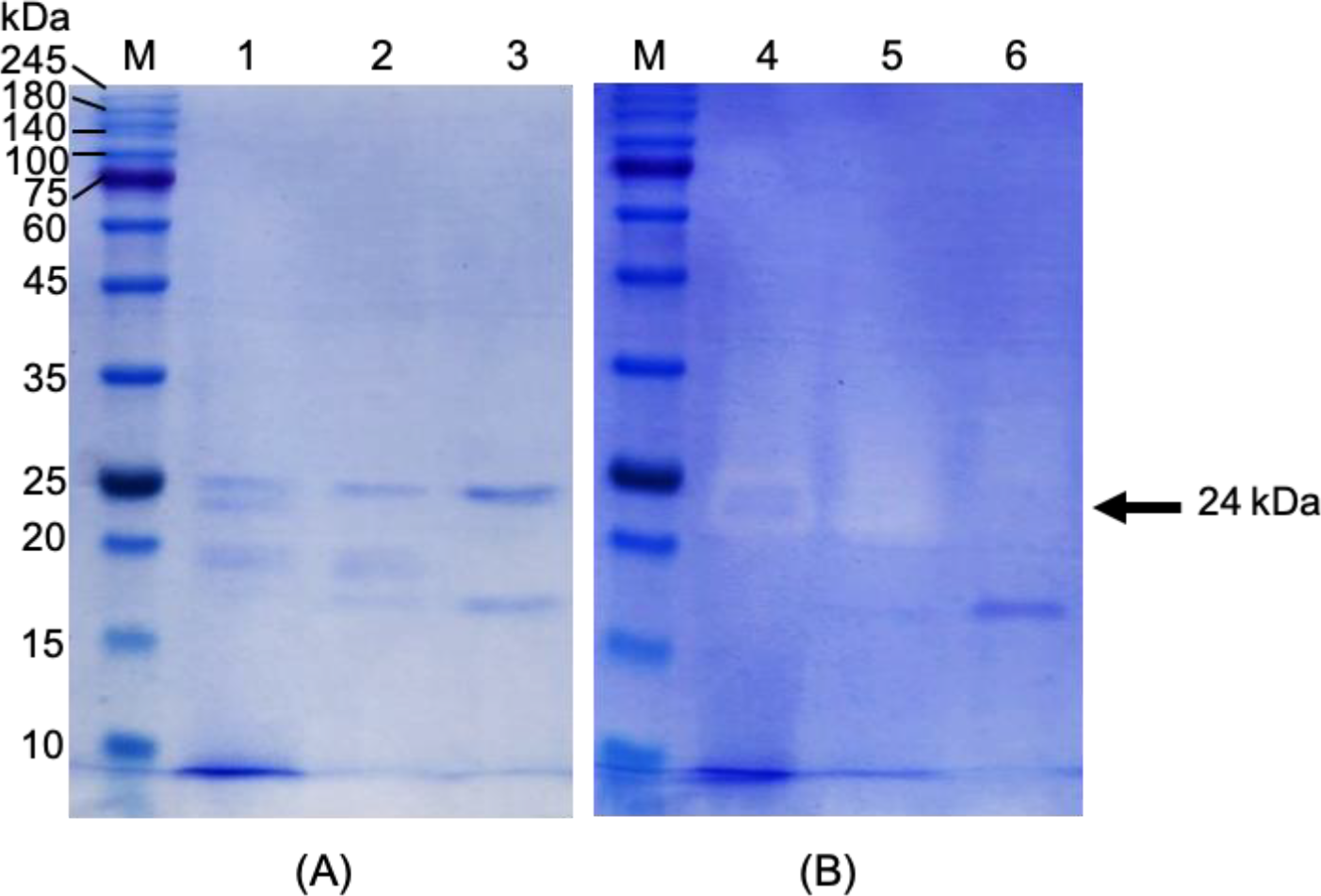
The molecular weight of bromelain was ~24 kDa (Figure 1). Previous research estimates that the molecular weight of bromelain is around 24-28 kDa [12]. The molecular weight of bromelain is identical to that of extracts of the clear zone observed on the activity staining gel (Figure 1B). Bromelain is included in the activity staining gel without exposing it to boiling, while casein is utilized as the substrate. This clear band in the activity staining gel suggests protease content in those extracts. Some protein bands did not display staining for caseinolytic activity (Figure 1). The clear zone was formed by bromelain precipitated using a 30% (w/v) concentration of ammonium sulfate. It displayed better visibility than the clear zone formed by bromelain precipitated using 30-60% (w/v) ammonium sulfate. This finding agrees with the data in Table 2. The bromelain activity is doubled after precipitation with 30% (w/v) ammonium sulfate compared to precipitation with 30-60% (w/v) ammonium sulfate.
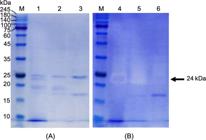
The protein pattern (A) and zymography (B) of both crude and partially purified bromelain. Protein marker (lane M); crude bromelain (lanes 1 and 4); 30% (w/v) ammonium sulfate (lanes 2 and 5); and 30-60% (w/v) ammonium sulfate (lanes 3 and 6). A well of crude bromelain contained 1.35 µg of protein, while a well of an enzyme precipitated with ammonium sulfate contained 0.5 µg of protein.
The specific activity of crude and partially purified bromelain was measured after extraction and precipitation with ammonium sulfate. These results are shown in Table 3. The specific activity of partially purified bromelain was approximately twice that of crude bromelain. After storing the enzyme solution at 5-8°C for roughly two weeks, the enzymatic activity was reduced from 585.85±14.45 to 67.10±20.80 U/ml/min for crude bromelain and from 1,281.70±10.40 to 573.3±10.40 U/ml/min for partially purified bromelain. Bromelain activity decreased during storage, which is consistent with previous research [19]. This result suggests using the crude extract as soon as possible or using a fresh extract to achieve higher bromelain activity. Additionally, partially purified bromelain is more stable than crude enzymes.
Effect of preservatives on the activity and stability of crude bromelain
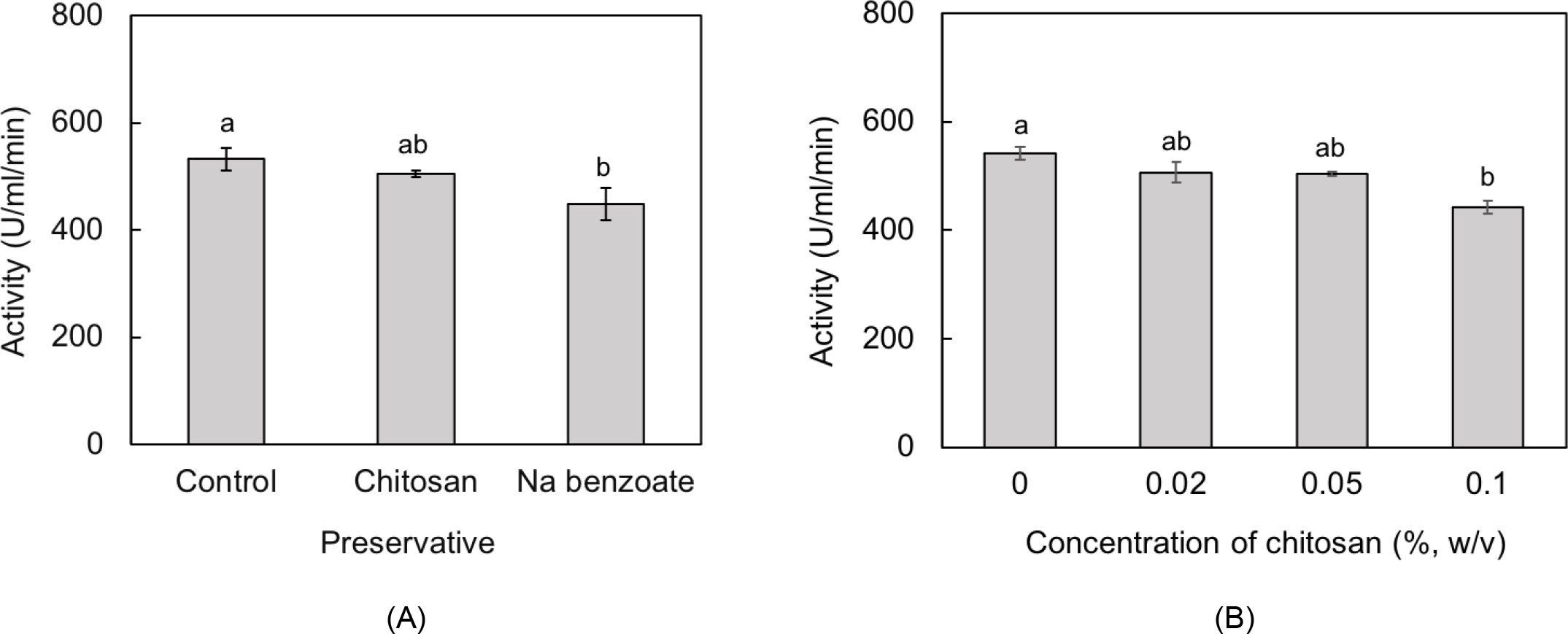
The effects of preservatives at a concentration of 0.05% (w/v) on the activity of crude bromelain were evaluated, and the results are shown in Figure 2A. Both chitosan and sodium benzoate (Na benzoate) inhibit bromelain activity. When the enzyme was treated with chitosan, its activity dropped to 504.6±5.9 U/ml/min. This was higher than the activity of the enzyme treated with sodium benzoate, which dropped to 448.9±30.3 U/ml/min. Activity in the control experiment using no preservatives was 532.4±21.0 U/ml/min. The pH of crude bromelain was 3.78±0.16, which was close to the pH of a Smooth Cayenne cultivar [20]. A low pH of the extract solution indicated high acidity due to citric and malic acids, which are the main organic acids present in ripened pineapple [20]. The pH values of the enzyme solution after adding preservatives were reduced to 3.70±0.09 in the presence of chitosan. In contrast, the pH value was elevated to 3.98±0.14 using sodium benzoate. Reduction in bromelain activity in the presence of preservatives may be due to pH changes. A previous study reported that crude bromelain had high activity in the pH range of 3-9 [12]. There is less reduction in activity when using chitosan than sodium benzoate. The influence of various concentrations of chitosan on bromelain activity was determined from 0.02 to 0.1% (w/v) (Figure 2B). When chitosan is used at a lower concentration, the enzyme activity increases compared to higher concentrations. [21] reported an increased enzyme activity with 0.5% sodium benzoate compared to 1% sodium benzoate.
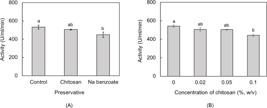
Effect of preservatives on the activity of crude bromelain from pineapple peels: (A) the enzyme treated with 0.05% (w/v) preservatives and (B) the enzymatic activity in the presence of 0.02-0.1% (w/v) chitosan. The activity represents the average mean ± SD of triplicate experiments. Different letters indicate significant differences (p < 0.05).
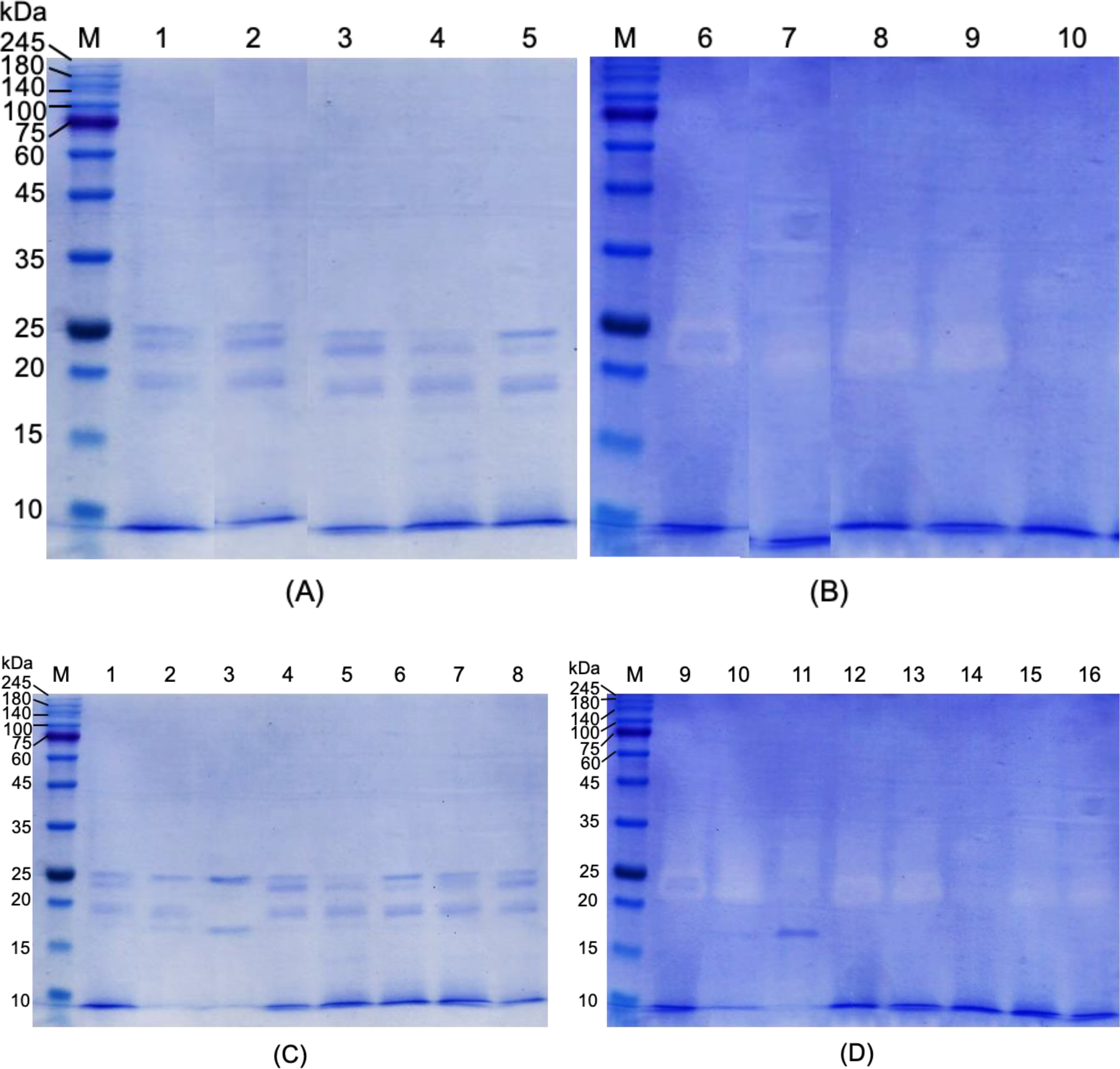
The protein pattern of crude bromelain in a solution containing 0.05% (w/v) sodium benzoate is identical to that of crude bromelain with no preservatives (Figure 3A, lanes 1 and 2). However, the transparent region of the crude bromelain is more prominent than those treated with sodium benzoate (Figure 3B, lanes 6 and 7). The protein pattern of crude bromelain treated with chitosan differs from that of crude bromelain with no preservatives. This is seen in Figure 3A, lanes 3-5. The protein intensity at about 24 kDa was reduced in the presence of a high concentration of chitosan, whereas the intensity at approximately 25 kDa was increased. Zymography analysis of the crude bromelain treated with chitosan at low concentrations (0.02 and 0.05% (w/v)) reveals clear zones with a brightness comparable to that of the original enzyme. These clear zones exhibited a moderate brightness in the presence of 0.1% (w/v) chitosan. Enzyme activity with preservatives, as shown in Figure 2, was consistent with these results. The results suggest that the enzymatic activity of crude bromelain is affected by both the concentration and type of preservative.
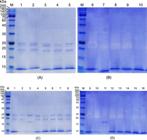
The effect of preservatives on the protein pattern (A) and zymography (B) of crude bromelain was studied. The gel consists of the following components: a protein marker in lane M, crude bromelain with no preservative in lanes 1 and 6, 0.05% sodium benzoate in lanes 2 and 7, 0.02% chitosan in lanes 3 and 8, 0.05% chitosan in lanes 4 and 9, and 0.1% chitosan in lanes 5 and 10. A total of 1.35 µg of protein was introduced into each well. The protein pattern (C) and zymography (D) of both crude and partially purified bromelain. Crude bromelain (lanes 1 and 9); 30% (w/v) ammonium sulfate (lanes 2 and 10); and 30-60% (w/v) ammonium sulfate (lanes 3 and 11). A well of crude bromelain contained 1.35 µg of protein, while a well of an enzyme precipitated with ammonium sulfate contained 0.5 µg of protein. The effect of preservatives on the protein pattern and zymography of crude bromelain was studied. Crude bromelain with 0.02% chitosan (lanes 4 and 12), 0.05% chitosan (lanes 5, 7, 13, and 15), 0.1% chitosan (lanes 6 and 14), and 0.05% sodium benzoate (lanes 8 and 16).
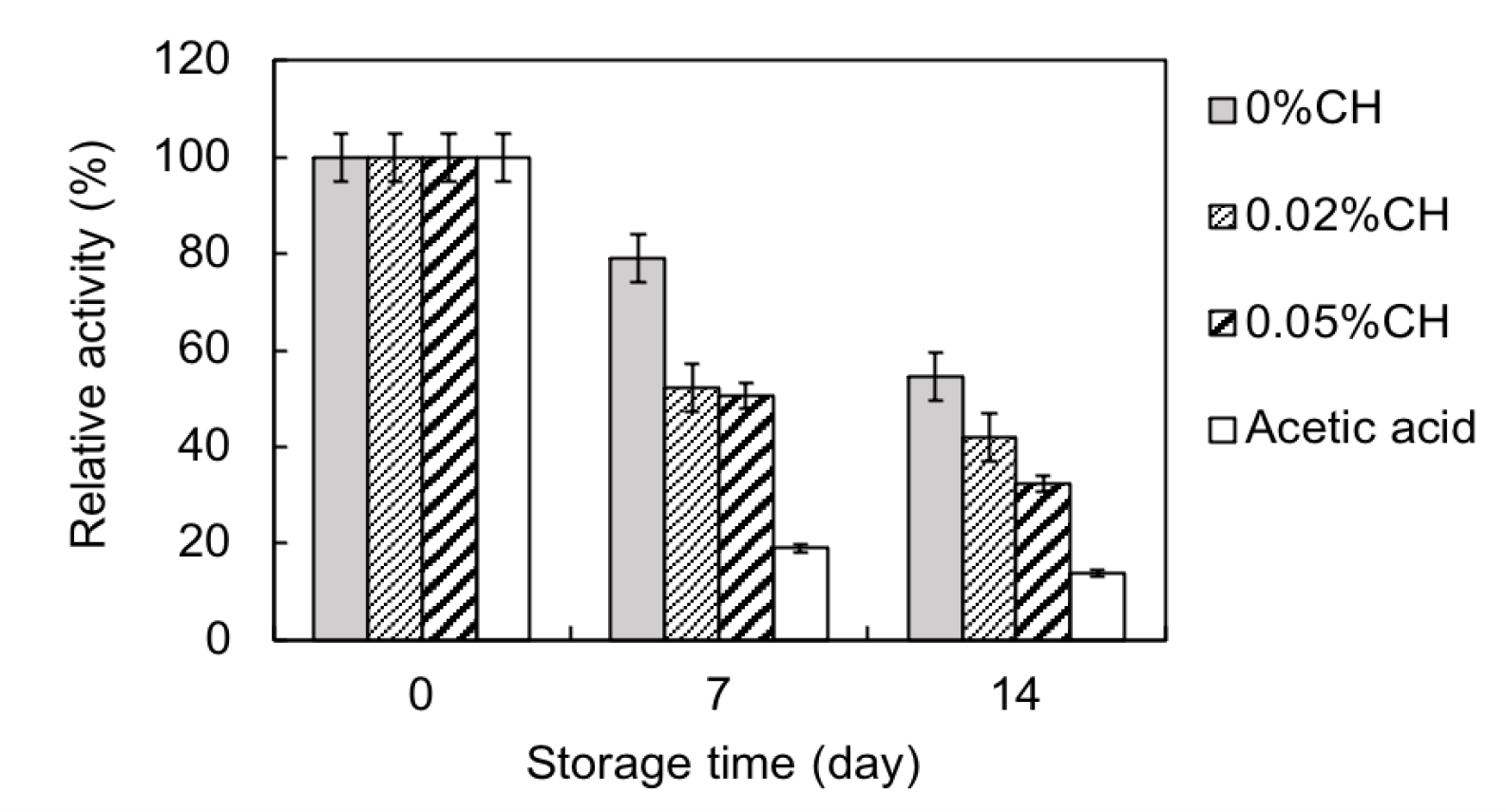
The stability of the crude bromelain from pineapple peels was studied on alternate days for 2 weeks (Figure 4). The results indicated that its activity decreased over time. The color of the enzyme solution changed to brown and became turbid (data not shown). Chitosan slightly elevated solution pH (by 0.2-0.3 units) (data not shown). Chitosan easily dissolves in weak acidic solutions and is a strong base because it forms polycation chitosan [22].
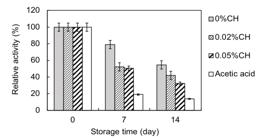
Effect of chitosan (CH) and acetic acid on the stability of crude bromelain from pineapple peels. The assay solution in the presence of chitosan (0.02 and 0.05% (w/v)) or acetic acid together with the enzyme was determined. The remaining activity of bromelain was measured and compared to a control reaction. The relative activity represents the mean ± SD activities of triplicate experiments.
Application of bromelain for dehairing and washing
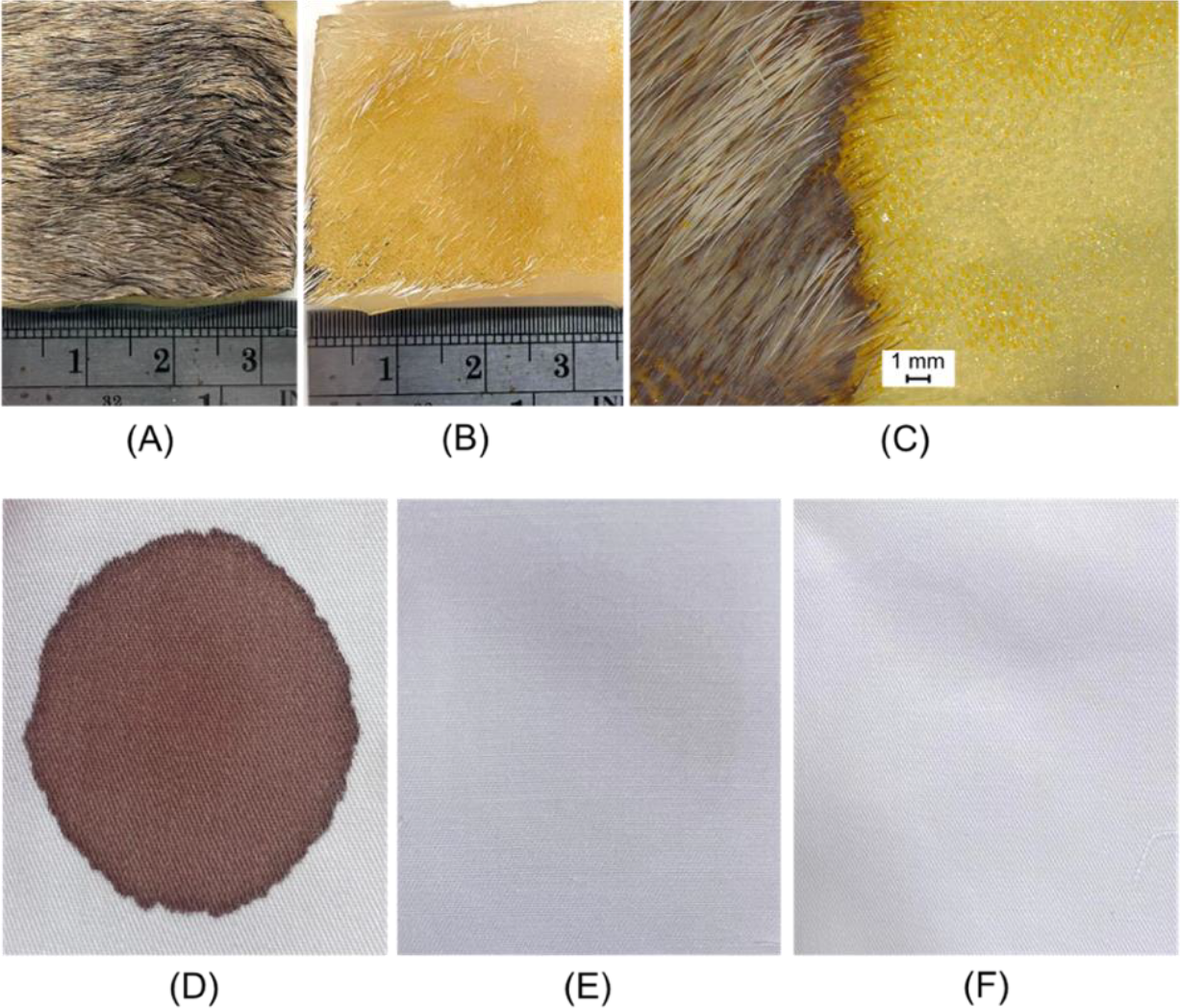
The efficiency of crude bromelain in digestion of natural proteins was investigated. Crude bromelain removed hairs from cattle hide after 24 h. Enzymatic dehairing is an alternative way to reduce the hazardous impact on the environment of the traditional chemical-based method [23]. The dehairing test demonstrates that the hairs unwind after gentle scraping, causing no damage to the collagen, indicating proper skin peeling upon direct examination. However, in the control group, the hair sticks to the skin (Figures 5, A-C). A similar observation was made earlier for protease from pineapple [21].
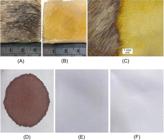
The effectiveness of crude bromelain in breaking down natural proteins. The dehairing efficiency of crude bromelain was tested on Thai cattle skin (A-C), where (A) was pre-treated and (B) was treated with crude bromelain at room temperature for 24 h. (C) was compared with the enzyme's effect on Thai cattle skin, which was observed and quantified using a stereomicroscope. The fabrics were stained with porcine blood (control) in a wash performance assay for crude bromelain (D). The stains were removed from the fabrics after a 2 h incubation in the presence of 7 mg/ml of detergent at room temperature (E). Additionally, stains were also removed from the fabrics after incubation in the presence of both crude bromelain and detergent (F).
In conjunction with 7 mg/ml of detergent, the enzyme completely removes stains from cloth samples (Figures 5, D-F). This finding indicates that the enzyme improves stain removal effectiveness.
CONCLUSION
The present study produced partially purified bromelain from pineapple peels, the largest waste portion, and showed the highest specificity of enzymatic activity using an ammonium sulfate precipitation method. The molecular weight of bromelain is ~24 kDa. The activity of partially purified bromelain was almost twice that of crude bromelain. Additionally, partially purified bromelain is more stable when refrigerated than the crude enzyme. Sodium benzoate and chitosan can potentially decrease the activity of bromelain. This may have an impact on the transparency of the clear zone in assays, as well as the protein pattern. Chitosan inhibited bromelain activity less than sodium benzoate. However, in assays conducted every two days, crude bromelain activity decreased in the presence of chitosan. Crude bromelain could enhance hair and stain removal. The higher cost of purification, as well as consideration of the resulting economic feasibility suggest the potential of crude bromelain use in leather and washing applications. Since enzymes naturally degrade, it is advisable to use appropriate preservatives.
-
Funding:
This research was funded by Udon Thani Rajabhat University.
Data availability statement:
Research data are available in the body of the manuscript.
Acknowledgments:
The authors would like to acknowledge the Division of Chemistry (Faculty of Science) of the Udon Thani Rajabhat University and the Department of Chemistry of the Rajamangala University of Technology Isan Khonkaen Campus. Many thanks to Professor Dr. Jeffrey C. Nash from the Office of Graduate Studies of the Udon Thani Rajabhat University (Thailand) for his assistance in proofreading this manuscript.
REFERENCES
-
1 FAO. Major Tropical Fruits Market Review - Preliminary results 2022. [online]. Rome, 2023 [cited 8 August 2023]. Available from: https://openknowledge.fao.org/server/api/core/bitstreams/852265a4-9006-4d54-a792-51f1d9c44673/content
» https://openknowledge.fao.org/server/api/core/bitstreams/852265a4-9006-4d54-a792-51f1d9c44673/content -
2 OECD, FAO. OECD-FAO Agricultural Outlook 2021-2030. [online]. [cited 4 August 2023]. Available from: https://doi.org/10.1787/19428846-en
» https://doi.org/10.1787/19428846-en - 3 FAO, FAOSTAT. Food and Agricultural Commodities Production. [online]. Food and Agricultural Organization of the United Nations (FAO). Rome; 2019 [cited 4 August 2023]
-
4 Farid Hossain Md. Nutritional value and medicinal benefits of pineapple. Int J Nutr Food Sci. 2015;4(1):84-8. Available from: https://doi.org/10.11648/j.ijnfs.20150401.22
» https://doi.org/10.11648/j.ijnfs.20150401.22 -
5 Hikal WM, Mahmoud AA, Said-Al Ahl HAH, Bratovcic A, Tkachenko KG, Kačániová M, et al. Pineapple (Ananas comosus L. Merr.), waste streams, characterisation and valorisation: an overview. Open J Ecol. 2021;11(09):610-34. Available from: https://doi.org/10.4236/oje.2021.119039
» https://doi.org/10.4236/oje.2021.119039 - 6 Bartholomew DP, Paull RE, Rohrbach KG. The pineapple botany, production and uses. London: CABI Publishing; 2003.
-
7 de Lencastre Novaes LC, Jozala AF, Lopes AM, de Carvalho Santos-Ebinuma V, Mazzola PG, Pessoa Junior A. Stability, purification, and applications of bromelain: a review. Biotechnol Prog. 2016;32(1):5-13. Available from: https://doi.org/10.1002/btpr.2190
» https://doi.org/10.1002/btpr.2190 - 8 Bhattacharyya BK. Bromelain: an overview. Nat. Prod. Radiance. 2008;7(4):359-63.
-
9 Babu BR, Rastogi NK, Raghavarao KSMS. Liquid-liquid extraction of bromelain and polyphenol oxidase using aqueous two-phase system. Chem. Eng. Process. 2008;47(1):83-9. Available from: https://doi.org/10.1016/j.cep.2007.08.006
» https://doi.org/10.1016/j.cep.2007.08.006 -
10 Pavan R, Jain S, Shraddha, Kumar A. Properties and therapeutic application of bromelain: A review. Biotechnol Res Int. 2012;2012:1-6. Available from: https://doi.org/10.1155/2012/976203
» https://doi.org/10.1155/2012/976203 -
11 Manzoor Z, Nawaz A, Mukhtar H, Haq I. Bromelain: methods of extraction, purification and therapeutic applications. Braz. Arch. Biol. Technol. 2016;59:1-16. Available from: https://doi.org/10.1590/1678-4324-2016150010
» https://doi.org/10.1590/1678-4324-2016150010 -
12 Ketnawa S, Chaiwut P, Rawdkuen S. Pineapple wastes: a potential source for bromelain extraction. Food Bioprod. Process. 2012;90(3):385-91. Available from: https://doi.org/10.1016/j.fbp.2011.12.006
» https://doi.org/10.1016/j.fbp.2011.12.006 -
13 Cano-Lamadrid M, Tkacz K, Turkiewicz IP, Clemente-Villalba J, Sánchez-Rodríguez L, Lipan L, et al. How a Spanish group of millennial generation perceives the commercial novel smoothies? Foods. 2020;9: 1213. Available from: https://doi.org/10.3390/foods9091213
» https://doi.org/10.3390/foods9091213 -
14 Kundu A, Mostofa R, Hassain A, Roy Dina P, Esrafil M, Akhter Uzzaman M, et al. Development of pineapple juice and observation of shelf stability using various degrees of preservative in several storage condition. Front. Sci. 2021;2(4):50-60. Available from: https://doi.org/10.11648/j.sf.20210204.12
» https://doi.org/10.11648/j.sf.20210204.12 -
15 Qamar SA, Asgher M, Bilal M. Immobilization of alkaline protease from Bacillus brevis using Ca-alginate entrapment strategy for improved catalytic stability, silver recovery, and dehairing potentialities. Catal Letters. 2020;150:3572-83. Available from: https://doi.org/10.1007/s10562-020-03268-y
» https://doi.org/10.1007/s10562-020-03268-y -
16 Bradford MM. A rapid and sensitive method for the quantitation of microgram quantities of protein utilizing the principle of protein-dye binding. Anal Biochem. 1976;72:248-54. Available from: https://doi.org/10.1016/0003-2697(76)90527-3
» https://doi.org/10.1016/0003-2697(76)90527-3 -
17 Difonzo G, Vollmer K, Caponio F, Pasqualone A, Carle R, Steingass CB. Characterisation and classification of pineapple (Ananas comosus [L.] Merr.) juice from pulp and peel. Food Control. 2019;96:260-70. Available from: https://doi.org/10.1016/j.foodcont.2018.09.015
» https://doi.org/10.1016/j.foodcont.2018.09.015 -
18 Gul A, Siddiqui M, Arain H, Khan S, Khan H, Ishrat U. Extraction, partial purification and characterization of bromelain from pineapple (Ananas Comosus) crown, core and peel waste. Braz. Arch. Biol. Technol. 2021;64:e21200639. Available from: https://doi.org/10.1590/1678-4324-2021200639
» https://doi.org/10.1590/1678-4324-2021200639 -
19 Chaurasiya RS, Umesh Hebbar H. Extraction of bromelain from pineapple core and purification by RME and precipitation methods. Sep Purif Technol. 2013;111:90-7. Available from: https://doi.org/10.1016/j.seppur.2013.03.029
» https://doi.org/10.1016/j.seppur.2013.03.029 -
20 Bartolomk AP, Rupbrez P, Fhster C. Pineapple fruit: morphological characteristics, chemical composition and sensory analysis of Red Spanish and Smooth Cayenne cultivars. Food Chem. 1995;53(1):75-9. Available from: https://doi.org/10.1016/0308-8146(95)95790-D
» https://doi.org/10.1016/0308-8146(95)95790-D -
21 Mohan R, Sivakumar V, Rangasamy T, Muralidharan C. Optimisation of bromelain enzyme extraction from pineapple (Ananas comosus) and application in process industry. Am J Biochem Biotechnol. 2016;12(3):188-95. Available from: https://doi.org/10.3844/ajbbsp.2016.188.195
» https://doi.org/10.3844/ajbbsp.2016.188.195 -
22 Pillai CKS, Paul W, Sharma CP. Chitin and chitosan polymers: Chemistry, solubility and fiber formation. Prog. Polym. Sci. 2009;34: 641-78. Available from: https://doi.org/10.1016/j.progpolymsci.2009.04.001
» https://doi.org/10.1016/j.progpolymsci.2009.04.001 -
23 Sivasubramanian S, Murali Manohar B, Rajaram A, Puvanakrishnan R. Ecofriendly lime and sulfide free enzymatic dehairing of skins and hides using a bacterial alkaline protease. Chemosphere. 2008;70(6):1015-24. Available from: https://doi.org/10.1016/j.chemosphere.2007.09.036
» https://doi.org/10.1016/j.chemosphere.2007.09.036
-
Editor-in-Chief:
Bill Jorge Costa
-
Associate Editor:
Bill Jorge Costa