 An Unexplored Source with Photoprotective and Antioxidant Properties: Tinctures from Stems of Three Campomanesia Specie
Abstract
Campomanesia (Myrtaceae) plants are widely used in traditional medicine, yet their industrial potential still needs to be explored. While research has focused on the leaves, fruits, seeds, and roots, the bioactive potential of the stems remains largely unexplored. This study investigates the extraction of bioactive compounds from the stems of three Campomanesia species [Campomanesia sessiliflora (O.Berg) Mattos, Campomanesia guazumifolia (Cambess.) O.Berg, and Campomanesia adamantium (Cambess.) O.Berg] through the preparation of tinctures, a traditional extraction method. Tinctures were prepared using 20% (w/v) dried and crushed stems in ethanol, and their phenolic compounds, flavonoids, tannins, antioxidant activity (DPPH assay), and in vitro Sun Protection Factor (SPF) were monitored over a six-month period. The chromatographic profiles were also analyzed using Ultra-Performance Liquid Chromatography with a diode array detector (UPLC-DAD). The results demonstrated species-specific differences in extraction efficiency, with C. guazumifolia exhibiting the highest levels of phenolic compounds and superior antioxidant and photoprotective properties. Rutin was identified as a key bioactive compound in the tinctures. These findings highlight the potential of Campomanesia stem tinctures as sustainable raw materials for developing bio-based cosmetic formulations with antioxidant and photoprotective functionalities, contributing to the valorization of this underutilized industrial crop by-product.
Keywords:
Guavira; sete-capote; gabiroba; rutin; cosmetics.
HIGHLIGHTS
Extraction of bioactive compounds from the stems of three Campomanesia species.
C. guazumifolia exhibited the highest antioxidant and photoprotective potential.
Rutin is identified as the main bioactive compound in tinctures.
Potential use of tinctures in natural cosmetics with a sun protection factor (SPF).
Sustainable utilization of Campomanesia pruning residues for cosmetics production.
INTRODUCTION
The Campomanesia genus (Myrtaceae) is a valuable source of phenolic compounds exhibiting antioxidant and photoprotective activities. These properties highlight the potential of Campomanesia species as natural resources for the cosmetic industry, contributing to bioeconomic strategies focused on sustainable development [1].
According to Zorgetto-Pinheiro and coauthors [1], the biological activities of leaves, peels, fruits, seeds, pulp, roots, and barks from Campomanesia species have been extensively studied. However, the stem still requires further exploration in the literature. As a by-product of pruning, the stem represents an underutilized resource. Its valorization through the extraction of bioactive compounds could enhance the economic viability of Campomanesia orchards, promoting sustainable practices and reducing waste.
Phenolic compounds are a diverse class of molecules characterized by a phenol functional group. They are known for their broad industrial applications due to their antioxidant properties [2]. Some phenolic compounds also exhibit ultraviolet absorption, making them suitable for use in sunscreen formulations [3]. As such, researchers have demonstrated the potential of Campomanesia extracts in cosmetic formulations [4-7], highlighting their promise in photoprotective and antioxidant products.
The efficiency of phenolic compound extraction kinetics depends on several characteristics, including temperature, solvent used, pH, and auxiliary techniques [8]. Tinctures are medicinal plant preparations that involve long-time extraction with cereal alcohol to obtain a higher content of bioactive compounds [9]. Determining the optimal extraction time is crucial for industrial applications, as it significantly impacts the yield and effectiveness of the extracted compounds.
Previously, Catelan and coauthors [4] explored the photoprotective potential of ethanolic leaf extracts from Campomanesia adamantium (Cambess.) O.Berg, Campomanesia sessiliflora (O.Berg) Mattos, Campomanesia guazumifolia (Cambess.) O.Berg, and Campomanesia xanthocarpa (Mart.) O.Berg. Castro and coauthors [5] investigated the antioxidant and photoprotective potential of C. sessiliflora leaves using infusion and maceration methods. Castro and coauthors [7] optimized the extraction of photoprotective and antioxidant compounds from C. adamantium leaves, while Loureiro and coauthors [10] also optimized the extraction of photoprotective and antioxidant compounds from C. sessiliflora leaves.
Castro and coauthors [6] also analyzed the ethanolic peel extracts of C. sessiliflora and C. guazumifolia peels for similar bioactive properties.
These studies demonstrated the potential of C. guazumifolia, C. adamantium, and C. sessiliflora for cosmetic applications [4-6]. However, the stems of Campomanesia species are currently considered pruning residues with no known industrial applications. If the stems also have the potential to be used as a resource for the cosmetics industry, it could reduce waste from pruning, increasing the profitability of growing these plants.
Discovering new natural resources for the cosmetics industry is becoming increasingly important, as this sector has recently shifted towards using natural extracts as colorants, preservatives, and fragrances [11]. This phenomenon is linked to growing environmental concerns among consumers and the increasing demand for eco-friendly products [12].
Therefore, this study aims to investigate three hypotheses: 1) the stems contain relevant levels of phenolic compounds similar to the leaves; 2) the stems can be used for extract preparation in the cosmetic industry; and 3) there are differences in the composition and properties of the stems between species. The composition, photoprotective, and antioxidant potential of tinctures prepared from the tinctures of C. guazumifolia, C. adamantium, and C. sessiliflora stems were investigated. To understand the industrial applicability of these tinctures, the kinetics of phenolic compound extraction will be evaluated over a period of 6 months.
This study aligns with several of the United Nations' Sustainable Development Goals (SDGs). Specifically, it contributes to SDG 12 (Responsible Consumption and Production) by exploring the potential of plant residues, such as Campomanesia stems, for new industrial applications, thereby promoting resource efficiency and waste valorization. The research also supports SDG 13 (Climate Action), as it investigates the use of natural resources in sustainable products, potentially reducing the environmental impact of synthetic cosmetic formulations. Furthermore, this work is related to SDG 9 (Industry, Innovation, and Infrastructure), as it aims to foster innovation in the cosmetic industry by exploring underutilized plant parts for bio-based product development. Finally, the study aligns with SDG 15 (Life on Land), which contributes to the sustainable use of biodiversity and promotes sustainable agriculture practices by valorizing non-food plant resources.
MATERIAL AND METHODS
Collection of stems
The stems of C. adamantium and C. sessiliflora were collected in Dourados City, Brazil, and C. guazumifolia was deposited in Amanbai City, Brazil. The exsiccate were deposited in Herbário da Universidade Federal da Grande Dourados (UFGD) and was registered in Sistema Nacional de Gestão e do Conhecimento Tradicional Associado (SisGen) under code AO55721. The vegetal material was washed in water, dried in an oven at 40 °C for 24 hours, and ground in a Willey knife mill (Marconi, Brazil) using 10-mesh sieves.
Preparation of tincture
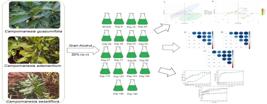
The Campomanesia stem tinctures were prepared with 20% (w:v) in grain alcohol as an extracting solvent. To do this, 500 mL of grain alcohol and 100 g of vegetable sample were added to an amber bottle; the tincture was left to rest for 30 minutes. An aliquot one was then filtered to carry out the analyses. This sample aliquot removal procedure was carried out throughout the experiment.
The analyses were conducted over six months. All analyses were performed in quintuplicate with freshly collected samples from the experiment.
Contents of phenolic compounds, flavonoids and tannins
The phenolic compound content was determined based on the Folin-Ciocalteu colorimetric method [13]. For this method, 0.5 mL of Folin-Ciocalteu reagent (1:10 v:v) and 1000 µL of distilled water were added to 100 µL of each sample, and the mixture was allowed to stand for 1 minute. Then, 1.5 mL of a 20% aqueous sodium carbonate solution was added to the reaction mixture, which was kept in the dark for 120 minutes. The absorbance was measured with a spectrophotometer at a wavelength of 760 nm. The result was expressed in µg of gallic acid equivalents (GAE) per mL of tincture.
The determination of flavonoid content followed the methodology proposed by Djeridane and coauthors [13], in which 1000 µL of each sample was added to 1000 µL of a 2% aluminum chloride solution in methanol. The solution was left to stand for 15 minutes, and the absorbance was measured with a spectrophotometer at a wavelength of 430 nm. The result was expressed in µg of rutin equivalents (RE) per mL of the tincture.
The tannin content was determined using the Folin-Denis spectrophotometric method described by Pansera and coauthors [14], with volume adjustments made to maintain the proportions. For this, 0.5 mL of Folin-Denis reagent was added to 0.5 mL of the sample; the mixture was shaken and allowed to stand for 3 minutes. Subsequently, 0.5 mL of 8% (w/v) sodium carbonate was added. The mixture was left to stand in the dark for 120 minutes, and then the absorbance was measured with a spectrophotometer at a wavelength of 725 nm. The result was expressed in µg of tannic acid equivalents (TAE) per mL of tincture.
Antioxidant potential
The antioxidant activity was evaluated using the DPPH (1,1-diphenyl-2-picrylhydrazyl) radical method [15]. For the analysis, 100 µL of each tincture was added to 2000 µL of 0.004% DPPH. The reaction mixture was left to stand in the dark for 30 minutes, and then the absorbance was measured using a spectrophotometer at a wavelength of 517 nm. The inhibition percentage was calculated according to Equation 1:
Photoprotective potential
The photoprotective potential was determined by calculating the sun protection factor (SPF), which was evaluated between 290 and 320 nm with a 5 nm reading interval. The FPS was calculated using Equation 2 [16].
According to the equation, CF corresponds to the correction factor of 10; EE λ is the erythematogenic effect of radiation [17], I λ indicates the intensity of sunlight, and Abs λ is the absorbance reading of the sample.
Chromatographic profile by UPLC-DAD
The analysis was performed on an Ultra Performace Liquid Chromatograph (UPLC) with a diodes array detector (DAD) (Shimadzu, Japan). The system had a binary bump LC-20AD, an autosampler SIL-20A HT, a collum oven CTO-20A, a DAD SPD-M20A, and a collum C18 (100 mm x 75 mm) with 2.6 µm particles (Phenomex, USA). The A solvent was 0.1% formic acid, and the B solvent was methanol (Table 1), with a spectral range of 190 to 400 nm and a resolution of 1.2 nm. The column oven was maintained at 30°C during analysis, and the flow rate was 0.45 mL min-1. The injected sample was at a concentration of 1 mg mL-1.
For qualitative analysis, benzoic acid, caffeic acid, carnosic acid, carnosol, catechin, cinnamic acid, epicatechin, ferulic acid, gallic acid, kaempferol, luteolin, naringenin, p-coumaric acid, quercetin, rosmarinic acid, rutin, salicylic acid, sinapic acid, vanillic acid, and vanillin standards (Sigma Aldrich, USA.) were prepared at 100 µg mL-1 and 1 µL were injected for analysis. The retention times and DAD spectra of the standards were compared with the sample data for identification.
Quantification was performed using analytical curves of the peak area of gallic acid, catechin, and rutin at ng levels. The wavelength used was 270 nm, as this is the wavelength that yields the best response from compounds. The rutin analytical curve was performed between 25 and 160 ng, obtaining an R2 of 0.9999. The limits of quantification and detection were 12.5 and 37.5 ng, respectively. The results were expressed in µg mL-1 of tincture.
Statistical analysis
The polynomial regression was performed on OriginPro 2018. To determine the saturation of extraction, the vertex of the parabola was calculated, and the parabola equation was used to determine the concentration of this time of extraction.
The mean content of phenolic compounds, flavonoids, tannins, antioxidant potential, and SPF was used for statistical analysis using the R language [18]. The correlation between monitored parameters was tested using Pearson's correlation coefficient, as implemented in the corrplot package [19]. The psych package calculated and expressed the significance level [20].
Principal Components Analysis (PCA) was used, employing Euclidean distance. The reliability of the Euclidean distance for the data was tested using cophenetic correlation with the vegan package [21], yielding a value of 0.9446435.
RESULTS
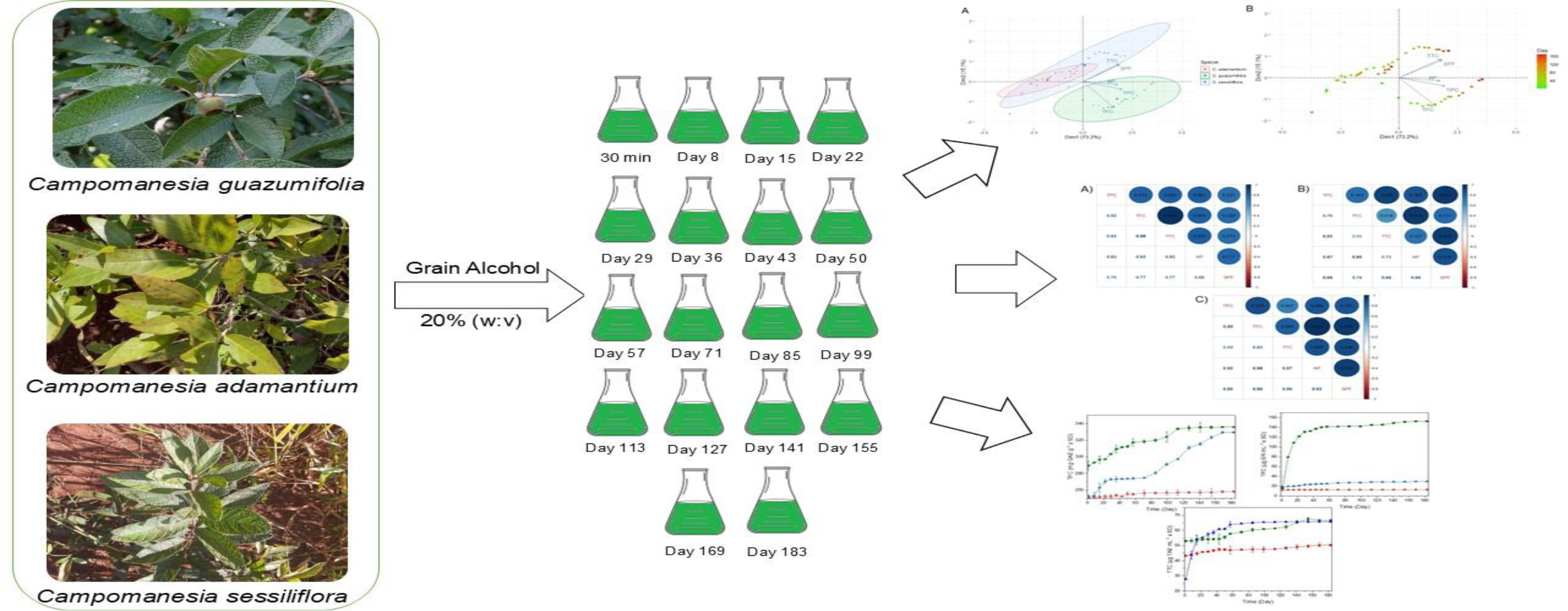
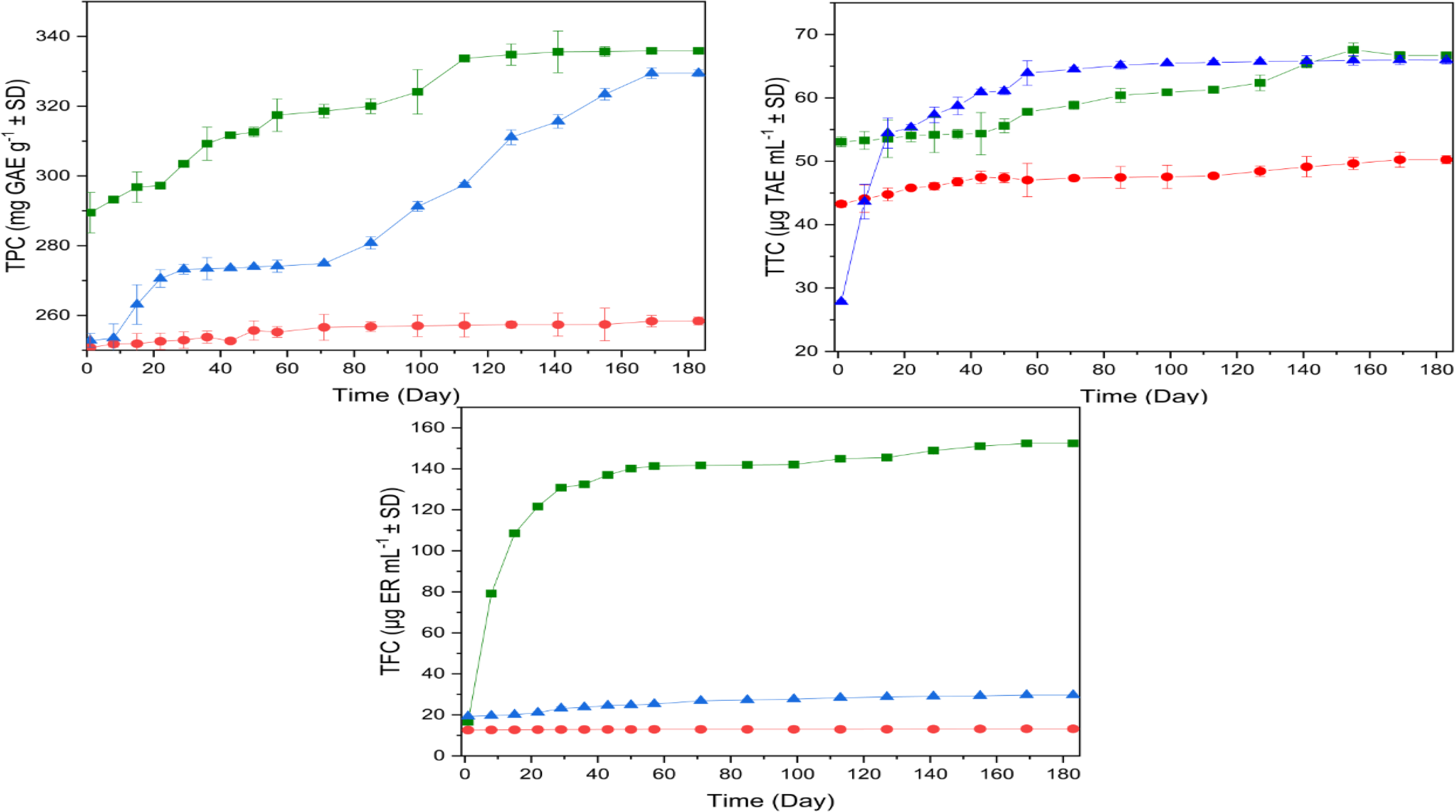
The experiments were extended for 6 months for the species C. guazumifolia, C. adamantium, and C. sessiliflora. During this period, the levels of phenolic compounds, flavonoids, and tannins were monitored, and the antioxidant and photoprotective powers were also evaluated as a function of the sample's contact time. The species had different behaviors at the time of extraction. C. guazumifolia presented better results for total phenolic compounds (TPC), total flavonoid compounds (TFC), and total tannin compounds (TTC), followed by C. sessiliflora (Figure 1).
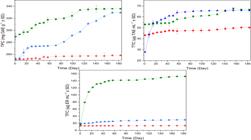
Content of total phenolic compounds (TPC), total flavonoid compounds (TFC), and total tannin compounds (TTC) at different extraction times for stem tinctures of C. guazumifolia (green squares), C. adamantium (red circles), and C. sessiliflora (blue triangles). SD = Standard deviation; GAE = Gallic acid equivalent; RE = Rutin equivalent; TAE = Tannic acid equivalent.
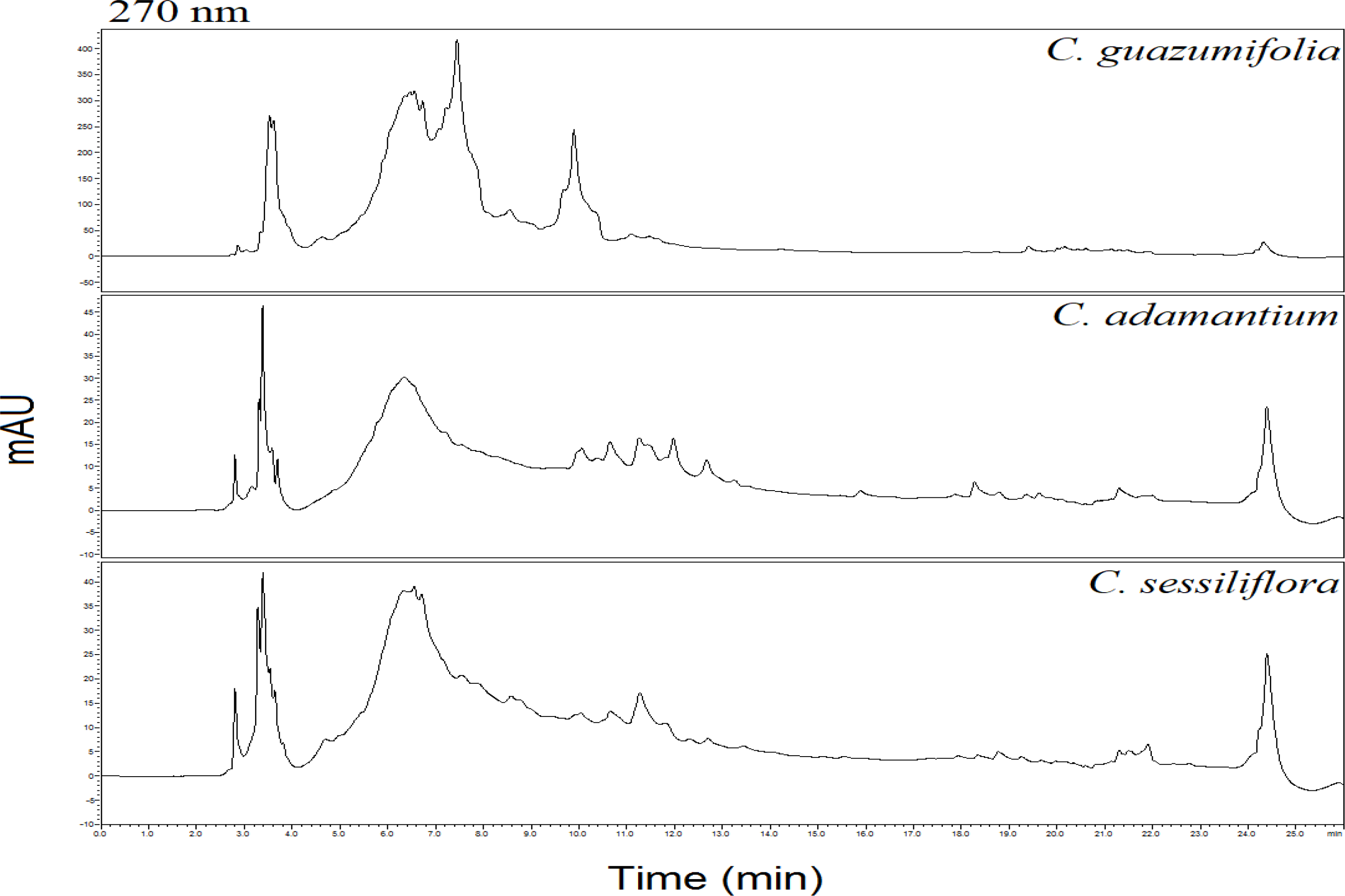
In this study, after 6 months, a chromatograph analysis was performed on each tincture species. According to the other results, C. guazumifolia presented better results for diversity and quantitative peaks in the sample. The intensity of the peak from C. guazumifolia was higher than C. adamantium and C. sessiliflora, indicating a higher content of compounds. The tincture of C. guazumifolia presented a peak absent in other tinctures (Figure 2). This result is consistent with metabolite content (Figure 1).
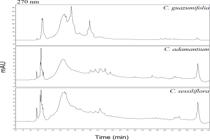
Chromatograms were obtained using a diode array detector (DAD) at 270 nm for tinctures of C. guazumifolia, C. adamantium, and C. sessiliflora stem tinctures after six months of extraction.
The list of standards used in the analyses associated with the UV spectrum and the rutin was identified and quantified in the samples. The C. guazumifolia tincture presented a higher rutin content than C. adamantium and C. sessiliflora tinctures. The content was 41.61 ± 0.72 µg mL-1 of rutin in C. guazumifolia tincture, 2.92 ± 0.10 µg mL-1 of rutin in C. adamantium tincture, and 1.15 ± 0.09 µg mL-1 of rutin in C. sessiliflora tincture. This can explain the remarkable difference between the TFC of C. guazumifolia tincture and the other species (Figure 1).
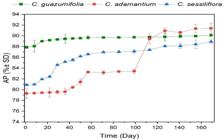
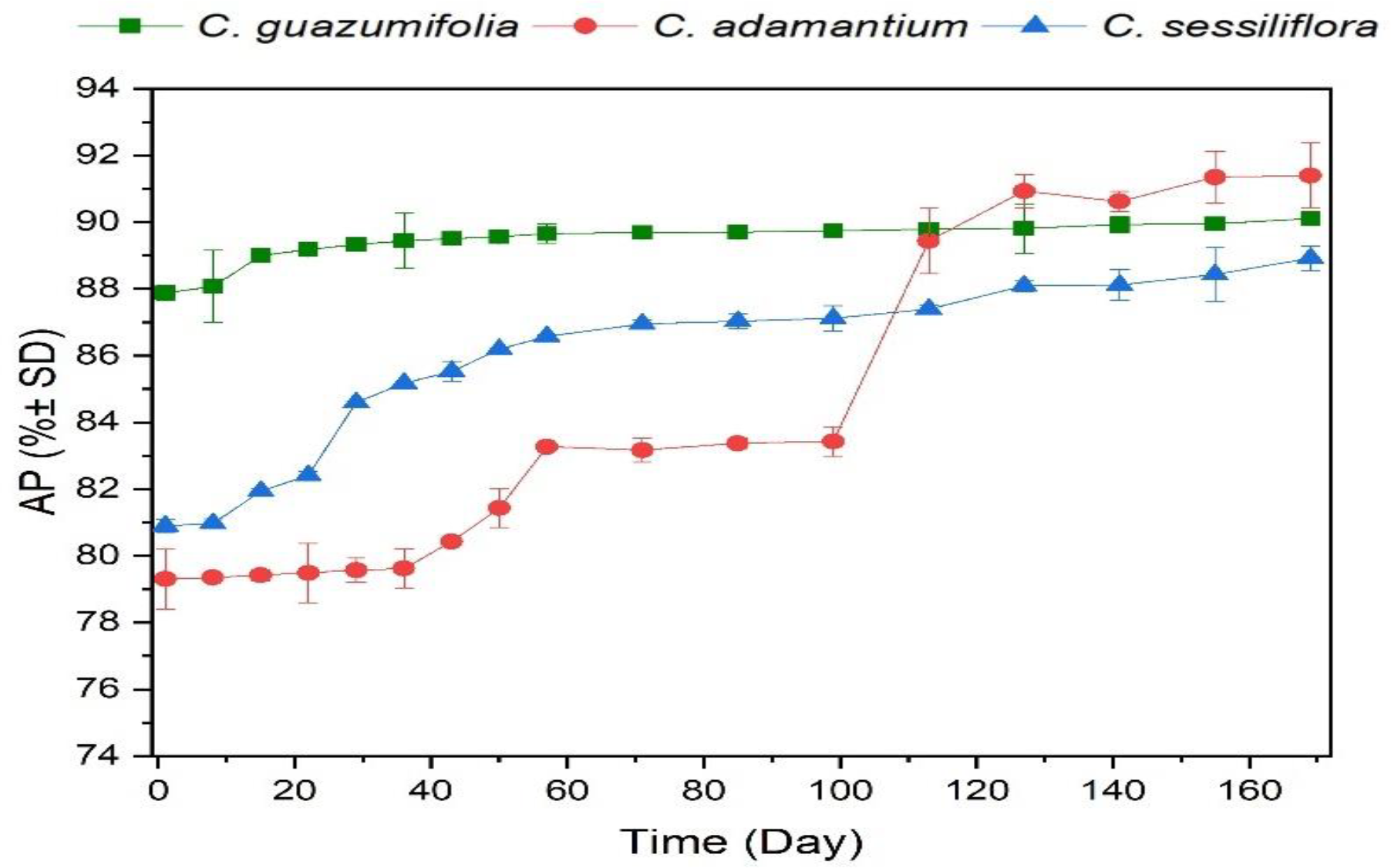
Antioxidant potential (AP) was measured using a DPPH inhibition test at different extraction times for C. guazumifolia (green square), C. adamantium (red circle), and C. sessiliflora (blue triangle) stem tinctures. SD = Standard deviation.
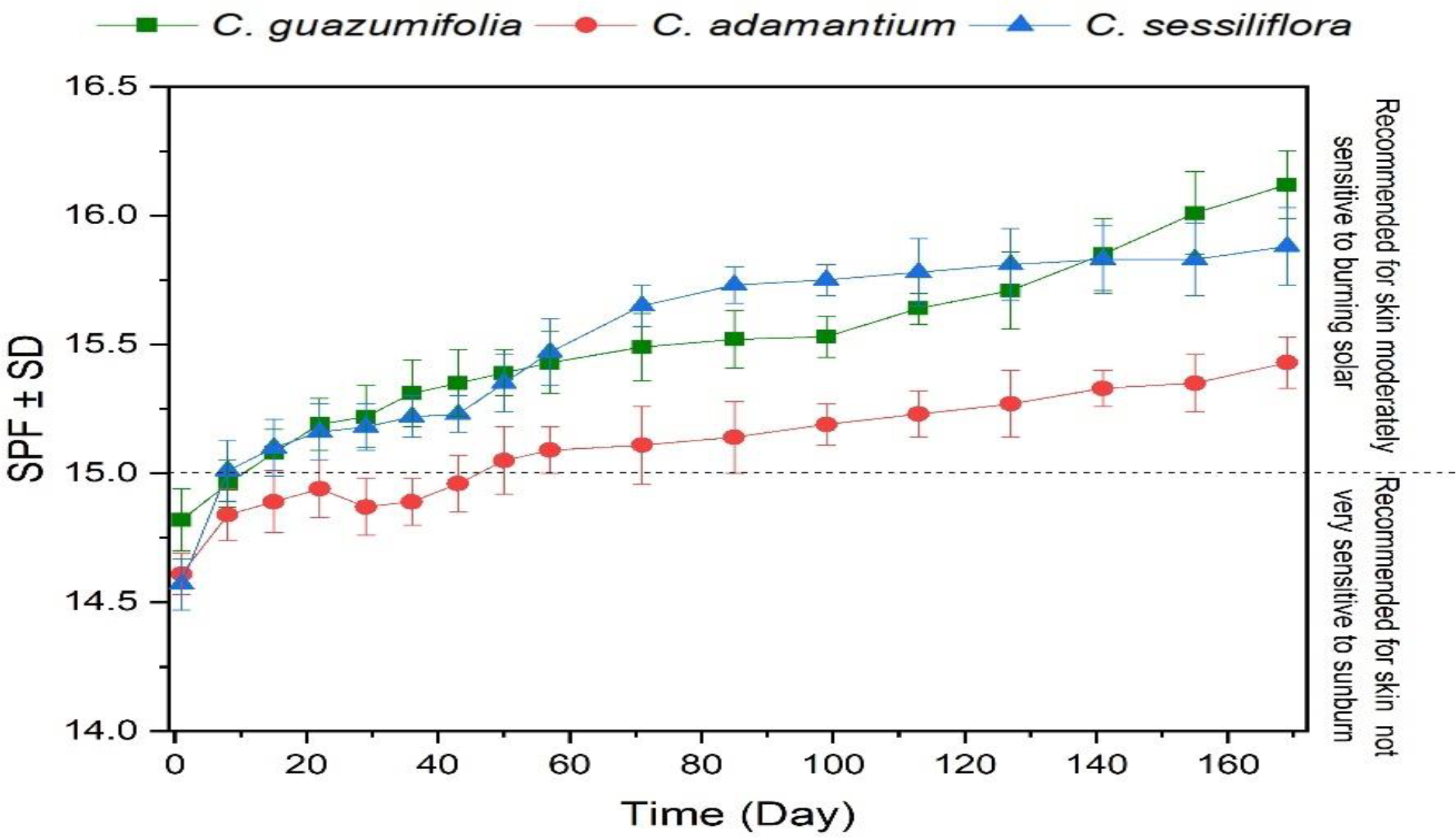
The Brazilian Health Regulatory Agency (Agência Nacional de Vigilância Sanitária - ANVISA) determines on collegiate board resolution optional information for cosmetic labels based on Sun Protection Factor (SPF), allowing the indication for use of products with SPF between 6 to 14.9 for skin not very sensitive to sunburn and 15.0 to 29.9 for skin moderately sensitive to burning solar [22]. In this sense, extraction with 7 days for C. guazumifolia and C. sessiliflora and 50 days for C. adamantium has already achieved a sufficient SPF for the indication of skin moderately sensitive to burning solar radiation (Figure 4).
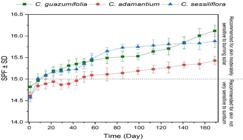
Sun Protection Factor (SPF) in vitro in different extraction times for C. guazumifolia (green square), C. adamantium (red circle), and C. sessiliflora (blue triangle) stem tinctures. SD = Standard deviation.
Based on polynomial regression, the time needed to obtain the maximum extraction for each test and species was estimated (Table 2). Some compound classes had a maximum extraction time, as seen in the TPC of C. guazumifolia and C. adamantium, the TFC of C. guazumifolia and C. sessiliflora, and the TTC of C. sessiliflora. A similar phenomenon occurred in the AP of C. guazumifolia and C. sessiliflora, as well as in the SPF of C. sessiliflora. Extraction times higher than 365 days (1 year) were not considered because these results likely indicate that the extraction was not near saturation.
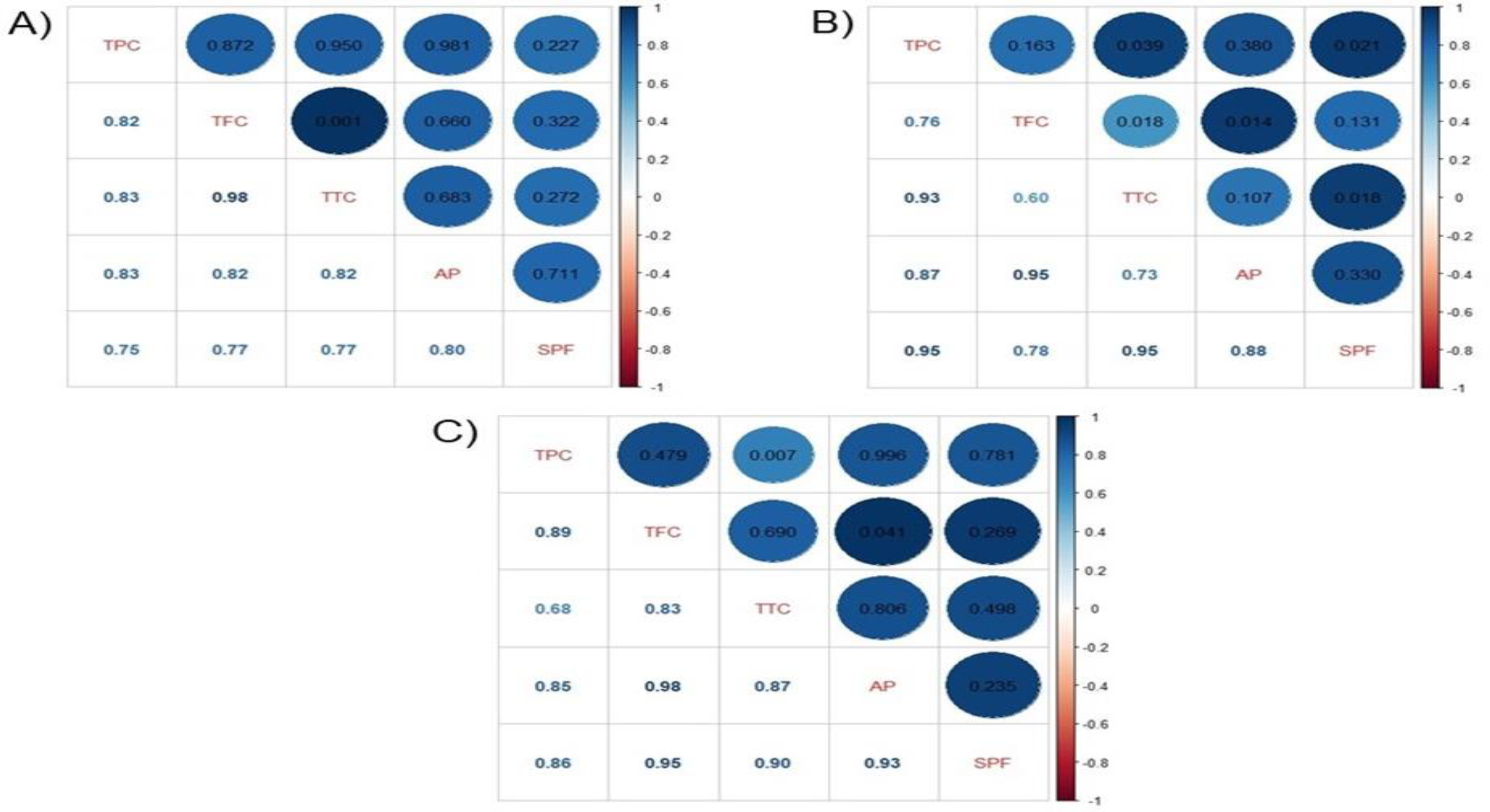
A correlation test was conducted to explain the relationship between biological potentials and secondary metabolites in the species C. adamantium, C. guazumifolia, and C. sessiliflora (Figure 5).
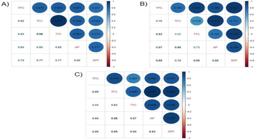
Pearson correlation between stem color parameters and chemical/biological variables for C. adamantium (A), C. guazumifolia (B), and C. sessiliflora (C). Variables: TPC = total phenolic compounds; TFC = total flavonoids; TTC = total tannins; AP = antioxidant potential; SPF = Sun Protection Factor. The color scale represents the strength and direction of the Pearson correlation coefficients, while the size of the circles is proportional to the magnitude of the correlation values.
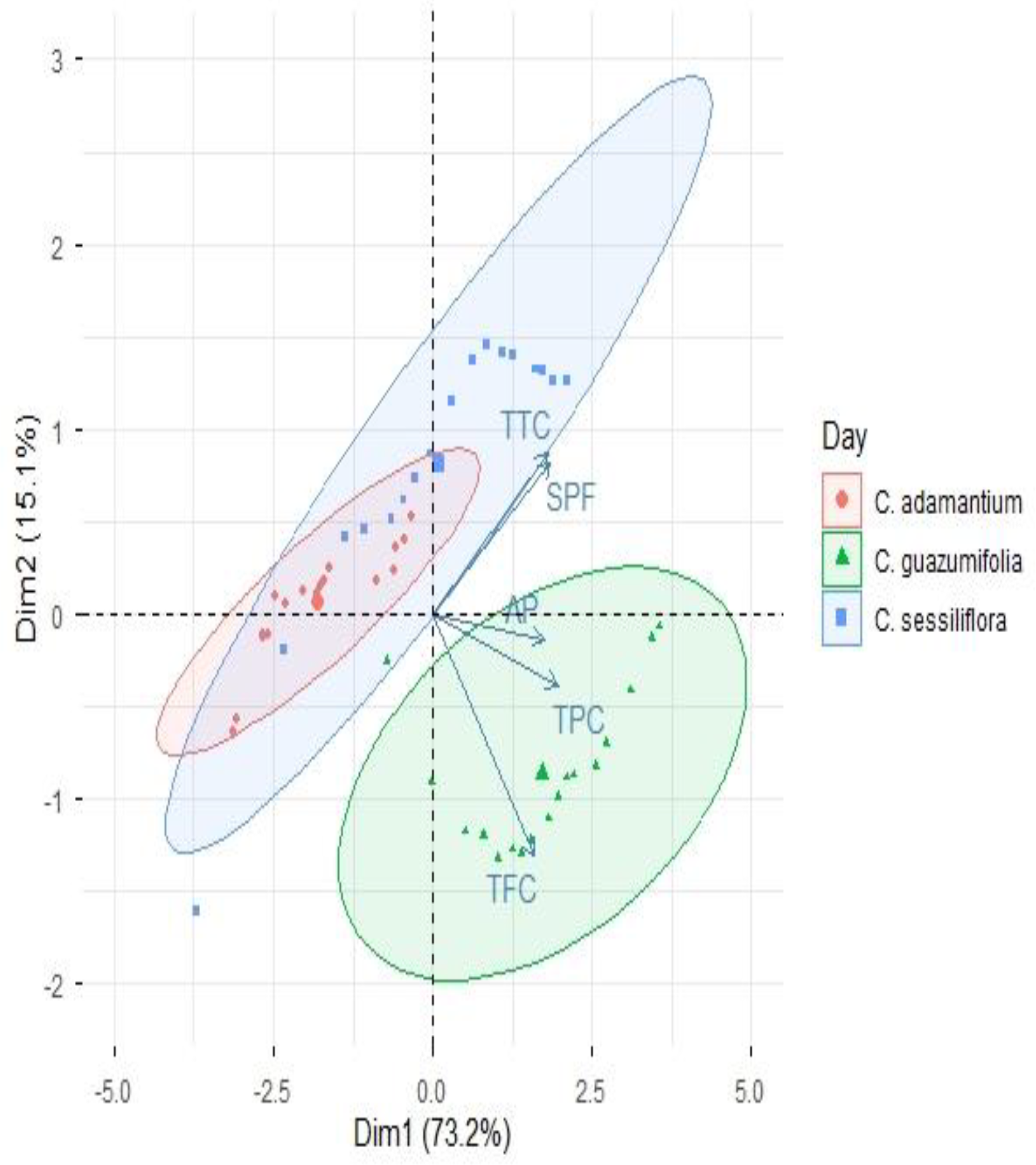
Principal Component Analysis (PCA) is a powerful tool used in various fields, including statistics, data science, biology, economics, and others. This study employed it as a statistical basis to achieve a better similarity between the samples (Figure 6).
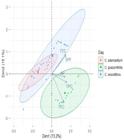
Principal Component Analysis (PCA) of stem tinctures grouped by species C. adamantium (red circles), C. guazumifolia (green triangles), and C. sessiliflora (blue squares).
DISCUSSION
The study by Catelan and coauthors [4] compared the TPC and TFC of C. guazumifolia, C. sessiliflora, C. adamantium, and Campomanesia xanthocarpa (Mart.) O.Berg ethanolic leaves extract, demonstrating the relevance of species on the content of these metabolites. However, C. adamantium had better leaf results, followed by C. guazumifolia and C. sessiliflora. In contrast, the present result for the stem (Figure 1) revealed other relationships for species, highlighting the relevance of this part of the plant in the extraction process.
In a study conducted by Kataoka and Cardoso [23], it was reported that the 80% ethanol extract of C. sessiliflora leaves in distilled water varied from 131.04 to 334.18 µg TAE mL-1 for phenolic compounds and 17.09 to 35.60 µg TAE mL-1 for flavonoids, depending on the collection period. Compared to the data from this study presented in Figure 1, the extract of the stems of this species showed similar levels of phenolic compounds and flavonoids.
Rutin is a recurrent compound in the Campomanesia genus and has been identified in the ethanolic extract of Campomanesia velutina (Cambess.) O.Berg leaves [24], aqueous extract of C. xanthocarpa leaves [25, 26], aqueous, hydroethanolic, and ethanolic extracts of C. adamantium leaves [7], and aqueous, hydroethanolic, and ethanolic extracts of C. sessiliflora leaves [10]. It was also reported in the literature to be related to the presence of rutin in C. guazumifolia, as observed in the infusion of leaves in studies by Castro and coauthors [27] and Lescano and coauthors [28].
Rutin is a secondary metabolite that serves multiple functions in plants, including regulating photosynthesis, providing UV protection, exhibiting antimicrobial action, promoting growth, and facilitating energy transfer [29]. This lipophilic profile exhibited good solubility in organic compounds, such as ethanol [30], which justifies the higher extraction yield using the tincture method.
The higher rutin content in C. guazumifolia tincture is interesting because rutin is an antioxidant [31], probably associated with the antioxidant potential observed in Figure 3 for C. guazumifolia.
Natural antioxidant extracts have been used to replace synthetic antioxidant compounds for economic reasons and to address the health implications of excessive synthetic consumption [32]. The antioxidant extracts inhibit the chain oxidation reaction, acting as a preservative that can be used in cosmetic and food products [2].
Phenolic compounds have been explored for cosmetic applications due to their antioxidant and photoprotective properties [33]. The absorptivity of phenolic compounds in the UV region is associated with their photoprotective action, as these compounds absorb radiation after it reaches the skin [34].
The data obtained for SPF (Figure 1) showed higher values than those described in the literature (Table 3). Their high SPF values indicate that the stems of C. guazumifolia, C. adamantium, and C. sessiliflora have the potential for use in cosmetic production.
The SPF propriety of the Campomanesia tinctures highlights their application in the cosmetic industry. According to the patent review by Serafini and coauthors [3], plant extracts have been incorporated into various formulations, including gels, lotions, creams, and soluble liquids. In addition, the antioxidant potential of these extracts is relevant for this application because they are associated with the treatment of sun-stressed skin and anti-aging effects [34].
In general, C. guazumifolia has the potential to obtain better results than the other species monitored, considering the maximum extraction value estimated (Table 2), except for the estimated values and TTC for C. sessiliflora. However, the time required to obtain these values necessitated a clearer relationship with the species, demonstrating a complex dynamic of kinetic extraction. The ideal time of extraction depends on the application and species. In this sense, the equation of statistical modeling can be used to estimate the expected result for the parameters studied.
For the species C. sessiliflora, a correlation was observed between flavonoids (TFC) and antioxidant potential (AP) (Figure 3). For C. guazumifolia, correlations were found between solar protection factor (SPF) and both phenolic compounds (TPC) and tannins (TTC), as well as between TFC (Figure 1) and AP (Figure 3). No significant correlation was observed for C. adamantium. Phenolic compounds and flavonoids, commonly found in plants, are considered important for their antioxidant potential, with this action primarily due to their redox properties [13, 36, 37].
Phenolic compounds are excellent antioxidant agents due to their high capacity to inhibit radicals. They reduce the release of hydrogen atoms and thus provide greater stability, which inhibits the chain reaction caused by radicals [38]. A plant's potential depends on its genetics and the environmental conditions in which it grows [39]. Therefore, the different results in the correlations observed in this study may be attributed to the chemical differences among the species in terms of the specific compounds present and their respective concentrations.
According to Chagas and coauthors [40], oxidative stress, often resulting from mitochondrial dysfunction and inflammation, leads to cellular damage and impairs physiological regulation. Given this connection, the antioxidant properties observed in the Campomanesia stem tinctures suggest a potential anti-inflammatory effect, which warrants investigation in future studies. Moreover, the antioxidant potential also supports the exploration of this tincture for possible nutraceutical applications.
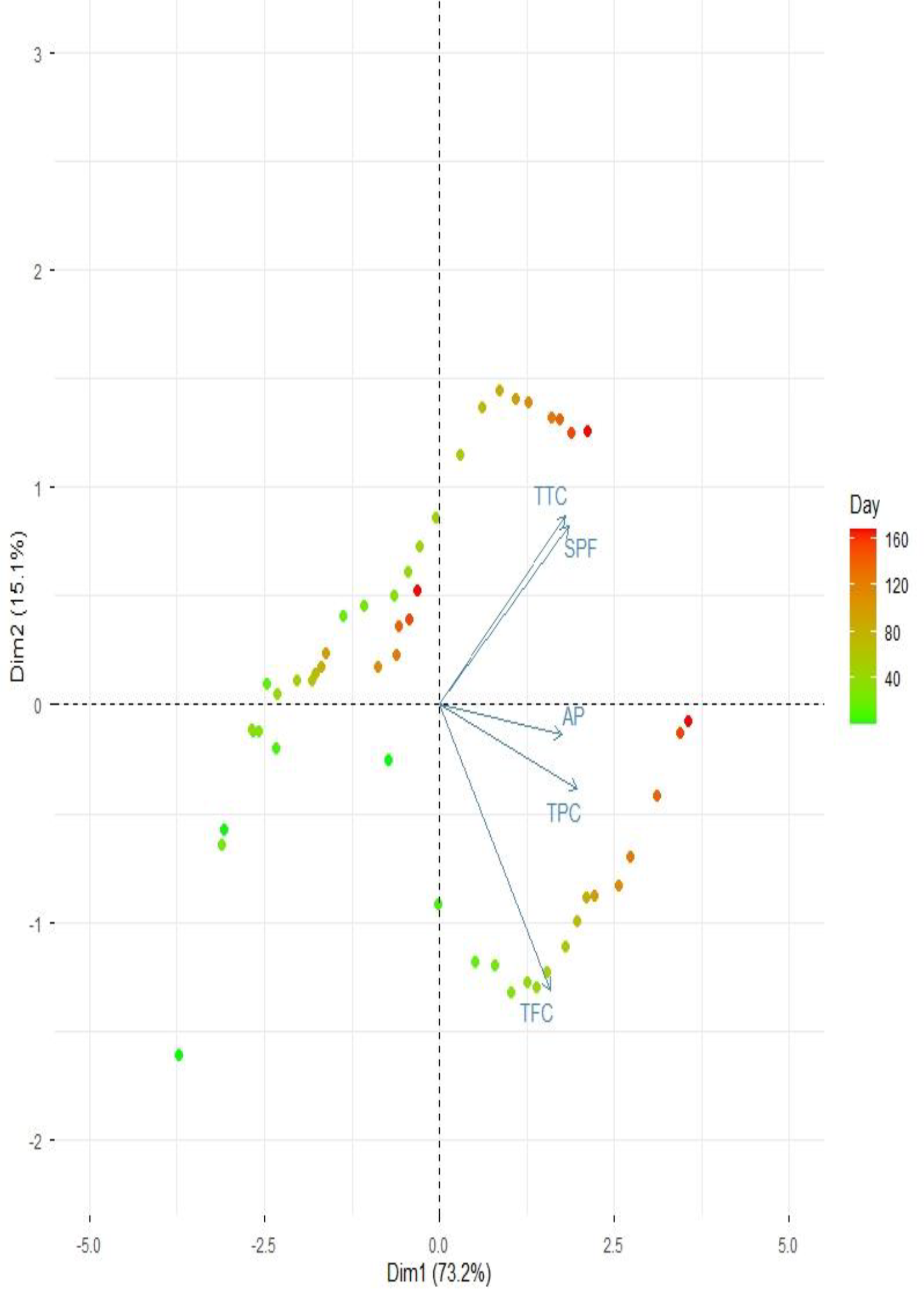
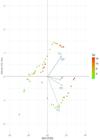
After performing the PCA of the three samples (Figure 6), it can be observed that C. adamantium and C. sessiliflora show similarity, while C. guazumifolia differs from the others. Additionally, C. adamantium exhibited the least variation over the contact time, whereas C. sessiliflora showed greater variation during the contact time (Figure 7). The C. guazumifolia sample differed from the other two species, a difference attributed to the results concerning phenolic compounds, antioxidant activity, and flavonoids.
The most advanced domestication studies have focused on C. adamantium [41]. However, C. guazumifolia is already cultivated in urban afforestation, home gardens, and agroforestry systems [42], indicating its high potential for large-scale field cultivation. In contrast, the cultivation of C. sessiliflora remains unexplored. Notably, the use of stems as pruning residues with potential commercial applications could contribute to the economic viability of exploiting these species.
Although the present study demonstrates promising bioactive properties of Campomanesia stem tinctures for cosmetic applications, future research should include comprehensive toxicity assessments (in vitro or in vivo) to ensure the safety and suitability of these extracts for human use.
CONCLUSION
The stems of Campomanesia species, traditionally considered pruning residues without industrial or medicinal use, demonstrated significant potential as a valuable bioresource in this study. Tinctures from the stems of C. guazumifolia, C. adamantium, and C. sessiliflora were rich in phenolic compounds, flavonoids, and tannins, which contribute to antioxidant and photoprotective activities.
The study confirmed the hypotheses that (1) stems contain phenolic compounds comparable to leaves, (2) stem extracts have the potential for cosmetic applications, and (3) composition and bioactivity vary significantly among species. Extraction kinetics revealed relevant sun protection factor (SPF) values, with C. guazumifolia showing the greatest photoprotective potential.
These findings highlight the underexploited potential of Campomanesia stems as a natural source for cosmetics, promoting sustainable bioeconomic development by converting pruning waste into eco-friendly products. Future research should focus on optimizing extraction methods, scaling production, and exploring additional applications in pharmaceuticals and nutraceuticals. Particularly, C. guazumifolia warrants further investigation due to its promising bioactive profile. Valorizing these plant residues aligns with circular economy principles and fosters innovation in sustainable resource use.
-
Funding:
This research received no external funding of Fundação de Apoio ao Desenvolvimento do Ensino, Ciência e Tecnologia do Estado de Mato Grosso do Sul (FUNDECT) (71/051.281/2022; 676/2022 e SIAFEM 32612)
Acknowledgments:
coordenação de Aperfeiçoamento de Pessoal de Nível Superior (CAPES), for granting the Doctorate’s degree scholarship to TLAC (Finance code 001). Conselho Nacional de Desenvolvimento Científico e Tecnológico (CNPq) for CALC (process 306065/2025-8). Universidade Estadual de Mato Grosso do Sul for Scientific Initiation for MRS.
-
Institutional Review Board Statement:
Not applicable
-
Informed Consent Statement:
Not applicable
Data Availability Statement:
Research data are only available upon request for corresponding author.
REFERENCES
-
1 Zorgetto-Pinheiro VA, Kuff HM, Machado GT, Guimarães RCA, Pott A, Campos RP, et al. Biotechnological and socio-environmental potential of Campomanesia adamantium (Myrtaceae): an interdisciplinary review. Braz. J. Biol. 2023;83:e273473. doi:10.1590/1519-6984.273473
» https://doi.org/10.1590/1519-6984.273473 -
2 Abeyrathne EDNS., Nam K, Huang X, Ahn DU. Analytical Methods for Lipid Oxidation and Antioxidant Capacity in Food Systems. Antioxidants. 2022; 10(10): e1025. doi:10.3390/antiox10101587
» https://doi.org/10.3390/antiox10101587 -
3 Serafini MR, Guimarães AG, Quintans JSS, Araújo AS, Nunes PS, Quintans-Júnior LJ. Natural compounds for solar photoprotection: a patent review. Expert. Opin. Ther. Pat. 2015; 25(4): 467-78. doi:10.1517/13543776.2014.1000863
» https://doi.org/10.1517/13543776.2014.1000863 -
4 Catelan TBS, Gaiola L, Duarte BF, Cardoso CAL. Evaluation of the in vitro photoprotective potential of ethanolic extracts of four species of the genus Campomanesia J. Photochem. Photobiol. B Biol. 2019; 197: e111500. doi:10.1016/j.jphotobiol.2019.04.009
» https://doi.org/10.1016/j.jphotobiol.2019.04.009 -
5 Castro TLA, Duarte BF, Cardoso CAL. Photoprotective action, antioxidant activity, and toxicity of aqueous extracts of Campomanesia sessiliflora O. Berg. Rev. Col. Quim. 2022; 50(3): 10-5. doi:10.15446/rev.colomb.quim.v50n3.97095
» https://doi.org/10.15446/rev.colomb.quim.v50n3.97095 -
6 Castro TLA, Santos JVA, Oliveira KMP, Cardoso CAL. Peels of the fruits of Campomanesia guazumifolia (cambess) O. berg and Campomanesia sessiliflora (O. Berg) mattos: Residues with cosmetic and food potentials. Sustain. Chem. Pharm. 2023a; 35: e101198. doi:10.1016/j.scp.2023.101198
» https://doi.org/10.1016/j.scp.2023.101198 -
7 Castro TLA, Souza LP, Lima-Junior SE, Cardoso CAL. Optimization of obtaining extracts with photoprotective and antioxidant potential from Campomanesia adamantium (Cambess.) O. Berg. Sustain. Chem. Pharm. 2023b; 31: e100945. doi:10.1016/j.scp.2022.100945
» https://doi.org/10.1016/j.scp.2022.100945 -
8 Alara OR, Abdurahman NH, Ukaegbu CI. Extraction of phenolic compounds: A review. Current Res. Food Sci. 2021; 4: 200-14. doi:10.1016/j.crfs.2021.03.011
» https://doi.org/10.1016/j.crfs.2021.03.011 -
9 Smiechowska M, Dmowski P, Skowierzak L. Edible Flowers’ Antioxidant Properties and Polyphenols Content Reflect Their Applicability for Household and Craft Tincture Production. Appl. Sci 2021; 11: e10095. doi:10.3390/app112110095
» https://doi.org/10.3390/app112110095 -
10 Loureiro RP, Castro TLA, Cardoso CAL. Optimization of the extraction of bioactive compounds from the leaves of Campomanesia sessiliflora (O. Berg) Mattos: Standardizing the utilization of a new resource. J. Appl. Res. Med. Arom. Plants. 2025; 44: e100615. doi:10.1016/j.jarmap.2024.100615
» https://doi.org/10.1016/j.jarmap.2024.100615 -
11 Cavalcanti RN, Koshima CC, Forster-Carneiro T, Gomes MTMS, Rostagno MA, Prado JM, et al. Uses and Applications of Extracts from Natural Sources. In: Prado, J., Rostagno, M. (Eds.), Natural Product Extraction: Principles and Applications, 2nd edn. The Royal Society of Chemistry; 2022. p. 1-65. doi:10.1039/9781839165894-00001
» https://doi.org/10.1039/9781839165894-00001 -
12 Hoang HT, Moon J-Y, Lee Y-C. Natural Antioxidants from Plant Extracts in Skincare Cosmetics: Recent Applications, Challenges and Perspectives. Cosmetics, 2021; 8(4):e106. doi:10.3390/cosmetics8040106
» https://doi.org/10.3390/cosmetics8040106 -
13 Djeridane A, Yousfi M, Nadjemi B, Boutassouna D, Stockerc P, Vidal N. Antioxidant activity of some algerian medicinal plants extracts containing phenolic compounds. Food Chem. 2006; 97(1): 654-60. doi:10.1016/j.foodchem.2005.04.028
» https://doi.org/10.1016/j.foodchem.2005.04.028 -
14 Pansera MR, Santos ACA, Wasum R, Rossato M, Rota LD, Pauletti GF, et al. Análise de taninos totais em plantas aromáticas e medicinais cultivadas no Nordeste do Rio Grande do Sul. Rev. Bras. Farmacogn. 2003; 13(1): 17-23. doi:10.1590/S0102-695X2003000100002
» https://doi.org/10.1590/S0102-695X2003000100002 -
15 Capanoglu E, Beekwilder J, Boyacioglu D, Hall R, Vos R. Changes in Antioxidant and Metabolite Profiles during Production of Tomato Paste. J. Agric. Food Chem. 2008; 56(3): 964-73. doi:10.1021/jf072990e
» https://doi.org/10.1021/jf072990e - 16 Mansur JS, Breder MNR, Mansur MCA, Azulay RD. Determination of sun protection factor (SPF) of sunscreens by ultraviolet spectrophotometry. Anais Bras. Dermatol. 1986; 61(3): 121-4.
-
17 Sayre RM, Agin PP, LeVee GJ, Marlowe E. A comparison of in vivo and in vitro testing of sunscreening formulas. Photochem Photobiol. 1979; 29(3): 559-66. doi:10.1111/j.1751-1097.1979.tb07090.x
» https://doi.org/10.1111/j.1751-1097.1979.tb07090.x -
18 R Core Team [Internet] R: A language and environment for statistical computing. R Foundation for Statistical Computing, Vienna, Austria. [cited 2024 Aug 13]. Available from: https://www.R-project.org/
» https://www.R-project.org/ -
19 Wei T, Simko V. [Internet] R package 'corrplot': Visualization of a Correlation Matrix (Version 0.92). [Cited 2024 Aug 13]. Available from: https://github.com/taiyun/corrplot
» https://github.com/taiyun/corrplot -
20 Revelle W. [Internet] psych: Procedures for Psychological, Psychometric, and Personality Research. Northwestern University, Evanston, Illinois. R package version 2.4.1. Available from: https://CRAN.R-project.org/package=psych
» https://CRAN.R-project.org/package=psych -
21 Oksanen J, Simpson GL, Blanchet FG, Legendre RK, Minchin PR, O'Hara RB, et al. [Internet]. vegan: Community Ecology Package. R package version 2.6-2. [Cited 2024 Aug 13]. Available from: https://CRAN.R-project.org/package=vegan
» https://CRAN.R-project.org/package=vegan -
22 ANVISA [Internet]. Dispõe sobre protetores solares e produtos multifuncionais em cosméticos e internaliza a Resolução GMC MERCOSUL nº 08/2011. Resolução da Diretoria Colegiada - RDC nº 629, de 10 de março de 2022. [Cited 2024 Aug 13]. Available from: https://antigo.anvisa.gov.br/documents/10181/6407780/RDC_629_2022_.pdf/8afdb838-af85-4690-a9f7-842ba38119ee
» https://antigo.anvisa.gov.br/documents/10181/6407780/RDC_629_2022_.pdf/8afdb838-af85-4690-a9f7-842ba38119ee -
23 Kataoka VMF, Cardoso CAL. Avaliação do perfil cromatográfico obtidos por CLAE-DAD e da atividade antioxidante das folhas de espécies Campomanesia sessiliflora (O. Berg) Mattos e Campomanesia xanthocarpa O. Berg. Rev. Bras. Plant. Med. 2013; 15: 121-9. doi:10.1590/S1516-05722013000100017
» https://doi.org/10.1590/S1516-05722013000100017 -
24 Araújo MCPM, Ferraz-Filha ZS, Ferrari FC, Saúde-Guimarães DA. Campomanesia velutina leaves extracts exert hypouricemic effects through inhibition of xanthine oxidase and ameliorate inflammatory response triggered by MSU crystals. Rev. Bras. Farmacogn. 2016; 26(6): 720-727. doi:10.1016/j.bjp.2016.05.016
» https://doi.org/10.1016/j.bjp.2016.05.016 -
25 Pastori T, Flores FC, Boligon AA, Athayde ML, Silva CB, Canto-Dorow TS, et al. Genotoxic effects of Campomanesia xanthocarpa extracts on Allium cepa vegetal system. Pharm. Biol. 2013; 51(10): 1249-55. doi:10.3109/13880209.2013.786097
» https://doi.org/10.3109/13880209.2013.786097 -
26 Klafke JZ, Pereira RLD, Hirsch GE, Parisi MM, Porto FG, Almeida AS, et al. 2016. Study of oxidative and inflammatory parameters in LDLr-KO mice treated with a hypercholesterolemic diet: Comparison between the use of Campomanesia xanthocarpa and acetylsalicylic acid. Phytomedicine, 23(11): 1227-34. doi:10.1016/j.phymed.2015.11.010
» https://doi.org/10.1016/j.phymed.2015.11.010 -
27 Castro TLA, Catelan TBS, Santos JVA, Oliveira KMP, Cardoso CAL. Chemical composition and biological activities of the infusion of leaves of Campomanesia guazumifolia (Cambess.) O.Berg: Tea with nutraceutical and medicinal potential. Food Humanity. 2023; 1: 912-20. doi:10.1016/j.foohum.2023.08.007
» https://doi.org/10.1016/j.foohum.2023.08.007 -
28 Lescano CH, Lima FF, Catelan TBS, Guimarães VHD, Pereira UA, Aguilar CM, Cardoso CAL, Santos SHS, Borges A, Oliveira IP. Campomanesia guazumifolia infusion decreases human platelet aggregation by reducing cyclooxygenase 1 activity and its underlying mechanisms. Food Biosci. 2023; 55: e102955. doi:10.1016/j.fbio.2023.102955
» https://doi.org/10.1016/j.fbio.2023.102955 -
29 Gorni PH, Lima GR, Pereira LMO, Spera KD, Lapaz AM, Pacheco AC. Increasing plant performance, fruit production and nutritional value of tomato through foliar applied rutin. Sci. Hortic. 2022; 194: e110755. doi:10.1016/j.scienta.2021.110755
» https://doi.org/10.1016/j.scienta.2021.110755 -
30 Negahdari R, Bohlouli S, Sharrifi S, Dizaj SM, Saadat YR, Khezri K, Jafari S, Ahmadian E, Jahandizi NG, Raeesi S. Therapeutic benefits of rutin and its nanoformulations. Therapeutic benefits of rutin and its nanoformulations. Phytother. Res., 2020; 35(4): 1719-38. doi:10.1002/ptr.6904
» https://doi.org/10.1002/ptr.6904 -
31 Enogieru AB, Haylett W, Hiss DC, Bardien S, Ekpo OE. Rutin as a Potent Antioxidant: Implications for Neurodegenerative Disorders. Oxid. Med. Cell. Longev. 2018; 2018, 1-17. doi:10.1155/2018/6241017
» https://doi.org/10.1155/2018/6241017 -
32 Lourenço SC, Moldão-Martins M, Alves VD. Antioxidants of Natural Plant Origins: From Sources to Food Industry Applications. Molecules. 2019; 24: e4132. doi:10.3390/molecules24224132
» https://doi.org/10.3390/molecules24224132 -
33 Panzella, L. Natural Phenolic Compounds for Health, Food and Cosmetic Applications. Antioxidants, 2020; 9(5): e427. doi:10.3390/antiox9050427
» https://doi.org/10.3390/antiox9050427 -
34 Castro TLA, Pinto GAC, Cardoso CAL. A Systematic Review of the Photoprotective Potential of Native Edible Plants from Mato Grosso do Sul, Brazil. Orbital: Electron. J. Chem. 2022; 14(3): 182-9. doi:10.17807/orbital.v14i3.17430
» https://doi.org/10.17807/orbital.v14i3.17430 -
35 Cherubim DJL, Martins CVB, Fariña LO, Lucca RAS. Polyphenols as natural antioxidants in cosmetics applications. J. Cosmet. Dermatol. 2019; 19(1): 33-7. doi:10.1111/jocd.13093
» https://doi.org/10.1111/jocd.13093 -
36 Mukherjee PK, Maity N, Nema NK, Sarkar BK. Bioactive compounds from natural resources against skin aging. Phytomedicine. 2011; 19(1): 64-73. doi:10.1016/j.phymed.2011.10.003
» https://doi.org/10.1016/j.phymed.2011.10.003 -
37 Yordi EG, Perez EM, Matos MJ, Villares UV. Antioxidant and Pro-Oxidant Effects of Polyphenolic Compounds and Structure-Activity Relationship Evidence. In: Nutrition, Well-Being Health. Bouyaed; Intechopen. 2012, p. 24-41. doi:10.5772/29471
» https://doi.org/10.5772/29471 -
38 Lv QZ, Long JT, Gong ZF, Nong KY, Liang XM, Qin T, et al. Current State of Knowledge on the Antioxidant Effects and Mechanisms of Action of Polyphenolic Compounds. Natural Prod. Communications. 2021; 16(7). doi:10.1177/1934578X211027745
» https://doi.org/10.1177/1934578X211027745 -
39 Muflihah YM, Gollavelli G, Ling YC. Correlation Study of Antioxidant Activity with Phenolic and Flavonoid Compounds in 12 Indonesian Indigenous Herbs. Antioxidants. 2021; 10(10), e1530. doi:10.3390/antiox10101530
» https://doi.org/10.3390/antiox10101530 -
40 Chagas MSS, Behrens MD, Moragas-Tellis CJ, Penedo GXM, Silva AR, Golçalves-de-Albuquerque CF. Flavonols and Flavones as Potential anti-Inflammatory,Antioxidant, and Antibacterial Compounds. Oxid. Med. Cell. Longev. 2022; 2022, ID 9966750. doi:10.1155/2022/9966750
» https://doi.org/10.1155/2022/9966750 -
41 Zorgetto-Pinheiro VA, Kuff HM, Machado GT, Guimarães RCA, Pott A, Campos RP, et al. Biotechnological and socio-environmental potential of Campomanesia adamantium (Myrtaceae): an interdisciplinary review. Braz. J. Biol. 2023; 83, e273473. doi:10.1590/1519-6984.273473
» https://doi.org/10.1590/1519-6984.273473 -
42 Castro TLA, Cardoso CAL. Campomanesia guazumifolia (Cambess.) O. Berg: Ethnobotany, cultivation and potentialities. Scientia Naturalis. 2023; 5(2): 874-96. doi:10.29327/269504.5.2-27
» https://doi.org/10.29327/269504.5.2-27
-
Editor-in-Chief:
Paulo Vitor Farago
-
Associate Editor:
Jane Manfron