 Emergence Rate and N Metabolism Assessment of Herbaceous Cotton (Gossypium hirsutum l.r. latifolium Hutch) in Soil with High Boron Concentrations
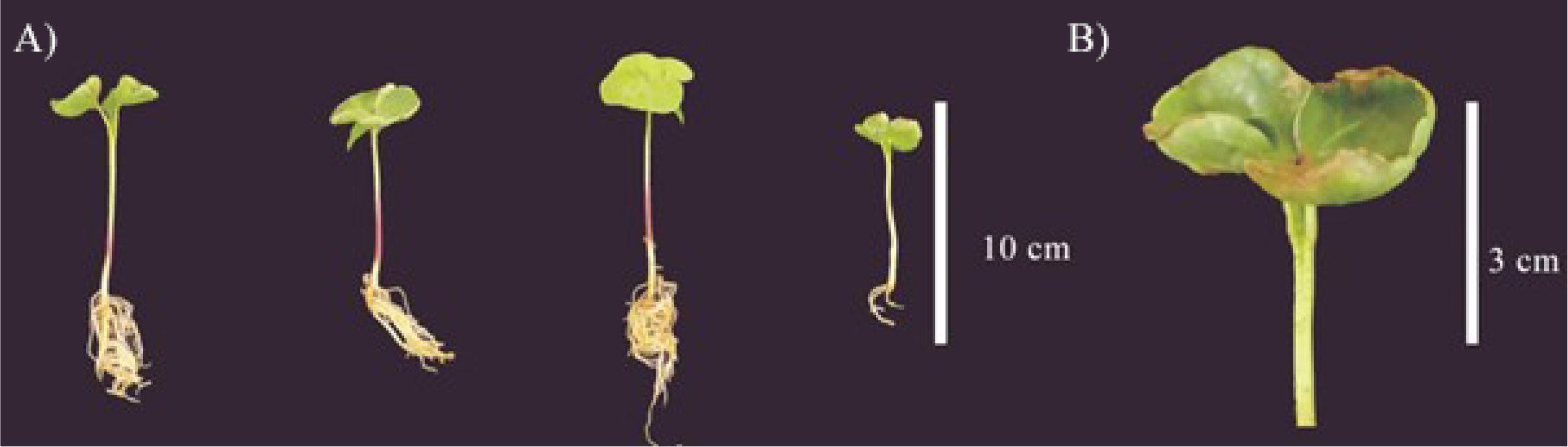
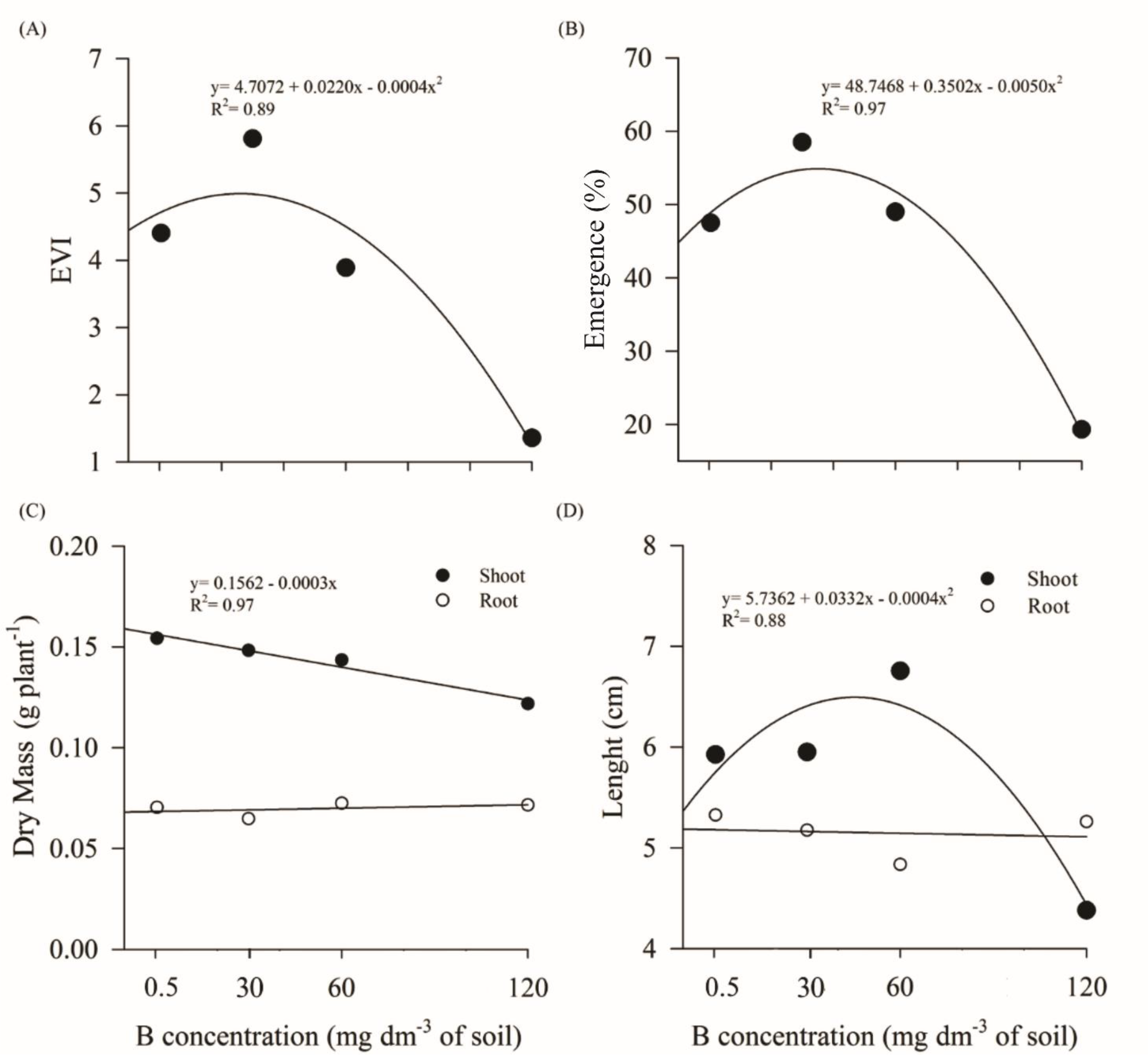
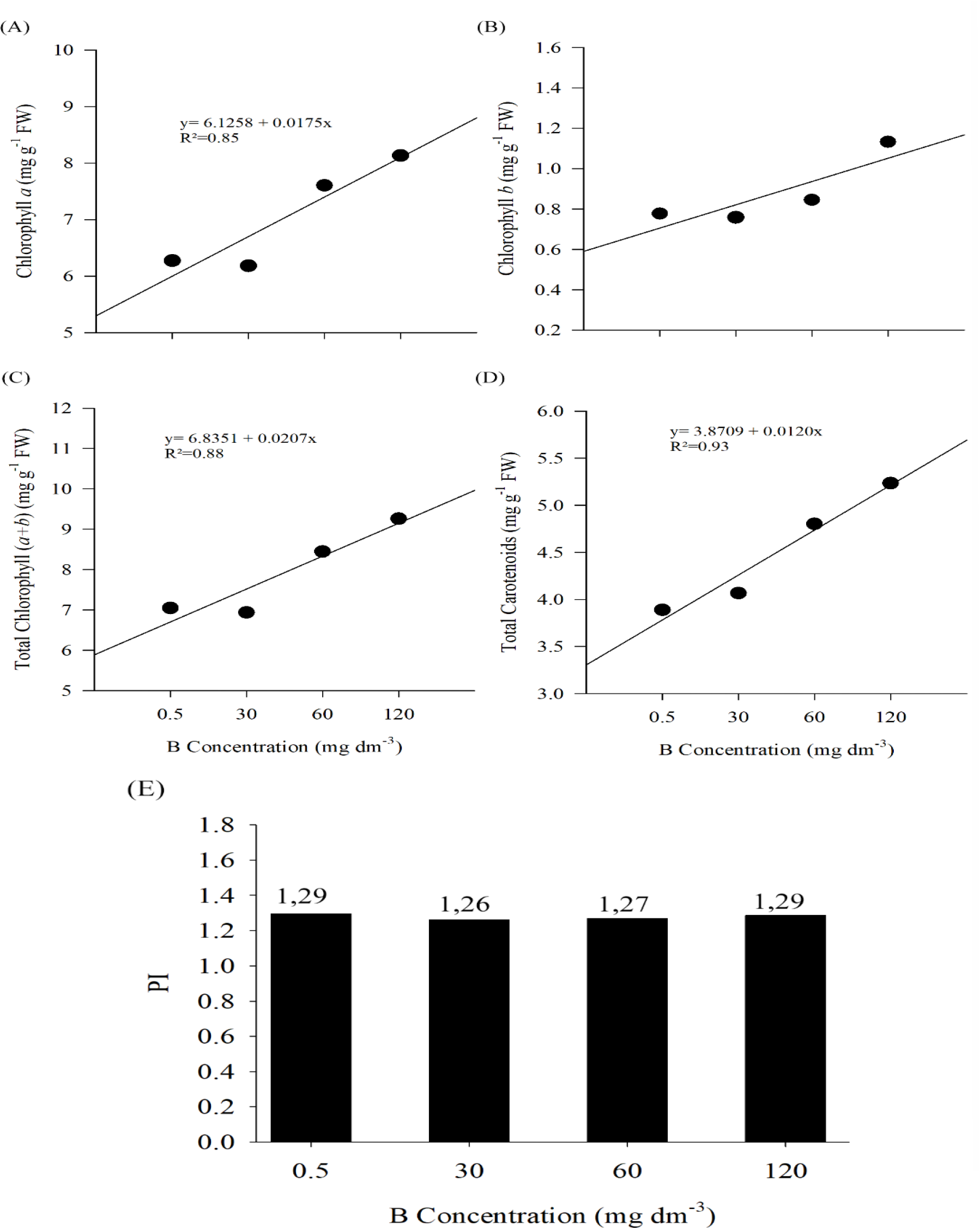
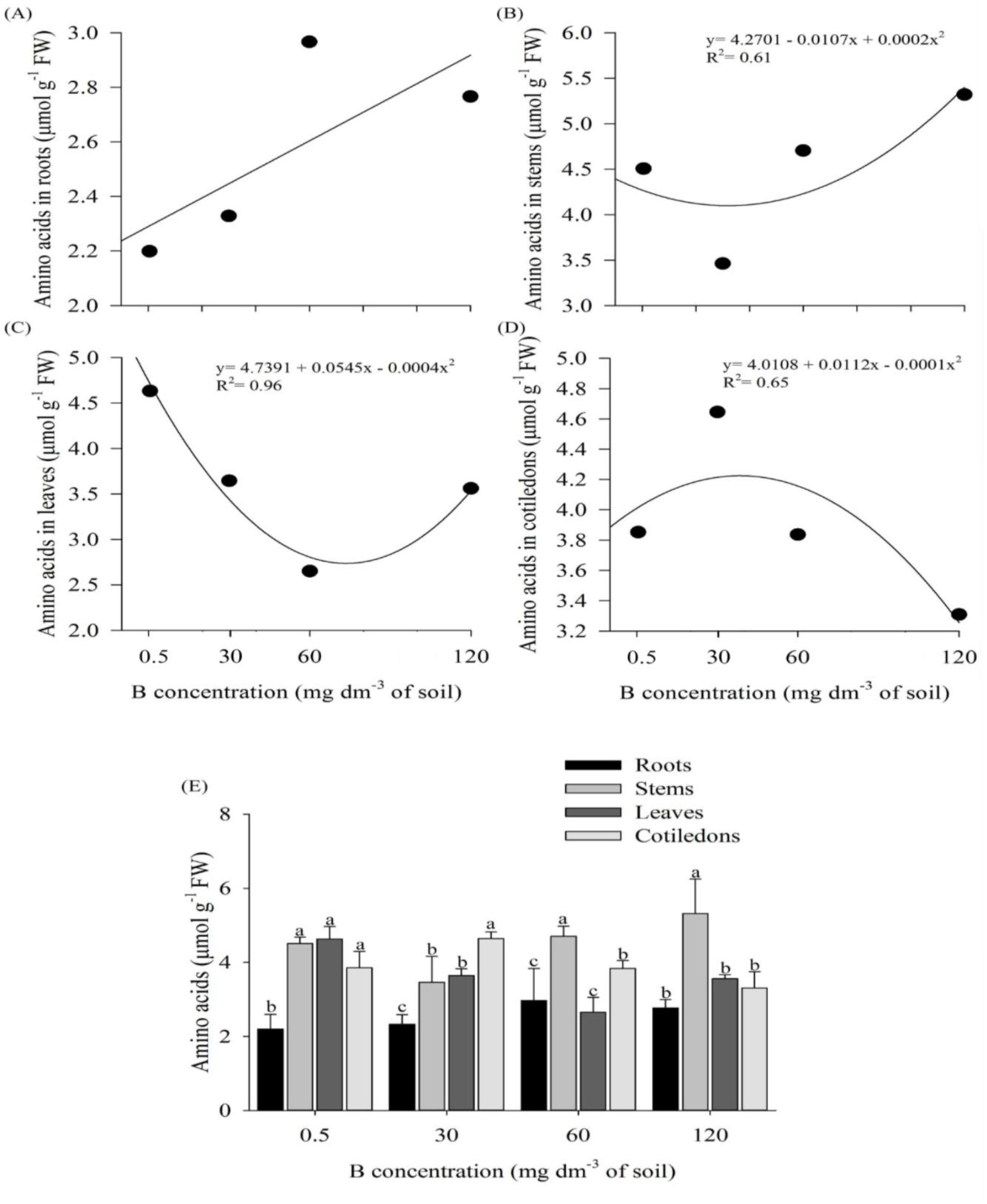
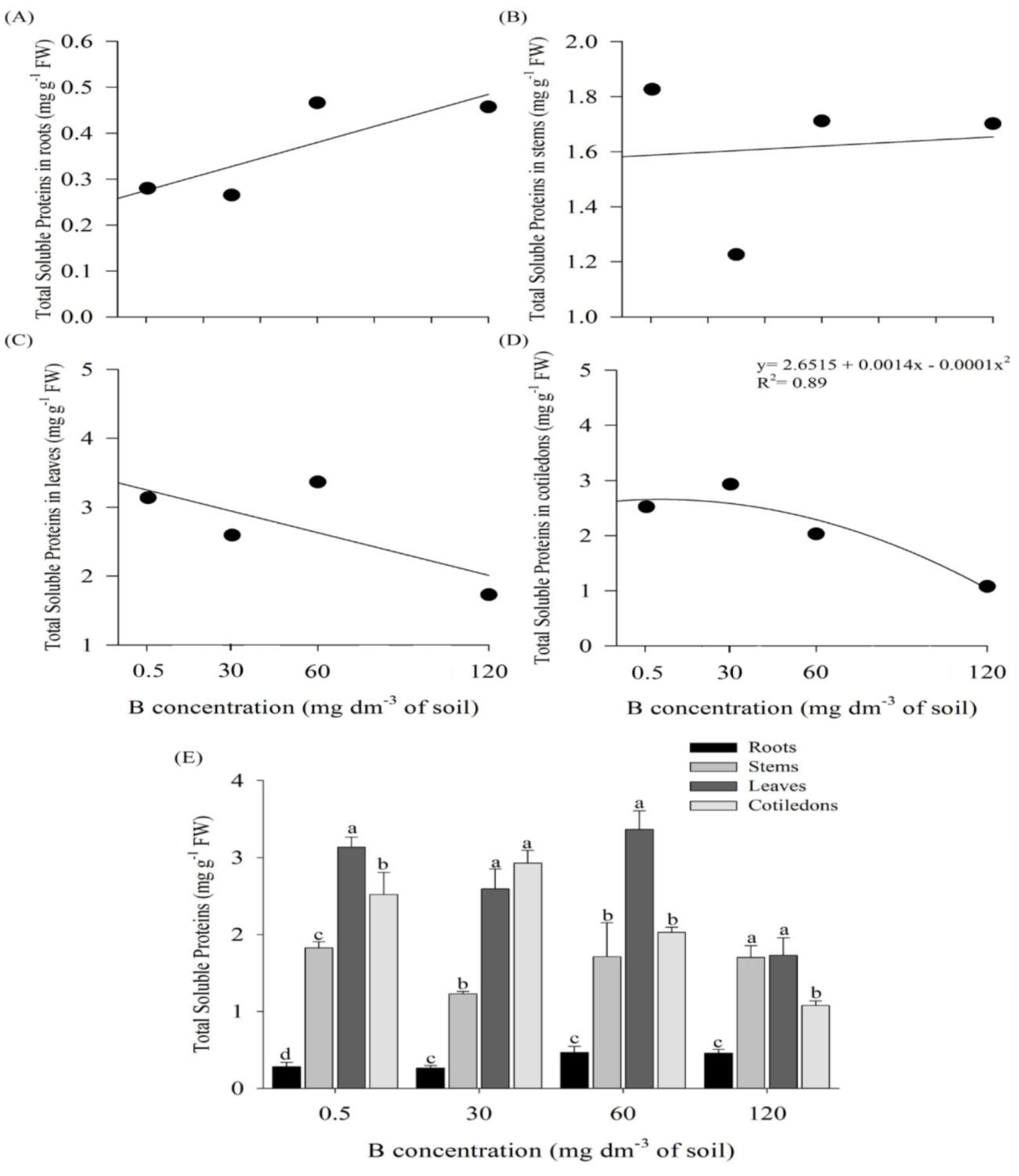
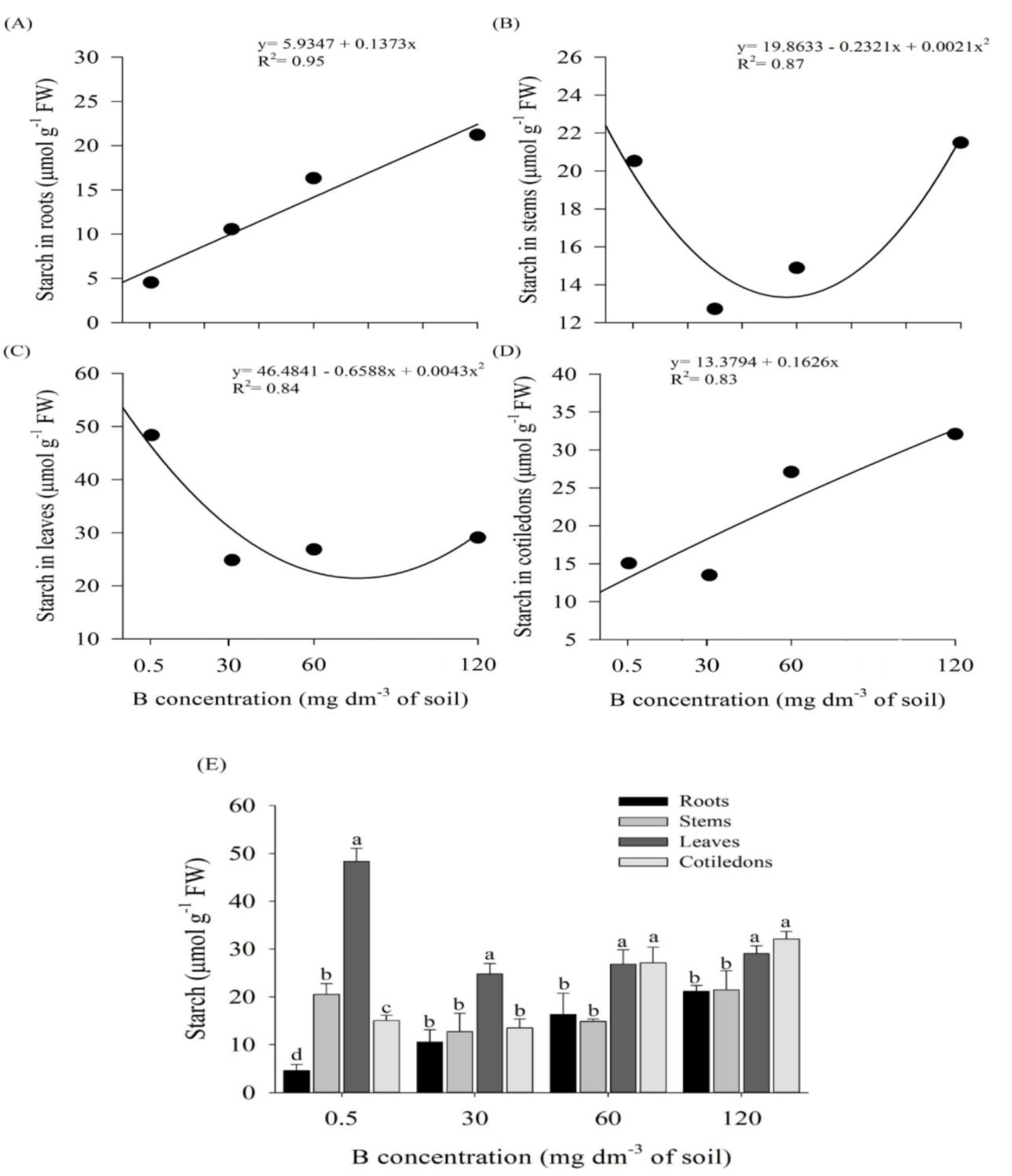
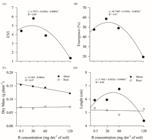
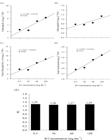
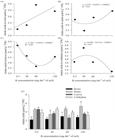
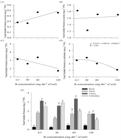
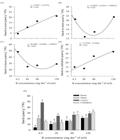
Plants need boron (B) in low concentrations to carry out structural and metabolic functions. However, excess B in the soil can cause problems in plant emergence and development. This study aimed to evaluate the emergence responses and production of nitrogen compounds of herbaceous cotton (Gossypium hirsutum L.R. latifolium Hutch) germinated in soil with high concentrations of B. The experiment was carried out in a greenhouse, under a completely randomized design, using different concentrations of B, at concentrations 0.5 (control), 30, 60, and 120 mg B dm-3 soil. Plants were cultivated for 15 days, for evaluation of emergence parameters, and reserves partition and allocation. There was a significant effect of the B application on the emergence velocity index (EVI), emergence percentage, and shoot length. We observed a decrease in the shoot dry mass production and a significant increase in photosynthetic pigments; the concentrations of total soluble amino acids in stems, leaves, and cotyledons, as well as the concentrations of total soluble protein in cotyledons and the concentrations of starch present in all organs, were affected. G. hirsutum showed signs of phytotoxicity in the treatment of 120 mg B dm-3, for all evaluated parameters.
Keywords:
Malvaceae; trace-elements; potentially toxic elements; soil contamination.
Demonstration of ideal B concentrations in herbaceous cotton emergence variables.
G.hirsutum presents high photosynthetic pigment integrity in all treatments.
Higher B concentrations increased photosynthetic pigments.
Responses of partition and allocation of reserves in cotton are a novelty.
 Thumbnail
 Thumbnail
 Thumbnail
 Thumbnail
 Thumbnail
 Thumbnail