 Preliminary Evaluation of HSA and DNA Interactions with Indole-Thiosemicarbazone Compounds and Molecular Docking Studies
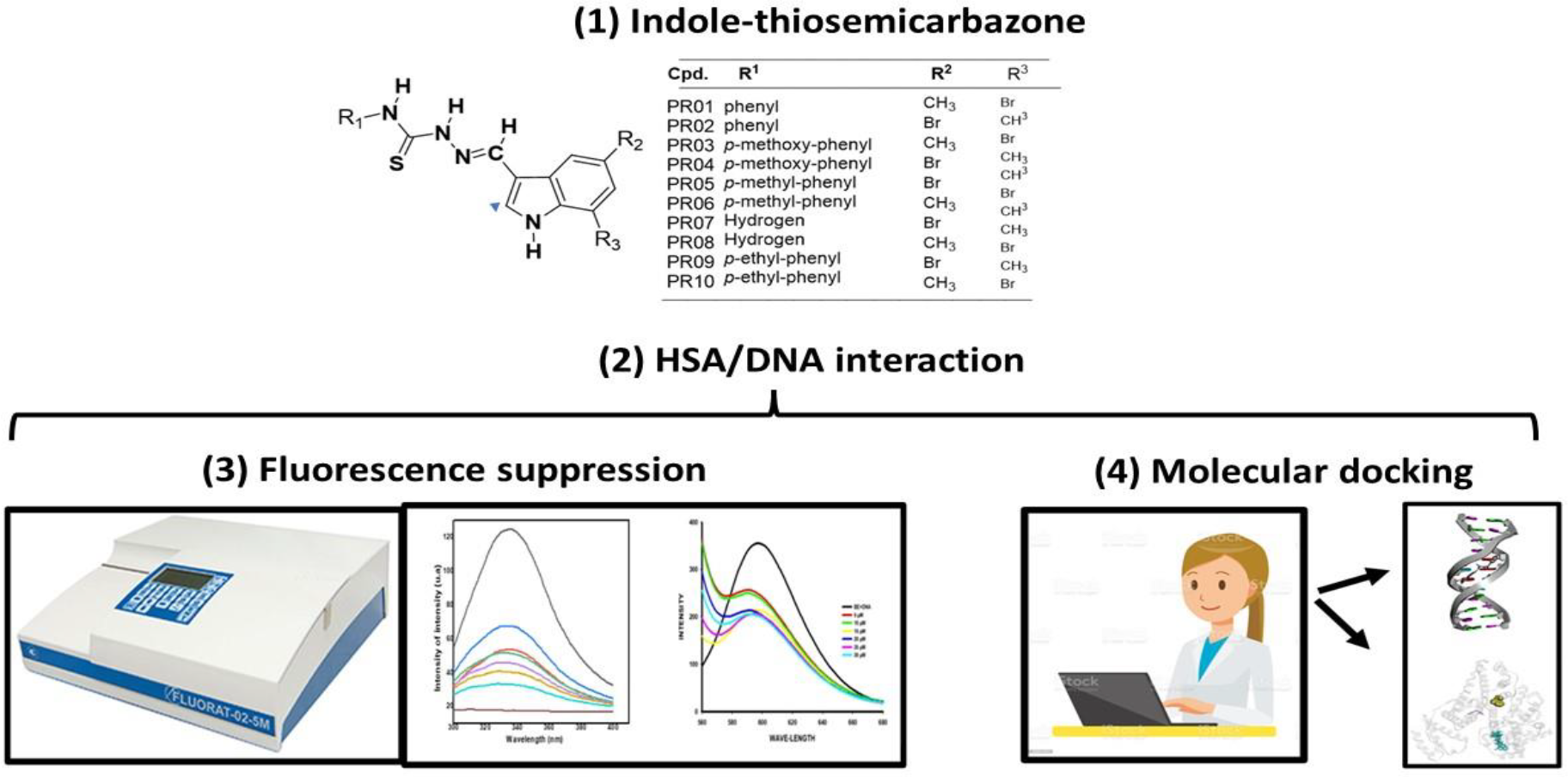
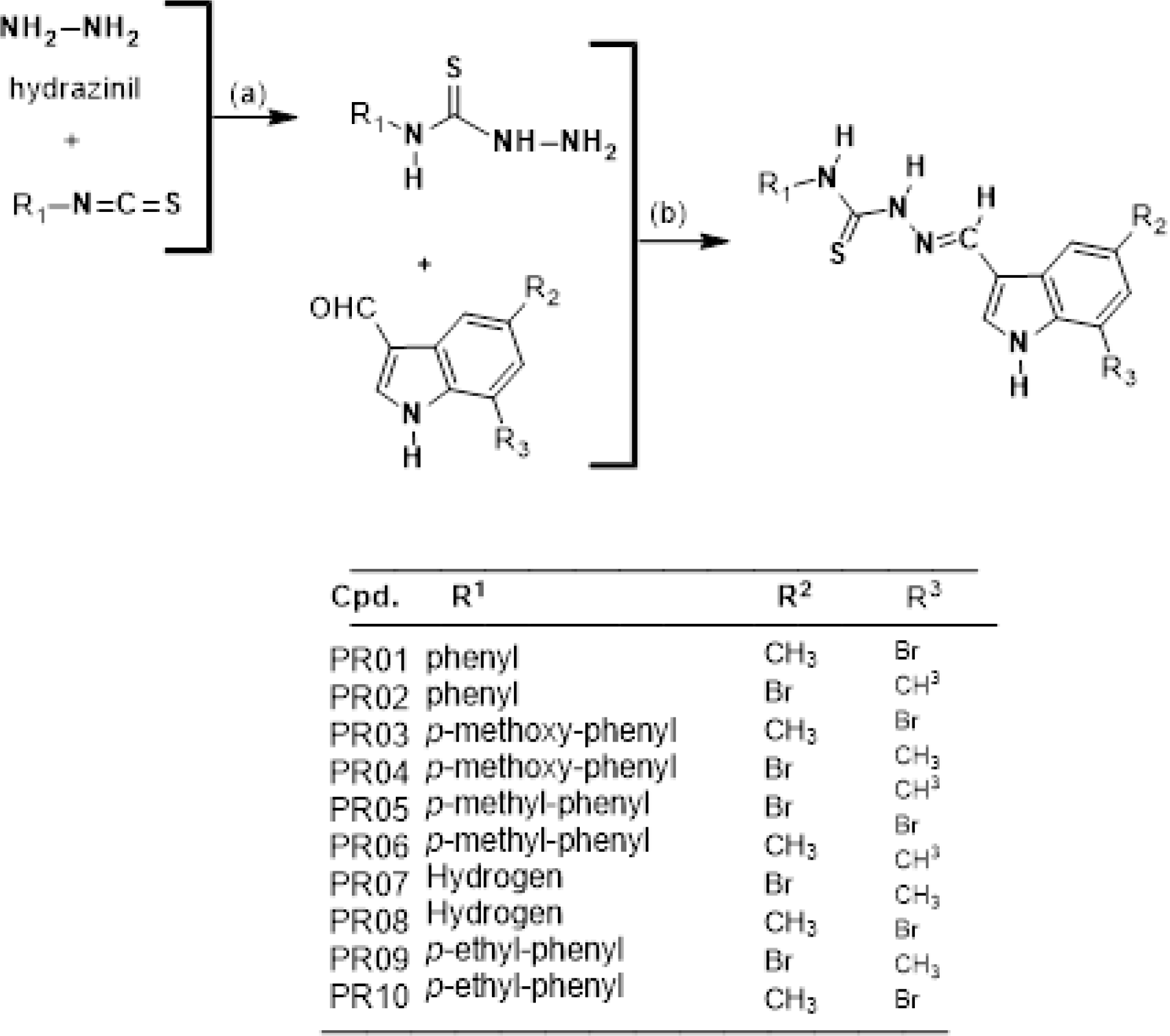
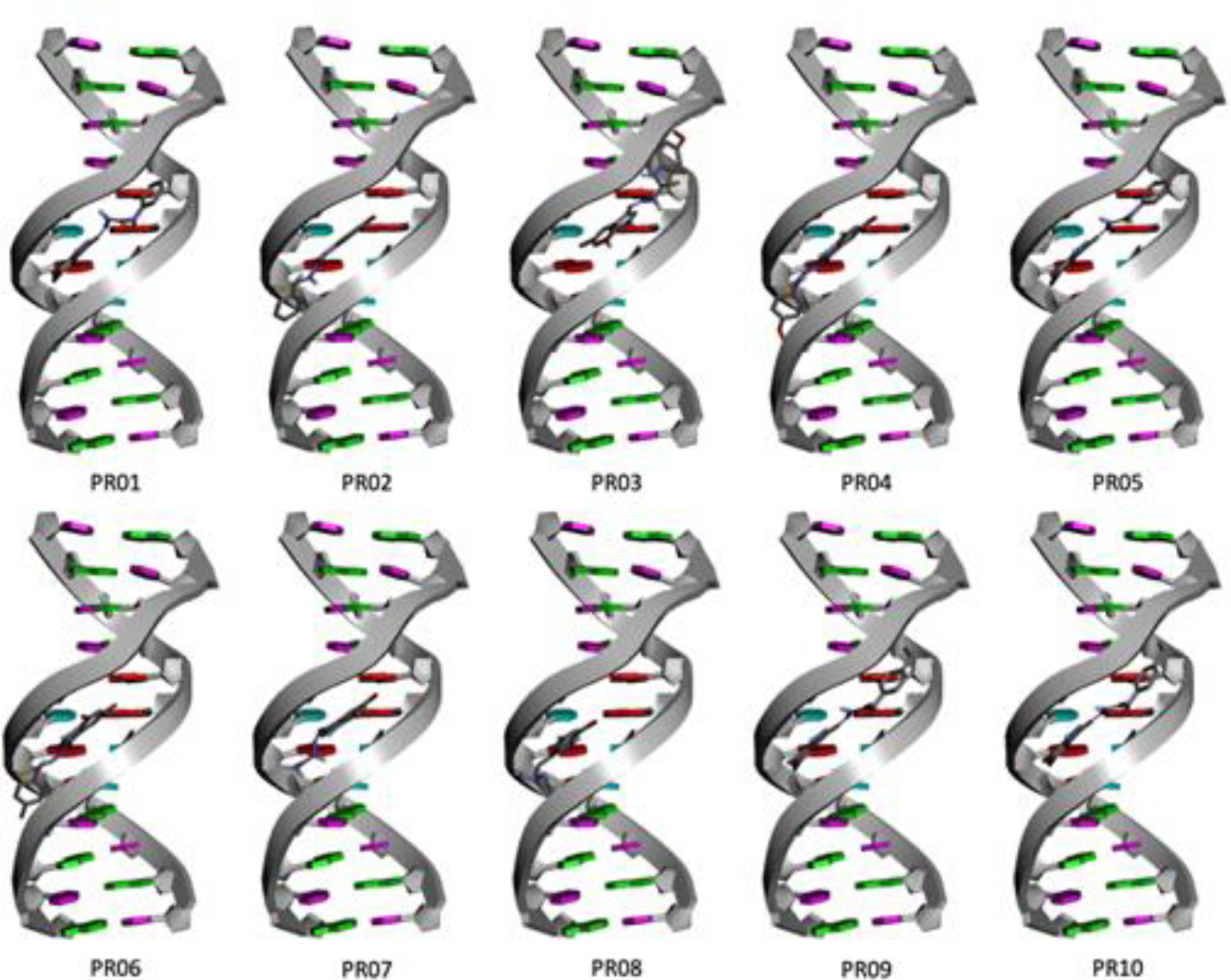
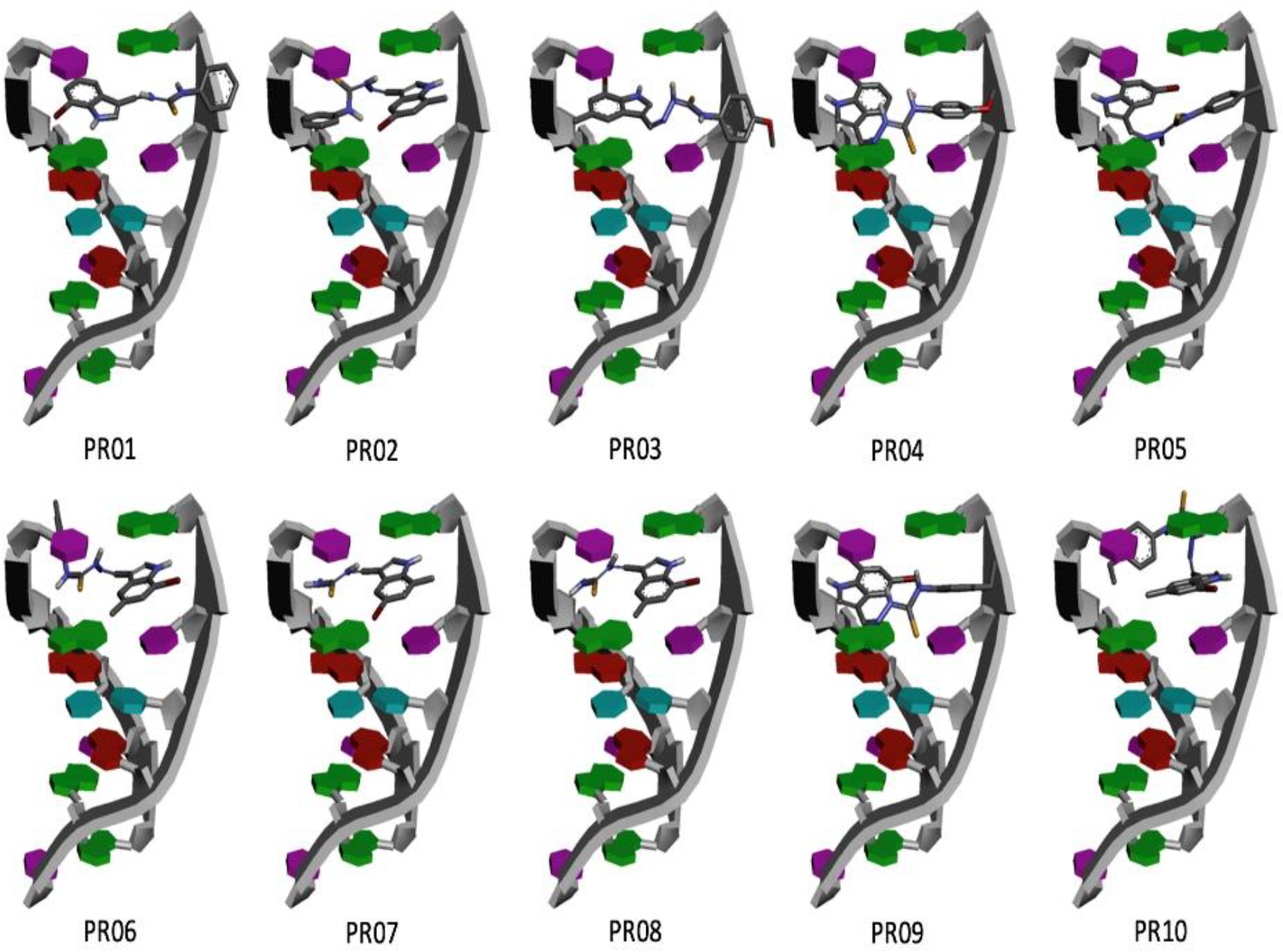
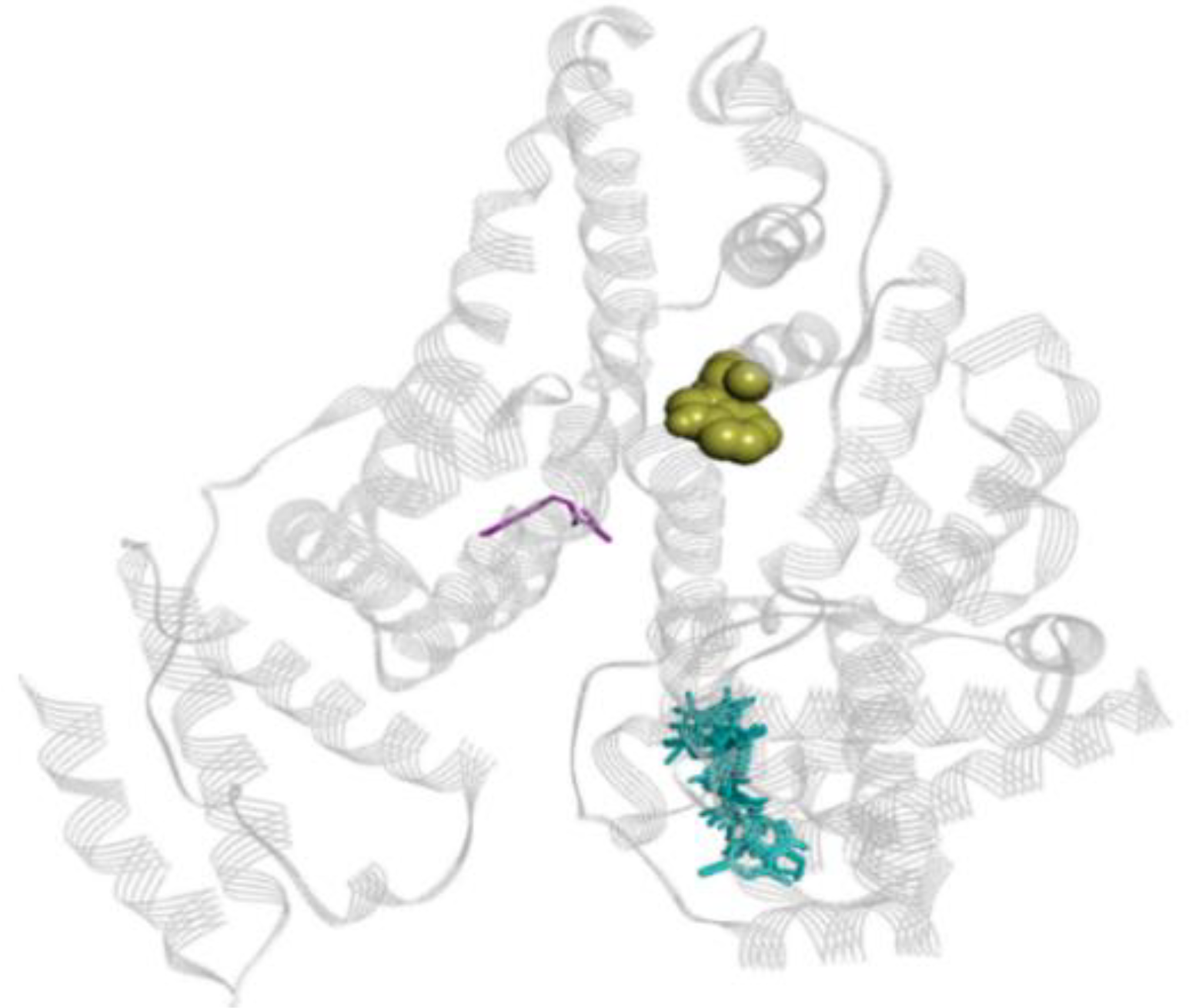
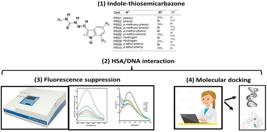
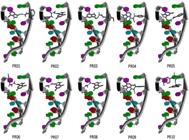
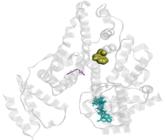
Indole-thiosemicarbazones have different biological activities. The present study evaluated the preliminary interaction of these compounds with biomolecules, specifically human serum albumin (HSA) and DNA, using fluorescence techniques. The suppression results (Ksv) for HSA ranged from 3.5 x 10⁴ to 4.6 x 10⁵ L/mol, while for DNA, they ranged from 1.4 x 10⁴ to 5.9 x 10⁴ L/mol. The suppression was classified as weak to strong for HSA and moderate for DNA. The bimolecular suppression constant (Kq) showed values between 6.0 x 10¹² and 8.2 x 10¹³ L/mol/s for HSA and from 1.4 x 10¹² to 5.9 x 10¹² L/mol/s for DNA, suggesting a static suppression mechanism. Compound PR09 stood out, presenting a binding constant (Ka) greater than 105 L/mol for HSA, indicating a strong interaction. Additionally, PR05, PR06, PR07, and PR09 demonstrated strong interactions with DNA. The values of the number of binding sites (n) indicated that PR01, PR02, and PR09 bind to multiple sites on HSA, while PR04, PR05, PR06, and PR09 interact with more than one site on DNA. All interactions were spontaneous, with ∆G negative. The distance between the compounds and tryptophan on HSA was less than 8 nm, suggesting high energy transfer efficiency. In molecular docking studies, PR05 showed the highest affinity for DNA (-11.15 kcal/mol), while PR09 had the highest affinity for HSA (-10.00 kcal/mol). PR07 exhibited the lowest binding energies for DNA (-8.21 kcal/mol) and for HSA (-7.38 kcal/mol). This study demonstrates that the evaluated compounds have potential as new drug candidates.
Keywords:
thiosemicarbazone; interaction; macromolecules.
Indole-thiosemicarbazone compounds are potential drug candidates.
For albumin, the compounds were able to promote weak to strong suppression.
For DNA, the compounds were able to promote moderate suppression.
The in silico studies proved the interaction of the compounds with the macromolecules.
 Thumbnail
 Thumbnail
 Thumbnail
 Thumbnail