 Genetic variability among guarana (Paullinia cupana var. sorbilis (Mart.) Ducke) provenances to support breeding strategies
Abstract
Guarana, an economically valuable species due to its high caffeine content, requires phenotypic evaluation of genetic resources to identify promising accessions. This study assessed variability among 21 guarana genotypes from southern Bahia, Brazil, analyzing 12 fruit/seed traits (e.g., mass, dimensions, water content) and qualitative descriptors (fruit shape/surface). Positive correlations (e.g., fruit mass with seed traits) suggest efficient selection criteria. Cluster analysis revealed two distinct groups, confirming variability between provenances. Qualitative traits differed significantly (p<0.05) between clusters. High heritability estimates for most traits indicate strong potential for genetic gain through selection. The results demonstrate that fruit/seed characteristics effectively assess genetic divergence, providing critical data for breeding programs of this high-value crop.
Keywords:
genetic resources; bioeconomy; individual selection; phenotypic diversity; multivariate analysis
Resumo
O guaranazeiro, espécie de alto valor econômico devido ao seu elevado teor de cafeína, requer avaliação fenotípica de recursos genéticos para identificar acessos promissores. Este estudo avaliou a variabilidade entre 21 genótipos de guaraná do sul da Bahia, Brasil, analisando 12 características de frutos/sementes (ex.: massa, dimensões, teor de água) e descritores qualitativos (forma/superfície do fruto). Correlações positivas (ex.: massa do fruto com características da semente) sugerem critérios eficientes de seleção. A análise de agrupamento revelou dois grupos distintos, confirmando variabilidade entre procedências. Características qualitativas diferiram significativamente (p<0,05) entre os clusters. Altas estimativas de herdabilidade para a maioria dos caracteres indicam valores genéticos confiáveis para seleção. Os resultados demonstram que características de frutos/sementes avaliam eficientemente a divergência genética, fornecendo dados críticos para programas de melhoramento dessa cultura de alto valor.
Palavras-chave:
recursos genéticos; bioeconomia; seleção individual; diversidade fenotípica; análise multivariada
1. Introduction
The species Paullinia cupana var. sorbilis (Mart.) Ducke, commonly known as Brazilian guarana, is native to the Amazon region, where it was domesticated and cultivated by the indigenous Sateré-Mawé community (Figueroa, 2016; Schimpl et al., 2013). This species holds significant economic and social importance in both the in the Brazilian Amazon and the state of Bahia (Silva et al., 2016). Moreover, it is widely used for its medicinal potential and as a source of compounds, methylxanthines and catechins with energetic and antioxidant properties (Marques et al., 2019; Yonekura et al., 2016). In this regard, guarana seeds contain the highest caffeine content reported in the literature, ranging from 2.5% to 6.98% in dry seeds (Schimpl et al., 2014). The bioeconomy, which transforms plants into cosmetics, pharmaceuticals, and bioactive agents, helps create production chains for various native species, such as guarana.
Guarana has become a key raw material for numerous comercial products, accounting for approximately 70% of the production of soft drinks and energy drinks, while in concentrated form, it is sold in drugstores as powder formulations, capsules, and tablets (Figueroa, 2016; Patrick et al., 2019). Brazil is the world's largest producer of guarana for national and international markets (Marques et al., 2016; IBGE, 2022). Due to the high demand for this product, commercial guarana cultivation expanded significantly during of the second half of the 20th century in the states of Bahia, Amazonas, Mato Grosso, Acre and Pará (Nascimento-Filho et al., 2001; Tricaud et al., 2016).
The commercial use of guarana has led industry to increase its demand for quality fruit through genetic enhancement. Research in this area primarily involves the identification and selection of superior genotypes. The scientific literature contains studies on the genetic and phenotypic variability of progenies in the Amazon using morpho-agronomic characters (Atroch et al., 2010; Fajardo et al., 2019) and a few studies in which molecular markers are used to assess the genetic diversity of germplasm (Silva et al., 2016). Given the economic potential of guarana, more research is needed to obtain productive genotypes, especially for the state of Bahia, where the plant is highly cultivated, and no studies have been conducted from a genetic perspective. Pre-breeding studies are essential in this context, as they help identify key traits of interest in unimproved populations and allow for the prediction of genetic gains (Laurindo et al., 2016). Moreover, genetic variability plays a fundamental role in enabling the adaptation of crops to different environments and in the development of more productive and resistant cultivars (Salgotra and Chauhan, 2023).
In genetic improvement programs, knowledge of phenotypic variability and trait heritability is crucial for selecting appropriate breeding strategies (Atroch et al., 2010). In this regard, fruit and seed biometry can help detect genetic variability within and between populations from different locations in a studied region in terms of productivity (Bellei et al., 2022; Laviola et al., 2017).
Due to the lack of studies on the pre-enhancement of guarana in the state of Bahia, the aim of this study was to evaluate the genetic variability among guarana genotypes in southern Bahia, based on a set of quantitative and qualitative fruit and seeds traits.
2. Material and Methods
2.1. Study area and sample design
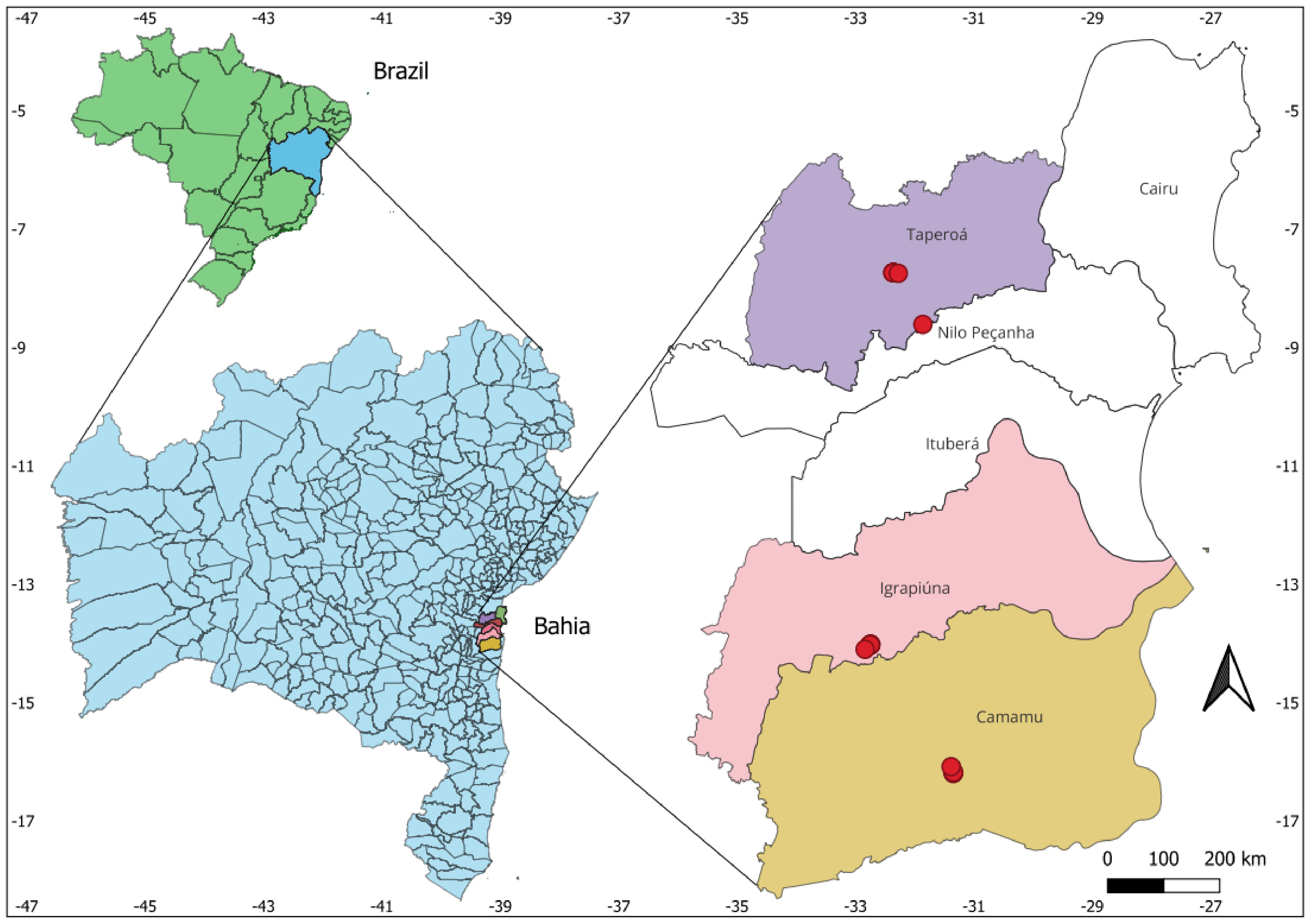
A total of 21 guarana genotypes were evaluated from rural properties located in southern Bahia, specifically in the municipalities of Camamu, Taperoá and Igrapiúna (Limoeiro) (Figure 1). Samples were collected in March 2022 in two rural properties for each location, except for Taperoá, which has only one property. In total, five genotypes were evaluated for Camamu p1, two for Camamu p2, three for Igrapiúna (Limoeiro) p1, eight for Igrapiúna (Limoeiro) p2 and three genotypes for Taperoá p1.
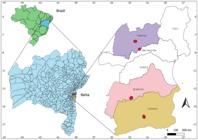
Geographic location of sampling municipalities for guaraná (Paullinia cupana var. sorbilis) fruit and seed collections in southern Bahia, Brazil.
2.2. Phenotyping
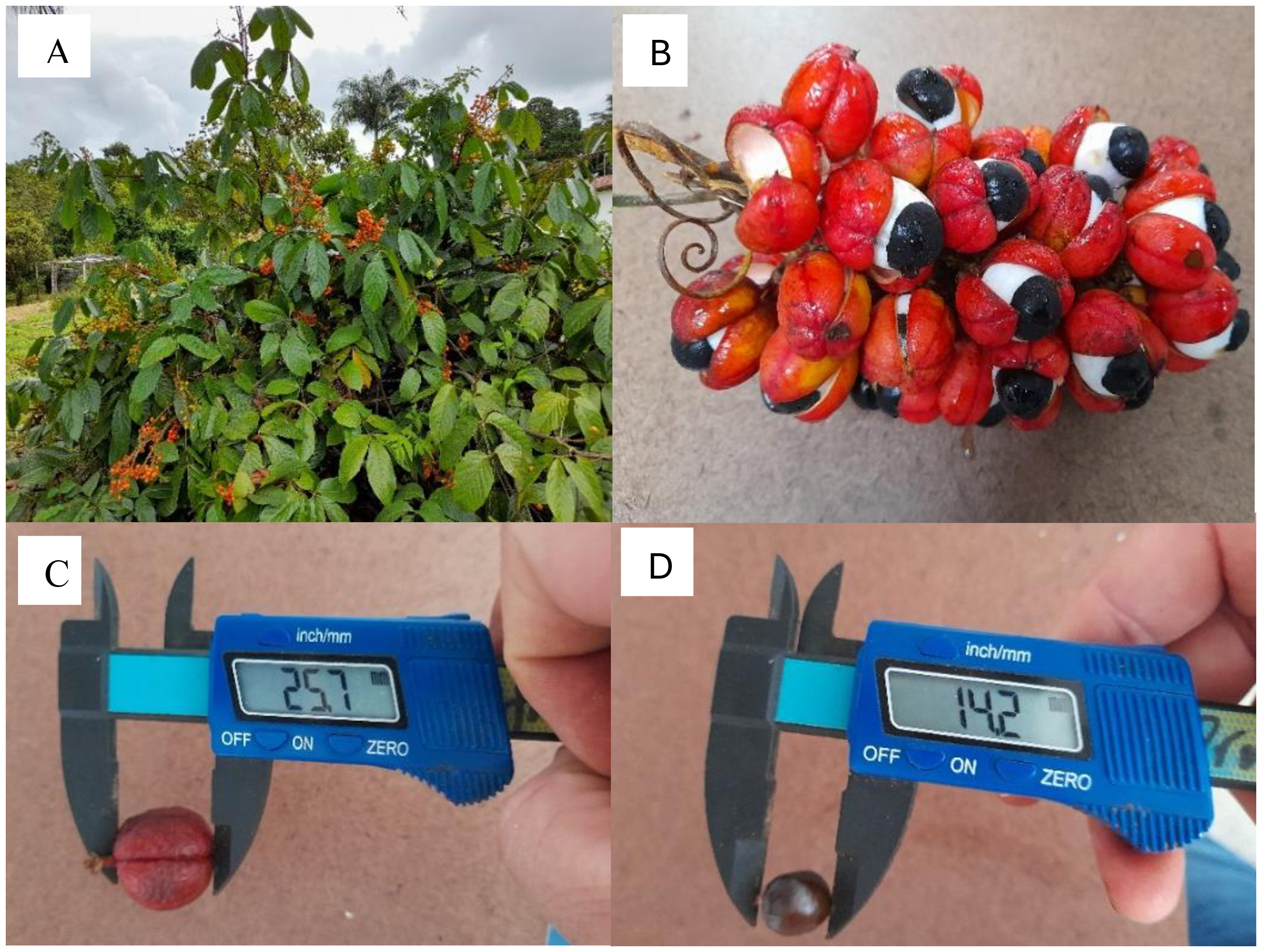
Two racemes were evaluated for each genotype, and 10 fruits per raceme were chosen at random, totaling 420 fruits and 656 seeds evaluated. Each genotype corresponded to a distinct plant in the field, individually identified with metallic tags and georeferenced using GPS coordinates to ensure precise monitoring and traceability throughout the evaluations. For biometric characterization, the following quantitative traits were assessed: raceme weight (RW); fruit mass (FM); number of seeds per fruit (NSF); fruit length (FL); fruit diameter (FD); fruit thickness (FT); seed fresh mass (SFM); seed dry mass (SDM); seed length (SL); seed diameter (SD); seed thickness (ST) and seed water content (SWC). The characteristics were measured using a digital caliper, a precision scale, and an oven for drying the seeds at 60 °C until constant mass (Figure 2). The water content was calculated using the equation: SWC = (SFM-SDM)/SFM×100. In addition, two qualitative descriptors were used: i) Fruit surface (FSu) with the phenotypic classes Smooth and Rough; ii) Fruit shape (FSh) with the classes Elliptical, Obovate, and Globose. These descriptors were evaluated visually by a single trained evaluator, following a standardized protocol with reference images and defined criteria to ensure consistency and minimize subjective bias (Silva et al., 2020). These descriptors are proposed by UPOV (Union for the Protection of New Varieties of Plants) for fruit crops (Silva et al., 2020).
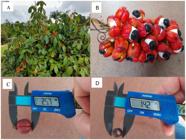
Appearance of the crown of the guaraná plant and measurements of fruit and seeds. (A) Top of the bush crown, showing infructescences; (B) Cluster of fruits; (C) Fruit length; (D) Seed length.
2.3. Statistical analysis and estimation of genetic parameters
The normality test (Shapiro-Wilk) was performed for each variable. Data from the different variables were subjected to Pearson correlation network analysis (r), with coefficient significance tested by Student's t test. The correlation network shows the proximity between nodes by the absolute value of the correlation between them, where each node is a variable, and the edges represent a correlation between two variables (Epskamp et al., 2012).
Principal component analysis (PCA) was carried out to identify new orthogonal components that explain the maximum variation among genotypes (Hotelling, 1933). The criterion for retaining components was defined according to the parallel analysis (PA) method (Horn, 1965). In addition, graphs were produced showing the significant contribution of the variables to the new components formed, related to the eigenvector greater than 0.7 (Zwick and Velicer, 1982).
The divergence between the genotypes was evaluated through cluster analysis. The distance matrix was calculated using the Euclidean dissimilarity measure (Gower, 1985), and clustering was performed using the UPGMA (Unweighted Pair Group Method with Arithmetic Mean) method (Sneath and Sokal, 1973). Cluster validation was conducted by calculating the cophenetic correlation coefficient (CCC), with significance assessed using the Mantel test. The number of groups was determined using the Pseudo t2 index and silhouette methods (Duda and Hart, 1973). Subsequently, inter-group comparisons for quantitative variables were carried out using the F-test for parametric data and the Kruskal-Wallis test for non-parametric data. The distribution of phenotypic classes of the qualitative descriptors between groups was analyzed using a chi-square (x2) homogeneity test, and relationships among classes were explored through correspondence analysis. All statistical analyses were performed in the R environment (R Core Team, 2021), using the following packages: stats (F-test, Kruskal-Wallis, chi-square tests), cluster (UPGMA, silhouette), vegan (Mantel test), and FactoMineR/factoextra (principal component analysis and correspondence analysis visualization).
The genetic parameters heritability (h2mp), coefficient of genetic variation (CVg - %), coefficient of environmental variation (CVe - %) and coefficient of relative variation (CVr) were estimated using mixed-model methodology, via Selegen-REML/BLUP software (Resende, 2016).
3. Results
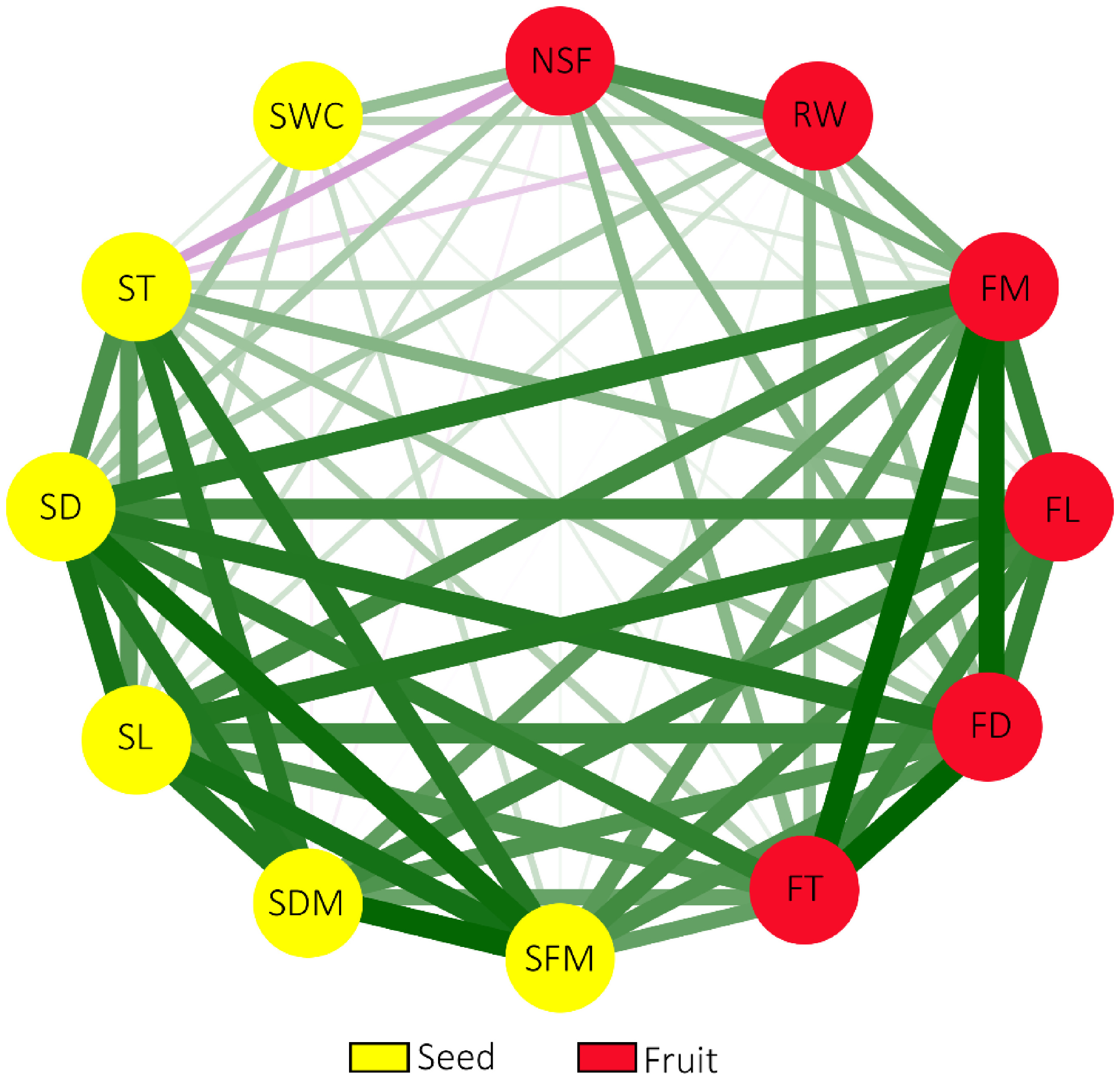
Considering that the intensity of the edge colors of the network indicates a higher degree of association, a strong, positive and significant correlation was found between most of the variables, especially in the case of fruit variables (FM, FL, FD and FT) and seed variables (SFM, SDM, SD and SL) (Figure 3). The seed variables and fruit variables are positively and significantly correlated with each other. A positive and significant correlation was observed between NSF and RW and no correlation was observed for these variables with most of the variables (Figure 3). The variable water content showed a non-significant correlation with all the variables.
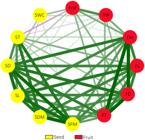
Pearson correlation network among biometric variables measured in fruits and seeds of Guarana plants at three locations in southern Bahia, Brazil. The green and red edges correspond to positive and negative correlations, respectively. The width and intensity of the edge colors indicate the absolute value of the correlations. Measured variables include NSF (number of seeds per fruit), RW (raceme weight in grams), FM (fruit mass in grams), FL (fruit length in millimeters), FD (fruit diameter in millimeters), FT (fruit thickness), SFM (seed fresh mass in grams), SDM (seed dry mass in grams), SL (seed length in millimeters), SD (seed diameter in millimeters), ST (seed thickness in millimeters) and SWC (seed water content in percentage).
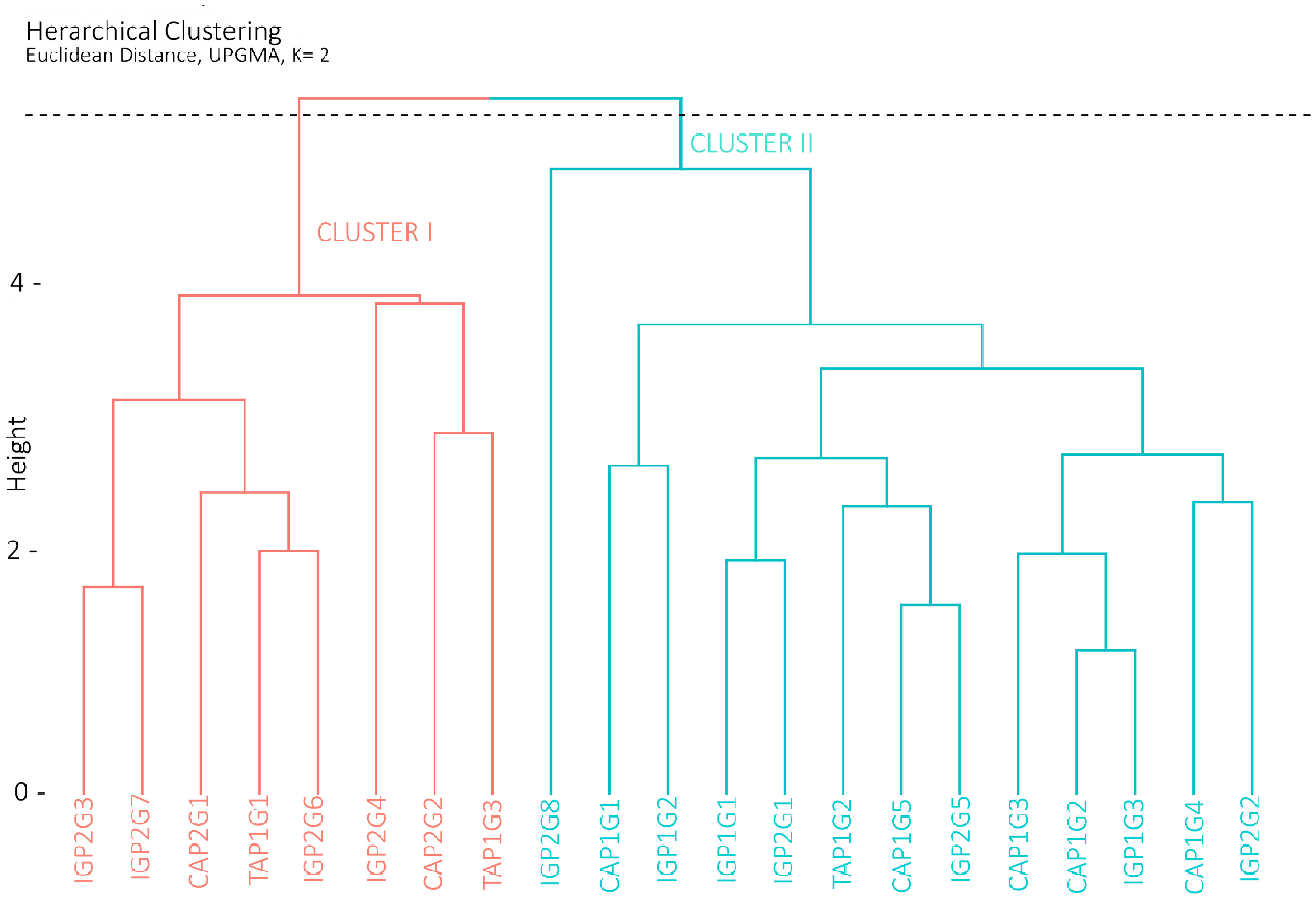
Evidence of variability among the evaluated guarana genotypes was observed (Figure 4). The separation into two distinct groups according to the criteria for separating groups (pseudo-t2 and silhouette) showed that the majority of genotypes (61.9%) are in group II. Still on divergence, all the genotypes from Camamu producer1 (CAP1) and Limoeiro producer1 (LIP1) are in group II, while genotypes from Camamu producer2 (CAP2) are in group I. In addition, half of the genotypes from Limoeiro producer2 (LIP2) are in each group and only one genotype from Taperoá producer1 (TAP1) is in group II, indicating divergence between the genotypes from the same producers.
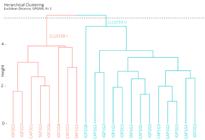
Dendrogram resulting from the analysis of 21 genotypes of guarana obtained using the average Euclidean distance as a measure of genetic distance and the UPGMA clustering method.
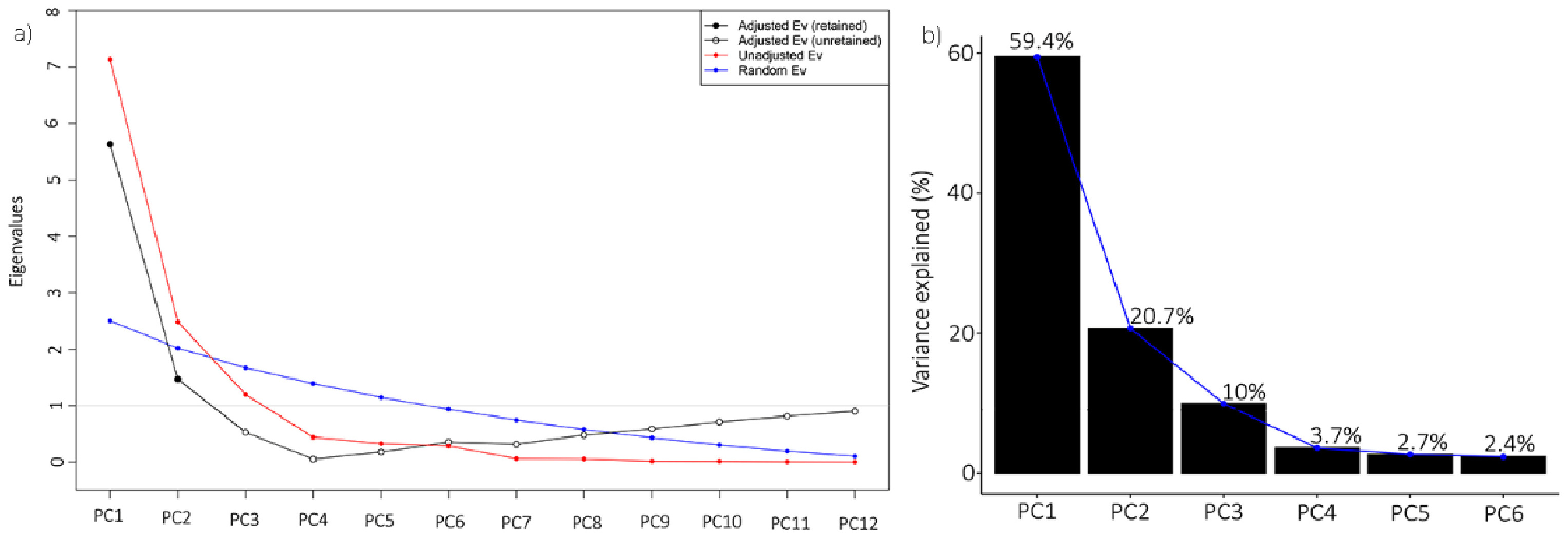
Principal component analysis (PCA) revealed that two components were sufficient to reduce the 12 quantitative variables used for evaluation in our study. The adjusted eigenvalues defined the first two principal components (PC1 and PC2) as sufficient to explain most of the variation between the genotypes (Figure 5A). Moreover, 80.1% of the variation is represented by these components, with principal component 1 (PC1) explaining 59.4% and component 2 (PC2) explaining 20.7% (Figure 5B).
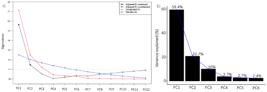
a) Adjusted values for each principal component. The black line indicates the meaning of the components. b) Total variation indicating the contribution of each principal component. Component 1 (PC1) explains 59.4% of the variation and component 2 (PC2) explains 20.7%.
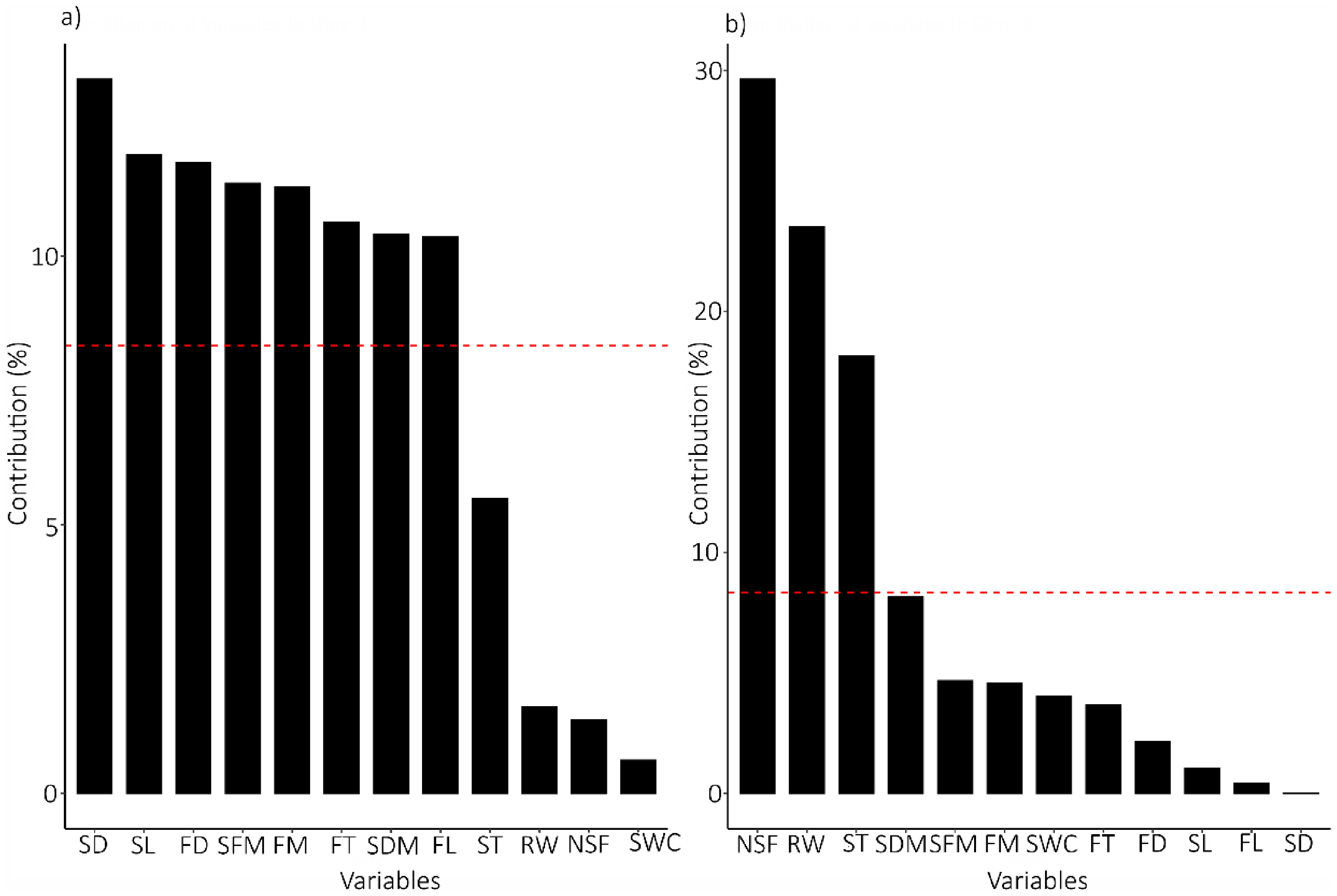
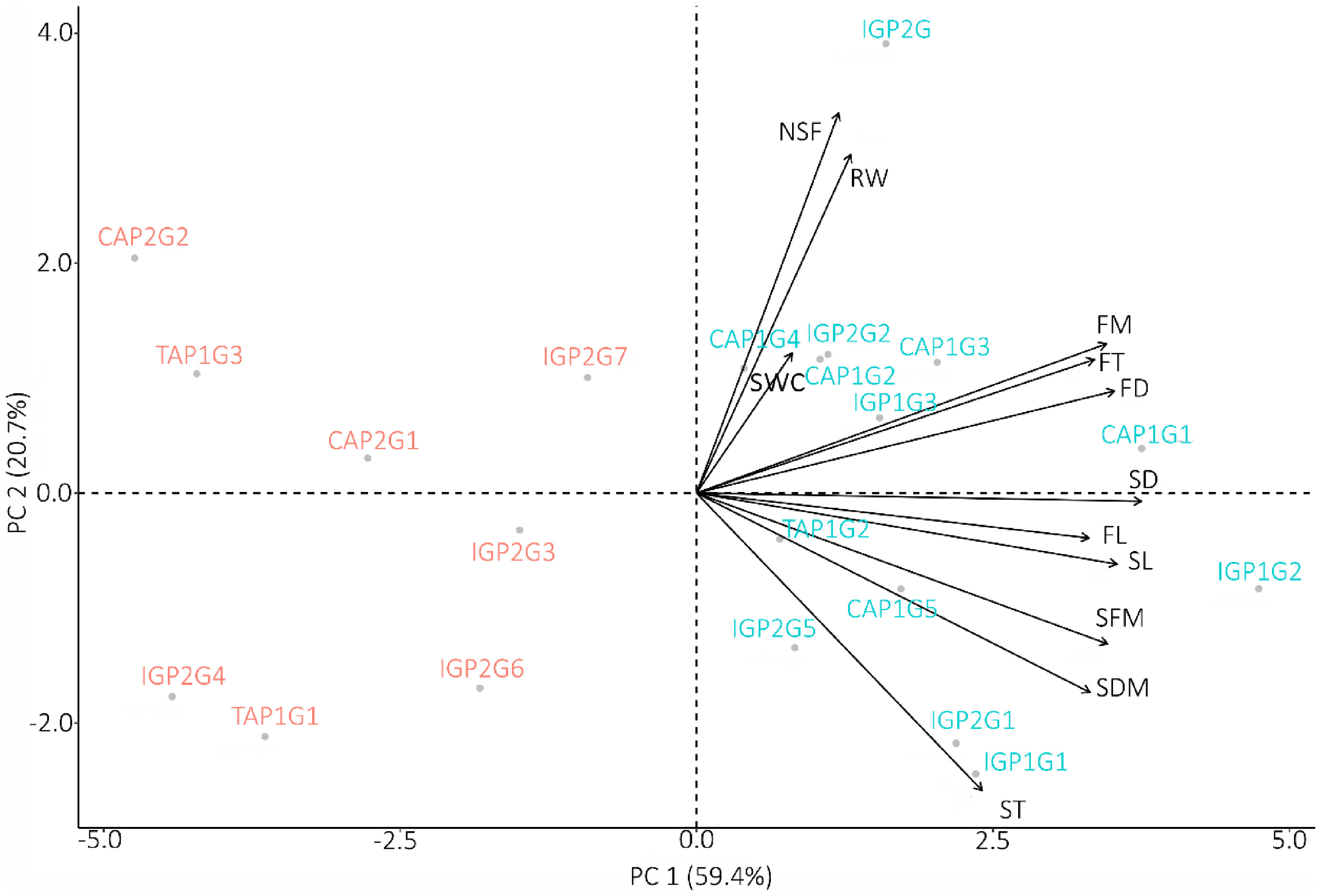
The significant contribution of the variables to each of these components is shown above the red line (Figure 6). Thus, the variables seed diameter (SD), seed length (SC), fruit diameter (FD), seed fresh mass (SFM), fruit mass (FM), fruit thickness (FT), seed dry mass (SDM) and fruit length (FL) are associated with PC1, while the number of seeds per fruit (NSF), raceme weight (RW) and seed thickness (ST) contribute to PC2. In contrast, the variable seed water content (SWC) does not contribute to any principal component. The PCA also illustrated the distribution of genotypes with pink and blue acronyms according to each group in the UPGMA analysis. In general, the blue genotypes are related to most of the variables in PC1 and PC2 (Figure 7).
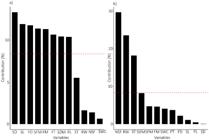
Contribution of variables to each principal component. The red line shows the meaning of the variables. a) Component 1 (PC1). b) Component 2 (PC2).
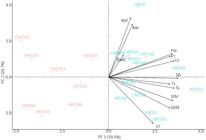
Biplot shows the projection of the variables of the first two principal components for the 12 characteristics evaluated in three collection areas. The acronyms in pink and blue indicate the genotypes grouped according to the UPGMA analysis.
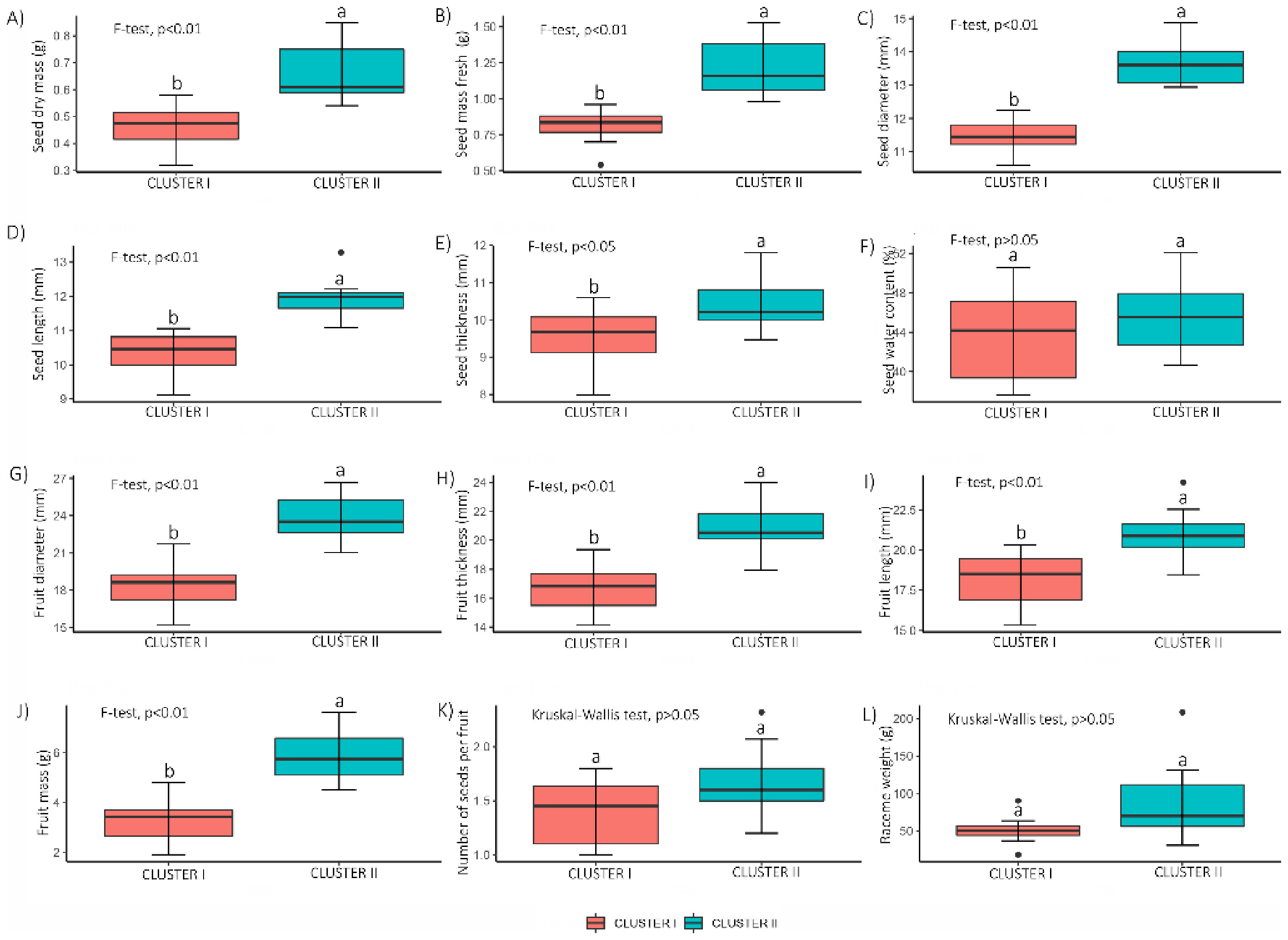
The boxplot graphs show averages based on the F-test and Kruskal-Wallis test between the genotypes in group I and group II for all the variables (Figure 8). Group II shows higher averages with significant differences for most of the variables (p<0.01), except for NSF, RW and SWC, which did not show significant differences (p>0.05).
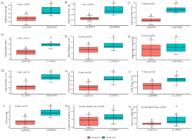
Boxplot showing the means for all biometric characteristics according to each cluster by the F-test and Kruskal-Wallis test. Eigenvalues are significant ≤ 0.1 and ≤ 0.5. A) seed dry mass (g); B) seed fresh mass (g); C) seed diameter (mm); D) seed length (mm); E) seed thickness (mm); F) seed water content (%); G) fruit diameter (mm); H) fruit thickness (mm); I) fruit length (mm); J) fruit mass (g); K) number of seeds per fruit; and, L) raceme weight (g).
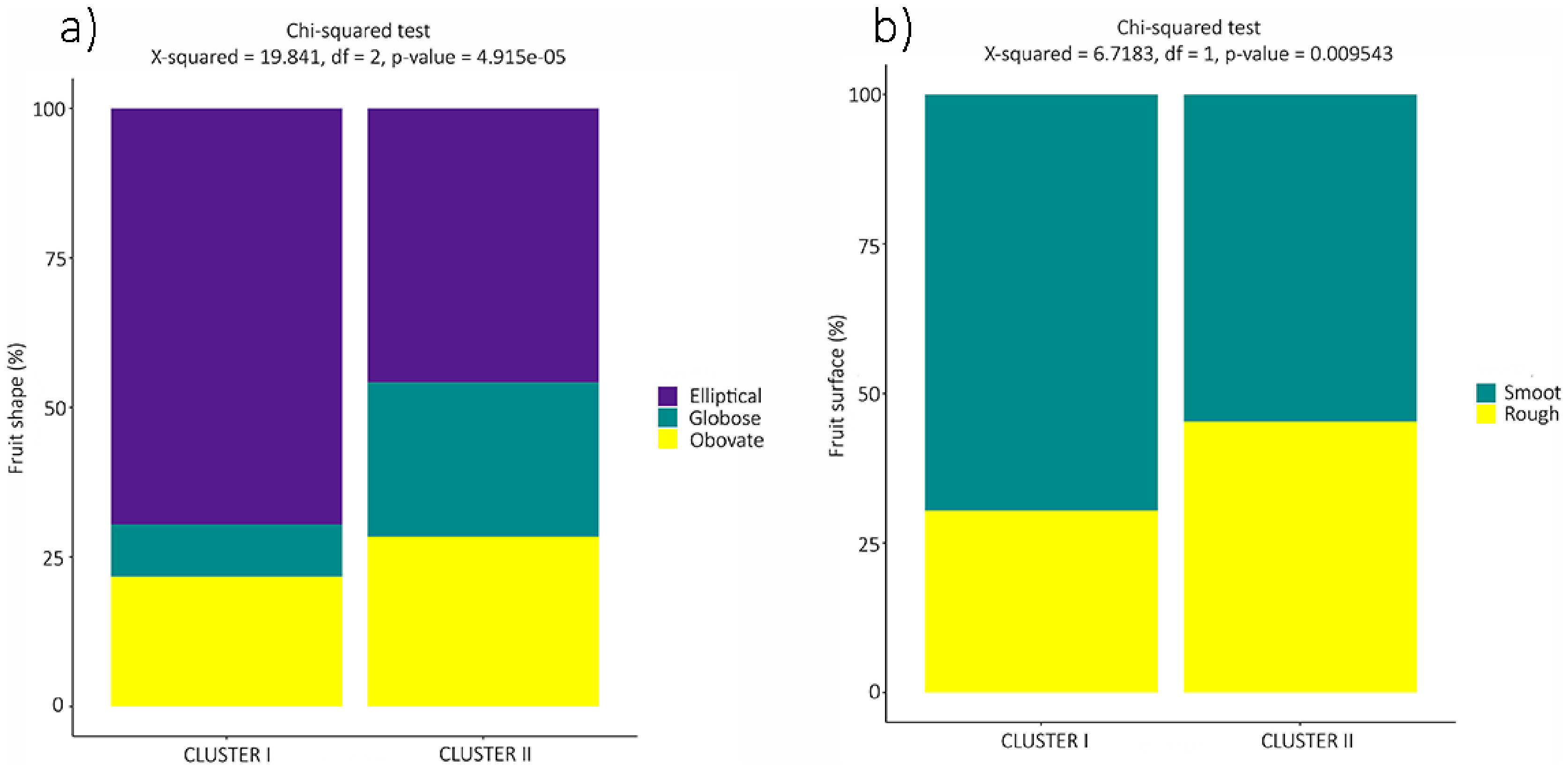
The homogeneity test carried out for fruit shape (FSh) and fruit surface (FSu) shows a significant difference (p<0.05) in the distribution of phenotypic classes for these descriptors in each cluster (groups I and II). Fruit shape (FSh) differed statistically between the groups (p<0.05) (Figure 9A). For both groups, there was a higher percentage of elliptical fruit, with group II showing a better distribution of phenotypic classes and a higher proportion of globose fruit (25.87%) and obovate fruit (28.36%) compared to group I (8.70% and 21.75%, respectively). In relation to fruit surface (FSu), a significant difference was also observed between the groups (p<0.05), with the smooth phenotypic class predominating for both groups. Group II had a higher proportion of rough fruit (45.27%) than group I (30.43%) (Figure 9B).
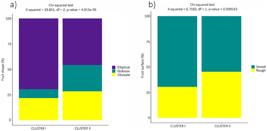
Chi-square (χ2) for the qualitative descriptors fruit shape (a) and fruit surface (b) showing the distribution of phenotypic classes among the groups. Values of p<0.05 are significant.
The estimates of the genetic parameters for the quantitative traits show environmental coefficients of variation (CVe) of 8.84% for seed diameter (SD) and 42.58% for number of seeds per fruit (NSF) (Table 1). The high values of the genetic coefficient of variation (CVg) found in our study confirm the genetic variability between the genotypes for raceme weight (RW), fruit mass (FM), seed fresh mass (SFM) and seed dry mass (SDM) (Table 1). Regarding the relative coefficient of variation (CVr), the variables fruit mass (FM), fruit length (FL), fruit diameter (FD), seed fresh mass (SFM) and seed diameter (SD) showed values above 1.0, with raceme weight (RW) standing out with 2.39. Heritability (h2mp) was above 0.90 for fruit thickness, diameter, length and weight, as well as raceme weight, while the variables (SDM), (SFM), (SD) and (SL) showed values above 0.82. The lowest estimates for this parameter were 0.67 for (SWC), (NSF) and (ST).
4. Discussion
Given the lack of data on the biometric traits of guarana fruit and seeds in Bahia, the present study can provide valuable information on the genetic resources of the species in this important production state. The phenotypic variability among genotypes for quantitative traits indicates that accessions can be collected in the study area to form a germplasm bank. Selection based on morphometric characteristics offers a genetic advantage in separating individuals from different origins in populations (Sobral et al., 2018; Zhao et al., 2015). Thus, for selection purposes, this study can help form guidelines to obtain more productive genotypes that show genetic variability in the evaluated characteristics (Figueiredo et al., 2016).
The correlations between fruit and seed characteristics provide insight into the behavior of one variable by analyzing another (Montenegro et al., 2022). Positive and significant correlations visualized by network analysis, between FM – FL - FD – FT - SFS - SDM - SD - SL, as well as RW - NSF prove that the study of the relationship between guarana fruits and seeds is efficient for developing procedures to estimate seed production for commercial purposes from field evaluations (Lima et al., 2020; Santos et al., 2021). In this context, the greater the fruit mass, the greater the seed mass; therefore, heavier fruit can produce seeds with greater mass and greater potential for productivity. Length, diameter and thickness proved important since they serve as indicators of the development of fruit and seed; therefore, longer fruit with a larger diameter produces a greater fruit and seed mass. The raceme weight (RW) and number of seeds per fruit (NSF) have a degree of association with a positive effect in relation to the fruit. Therefore, the greater the number of fruits with a greater number of seeds, the greater the RW. Studies with different fruit species show a positive correlation between fruit and seed mass (Montenegro et al., 2022). According to Santos (2007), correlations are considered high when the correlation coefficient is 0.8 ≤ r < 1.0 and moderate when it ranges from 0.5 ≤ r < 0.7. Based on the results, the correlation between fruit and seed biometric characteristics for guarana genotypes is high. In this way, the evaluated characteristics can assist in indirect selection by means of variables that can be easily obtained in the field, thus reducing evaluation time and measurement resources and enabling their use in breeding programs (Mendes et al., 2019; Von Maydell et al., 2024).
The 21 studied genotypes were divided into two groups, indicating the existence of genetic diversity and demonstrating the variability between genotypes from different locations and even within farms. This variation likely results from both environmental differences and genetic heterogeneity, as the studied genotypes derive from open-pollinated populations, resulting in half-sib progenies with phenotypic differences. Allogamous reproduction favors the maintenance of genetic variability in the species (Rosa et al., 2019). Greater heterogeneity allows for a more likely identification of superior genotypes in segregating generations (Mihelich et al., 2020). Studies show that guarana has recently been considered polyploid (Freitas et al., 2007). Polyploids are subject to phenotypic, physiological and chemical changes, which may also explain the morphometric variability observed in this species. For crosses between different genotypes from the groups resulting from this study and due to genetic divergence, a greater heterotic effect can be obtained, with the possibility of favorable gene combinations. When choosing materials for genetic crossbreeding, genotypes with the same pattern should be avoided so as not to reduce genetic variability. Therefore, the probability of selecting superior genotypes will be greater in the initial stages of selection (Ozorio et al., 2019).
The principal component analysis (PCA) revealed trends in genotype variation within the set of data analyzed (Costa et al., 2016) and reduced the number of variables. The first two components should ideally concentrate the greatest amount of variance in the data to ensure divergence between the genotypes (Sousa et al., 2017). Similarly, in this study, PCA with the selected characteristics explained 80.1% of the total variability observed with the first two components. For selection purposes, the PC1 variables should explain the greatest variation between the genotypes compared to PC2. These results indicate genetic variability for SD, SL, FD, SFM, FM, FT, SDM and FL in the studied genotypes. The combination of principal component analysis and clustering indicated the association of traits related to the genotypes in group II. These results highlight the direct relationship between the traits that are truly involved in the variability of the guarana tree, thus contributing to the knowledge of the species' divergent patterns. The exclusion of some specific variables indicates that they do not help to separate the genotypes, so they do not need to be evaluated (Costa et al., 2016). This was the case for the variable water content, which did not contribute to the overall variability of the species in this study, as it depends on the level of maturity of the fruit and seeds and the environmental conditions of the region in terms of temperature and relative humidity. Since the selected fruits had reached physiological maturity and the environmental conditions were homogeneous between the collection areas, a priori, no variability was expected among the genotypes, which once again validates the weak contribution of water content to distinguishing the groups.
The results of the analysis of means confirm the relationship between the grouped genotypes, thus showing that group II has higher average values for most of the variables. In this context, this study affirms the importance of genotypes belonging to group II, showing superiority for most of the variables. These results generate important information for the implementation of germplasm banks to conserve and exploit these genetic resources (Silva et al., 2017). Thus, our findings may facilitate future studies in the application and expansion of knowledge of this species.
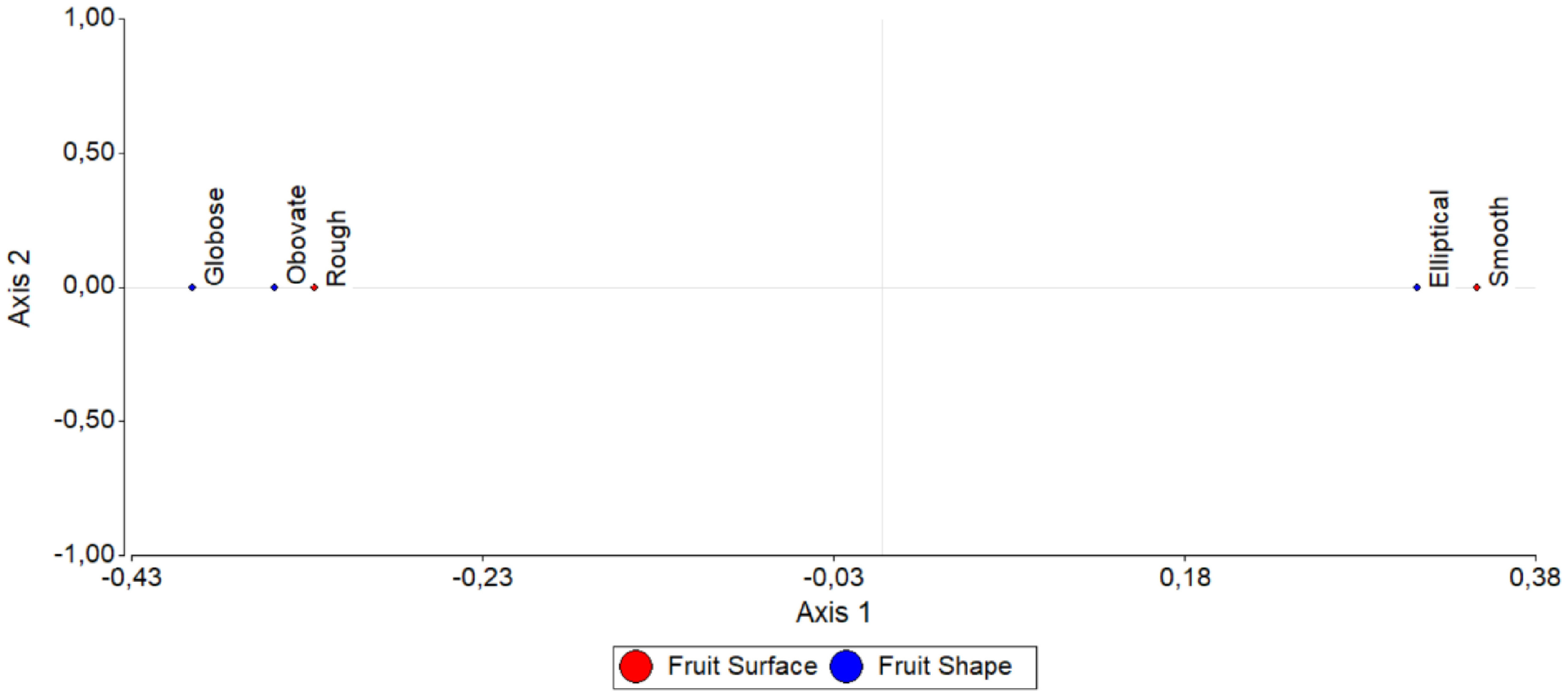
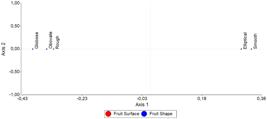
The significant difference between the groups for each qualitative descriptor evaluated based on the proportions of phenotypic classes indicates that group II is superior to group I in terms of the percentage of globose fruit. The globose phenotypic class is possibly related to the rough and obovate phenotypic class since the majority of globose fruits had a rough surface (Figure 10). The relationship between these classes can be associated with the number of seeds per fruit (NSF), so globose fruits have a higher number of seeds per fruit (NSF). A higher number of seeds is important for guarana trees to meet commercial requirements, as well as for breeding programs. Seed production is a complex characteristic that is strongly influenced by many genetic and environmental factors (Bruno et al., 2017). There is a possible relationship between fruit with a smooth surface and an elliptical shape (Figure 10), with both characteristics showing a higher proportion for the different groups. These possible relationships provide important new information and knowledge on the guarana crop. Qualitative descriptors are often used to characterize germplasm due to their high heritability, easy measurement and low genotype-environment interaction (Ozório et al., 2019).
Genetic variations are important when obtaining parents to produce superior and divergent materials for the traits of interest in the F1 generation (Sobral et al., 2018). Traits with higher coefficient of genetic variation (CVg) values indicate greater genetic control, considering that this parameter is relevant to the genetic structure of populations since it expresses the amount of genetic variance between the evaluated materials (Ferrão et al., 2008). The higher this value is for a given variable, the greater the possibility of identifying superior genotypes that can provide gains in selection (Christo et al., 2014), thus making it possible to know the genetic variability of a population and maintain an adequate genetic base. In contrast, traits with low values for this parameter are mainly due to the greater influence of environmental factors (Ambrósio et al., 2019). This study revealed high CVr and h2mp values, especially for the variables WR, FM, FL, FD, SFM and SD, thus approving the variability and control of genetic factors for these characteristics. Therefore, these characteristics can be used for the indirect selection of new guarana genotypes in future breeding programs. CVr values that tend to (1.0) or higher indicate gains in selection, so the environment has little impact on the measured traits (Mendes et al., 2019), indicating that genetic variation overrides environmental variation (Elameen et al., 2011).
High heritability estimates represent the reliability of the phenotypic value as a guide to the genetic value (Silva et al., 2013), which expresses a correlation between phenotype and genotype (Gomes et al., 2022). Estimates greater than or equal to 70% are considered high heritability (Bajgain et al., 2020; Vieira et al., 2019), while low estimates show that these quantitative traits are controlled by many genes subject to strong environmental influence (Sobral et al., 2018). The applicability to genetic improvement is present when a phenotypic diversity that varies from medium to high is observed (Von Maydell et al., 2024). Furthermore, the high h2 estimates observed for most quantitative traits in this study indicate that the phenotypic differences among the guarana genotypes largely reflect underlying genetic variation rather than environmental effects (Ambrósio et al., 2019). This reinforces the reliability of these traits for selection and supports the identification of superior genotypes for breeding and germplasm conservation in southern Bahia. It is important to note that the SDM variable has a high estimate of h2mp (0.82), even if the CVr value is below (1.0). Moreover, the mentioned variable is of important use in the species considering a relationship with the amount of caffeine in the seeds (Nina et al., 2021). A study conducted by Fajardo et al. (2019) on guarana plant progenies for the variable yield found CVr equal to 0.68, which was considered high for this variable, and h2mp value equal to 0.34, which was considered a medium value.
Despite the valuable insights provided by this study, some limitations should be acknowledged. The number of evaluated genotypes was relatively small, which may limit the representativeness of the genetic pool of guarana in southern Bahia. Additionally, the study relied exclusively on morpho-agronomic descriptors, without molecular data to confirm the observed variability. Future research should include genomic analyses and expand the sampling to a larger number of accessions across the region, which would provide a more comprehensive understanding of the species' genetic diversity and enhance breeding and conservation strategies.
5. Conclusions
Significant and positive correlations were observed among fruit mass, fruit length, fruit diameter, fruit thickness, seed fresh mass, seed dry mass, seed diameter, and seed length. These associations support the use of indirect selection strategies by prioritizing traits that are easily measurable in the field, thereby optimizing evaluation time and resources in breeding programs.
The 21 evaluated genotypes clustered into two distinct groups, reflecting genetic divergence due to allogamous reproduction (half-sib progenies) and potential polyploidy effects. This variability is advantageous for selecting complementary parents to maximize heterosis in crosses (e.g., IGP2G2 × IGP2G3 to enhance divergence).
Group II genotypes demonstrated superior performance for both quantitative traits (e.g., fruit mass, seed dry mass) and qualitative characteristics (e.g., globose fruits associated with higher number of seeds per fruit), making them priority candidates for germplasm banks and breeding programs.
Traits with high heritability (h2 ≥ 0.70) and genetic variation coefficient (CVg) - including raceme weight, fruit mass, fruit length, fruit diameter, fruit thickness, seed fresh mass, seed dry mass, and seed diameter - exhibited strong genetic control, ensuring efficient gains in phenotypic selection for both seed productivity and quality.
These results can guide the inclusion of superior guarana genotypes in participatory breeding programs with local farmers and stimulate the registration of regional cultivars, strengthening both conservation and the sustainable use of genetic resources.
Acknowledgements
The authors gratefully acknowledge the Municipal Secretary of Agriculture of Taperoá, Bahia, Brazil, especially Secretary Gerval Teófilo, for facilitating contacts with local guarana producers and logistical support during field collections. This collaboration was essential for accessing the genetic material studied. We also thank the guarana farming communities of Taperoá for their hospitality and shared knowledge, which enriched this research. This research was supported by the Coordenação de Aperfeiçoamento de Pessoal de Nível Superior – Brasil (CAPES) – Finance Code 001.
Data Availability Statement
The research data are only available upon request to the corresponding author.
References
-
AMBRÓSIO, M., VIANA, A.P., RIBEIRO, R.M., PREISIGKE, S.C., CAVALCANTE, N.R., SILVA, F.A., TORRES, G.X. and SOUSA, C.M.B., 2019. Genotypic superiority of Psidium guajava S1 families using mixed modeling for truncated and simultaneous selection. Scientia Agrícola, vol. 78, no. 2, pp. e20190179. https://doi.org/10.1590/1678-992x-2019-0179
» https://doi.org/10.1590/1678-992x-2019-0179 -
ATROCH, A.L., NASCIMENTO-FILHO, F.J., RESENDE, M.D.V., LOPES, R. and CLEMENT, C.R., 2010. Evaluation and selection of half-sib progenies of guarana. Revista de Ciências Agrárias, vol. 53, no. 2, pp. 123-130. https://doi.org/10.4322/rca.2011.017
» https://doi.org/10.4322/rca.2011.017 -
BAJGAIN, P., ZHANG, X. and ANDERSON, J.A., 2020. Dominance and G×E interaction effects improve genomic prediction and genetic gain in intermediate wheatgrass (Thinopyrum intermedium). The Plant Genome, vol. 13, no. 1, pp. e20012. https://doi.org/10.1002/tpg2.20012 PMid:33016625.
» https://doi.org/10.1002/tpg2.20012 -
BELLEI, A.F., SHIBATA, M., POLLAK JUNIOR, M. and GUEDES, R.S., 2022. Morfometria de frutos e sementes e desenvolvimento pós-seminal de Mimosa scabrella. Iheringia. Série Botânica, vol. 77, no. 1, pp. e2022016. https://doi.org/10.21826/2446-82312022v77e2022016
» https://doi.org/10.21826/2446-82312022v77e2022016 -
BRUNO, L.R.G.P., SANTOS, C.A.F., LEDO, C.A.S. and SILVA, J.A.L., 2017. Caracterização morfoagronômica de capim buffel do banco ativo de germoplasma de Cenchrus. Revista Caatinga, vol. 30, no. 2, pp. 487-495. https://doi.org/10.1590/1983-21252017v30n224rc
» https://doi.org/10.1590/1983-21252017v30n224rc -
CHRISTO, L.F., COLODETTI, T.V., RODRIGUES, W.N., MARTINS, L.D., BRINATE, S.B., AMARAL, J.F.T., LAVIOLA, B.G. and TOMAZ, M.A., 2014. Genetic variability among genotypes of physic nut regarding seed biometry. American Journal of Plant Sciences, vol. 5, no. 11, pp. 1566-1574. https://doi.org/10.4236/ajps.2014.510156
» https://doi.org/10.4236/ajps.2014.510156 -
COSTA, M.F., LOPES, A.C.A., GOMES, R.L.F., ARAÚJO, A.S.F., ZUCCHI, M.I., PINHEIRO, J.B. and VALENTE, S.E.S., 2016. Characterization and genetic divergence of Casearia grandiflora populations in the Cerrado of Piaui State, Brazil. Floresta e Ambiente, vol. 23, no. 3, pp. 387-396. https://doi.org/10.1590/2179-8087.007115
» https://doi.org/10.1590/2179-8087.007115 - DUDA, R.O. and HART, P.E., 1973. Pattern classification and scene analysis New York: Wiley.
-
ELAMEEN, A., LARSEN, A., KLEMSDAL, S.S., FJELLHEIM, S., SUNDHEIM, L., MSOLLA, S., MASUMBA, E. and ROGNLI, O.A., 2011. Phenotypic diversity of plant morphological and root descriptor traits within a sweet potato, Ipomoea batatas (L.) Lam., germplasm collection from Tanzania. Genetic Resources and Crop Evolution, vol. 58, no. 3, pp. 397-407. https://doi.org/10.1007/s10722-010-9585-1
» https://doi.org/10.1007/s10722-010-9585-1 -
EPSKAMP, S., CRAMER, A.O.J., WALDORP, L.J., SCHMITTMANN, V.D. and BORSBOOM, D., 2012. qgraph: network visualizations of relationships in psychometric data. Journal of Statistical Software, vol. 48, no. 4, pp. 1-18. https://doi.org/10.18637/jss.v048.i04
» https://doi.org/10.18637/jss.v048.i04 -
FAJARDO, J.D.V., ATROCH, A.L., LOPEZ PINTO, C.E. and NASCIMENTO-FILHO, F.J., 2019. Characterization and genetic diversity between guarana progenies. Revista de Agricultura, vol. 94, no. 2, pp. 102-116. https://doi.org/10.37856/bja.v94i2.3284
» https://doi.org/10.37856/bja.v94i2.3284 -
FERRÃO, R.G., CRUZ, C.D., FERREIRA, A., CECON, P.R., FERRÃO, M.A.G., FONSECA, A.F.A., CARNEIRO, P.C.S. and SILVA, M.F., 2008. Parâmetros genéticos em café Conilon. Pesquisa Agropecuária Brasileira, vol. 43, no. 1, pp. 61-69. https://doi.org/10.1590/S0100-204X2008000100009
» https://doi.org/10.1590/S0100-204X2008000100009 -
FIGUEIREDO, A.S.T., RESENDE, J.T.V., FARIA, M.V., PAULA, J.T., RIZZARDI, D.A. and MEERT, L., 2016. Agronomic evaluation and combining ability of tomato inbred lines selected for the industrial segment. Horticultura Brasileira, vol. 34, no. 1, pp. 86-92. https://doi.org/10.1590/S0102-053620160000100013
» https://doi.org/10.1590/S0102-053620160000100013 -
FIGUEROA, A.L.G., 2016. Guaraná, the time machine of the Sateré-Mawé. Boletim do Museu Paraense Emílio Goeldi. Ciências Humanas, vol. 11, no. 1, pp. 55-85. https://doi.org/10.1590/1981.81222016000100005
» https://doi.org/10.1590/1981.81222016000100005 -
FREITAS, D.V., CARVALHO, C.R., NASCIMENTO FILHO, F.J. and ASTOLFI FILHO, S., 2007. Karyotype with 210 chromosomes in guaraná (Paullinia cupana ‘Sorbilis’). Journal of Plant Research, vol. 120, no. 3, pp. 399-404. https://doi.org/10.1007/s10265-007-0073-4 PMid:17387431.
» https://doi.org/10.1007/s10265-007-0073-4 -
GOMES, B.H., MENDES, M.G., FARIA, M.V., BONETTI, A.M. and NOGUEIRA, A.P.O., 2022. Genetic diversity of Caryocar brasiliense Cambess. (Caryocaraceae: Malpighiales) among genotypes producing fruits with and without thorns in the endocarp. Scientia Forestalis, vol. 50, no. 8, pp. e3313. https://doi.org/10.18671/scifor.v50.08
» https://doi.org/10.18671/scifor.v50.08 -
GOWER, J.C., 1985. Properties of Euclidean and non-Euclidean distance matrices. Linear Algebra and its Applications, vol. 67, pp. 81-97. https://doi.org/10.1016/0024-3795(85)90187-9
» https://doi.org/10.1016/0024-3795(85)90187-9 -
HORN, J.L., 1965. A rationale and test for the number of factors in factor analysis. Psychometrika, vol. 30, no. 2, pp. 179-185. https://doi.org/10.1007/BF02289447 PMid:14306381.
» https://doi.org/10.1007/BF02289447 -
HOTELLING, H., 1933. Analysis of a complex of statistical variables into principal components. Journal of Educational Psychology, vol. 24, no. 6, pp. 417-441. https://doi.org/10.1037/h0071325
» https://doi.org/10.1037/h0071325 - INSTITUTO BRASILEIRO DE GEOGRAFIA E ESTATÍSTICA – IBGE, 2022. Levantamento Sistemático da Produção Agrícola: pesquisa mensal de previsão e acompanhamento das safras agrícolas no ano civil Rio de Janeiro:: IBGE.
-
LAURINDO, B.S., LAURINDO, R.D.F., NICK, C., CARNEIRO, P.C.S., MIZUBUTI, E.S.G. and SILVA, D.J.H., 2016. Potencial de hibridação entre acessos de tomateiro para pré-melhoramento quanto à resistência à requeima. Pesquisa Agropecuária Brasileira, vol. 51, no. 1, pp. 27-34. https://doi.org/10.1590/S0100-204X2016000100004
» https://doi.org/10.1590/S0100-204X2016000100004 -
LAVIOLA, B.G., RODRIGUES, E.V., TEODORO, P.E., PEIXOTO, L.A. and BHERING, L.L., 2017. Biometric and biotechnology strategies in Jatropha genetic breeding for biodiesel production. Renewable & Sustainable Energy Reviews, vol. 76, pp. 894-904. https://doi.org/10.1016/j.rser.2017.03.116
» https://doi.org/10.1016/j.rser.2017.03.116 -
LIMA, T.M., AMARAL, E.S., GAIOTTO, F.A., ANJOS, L., DALMOLIN, A.C., SANTOS, A.S. and MIELKE, M.S., 2020. Fruit and seed biometry of Carpotroche brasiliensis (RB) A. Gray (Achariaceae), a tropical tree with great potential to provide natural forest products. Australian Journal of Crop Science, vol. 14, no. 11, pp. 1826-1833. https://doi.org/10.21475/ajcs.20.14.11.p2596
» https://doi.org/10.21475/ajcs.20.14.11.p2596 -
MARQUES, L.L.M., FERREIRA, E.D.F., PAULA, M.N., KLEIN, T. and MELLO, J.C.P., 2019. Paullinia cupana: a multipurpose plant–a review. Revista Brasileira de Farmacognosia, vol. 29, no. 1, pp. 77-110. https://doi.org/10.1016/j.bjp.2018.08.007
» https://doi.org/10.1016/j.bjp.2018.08.007 -
MARQUES, L.L.M., PANIZZON, G.P., AGUIAR, B.A.A., SIMIONATO, A.S., CARDOZO-FILHO, L., ANDRADE, G., OLIVEIRA, A.G., GUEDES, T.A. and MELLO, J.C.P., 2016. Guaraná (Paullinia cupana) seeds: selective supercritical extraction of phenolic compounds. Food Chemistry, vol. 212, pp. 703-711. https://doi.org/10.1016/j.foodchem.2016.06.028 PMid:27374587.
» https://doi.org/10.1016/j.foodchem.2016.06.028 -
MENDES, G.G.C., GUSMÃO, M.T.A., MARTINS, T.G.V., ROSADO, R.D.S., SOBRINHO, R.S.A., NUNES, A.C.P., RIBEIRO, W.S. and ZANUNCIO, J.C., 2019. Genetic divergence of native palms of Oenocarpus distichus considering biometric fruit variables. Scientific Reports, vol. 9, no. 1, pp. 4943. https://doi.org/10.1038/s41598-019-41507-4 PMid:30894664.
» https://doi.org/10.1038/s41598-019-41507-4 -
MIHELICH, N.T., MULKEY, S.E., STEC, A.O. and STUPAR, R.M., 2020. Characterization of genetic heterogeneity within accessions in the USDA soybean germplasm collection. The Plant Genome, vol. 13, no. 1, pp. e20000. https://doi.org/10.1002/tpg2.20000 PMid:33016628.
» https://doi.org/10.1002/tpg2.20000 -
MONTENEGRO, R.A., SMIDERLE, O.J. and SOUZA, A.G., 2022. Correlation of biometric characteristics of fruits and seeds with the vigor of Agonandra brasiliensis seedlings in northern Amazonia. Bioscience Journal, vol. 38, pp. e38011. https://doi.org/10.14393/BJ-v38n0a2022-56391
» https://doi.org/10.14393/BJ-v38n0a2022-56391 -
NASCIMENTO-FILHO, F.J., ATROCH, A.L., SOUSA, N.R., GARCIA, T.B., CRAVO, M.S. and COUTINHO, E.F., 2001. Divergência genética entre clones de guaranazeiro. Pesquisa Agropecuária Brasileira, vol. 36, no. 3, pp. 501-506. https://doi.org/10.1590/S0100-204X2001000300014
» https://doi.org/10.1590/S0100-204X2001000300014 -
NINA, N.V.S., SCHIMPL, F.C., NASCIMENTO FILHO, F.J. and ATROCH, A.L., 2021. Phytochemistry divergence among guarana genotypes as a function of agro-industrial characters. Crop Science, vol. 61, no. 1, pp. 443-455. https://doi.org/10.1002/csc2.20331
» https://doi.org/10.1002/csc2.20331 -
OZORIO, P.R.D.S., ATROCH, A.L. and NASCIMENTO-FILHO, F.J., 2019. Agro-morphological characterization and genetic diversity of Paullinia cupana var. sorbilis. Revista de Agricultura (Piracicaba), vol. 94, no. 3, pp. 166-178. http://doi.org/10.37856/bja.v94i3.
» https://doi.org/10.37856/bja.v94i3 -
PATRICK, M., KIM, H., OKETCH-RABAH, H., MARLES, R.J., ROE, A.L. and CALDERÓN, A.I., 2019. Safety of guarana seed as a dietary ingredient: a review. Journal of Agricultural and Food Chemistry, vol. 67, no. 41, pp. 11281-11287. https://doi.org/10.1021/acs.jafc.9b03781 PMid:31539257.
» https://doi.org/10.1021/acs.jafc.9b03781 - R CORE TEAM, 2021. R: a language and environment for statistical computing Vienna: R Foundation for Statistical Computing.
-
RESENDE, M.D.V., 2016. Software Selegen-REML/BLUP: a useful tool for plant breeding. Crop Breeding and Applied Biotechnology, vol. 16, no. 4, pp. 330-339. https://doi.org/10.1590/1984-70332016v16n4a49
» https://doi.org/10.1590/1984-70332016v16n4a49 -
ROSA, T.L.M., ARAUJO, C.P., ALEXANDRE, R.S., SCHMILDT, E.R. and LOPES, J.C., 2019. Biometry and genetic diversity of paradise nut genotypes (Lecythidaceae). Pesquisa Agropecuária Brasileira, vol. 54, pp. e00240. https://doi.org/10.1590/s1678-3921.pab2019.v54.00240
» https://doi.org/10.1590/s1678-3921.pab2019.v54.00240 -
SALGOTRA, R.K. and CHAUHAN, B.S., 2023. Genetic diversity, conservation, and utilization of plant genetic resources. Genes, vol. 14, no. 1, pp. 174. https://doi.org/10.3390/genes14010174 PMid:36672915.
» https://doi.org/10.3390/genes14010174 - SANTOS, C., 2007. Estatística descritiva Lisboa: Edições Sílabo.
-
SANTOS, C.S., DALMOLIN, A.C., SANTOS, M.S., SANTOS, R.B., LIMA, T.M., PÉREZ-MOLINA, J.P. and MIELKE, M.S., 2021. Morphometry of the fruits of Genipa americana (Rubiaceae): a case study from the southern coast of Bahia, Brazil. Rodriguésia, vol. 72, pp. e0172101. https://doi.org/10.1590/2175-7860202172101
» https://doi.org/10.1590/2175-7860202172101 -
SCHIMPL, F.C., KIYOTA, E., MAYER, J.L.S., GONÇALVES, J.F.C., SILVA, J.F. and MAZZAFERA, P., 2014. Molecular and biochemical characterization of caffeine synthase and purine alkaloid concentration in guarana fruit. Phytochemistry, vol. 105, pp. 25-36. https://doi.org/10.1016/j.phytochem.2014.04.018 PMid:24856135.
» https://doi.org/10.1016/j.phytochem.2014.04.018 -
SCHIMPL, F.C., SILVA, J.F., GONÇALVES, J.F.C. and MAZZAFERA, P., 2013. Guarana: revisiting a highly caffeinated plant from the Amazon. Journal of Ethnopharmacology, vol. 150, no. 1, pp. 14-31. https://doi.org/10.1016/j.jep.2013.08.023 PMid:23981847.
» https://doi.org/10.1016/j.jep.2013.08.023 -
SILVA, B.M., ROSSI, A.A.B., DARDENGO, J.F., TIAGO, P.V., SILVEIRA, G.F. and SOUZA, S.A.M., 2017. Genetic divergences between Spondias mombin (Anacardiaceae) genotypes found through morphological traits. Revista de Biología Tropical, vol. 65, no. 4, pp. 1337-1346. https://doi.org/10.15517/rbt.v65i4.25765
» https://doi.org/10.15517/rbt.v65i4.25765 -
SILVA, E.F., SOUSA, S.B., SILVA, G.F., SOUSA, N.R., NASCIMENTO-FILHO, F.J. and HANADA, R.E., 2016. TRAP and SRAP markers to find genetic variability in complex polyploid Paullinia cupana var. sorbilis. Plant Gene, vol. 6, pp. 43-47. https://doi.org/10.1016/j.plgene.2016.03.005
» https://doi.org/10.1016/j.plgene.2016.03.005 -
SILVA, M.A.M., BARBOSA, E., SILVA, J.R.R. and GUIMARÃES, M.J.M., 2020. Divergência genética entre acessos de guaranazeiro por meio de descritores morfológicos. Revista Ouricuri, vol. 10, no. 1, pp. 27-37. https://doi.org/10.59360/ouricuri.vol10.i1.a10399
» https://doi.org/10.59360/ouricuri.vol10.i1.a10399 -
SILVA, T.R.C., AMARAL-JÚNIOR, A.T., GONÇALVES, L.S.A., CANDIDO, L.S., VITTORAZZI, C. and SCAPIM, C.A., 2013. Agronomic performance of popcorn genotypes in Northern and Northwestern Rio de Janeiro State. Acta Scientiarum. Agronomy, vol. 35, no. 1, pp. 57-63. https://doi.org/10.4025/actasciagron.v35i1.15694
» https://doi.org/10.4025/actasciagron.v35i1.15694 - SNEATH, P.H. and SOKAL, R.R., 1973. Numerical taxonomy: the principles and practice of numerical classification San Francisco: Freeman.
-
SOBRAL, K.M.B., QUEIROZ, M.A., LEDO, C.A.S., LOIOLA, C.M., ANDRADE, J.B. and RAMOS, S.R.R., 2018. Genetic diversity assessment among tall coconut palm. Revista Caatinga, vol. 31, no. 1, pp. 28-39. https://doi.org/10.1590/1983-21252018v31n104rc
» https://doi.org/10.1590/1983-21252018v31n104rc -
SOUSA, A.M.D., OLIVEIRA, M.D.S.P.D. and FARIAS-NETO, J.T.D., 2017. Genetic divergence among white-type acai palm accessions based on morpho-agronomic characters. Pesquisa Agropecuária Brasileira, vol. 52, no. 9, pp. 751-760. https://doi.org/10.1590/s0100-204x2017000900007
» https://doi.org/10.1590/s0100-204x2017000900007 -
TRICAUD, S., PINTON, F. and PEREIRA, H.S., 2016. Saberes e práticas locais dos produtores de guaraná (Paullinia cupana Kunth var. sorbilis) do médio Amazonas: duas organizações locais frente à inovação. Boletim do Museu Paraense Emílio Goeldi. Ciências Humanas, vol. 11, no. 1, pp. 33-53. https://doi.org/10.1590/1981.81222016000100004
» https://doi.org/10.1590/1981.81222016000100004 -
VIEIRA, S.D., ARAUJO, A.L.R., SOUZA, D.C., RESENDE, L.V., LEITE, M.E. and RESENDE, J.T.V., 2019. Heritability and combining ability in strawberry populations. Journal of Agricultural Science, vol. 11, no. 4, pp. 457-469. https://doi.org/10.5539/jas.v11n4p457
» https://doi.org/10.5539/jas.v11n4p457 -
VON MAYDELL, D., BELEITES, C., STACHE, A.M., RIEWE, D., KRÄHMER, A. and MARTHE, F., 2024. Genetic variation of annual and biennial caraway (Carum carvi) germplasm offers diverse opportunities for breeding. Industrial Crops and Products, vol. 208, pp. 117798. https://doi.org/10.1016/j.indcrop.2023.117798
» https://doi.org/10.1016/j.indcrop.2023.117798 -
YONEKURA, L., MARTINS, C.A., SAMPAIO, G.R., MONTEIRO, M.P., CÉSAR, L.A.M., MIOTO, B.M., MORI, C.S., MENDES, T.M.N., RIBEIRO, M.L., ARÇARI, D.P. and TORRES, E.A.F.S., 2016. Bioavailability of catechins from guaraná (Paullinia cupana) and its effect on antioxidant enzymes and other oxidative stress markers in healthy human subjects. Food & Function, vol. 7, no. 7, pp. 2970-2978. https://doi.org/10.1039/C6FO00513F PMid:27302304.
» https://doi.org/10.1039/C6FO00513F -
ZHAO, Y., LI, Z., LIU, G., JIANG, Y., MAURER, H.P., WÜRSCHUM, T., MOCK, H.P., MATROS, A., EBMEYER, E., SCHACHSCHNEIDER, R., KAZMAN, E., SCHACHT, J., GOWDA, M., LONGIN, C.F. and REIF, J.C., 2015. Genome-based establishment of a high-yielding heterotic pattern for hybrid wheat breeding. Proceedings of the National Academy of Sciences of the United States of America, vol. 112, no. 51, pp. 15624-15629. https://doi.org/10.1073/pnas.1514547112 PMid:26663911.
» https://doi.org/10.1073/pnas.1514547112 -
ZWICK, W.R. and VELICER, W.F., 1982. Factors influencing four rules for determining the number of components to retain. Multivariate Behavioral Research, vol. 17, no. 2, pp. 253-269. https://doi.org/10.1207/s15327906mbr1702_5 PMid:26810950.
» https://doi.org/10.1207/s15327906mbr1702_5
Edited by
-
Editor:
Takako Matsumura Tundisi