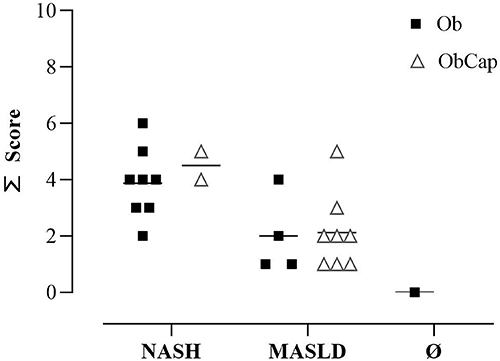
 Capsinoids treatment reduces steatosis with consequent attenuation in the progression of metabolic dysfunction-associated steatotic liver disease in obese rats
Abstract
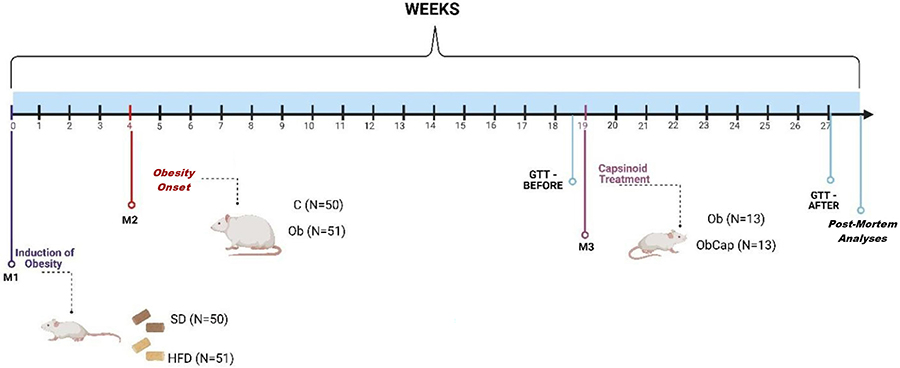
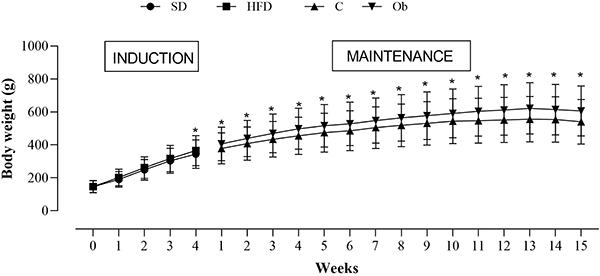
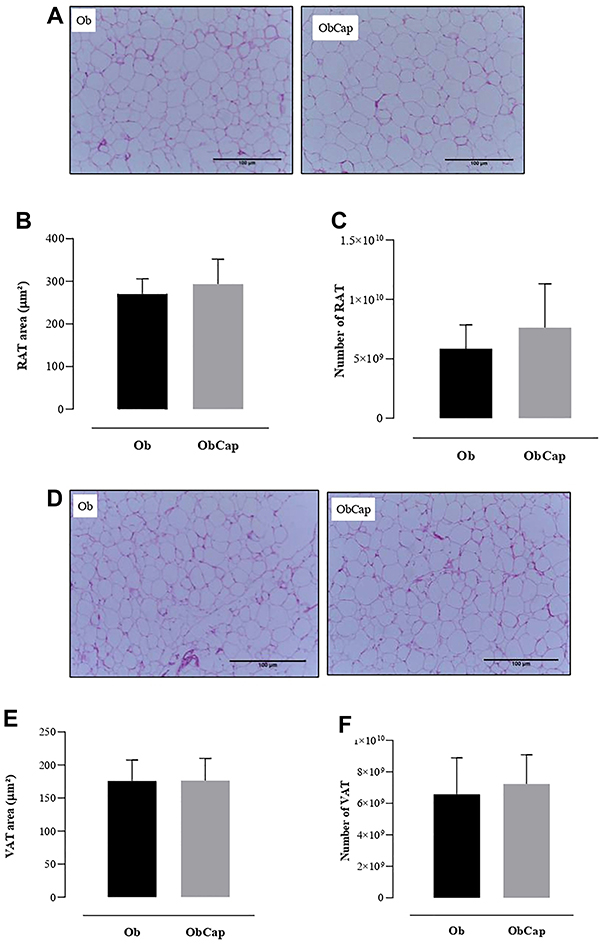
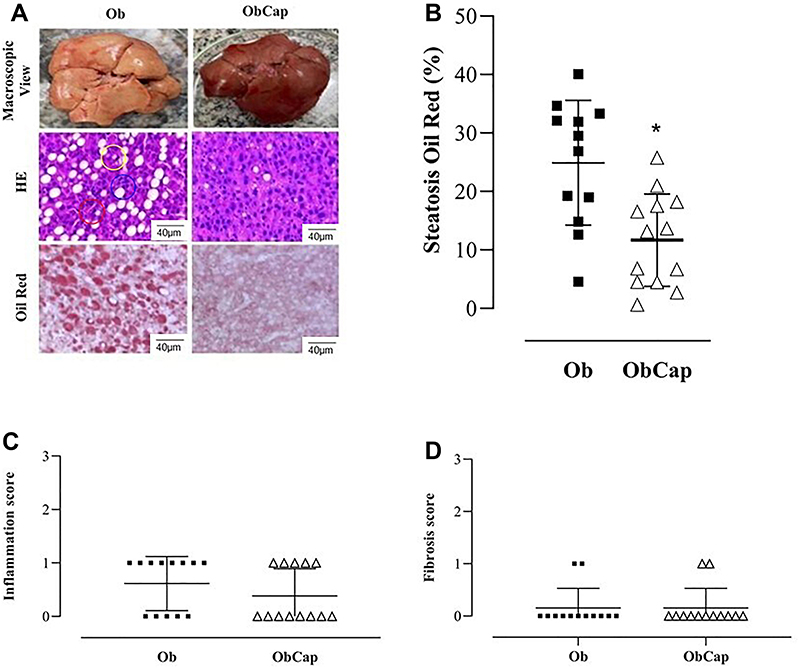
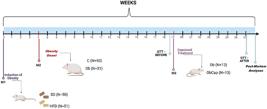
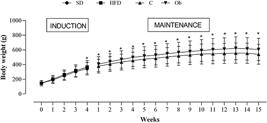
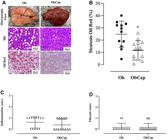
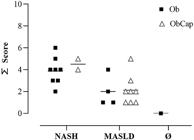
Among the morbidities triggered by obesity, metabolic dysfunction-associated steatotic liver disease (MASLD) stands out, with its progression resulting from the deposition of lipid molecules in the liver. There is a growing interest in natural/functional foods as an alternative for improving health, as well as for the treatment and prevention of diseases. Capsinoids (Cap) - bioactive compounds present in peppers of the genus Capsicum annuum - have been studied for promoting loss of adiposity and increased caloric expenditure. Therefore, this study aimed to investigate the effects of Cap on liver parameters in obese (Ob) rats induced by a high-fat diet (HFD). Male Wistar rats were initially randomized into two groups: standard diet (SD) and HFD. The protocol lasted 27 weeks, including 19 weeks of induction and maintenance of obesity and 8 weeks of Cap treatment. At week 19, the HFD rats were redistributed into the Obese (Ob) and Obese capsinoids (ObCap) groups, and the ObCap group was supplemented daily with chronic Cap treatment by orogastric gavage (10 mg Cap/kg daily). Cap treatment was not effective in improving adiposity and inflammatory parameters of obesity, although it reduced ghrelin, cholesterol, and hepatic fat accumulation, and attenuated MASLD progression, which may be promising for combating chronic diseases related to lipid metabolism.
Key words:
Liver disease; Obesity; Capsinoids; Steatosis; Metabolic dysfunction-associated steatotic liver disease
 Thumbnail
 Thumbnail
 Thumbnail
 Thumbnail
 Thumbnail