 ZNF821 as a potential biomarker associated with immune infiltration in pancreatic adenocarcinoma
Abstract
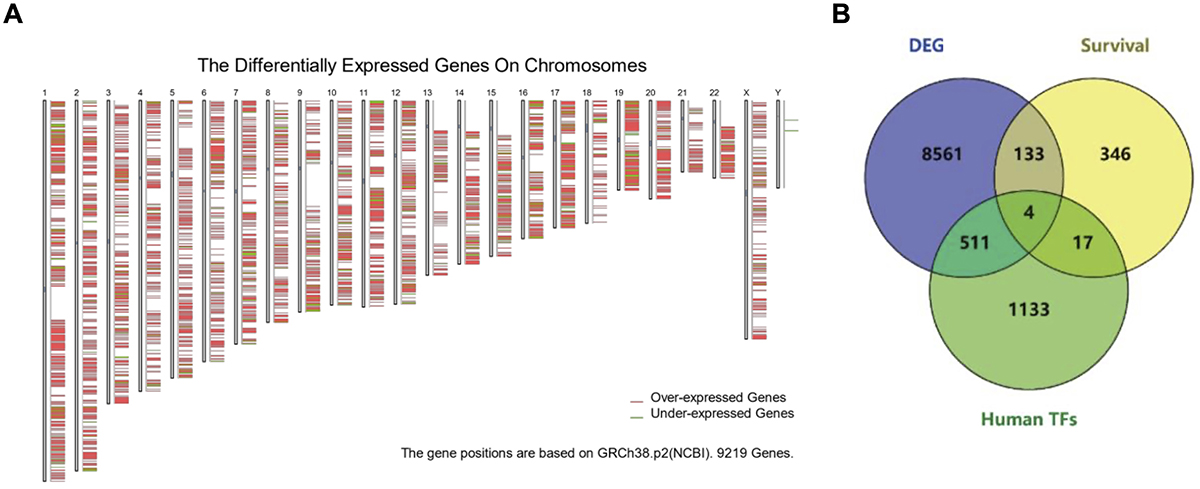
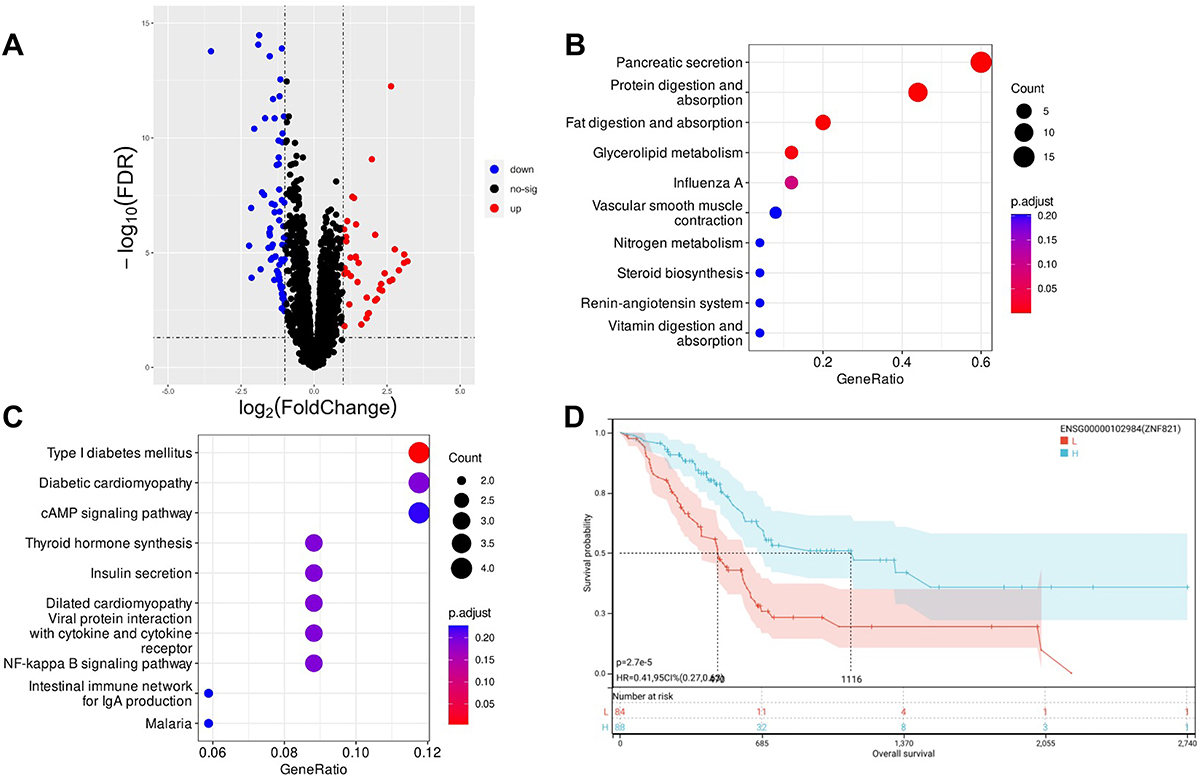
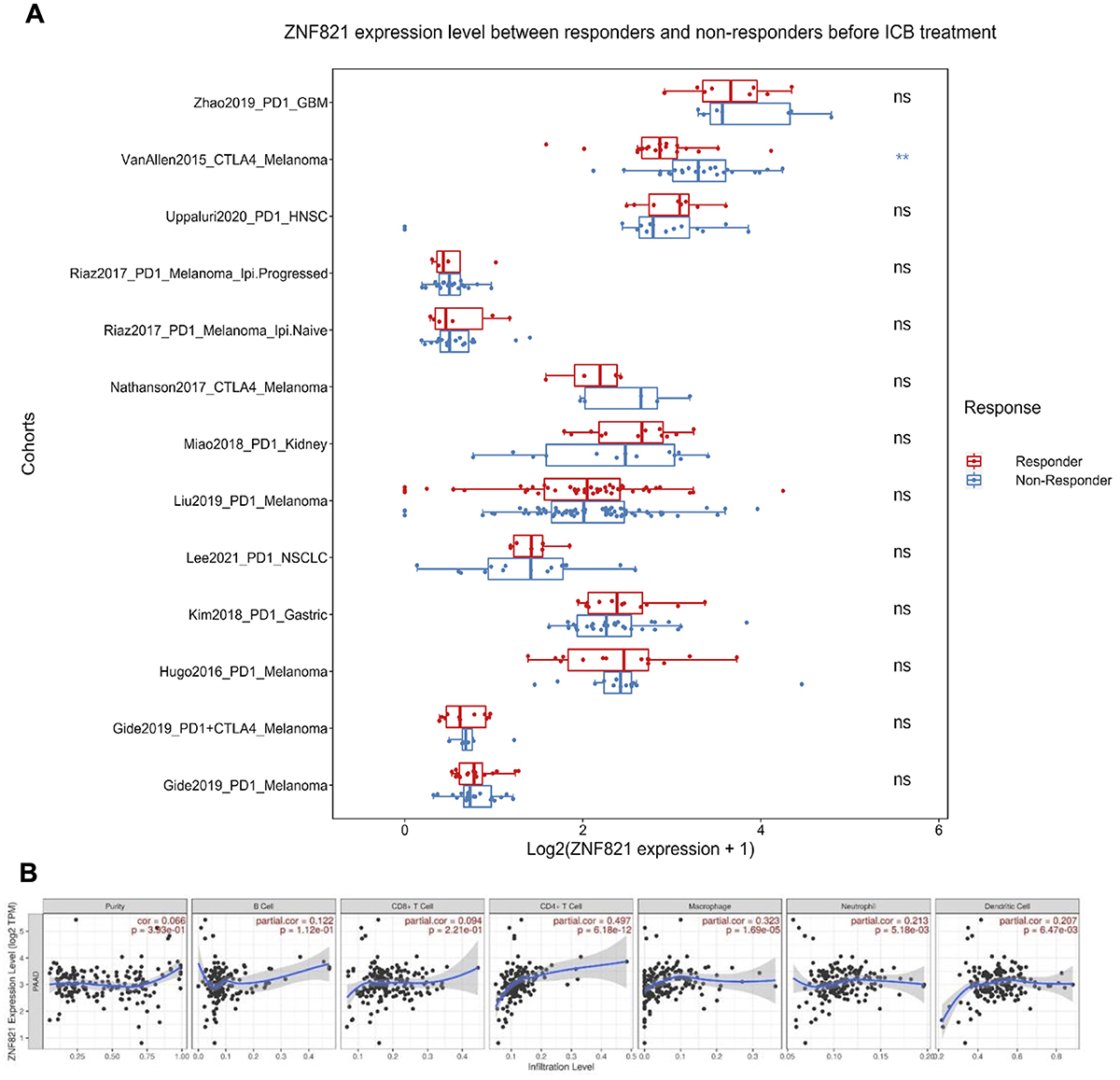
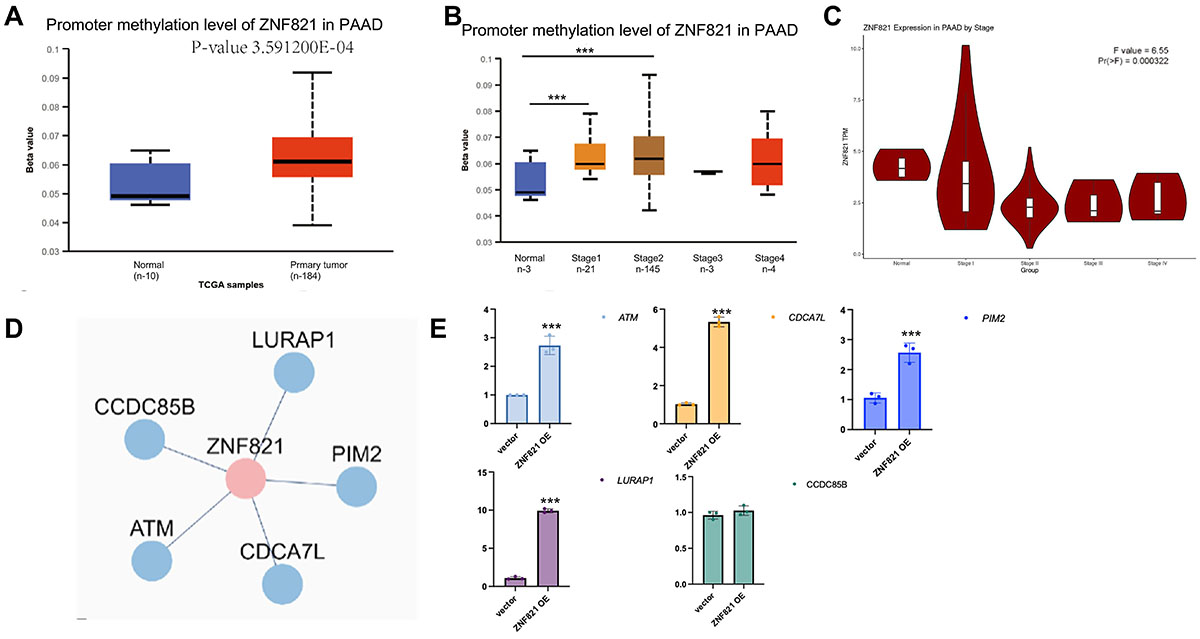
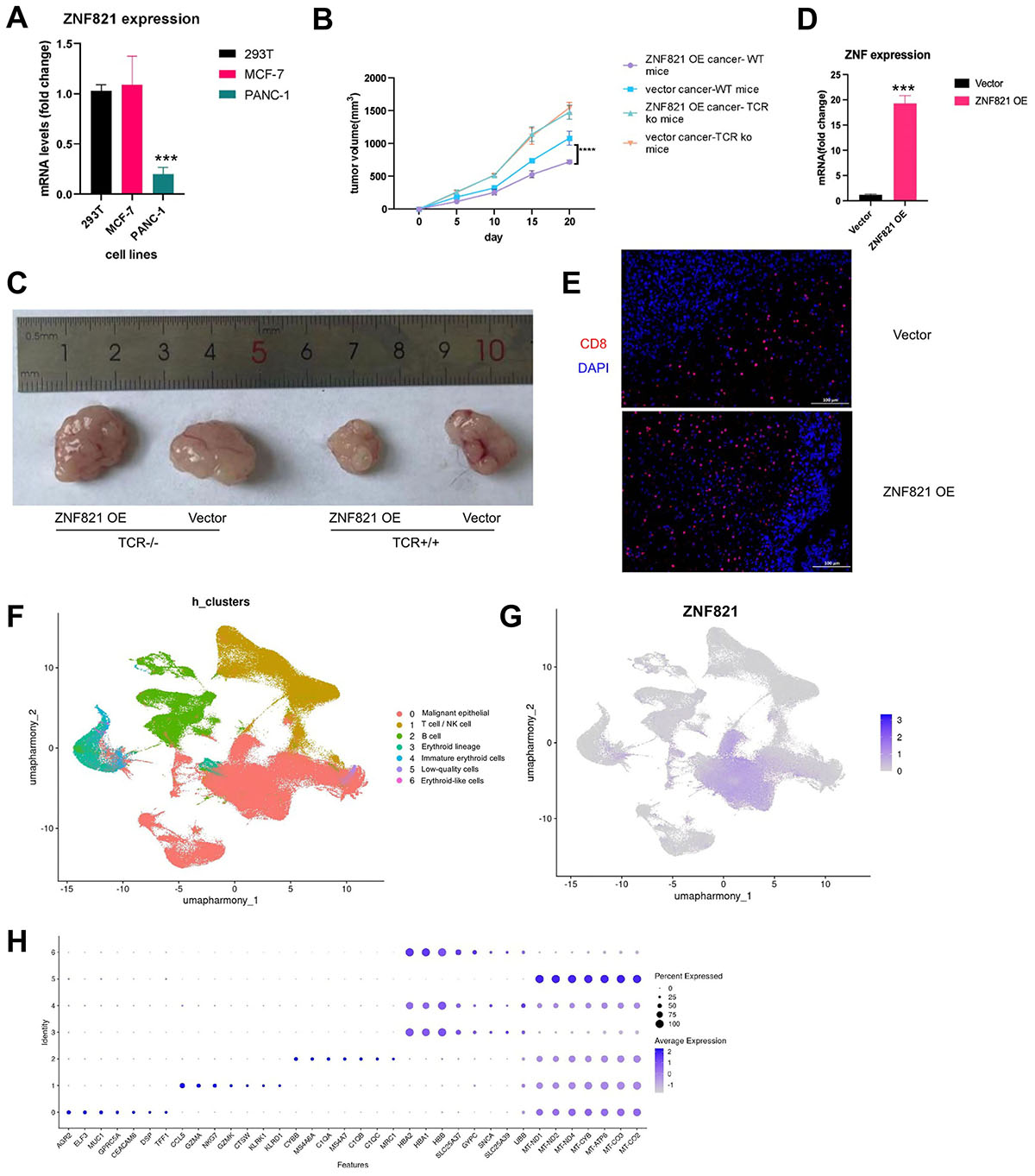
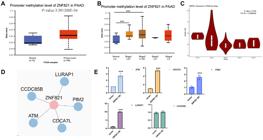
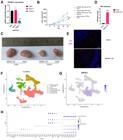
Pancreatic adenocarcinoma (PAAD) is a highly aggressive and lethal malignancy originating from the epithelial cells lining the pancreatic ducts. To date, no robust biomarkers have been established to reliably predict PAAD prognosis. To identify potential transcriptional biomarkers, we analyzed transcription factor expression in PAAD patients from The Cancer Genome Atlas (TCGA) and identified ZNF821 as a novel prognostic marker. Higher ZNF821 expression was significantly associated with improved patient survival and was positively correlated with increased immune infiltration and cytotoxic activity within the tumor microenvironment. Additionally, elevated ZNF821 levels predicted a favorable response to immunotherapy. We further discovered that tumors downregulate ZNF821 through DNA methylation, facilitating immune evasion during tumor progression. To investigate its functional mechanisms, we analyzed proteins regulated by or interacting with ZNF821. Moreover, we identified existing drugs that may target ZNF821, suggesting potential therapeutic applications for PAAD. Experimental validation using RT-PCR confirmed ZNF821 downregulation in pancreatic cancer cell lines. Furthermore, tumor growth comparisons between ZNF821-overexpressing and ZNF821-null models demonstrated that ZNF821 enhances anti-tumor immunity, contributing to tumor suppression. In summary, our study identified ZNF821 as a novel prognostic biomarker in PAAD, offering new insights into tumor immune evasion and potential therapeutic strategies.
Key words:
ZNF821; Pancreatic adenocarcinoma; Methylation; Immune evasion; Immune infiltration
 Thumbnail
 Thumbnail
 Thumbnail
 Thumbnail
 Thumbnail