 Brief results of heterotopic xenotransplantation of meningioma into the peritoneum of Wistar rats: an experimental study
Abstract
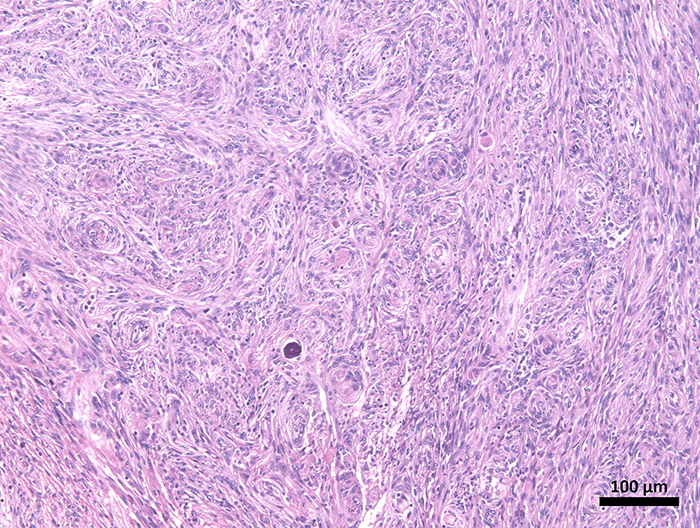
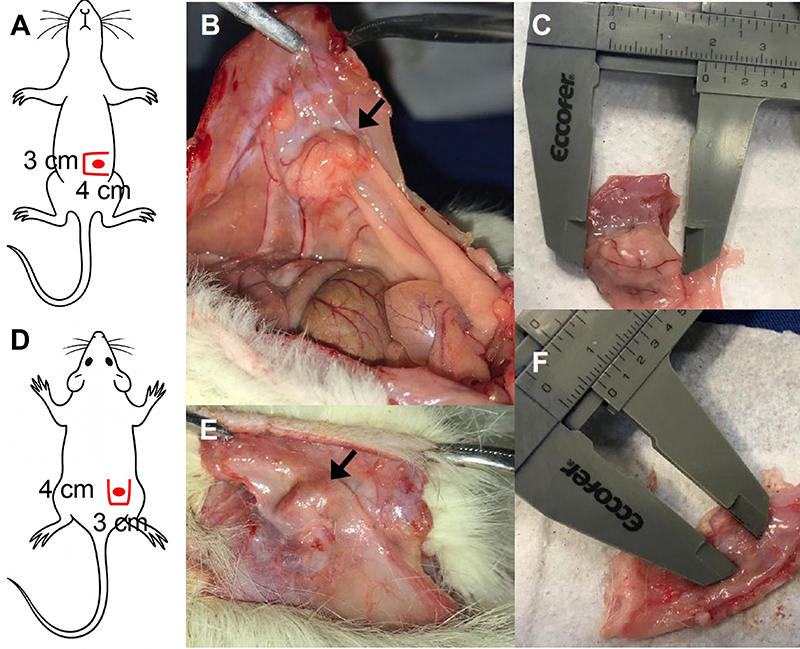
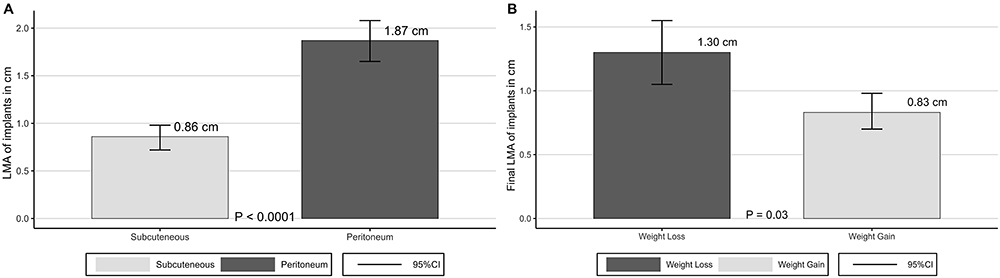
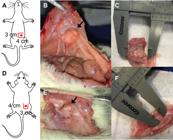
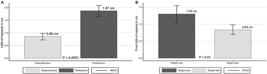
Meningiomas are the most common primary intracranial tumors, and xenotransplantation models help to study their behavior and test therapies. This research developed a model implanting WHO grade I meningothelial meningioma into the peritoneum of immunosuppressed rats, comparing it to subcutaneous implantation. The primary objective was to analyze tumor growth and progression, focusing on the role of the microenvironment. Peritoneal implants (1.87±0.25 cm) grew significantly larger than subcutaneous implants (0.86±0.14 cm) (P<0.0001). An inverse correlation was found between weight variation and the difference in implant sizes, indicating that weight loss in animals was associated with larger implant growth. Animals that lost weight had significantly larger implants compared to those that gained weight. Implantation site and the animal's weight variation can significantly impact the growth of meningothelial meningioma fragments, with peritoneal implants showing greater growth and weight loss correlating with larger tumors.
Key words:
Meningothelial meningioma; Xenotransplantation; Peritoneal implant; Rats
 Thumbnail
 Thumbnail
 Thumbnail