 Dynamics of salivary microbiota in pediatric cardiac patients: from the ward to the intensive care unit
Abstract
Background Nosocomial infections pose a significant risk to pediatric cardiac patients, often linked to alterations in the oral microbiota during hospitalization.
Objective To identify microorganisms responsible for nosocomial infections in the saliva of children and adolescents with congenital heart disease admitted to a tertiary care hospital.
Methods This prospective study included patients aged 0–18 years who underwent cardiac surgery. Unstimulated saliva samples were collected at three time points: (1) within 24 hours of admission to the hospital ward; (2) within 24 hours after surgery in the Pediatric Intensive Care Unit (PICU); and (3) 48 hours postoperatively in the PICU. Oral hygiene status was assessed using the Visible Plaque Index (VPI). Samples were analyzed to identify the presence of microorganisms associated with nosocomial infections.
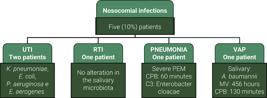
Results Among 50 participants, 44% exhibited alterations in their salivary microbiota, with Klebsiella pneumoniae (25%) being the most prevalent pathogen, followed by Acinetobacter baumannii (24%) and Enterobacter cloacae (20%). Nosocomial infections occurred in 10% of patients. Microbiota alterations were significantly associated with younger age (<12 months), systemic inflammatory response syndrome (SIRS), prolonged mechanical ventilation (≥72 hours), and extended cardiopulmonary bypass time (≥60 minutes) (p<0.05). No significant association was found between VPI and microbiota changes.
Conclusion Significant shifts in the oral microbiota, particularly involving pathogens with nosocomial potential, occur after 24 hours in the PICU. These findings underscore the importance of monitoring oral health and implementing preventative oral hygiene protocols to reduce systemic infections in pediatric cardiac patients.
Keywords
Saliva; Microbiota; Heart defects, congenital; Intensive care units, pediatric; Cross infection; Oral health
 Thumbnail
 Thumbnail
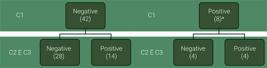
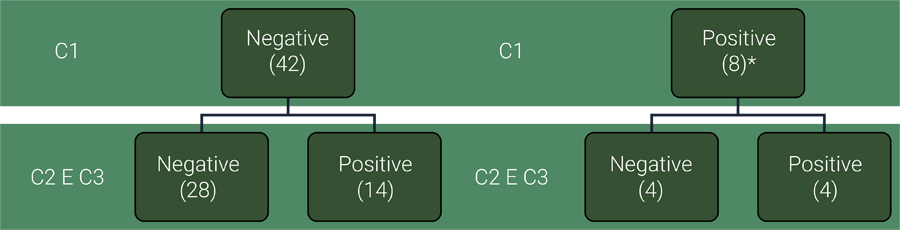 * Five had attended a recent outpatient visit or had been recently hospitalized(C1= Collection 1; C2= Collection 2; C3= Collection 3)