 Biosimilars Boom: Unlocking the Challenges, Regulations, Patents, and Market Entry in USA
Abstract
A significant advancement in contemporary healthcare is the introduction of biosimilars into the pharmaceutical sector. Because they are physiologically identical to reference biological products, biosimilars offer a more affordable option for the treatment of serious chronic illnesses such multiple sclerosis, diabetes, cancer, and autoimmune diseases. Biosimilars must exhibit similar efficacy, safety, and quality to the reference biologics despite differences in production methods. In the United States, regulatory frameworks like the Biologics Price Competition and Innovation Act (BPCIA) of 2009 have streamlined the biosimilar approval process, promoting competition and possibly lowering healthcare costs. Nevertheless, negotiating the patent landscape remains challenging due to the intricate “patent dance” litigation process and exclusivity periods for original biologics. Biosimilars also encounter competition from biobetters, improved biologics versions, and non-original biologics in less regulated markets.Recent technologies such as artificial intelligence (AI) and big data analytics are reshaping biosimilar development by enhancing clinical trial efficiency and product accuracy. Manufacturers are increasingly concentrating on biosimilars, driven by strategic partnerships, regulatory advancements, and the potential for substantial cost savings. Despite challenges like regulatory complexity and market competition, biosimilars are positioned to have a crucial role in widening patient access to essential therapies while fostering innovation in pharmaceutical sector.
Keywords:
Biosimilars; Patents; Regulations; Challenges; Artificial intelligence; Growth drivers; Manufacturers focus.
INTRODUCTION
Biological medicines, first developed in the 1980s, represent a breakthrough in healthcare as they are produced using biotechnological methods, such as recombinant DNA technology, unlike traditional chemical-based drugs(Mascarenhas-Melo et al., 2024). Biosimilars are biological products that closely resemble, but are not identical to, the original or reference biological products. Different global health agencies may have varying descriptions of biosimilars, as depicted in Figure 1 (Khozin, 2024).

Generally, biosimilars are complex, large molecular-weight molecules that are created in living cells through genetic engineering. This distinction led to the establishment of specific legislation to regulate their development and use. These biological therapies have proven invaluable in treating life-threatening conditions like cancer, diabetes, autoimmune disorders, and multiple sclerosis, becoming a vital component of modern healthcare. Over time, as patents for these original biologics expired, biosimilars emerged as cost-effective alternatives. However, biosimilars must meet rigorous standards to demonstrate safety and effectiveness comparable to the original biologicsor new molecular entities (NME)(Oriama,Mudida, Burger-Helmchen, 2022).Biosimilars are distinctly different from their reference biologics, as they are produced through distinct manufacturing processes, which can result in structural differences in the active proteins(Abraham,2023).Notwithstanding these differences, they must have a high degree of protein sequence, efficacy, safety, and quality similarity. In the healthcare industry, the emergence of biosimilars has brought up both opportunities and challenges, especially in light of the high expense of biologic medicines. The development of biosimilars after patent expiration has made treatment choices for complicated diseases, particularly autoimmune and oncological ailments, more accessible. Historically, intellectual property restrictions have resulted in monopolies and higher drug costs. To guarantee patient safety, biosimilar integration into healthcare systems necessitates stringent regulatory scrutiny, including continuous pharmacovigilance and analytical, non-clinical, and clinical similarity evaluations (Niazi, 2024).
It is important to distinguish that biosimilars are not the same as generic medicines, despite both being alternatives to previously approved branded drugs. Generics consist of chemically synthesized small molecules, ensuring their molecular identity matches that of the reference products (RPs). Biosimilars, on the other hand, are produced using living cells, and while they might have the same amino acid sequence as the reference biologic, spontaneous differences may arise due to processes such as protein folding or glycosylation. This means it is not possible to create a replica of a biological medicine. However, biosimilars can be developed to achieve comparable quality, efficacy, and safety, ensuring similar therapeutic outcomes. Biosimilars are not the only type of biological products on the market. Biobetters, standalone biologics, non-original biologics or intended replicas, and original biologic medications are all competitors of biosimilars. The stand-alone biologics are independently developed, original products that undergo full regulatory review. Non-original biologics is less precise and may refer to biosimilars or other biologic copies that do not meet the stringent criteria of biosimilarity, often varying in quality, efficacy, or regulatory standards.
Intended copies
Versions of reference biologics that do not meet the regulatory requirements set by agencies like the FDA, WHO, and EMA are referred to as intended copies. These products are frequently offered in nations with laxer rules, but they are usually not accessible in highly regulated markets like the US, Europe, and Australia. Because of their reduced cost, biological treatments are now more widely available in these regions.Reditux and Kikuzubam, for example, are biosimilars of rituximab thoseare available in India and some regions of South America. Reditux has not been directly compared to the original rituximab, despite having successfully passed a Phase III clinical trial to verify its efficacy. Kikuzubam, on the other hand, was taken off from the market because of safety issues and verified toxicity. The effectiveness, quality, and safety of intended replicas are not proven to be equivalent to those of their reference items.Even if the amino acid sequences of these copies are identical, their pharmacological profiles may differ due to the factors such as impurities, aggregation, or post-translational modifications (PTMs). Concerns pertaining tothese intended clones’ equivalency or non-inferiority to the original medications are raised by the dearth of clinical trials assessing their safety and efficacy. Furthermore, they are usually left off any internationally active biosimilar news channels and could not have a verified clinical trial procedure.
Biobetters
Theseare intentionally altered copies of biological medications that are already on the market, to improve certain pharmacological characteristics including dose schedules, safety, effectiveness, or immunogenicity. Although the production procedures for biobetters are similar to those for conventional biologics, they also include cutting-edge methods such as pegylation, which adds polyethylene glycol, and protein substitution. Because biobetters have separate molecular structures and activities, they are considered distinct biological entities and are subjected to the regular approval procedure instead of the biosimilar pathway (Sterne Kessler, 2024). Darbepoetin alpha, a modified form of epoetin with altered glycosylation that results in a longer elimination half-life, and insulin glargine, which has been altered to decrease insulin release following subcutaneous delivery, are examples of biobetters. Neulasta, a biobetter of Neupogen, is another noteworthy example. It requires less frequent administration throughout chemotherapy cycles, improving patient adherence and lowering costs. Sorrento Therapeutics was permitted to sell CMAB008, a biobetter form of infliximab, in China in July 2021. In contrast to the original infliximab, which is developed from murine cell lines, this product is made utilizing Chinese hamster ovary (CHO) cell lines, which should improve safety and decrease immunogenicity(Ye et al., 2023).A novel class of drugs known as “standalone biologics” differs from previously available goods. They are the biological equivalents of “me-too” drugs and are classified as biosimilars since their safety and effectiveness are evaluated against a placebo or other reliable comparator.
USFDA REGULATORY LANDSCAPE AND PATENT FRAMEWORK
BPCIA History: Lower-cost biologics through biosimilars
Significant modifications were made to the Public Health Service (PHS) Act and associated statutes by the BPCI Act, which was enacted on March 23, 2010, as part of the Patient Protection and Affordable Care Act (ACA). Sections 7001 through 7003 of the ACA contained one of its main features, which created a shortened licensure process for biological products. Products that are biosimilar to or interchangeable with a biological reference product licensed by the FDAfall under this pathway (Franklin, 2016; WIPO, 2010).Companies seeking clearance for biosimilar goods and those seeking approval or supplements for interchangeable products must meet the precise conditions outlined in Section 351(k) of the PHS Act, which was added by the BPCI Act. In order to encourage competition and possibly lower healthcare costs, this regulatory framework seeks to expedite the licensing process for biosimilars and interchangeable biological products. The introduction of interchangeable and biosimilar biologic medications provides patients and healthcare practitioners with access to safe, effective, and potentially more affordable alternatives to existing biologics. By fostering competition in the biopharmaceutical industry, the BPCI Act aims to encourage innovation and improve patient access to essential treatments. The BPCI Act represents a significant milestone in healthcare policy, aiming to balance innovation with affordability and accessibility in biological drug therapies.The evolution and implications of biologics and the regulatory framework surrounding them (Williams, 2024):
Introduction of Biologics and Regulatory Challenges (Late 1990s):
-
• Biologics are medical treatments derived from living organisms.
-
• Despite being more complicated than chemical medications, biologics were approved under the New Drug Application (NDA) prior to 1999.
Public Health Service Act (1999) amendment:
-
• In 1999, the Biologics License Application (BLA) for biologics was introduced when the PHSA was revised.
-
• In contrast to conventional chemical medications, this acknowledged the special characteristics of biologics.
BPCIA (2009):
-
• Passed in 2009 as a component of the Patient Protection and Affordable Care Act.
-
• Under the FDA’s BLA procedure, an expedited approval pathway (351(k)) for biosimilars was introduced. Aims to increase treatment options, and medication access, and perhaps reduce healthcare expenses via competitiveness.
Exclusivity Periods:
-
• Prevents the submission of a biosimilar application for four years following the initial license of a reference product.
-
• Provides a 12-year exclusivity period that prevents the approval of a biosimilar application.
Patent Protection and Litigation Framework:
-
• The BPCIA lays down the parameters for patent disputes known as “patent dance.”
-
• Biosimilar applicants must notify the reference company upon submission of their application.
-
• The reference company identifies patents that could be infringed and initiates patent dispute settlements before FDA approval.
Challenges and Impact:
-
• Lack of clarity in the patent litigation process can lead to uncertainty for biosimilar manufacturers.
-
• Concerns about patent infringement can discourage both biosimilar and original biologic drug innovation.
-
• Some argue that this system favors reference companies in prolonging market exclusivity and stifling competition.
BPCIA has significantly impacted the development of new biologics in several key ways, as depicted in the Figure 2 (Williams, Miao, 2022; Timmis, 2015). The use of biologics increased significantly in the late 1990s, which prompted a major change to the PHSA in 1999. Instead of using the traditional NDA process, this change allowed biologics to be approved through a Biologics License Application (BLA) (FDA, 1999). Section 351(k) was subsequently added to the PHSA in 2009 by the BPCIA, which is a component of the Patient Protection and Affordable Care Act. This clause gave the FDA the authority to create a more straightforward biosimilar approval procedure using BLA rather than the more complicated 351(a) approach (Franklin, 2016).

The primary objectives of the BPCIA involve expanding treatment alternatives, enhancing the availability of essential medications, and potentially mitigating healthcare expenses through increased competition. In order to accomplish these goals, the FDA depends on manufacturers to keep up their creative work. The BPCIA also provides biosimilar manufacturers with a simplified approval process and specifies exclusivity periods for biologics: a 4-year period from the original licensing of a reference product during which a biosimilar application cannot be submitted and a 12-year period during which a biosimilar application cannot be approved, giving original manufacturers a window to capitalize on their products without being pressured by competitors. This provision encourages companies to continue developing new products.Notably, the BPCIA fails to shield biosimilar manufacturers from infringement of patents, which is a significant concern within this sphere. Rather, it creates a structure for dispute resolution to settle any patent controversies that may arise between the reference firm and the biosimilar applicant before the biosimilar is approved by the FDA(Hafke, 2024). The reference product organization must be notified by a biosimilar application uponapplication. The reference company must then identify any potentially infringed-upon patents. To develop their medications, biosimilar organizations rely on information obtained from the original biologic, and there is a likelihood of utilizing reference company intellectual property. Hence, the companies engage in a back-and-forth communication process to iron out any disputes that may arise, a process often referred to as the “patent dance” (CRS, 2021).Without a doubt, the patent litigation process is required. A biosimilar firm is not legally required to reveal its application, and the reference company is not required to disclose its associated patents, according to the BPCIA’s uncertainty. Due to this ambiguity, patent litigation may unintentionally deter businesses from creating both original biologic therapies and biosimilars. In light of this situation, reference groups might focus on obstructing biosimilar businesses during the “patent dance,” while biosimilar manufacturers might be deterred by the threat of possible patent infringement problems. The Drug Price Competition and Patent Term Restoration Act of 1984 (Hatch-Waxman Act) and the biosimilar licensing process that the European Medicines Agency established in 2004 served as models for the BPICA, which expands on current laws. For applications filed under section 351(k) of the PHS Act, the BPCI Act lays out the processes for identifying and resolving patent issues. A number of provisions are also included in the BPCIA, as seen in Figure 3 (Tvetenstrand, 2024).

EVOLUTION OF FDA’s GUIDELINES FOR BIOSIMILARS
The FDA’s guidelines for biosimilars have undergone significant evolution since their inception, reflecting advancements in scientific understanding and regulatory practices. The key developments over time include (Khozin, 2024; Cohen, 2023):
Initial Framework and Early Guidance
2010: With the passage of the Biologics Price Competition and Innovation Act (BPCIA), the U.S. regulatory framework for biosimilars was established. In order to promote innovation and guarantee patient access to biosimilars, this act established a 12-year exclusivity term for reference biologics.
2014: The FDA released its first guidance document on the development and approval of biosimilars, which laid out the foundational principles for demonstrating biosimilarity to reference products. This guidance emphasized a methodical approach, commencing with analytical characterization and progressing through clinical studies.
Refinements and Updates
2015-2016: The FDA published several guidance documents focusing on specific aspects of biosimilar development, including quality considerations, clinical pharmacology data, and interchangeability. These documents aimed to clarify regulatory expectations and streamline the approval process.
2018: Through a variety of measures, such as regulatory clarity and educational outreach, the FDA unveiled the Biosimilar Action Plan, which sought to increase competition and enhance access to biosimilars. Significant debates concerning the necessity of specific testing standards resulted from the filing of a Citizen Petition calling for a thorough examination of biosimilar guidelines.
Recent Changes and Future Directions
2023-2024: In 2024, FDA introduced significant regulatory updates affecting the approval and labeling of biosimilar and interchangeable biosimilar products. Based on accumulated post-marketing evidence and clinical data, the FDA proposed in June 2024 to remove the requirement for switching studies in most cases, thereby streamlining the pathway to interchangeability. Concurrently, the FDA revised its labeling guidance to eliminate the mandatory inclusion of a distinct “interchangeability statement” on product labeling. Instead, both biosimilar and interchangeable biosimilar products now include a unified “biosimilarity statement,” reflecting that all approved biosimilars meet the same rigorous standards for safety, purity, and potency as their reference products.
2022: Due to scientific findings that questioned the need for animal research, the word “animal toxicology” was eliminated from the BPCIA and replaced with “nonclinical testing.” This modification highlights a growing tendency in biosimilar appraisal toward more logical, scientific methods.
2023: The FDA called for a meeting to discuss removing clinical efficacy testing for biosimilars, aligning with the practices in other regulatory jurisdictions, such as the UK, which is no longer required such testing based on scientific validity.The evolution of the FDA’s biosimilar guidelines reflects a broader commitment to scientific rigor and regulatory efficiency. As the landscape of biosimilar development continues to mature as mentioned in Table I, ongoing adoptabilityto the regulatory framework are expected to facilitate faster access to these important therapies while prioritizing the highest standards of safety and effectiveness (Niazi, 2024; Menchaca, 2021; Oriama, Mudida, Burger-Helmchen, 2022).
BIOSIMILARS ACTION PLAN (BAP)
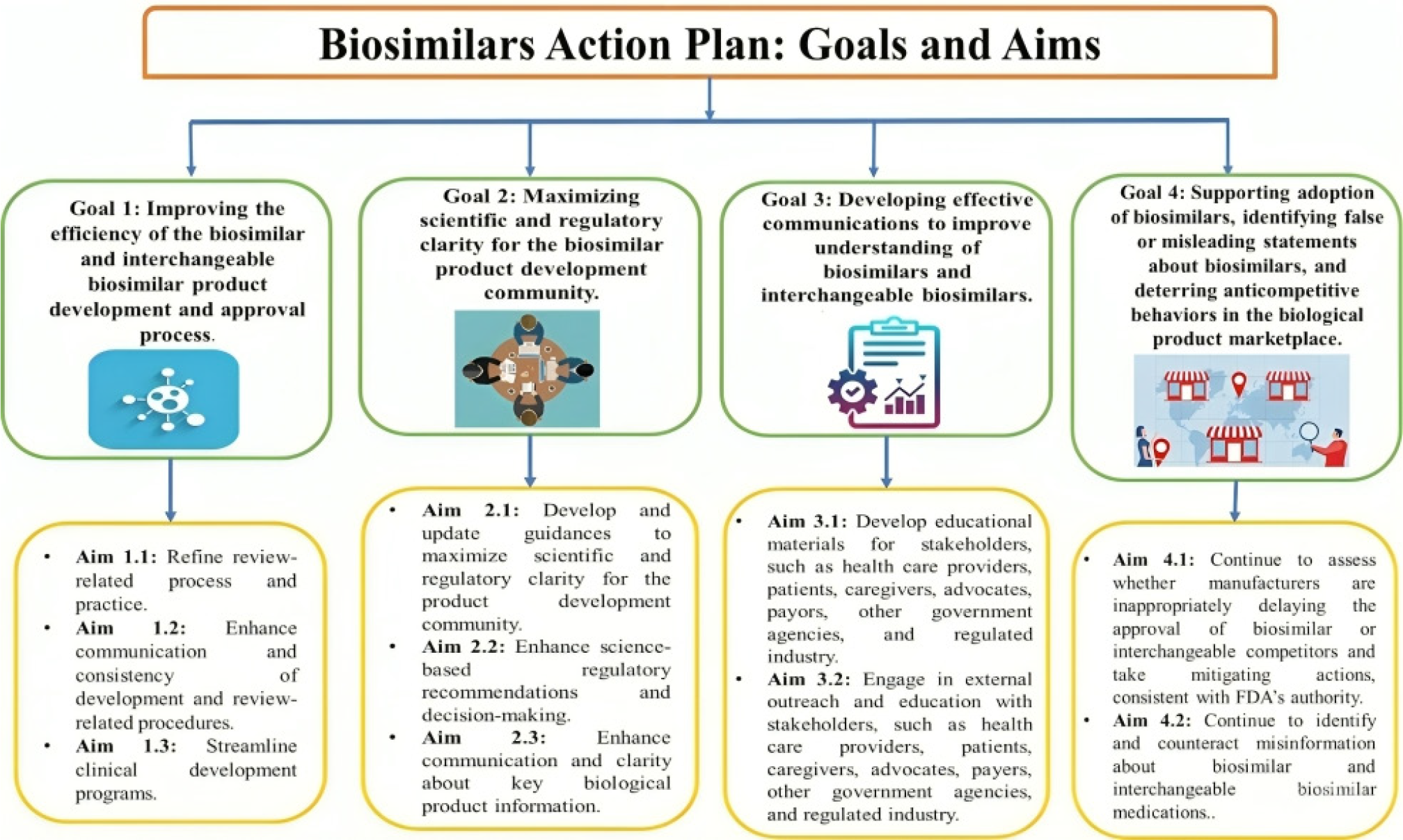
The FDA created the BAP to promote the development of biosimilars and interchangeable biosimilars while also encouraging innovation and competition in the biological products industry. This plan highlights the Agency’s commitments and focuses on efforts to achieve these objectives. Initially released in 2018, the BAP was structured around four key areas, each containing priority deliverables to meet its outlined goals. Over the past five years, the FDA has achieved most of the objectives outlined in the 2018 BAP and published a summary report detailing these accomplishments. Market land scape data of biosimilars in USA is given in Table II. To further support its work related to biosimilars, the FDA has updated the original BAP to reflect current strategic priorities and align with the regulatory goals of the current Biosimilar User Fee Act (BsUFA) commitments. The revised BAP, now presented in a streamlined, web-based format, serves as a blueprint for achieving the FDA’s mission regarding biosimilars. It is organized by overarching “Goals” and specific “Aims,” as depicted in Figure 4, which express the overarching goal of encouraging biologics innovation and competition and facilitating the creation and approval of superior, secure, and efficient biosimilar and interchangeable biosimilar goods for the American public (Abraham, 2023).
FDA APPROVAL FOR BIOSIMILARS
Biosimilar approval is complex and resource-intensive, requiring extensive analytical, preclinical, and clinical evidence to demonstrate similarity to the reference product. This includes detailed physicochemical characterization, functional assays, and clinical trials to confirm comparable safety, efficacy, and immunogenicity. Due to the inherent variability in biologic production and stringent regulatory requirements, biosimilar development presents significant challenges compared to traditional pharmaceuticals (McClellan et al., 2024). For FDA approval, biosimilars must undergo studies demonstrating no differences in safety and effectiveness compared to the original biologics. A total of 58 biosimilars are approved in the US and the number of biosimilars approved every year is depicted in Figure 5.

The 351(a) (stand-alone application) and 351(k) applications need to follow separate pathways for the approval of biological and biosimilar products in the United States, each with its specific roles under the PHS Act. These pathways are designed to accommodate different types of biological products and approval requirements. The distinctive characteristics and regulatory considerations for each pathway have beenillustrated in the accompanying Figure 6. This visual aid aims to provide a clear understanding of the contrasting features and processes associated with the 351(a) and 351(k) applications involved in developing and approving biological and biosimilar products(Lim, 2024).A biological product is considered biosimilar if it is substantially comparable to the reference product and only differs minimally in its clinically inactive components, according to Section 351(i) of the PHS Act. Furthermore, the biologic and the reference product must not differ significantly in terms of potency, purity, or safety (Jeremias, 2024a)

Applicants must demonstrate biosimilarity and the biological product’s capacity to yield the same clinical results as the reference product for a particular patient in order to satisfy the interchangeability requirements. Additionally, when a person is to receive the biological product more than once, the applicant must show that switching between the biological product and the reference product does not increase the risk of safety or decrease efficacy when compared to using the reference product regularly. Substitution refers to replacing one product with another, typically at the pharmacy level, without healthcare provider involvement. For biologics, substitution is only allowed if explicitly authorized. Interchangeability, however, means a biosimilar can be substituted for the reference product with the same clinical outcome, after demonstrating no clinically meaningful differences in safety, efficacy, and immunogenicity. Interchangeable biosimilars can be substituted at the pharmacy level without the prescriber’s involvement (Bas, Duarte, 2024). It is possible to substitute interchangeable biosimilars for the reference product without the help of the prescribing healthcare physician. Information demonstrating that the biological product is biosimilar to the reference product is one of the requirements for applications filed under Section 351(k). The following data must serve as the foundation for this evidence, and Figure 7 lists the prerequisites for biosimilarity (CRS, 2024). Building evidence for biosimilarity requires demonstrating molecular structure, functional equivalence, and clinical performance similarity to the reference product through physicochemical characterization, functional assays, immunogenicity testing, clinical trials, and manufacturing consistency, with potential for extrapolation across indications based on scientific justification (Mascarenhas-Melo et al.,2024).

Analytical studies
The design of biosimilars is predicated on analytical investigations. The proposed product’s structural and functional similarity to the reference product is supported by the findings from these investigations, which also assess the significance of any variations found.
Toxicity assessment
This can rely on, or be comprised of, studies as outlined in 351(k)(2)(A)(i)(I)(aa) or (cc) section.
Clinical studies
These should assess immunogenicity and pharmacokinetics or pharmacodynamics to the degree required to confirm safety, potency, and purity under one or more appropriate use conditions for which the reference product is approved and for which the biological product is licensed and intended. By virtue of the PHS Act, the FDA can decide whether any of these components are required for a 351(k) application. In accordance with FDAstandards, pharmaceutical and biological product labels must contain enough information to guarantee that medical professionals may use the product safely and efficiently for the intended objectives. A pharmacological or biological product’s approved prescribing information enumerates the key scientific information required for medical professionals to utilize it safely and effectively. The FDA’s assessment of the drug’s or biological product’s safety and effectiveness under the specified conditions of use is reflected in this labelling, which also helps with prescribing decisions and lowers the possibility of medication errors(Jeremias, 2024b). Data on the introduction of novel biosimilars is displayed in Figure 8.

US BIOSIMILAR PATENT STRATEGIES: THE PATENT DANCE
Establishing patentability criteria has become more difficult as a result of the patenting of living things and genetically modified organisms (GMOs). Patents for isolated genes and other biological materials have been granted as a result of the broadening of patentable subject matter to encompass live forms. The 1980 Diamond v. Chakrabarty ruling by the US Supreme Court, which held that a genetically modified microbe that could break down crude oil may be patented, completely changed the biotech sector in the US (Saraswat,2022).This landmark case established that “anything made by man under the sun” is patentable. However, the long-term consequences of this decision were seen in the Myriad case, where the Supreme Court invalidated patents on isolated genes, preventing access to biological tools for diagnosis and research. A new era in biotechnology patent subject matter eligibility was ushered in by the Myriad ruling. In the Mayo v. Prometheus case, the Supreme Court also declared patents on correlation techniques employing natural laws to be invalid. These cases show that patent grants are subject to challenge at any time, even while they are not final. In order to balance the interests of owners and users, the United States has mechanisms such as the Hatch-Waxman Act. The Hatch-Waxman Act and BPCIA continue incentivizing innovation for generic and patented drug manufacturers (Muthalaly,2021). The U.S. biosimilar approval pathway introduces new patent litigation procedures, referred to as the “patent dance,” which involve an information exchange process that results in at least two phases of patent litigation. This approach is notably different from the Hatch-Waxman litigation framework used for small molecule drugs. Key differences include:
-
• Absence of an “Orange Book” containing patents for the product, active component, or authorized applications of the reference biologic product (RBP).
-
• It is not necessary to submit patent certifications to the FDA, including those pertaining to possible patent issues or the 30-month stay for challenges.
-
• The procedure depends on voluntary disclosure of data, including the biosimilar application, manufacturing process specifications, and pertinent patents that are recognized by the biosimilar applicant and the RBP holder.
-
• If a party does not engage in these voluntary exchanges, it may face restrictions in its ability to prosecute.
-
• The patent exchanges are subject to short deadlines, which could result in a long process before any infringement case begins once the biosimilar application is accepted for submission by the FDA.
-
• There may be multiple patent litigation stages, including those triggered after the first patent list exchange, 180 days before product launch, and after the product is on the market.
When the default process is followed, it includes several steps
Notification
The applicant must notify the RBP holder and submit a copy of the biosimilar application, along with any desired manufacturing process details, within 20 days of the FDA notifying them that the application has been approved.
Exchange of Patent Lists
A list of all the patents that the RBP holder thinks might be violated, together with any that it is willing to license, must be submitted within 60 days. A list of patents that the biosimilar applicant thinks the RBP holder might claim must also be shared.
Detailed Statements
Both parties must provide detailed statements regarding the validity and enforceability of the patents in question.
Good-Faith Negotiations
Following the exchange of patent lists, both parties have 15 days to negotiate which patents to litigate before product launch.
Litigation
If no agreement is reached, both parties compile their own lists, and the RBP holder must initiate a lawsuit within 30 days regarding the patents included in the lists.
180-Day Notice
The reference biologic product (RBP) holder may request a preliminary injunction or both parties may seek a declaratory judgment if the biosimilar applicant provides 180 days’ notice prior to the product’s commercial debut.
When the default pre-approval patent litigation process is followed, it involves a series of notifications, patent list exchanges, and litigation suits. However, biosimilar applicants may choose to avoid the patent dance for various reasons:
-
• The maximum timeframes in the patent dance could result in a lawsuit being initiated 250 days after the FDA accepts the biosimilar application, while the FDA’s 10-month review period (roughly 300 days) might allow product approval before any significant patent decisions are made.
-
• The biosimilar applicant might think that it cannot share its proprietary application data with the RBP holder because of the suggested confidentiality restrictions and the need for patent clarification prior to launch.
-
• The FDA review procedure tends to function separately from the patent dance.
-
• The standard process of exchanging patent information and engaging in pre-launch patent litigation is costly and remains largely untested.
-
• Even after market approval, there remains the possibility of additional lawsuits concerning the marketed product.
-
• Alternative patent challenge methods, like Inter Partes Review (IPR) at the USPTO or waiting for key patents to expire, may be more attractive, especially considering the 12-year exclusivity period, which could leave core patents with limited remaining duration.
Recent Developments and Ongoing Litigation
Sandoz’s biosimilar of Amgen’s Neupogen® (filgrastim), Zarxio® (filgrastim-sndz), was the subject of a lawsuit brought by Amgen against Sandoz for violating the patent dance provisions. By failing to submit its biosimilar application within 20 days of the FDA’s filing notice or by not adhering to other parts of the patent dance, Sandoz was accused by Amgen of committing conversion and violating California’s Unfair Competition Law. However, the California District Court ruled that the patent dance clauses are optional and denied Amgen’s demands for a preliminary injunction and judgment on the pleadings. On June 3, 2015, the Federal Circuit heard oral arguments in Amgen’s appeal of the ruling. In another case, Janssen filed a patent litigation suit against Celltrion/Hospira, alleging that they did not comply with the mandatory patent dispute procedures outlined in the BPCIAin relation to Celltrion/Hospira biosimilar version of Janssen’s Remicade® (infliximab). Janssen claimed that although Celltrion/Hospira submitted its biosimilar application and adhered to certain patent dispute procedures, they failed to provide the necessary manufacturing process details and did not comply with the correct timeline for the patent litigation negotiations or the 180-day notice before commercial launch.As of 2022, there have been several developments in US biosimilar patent litigation:
-
• The Federal Circuit ruled in Amgen v. Sandoz that the patent dance provisions are optional, allowing biosimilar applicants to provide a 180-day notice of commercial launch before FDA approval.
-
• The Supreme Court declined to review the Federal Circuit’s decision, upholding the ruling that the patent dance is optional.
-
• Several biosimilar applications have been approved by the FDA, and some have launched, despite ongoing patent litigation.
-
• The date of the 180-day notice of commercial launch is one of the components of the patent dance that have been clarified by amendments to the BPCIA.
-
• Biosimilar manufacturers continue to explore various strategies to navigate the patent landscape and bring their products to market, including IPRs, declaratory judgment actions, and negotiated settlements with RBP holders.
The evolving legal landscape and ongoing litigation highlight the complexities and challenges faced by biosimilar manufacturers in the US market. As more biosimilars are approved and launched, the patent dance provisions and related litigation are likely to continue shaping the competitive dynamics between biosimilars and reference biologics. The biopharmaceutical industries and the number of patents that have expired or are about to expire include, Genentech, Inc.-87, Amgen Inc. - 24, AbbVie Inc. - 66, Biogen Inc. - 32, Janssen Biotech, Inc. - 12, Regeneron Pharmaceuticals, Inc. - 67. The number of biological patents that have expired or set to expire is shown in Figure 9.

WHY MANUFACTURERS ARE FOCUSING ON BIOSIMILARS?
Manufacturers are increasingly focusing on biosimilars for a variety of strategic, economic, and market-driven reasons. The biosimilar market is poised for substantial growth, driven by several key factors:
Cost-Effectiveness and Affordability
Biosimilars provide a more affordable alternative to expensive biologic therapies (Technavio, 2024).
Increased desire for affordable treatments despite an increase in the prevalence of chronic diseases and the expiration of key biologic patents are the main drivers of this rise (Abraham, 2023). Biosimilars are priced 15% to 35% lower than their reference products, resulting in a substantial savings of $8 billion for individuals in 2020. With the expiration of patents and the introduction of new biosimilar products, the projected savings in 2022 were expected to surpass $30 billion, fostering price competition within the pharmaceutical industry (Hafke, 2024).
Patent Expirations of Major Biologics
A significant number of blockbuster biologics are approaching the end of their patent protection, creating opportunities for biosimilar manufacturers to enter the market. Between 2020 and 2025, most of the major biologics with peak sales of around $60 billion are set to lose exclusivity. This shift is expected to drive competition and lower prices, further enhancing the appeal of biosimilars as viable alternatives to original biologics (Chen, Monnard, Santos da Silva, 2024).
Growing Market Demand
Pharmaceutical firms engaged in medicine discovery, manufacturing, and research have a great deal of room to grow in the expanding biosimilar industry. Many biologics’ patents are about to expire, which presents a fantastic opportunity for generic pharmaceutical companies to create biosimilar medications. Compared to chemical generic medications, biosimilars are more complex and distinct. The size of the global biosimilars market is expected to grow at a compound annual growth rate (CAGR) of about 23.3% from 2024 to 2036, from $25.1 billion in 2022 to over USD 22.19 billion in 2023 to roughly $1.3 trillion by 2032 and USD 337.87 billion by the end of 2036. According to a survey by Towards Healthcare, the cost-effectiveness of biosimilars and the rising incidence of cancer are the primary drivers of this growth as shown in Figure 10 (Pawar, 2024; Saraswat, 2022).

Strategic Collaborations and Investments
Manufacturers are increasingly forming strategic partnerships and collaborations to enhance their capabilities in biosimilar development. These alliances can provide access to advanced technologies, shared resources, and expertise, which are essential for navigating the complexities of biosimilar production. For instance, investments from companies like Gedeon Richter in Formycon highlight the trend of leveraging strategic partnerships to accelerate biosimilar development and commercialization.
Increasing Acceptance and Awareness
Due to education and empirical data proving their safety and effectiveness, biosimilars are becoming more and more accepted by patients and healthcare professionals. Demand is expected to be further increased as more biosimilars hit the market and clinical experience with these medications grows (Muthalaly, 2021).
Market Dynamics and Competitive Pressure
The biosimilar release into the market has intensified competition, leading to reduced prices and expanded patient access to essential medicines. Companies are innovating their commercial models and optimizing their portfolios to maximize the benefits of biosimilars. The competitive landscape is expected to evolve, with multiple biosimilars for the same reference product potentially leading to even greater price reductions and improved access.
Focus on Next-Generation Biosimilars
Manufacturers are also exploring the development of next-generation biosimilars that offer improved efficacy, safety, and patient convenience. This focus on innovation is essential for maintaining competitive advantages and meeting the evolving needs of patients and healthcare providers.
A combination of market prospects, governmental support, economic pressures, and strategic partnerships are propelling the move towards biosimilars. Biosimilars are anticipated to become more and more important in the healthcare system as producers continue to negotiate these dynamics, enhancing access to essential treatments while successfully controlling costs (Alqawasmeh et al., 2025).
GROWTH DRIVERS FOR THE BIOSIMILAR MARKET
Under 21 CFR 601.12, the FDA permits post-approval changes to biologic products, including biosimilars, through a structured supplement submission process. This regulation supports the expansion of approved indications when justified by comprehensive analytical, functional, and, where necessary, clinical data. A biosimilar manufacturer may request additional indications based on the principle of scientific extrapolation, provided that the biosimilar demonstrates high similarity to the reference product, with no clinically meaningful differences in safety, purity, or potency. Extrapolation is permitted if the mechanism of action, pharmacokinetics, immunogenicity profile, and disease pathophysiology are adequately characterized and scientifically justified across indications. Depending on the risk and potential impact of the change, submissions are classified as Prior Approval Supplements (PAS), Changes Being Effected in 30 days (CBE-30), or Annual Reports. This regulatory flexibility enables streamlined lifecycle management of biosimilars, reduces the need for duplicative clinical trials, and facilitates broader patient access to cost-effective biologic therapies across multiple therapeutic areas(Lasia, 2025).
Increase in Biosimilar Approval Rates
The global biosimilar market is projected to grow significantly due to the rising number of approvals, as many countries now recognize biosimilars as safe and effective treatments for various illnesses and chronic conditions. This global expansion is propelling market growth. For instance, the European Union approved nine new biosimilars in 2020 and seven more in 2021.
Rising Cancer Incidence
Biologic medicines, which are frequently employed in oncology, are becoming more and more in demand as cancer continues to rank among the world’s leading causes of death and the number of new cases is expected to rise. Around 19 million new instances of cancer were reported globally in 2020, highlighting the increasing demand for biological treatments that work.
Higher Prevalence of Crohn’s Disease
The global biosimilar industry is growing as a result of the rising incidence of Crohn’s disease. The digestive tract becomes inflamed when someone has Crohn’s disease, a kind of inflammatory bowel disease (IBD).It is thought to be caused by a confluence of immunological, environmental, and genetic variables, while the precise etiology is unknown. There are 100 to 300 instances of Crohn’s disease for every 100,000 people in North America and Western Europe each year.
Rising Incidence of Kidney Disease
Kidney illnesses are growing more common and can lead to end-stage renal disease (ESRD), which necessitates dialysis or a kidney transplant. In patients with end-stage renal disease (ESRD), anemia is commonly treated with erythropoiesis-stimulating agents (ESAs) and other biological drugs. Due to the high cost of these treatments, biosimilars present an attractive alternative for patients and healthcare providers. In 2021, it was estimated that more than 850 million individuals globally were affected by some form of kidney disease.
Increase in Arthritis Cases
Arthritis, characterized by joint inflammation, affects millions of people worldwide. Rheumatoid arthritis (RA), an autoimmune disease, leads to joint pain and disability due to chronic inflammation. The rising prevalence of RA is driving demand for effective rheumatoid arthritis therapies, thereby increasing the need for biological medications. In 2021, approximately 350 million people globally were reported to have arthritis, highlighting the growing market for these treatments.
Biosimilar adoption varies across global healthcare systems. In EU, biosimilar uptake has reached over 80% in key therapeutic areas, driven by supportive regulatory frameworks and national pricing strategies. In contrast, USA has seen slower adoption, with biosimilars capturing only 25% of the market for key biologics as of 2023, largely due to patent challenges, reimbursement hurdles, and limited automatic substitution. In contrast, countries like South Korea have achieved 50% biosimilar market share within a decade, supported by early regulatory approval and cost-saving initiatives. Knowledge gaps regarding biosimilars remain widespread among physicians across all specialties in the USA. Many clinicians lack understanding of biosimilar regulation, efficacy, and safety, which can hinder adoption and appropriate use. Educating healthcare providers is essential for improving confidence and integration of biosimilars into clinical practice (Nupur et al., 2022).Pharmacovigilance for biosimilars presents distinct challenges due to the inherent complexity of biologic products. Unlike small-molecule drugs, biosimilars are derived from living organisms, leading to potential variability in their production process. This variability can result in differences in immunogenicity, safety, and efficacy that may not be fully captured during pre-approval clinical trials. Therefore, rigorous post-marketing surveillance is essential to monitor long-term safety and effectiveness in the general population. Identifying and managing adverse events (AEs) associated with biosimilars requires sophisticated tracking systems that can differentiate between the biosimilar and its reference product, as both may have similar but not identical safety profiles. Ensuring the accurate attribution of AEs is critical for maintaining patient safety and regulatory compliance. As the use of biosimilars expands, robust pharmacovigilance frameworks are essential to ensure that any potential risks are promptly identified and addressed(Simoes, Veiga, Vitorino, 2024).
MAJOR CHALLENGES IN THE BIOSIMILAR MARKET
The biosimilar market faces significant challenges that impede its growth and market entry. One of the primary obstacles is the market access barriers that biosimilars encounter, which hinder their ability to compete effectively with established biologics.
Supply Chain and Manufacturing Complexity
The production of biosimilars involves sophisticated manufacturing processes that require advanced biotechnological expertise and stringent quality controls. Any variations in the production process can impact the final product’s consistency and effectiveness, posing risks to market reliability. Ensuring a robust and scalable manufacturing process is crucial but can be both challenging and costly. Producing biosimilars requires strict adherence to product uniformity, which can lead to variations between batches. This complexity not only poses a significant hurdle for new entrants into the market but also allows established biologic manufacturers to maintain their dominance. Certain manufacturing steps may be outlined in the originator patent, key proprietary elements are not disclosed. Consequently, biosimilar manufacturers must independently design and optimize a cost-effective process capable of consistently achieving predefined critical quality attributes (CQAs), making early development both complex and crucial to product success.
Regulatory Complexity
A key hurdle in the biosimilar market is managing the intricate and often complicated regulatory environment. Various countries have distinct regulatory requirements, which can complicate the approval process and create hurdles for companies aiming to enter multiple markets. Additionally, legal issues related to the approval process for biologics present another significant challenge. The clinical trial process for a single biosimilar can be lengthy and resource-intensive, delaying timely approvals. Unlike generic drugs, which can often be substituted easily, the interchangeability of biosimilars is more complicated, making it difficult for healthcare providers to switch patients from original biologics to biosimilars. The need for rigorous clinical trials to demonstrate biosimilarity in terms of safety, efficacy, and quality adds to the complexity and cost.Another important factor contributing to the reluctance around biosimilars is safety concerns. Concerns over the safety and effectiveness of biosimilars in comparison to their reference products may exist among doctors and patients. Lower acceptance rates among medical professionals may result from this distrust, making market entry even more challenging.
Market Competition and Pricing Pressure
The biosimilar market faces intense competition from other biosimilar manufacturers and the originator biologics. While biosimilars are generally more cost-effective than their branded counterparts, price competition among biosimilar producers can lead to thinner profit margins. This can affect their adoption, especially in markets where cost is critical for healthcare providers and patients. Additionally, originator companies often employ price reductions and patient assistance programs to retain market share, making it challenging for biosimilars to gain traction.
Physician and Patient Acceptance
Gaining acceptance among healthcare providers and patients remains a challenge for biosimilars. Queries about the safety, efficacy, and interchangeability of biosimilars with originator biologics can hinder their adoption. Many healthcare professionals may prefer to prescribe original biologics due to concerns about the quality and effectiveness of biosimilars, which can limit their market penetration.
Complex manufacturing processes, legal and regulatory challenges, safety concerns, pricing issues, and a general lack of acceptance among healthcare providers and patients hinder the biosimilar market. Addressing these challenges is essential for enhancing the growth and adoption of biosimilars in the healthcare landscape.
INTEGRATION OF AI INTO BIOSIMILAR DEVELOPMENT
The integration of artificial intelligence (AI) inbiosimilar development is revolutionizing the pharmaceutical landscape by enhancing efficiency, precision, and speed in various stages of the biosimilar lifecycle. AI technologies are particularly effective in identifying predictive biomarkers, which play a crucial role in evaluating clinical outcomes and optimizing clinical trial designs. This capability allows for the creation of more targeted and efficient trials, ultimately accelerating the path from laboratory to market for biosimilars (Bas, Duarte, 2024). AI facilitates the analysis of extensive historical data, enabling the development of virtual models that simulate the effects of biosimilars under various conditions. This simulation process reduces risk and enhances the speed of drug development compared to traditional methods. Additionally, biosimilars’ biological activity and structural characteristics are predicted using AI-driven approaches like machine learning and in silico modeling, which guarantee that they closely resemble their reference products in terms of safety and effectiveness.Big data analytics, when combined with AI, enhances these developments by providing insights into large datasets about biosimilars and the biological molecules that serve as their reference. This approach helps with predictive modeling by helping researchers anticipate potential roadblocks during the biosimilar development process. Big data can help guide decision-making from the start of medication design to the end of production by seeing trends and patterns in biological data, which could greatly improve the accuracy of biosimilar manufacturing. The combination of AI and big data not only streamlines the biosimilar development process but also addresses the inherent complexities associated with biologics. Given the intricate nature of these drugs, which must closely mimic their reference products, the precision afforded by these technologies is critical for ensuring their safety, efficacy, and quality. Furthermore, regulatory bodies like the FDA are beginning to embrace AI technologies to facilitate the approval process for biosimilars. For instance, the FDA has introduced AI-based tools for characterizing protein aggregation, a key factor in assessing the safety of biosimilars. These tools utilize advanced imaging techniques and machine learning algorithms to analyze protein structures and assure that biosimilars adhere to the necessary safety standards(Niazi, 2024). Overall, the use of AI in biosimilar development offers significant potential to reduce costs, enhance treatment personalization, and improve access to essential medications worldwide. By leveraging these technologies, stakeholders can navigate the complexities of biosimilar production more effectively, ensuring that these vital therapies are developed efficiently and safely. High-throughput (HTP) analysis plays a critical role in biosimilar development by enabling rapid generation of large datasets related to cell culture performance, protein expression, product quality attributes, and analytical comparability. Artificial intelligence (AI) and machine learning (ML) techniques are increasingly integrated with HTP systems to manage, interpret, and utilize these complex datasets more efficiently. AI algorithms can identify patterns and correlations within high-dimensional data that are not readily apparent through conventional statistical methods. This capability supports the prediction and control of critical quality attributes (CQAs), selection of high-performing cell lines, and optimization of upstream and downstream process parameters.For instance, biosimilar developers like Amgen and Samsung Biologics employ AI-integrated HTP platforms to accelerate clone selection and media optimization. Tools such as Sartorius’ MODDE® and Umetrics® Suite use multivariate data analysis (MVDA) to model process performance based on HTP data. Additionally, AI-driven structural modeling tools, such as AlphaFold, assist in confirming structural similarity between biosimilars and reference products, strengthening analytical comparability assessments. Thus, AI enhances the utility of HTP analysis by reducing experimental cycles, improving accuracy in biosimilarity prediction, and enabling data-driven decisions throughout development (Alqawasmeh et al., 2025).
CONCLUSION
The U.S. biosimilar market is at a pivotal point, offering significant potential to reduce healthcare costs and improve access to life-saving therapies. As the industry evolves, understanding the current legislative and regulatory environment becomes increasingly important, directly impacting biosimilars’ approval, adoption, and utilization. Key drivers of payer uptake and provider adoption include economic incentives, robust clinical evidence, and the dynamic nature of the market. While biosimilars present a transformative opportunity for healthcare systems, stakeholders including manufacturers, payers, providers, and patients must navigate a complex landscape of challenges. Patent expirations for major biologics continue to open the door for more biosimilar entries, yet navigating the patent litigation process remains a considerable hurdle. The intricacies of patent protection and market exclusivity can delay biosimilar market entry, limiting their ability to compete effectively. Regulatory pathways, shaped by the Biologics Price Competition and Innovation Act (BPCIA), are improving but can still be cumbersome, requiring further streamlining to reduce time to market and development costs. For example, recent guidance from the FDA aims to enhance the approval process, but challenges in demonstrating interchangeability and securing provider confidence persist. The complexity of analytical and clinical biosimilarity studies adds further difficulties, as developers must rigorously prove similarity without relying on traditional clinical trial models used for new biologic drugs. Looking ahead, the increasing availability of biosimilars presents both challenges and opportunities. For manufacturers, innovating commercial strategies and managing portfolios strategically will be critical to competing effectively. Addressing barriers to interchangeability designation could enhance provider confidence and facilitate broader adoption. For payers and providers, realizing the cost savings from biosimilars can free up resources for broader patient care improvements. However, overcoming provider skepticism requires educational initiatives, real-world evidence, and robust pharmacovigilance data to ensure long-term confidence in biosimilar use.
ACKNOWLEDGEMENTS
The authors are thankful to Shri Vishnu College of Pharmacy, Bhimavaram for providing the necessary facilities.
-
AUTHOR’S CONTRIBUTIONS
Author contributions not reported.
DATA AVAILABILITY STATEMENT
Use of data not disclosed.
REFERENCES
-
Abraham I. Preparing for the third decade of biosimilars. Expert Opin Biol Ther. 2023 Aug3; 23(8):651-2. Available from: https://www.tandfonline.com/doi/abs/10.1080/14712598.2023.2247916
» https://www.tandfonline.com/doi/abs/10.1080/14712598.2023.2247916 -
Alqawasmeh KA, Mason T, Morris A, Hafez W, Hasan T, Taher S, et al. Facilitators and barriers to generic and biosimilar medications in the Middle East and North Africa: insights from physicians and pharmacists-a systematic review. Eur J Clin Pharmacol. 2025. Available from: http://dx.doi.org/10.1007/s00228-025-03819-5
» http://dx.doi.org/10.1007/s00228-025-03819-5 -
Bas TG, Duarte V. Biosimilars in the era of artificial intelligence-international regulations and the use in oncological treatments. Pharmaceuticals (Basel). 2024;17(7):925. Available from: http://dx.doi.org/10.3390/ph17070925
» http://dx.doi.org/10.3390/ph17070925 -
Chen Y, Monnard A, Santos da Silva J. An inflection point for biosimilars. McKinsey & Company. 2024. Available from: https://www.mckinsey.com/industries/life-sciences/our-insights/an-inflection-point-for-biosimilars
» https://www.mckinsey.com/industries/life-sciences/our-insights/an-inflection-point-for-biosimilars -
Cohen HP, Turner M, McCabe D, Woollett GR. Future evolution of biosimilar development by application of current science and available evidence: the developer’s perspective. Biodrugs. 2023 Sep 1;37(5):583. Available from: https://www.ncbi.nlm.nih.gov/pmc/articles/PMC10432323/
» https://www.ncbi.nlm.nih.gov/pmc/articles/PMC10432323/ - Congressional Research Service (CRS). Patent disputes for biosimilars under the Biologics Price Competition and Innovation Act(BPCIA). CRS Report R46679. 2021.
- Food and Drug Administration (FDA/US). Elimination of establishment license and product license for manufacturers of biological products; establishment of a single biologics license. Fed Regist. 1999 Oct 20;64(202):56444-56449.
- Franklin J. Biosimilar and interchangeable products: the U.S. FDA perspective. In: Guidelines on Similar Biologics: Regulatory Requirements for Marketing Authorization in India. CDSCO, Ministry of Health & Family Welfare, Govt. of India. 2016.
-
Hafke T. The booming market of biosimilars. 2024. AlphaSense Blog. Available from: https://www.alpha-sense.com/blog/trends/biosimilars-market/
» https://www.alpha-sense.com/blog/trends/biosimilars-market/ -
Jeremias S. Biosimilars Council position paper calls for end to clinical efficacy trials for biosimilars. The Center for Biosimilars. June 4, 2024a. Available from: https://www.centerforbiosimilars.com/view/biosimilars-council-position-paper-calls-for-end-to-clinical-efficacy-trials-for-biosimilars
» https://www.centerforbiosimilars.com/view/biosimilars-council-position-paper-calls-for-end-to-clinical-efficacy-trials-for-biosimilars -
Jeremias S. Global biosimilar market projected to reach $1.3 trillion by 2032. The Center for Biosimilars. 2024b. Available from: https://www.centerforbiosimilars.com/view/global-biosimilar-market-projected-to-reach-1-3-trillion-by-2032
» https://www.centerforbiosimilars.com/view/global-biosimilar-market-projected-to-reach-1-3-trillion-by-2032 -
Khozin S. Regulatory Evolution: The FDA’s New Guidance on Biosimilars [Internet]. [cited 2024 Aug 12]. Available from: https://www.insights.phyusionbio.com/p/regulatory-evolution-the-fdas-new
» https://www.insights.phyusionbio.com/p/regulatory-evolution-the-fdas-new -
Lasia. Biosimilar Red Tape Elimination Act (S.2305): weakening FDA regulatory standards for biosimilars, undermining physician confidence and jeopardizing patient health. GaBIJ. 2025. Available from: https://gabi-journal.net/biosimilar-red-tape-elimination-act-s-2305-weakening-fda-regulatory-standards-for-biosimilars-undermining-physician-confidence-and-jeopardizing-patient-health.html
» https://gabi-journal.net/biosimilar-red-tape-elimination-act-s-2305-weakening-fda-regulatory-standards-for-biosimilars-undermining-physician-confidence-and-jeopardizing-patient-health.html - Lim S. Overview of the regulatory framework and FDA’s guidance for the development and approval of biosimilar and interchangeable products in the US. 2024.
-
Mascarenhas-Melo F, Diaz M, Gonçalves MBS, Vieira P, Bell V, Viana S, et al. An overview of biosimilars-development, quality, regulatory issues, and management in healthcare. Pharmaceuticals. 2024; 17(2):235. Available from: https://doi.org/10.3390/ph17020235
» https://doi.org/10.3390/ph17020235 -
McClellan JE, Ómarsdóttir S, Roy N, Berger V, Michel C, Berti F. The totality of evidence approach in the development of AVT02 (adalimumab), a biosimilar to Humira. Ther Adv Chronic Dis. 2024; 15:20406223231223286. Available from: http://dx.doi.org/10.1177/20406223231223286
» http://dx.doi.org/10.1177/20406223231223286 -
Menchaca A. The inner workings of the BPCIA patent dance. The Center for Biosimilars. July 24, 2021. Available from: https://www.centerforbiosimilars.com/view/the-inner-workings-of-the-bpcia-patent-dance
» https://www.centerforbiosimilars.com/view/the-inner-workings-of-the-bpcia-patent-dance -
Muthalaly PA. Patenting of life forms and genetically modified organisms (GMO). iPleaders. 2021. Available from: https://blog.ipleaders.in/patenting-life-forms-genetically-modified-organisms-gmo/
» https://blog.ipleaders.in/patenting-life-forms-genetically-modified-organisms-gmo/ -
NiaziSK.FDA IntroducesNew AI-BasedSafety Evaluation Tool to Help Demonstrate Biosimilarity [Internet]. [cited 2024 Sep 10]. Available from: https://www.centerforbiosimilars.com/view/contributor-fda-introduces-new-ai-based-safety-evaluation-tool-to-help-demonstrate-biosimilarity
» https://www.centerforbiosimilars.com/view/contributor-fda-introduces-new-ai-based-safety-evaluation-tool-to-help-demonstrate-biosimilarity -
Nupur N, Joshi S, Gulliarme D, Rathore AS. Analytical similarity assessment of biosimilars: global regulatory landscape, recent studies and major advancements in orthogonal platforms. Front Bioeng Biotechnol. 2022; 10:832059. Available from: http://dx.doi.org/10.3389/fbioe.2022.832059
» http://dx.doi.org/10.3389/fbioe.2022.832059 -
Oriama R, Mudida R, Burger-Helmchen T. A multi-level perspective to biosimilars development: pathways towards incremental innovation in the health bioeconomy. In: Health Innovation and Bioeconomy. Springer; 2022. p. 249-66. Available from: https://link.springer.com/chapter/10.1007/978-3-030-94651-7_12
» https://link.springer.com/chapter/10.1007/978-3-030-94651-7_12 -
Pawar R. Biosimilars market size & share, global forecast report 2036. 2024. Available from: https://www.researchnester.com/reports/biosimilars-market/1376
» https://www.researchnester.com/reports/biosimilars-market/1376 -
Saraswat A. Patenting of life forms? Comparative study between India and U.S.A. 2022. Available from: https://www.globalpatentfiling.com/blog/patenting-of-life-forms-comparative-study-between-india-and-usa
» https://www.globalpatentfiling.com/blog/patenting-of-life-forms-comparative-study-between-india-and-usa -
Simoes A, Veiga F, Vitorino C. Question-based review for pharmaceutical development: An enhanced quality approach. Eur J Pharm Biopharm. 2024;195:114174. Available from: http://dx.doi.org/10.1016/j.ejpb.2023.114174
» http://dx.doi.org/10.1016/j.ejpb.2023.114174 - Sterne, Kessler, Goldstein & Fox P.L.L.C. Biobetters: A Primer. Washington, DC: Sterne Kessler; 2024.
-
The Patient Protection and Affordable Care Act, March 23, 2010. WIPO Lex. Available from: https://www.wipo.int/wipolex/en/legislation/details/15727
» https://www.wipo.int/wipolex/en/legislation/details/15727 -
Technavio. Biosimilars Market Size Growth Report 2023-2027 [Internet]. [cited 2024 Aug 27]. Available from: https://www.technavio.com/report/biosimilars-market-industry-analysis
» https://www.technavio.com/report/biosimilars-market-industry-analysis -
Timmis R. The Biologics Price Competition and Innovation Act: potential problems in the biologic-drug regulatory scheme. Northwestern J Technol Intellect Prop. 2015;13(2). Available from: https://scholarlycommons.law.northwestern.edu/njtip/vol13/iss2/6
» https://scholarlycommons.law.northwestern.edu/njtip/vol13/iss2/6 -
Tvetenstrand E. Biosimilars vs generics: History does not repeat, it rhymes. Seeking Alpha. 2024. Available from: https://seekingalpha.com/article/3195276-biosimilars-vs-generics-history-does-not-repeat-it-rhymes
» https://seekingalpha.com/article/3195276-biosimilars-vs-generics-history-does-not-repeat-it-rhymes -
Williams T, Miao Q. An evaluation of the Biologics Price Competition and Innovation Act and its impact on innovation in the pharmaceutical industry. SSRN Electron J. 2022 May 15. Available from: https://papers.ssrn.com/abstract=4194903
» https://papers.ssrn.com/abstract=4194903 -
Williams T. An evaluation of the Biologics Price Competition and Innovation Act and its impact on innovation in the pharmaceutical industry. RIT Theses Repository. 2024. Available from: https://repository.rit.edu/theses
» https://repository.rit.edu/theses - Ye H, Liu S, Xu J, Chai K, He D, Fang Y, et al. Efficacy and safety of CMAB008 compared with innovator infliximab in patients with moderate-to-severe rheumatoid arthritis. Int J Rheum Dis. 2023;26(3):375-84.
Edited by
-
Associate Editor:
Carlota de Oliveira Rangel Yagui