 Phenolic compounds from geopropolis of Melipona fasciculata smith inhibit the proliferation of lung cancer cells
Abstract
Geopropolis produced by the stingless bee Melipona fasciculata was investigated for its potential anticancer properties. A hydroethanolic extract was separated via liquid-liquid partitioning into hexane (HF), ethyl acetate (EAF), and hydromethanolic (HMF) fractions. Bioassay-guided chromatographic fractionation of the EAF yielded 13 subfractions (FRGE-1 to FRGE-13). The most active subfractions were analyzed by LC and LC-ESI/IT-MS/MS. Cytotoxicity was evaluated using the MTT assay in lung cancer cell lines (H460 and A549) and normal endothelial cells (HUVEC), and the selectivity index (SI) was subsequently calculated. All three fractions (HF, EAF, HMF) inhibited lung cancer cell proliferation after 48 h. Subfractions FRGE9 and FRGE11 exhibited selective cytotoxicity, demonstrating over threefold higher activity in tumor cells than in normal cells. Phenolic compounds identified in FRGE9 included dihydroxybenzoic acid, apigenin-6-C-glucoside, and luteolin-7-O-rutinoside, while FRGE11 contained diosmetin and myricetin-3-galactoside. These compounds are being reported for the first time in the geopropolis of M. fasciculata. The results suggest these molecules may serve as prototypes for developing safer and more effective lung cancer therapeutics.
Keywords:
Cytotoxicity; Lung cancer; Chemical composition; Bee products
INTRODUCTION
Lung cancer remains a leading cause of cancer-related mortality worldwide (American Cancer Society, 2018; Bray et al., 2018). Treatment is hindered primarily by resistance to antineoplastic agents and associated toxicity (Lim, Ma, 2019; Liu et al., 2024). In Brazil, the National Cancer Institute (2025) projects approximately 32,560 new cases diagnosed annually between 2023 and 2025.
Natural products of animal origin, particularly those derived from stingless bees, have gained attention as potential sources of new molecules and adjuvant therapies for cancer. Several studies have demonstrated the healing, antioxidant, anti-inflammatory, and antitumor properties of propolis and geopropolis, supporting their relevance in oncological research (Lavinas et al., 2019; Al-Hatamleh et al., 2020; Nainu et al., 2021; Campos et al., 2021; Pereira et al., 2021; Reis et al., 2025).
The stingless bee Melipona fasciculata Smith (Hymenoptera: Apidae: Meliponini), known locally as “tiúba,” produces honey, pollen, wax, and geopropolis—a mixture of plant resins, secretions, wax, and soil used to protect the hive, regulate temperature, and prevent microbial invasion (Nogueira Neto, 1997).
Prior research on the hydroethanolic extract of M. fasciculata geopropolis has shown antitumor activity against canine osteosarcoma cells (Cinegaglia et al., 2013), cytostatic effects against human laryngeal carcinoma (Araújo et al., 2015), and synergistic effects with several chemotherapeutics (Bartolomeu et al., 2016). Reduced viability in leukemic cells was also observed (Oliveira et al., 2016).
Our group has also shown that ovarian and lung cancer cells are sensitive to the hydroethanolic extract of M. fasciculata geopropolis. We identified triterpenes, triterpenic saponins, flavonoids, and aromatic acids in these extracts (Barboza et al., 2020). However, no studies have examined the antitumor activity or chemical profiles of apolar and polar fractions obtained by liquid-liquid partitioning of the hydroethanolic extract.
Recognizing the significant impact of lung cancer, this study examines the cytotoxicity of ethyl acetate subfractions from M. fasciculata geopropolis on A549 and H460 lung cancer cells and on HUVECs, and characterizes the chemical profiles of the most active subfractions.
MATERIAL AND METHODS
Geopropolis Samples
Geopropolis samples were collected in 2018 from a meliponary in Viana, Maranhão, Brazil (03°13’13” S, 45°00’13” W). Material was removed using a sterile spatula, stored at 4°C, and registered in SISGEN (code ABCEA59).
Extraction
The geopropolis (200 g) was finely ground and macerated in 70% ethanol for 6 days (1:5 w/v), with solvent renewal every 48 h. The extract was filtered, concentrated under reduced pressure at 40 °C, and lyophilized to obtain the hydroethanolic extract (EHGV).
Liquid-liquid Partitioning
EHGV was dissolved in methanol:water (1:1 v/v) and partitioned with hexane and ethyl acetate, yielding the hexane fraction (HF), ethyl acetate fraction (EAF), and hydromethanolic fraction (HMF). Fractions were dried and concentrated, and their yields were calculated.
Y (Total extract yield in %) = Wext (weight of dry extract in g)/Wgeo (weight of fresh geopropolis samples in g) × 100
Chromatographic Fractionation
A 1.2 g sample of EAF was subjected to silica gel column chromatography. Sequential eluents were hexane, hexane/ethyl acetate, ethyl acetate/methanol, and methanol. Eighty-four fractions were collected and pooled by TLC similarity into 13 subfractions labeled FRGE-1 to FRGE-13.
LC-ESI/IT-MS/MS Analysis
The bioactive subfractions FRGE9 and FRGE11 were analyzed using LCESI/ITMS/MS with a Gemini C18 column. Elution used a water/formic acid (0.1%) and methanol gradient. Identification was based on mass fragmentation patterns.
Cell Culture
Lung cancer cell lines (H460, A549) and normal endothelial cells (HUVEC) were obtained from ATCC and cultured in RPMI supplemented with 10% FBS and antibiotics at 37 °C, 5% CO2.
Cytotoxicity Assay
Fractions and subfractions were tested at concentrations of 15.62-250 μg/mL for 48 h using the MTT assay (Mosmann, 1983). Absorbance was measured at 538 nm.
Selectivity Index
Selectivity index (SI) was calculated as: SI = IC50 (normal cells) / IC50 (tumor cells) Values ≥ 2.0 were considered indicative of selective toxicity.
Statistical Analysis
Data were presented as mean ± SD and normalized and log-transformed. Non-linear regression determined IC50 values. Two-way ANOVA followed by Dunnett’s test was used (p < 0.05).
RESULTS
Fraction Yields
Despite strong cytotoxicity, the hexane fraction (HF) had a low yield (4%), making it unsuitable for further study. The hydromethanolic (HMF, 30%) and ethyl acetate (EAF, 26%) fractions had higher yields. All three fractions were obtained by liquid-liquid partitioning of the hydroethanolic extract (EHGV).
Cytotoxicity of Crude Fractions (HF, EAF, HMF)
All three fractions were evaluated against lung cancer cell lines (H460 and A549) and normal endothelial cells (HUVEC). HF exhibited the strongest cytotoxic effect, with IC50 values of 40.99 μg/mL (H460) and 51.83 μg/mL (A549). EAF showed moderate activity (118.70 μg/mL and 142.10 μg/mL), while HMF demonstrated weaker cytotoxicity (196.50 μg/mL and 275.90 μg/mL). Importantly, all fractions showed low toxicity toward normal cells (IC50 > 250 μg/mL) (Table I).
Inhibitory concentration (IC50) of the hexane fraction (HF), ethyl acetate fraction (EAF), and hydromethanolic fraction (HMF) obtained from the lyophilized hydroethanolic extract of geopropolis from Melipona fasciculata Smith (EHGV) on the proliferation of lung cancer cell lines (H460 and A549) and normal cells (HUVEC) after 48 h
Cytotoxicity of EAF Subfractions (FRGE-1 to FRGE-13)
Fractionation of EAF produced 13 subfractions. As shown in Table II, most subfractions had moderate to weak cytotoxicity. FRGE-9 and FRGE-11 had pronounced activity against A549 cells, with IC50 values of 65.52 μg/mL and 63.87 μg/mL, respectively, and limited toxicity toward normal HUVEC cells.
Inhibitory concentration (IC50) of the subtractions FRGE-1 to FRGE-13 for the proliferation of lung cancer cell lines (H460 and A549) and normal cells (HUVEC) after 48 h
FRGE-6, FRGE-7, and FRGE-8 were selective for H460 cells. FRGE-9 and FRGE-11 showed selective toxicity toward A549 cells.
FRGE-1 to FRGE-13 = Subfractions obtained from the chromatographic fractionation of the ethyl acetate fraction (EAF) of the lyophilized hydroethanolic extract of geopropolis from M. fasciculata (EHGV). IC50 values were calculated using a non-linear regression equation: log (inhibitor) versus response variable slope, by the MTT assay—concentration required to inhibit cell growth by 50% as determined from the dose-response curve. Values are expressed as the mean of cytotoxicity assays (n = 3).
At 62.5 μg/mL, HF inhibited A549 and H460 lung cancer cell proliferation by less than 40% (Figure 1A–B), and similarly, FRGE-1 to FRGE-4 at 250 μg/mL did not exceed this inhibition threshold (Figure 1D), indicating limited antiproliferative potential of these initial subfractions. In line with this, HF, EAF, and HMF, as well as FRGE-1 to FRGE-4, which unlike the more active subfractions did not display significant cytotoxicity toward A549 cells (Figure 1E), maintained cell viability in normal HUVEC cultures (Figure 1C), demonstrating their preferential activity toward tumor cells.
In H460 cells, FRGE-3 and FRGE-4 at 250 μg/mL produced growth inhibition below 40% (Figure 1G), while FRGE-5 and FRGE-8 resulted in less than 20% inhibition at the same concentration (Figure 1H). In contrast, FRGE-9 and FRGE-11 exhibited distinctly stronger cytotoxicity in A549 cells, with IC50 values close to 63 μg/mL (Figure 1F), although their effect on H460 cells was comparatively weaker (Figure 1I). Importantly, even these most active subfractions preserved HUVEC viability at 62.5 μg/mL (Figure 1L), and none of the subfractions from FRGE-1 to FRGE-8 exhibited relevant cytotoxicity in normal cells up to 31.25 μg/mL (Figure 1J-K), reinforcing their favorable safety profile.

Effects of HF, EAF, and HMF on lung cancer cell lines (A549 (A) and H460 (B)) and on normal endothelial cells (HUVEC (C)) after 48 h; effects of FRGE-1 to FRGE-4 (D), FRGE-5 to FRGE-8 (E), and FRGE-9 to FRGE-13 (F) on A549 cells after 48 h; and corresponding effects on H460 (G–I) and HUVEC (J–L) cell lines after 48 h. Data were analyzed using two-way ANOVA followed by Dunnett’s test. *p ≤ 0.05 was considered statistically significant.
Selectivity Index (SI)
SI analysis showed that HF had the highest selectivity for both H460 (SI > 6.09) and A549 (SI > 4.82), as presented in Table III. Among subfractions, FRGE-6, FRGE-7, and FRGE-8 had SI ≥ 2.0 for H460, while FRGE-9 and FRGE-11 reached SI values of 3.29 and 3.37 for A549, indicating preferential action on tumor cells.
Selectivity index (SI) of fractions and subfractions of the lyophilized hydroethanolic extract of geopropolis from Melipona fasciculata Smith
Chemical Characterization
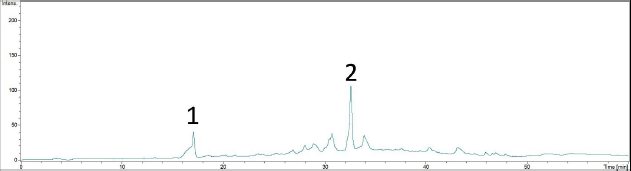
Considering that the FRGE-09 and FRGE-11 subfractions were the most active in the anticancer assays, HPLC/UV-vis and LC analyzed their chemical compositions-ESI/IT-MS/MS.
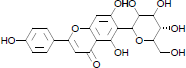
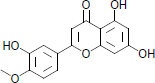
The HPLC chromatograms of the most bioactive subfractions are shown in Figures 2 and 3. HPLC and LC-ESI/IT-MS/MS analyses identified key phenolic compounds, including diosmetin, apigenin-6-C-glucoside, luteolin-7-O-rutinoside, and myricetin-3-galactoside (Tables IV and V). These compounds are reported here for the first time in the geopropolis of Melipona fasciculata.
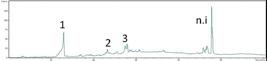
HPLC chromatogram of FRGE-09 detected at 254 nm. Peak 1 = dihydroxybenzoic acid; Peak 2 = apigenin-6-C-glucoside; Peak 3 = luteolin-7-O-rutinoside; NI = not identified.

HPLC chromatogram of FRGE-11 detected at 254 nm. Peak 1 = diosmetin; Peak 2 = myricetin-3-galactoside.
Compounds identified in the FRGE-09 subfraction obtained from the chromatographic fractionation of the ethyl acetate fraction (EAF) of the lyophilized hydroethanolic extract of geopropolis (EHGV) by LC-ESI/IT-MS/MS
Compounds identified in the FRGE-11 subfraction obtained from the chromatographic fractionation of the ethyl acetate fraction (EAF) of the lyophilized hydroethanolic extract of geopropolis (EHGV) by LC-ESMT-MS/MS.
DISCUSSIONS
The present study demonstrates the cytotoxic activity of the FRGE-09 and FRGE-11 subfractions from the ethyl acetate fraction of Melipona fasciculata geopropolis against A549 and H460 lung cancer cell lines. These subfractions contained flavonoids, glycosylated flavonoids, and phenolic acids. The HF, EAF, and HMF fractions also inhibited proliferation in both cancer cell lines after 48 h, with HF showing the strongest effect (IC50 = 40.99 and 51.83 μg/mL), while EAF and HMF were active only at concentrations above 100 μg/mL.
The HF IC50 values observed here differ from those reported for geopropolis from Melipona scutellaris (9.55 μg/mL for H460) (Da Cunha et al., 2013). Cytotoxicity values reported for hexane and ethyl acetate fractions of Melipona mondury geopropolis (IC50 = 24.24–46.62 μg/mL and 29.79–45.90 μg/mL, respectively) (Dos Santos et al., 2017) were similar to those of HF from M. fasciculata, whereas EAF and HMF showed more distant results. Importantly, subfractions derived from EAF also contributed to the cytotoxic effects observed in both lung cancer cell lines.
No previous studies have described antitumor activity in H460 or A549 cells using subfractions obtained from liquid-liquid partitioning of M. fasciculata geopropolis. However, earlier research has shown anticancer activity of its hydroethanolic extract against canine osteosarcoma (Cinegaglia et al., 2013), human laryngeal carcinoma (Bartolomeu et al., 2016; Araújo et al., 2015), and lung cancer cells (Barboza et al., 2020), supporting the relevance of the present findings.
According to Table II, EAF, FRGE-9, and FRGE-11 showed significant selectivity indices (SI) for A549. Following Suffness (1990), SI ≥ 2 indicates greater toxicity toward tumor than normal cells, a criterion met by several fractions. FRGE-6 and FRGE-8 were twice as selective for H460 as for HUVEC, while FRGE-9 and FRGE-11 were three times more selective for A549.
The SI reported for the hexane fraction of M. scutellaris (SI ≈ 2 for H460) (Da Cunha et al., 2013) was lower than the SI obtained for HF in this study (> 6.09). Polyphenolic compounds identified in FRGE-9 and FRGE-11 included diosmetin, apigenin-6-C-glycoside, luteolin-7-O-rutinoside, myricetin-3-galactoside, and dihydroxybenzoic acid. Except for dihydroxybenzoic acid, previously reported in M. fasciculata, all other compounds are described here for the first time in this geopropolis.
Yin et al. (2009) demonstrated that treatment of IMR-90 lung cancer cells with dihydroxybenzoic acid reduced cell viability, induced DNA fragmentation, decreased mitochondrial membrane potential, and increased caspase-3 and caspase-8 activity. This compound also inhibited cell adhesion and reduced the production of VEGF, IL-6, IL-8, and ICAM-1.
Flavonoids exert anticancer effects through mechanisms that include modulation of carcinogen-metabolizing enzymes, induction of cell-cycle arrest, and activation of apoptosis, making them promising agents for lung cancer therapy (Hou & Kumamoto, 2010; Khan & Mukhtar, 2015; Braicu et al., 2017). Apigenin-6-C-glycoside inhibited the growth of CORL-23 lung cancer cells (Conforti et al., 2009), and Cao et al. (2016) reported that it selectively suppressed tumorsphere formation, migration, and invasion in lung cancer stem cells derived from H446 cells.
Chen et al. (2019) showed that diosmetin induced selective apoptotic death in A549 and H1299 lung cancer cells, without significant toxicity to normal cells. In vivo experiments demonstrated synergistic effects between diosmetin and paclitaxel, with no detectable toxicity to vital organs.
Luteolin is a multifunctional anticancer compound that suppresses proliferation, induces apoptosis, and inhibits migration in lung cancer cells. In A549 cells, its effects include activation of caspases 3 and 9, modulation of MEK, changes in Bcl-2 family protein expression, and regulation of ERK and Akt phosphorylation (Meng et al., 2016). Suvarna et al. (2018) demonstrated that luteolin induces DNA damage, activates p53, triggers sustained JNK activation, and inhibits survival pathways, including PI3K/Akt, NF-κB, and MAPK. Zhang et al. (2024) showed that luteolin modulates the Akt/MDM2/p53 axis, enhancing p53 activation and suppressing proliferation and migration.
Myricetin also demonstrates potent anticancer activity. Zhang et al. (2014) found that myricetin enhanced radiosensitivity in A549 and H1299 cells, increasing apoptosis and caspase-3 expression. Shih et al. (2009) showed that myricetin inhibited adhesion, invasion, and migration in A549 cells by suppressing MMP-2 and uPA activity.
Although the antitumor activities of myricetin and luteolin are well documented, no previous study has reported antitumor activity for their glycosylated derivatives, luteolin-7-O-rutinoside and myricetin-3-galactoside. The presence of sugar moieties (rhamnose and galactose) may improve solubility, metabolic stability, and cellular transport (Chen et al., 2020). Furthermore, glycosylated phenolic compounds may enhance caspase activation and modulate the p53 pathway, contributing to apoptosis (Thant et al., 2024).
Overall, the results indicate that the antitumor activity of geopropolis fractions from M. fasciculata against A549 and H460 cells is associated with the presence of diosmetin, apigenin-6-C-glycoside, luteolin-7-O-rutinoside, myricetin-3-galactoside, and dihydroxybenzoic acid. These findings underscore the therapeutic potential of these constituents and highlight their promise as prototypes for future lung cancer treatments.
CONCLUSION
The FRGE-9 and FRGE-11 subfractions from the ethyl acetate fraction of the hydroethanolic extract of Melipona fasciculata geopropolis showed significant cytotoxicity against the A549 and H460 lung cancer cell lines. These subfractions contain dihydroxybenzoic acid, apigenin-6-C-glycoside, luteolin-7-O-rutinoside (FRGE-9), diosmetin, and myricetin-3-galactoside (FRGE-11), compounds associated with antitumor activity. Notably, diosmetin, apigenin-6-C-glycoside, luteolin-7-O-rutinoside, and myricetin-3-galactoside are reported here for the first time in M. fasciculata geopropolis.
Despite these promising findings, further cytotoxicity assays and mechanistic studies involving diosmetin, luteolin-7-O-rutinoside, and myricetin-3-galactoside are required to advance their potential development as prototype molecules for safer and more effective lung cancer therapies.
ACKNOWLEDGMENTS
We want to thank the Maranhão Foundation for Research and Scientific and Technological Development (FAPEMA) for its financial support (Grant N°. 026/2017). We also thank the Coordination for the Improvement of Higher Education Personnel (CAPES) for the FANP Master’s scholarship.
DATA AVAILABILITY STATEMENT
All data is available within the article or its supplementary materials.
REFERENCES
- Al-Hatamleh MAI, Boer JC, Wilson KL, Plebanski, M, Mohamud R, Mustafa MZ. Antioxidant-based medicinal properties of stingless bee products: Recent progress and future directions. Biomolecules. 2020;10(6):923.
- American Cancer Society. Global cancer facts & figures. 4th. Atlanta, GA: American Cancer Society; 2018.
- Araújo M, Bufalo M, Conti B, Jr AF, Trusheva B, Bankova V, et al. The chemical composition and pharmacological activities of geopropolis produced by Melipona fasciculata Smith in northeast Brazil. J Mol Pathophysiol. 2015;4:12.
- Barboza JR, Pereira FAN, Fernandes RA, Vasconcelos CC, Cartágenes MSS, Lopes, AJO, et al. Cytotoxicity and pro-apoptotic, antioxidant and anti-inflammatory activities of geopropolis produced by the stingless bee Melipona fasciculata Smith. Biology. 2020;9(9):292.
- Bartolomeu AR, Frión-Herrera Y, da Silva LM, Romagnoli GG, de Oliveira DE, Sforcin JM. Combinatorial effects of geopropolis produced by Melipona fasciculata Smith with anticancer drugs against human laryngeal epidermoid carcinoma (HEp-2) cells. Biomed Pharmacother. 2016;81:48–55.
- Batista MCA, Abreu BVB, Dutra RP, Cunha MS, Amaral FMM, Torres LMB, et al. Chemical composition and antioxidant activity of geopropolis produced by Melipona fasciculata (Meliponinae) in flooded fields and cerrado areas of Maranhão State, northeastern Brazil. Acta Amaz. 2016;46:315–322.
- Braicu C, Mehterov N, Vladimirov B, Sarafian V, Nabavi SM, Atanasov AG, et al. Nutrigenomics in cancer: Revisiting the effects of natural compounds. Semin Cancer Biol. 2017;46:84-106.
- Bray F, Ferlay J, Soerjomataram I, Siegel RL, Torre LA, Jemal A. Global cancer statistics 2018: GLOBOCAN estimates of incidence and mortality worldwide for 36 cancers in 185 countries. CA Cancer J Clin. 2018;8:394-424.
- Campos JF, Dos Santos HF, Bonamigo T, de Campos Domingues NL, de Picoli Souza K, Dos Santos EL. Stingless bee propolis: New insights for anticancer drugs. Oxid Med Cell Longev. 2021;(1):2169017.
- Cao X, Zou H, Cao J, Cui Y, Sun S, Ren K, et al. A candidate chinese medicine preparation-Fructus viticis total flavonoids inhibits stem-like characteristics of lung cancer stem-like cells. BMC Complement Altern Med. 2016;16:1-12.
- Chen X, Wu Q, Chen Y, Zhang J, Li H, Yang, Z, et al. Diosmetin induces apoptosis and enhances the chemotherapeutic efficacy of paclitaxel in non-small cell lung cancer cells via Nrf2 inhibition. Br J Pharmacol. 2019;176:2079-2094.
- Chen Y, Wang J, Yuan L, Zhou L, Jia Y, Li C, et al. Implications for glycosylated compounds and their anti-cancer effects. Front Pharmacol. 2020;11:940.
- Cinegaglia NC, Bersano PRO, Araújo MJAM, Búfalo MC, Sforcin JM. Anticancer effects of geopropolis produced by stingless bees on canine osteosarcoma cells in vitro. Evidence-Based Complementary Altern Med. 2013;2013(1):737386.
- Conforti F, Menichini F, Rigano D, Senatore F. Antiproliferative activity on human cancer cell lines after treatment with polyphenolic compounds isolated from Iris pseudopumila flowers and rhizomes. Z Naturforsch C J Biosci. 2009;64:490-4.
- Da Cunha MG, Franchin M, Galvão L, de Ruiz A, de Carvalho JE, Ikegaki M, et al. Antimicrobial and antiproliferative activities of stingless bee Melipona scutellaris geopropolis. BMC Complementary Altern Med. 2013;13:1-9.
- Dos Santos TLAD, Queiroz RF, Sawaya ACHF, Lopez BG, Soares MBP, Bezerra, DP, et al. Melipona mondury produces a geopropolis with antioxidant, antibacterial and antiproliferative activities. An Acad Bras Cienc. 2017;89:2247-2259.
- Dutra RP, Abreu BV, Cunha MS, Batista MC, Torres LM, Nascimento FR, et al. Phenolic acids, hydrolyzable tannins, and antioxidant activity of geopropolis from the stingless bee Melipona fasciculata Smith. J Agric Food Chem. 2014;62:2549-57.
- Dutra RP, Bezerra JL, Silva MCPD, Batista MCA, Patrício FJB, Nascimento FRF, et al. Antileishmanial activity and chemical composition from Brazilian geopropolis produced by stingless bee Melipona fasciculata. Rev Bras Farmacogn. 2019;29:287–293.
- Hasoon M, Kadhim N. Improvement of the Selectivity Index (SI) and Cytotoxicity Activity of Doxorubicin Drug by Panax ginseng Plant Extract. Arch Razi Inst. 2021;76:659–666.
- Hou DX, Kumamoto T. Flavonoids as protein kinase inhibitors for cancer chemoprevention: direct binding and molecular modeling. Antioxid Redox Signal. 2010;13:691–719.
- Khan N, Mukhtar H. Dietary agents for prevention and treatment of lung cancer. Cancer Lett. 2015;359:155–164.
- Lavinas FC, Macedo EHB, Sá GB, Amara ACF, Silva JR, Azevedo M, et al. Brazilian stingless bee propolis and geopropolis: promising sources of biologically active compounds. Rev Bras Farmacogn. 2019;29:389–399.
- LimZF, MaPC. Emerging insights oftumor heterogeneity and drug resistance mechanisms in lung cancer targeted therapy. J Hematol Oncol. 2019;12(1):134.
- Liu Z, Liu S, Zhao Y, Wang Q. Biological mediators and partial regulatory mechanisms on neuropathic pain associated with chemotherapeutic agents. Physiol Res. 2024,73(3):333–341.
- Meng G, Chai K, Li X, Zhu Y, Huang W. Luteolin exerts pro-apoptotic effect and anti-migration effects on A549 lung adenocarcinoma cells through the activation of MEK/ERK signaling pathway. Chem Biol Interact. 2016;257:26–34.
- Mosmann T. Rapid colorimetric assay for cellular growth and survival: application to proliferation and cytotoxicity assays. J Immunol Methods. 1983;65:55–63.
- Nainu F, Masyita A, Bahar MA, Raihan M, Prova SR, Mitra S, et al. Pharmaceutical prospects of bee products: Special focus on anticancer, antibacterial, antiviral, and antiparasitic properties. Antibiotics. 2021;10(7):822.
-
National Cancer Institute (INCA). Summary of results and comments: estimates of cancer incidence in Brazil — 2023-2025 triennium [Internet]. Rio de Janeiro: INCA; 2022 [cited 2025 Aug 17]. Available from: https://www.gov.br/inca/pt-br/assuntos/cancer/numeros/estimativa/sintese-de-resultados-e-comentarios
» https://www.gov.br/inca/pt-br/assuntos/cancer/numeros/estimativa/sintese-de-resultados-e-comentarios - Nogueira PN. Vida e criação de abelhas indígenas sem ferrão. Editora Parma, São Paulo. 1997.
- Oliveira LPG, Conte FL, Cardoso EDO, Conti BJ, Santiago KB, Golim MDA, et al. Immunomodulatory/inflammatory effects of geopropolis produced by Melipona fasciculata Smith in combination with doxorubicin on THP-1 cells. J Pharm Pharmacol. 2016;68(12):1551–1558.
- Pereira FAN, Barboza JR, Vasconcelos CC, Lopes AJO, Ribeiro, MNS. Use of stingless bee propolis and geopropolis against cancer-A literature review of preclinical studies. Pharmaceuticals. 2021;14(11):1161.
- Shih YW, Wu PF, Lee YC, Shi MD, Chiang TA. Myricetin suppresses invasion and migration of human lung adenocarcinoma A549 cells: possible mediation by blocking the ERK signaling pathway. J Agric Food Chem. 2009;57:3490-9.
- Suffness M. Assays Related to Cancer Drug Discovery. Methods in Plant Biochemistry: Assays for Bioactivity. Academic Press, London. 1990;6:71-133.
- Suvarna V, Chaubey P, Sangave PC, SinghAK.An Insight of Polyphenols in Lung Cancer Chemoprevention. Polyphenols: Prevention and Treatment of Human Disease. Academic Press. 2018;125-136.
- Thant MT, Bhummaphan N, Wuttiin J, Puttipanyalears C, Chaichompoo W, Rojsitthisak P, et al. New phenolic glycosides from Coelogyne fuscescens Lindl. var. brunnea and their cytotoxicity against human breast cancer cells. ACS Omega. 2024;9(7):7679–7691.
- Yin MC, Lin CC, Wu HC, Tsao SM, Hsu CK. Apoptotic effects ofprotocatechuic acid in human breast, lung, liver, cervix, and prostate cancer cells: Potential mechanisms of action. J Agric Food Chem. 2009;57:6468–6473.
- Zhang J, Li C, Li W, Shi Z, Liu Z, Zhou J, et al. Mechanism of luteolin against non-small-cell lung cancer: a study based on network pharmacology, molecular docking, molecular dynamics simulation, and in vitro experiments. Front Oncol. 2024;14:1471109.
- Zhang S, Wang L, Liu H, Zhao G, Ming L. Enhancement of recombinant myricetin on the radiosensitivity of lung cancer A549 and H1299 cells. Diagn Pathol. 2014;9:68.

 Thumbnail
 Thumbnail
 Thumbnail
 Thumbnail
 Thumbnail