
 Unlocking the potential of collagen: A comprehensive review on its dermocosmetic benefits and applications
Abstract
Collagen, the predominant protein in various organisms, is pivotal for tissue structure and mechanical properties. It has been extensively studied for its cosmetic, surgical, and anti-ageing applications, reflecting a growing interest in collagen-based cosmetics in Romania and prompting further research in this area. The study aimed to assess collagen’s efficacy and safety in dermocosmetology, comparing collagen peptides’ effectiveness in oral and topical applications. An analysis of the published studies on the subject was carried out, comparing the effectiveness of using collagen in different ways to improve skin conditions. The investigation included a literature review on collagen’s role in enhancing skin properties, covering its discovery, structure, chemical composition, systemic and topical applications, diverse sources, and skin penetration mechanisms. Hydrolysed collagen and its antioxidant properties are considered. The methods of investigating and monitoring the safety of cosmetic preparations are described. It has been concluded that topical collagen, similarly to nutraceutical supplements with collagen peptides, can slow down and reduce the signs of skin ageing and can increase skin elasticity, density, and moisture in equal measure. Studies have confirmed the harmlessness of collagen beyond doubt, but further investigation is necessary to determine the effectiveness of using different types of collagen.
Keywords:
Ageing; Stress; Structural units; Fibrils; Photodamage
INTRODUCTION
Dermocosmetics, a rapidly evolving field at the intersection of dermatology and cosmetics, focuses on developing products that not only enhance the appearance of the skin but also address various dermatological concerns and maintain skin health. These specialized cosmetic formulations are designed to be gentle yet effective, often incorporating active ingredients with proven benefits for skin health. Dermocosmetics offers a holistic approach to skincare, taking into account factors such as skin type, sensitivity, and specific skin conditions. With growing consumer awareness about the importance of skincare and the desire for safe and efficacious products, the demand for dermocosmetics has surged in recent years. This trend is driven by consumers seeking products that not only provide cosmetic benefits but also offer dermatological solutions. In this context, research and development in dermocosmetics play a crucial role in advancing skincare formulations that meet the evolving needs of consumers while adhering to stringent safety and efficacy standards.
Human skin is a protective barrier between the body and external environmental factors such as various types of pathogens, chemicals, solar ultraviolet radiation, and physical irritations (Sutterby et al., 2022). The process of natural ageing is aggravated by the continuous action of adverse causes. Internal factors are also important for skin health: the nature of nutrition, features of the endocrine system, and individual properties of the patient’s skin (Datta, Madke, Das, 2021). As a person grows older, the skin undergoes changes consisting of an accumulation of toxic metabolic products and an increase in the biological ageing of cells (Natrus et al., 2021). The influence of ageing on the psychological state of a person is also important. The presence of atopic dermatitis signs on the skin - itching, dryness, redness, and wrinkles - causes psychological stress in the patient. Although there is no direct evidence of the effects of stress on degenerative processes in the skin, it has been found that stress stimulates the autonomic nervous system, produces glucocorticoids, corticotropin-releasing hormone, and adrenaline, which trigger immunosuppressive mechanisms, activates the release of pro-inflammatory mediators, disrupts the sebaceous glands, and other mechanisms that lead to pathologies (Chen, Lyga, 2014; Loza et al., 2021).
The problem of preserving youth and health has preoccupied mankind for centuries. Preventing degenerative skin changes and improving the current condition of tissues by maintaining the constituent elements of the connective tissue are the basis of research in the cosmetic industry (Khudan-Tsilo, Shevchuk, Korda, 2018). The unusual structural properties of collagen and its biological role have long attracted many researchers (Rotshtein, 2017; Rovira et al., 2016). In Romania, collagen is available to most of the population and is used in the form of nutraceuticals and food supplements in various forms, in creams, masks, lotions, and serums for topical application. It is possible to use collagen stimulation therapy; injections of collagen filler are used from existing minimally invasive procedures, as hardware procedures: ion-, electro-, and ultraphonophoresis. Although it is believed that the structural units of collagen were discovered in 1954, the first mentions of the regular structure of fibrils were published back in 1930 (Wyskoff, Corney, Biscoe, 1935). It was found that the structure of collagen is more complex than the structure of DNA.
Reilly and Lozano (2021) contributed to the control of the skin condition by outlining the mechanism of combating skin ageing with the help of collagen. They have described the synthesis and structure of collagen, the oxidative damage and reconstruction of this protein, and the ability of nutraceutical supplements to improve skin appearance and maintain beauty and health. There has also been research into the mechanism of the influence of UV radiation on skin structure, the physiological role of collagen against photoageing. It was found that collagen peptides participate in the protection against photodamage, preserving the moisturising factor of the dermis (Li et al., 2021). In the study by Shenoy et al. (2022), the structural features, synthesis, and applications of resorbed collagen were examined. Currently, there are 29 types of this protein, each having a different set of amino acids, among which the most widespread are fibrillar collagens of types I-III. Type I makes up 90% of the collagen in the human body and is found in tissues such as skin, joints, tendons, ligaments, organ capsules, fascia, and the cornea of the eye.
Wang (2021) studied the effectiveness of collagen in skin regeneration, its structure, and extraction methods. They also assessed the disadvantages of collagen, including allergic reactions, and discussed the risks associated with marine collagen and the potential for infection when using bovine and porcine collagen. Kim et al. (2019) investigated the effect of injectable collagen filler of human origin on reducing the severity of wrinkles in a model of photoaging in mice. Their findings showed excellent drug biodegradability and a decrease in wrinkle formation. The strength of tissues containing fibrillar collagen is formed by the triple helix and fibrils, which are produced during the creation of polypeptide α-chains of protein, which differ in length and repetition of the amino acid set.
Non-fibrillar collagens form two- and three-dimensional networks whose spiral units are shorter and discontinuous; their function is to fix a group of fibres to each other and to surrounding tissues, to form the basis of basal membranes, and to maintain the interstitial tissues of the body. Studies of the functional capabilities of collagen in the composition of anti-ageing cosmetics have reached a certain level. Many studies confirm a positive effect on the condition of the skin, improving elasticity, moisturising, and reducing wrinkles. However, there is not enough data on the long-term effectiveness and safety of using collagen in cosmetology. This study addressed the use of collagen, its chemical structure and functional properties, as well as its efficacy and safety of its use to improve the physiological condition of the skin and protect against ageing processes.
MATERIAL AND METHODS
This article combines various scientific research methods, analysing the content of scientific literature on the online platforms PubMed, UpToDate, Elsevier, ScienceDirect, Medscape, and CochranLibrary, and reviewing scientific journals, articles, and publications in which collagen is mentioned as a substance used in the dermo-cosmetic industry. Findings of the last 5 years (from 2018 to 2022, excluding the historical facts section) related directly to the study of collagen for cosmetic applications were taken as a theoretical basis. To reach the stated objective of this study, articles on the definition of collagen, the history of its discovery, its structure, chemical composition, the biosynthesis of collagen, and the mechanism of using this protein as a drug that affects the skin and halts the ageing process have been analysed separately. Understanding the chemical and structural bases of this substance allows for a correct interpretation of the mechanisms of action on the organisation of the skin’s cellular composition.
The concept of hydrolysed collagen has been studied using a method of analysis, and its ability to penetrate deep into the skin tissue has been analysed (Bianchi et al., 2022). The data obtained on the sources of native collagen extraction, their characteristics, and problems of use are analysed. An analysis of the currently available information on the ways of penetration of hydrolysed collagen through the skin barrier and methods of improvement has been carried out. Developments have been analysed, with the authors studying the structure and properties of collagen, coming to conclusions and discoveries, and presenting their results publicly. The biological functions of collagen, as a natural component of the skin, and the mechanisms of blocking the ageing processes of cells were studied. Using the generalisation method, data on the functional properties of collagen as a component of cosmetic preparations were structured during the study.
This study analyzed the efficacy and safety of collagen to improve the physiological properties of the skin and stop the ageing process. The study compared the efficacy and safety of topical and systemic collagen applications. This study involved a group of 50 volunteers to evaluate the efficacy and safety of collagen in dermocosmetics. The duration of collagen use varied from 28 to 56 days, depending on the specific experiment. The results showed that the use of collagen, both orally and topically, contributed to improved skin condition, reduced wrinkles, and improved skin elasticity. Additionally, collagen was found to have antioxidant properties and can reduce inflammation, maintain the functional state of the skin, and slow down the ageing process.
The study also complied with all ethical standards related to the use of volunteers in clinical trials. Participants were informed about the purpose of the study, the potential risks and benefits of participating in it, and provided with their written consent to participate. In addition, the confidentiality and security of the participants’ data were ensured, as was their freedom to withdraw at any time without any negative consequences.
A meta-analysis has reviewed recent public randomised controlled trials and blind placebo-controlled trials of using collagen as an oral supplement to improve skin performance and slow down the ageing process. An analysis of published studies on the use of collagen as a component of dermocosmetic preparations for topical application in combination with other substances for the treatment of skin blemishes of various etiologies has been carried out. A number of studies on the use of polymethylmethacrylate (PMMA) with collagen were analysed. Investigations on the combined use of oral collagen peptides with topical collagen-containing agents have been reviewed. Some features of the safety assessment of cosmetic ingredients, in particular collagen, before admission to the market of the European Union (EU) are considered. The method of comparative analysis made it possible to evaluate the effectiveness of oral and local collagen on skin changes associated with ageing. The comparison of these two methods with each other was made in order to establish the activity of collagen depending on the conditions of use of this protein. Data on the presence of adverse effects and adverse reactions of collagen-containing products used to improve skin conditions have been analysed.
Using the method of synthesising data on the properties of collagen, conclusions were drawn about the ability of this protein to participate in maintaining healthy skin, its ability to regenerate, and its ability to resist the development of damageing ageing processes. Conclusions were drawn about the effectiveness and harmlessness of the use of collagen in cosmetics.
RESULTS AND DISCUSSION
This study reviewed collagen as a natural substance used to improve the physiological properties of the skin and halt the ageing process, analysing the efficacy and safety of this protein. The effectiveness and harmlessness of the local and systemic ways of using collagen are compared. Data on the molecular and functional structure of collagen, peculiarities of collagen substrates, and the synthesis process of this protein provide insight into the effects on the properties of the final cosmetic product and possible modifications in the parameters of the dermis with the occurrence of pathology. Disruptions in collagen synthesis can result in impaired wound healing. Additionally, a deficiency in ascorbic acid can lead to impaired electron transfer in hydroxyproline and hydroxylysine formation reactions. Furthermore, damage to the structural integrity of the extracellular matrix can contribute to wrinkle formation. Collagen is an extracellular fibrillar protein consisting of three helical polypeptide chains connected by hydrogen bonds, including a different set of amino acids (Figure 1).
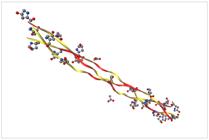
Collagen is a component of most human body tissues and is the supporting framework of bones, skin, tendons, and the protective glycoprotein sheath of internal organs. The stiffness, strength, and flexibility of tissues are determined by the collagen in their composition. Different types of collagen have a narrow distribution in tissues, which means they have special biological functions. Binding to different types of receptors determines their interaction with cells and enables their growth, differentiation, and migration. The use of collagen as an antioxidant prevented the formation of free radicals, lipid peroxidation, DNA damage, and inflammation, thereby maintaining the functional state of the skin and slowing down skin ageing. Age-related changes lead to a decrease in the collagen content in the skin thickness; the remaining collagen is fragmented and unevenly distributed. As a local therapy, collagen can replace its own lost collagen due to ageing. Clark et al. (1935) published their study on the molecular structure of collagen. The fundamental advance on the prototype structure of collagen was published in 1955 by Ramachandran and Kartha (1955), after which the structural units in collagen fibrils were discovered by A.C.T. North, Cowan, Randal (1954). Miller and Matukas (1969) identified type II collagen in chicken cartilage tissues. A review of the collagen family was performed by van der Rest and Garrone (1991).
The collagen family consists of 29 types, identified by Roman numerals (I-XXIX). The skin mainly contains type I, III, IV collagens, but type I is predominant (Ricard-Blum, 2011). The differentiation of collagen is established by differences in α-chains, supramolecular structures, and protein isoforms. Collagen α-chains contain three amino acids, where the third amino acid is always glycine (G) (Leighton et al., 2021). The first and second amino acids are often proline (P or Pro) and hydroxyproline (X or O). The ternary helix is usually more than 300 nm long and has 1000 amino acids in its composition. Collagen fibrils contain five collagen molecules set in a staggered arrangement. Fibrils are grouped into fibres and form the basis of organs and tissues. The synthesis of fibrillating collagen occurs in fibroblast cells in the form of progenitor cells (procollagen). After posttranslational modification, collagen fibres are formed with the help of lysyl oxidase (Schweitzer et al., 2007; Wu, Cronin, Crane, 2020).
Nowadays, there are many natural and synthetic sources of collagen in use. On a commercial scale, this protein is extracted from cattle; bovine collagen is used more frequently due to its biocompatibility and availability, pork products are also used, due to their similarity to human collagen. To a lesser extent, birds, seafood, and human tissue are used (Karami et al., 2019; Senadheera et al., 2020; García-Sifuentes et al., 2021). The raw material used is animal parts that are particularly rich in collagen, such as hides, cartilage, bones, tendons of mammals, fish scales, starfish, squid, jellyfish, and sea cucumbers. Recombinant collagen is synthesised from mammalian, insect, and plant cells (Liu et al., 2021). Synthetic collagen has a similar structure to natural fibrils (Rodríguez, Barroso, Sánchez, 2018).
Bovine and porcine collagen extraction is an especially popular and affordable method, but it is not economically viable. Besides the adverse factors of collagen derived from animal by-products, reported cases of prion diseases such as bovine spongiform encephalopathy, mad cow disease, swine flu, and swine vesicular disease have created some limitations in the use of collagen from these animals. The advantages of using collagen of marine origin are the low probability of disease transmission, high bioavailability, and the possibility of using by-products from the fish industry to obtain a more cost-effective method. In addition, by-products of the fishing industry can pollute the marine environment, making extracting collagen from such products even more rational (Bhagwat, Dandge, 2018; Furtado et al., 2022). Furthermore, Romania’s territorial location allows for full use of the Black Sea resources to cover the need for collagen of maritime origin. But at the same time, seafood has fewer amino acids, and the low denaturation temperature limits the use of fish collagen in emulsions. Another important factor is the possibility of contamination of marine life with a high level of heavy metals (Jairoun et al., 2020), which in turn will lead to the toxicity of the derived product. Thus, the origin of collagen affects the safety of the cosmetic product used and the final results with respect to the qualitative characteristics of the skin. The selection of a collagen supplement should be carefully considered in relation to the possible dangers described (Ivashko et al., 2023).
Collagen is successfully used in dermocosmetology due to its ability to form a protective layer on the skin surface, retain water, and regenerate damaged areas (Hulmes, 2002; Alves et al., 2020). The properties of collagen can be divided into two types: gel-forming capabilities and surface properties (Senadheera et al., 2020). The gel-forming properties include thickening, texturing, gelling, and water-binding functions. Surface functions include emulsification, film formation, colloidal properties, foaming, adhesion, and cohesion. The gelation process itself is a consequence of the aggregation of collagen molecules under the influence of temperature or chemicals in an alkaline or acidic environment. When collagen is denatured, partial destruction of the tertiary or secondary structure occurs with the formation of gelatin (Gaspar-Pintiescu et al., 2019). The emulsifying and foaming properties of collagen determine the presence of hydrophobic and hydrophilic amino acids in the composition and reduce the surface tension of the emulsion (Huang et al., 2021). The film-forming property is used for the production of biodegradable collagen films. Their mechanical properties are advanced by the addition of various ingredients (Zhuang et al., 2019; Adamiak Sionkowska, 2022).
Recent research on enhancing the delivery of cosmetics deep into tissues has focused on understanding the system regulating diffusion through the stratum corneum, studying the lipid barrier, and damaging skin protection mechanisms. The human skin creates the necessary conditions to prevent the penetration of chemical, biological, and physical substances; the main obstacle in the way is the stratum corneum. And for a cosmetic product to effectively penetrate through the skin barrier deep into the tissues, it must have certain properties. The molecule size, molecular weight, solubility, pKa, and hydrophilic-lipophilic gradient are important (Souto et al., 2022). Also, the penetration of molecules into the epidermis varies depending on the place and duration of application, the thickness of the skin, the state of its cellular composition, and metabolism. Collagen molecules can enter the skin directly through hair follicles, sweat ducts, sebaceous glands, or the stratum corneum. Recently, a lot of research has been directed at studying the transdermal pathway of penetration. These include subcutaneous injections, transdermal plasters, creams, and lotions for topical use. Micro-needles (Dsouza et al., 2020), electrical methods such as ultrasound, ionophoresis, electroporation, mechanical stimulation by thermal, radiofrequency, and laser ablation can also improve delivery (Jeong et al., 2021). Transdermal penetration can be increased by using nanocollagen, a protein reduced to the size of nanoparticles. In cosmetology, it is used to form nanoemulsions that have the ability for rapid absorption and high stability of the product (Lo, Fauzi, 2021).
Hydrolyzed collagen is successfully used as a cosmetic and nutraceutical component to improve the condition of the skin. Collagen in its native form has a large molecular weight, about 300 kDa (León-López et al., 2019), which makes it poorly soluble in water and makes it difficult to use in the cosmetology industry. Denaturation of native collagen is done by separating the α-chains under the influence of temperatures above 40°C and proteolytic enzymes, resulting in the formation of small peptides. The resulting substance is hydrolysed collagen (HA). Other extraction methods include exposure to pressure, temperature, and acidic or alkaline media. The extraction process reduces the molecular weight of native collagen to 1-10 kDa, which ensures high biocompatibility, biodegradability, and low antigenicity of the product.
The effect of oral natural compounds and minerals, in particular collagen, on the skin microbiome was evaluated. Many animal and human studies have shown an improvement in skin and nail parameters after taking collagen peptides (Vollmer, West, Lephart, 2020). A triple-blind, randomised, parallel, placebo-controlled study of the effects of freshwater marine collagen on wrinkles and skin elasticity has also been reviewed. The skin condition was assessed using cytometry, a visual analogue skin condition scale, and the VISIA skin analyser system.
The results showed that the use of additives, including freshwater marine collagen, is safe, reduces the number of wrinkles by 35%, and improves skin elasticity (Evans et al., 2020).
Another mono-centre randomised controlled trial evaluating the effectiveness of hydrolysed collagen on skin elasticity, hydration, and wrinkle depth was evaluated instrumentally. The tolerance of the gastrointestinal tract during administration was also considered. The collagen treatment improved skin softness in 35% of the 52 volunteers after 28 days, and in 54% after 56 days. Skin elasticity increased in 27% and 58% of the collagen group after 28 and 56 days, respectively. The visibility of wrinkles decreased in 38% of the group participants after 56 days of collagen application. Effectiveness of an oral collagen-based nutraceutical in a randomised placebo-controlled trial, assessing skin quality by corneometry (skin moisture), cytometry (elasticity), skin ultrasound (density), and digital in vivo optical 3D phase measurement (PRIMOS) (roughness) (Bolke et al., 2019). The results of a study conducted by Lee et al. (2022) showed a significant improvement in anti-ageing properties and inhibition of skin glycation with topical collagen tripeptide. The use of collagen tripeptide helped to reduce the depth of wrinkles and improve skin elasticity and texture. Image analysis with PRIMOS and three-dimensional image analysis with a camera confirmed the significant positive effect of topical collagen tripeptide on the skin. These results indicate the potential efficacy of collagen tripeptide as a means of reducing the signs of skin ageing and protecting the skin from glycation. A study conducted by Bianchi et al. (2022) evaluated the effectiveness of hydrolyzed collagen supplementation in improving skin hydration, smoothness, and wrinkle reduction. The results showed a significant improvement in skin moisture levels, improved texture, and reduced wrinkle depth. It is important to note that no side effects were observed throughout the study period, indicating that hydrolyzed collagen is safe and well tolerated. These results support the potential benefits of using hydrolyzed collagen as a means to improve skin health and reduce the signs of aging. In a study conducted by Žmitek et al. (2022), the combined use of collagen peptides along with water-soluble coenzyme Q10 was examined to determine its effectiveness in improving skin smoothness, reducing wrinkle characteristics, and enhancing skin hydration. The results indicated a notable improvement in skin smoothness and density, along with a reduction in the measured area of periorbital wrinkles. However, no significant effects were observed on the degree of skin hydration, dermis thickness, or viscoelasticity. This suggests that while the combined application of collagen peptides and water-soluble coenzyme Q10 may offer benefits in terms of smoothing the skin’s texture and reducing wrinkles, it may not significantly impact other parameters such as skin hydration and dermal characteristics.
In a study by Bortolozo et al. (2021), the effectiveness of a collagen biostimulant PMMA in combination with extracted collagen was evaluated as an injectable treatment for various dermatological conditions, including post-inflammatory skin formations, atrophic scars, and the consequences of moderate to severe acne. The findings of this review suggest that this combination therapy may offer promising results in addressing these dermatological concerns. Additionally, Katz et al. (2021) conducted a review of a 12-month study focusing on the effectiveness and safety of polymethylmethacrylate-collagen gel for correcting volume deficits in the middle zone of the face. The study utilized a global scale of aesthetic improvement and evaluation by GAIS doctors. The results of the study indicated positive outcomes in terms of aesthetic enhancement and volume correction, with an overall favorable safety profile observed throughout the 12-month period.
The efficacy and safety of the PMMA complex with collagen in the correction of acne scars all over the face in an open, non-randomized, multicentre pilot study were also considered. Of the 42 participants treated, 92% and 95% had improved by ≥1 point on a 5-point acne scar scoring scale after 4 and 7 months, respectively. According to the results of the aesthetic improvement scale (GAIS), 95% reported improvement after 4 months and 90% after 7 months. No serious adverse effects were observed during the study (Joseph et al., 2019). The effectiveness and safety of PMMA gel with collagen for correction of the submandibular furrow were evaluated. Effectiveness was assessed using the total static improvement scale (GAIS). Samples were collected at weeks 4, 12, 26, 52, and 104. After 12 weeks, 79% of the participants in the study group reported an “improvement” or “significant improvement” in their jaw line assessment. The results for 52 weeks were 76%; on the 104th week, they increased to 90%. At weeks 52 and 104, 285 and 100% of the group, respectively were “somewhat satisfied”. All undesirable events were insignificant (Hevia, 2022). In a study of the use of a patch with microneedles filled with a fragment of fatty collagen (ACF) to prevent photoaging in mice, prolonged administration of ACF for more than two weeks with effective delivery was demonstrated, which contributed to effective skin rejuvenation (Jin et al., 2022). Also, the use of a combination of local and oral collagen in a test on healthy women shows positive results (Campos et al., 2019). Skin viscoelasticity, echogenicity, water saturation of the stratum corneum, and the nature of the skin pores were assessed.
In the EU, food additives are regulated as food products by the European Food Safety Agency. A directive has been established to protect the consumer against possible risks associated with food additive components, controlling the safety of their composition. The deregulation establishes a list of possible vitamins and minerals that can be used in the product, including the maximum and minimum allowable amounts of the constituents. The harmlessness of cosmetic products lies in the safety of the components, which are determined by toxicological studies. Substances that are able to interact with the biological matrices of the human body are tested especially carefully. In addition, the toxicity of raw materials of animal origin is also closely determined. Furthermore, the risk of allergic reactions and adverse side effects is also considered when researching a cosmetic product. In-silico methods are actively investigated when it is impossible to test the toxicological danger of cosmetic materials in-vivo. One of the methods for establishing systemic toxicity after prolonged use of a substance is the NGRA method, based on the assumption of risk assessment, aimed at harm prevention and excluding animal testing. The AOP method describes in an analytical form the cause-and-effect events that can lead to an adverse or ecotoxicological effect. The chemical assessment of a substance to determine an assessment of the risk of adverse effects through a detailed study of the laboratory and chemical data of the material is called the IATA method. Prognostic and quantitative methods for assessing toxicity based on the relationship between structure and activity by comparing data of structurally and functionally similar materials with the substance under study (SAR, QSAR) (SCCS Notes of Guidance..., 2021).
Acute oral toxicity is determined by a 3T3 NR absorption test relative to the threshold value of LD 50 (average lethal dose) >2000 mg/kg. In vivo methods for determining acute toxicity have been significantly modified to reduce animal suffering and pain; dosing schemes for test materials have been modified; and the fixed-dose method and the up-down technique for assessing the LD50 threshold have been introduced. Skin corrosion and irritation tests are also used to prove the innocuousness of the cosmetic material. These tests determine the potential of the substance to cause reversible and irreversible damage to the skin layers, from the epidermis to the dermis. The substance under investigation is applied to the skin and aged for 3 minutes to 4 hours. Corrosion reactions may occur due to manufacturing errors or improper use by the consumer. Corrosion does not have to be excluded from the formulation to prevent this process. It can occur in interaction with another component of the cosmetic, the route of application, the concentration, and the pH of the material. TER (percutaneous electrical resistance test), EpiSkin, EpiDerm, EpiEthic, and epiCS tests are used to evaluate the results. Allergic reactions in the form of local dermatitis can be caused by various agents in the makeup product, occurring in sensitised patients after contact with the allergen. A repeated toxicity study investigates the toxic effects associated with systematic, prolonged contact with the substance under investigation. Reproductive toxicity is investigated to identify female and male reproductive disorders and to assess the risk of non-hereditary side effects in the offspring. The Whole Embryo Culture (WEC) is tested on animals. Tests for carcinogenicity include in silko methods, in-vitro methods aimed at detecting genotoxic materials, NGC substances (non-genotoxic carcinogens), and substances with mutagenic properties.
The difficulty in comparing the efficacy of topical and internal collagen lies in the different “pathways” of this protein, from substrate extraction to direct use by the consumer. The conditions applied during collagen extraction (temperature, pressure, time of the procedure, concentration of the solvent) directly affect the properties and structure of this protein in a cosmetic product. The collagen extraction base also has a different set of characteristics that need to be accounted for when marketing the product. The aggregate properties of the applied cosmetic substance after its interaction with the various components of the cosmetic product and the substance in question also influence the functional and structural characteristics of the cosmetic preparation as a whole. Therefore, it is only possible to fully evaluate the results of using various methods.
Commercial interest in complex dietary supplements has grown significantly recently and continues to increase, as has the development of oral collagen. The findings prove their anti-ageing properties in the short and long term. Collagen peptides in nutraceutical supplements are able to reach the deeper layers of the skin through the bloodstream and persistently lead to improvements in elasticity, hydration, and transepidermal water loss. Long-term use of collagen peptides contributes to the formation of fibroblasts and the extracellular matrix of the skin. In all studies, side effects (nausea, vomiting, headache, abdominal pain, and stool disorders) were not observed during the administration of collagen peptides. Consumption of sufficient quantities of foods containing all the necessary nutrients, and vitamins, minerals to provide the body with the necessary amount of covering requirements for normal vital functions and, in particular, the functionality of collagen in the skin’s thickness. However, studies show that such ideal conditions are not available for all population groups and are not possible for all nutrients (Paul et al., 2019; Cao et al., 2020). This gives further encouragement to consider nutraceutical complexes with collagen and other nutrients. Supplementation with collagen allows the correction of nutritional errors, improving the result of pathological changes that are beyond the patient’s control in a longer, non-surgical, and gentler method.
Studies into the topical application of collagen, both as non-invasive and minimally invasive methods, have proven its ability to smooth wrinkles, retain and attract water, moisturise, and remove imperfections, unevenness, and scarring. The main advantage of using collagen with non-surgical methods is the rapidity of results, visible changes requested by the patient immediately after application or injection, and rapid healing. A major study conducted by Li et al. (2022) examined the main injectable preparations to prevent collagen loss in the skin, including the use of hydrolysed collagen. Products such as injectable botulinum toxin and fillers (hyaluronic acid, collagen, autologous fat, PMMA, and calcium hydroxyapatite) were presented. Indications for use, contraindications, and complications associated with the injection of drugs were also described. Collagen in high concentrations is better suited for deep and moderate wrinkles (deep acne scars, lip edges, and nasolabial folds). Dermo-epidermal fillers are used for superficial wrinkles (Sarafyniuk et al., 2023). Contraindications are allergies to the ingredients of the product. Before using substances containing bovine and pig collagen, it is always necessary to conduct skin tests. The adverse effects of using collagen include drug overdose, sclerosis, abnormalities, and hypersensitivity to the drug. With a properly performed procedure, severe side effects are extremely rare. Studies on the use of hydrolysed collagen as an antioxidant have also shown good results in topical and oral applications due to its high affinity for natural collagen, quality biodegradability, and weak antigenicity (Aguirre-Cruz et al., 2020). The small size of the hydrolysed collagen molecule makes it easier to absorb in all applications.
CONCLUSIONS
Researchers have been trying to challenge the ageing process for many years. Since the discovery of collagen, a great deal of work has been done to study its potential to be realised in dermo-cosmetic products. Collagen is an integral part of the body, determines the basis of the connective tissue skeleton, has a high degree of biodegradability, biocompatibility, and a low level of antigenicity. The special role of this protein lies in its ability to maintain human health, inhibit the ageing process, and regenerate tissue. Collagen can be extracted from a variety of animal and marine products. Due to its water-binding, gel-forming, emulsifying, and stabilising properties, collagen is successfully used as a component of topical cosmetic preparations. The antioxidant function of collagen is to reduce oxidative damage and inhibit inflammatory reactions in cells. Low-molecular-weight hydrolysed collagen is used to improve the delivery of collagen preparations.
Studies of collagen-containing preparations prior to market approval include “in vivo”, “in silico” and “in vitro” methods, with a focus on reducing the number of animal experiments and switching to analytical technology. Both oral and topical use of collagen can improve skin health and delay the ageing process. Oral administration of collagen peptides improves skin elasticity, texture, moisture, smoothness, and softness. Also, hydrolysed collagen promotes the growth of its own skin cells, extracellular matrix, and fibroblasts. It can slow down and reduce the effects of the ageing process: dryness, wrinkles, dullness, and fading.
The results of clinical studies indicate a good tolerance of collagen in the composition of cosmetic preparations. They also show the complementary effect of local and oral use of collagen on improving the skin. Given that collagen supplements are widely available in Romania, the need for nutraceutical supplements must be assessed on a case-by-case basis, and it must be ensured that patients cannot use them uncontrollably. Additional longer-term studies with a larger sample of patients are required to sufficiently comprehend the efficacy of the various collagen applications.
ACKNOWLEDGMENTS
There are no acknowledgments.
REFERENCES
- Adamiak K, Sionkowska A. The influence of UV irradiation on fish skin collagen films in the presence of xanthohumol and propanediol. Biomol Spectosc. 2022; 258: 121652.
- Aguirre-Cruz G, León-López A, Cruz-Gómez V, Jiménez-Alvarado R, Aguirre-Álvarez G. Collagen hydrolysates for skin protection: Oral administration and topical formulation. Antioxidants. 2020; 9(2): 181.
- Alves T, Morsink M, Batain F, Chaud MV, Almeida T, Fernandes DA, et al. Applications of natural, semi-synthetic, and synthetic polymers in cosmetic formulations. Cosmetics. 2020; 7(4): 75.
- Bhagwat PK, Dandge PB. Collagen and collagenolytic proteases: A review. Biocatal Agric Biotechnol. 2018; 15: 43-55.
- Bianchi FM, Angelinetta C, Rizzi G, Pratico A, Villa R. Evaluation of the efficacy of a hydrolyzed collagen supplement for improving skin moisturization, smoothness, and wrinkles. J Clin Aesthetic Dermatol. 2022; 15(3): 48-52.
- Bolke L, Schlippe G, Gerß G, Vossа W. A collagen supplement improves skin hydration, elasticity, roughness, and density: Results of a randomized, placebo-controlled, blind study. Nutrients. 2019; 11(10): 2494.
- Bortolozo F, Menezes HS, Alves DD, Mafaldo RC. Collagen biostimulator with polymethylmethacrylate. Indian J Appl Res. 2021; 11(4): 2249.
- Campos PMBG, Melo MO, Cesar FCS. Topical application and oral supplementation of peptides in the improvement of skin viscoelasticity and density. J Cosmet Dermatol. 2019; 18(6): 1693-1699.
- Cao C, Xiao Z, Wu Y, Ge C. Diet and skin aging - from the perspective of food nutrition. Nutrients. 2020; 12(3): 870.
- Chen Y, Lyga J. Brain-skin connection: Stress, inflammation and skin aging. Inflamm Allergy Drug Targets. 2014; 13(3): 177-190.
- Clark GL, Parker EA, Schaad JA, Warren WJ. New measurements of previously unknown large interplanar spacings in natural materials. J Am Chem Soc. 1935; 57(8): 1509.
- Datta D, Madke B, Das A. Skin as an endocrine organ: A narrative review. Indian J Dermatol Venereol Leprol. 2021; 88(5): 590-597.
- Dsouza L, Ghate VM, Lewis SA. Derma rollers in therapy: The transition from cosmetics to transdermal drug delivery. Biomed Microdevices. 2020; 22(4): 77.
- Evans M, Lewis E, Zakaria N, Pelipyagina T, Guthrie N. A randomized, triple-blind, placebo-controlled, parallel study to evaluate the efficacy of a freshwater marine collagen on skin wrinkles and elasticity. J Cosmet Dermatol. 2020; 20(3): 825-834.
- Furtado M, Chen L, Chen Z, Chen A, Cui W. Development of fish collagen in tissue regeneration and drug delivery. Eng Regener. 2022; 3(3): 217-231.
- García-Sifuentes CO, Zamorano-Apodaca JC, Martínez-Porchas M, Scheuren-Acevedo SM, Mazorra-Manzano MA. Isolation and properties of collagen extracted from mixed by-products obtained from different fish species. Biotecnia. 2021; 23(3): 109-116.
- Gaspar-Pintiescu A, Stefan LM, Anton ED, Berger D, Matei C, Negreanu-Pirjol T, Moldovan L. Physicochemical and biological properties of gelatin extracted from marine snail Rapana venosa. Mar Drugs. 2019; 17(10): 589.
- Hevia O. Safety and efficacy of polymethylmethacrylate-collagen gel filler for correction of the pre-jowl sulcus: A 24-month prospective study. Aesthet Surg J Open Forum. 2022; 4: ojac030.
- Huang L, Ding S, Chen T, Wu R, Wang X, Jia S. Structural and functional properties of collagen from tilapia scales pretreated by heat-assisted ionic liquids. J Appl Polym Sci. 2021; 139(14): 51903.
- Hulmes DJ. Building collagen molecules, fibrils, and suprafibrillar structures. J Struct Biol. 2002; 137: 2-10.
- Ivashko M, Burmei S, Yusko L, Chaikovska T, Boyko N. Microbiological diagnostics: From traditional to molecular genetic methods: A literature review. Bull Med Biol Res. 2023; 5(4): 34-41.
- Jairoun AA, Shahwan M, Zyoud SH. Heavy metal contamination of dietary supplements products available in the UAE markets and the associated risk. Sci Rep. 2020; 10(1): 18824.
- Jeong WY, Kwon M, Cho HE, Kim KS. Recent advances in transdermal drug delivery systems: A review. Biomater Res. 2021; 25(1): 24.
- Jin X, Zhang X, Li Y, Xu M, Wu Z, He Y, Gao J, Li B. Long-acting microneedle patch loaded with adipose collagen fragment for preventing the skin photoaging in mice. Biomater Adv. 2022; 135: 212744.
- Joseph JH, Shamban A, Eaton A, Lehman A, Cohen S, Spencer J, et al. Polymethylmethacrylate collagen gel-injectable dermal filler for full face atrophic acne scar correction. Dermatol Surg. 2019; 45(12): 1558-1566.
- Karami A, Tebyanian H, Soufdoost RS, Motavallian E, Barkhordari A, Nourani MR. Extraction and characterization of collagen with cost-effective method from human placenta for biomedical applications. World J Plast Surg. 2019; 8(3): 352-358.
- Katz B, Lehman A, Misev V, Vachon G, Saeed S. A 12-month study to evaluate safety and efficacy of polymethylmethacrylate-collagen gel for correction of midface volume loss using a blunt cannula as measured by 3-D imaging. Dermatol Surg. 2021; 47(3): 365-369.
- Kim JH, Kwon T, Hong SW, Seok J, Kim JM, Hong YJ, et al. Comparative evaluation of the biodegradability and wrinkle reduction efficacy of human-derived collagen filler and hyaluronic acid filler. Aesthet Plast Surg. 2019; 43: 1095-1101.
-
Khudan-Tsilo I, Shevchuk O, Korda M. Cytokines profile in experimental contact allergic dermatitis and use of nanoencapsulated preparations. Intern J of Med and Med Res. 2018; 4(1): 71-77. https://doi.org/10.11603/ijmmr.2413-6077.2018.1.8733
» https://doi.org/10.11603/ijmmr.2413-6077.2018.1.8733 - Lee YI, Lee SG, Jung I, Suk J, Lee M, Kim D, Lee JH. Effect of a topical collagen tripeptide on antiaging and inhibition of glycation of the skin: A pilot study. Mol Sci. 2022; 23(3): 1101.
- Leighton MP, Rutenberg AD, Kreplak L. D-band strain underestimates fibril strain for twisted collagen fibrils at low strains. J Mech Behav Biomed Mater. 2021; 124: 104854.
- León-López A, Morales-Peñaloza A, Martínez-Juárez VM, Vargas-Torres A, Zeugolis D, Aguirre-Álvare G. Hydrolyzed collagen - sources and applications. Molecules. 2019; 24(22): 4031.
- Li C, Fu Y, Dai H, Wang Q, Gao R, Zhang R. Recent progress in preventive effect of collagen peptides on photoaging skin and action mechanism. Food Sci Hum Wellness. 2021; 11(2): 218-229.
- Li K, Meng F, Li YR, Chen H, Tian Y, Jia Q, et al. Application of nonsurgical modalities in improving facial aging. Int J Dentistry. 2022; 2022: 8332631.
- Liu W, Lin H, Zhao P, Xing L, Li J, Wang Z, et al. A regulatory perspective on recombinant collagen-based medical devices. Bioact Mater. 2021; 12: 198-202.
- Lo S, Fauzi MB. Current update of collagen nanomaterials-fabrication, characterisation and its applications: A review. Pharmaceutics. 2021; 13(3): 316.
-
Loza Ye О, Homeliuk TM, Krynytska IYa, Marushchak MI. Study of changes of skin reparative ability of postoperative wounds in rats with streptozotocin-induced diabetes. Bull of Med and Biol Res. 2021; 3(2): 77-81. https://doi.org/10.11603/bmbr.2706-6290.2021.2.12342
» https://doi.org/10.11603/bmbr.2706-6290.2021.2.12342 - Miller EJ, Matukas VJ. Chick cartilage collagen: A new type of alpha 1 chain not present in bone or skin of the species. Proc Natl Acad Sci USA. 1969; 64(4): 1264-1268.
-
Natrus L, Ryzhko I, Blazquez-Navarro A, Panova T, Zaychenko G, Klymenko O, et al. Correlational analysis of the regulatory interplay between molecules and cellular components mediating angiogenesis in wound healing under normal and hyperglycemic conditions. Clin Hemorh and Microcirc. 2021; 78(4): 379-390. https://doi.org/10.3233/CH-201077
» https://doi.org/10.3233/CH-201077 - North ACT, Cowan PM, Randal JT. Structural units in collagen fibrils. Nature. 1954; 174: 1142-1143.
- Paul C, Leser S, Oesser S. Significant amounts of functional collagen peptides can be incorporated in the diet while maintaining indispensable amino acid balance. Nutrients. 2019; 11(5): 1079.
- Ramachandran GN, Kartha G. Structure of collagen. Nature. 1955; 176: 593-595.
- Reilly D, Lozano J. Skin collagen through the lifestages: importance for skin health and beauty. Plast Aesthet Res. 2021; 8(2): 2347-9264.
- Ricard-Blum S. The collagen family. Cold Spring Harb Perspect Biol. 2011; 3(1): a004978.
- Rodríguez MI, Barroso L, Sánchez ML. Collagen: A review on its sources and potential cosmetic applications. J Cosmet Dermatol. 2018; 17(1): 20-26.
-
Rovira RH, Tuzhanskyy SY, Pavlov SV, Savenkov SN, Kolomiets IS, Stasenko VA, et al. Polarimetric characterisation of histological section of skin with pathological changes. Proceed of SPIE - The Intern Soc for Opt Eng. 2016; 10031: https://doi.org/100313E.10.1117/12.2249373
» https://doi.org/100313E.10.1117/12.2249373 -
Rotshtein A. Design and tuning of fuzzy rule-based systems for medical diagnosis. In: Fuzzy and Neuro-Fuzzy Systems in Medicine, pp. 243-289. CRC Press; 2017. https://doi.org/10.1201/9780203713419
» https://doi.org/10.1201/9780203713419 - Sarafyniuk L, Stepanenko I, Khapitska O, Vlasenko R, Sarafyniuk P. Mathematical modelling of peripheral haemodynamics of the shin in volleyball players of mesomorphic somatotype. Bull Med Biol Res. 2023; 5(4): 62-70.
-
SCCS Notes of Guidance for the testing of cosmetic ingredients and their safety evaluation - 11th revision. 2021. https://health.ec.europa.eu/system/files/2021-04/sccs_o_250_0.pdf
» https://health.ec.europa.eu/system/files/2021-04/sccs_o_250_0.pdf - Schweitzer MH, Avci Z, Allen ZM, Arce FT, Horner JR. Analyses of soft tissue from Tyrannosaurus rex suggest the presence of protein. Science. 2007; 316(5822): 277-280.
- Senadheera T, Dave D, Shahidi F. Sea cucumber derived type I collagen: A comprehensive review. Mar Drugs. 2020; 18(9): 471.
- Shenoy M, Sayed N, Qamar Z, Musfer B, Zuhair K, Kakti A. Collagen structure, synthesis, and its applications: A systematic review. Cureus. 2022; 14(5): е24856.
- Souto EB, Fangueiro JF, Fernandes AR, Cano A, Sanches-Lopez E, Garcia ML, et al. Physicochemical and biopharmaceutical aspects influencing skin permeation and role of SLN and NLC for skin drug delivery. Heliyon. 2022; 8(2): е08938.
- Sutterby E, Thurgood P, Baratchi S, Khoshmanesh K, Pirogova E. Evaluation of in-vitro human skin models for studying effects of external stressors and stimuli and developing treatment modalities. View. 2022; 3(2): 20210012.
- van der Rest M, Garrone R. Collagen family of proteins. FASEB J. 1991; 5(13): 2814-2823.
- Vollmer DL, West VA, Lephart ED. Enhancing skin health: By oral administration of natural compounds and minerals with implications to the dermal microbiome. Int J Mol Sci. 2020; 19(10): 3059.
- Wang H. A review of the effects of collagen treatment in clinical studies. Polymers. 2021; 13(22): 3868.
- Wu M, Cronin K, Crane JS. Biochemistry, collagen synthesis. StatPearls Publishing LLC; 2020.
- Wyskoff R, Corney R, Biscoe J. X-ray reflections of long spacing from tendon. Science. 1935; 82(2121): 175-176.
- Zhuang Y, Ruan S, Yao H, Sun Y. Physical properties of composite films from tilapia skin collagen with pachyrhizus starch and rambutan peel phenolics. Mar Drugs. 2019; 17(12): 662.
- Žmitek K, Žmitek J, Butina MR, Pogačnik T. Effects of a combination of water-soluble coenzyme Q10 and collagen on skin parameters and condition: Results of a randomised, placebo-controlled, double-blind study. Nutrients. 2022; 12(3): 618.

