 Comparison of conception rates and financial costs in FTAI protocols for Nelore heifers
Abstract
The objective of this study was to compare and contrast pregnancy rate, and financial costs associated with fixed-time artificial insemination (FTAI) protocols in heifers. A total of 612 16-month-old Nelore heifers from the municipality of Mojuí dos Campos, Pará, Brazil, were utilized in this study. The animals were divided into three groups of 204 individuals each, designated as Group I (control), Group II (Gonadotropin-releasing hormone - GnRH) and Group III (Human chorionic gonadotropin - hCG). The pregnancy rate was evaluated to facilitate a comparison of the results obtained from groups II and III. Furthermore, an economic analysis was conducted to ascertain the financial costs associated with groups II and III. The data were analyzed using the nonparametric Kruskal-Walli’s test, and the comparison between groups was conducted using the Wilcoxon test. The results indicated a statistically significant difference (p < 0.05) between groups II and III in comparison to group I about the pregnancy rate. Moreover, a comparative analysis of the financial costs associated with groups II and III revealed a notable discrepancy, with group III exhibiting a cost advantage of R$ 10,046.00. This outcome can be attributed to the fact that group II produced five additional calves compared to group III. The findings of this study substantiate the assertion that the utilization of GnRH or hCG in IATF protocols is associated with enhanced pregnancy rates. Additionally, from a financial perspective, the deployment of GnRH proved to be a more lucrative strategy for the producer.
Key-words:
Bos indicus; reproductive efficiency; hormones; ovulation
Resumo
O presente estudo teve como objetivo comparar a taxa de concepção e os custos financeiros de diferentes protocolos de inseminação artificial em tempo fixo (IATF) em novilhas. Foram utilizadas 612 novilhas Nelore, com 16 meses de idade, oriundas do município de Mojuí dos Campos, Pará, Brasil. As novilhas foram divididas em três grupos de 204 animais distintos, quais sejam: Grupo I (controle), Grupo II (Hormônio liberador de gonadotrofina - GnRH) e Grupo III (gonadotrofina coriônica humana - hCG). Foi avaliada a taxa de concepção para comparar os resultados dos grupos II e III e realizada análise econômica para comparar os custos dos grupos II e III. Os dados foram analisados por meio do teste não paramétrico de Kruskal-Wallis e a comparação entre os grupos utilizou o teste de Wilcoxon. Os resultados reportaram diferença (p<0,05) entre os grupos II e III, quando comparados ao grupo I, quanto à taxa de concepção. Ao comparar os custos financeiros dos grupos II e III, verificou-se uma diferença de R$ 10.046,00 em desfavor do grupo III, visto que o grupo II produziu 5 bezerros a mais que o grupo III. Este estudo demostrou melhores taxas de concepção com a utilização de GnRH ou hCG em protocolos de IATF. Contudo, do ponto de vista financeiro, o uso do GnRH se mostrou mais vantajoso, proporcionando maior retorno ao produtor.
Palavras-chave:
Bos indicus; eficiência reprodutiva; hormônios; ovulação
1. Introduction
The national beef cattle give Brazil the title of the largest commercial herd in the world, being the second largest power in cattle herd, second only to India (1). Thus, the national livestock still shows problems in reproductive management, leaving a deficit in the net production of calves and implying the income of producers in the national economy. However, with the advancement of the search for the application of biotechnologies in reproduction, an increase in productivity was noted (1).
In this context, fixed-time artificial insemination (TAI) is one of the techniques that most help to increase reproductive rates in livestock (2-4). Therefore, the use of FTAI in beef cows has become more widely used in the Brazilian territory, due to the ease of application of synchronization protocols for ovulation induction (5). In this scenario, there are different hormones used to stimulate heifer induction, among them gonadotropin-releasing hormone (GnRH) and human chorionic gonadotropin (hCG).
GnRH has been an efficient way to improve heifer conception rates by minimizing the calving interval (2). This hormone aims to induce heifers to ovulate, promoting luteinization, and increasing the chance of ovulation and conception of heifers after FTAI (6-7). On the other hand, the administration of hCG in the period of formation of the corpus luteum (CL) has a luteotrophic effect, as it increases the production of progesterone by inducing ovulation, forming an accessory CL, having the power to induce ovulation of the first dominant follicle at the time of insemination (8).
However, in the related literature, few studies comparing the use of GnRH and hCG in Nelore heifers were evidenced, and consequently, no information was evidenced that signals which of the two are more efficient, which may hinder their use in Nelore beef heifers. Based on this information, the objective of this research was to evaluate the follicular dynamics, conception rate and economic gains in Nelore heifers using GnRH or hCG submitted to fixed-time artificial insemination (FTAI) protocols in the Eastern Amazon, in the municipality of Mojuí dos Campos-PA, Brazil.
2. Material and methods
2.1 Ethical, location and climate
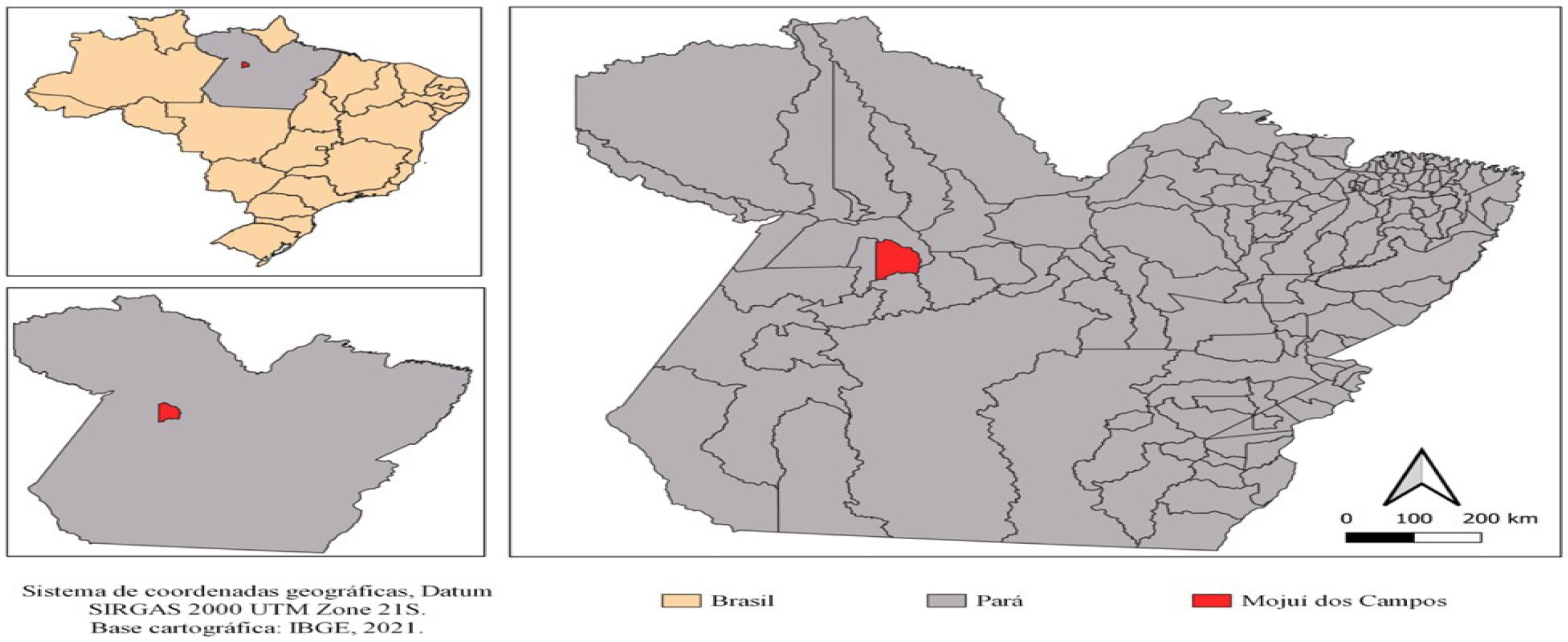
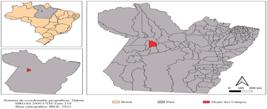
This study was submitted to and approved by the Ethics Committee on Research and Use of Animals (CEUA) of the Federal University of Western Pará (UFOPA), protocol number No. 0120230238. The research was carried out in two rural properties located in the municipality of Mojuí dos Campos (Figure 1). The experiment was carried out in March 2022, the rainiest period of the year(9).
2.2 Experimental animals
A total of 612 Nelore zebu heifers, aged 16 months, with an average weight of 300±30.2 kg, were kept in a semi-intensive breeding system, with pasture of Brachiaria brizantha cv. Marandu. All animals had access to mineral salt (Fosbovi® Reproduction DSM) and water ad libitum ad libidum. The selection of females was performed based on the body condition score (BCS) and gynecological evaluation through ultrasound. Only animals with 300±30.2 kg of body weight were used, being classified as BCS 3, considering the 1-lean and 5-obese scales (10), as well as having the presence of corpus luteum (LC) in the sonographic evaluation, indicating cyclicity, and that had no abnormalities.
The Nelore heifers were divided into three distinct groups of 204 animals each, namely: control group, GnRH group and hCG group. In the experiment, follicular dynamics were evaluated using GnRH (GnRH group) and hCG (hCG group) protocols. In another analysis, the experiment evaluated the conception rate of heifers in the control, GnRH and hCG groups that were submitted to FTAI after the protocols, and that were diagnosed as pregnancy at gestational diagnosis.
2.3 Experimental design
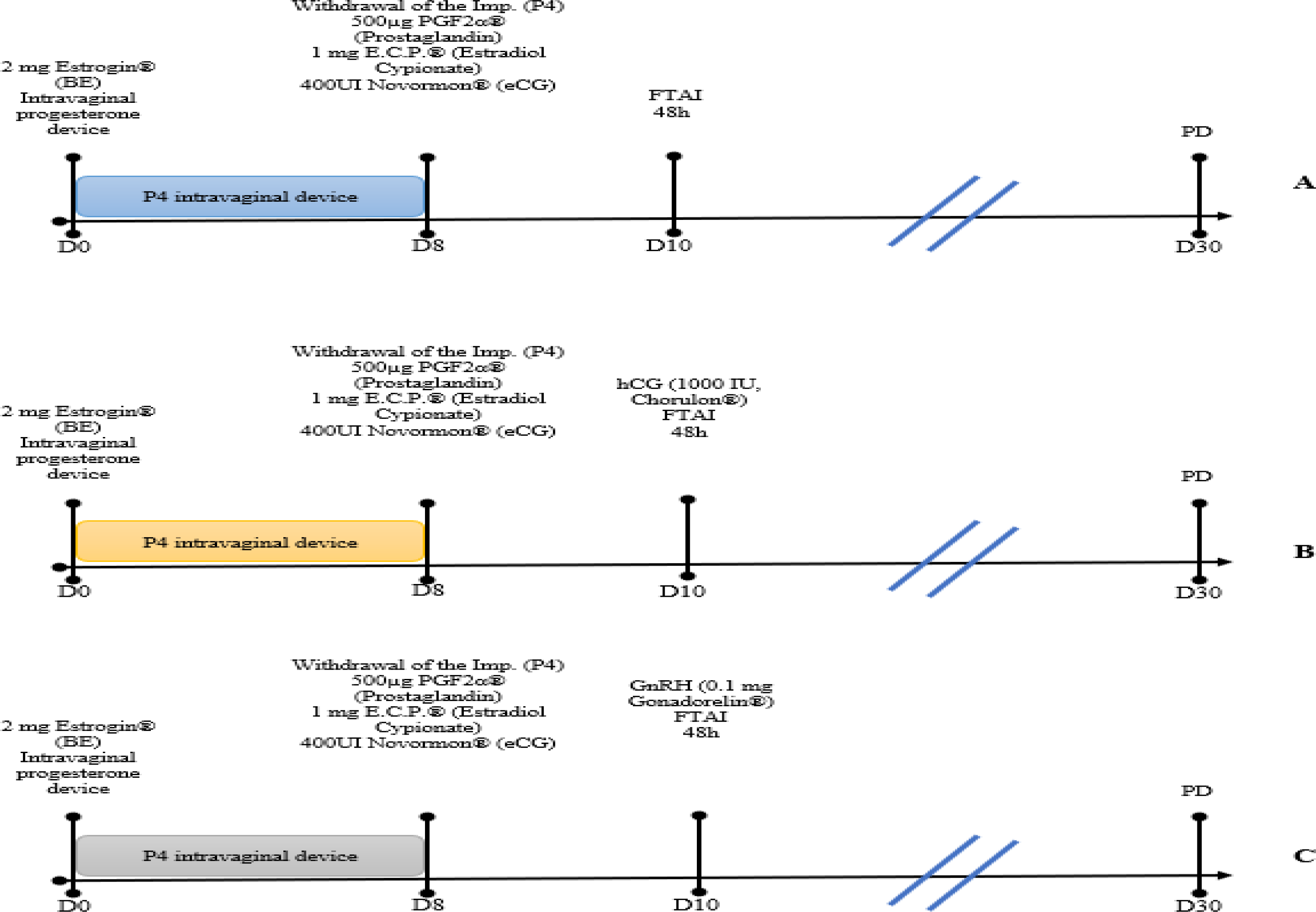
In the experiment, Zebu females received an intravaginal progesterone (P4) device containing 0.5 g of P4 monodose (Dib Zoets®) at D-0, together with an intramuscular (IM) injection of 2 mg of estradiol benzoate (Estrogin®, Biofarm, São Paulo, Brazil). In D-8, intravaginal progesterone devices were removed from these animals, so soon after removal they received three intramuscular (IM) injections of dinoprost tromethamine (PGF2α, 500μg), 1 mg of estradiol cypionate (E.C.P.® , Zoetis, Brazil) and 400IU of equine chorionic gonadotropin (eCG) (Novormon®, Zoetis).
In D-10, the protocol was the same as that used for the treatments evaluated (Figure 2 A), however, human chorionic gonadotropin (hCG) (1000 IU, Chorulon®, MSD, Brazil) or gonadrotofin-releasing hormone (GnRH) (0.1 mg Gonadorelin®, I.M) was applied, depending on the experimental group evaluated (Figure 2 B and C), subsequently, artificial insemination (AI) was performed, in these heifer batches (Figure 2). The conception rate of Nelore heifers submitted to FTAI with the same protocols containing GnRH or hCG was also evaluated.
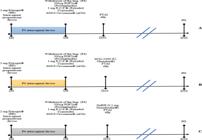
Schematic design of the artificial insemination protocol instituted for the control group (A), hCG (B) and GnRH (C). E.C.P. = Estradiol cypionate; FTAI = fixed-time artificial insemination; PD = pregnancy diagnosis.
2.4 Semen and artificial insemination and evaluation of the conception rate
TAll animals used in this experiment were inseminated using semen from the same bull and were inseminated by the same inseminator. Zebu heifers were submitted to transrectal evaluation for gestational diagnosis by ultrasonography (US) 30 days after TAI, and the presence of a viable embryo with a heartbeat will indicate pregnancy.
The conception rate was calculated based on the following formula:
Where:
TC = Conception rate; NP = number of cows conceived; NVT = number of cows studied.
2.5 Economic analysis
For the economic analysis, the composition of expenses with products and services was carried out, considering real market values corresponding to the period of analysis (February/2022) (Table 1).
Expenses per animal according to products and services performed, Mojuí dos Campos, Pará, Brazil.
2.6 Statistical analysis
The data were statistically analyzed, at 5% significance, using the non-parametric Kruskal Wallis test, because the data did not show normality and the Wilcoxon test was used to compare the groups in the conception rate.
3. Results
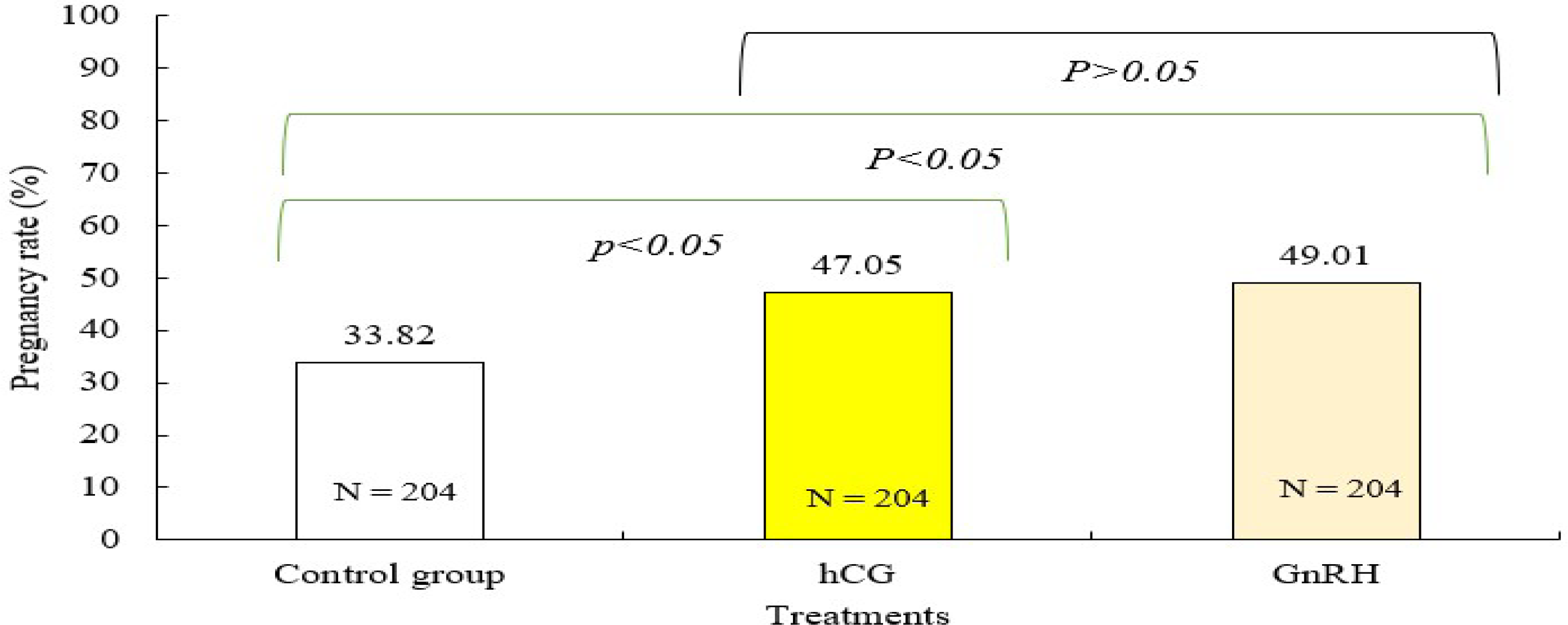
There was a difference between hCG and the control group (p<0.05), as well as between GnRH and control (p<0.05). for the design fee. However, the animals treated with GnRH administration did not show significant conception rates when compared to the hCG group (p>0.05) (Figure 3).
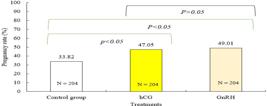
Efeito do tratamento (Controle, GnRH e hCG) na taxa de concepção de novilhas nelores submetidas à IATF.
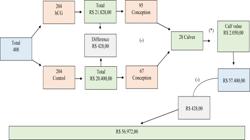
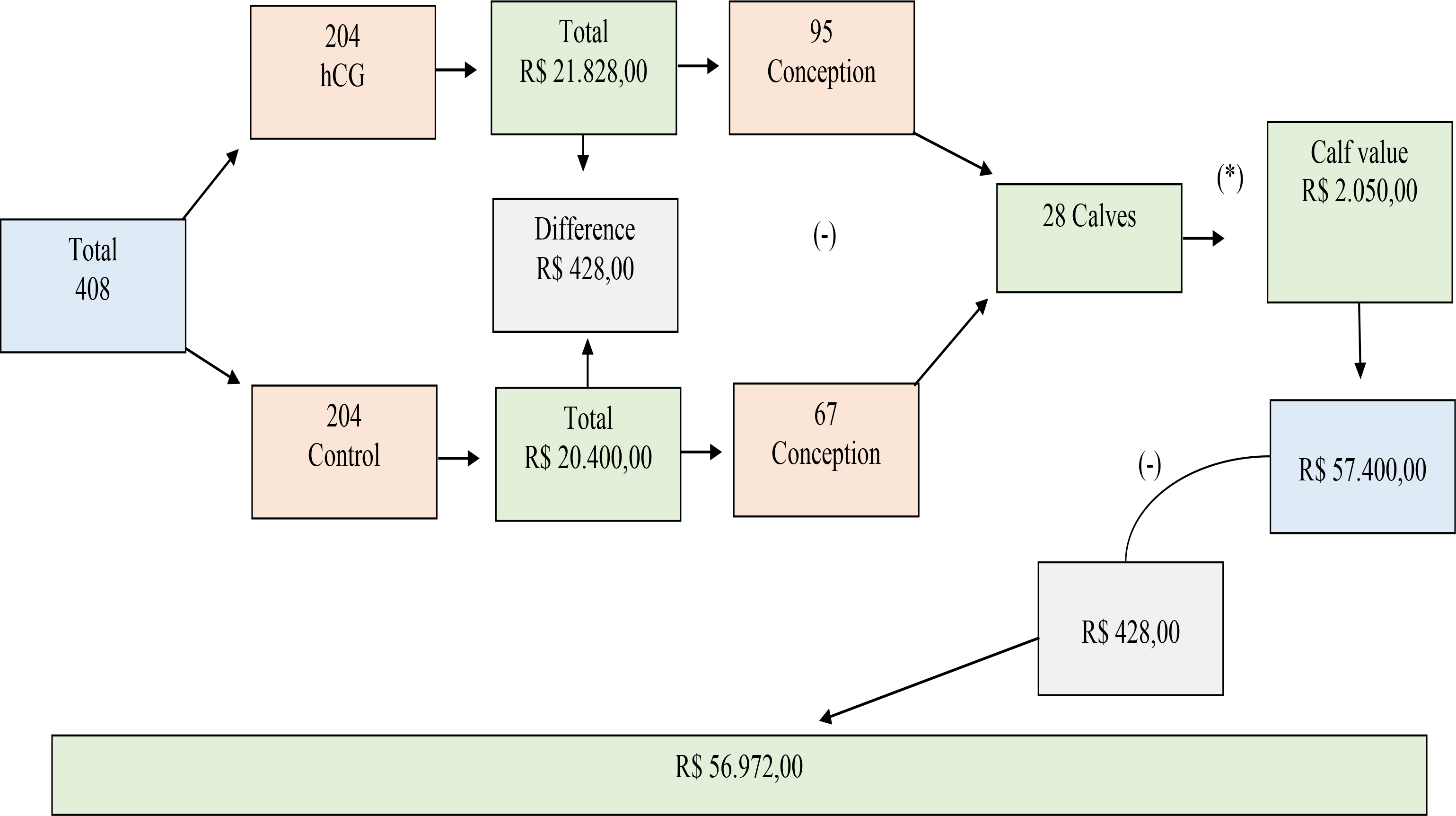
Cost dynamics and economic gains for the producer when comparing the control group and hCG.
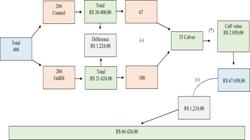
Cost dynamics and economic gains for the producer when comparing the control group and GnRH.
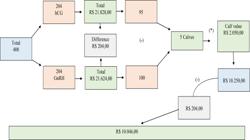
Cost dynamics and economic gains for the producer when comparing the control group, hCG and GnRH.
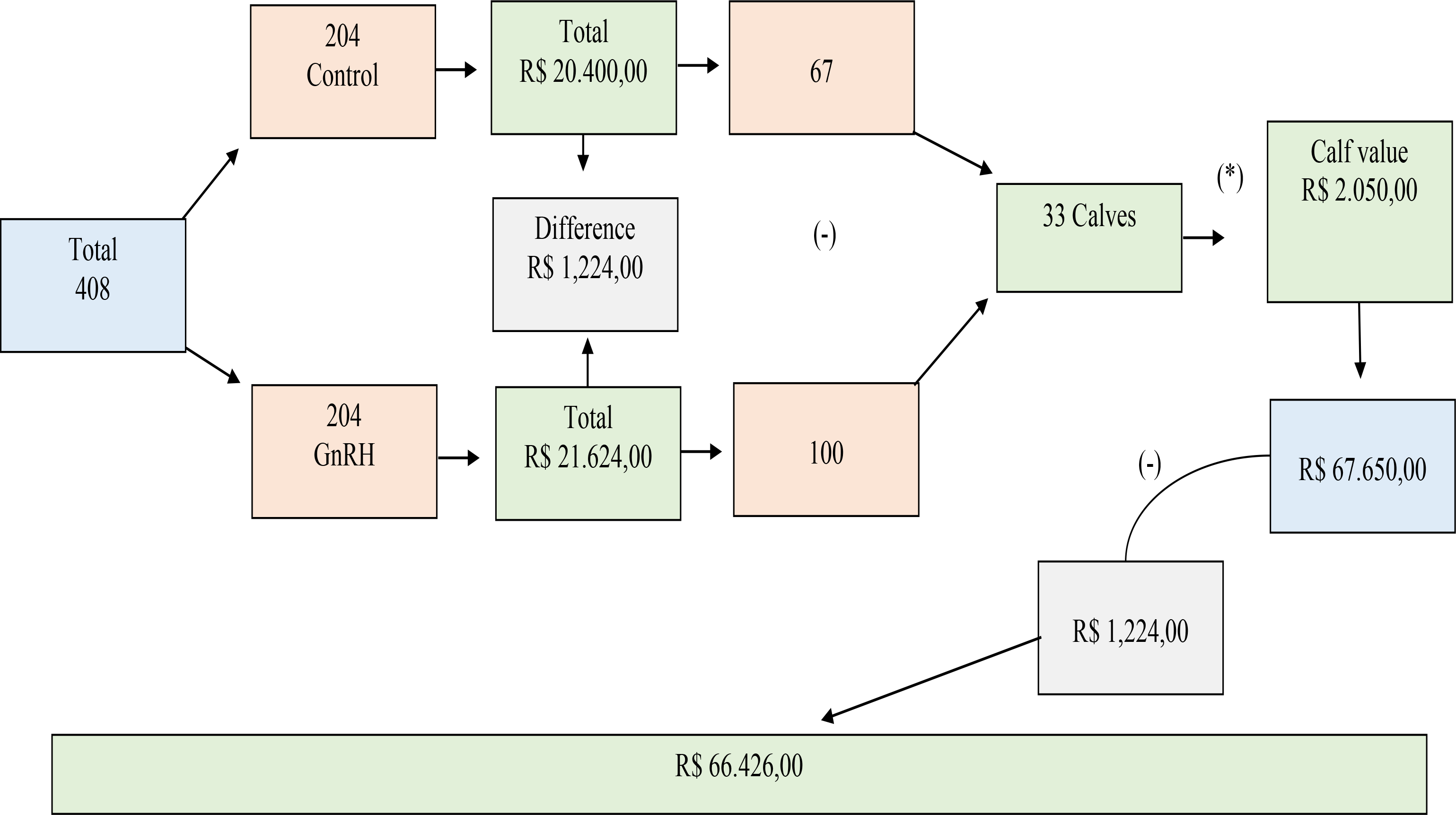
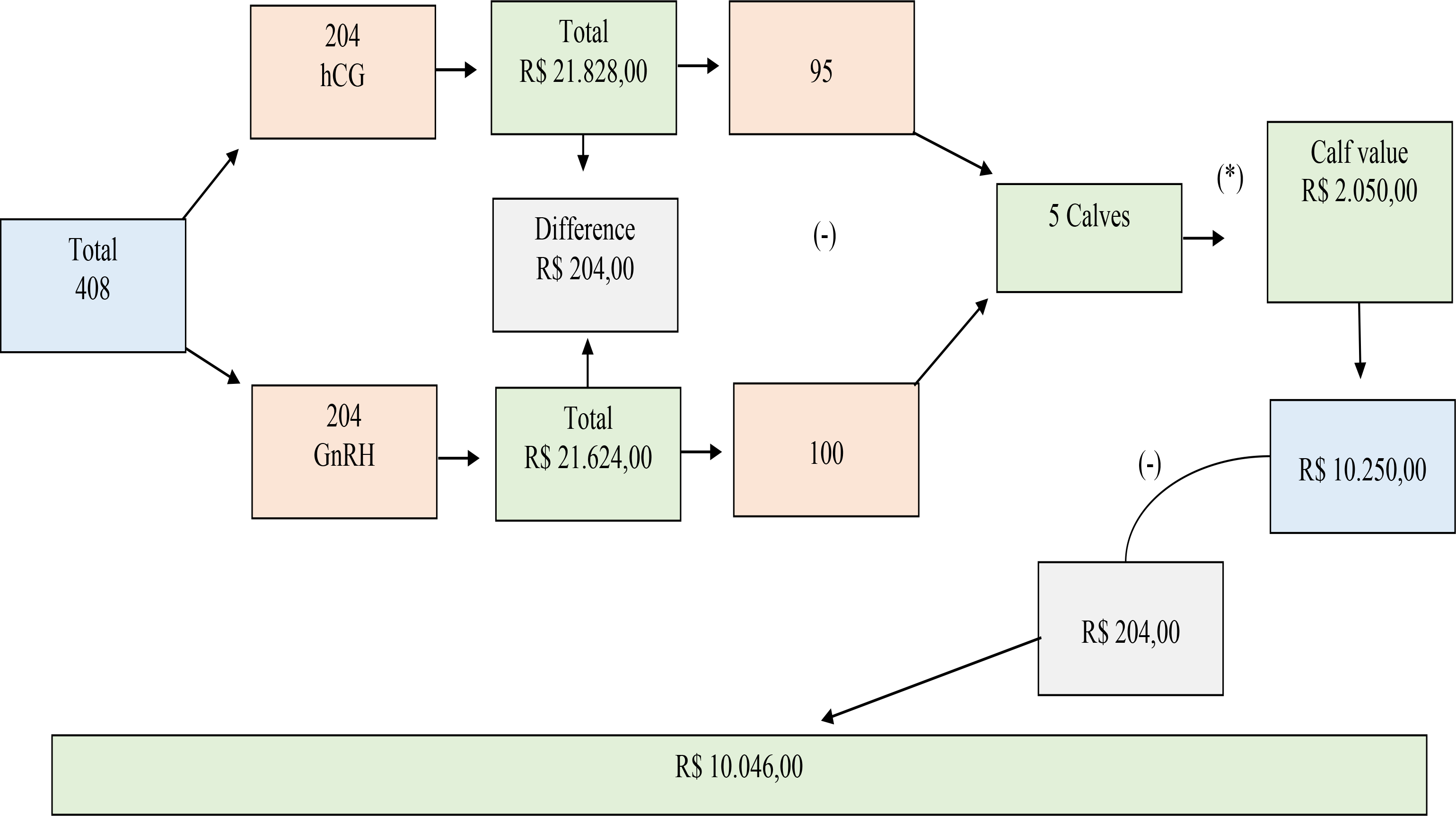
Regarding the economic expenses per treatment and the final yield through calf production, it was noted that the administration of GnRH and hCG provided a higher financial return when compared to the control group, with values equivalent to R$ 66,426.00 and R$ 56,972.00, respectively. Furthermore, when comparing GnRH and hCG in financial terms, it was possible to observe that the difference was R$ 10,046.00, since the heifers submitted to the GnRH protocol produced five more calves when compared to hCG.
4. Discussion
Animals treated with GnRH and hCG administration had higher conception rates compared to the control. This may be associated with the heifers' responsiveness to the protocol used, with the application of GnRH and hCG associated with FTAI (11), maximizing the secretion of gonadotropins such as FSH and LH, causing induction and ovulation (12). Other studies have also performed FTAI using the GnRH-based hormonal protocol in 14-month-old cows, showing a conception rate of 42% in Nelore heifers aged 11 to 14 months using the protocol of estradiol benzoate on D0, eCG, estradiol cypionate and PGF2 alpha on D8 and GnRH on D10 in FTAI (13). Gottschall & Silva(14) obtained 35 to 42% of conception in 14-month-old Nelore heifers, using a different protocol based on estradiol benzoate or Ovsynch.
In the related literature, few studies are observed comparing the use of GnRH and hCG in Nelore heifers, which demonstrates the importance of this study. When comparing the GnRH and hCG groups, no significant differences were observed for the conception rate, which may be associated with the medications used that may have favored ovulation and provided similar conception rates. With different results from the present study, which may have occurred due to the different protocol, Schmitz et al.(15) signaled higher conception rates with the use of GnRH at the beginning and end or only at the end of the protocol (65%) when compared to hCG (48%).
No differences (p>0.05) were observed between the dominant and ovulatory follicles for the groups evaluated. This can be justified by the use of eCG, weight and homogeneous BCS of the groups evaluated, thus, the nutritional strategies may have provided gonadotropin support for the follicles to grow to an ovulatory size, as the size of the ovulatory follicle influences the rate of ovulation and luteinization, ensuring greater production of progesterone by the corpus luteum, generating a positive effect on embryonic survival, since the progesterone concentration is determinant for the conception rate (16). This fact is also reported in a study with cows (17-20).
The homogeneous weight among females may have favored the similar conception rate between GnRH and hCG administration. This may have occurred because the animals were in good nutritional status and consequently favored follicular development and similarity in the conception rate (21), therefore, reproductive success depends on nutritional status (22-23).
Evaluating cattle of other breeds, such as one-year-old Angus and Brangus and two-year-old purebred or crossbred Charolais, Breul et al. Vasconcelos et al.(24) describe that the administration of a single intramuscular (IM) route of hCG did not affect the increase in the heifer conception rate. In an experiment carried out with 67 Nelore heifers, the application of hCG did not improve the gestation rate and did not present a significant effect (p>0.05) (25). Buttrey et al. (26) report that hCG should increase the conception rate, and ensure a higher rate of new conceptions, a fact observed in this study because the conception rate was higher in heifers with hCG administration when compared to the control group.
Corroborating this study, Hazano et al. (27). In a commercial farm in northeastern Japan, he used heifers in different protocols and identified that treatment with hCG (1500 IU - D5) increased conception rates, promoting early embryonic development with excellence.
The conception rate was higher in the GnRH group than in the control group. This may be explained by the fact that GnRH stimulates ovulation and follicular synchronization, which would result in animals being more likely to conceive at the time of FTAI GnRH triggers the release of LH and FSH. Therefore, the absence of an increase in FSH in the females of the control group may contribute to their lower performance(28). These results corroborate Geary et al. (29) who found a conception rate with GnRH (100 g; MI) of 46% at the beginning and end of the protocol and Burns et al. (30) with the application of 100 μg of GnRH with a conception of 48.2%.
Concomitantly with the results obtained, different studies indicate that heifers showed an effective response to the application of GnRH, reaching satisfactory conception rates (31-39). Corroborating these results, another experiment carried out during the spring reproductive season (November-February, in Uruguay, with 911 two-year-old Angus and Hereford heifers, demonstrated that the conception rate of 70% in heifers with the application of GnRH (40).
Regarding the economic expenses per treatment and the final yield through calf production, it was noted that the administration of GnRH and hCG provided greater financial return when compared to the control group. This reinforces the need for cattle breeders to use TAI, as the financial return with the use of protocols capable of enhancing ovulation and consequently maximizing the conception rate is notorious (41). Therefore, the association of hormonal induction with FTAI can help in the anticipation of the first calving, this would occur in the same time interval in which females would normally be entering the reproductive cycle, thus providing a longer reproductive life span of the female, a greater number of calves, a decrease in the interval between generations and generating more profitability for the owner, as also stated by Walsh et al. (42), Kerby et al. (43), Farrell et al. (44) and Mwai et al.(45).
5. Conclusion
The study demonstrated that the GnRH and hCG administration protocol can be used to achieve conception rates between 47% and 49% in Nelore heifers, with both hormones providing similar results. However, from a financial point of view, the use of GnRH proved to be more advantageous for the producer.
Data availability statement
The data will be provided upon request to the corresponding author.
References
-
1 Aragão A, Contini E. Agro in Brazil and in the World: a synthesis of the period from 2000 to 2020. Embrapa SIRE. 2021; 1(1):68. https://www.embrapa.br/busca-de-noticias/-/noticia/62619259/brasil-e-o-quarto-maior-produtor-de-graos-e-o-maiorexportador-de-carne-bovina-do-mundo-diz-estudo
» https://www.embrapa.br/busca-de-noticias/-/noticia/62619259/brasil-e-o-quarto-maior-produtor-de-graos-e-o-maiorexportador-de-carne-bovina-do-mundo-diz-estudo -
2 Lima RF, Silva AGdS, Santos GDOFD, Tótaro PISD. Relevant aspects of fixed-time artificial insemination (TAI) technique in cattle: A literature review. Altus Science. 2024; 23(23):256-273. https://doi.org/10.5281/zenodo.12963987
» https://doi.org/10.5281/zenodo.12963987 -
3 Dhangada VR, Gaikwad US, Dhage SA, Deokar DK, Lokhande AT, Kamble DK. Innovative Reproductive Technology in Animal Breeding: A Review. Journal of Advances in Biology & Biotechnology. 2024; 27(6):544-532. https://doi.org/10.9734/jabb/2024/v27i6913
» https://doi.org/10.9734/jabb/2024/v27i6913 -
4 Mercadante VR, Lamb GC. Implementing Fixed-Time Artificial Insemination Programs in Beef Herds. Veterinary Clinics: Food Animal Practice. 2024; 40(1):156-141. https://doi.org/10.1016/j.cvfa.2023.08.008
» https://doi.org/10.1016/j.cvfa.2023.08.008 -
5 Reineri PS, Bernhard SDR, Principi SA, Gerlero GD, Aller JF. Effects of two protocols of ovulation synchronization on corpus luteum size and blood flow, progesterone concentration, and pregnancy rate in beef heifers. Animal Reproduction Science. 2023; 251(1):107223. https://doi.org/10.1016/j.anireprosci.2023.107223
» https://doi.org/10.1016/j.anireprosci.2023.107223 -
6 Krause, LSdS. Use of gonadotropin-releasing hormone (Gnrh) in bovine reproduction in fixed-time artificial insemination (TAI). Ibero-American Journal of Humanities, Sciences and Education 2024; 10(6):1205-1215. https://doi.org/10.51891/rease.v10i6.14426
» https://doi.org/10.51891/rease.v10i6.14426 -
7 Chen F, Hou YA, Zhu X, Mei C, Guo R, Shi Z. Impact of Accessory Corpus Luteum Induced by Gonadotropin-Releasing Hormone or Human Chorionic Gonadotropin on Pregnancy Rates of Dairy Cattle following Embryo Transfer: A META-Analysis. Veterinary Sciences. 2023; 10(5):309. https://doi.org/10.3390/vetsci10050309
» https://doi.org/10.3390/vetsci10050309 -
8 Heredia D, Ojeda-Rojas OA, Londoño MC, Lasso SD, Bisinotto RS, Binelli M, Gonella-Diaza AM. A single dose of FSH or hCG during a split-time AI program did not enhance follicular growth or pregnancy per artificial insemination in beef heifers. Journal of Applied Animal Research. 2023; 51(1):440-434. https://doi.org/10.1080/09712119.2023.2218477
» https://doi.org/10.1080/09712119.2023.2218477 - 9 Martorano LG, Nechet D, Pereira LC. Climatic typology of the State of Pará: adaptation of the Köppen method. Bulletin of Theoretical Geography, 1993; 23(45-46):307-312.
-
10 Nagy SÁ, Kilim O, Csabai I, Gábor G, Solymosi N. Impact evaluation of score classes and annotation regions in deep learningbased dairy cow body condition prediction. Animals 2023; 13(2):194. https://doi.org/10.3390/ani13020194
» https://doi.org/10.3390/ani13020194 -
11 Fernández J, Bruno-Galarraga MM, Cueto MI, Bonadeo N, Notaro U, Soto AT, Sota RLDL, Salvetti NR, Bianchi CP, Cristina C, Ortega HH, Gibbons AE, Lacau-Mengido IM. Changes on corpus luteum structure and progesterone synthesis pathway after hCG or GnRH treatment during the early luteal phase in sheep. Animal Reproduction Science. 2024; 265(1):107474. https://doi.org/10.1016/j.anireprosci.2024.107474
» https://doi.org/10.1016/j.anireprosci.2024.107474 -
12 Bó GA, Huguenine E, Mata JJDL, Núñez-Olivera R, Baruselli PS, Menchaca A. Programs for fixed-time artificial insemination in South American beef cattle. Animal Reproduction (AR). 2018; 15(1):962-952. https://doi.org/10.21451/1984-3143-AR2018-0025
» https://doi.org/10.21451/1984-3143-AR2018-0025 -
13 Gregianini HAG, Junior JMC, Neto AP, da Costa Filho LCC, Gregianini JTF, Pinheiro AK, Trenkel CKG. Sexual precocity of Nellore heifers in a herd under selection in the State of Acre. Research, Society and Development, 2021; 10(4):e16310413945 -e16310413945. https://doi.org/10.33448/rsd-v10i4.13945
» https://doi.org/10.33448/rsd-v10i4.13945 -
14 Gottschall CS, Silva LR. Conception rate of beef heifers submitted to FTAI with a protocol based on estradiol benzoate or modified Ovsynch. PUBVET., 2018; 12(9):1-6. https://www.researchgate.net/publication/327787831_Taxa_de_prenhez_de_novilhas_de_corte_submetidas_a_IATF_com_protocolo_a_base_de_BE_ou_Ovsynch_modificado
» https://www.researchgate.net/publication/327787831_Taxa_de_prenhez_de_novilhas_de_corte_submetidas_a_IATF_com_protocolo_a_base_de_BE_ou_Ovsynch_modificado -
15 Schmitz W, Kramer M, Erhardt G, Gauly M, Driancourt MA, Holtz W. Pregnancy rate after fixed-time artificial insemination of suckled beef cows subjected to a cosynch protocol with either buserelin or hCG as ovulation inducing agent. Livestock Science. 2017; 206(1):147-141. https://doi.org/10.1016/j.livsci.2017.10.025
» https://doi.org/10.1016/j.livsci.2017.10.025 -
16 Nishimura TK, Martins T, Silva MI, Lafuente BS, maio JRDG, Binelli M, Pugliese G, Netto AS. Importance of body condition score and ovarian activity on determining the fertility in beef cows supplemented with long-acting progesterone after timed-AI. Animal Reproduction Science. 2018; 198(1):36-27. https://doi.org/10.1016/j.anireprosci.2018.08.042
» https://doi.org/10.1016/j.anireprosci.2018.08.042 -
17 Bruinjé TC, Morrison EI, Ribeiro ES, Renaud DL, LeBlanc SJ. Associations of inflammatory and reproductive tract disorders postpartum with pregnancy and early pregnancy loss in dairy cows. Journal of Dairy Science. 2024; 107(3):1644-1630. https://doi.org/10.3168/jds.2023-23976
» https://doi.org/10.3168/jds.2023-23976 -
18 Ferraz PA, Poit DAS, Pinto LMF, Guerra AC, Neto AL, Prado FL, Azrak AJ, Çakmakçı C, Baruselli PS, Pugliesi G. Accuracy of early pregnancy diagnosis and determining pregnancy loss using different biomarkers and machine learning applications in dairy cattle. Theriogenology. 2024; 244(1):93-82. https://doi.org/10.1016/j.theriogenology.2024.05.006
» https://doi.org/10.1016/j.theriogenology.2024.05.006 - 19 Vázquez-López S, Hernández-Coronado CG, Calderón-Robles RC, Rosales-Torres AM, Faustino-Carmona R, SánchezHernández F, Jáimez-Vázquez MA, Guzmán A. CO-Synch as a cheap fixed-time artificial insemination protocol to improve pregnancy rate in cow-calf production systems. Large Animal Review. 2024; 30(2):92-85.
-
20 Çiplak AY. Pregnancy Diagnosis Methods in Cows. Journal of Animal Science and Economics. 2024; 3(1):29-23. https://doi.org/10.5281/zenodo.10731544
» https://doi.org/10.5281/zenodo.10731544 -
21 Oliveira VS, Silva W, Maia TP, Silva LKX. Is there a correlation between the body condition score and the conception rate of Nellore cows submitted to FTAI in Eastern Amazonia? CES Veterinary Medicine and Animal Science. 2022; 17(2):18-8. https://doi.org/10.21615/cesmvz.6622
» https://doi.org/10.21615/cesmvz.6622 -
22 Moriel P, Palmer E, Vedovatto M, Piccolo MB, Ranches J, Silva HM, Mercadante VRG, Lamb GC, Vendramini JM. Supplementation frequency and amount modulate postweaning growth and reproductive performance of Bos indicus-influenced beef heifers. Journal of Animal Science. 2020; 98(8):skaa236. https://doi.org/10.1093/jas/skaa236
» https://doi.org/10.1093/jas/skaa236 -
23 Luke TDW, Morton JM, Wales WJ, Ho CKM. Associations between serum health biomarker concentrations and reproductive performance, accounting for milk yield, in pasture-based Holstein cows in southeastern Australia. Journal of Dairy Science. 2024; 107(1):458-438. https://doi.org/10.3168/jds.2022-23006
» https://doi.org/10.3168/jds.2022-23006 -
24 Breuel KF, Spitzer JC, Thompson CE, Breuel JF. First-service pregnancy rate in beef heifers as influenced by human chorionic gonadotropin administration before and/or after breeding. Theriogenology. 1990; 34(1):145-139. https://doi.org/10.1016/0093691X(90)90585-H
» https://doi.org/10.1016/0093691X(90)90585-H -
25 Santos MD, Junior DAF, Toma CDM, Toma HS, Freitas SH, Costa DS, Junior CK. Gestation rates and accessory corpus luteum formation in Nellore heifers treated with hcg after fixed-time artificial insemination. Acta Veterinária Brasilica. 2014; 8(4):235231. https://doi.org/10.21708/avb.2014.8.4.4236
» https://doi.org/10.21708/avb.2014.8.4.4236 -
26 Buttrey BS, Burns MG, Stevenson JS. Ovulation and pregnancy outcomes in response to human chorionic gonadotropin before resynchronized ovulation in dairy cattle. Theriogenology. 2010; 73(4):459-449. https://doi.org/10.1016/j.theriogenology.2009.09.027
» https://doi.org/10.1016/j.theriogenology.2009.09.027 -
27 Hazano K, Miki T, Goto A, Kayano M, Haneda S, Bui DV, Miura R, Matsui M. Effects of the formation and regression of accessory corpus lutea during pregnancy on plasma progesterone concentration and pregnancy status in cross-bred beef heifers. Animal Reproduction Science. 2021; 232(1):106825. https://doi.org/10.1016/j.anireprosci.2021.106825
» https://doi.org/10.1016/j.anireprosci.2021.106825 -
28 Schmitt EJP, Barros CM, Fields PA, Fields MJ, Diaz T, Kluge JM, Thatcher WW. A cellular and endocrine characterization of the original and induced corpus luteum after administration of a gonadotropin-releasing hormone agonist or human chorionic gonadotropin on day five of the estrous cycle. Journal Animal Science 1996; 74(1):1915-1929. https://doi.org/10.2527/1996.7481915x
» https://doi.org/10.2527/1996.7481915x -
29 Geary TW, Salverson RR, Whittier JC. Synchronization of ovulation using GnRH or hCG with the CO-Synch protocol in suckled beef cows. Journal of Animal Science. 2001; 79(10):2536-2541. https://doi.org/10.2527/2001.79102536x
» https://doi.org/10.2527/2001.79102536x -
30 Burns MG, Buttrey BS, Dobbins CA, Martel CA, Olson KC, Lamb GC, Stevenson JS. Evaluation of human chorionic gonadotropin as a replacement for gonadotropin-releasing hormone in ovulation-synchronization protocols before fixed timed artificial insemination in beef cattle. Journal of animal Science. 2008; 86(10):2539-2548. https://doi.org/10.2527/jas.2008-1122
» https://doi.org/10.2527/jas.2008-1122 -
31 Binyameen M, Imran M, Waseem M, Anwar S, Tahir H, Azam B, Tauseef MA, Saleem M. Effect of a Single Injection of GnRH Analog Alone and at the Time of AI on Reproductive Performance of Nili Ravi Buffaloes. Farm Animal Health and Nutrition. 2024; 3(1):21-17. https://doi.org/10.58803/fahn.v3i1.38
» https://doi.org/10.58803/fahn.v3i1.38 -
32 Hassanein EM, Szelényi Z, Szenci, O. Gonadotropin-Releasing Hormone (GnRH) and Its Agonists in Bovine Reproduction II: Diverse Applications during Insemination, Post-Insemination, Pregnancy, and Postpartum Periods. Animals. 2024; 14(11):1575. https://doi.org/10.3390/ani14111575
» https://doi.org/10.3390/ani14111575 -
33 Melo DB, Jr WMC, Marques TC, Salman S, Macedo IM, Castro T, Menezes MCG, Monteiro HF, Cotterman RF, Conley AJ, Lima FS. Effect of 200 μg of gonadorelin hydrochloride at the first GnRH of a CIDR Synch program on ovulation rate and pregnancies per AI in Holstein heifers. Journal of Dairy Science. 2024(TBC):10. https://doi.org/10.3168/jds.2023-24246
» https://doi.org/10.3168/jds.2023-24246 -
34 Dare TA, Mamman M, Kawu MU, Chom ND, Udechukwu CC, Jolayemi KO. The Effect of Reduced GnRH Dose on Ovulation and Follicular Dynamics in Ovsynch Programme of Pure and Bunaji-Crossbred Cows. Tropical Animal Health and Production. 2024; 56(2):103. https://doi.org/10.1007/s11250-024-03939-7
» https://doi.org/10.1007/s11250-024-03939-7 -
35 Silva LO, Motta JC, Oliva AL, Madureira G, Alves RL, Folchini NP, Silva MAD, Silva TJBD, Consentini CED, Wiltbank MC, Sartori R. Influence of GnRH analog and dose on LH release and ovulatory response in Bos indicus heifers and cows on day seven of the estrous cycle. Theriogenology. 2024; 214(1):223-215. https://doi.org/10.1016/j.theriogenology.2023.10.015
» https://doi.org/10.1016/j.theriogenology.2023.10.015 -
36 Colazo MG, Behrouzi A, Gobikrushanth M, Mapletoft RJ. A high dose of initial GnRH increased ovulatory response and fertility in Holstein heifers subjected to a progesterone based 5-d CO-Synch protocol. Theriogenology. 2023; 206(1):17-11. https://doi.org/10.1016/j.theriogenology.2023.04.026
» https://doi.org/10.1016/j.theriogenology.2023.04.026 -
37 Uddin AM, Petrovski KR, Song Y, Garg S, Kirkwood RN. Application of exogenous GnRH in food animal production. Animals. 2023; 13(12):1891. https://doi.org/10.3390/ani13121891
» https://doi.org/10.3390/ani13121891 -
38 Gobikrushanth M, Mapletoft RJ, Colazo MG. Estrous activity and pregnancy outcomes in Holstein heifers subjected to a progesterone based 5-d CO-Synch protocol with or without administration of initial GnRH. Theriogenology. 2023; 202(1):41-36. https://doi.org/10.1016/j.theriogenology.2023.02.024
» https://doi.org/10.1016/j.theriogenology.2023.02.024 -
39 Silva SA, Mondadori RG, Noleto GS, Barbosa IP, Gonçalves RL, Gasperin BG, Rovani MT, Paz EF, Gomes LS, Pfeifer LF. GnRH34 with or without estradiol cypionate in timed AI in Bos indicus beef cows. Theriogenology. 2023; 209(1):140-134. https://doi.org/10.1016/j.theriogenology.2023.06.026
» https://doi.org/10.1016/j.theriogenology.2023.06.026 -
40 Núñez-Olivera R, Bó GA, Menchaca A. Association between length of proestrus, follicular size, estrus behavior, and pregnancy rate in beef heifers subjected to fixed-time artificial insemination. Theriogenology. 2022; 181(1):7-1. https://doi.org/10.1016/j.theriogenology.2021.12.028
» https://doi.org/10.1016/j.theriogenology.2021.12.028 -
41 Oliveira BSD, Silva KZ, Batista HR, Silva WCD, Junior RNCC. Retrospective study of conception rates obtained using Fixed Time Artificial Insemination (TAI) protocols in cows supplemented with gonadotropin-releasing hormone (GnRG)-mini review Retrospective study of pregnancy rates obtained using fixed-time. Brazilian Journal of Development. 2021; 7(12):118390118382. https://doi.org/10.34117/bjdv7n12-548
» https://doi.org/10.34117/bjdv7n12-548 -
42 Walsh DP, Fahey AG, Lonergan P, Wallace M. Economics of timed artificial insemination with unsorted or sexed semen in a high-producing, pasture-based dairy production system. Journal of Dairy Science. 2022; 105(4):3208-3192. https://doi.org/10.3168/jds.2021-21070
» https://doi.org/10.3168/jds.2021-21070 -
43 Kerby M, Clarke T, Angel T, Mackenzie K. The use of fixed time artificial insemination programmes for the use of sexed semen in block calving dairy heifers. Livestock. 2021; 26(3):130-124. https://doi.org/10.12968/live.2021.26.3.124
» https://doi.org/10.12968/live.2021.26.3.124 -
44 Farrell LJ, Morris ST, Kenyon PR, Tozer PR. Simulating the profitability of male-sexed semen use in extensively farmed beef cow herds. Livestock Science. 2022; 266(1):105-107. https://doi.org/10.1016/j.livsci.2022.105107
» https://doi.org/10.1016/j.livsci.2022.105107 -
45 Mwai AO Tsuma V, Owin JO, Ochieng L, Rao EJO. Accelerating genetic improvement in emerging smallholder dairy systems through fixed-time and conventional artificial insemination technologies: organizational and operational experiences from Kenya. ILRI Project Report. 2020; 1(1):35. https://hdl.handle.net/10568/111149
» https://hdl.handle.net/10568/111149
Edited by
-
Editor:
Rondineli P. Barbero