 Impact and effectiveness of assistive products on the functional performance of older adults living in long-term care facilities
Introduction Functional dependence is prevalent among older adults in Chile. Autonomy is essential for maintaining functional capacity in this population. Assistive products that specifically support activities of daily living are a useful strategy to promote autonomy. However, few studies have evaluated their effectiveness among dependent older adults in Chile.
Objective To evaluate the effectiveness of an intervention using low-cost assistive products to promote functional autonomy among older adults in Chile, specifically in feeding, dressing, and hygiene activities.
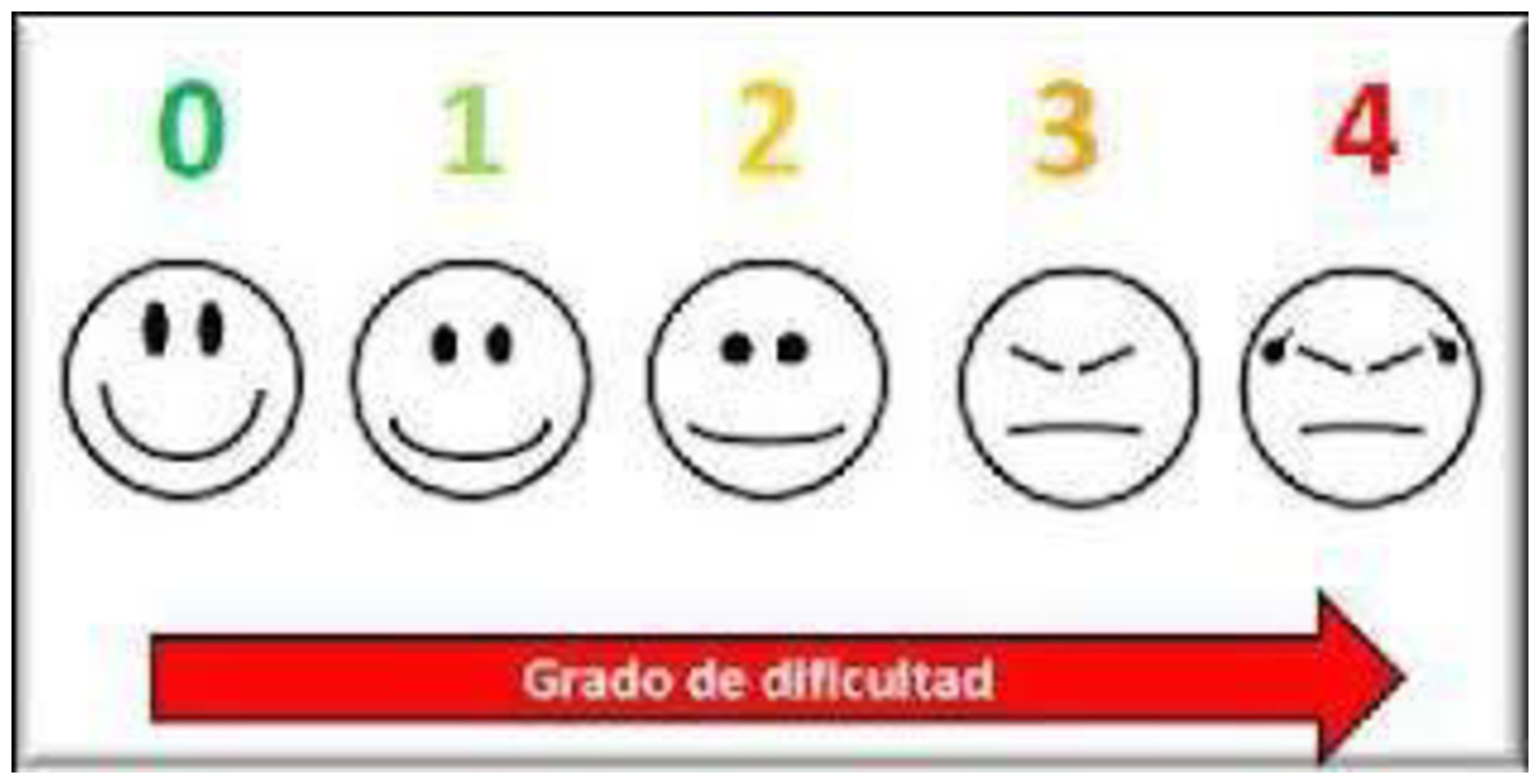
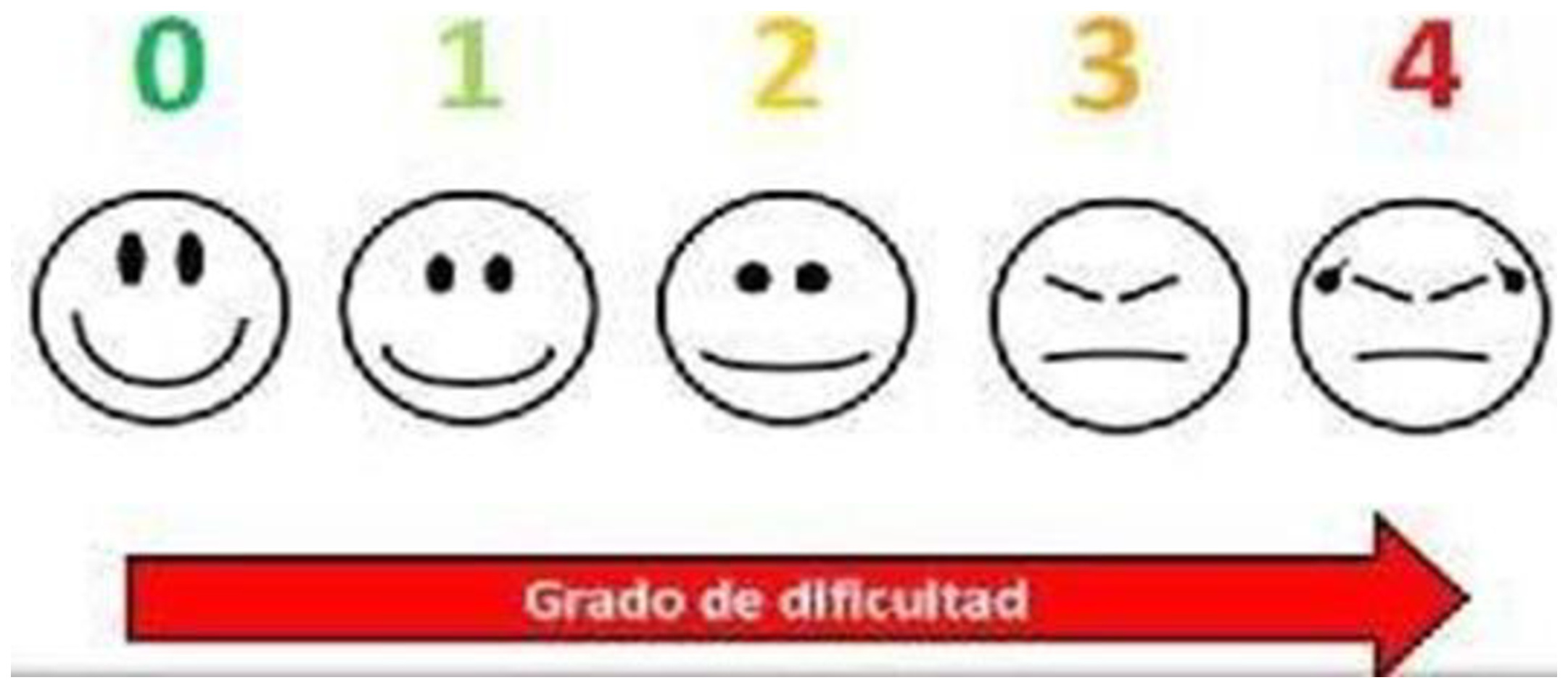
Method The participants were 20 older adults living in a long-term care residence for older adults in Chile. Basic daily living skills were measured using the Community Performance Assessment Instrument (IVADEC-CIF). Participants received assistive products and were trained to use them through simulation of functional therapeutic activities.
Results A significant reduction in difficulties with feeding [t (19) = 2.774, p = .012, d = .620] and hygiene [t (19) = 2.156, p = .044, d = .482] was observed after the intervention.
Conclusion The findings suggest that assistive products may be a useful intervention strategy to promote personal autonomy among older adults in Chile.
Keywords:
Self-help Devices; Personal Autonomy; Functional Status; Aged
 Thumbnail
 Thumbnail