person Guilherme da Silva Rodrigues
⁎
Designed research · Conducted research · provided essential reagents · wrote the paper · primary responsibility for final content · read and approved the final manuscript
schoolDepartment of Internal Medicine, Faculdade de Medicina de Ribeirão Preto, Universidade de São Paulo, Ribeirão Preto, SP, BrazilUniversidade de São PauloBrazilRibeirão Preto, SP, BrazilDepartment of Internal Medicine, Faculdade de Medicina de Ribeirão Preto, Universidade de São Paulo, Ribeirão Preto, SP, Brazil
†
These authors have contributed equally to this work.
person Natalia Yumi Noronha
Designed research · Conducted research · provided essential reagents · wrote the paper · primary responsibility for final content · read and approved the final manuscript
schoolDepartment of Internal Medicine, Faculdade de Medicina de Ribeirão Preto, Universidade de São Paulo, Ribeirão Preto, SP, BrazilUniversidade de São PauloBrazilRibeirão Preto, SP, BrazilDepartment of Internal Medicine, Faculdade de Medicina de Ribeirão Preto, Universidade de São Paulo, Ribeirão Preto, SP, Brazil
†
These authors have contributed equally to this work.
person Jhennyfer Aline Lima Rodrigues
Conducted research · provided essential reagents · wrote the paper · primary responsibility for final content · read and approved the final manuscript
schoolDepartment of Internal Medicine, Faculdade de Medicina de Ribeirão Preto, Universidade de São Paulo, Ribeirão Preto, SP, BrazilUniversidade de São PauloBrazilRibeirão Preto, SP, BrazilDepartment of Internal Medicine, Faculdade de Medicina de Ribeirão Preto, Universidade de São Paulo, Ribeirão Preto, SP, Brazil
person Andressa Crystine da Silva Sobrinho
Analyzed data · primary responsibility for final content · read and approved the final manuscript
schoolDepartment of Internal Medicine, Faculdade de Medicina de Ribeirão Preto, Universidade de São Paulo, Ribeirão Preto, SP, BrazilUniversidade de São PauloBrazilRibeirão Preto, SP, BrazilDepartment of Internal Medicine, Faculdade de Medicina de Ribeirão Preto, Universidade de São Paulo, Ribeirão Preto, SP, Brazil
person Jonas Benjamim
Conducted research · provided essential reagents · Analyzed data · primary responsibility for final content · read and approved the final manuscript
schoolInstitute for Physical Activity and Nutrition, School of Exercise and Nutrition Sciences, Deakin University, Geelong, AustraliaDeakin UniversityAustraliaGeelong, AustraliaInstitute for Physical Activity and Nutrition, School of Exercise and Nutrition Sciences, Deakin University, Geelong, Australia
person Luísa Maria Diani
Conducted research · provided essential reagents · wrote the paper · primary responsibility for final content · read and approved the final manuscript
schoolDepartment of Internal Medicine, Faculdade de Medicina de Ribeirão Preto, Universidade de São Paulo, Ribeirão Preto, SP, BrazilUniversidade de São PauloBrazilRibeirão Preto, SP, BrazilDepartment of Internal Medicine, Faculdade de Medicina de Ribeirão Preto, Universidade de São Paulo, Ribeirão Preto, SP, Brazil
person Isabela Harumi Yonehara Noma
Conducted research · provided essential reagents · wrote the paper · primary responsibility for final content · read and approved the final manuscript
schoolDepartment of Clinical and Toxicological Analyses, Faculdade de Ciências Farmacêuticas da Universidade de São Paulo, São Paulo, SP, BrazilUniversidade de São PauloBrazilSão Paulo, SP, BrazilDepartment of Clinical and Toxicological Analyses, Faculdade de Ciências Farmacêuticas da Universidade de São Paulo, São Paulo, SP, Brazil
person Fernando Barbosa Júnior
Analyzed data · primary responsibility for final content · read and approved the final manuscript
schoolDepartment of Clinical Analyses, Toxicology and Food Science, Faculdade de Ciências Farmacêuticas de Ribeirão Preto, Universidade de São Paulo, Ribeirão Preto, SP, BrazilUniversidade de São PauloBrazilRibeirão Preto, SP, BrazilDepartment of Clinical Analyses, Toxicology and Food Science, Faculdade de Ciências Farmacêuticas de Ribeirão Preto, Universidade de São Paulo, Ribeirão Preto, SP, Brazil
person Lígia Moriguchi Watanabe
Analyzed data · primary responsibility for final content · read and approved the final manuscript
schoolDepartment of Health Sciences, Faculdade de Medicina de Ribeirão Preto, Ribeirão Preto, SP, BrazilFaculdade de Medicina de Ribeirão PretoBrazilRibeirão Preto, SP, BrazilDepartment of Health Sciences, Faculdade de Medicina de Ribeirão Preto, Ribeirão Preto, SP, Brazil
person Carla Barbosa Nonino
Analyzed data · primary responsibility for final content · read and approved the final manuscript
schoolDepartment of Health Sciences, Faculdade de Medicina de Ribeirão Preto, Ribeirão Preto, SP, BrazilFaculdade de Medicina de Ribeirão PretoBrazilRibeirão Preto, SP, BrazilDepartment of Health Sciences, Faculdade de Medicina de Ribeirão Preto, Ribeirão Preto, SP, Brazil
person Carlos Roberto Bueno Júnior
Analyzed data · primary responsibility for final content · read and approved the final manuscript
schoolDepartment of Internal Medicine, Faculdade de Medicina de Ribeirão Preto, Universidade de São Paulo, Ribeirão Preto, SP, BrazilUniversidade de São PauloBrazilRibeirão Preto, SP, BrazilDepartment of Internal Medicine, Faculdade de Medicina de Ribeirão Preto, Universidade de São Paulo, Ribeirão Preto, SP, BrazilschoolEscola de Educação Física de Ribeirão Preto da Universidade de São Paulo, Ribeirão Preto, SP, BrazilUniversidade de São PauloBrazilRibeirão Preto, SP, BrazilEscola de Educação Física de Ribeirão Preto da Universidade de São Paulo, Ribeirão Preto, SP, Brazil
Conflicts of interest
The authors declare no conflicts of interest.

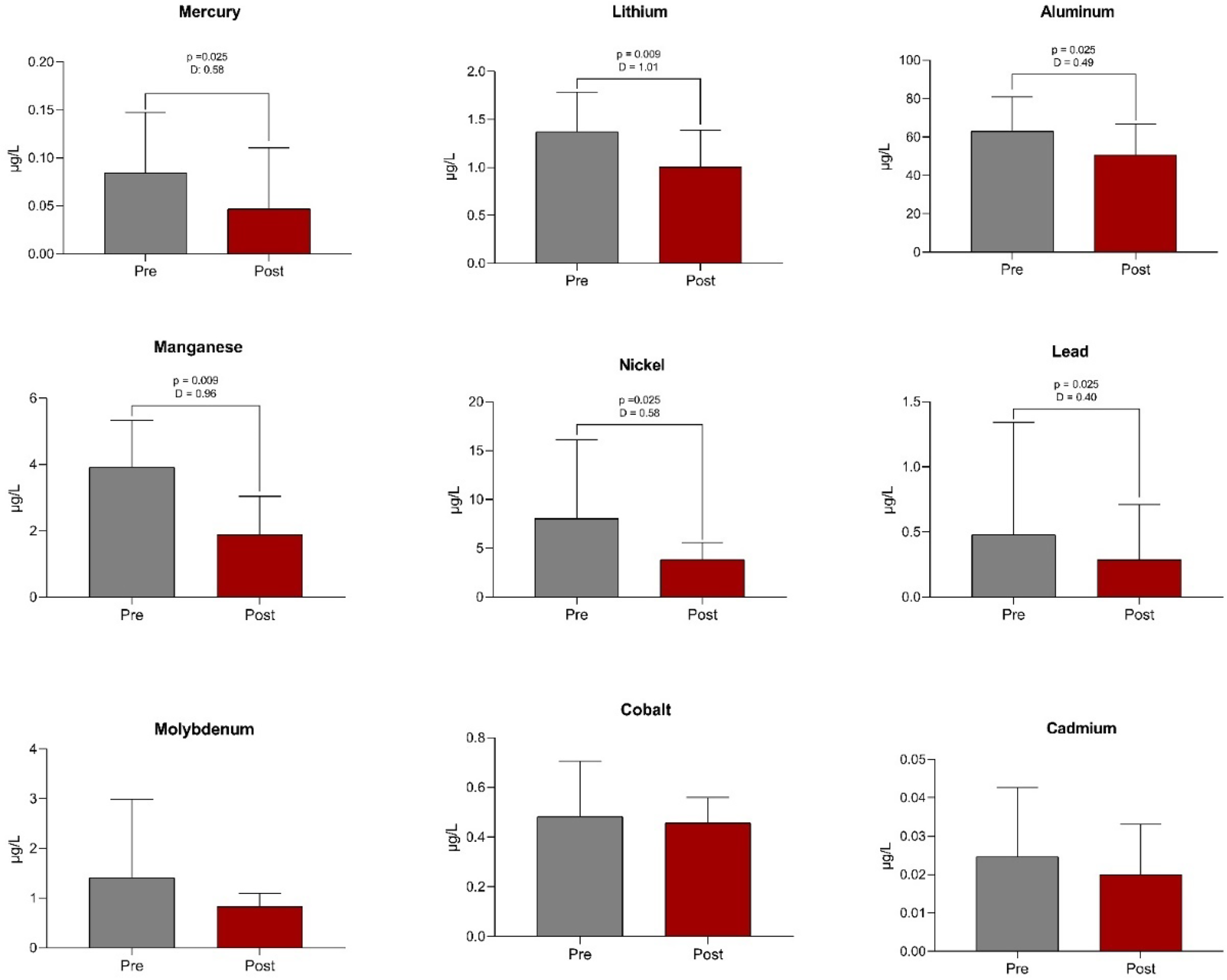
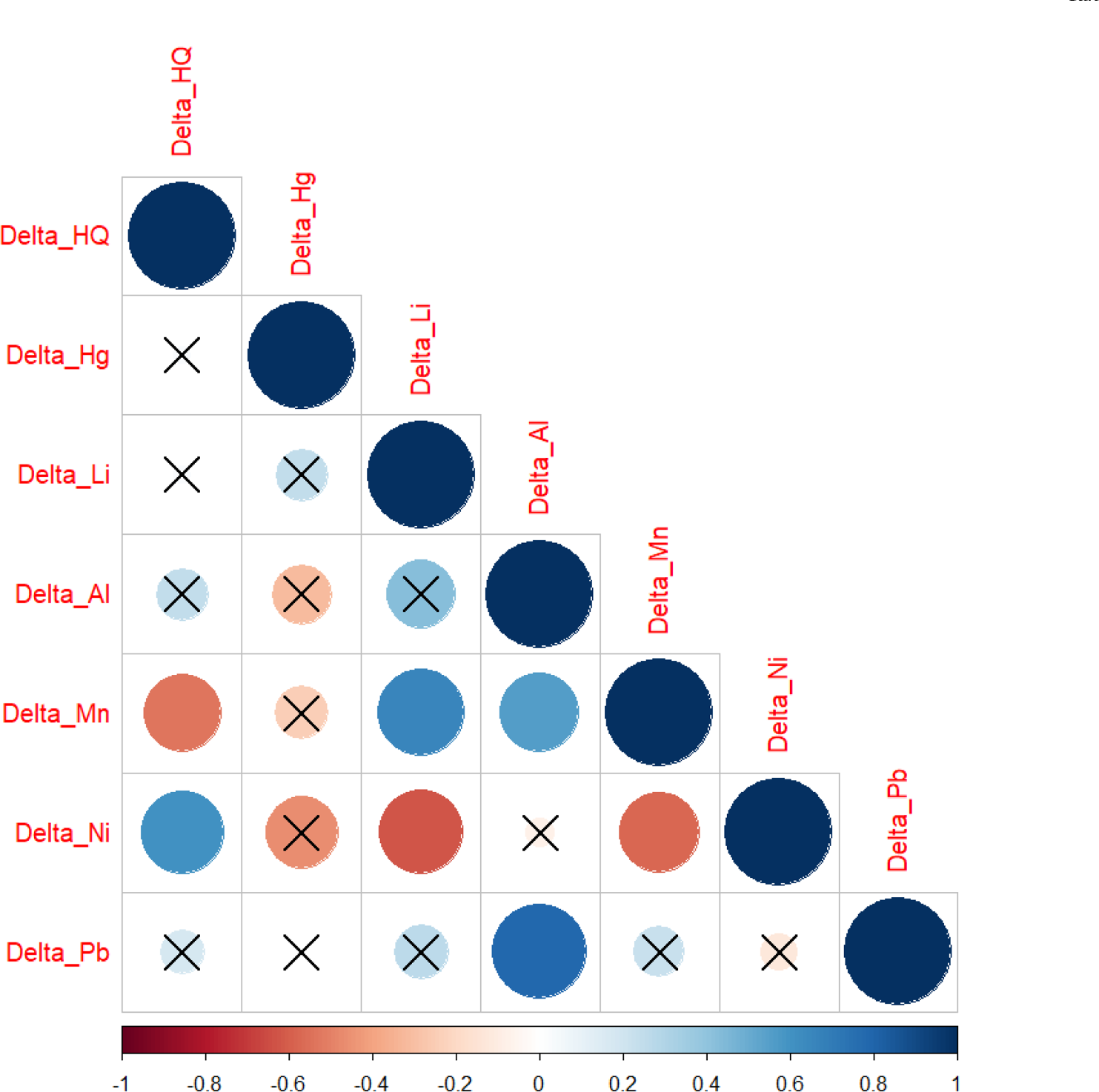
 Changes in serum metal concentrations following high-intensity interval training: A 16-week pilot study
 Thumbnail
 Thumbnail