 Multivariate analysis of sheep marketing characteristics at broadcast auctions in Southern Brazil
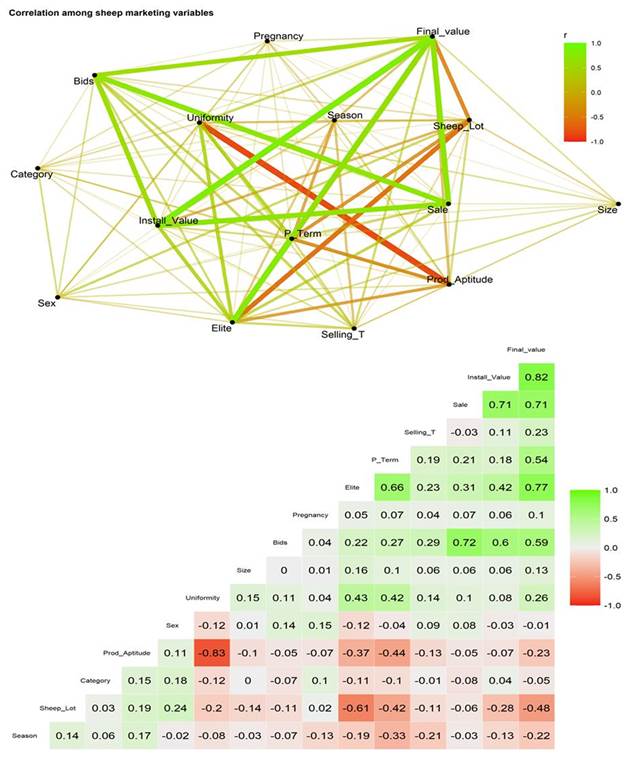
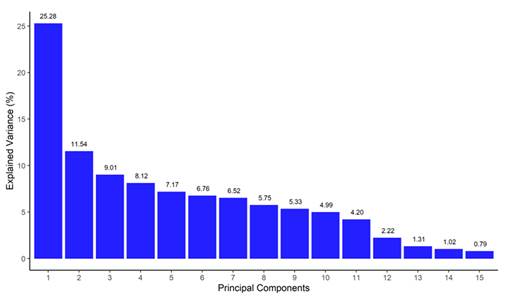
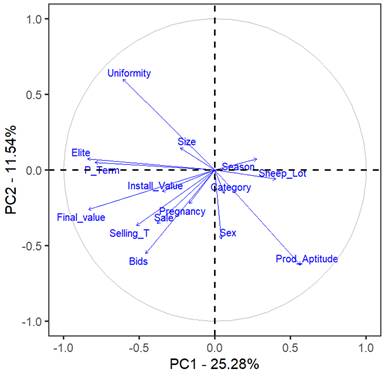
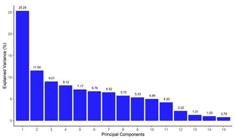
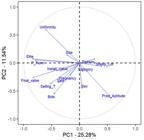
This study characterized and analyzed sheep marketing at broadcast auctions in the state of Rio Grande do Sul, Brazil. Auctions conducted between 2021 and 2024 were evaluated. Animal-level characteristics included sex, category, breed, genetic background, production aptitude, and, for females, reproductive status. At the lot level, the number of animals, uniformity, selling time, and number of bids were assessed. Auction-related variables included the season of sale, payment terms, and sale values. The variables were also analyzed using principal component analysis (PCA). A total of 1,384 sheep lots were analyzed, comprising 11,383 animals. The strongest correlations were observed between elite sheep and the payment term offered by the seller (r = 0.66), and between animal production aptitude and lot uniformity (r = -0.83). With respect to lot sales, genetic content showed the highest positive correlation (r = 0.33) and was strongly associated with the number of bids (r = 0.72) Principal components 1 and 2 explained 36.81% of the variability in sheep marketing; the first component was mainly associated with animal- and auction-related variables, while the second was associated with animal characteristics such as production aptitude, sex, and lot breed uniformity, as well as the number of bids per lot. These results indicated a strong demand for animals carrying flock-improving genetics and highlighted both breed- and lot-level uniformity as key factors in sheep sales.
Key words:
sheep; broadcast auctions; digital platforms; seasonality; lot uniformity
 Thumbnail
 Thumbnail
 Thumbnail