 Cellulolytic properties of size-exclusion fractionated extracellularenzymes of Bacillus amyloliquefaciens SLBD isolated from horse feces
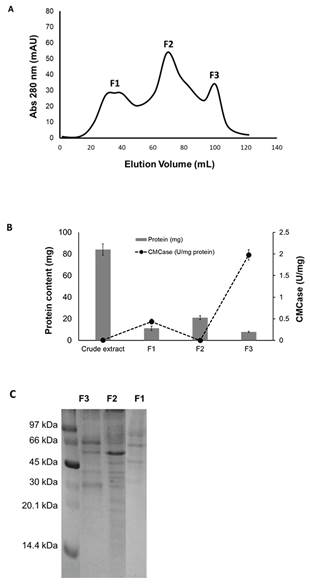
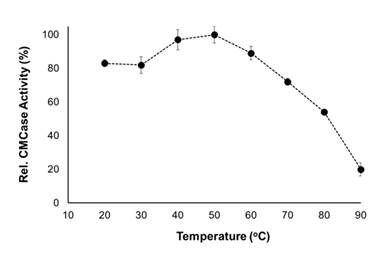
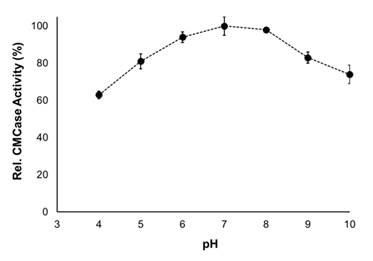
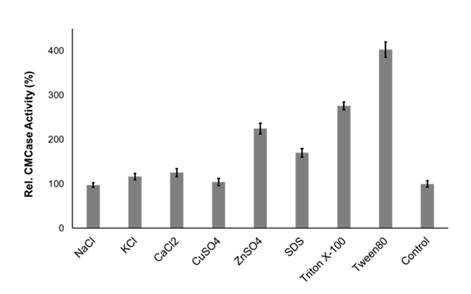
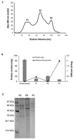
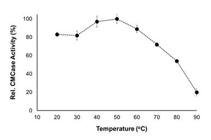
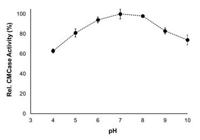
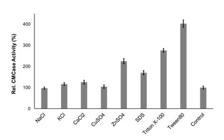
Cellulases are key enzymes in the enzymatic conversion of lignocellulose into fermentable sugars, with broad applications in bioenergy, feed processing, textiles, and sustainable waste management. This study aimed to characterize the cellulolytic activity of extracellular fractions from Bacillus amyloliquefaciens SLBD, a strain recently isolated from horse feces, while examining the effects of pH, temperature, and selected metal ions on enzyme activity, and to fractionate its extracellular proteins by size-exclusion chromatography (SEC) to identify and evaluate distinct cellulase fractions. Crude extracellular enzymes were produced through submerged fermentation and subsequently fractionated using SEC to obtain molecular-weight-based protein fractions. Cellulolytic activity was evaluated using carboxymethyl cellulose as substrate, and enzyme performance was assessed under various pH values, temperature ranges, and metal ion conditions. The results demonstrated that the extracellular cellulases exhibited optimal activity at moderate temperatures and maintained activity across a broad pH range, indicating favorable stability characteristics. Among the SEC fractions obtained, the smallest molecular-weight fraction displayed remarkably enhanced CMCase activity, exceeding that of the crude extract by more than 270-fold. SDS-PAGE analysis confirmed distinct protein profiles among fractions, supporting the effectiveness of SEC in activity-guided fractionation. Several metal ions, particularly Ca²⁺ and Zn²⁺, significantly stimulated enzymatic activity, while others exhibited inhibitory effects. These findings highlight the presence of low-molecular-weight, highly active extracellular cellulases produced by B. amyloliquefaciens SLBD. Overall, this study provided important insights into the functional diversity of bacterial cellulases and demonstrates the potential of SEC-based fractionation as an effective preliminary approach for identifying high-performance enzyme fractions.
Key words:
Bacillus amyloliquefaciens SLBD; cellulose; size exclusion chromatography; enzyme activity.
 Thumbnail
 Thumbnail
 Thumbnail
 Thumbnail