 Technical feasibility of grape pomace flour in dry gomiti rigati pasta
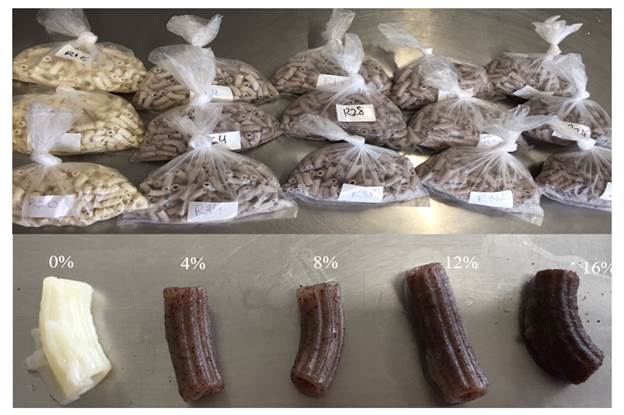
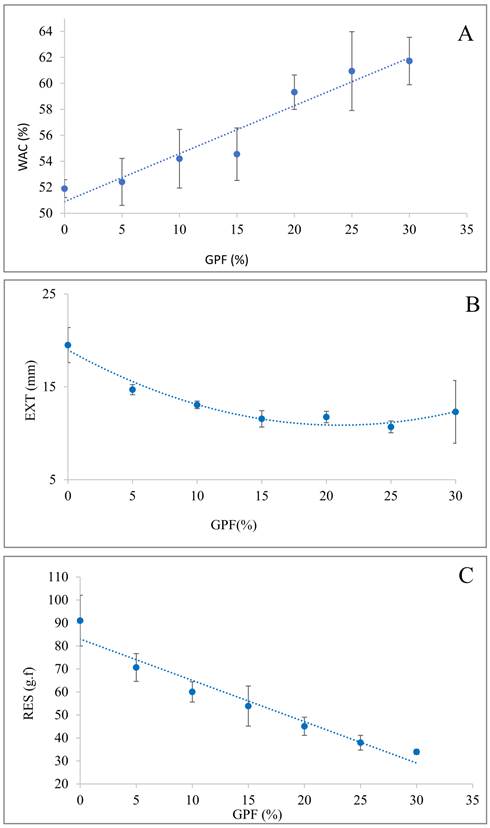
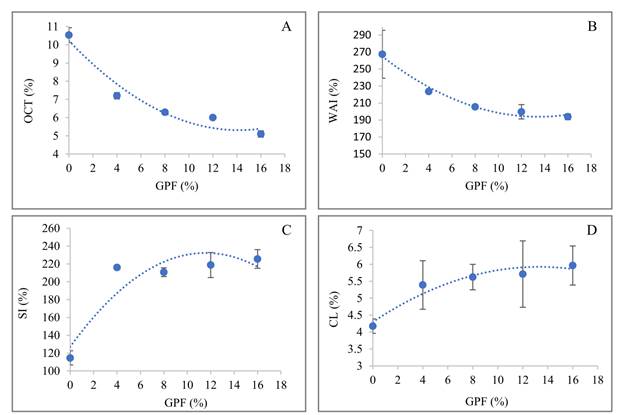
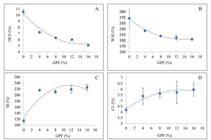
Grape pomace (GP) is a by-product of the winemaking process, making it possible to incorporate it into bakery products. This research obtained dry pasta-type gomiti rigati, partially replacing wheat flour (WF) with grape pomace flour (GPF). The GPF was obtained by drying, crushing, and sieving the Isabel grape pomace (Vitis Labrusca) derived from grape juice production. The current results suggested that the addition of GPF caused an increase in the dough’s water absorption capacity (WAC), a decrease in resistance to extension (RES), and extensibility (EXT) to a level of 21.04%. The cooking quality parameters demonstrated that the level of 14.18% provided a shorter optimal cooking time (OCT), while the 13.33% concentration resulted in a lower cooking loss (CL) (P < 0.05). These results showed that GP can be successfully incorporated into pasta, making applying it in pasta viable.
Key words:
agro-industrial waste; rheological properties; food fiber; sustainability
 Thumbnail
 Thumbnail
 Thumbnail