 Principles and characteristics of Continuing Health Education: rescue and resistance in favor of a powerful SUS and in defense of life
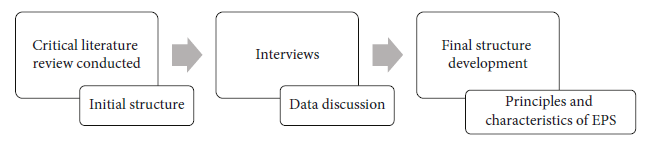
Permanent Health Education (PHE) transcends the National Policy for Permanent Health Education, crafted with its own principles and characteristics to meet the qualification needs of workers within the Unified Health System. While PHE aspires to transform conventional and dominant training paradigms in the field of healthcare, it can also function as a mechanism to replicate and reinforce these same models. In this context, the present study aimed to explore, systematize, and problematize the characteristics and principles of PHE through literature analysis and dialogical encounters with some of its conceptual creators. It is understood that PHE is an investment in life, with educational actions that question work processes and integrate teaching and intervention into reality, with implications for users and their uniqueness. The result was a synthesis essay on the characteristics of PHE, providing insights into ways to produce management, care, participation, and education as live work in healthcare.
Keywords:
Unified Health System; Permanent Education; Public Health Policies
 Thumbnail