
 Between setbacks and advances: the trajectory of food insecurity in Black households in Brazil (2013-2023)
Abstract
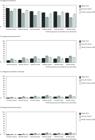
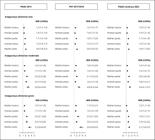
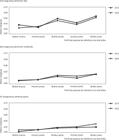
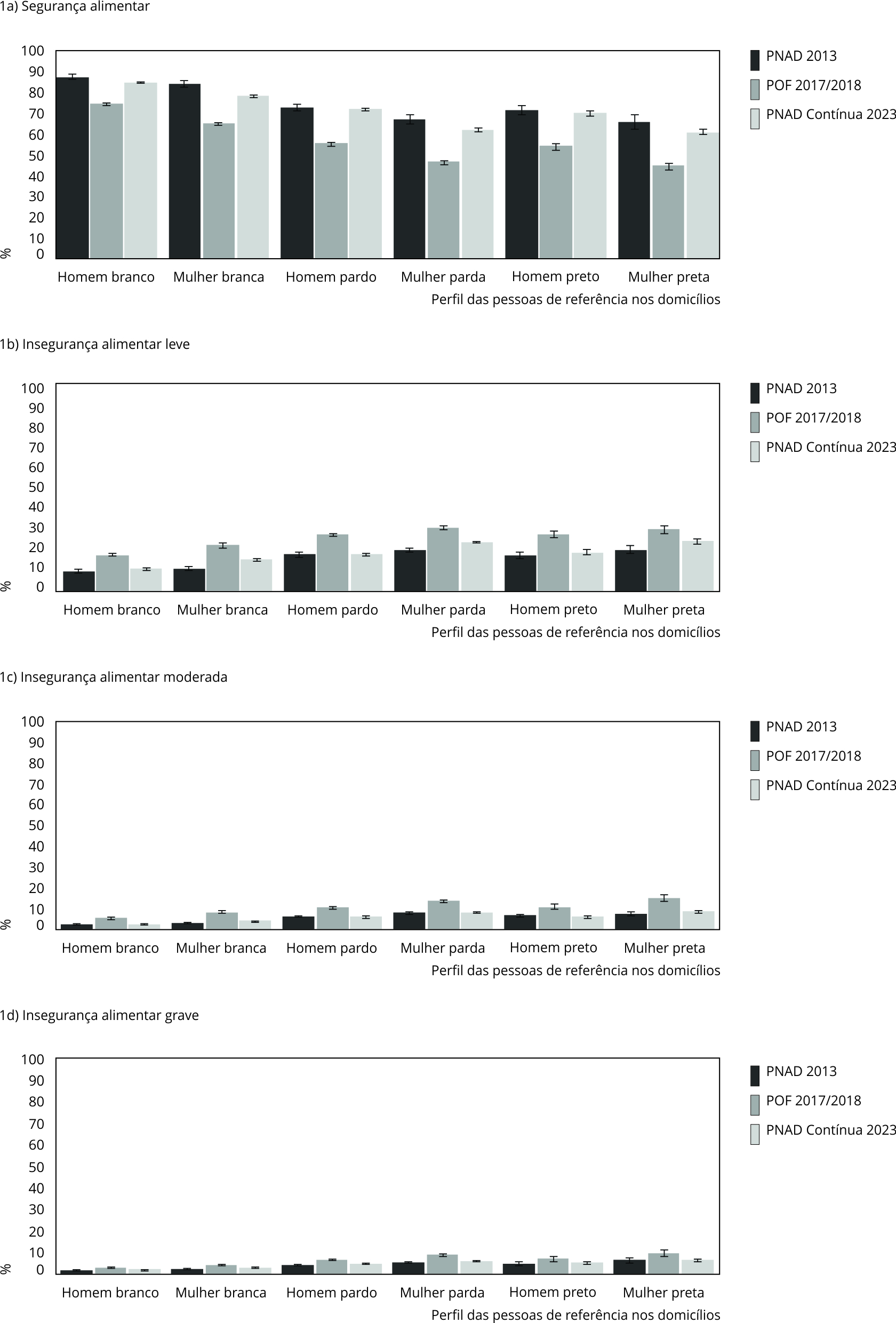
This study aimed to evaluate the trajectory of food insecurity in Brazil according to the intersections of sex and race/skin color from 2013 to 2023. Microdata from population surveys were evaluated (Brazilian National Household Sample Survey [PNAD, acronym in Portuguese] 2013, n = 116,196, Brazilian Household Budget Survey 2018, n = 57,920, Continuous PNAD 2023, n = 173,676). Food security and insecurity were estimated based on the profiles of the heads of households, defined based on sex and self-reported race/skin color (white man, white woman, Mixed-race man, Mixed-race woman, Black man, Black woman). Relative risk ratios (RRR) were estimated by multinomial logistic regression models to test the trajectories of associations with food insecurity . From 2013 to 2017/2018, food security decreased in all profiles, increasing from 2018 to 2023, mainly in households headed by Black women (p-value < 0.001). The most severe forms of food insecurity remained significantly associated among households headed by Black or Brown people, being higher in those in which Black women occupied this position. Over the 10 years of the surveys, families in mild food insecurity headed by a white woman showed reduced RRR values (RRR = 1.2, 95%CI: 1.1-1.4). For those with severe food insecurity , the greatest reduction in RRR occurred in households headed by Black women (RRR = 2.1, 95%CI: 1.8-2.5). Although food insecurity decreased in Brazil in 2023, racial inequalities persist, reiterating the need for public policies to reduce the structural inequities faced by its Black population.
Keywords:
Food Insecurity; Race; Black People
 Thumbnail
 Thumbnail
 Thumbnail
 Fonte: PNAD
 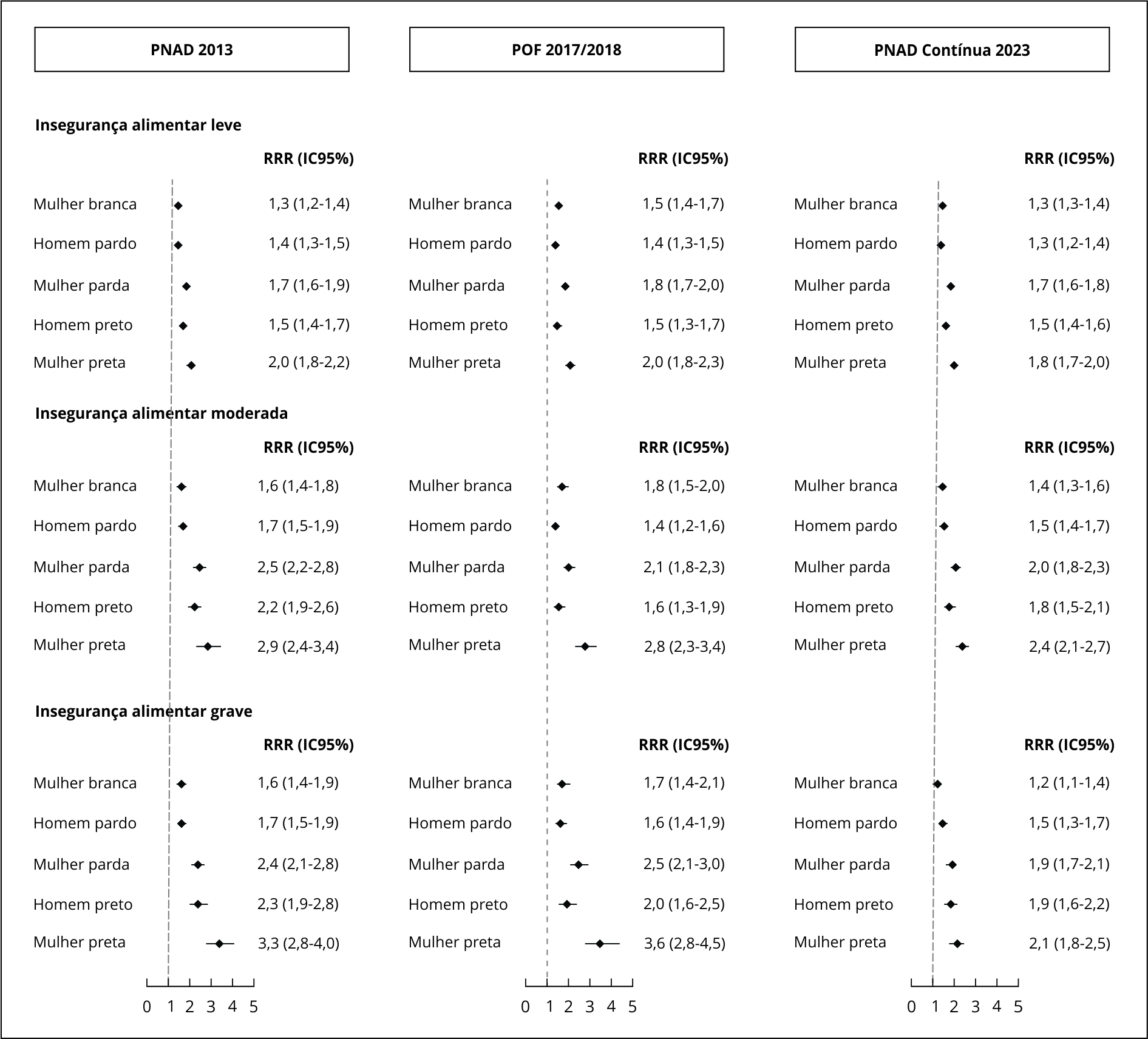 Fonte: PNAD
 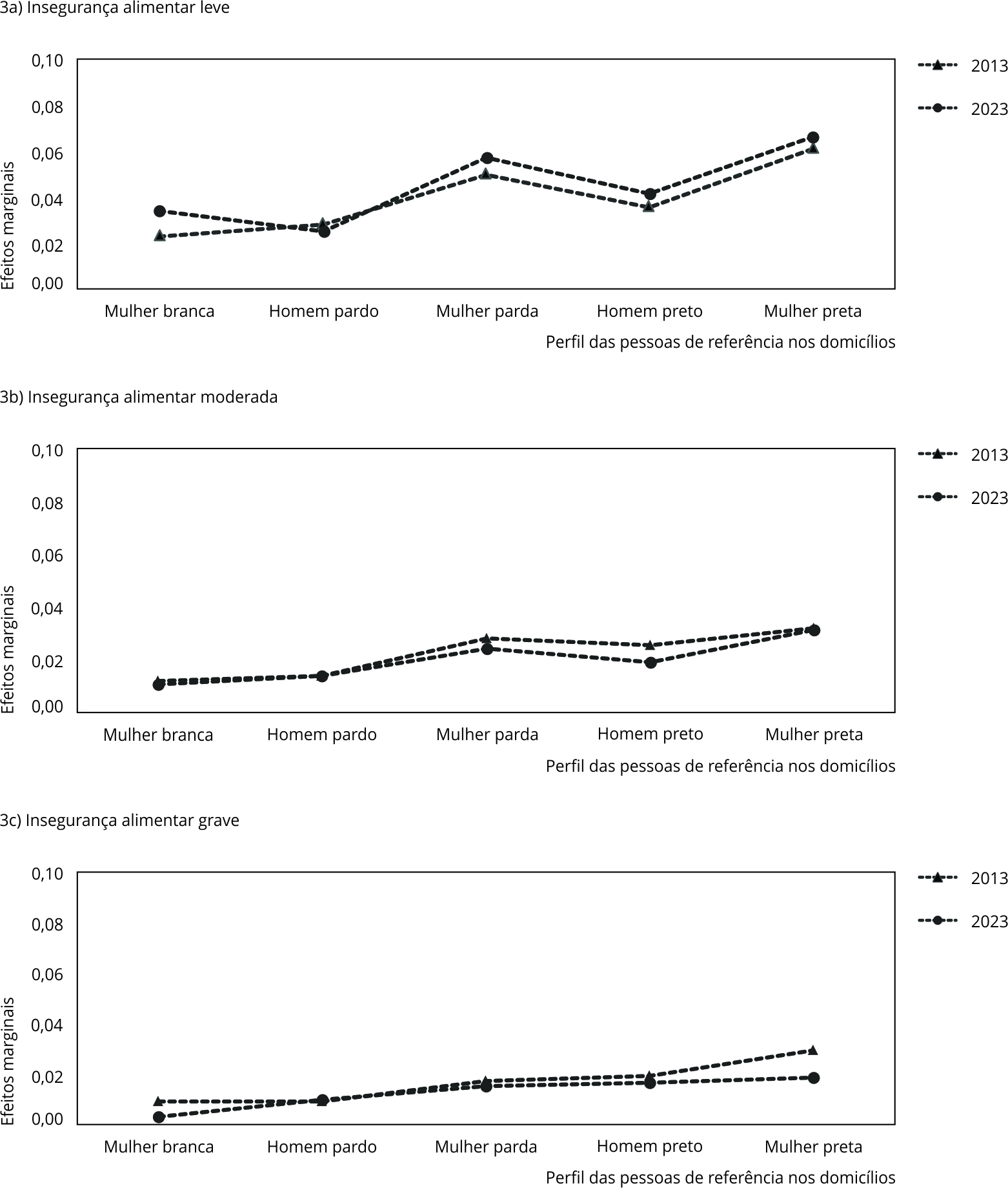 Nota: todos os valores apresentaram valor de p < 0,05, exceto aqueles referentes a domicílios chefiados por mulheres brancas em situação de insegurança alimentar grave.