 Impact of sensory perceptual motor core stability training on sitting control in children with cerebral palsy
Abstract
Introduction The ability to sit independently is essential for children, serving as a foundation for reaching and for daily activities. For children with cerebral palsy, especially bilateral spastic cerebral palsy (BSCP), this skill is often unattainable because of impaired neuromuscular control.
Objective We aimed to report the protocol for a randomized controlled trial of the novel Sensory Perceptual-Motor Core Stability Exercise Program (SPMCSEP) in improving sitting control in children with BSCP.
Methods This is a double-blinded, rando-mized, controlled trial. Seventy-two children with cerebral palsy (Gross Motor Function Classification Scale – ER III - IV) aged between 3 and 7 years will be recruited and randomly allocated to SPMCSEP and conventional therapy groups. Independent sitting will be evaluated at baseline, 6 weeks, and 8 weeks for all children using the Trunk Control Measurement Scale.
Conclusion This study explains the background, hypotheses, rationale, and methodology of the SPMCSEP protocol for children with BSCP, and will adhere to Consolidated Standards of Reporting Trials and Standard Protocol Items Recommendations for Interventional Trials guidelines for reporting. The proposed SPMCSEP represents a novel approach for addressing impaired sitting control in children with BSCP.
Cerebral palsy; Sitting; Posture; Core stability; Psychomotor performance
Resumo
Introdução A capacidade de sentar-se de forma independente é essencial para as crianças, servindo como base para alcançar e para atividades diárias. Para crianças com paralisia cerebral, especialmente paralisia cerebral espástica bilateral (BSCP), essa habilidade é frequentemente inatingível devido ao controle neuromuscular prejudicado.
Objetivo Relatar o protocolo para um ensaio clínico randomizado controlado do novo Programa de Exercícios de Estabilidade do Núcleo Sen-sorial Perceptual-Motor (SPMCSEP) para melhorar o controle postural sentado em crianças com BSCP.
Métodos Trata-se de um ensaio clínico duplo-cego, randomizado e controlado. Setenta e duas crianças com paralisia cerebral (Escala de Classificação da Função Motora Grossa – ER III - IV), com idade entre 3 e 7 anos, serão recrutadas e alocadas aleatoriamente em SPMCSEP e grupos de terapia convencional. A posição sentada independente será avaliada no início do estudo, 6 semanas e 8 semanas para todas as crianças usando a Escala de Medição do Controle do Tronco.
Conclusão Este estudo explica o contexto, hipóteses, fundamentos e metodologia do protocolo SPMCSEP para crianças com BSCP, e irá aderir às diretrizes do Consolidated Standards of Reporting Trials e Standard Protocol Items Recommendations for Interventional Trials para relatórios. O SPMCSEP proposto representa uma nova abordagem para lidar com o controle postural sentado prejudicado em crianças com BSCP.
Paralisia cerebral; Sentar; Postura; Estabilidade do core; Desempenho psicomotor
Introduction
Cerebral palsy (CP) denotes a group of enduring impairments affecting the development of mobility and posture.1 Evidence indicates a global prevalence of CP between 1.5 and 4 per 1000 live births; however, in India, the reported prevalence is greater, varying between 2.08 to 3.88 per 1000 live births, with bilate-ral spastic CP (BSCP) identified as the most prominent form.2,3 CP is generally diagnosed by assessing the motor abilities and postural abnormalities that appear in early childhood and persist throughout an individuals life-time.4 The capacity to sit upright is a basic prerequisite for participating in daily activities, and it is the first kind of upright posture acquired throughout an individual´s normal developmental period.4,5 Children with BSCP, Gross Motor Function Classification Scale – Extended Revised (GMFCS-ER) III–IV,4-6 have poor independent sitting control because of postural, proprioceptive, somatosensory, perceptual motor dysfunctions, weak trunk muscles, altered neural control, and insufficient trunk core stability.7-11 This reduces the child´s total activity, such as playing, feeding, and toileting, which affects other developmental milestones, and increases caregiver overload.10,11 Although conventional therapies are beneficial, there is growing interest in innovative strategies for addressing the complexities of BSCP.12,13
The Sensory Perceptual Motor Core Stability Exer-cise Program (SPMCSEP) is developed to address the complex interactions between sensory, perceptual, and motor challenges in individuals with BSCP, with the goal of improving independent sitting. Although sensory, perceptual-motor interventions and core stabili-sation training have been explored separately to ad-dress the movement and postural control dysfunction in BSCP,13-17 the effectiveness of a comprehensive ap-proach that integrates these components remains un-derstudied in BSCP.18
This intervention is planned to combine activities that focus on sensory processing, perceptual skills, and core muscle strengthening. By combining sensory stimulation, perceptual training, and core strengthen-ing exercises, the SPMCSEP intends to enhance trunk stability, balance, and coordination, which are critical for achieving independent sitting. We established this comprehensive approach based on the understanding that optimal motor development requires the harmo-nious integration of multiple sensory systems and mo-tor functions, as established in various motor control and learning theories.19,20
Theoretical perspective
Postural control is the ability to maintain body align-ment and body´s position upright in space to attain stability and orientation. Sensory information from the visual, vestibular, and sensorimotor systems must be integrated with motor output in order to accomplish the objectives of stability and orientation.20-24
According to motor program theory, neural group selection theory, and systems control theory, postural control is a complex interplay between 7 elements: motor synergies, neural representations, adaptive pro-processesing anticipatory techniques, sensory tactics, individual sensory systems, and musculoskeletal com- ponents.7,14,15,19-24
Initial brain damage leads to impairments in pos-tural networks, tone, aberrant timing, lower amplitude of muscle recruitment, decreased isometric force out-put, affecting motor networks which cause postural control dysfunction.1,2,9,14,15 Deficits in visual, tactile, proprioceptive, and vestibular systems all have an im-pact on perceptual and sensory networks. Children with BSCP may struggle to maintain sitting balance due to these deficits, which can occur individually or together.9,10,14,15,25
Children with GMFCS-ER Level III-IV CP have vul-nerable trunk control,5,6,26 which makes it difficult for them to fine-tune their basic direction-specific adjust-ments to environmental conditions and adapt their pos-tural muscular activity. These adjustments are based on previous experience and sensory data from the so-matosensory, visual, and vestibular systems.9,10,14-16,20-26 Lack of learning these adjustments contributes further to postural instability in sitting.
Postural stability in sitting is the ability to manage the body´s center of mass within a stable foundation, which requires enough core muscle strength, power, and stamina. Developing appropriate core strength of muscles, power, and stamina is critical for maintaining spinal stability, which is necessary for avoiding falls, controlling desired movements, and producing useful movement. The ability of the body´s core to sustain its posture and movement is known as core stabili-ty.9,10,15,21,22 Children with BSCP have a reduced ca-pacity for force production, which leads to weaker core muscle strength, a diminished awareness of their body´s position, and difficulties in evenly distributing their body weight during weight transfer and static positions,5,6,9,14,15,18,19 making harder for the muscles responsible for stabilizing the trunk, pelvis, and hips to coordinate.15,21-26 This results in a decline of child´s functional abilities and a lower level of gross motor skills like independent sitting control.5,6 Thus, postural control, which encompasses trunk control, is essential for achieving independent sitting.9,10,14,15,19,21 A strong and stable trunk provides the foundation for maintain-ing balance and executing controlled movements.9,10,15By targeting trunk control, through the use of core stabilization exercises integrating with sensory and perceptual feedback techniques, the SPMCSEP aims to improve overall postural control and, therefore, enhan-ce independent sitting control in children with BSCP.
Scope of the study
BSCP is a condition that places a huge challenge on patients, their families, and the public healthcare system. While providing care for a young child is a typical aspect of being a parent, when a child expe-riences functional limitations and possibly long-term dependence, this role assumes a completely different significance.4,5,10 A child´s ability to sit independently is essential to their development because it promo-tes socialization, engagement in everyday activities, development of motor skills, and to participate in activities that are appropriate for their age.4,5,17 This study aims to investigate the impact of a SPMCSEP on independent sitting control in children with BSCP, with the hypothesis that the SPMCSEP intervention will lead to significant improvements in sitting control among children diagnosed with BSCP. The research will focus on children with BSCP, classified as GMFCS-ER levels III and IV.
The findings of this study have significant clinical implications for the rehabilitation of children with BSCP. The SPMCSEP, with its emphasis on sensory, perceptual, and motor training, offers a promising ap-proach to enhance posture control and independent sitting in this population. This intervention can be in-tegrated into comprehensive rehabilitation programs by addressing the underlying impairments that con-tribute to sitting difficulties, such as weak trunk muscles, poor postural control, and sensory processing deficits, in helping the children achieve greater inde-pendence and participation in daily activities.
Methods
This is a prospective, parallel group, double-blind, randomized clinical experiment having two arms that are allocated evenly. This prospective community study will be undertaken in Puducherry, India. The population of focus consists of children with BSCP diagnosed in the community. The study is prospectively filed with the Clinical Trial Registry of India (CTRI/2022/10/046279).
Participants and recruitment
We intend to recruit 72 children with BSCP between the ages 3 to 7 years old who have been identified in the community and from Puducherry´s special schools and are registered at the District Intervention Centre, National Health Mission, Government of Puducherry. To be included in the study, all children must have adequate intellectual capacity to complete the exercise tasks and meet the inclusion requirements, as well as have parental approval.
Inclusion criteria: Children with BSCP aged 3 to 7 years with the ability to follow verbal instructions without cognitive impairment and classified by GMFCS-ER levels III and IV. Exclusion criteria: Visual, hearing impairments, skeletal impairements and cardiac abnor-malities or any impairments that would hinder the implementation of the study intervention; history of ortho-pedic procedures or Botox injections within the previous four months; other forms of CP and spastic hemiplegic type of CP.
Sample size
The sample size is calculated using the formula for comparing two independent means. The planned study sample size was estimated using a power com-putation utilizing an existing study by Elanchezhian and SwarnaKumari,27 which used a minimum expected clinical significant variation in the Trunk Control Measu-rement Scale (TCMS) score between both groups of 10 with a standard deviation (SD) of 15 at a five percent margin of significance and a power estimate of 80%, and accounting for a 10% dropout rate. The formula yielded an estimated sample size of 72 (36 in each group).
Randomization and allocation
Demographic information of the recruited children with BSCP and their mothers will be obtained and after obtaining informed consent, participants will then be randomly allocated to the SPMCSEP group or the con-ventional therapy group. Block randomization adopting a computer-generated sequence blinded from the pri-mary investigator and allocator will be done before the study by an independent research staff to ensure equal distribution of participants in each group. Allocation to SPMCSEP group or conventional therapy group will be recorded on paper, folded, and placed in opaque sealed envelopes by an impartial staff member not connected with the study. Participants will then be assigned to their respective intervention groups by open-ing sealed envelopes containing their assignments.
Therapists assessing outcomes and parents of cerebral palsied children will be blinded to group allo-cation. If a child cannot undergo the intervention for more than four weeks because of an unrelated adverse event, unmasking will be done and will be recorded and reported. Participant retention will be promoted through consistent contact, counselling to parents, ad-dressing their queries, and by coordinating assessment and intervention sessions as per their needs and convenience.
Data management
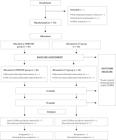
The principal investigator will preserve password protected information of the patient´s specific identi-fication, block and group allocation documentation. Printed copies relating to evaluation, consent form, results, and any other documents pertaining to the study shall be identified and physically stored in a locked storage. Demographic information regarding participant´s age, gender, height, weight, gestational age of mothers will be collected by interviewing the mother and from the case records. The assessment of sitting control will be done quantitatively by evalua-tion through the TCMS. The outcome measure will be assessed for baseline characteristics and at the end of 6 weeks to prevent attrition bias and to improve the design strength, and at 8 weeks of the intervention.
Intervention
The intervention will be as per Standard Protocol Items Recommendations for Interventional Trials (SPIRIT) guidelines (Table 1).28,29 Participants in the SPMCSEP group will get both SPMCSEP and conventional therapy. Conventional group participants will receive con-ventional therapy in the existing treatment setting, which includes range of mobility exercise, strengthening exer-cises, gentle stretching, functional exercise, along with coordination exercises.
SPMCSEP (Appendix 1) is a series of specialized and customised facilitating exercises guided on the princi-ple of various motor learning theories,19,20 targeting the core muscles of the trunk and performed on an exercise ball, bolster, or other textured surface and mani-pulating the treatment surface with appropriate rest intervals in between. The program aims to foster the development of perceptual-motor skills.21-24,30-32
The program is designed to improve the interaction of the child with their surroundings by providing tasks, props, cues and through background manipula-tion.30-32 To target the core muscles, the child will receive task oriented trunk activities training in the sagittal and trans-verse plane while sitting and lying.21,22 By ensuring optimal pelvic alignment for weight transfers at thehips and trunk elongation, child will be prepared to cope with the demands of various functional tasks.31,32Through subtle cues or facilitation, the child will be further challenged for transverse plane task-oriented ac-tivities through tactile, vestibular, proprioceptive, and visual-spatial orientation. They will be guided to focus on specific proprioceptive, tactile, and pressure infor-mation to accomplish the task and avoid dependent on the therapist´s full physical assistance.16
Therapeutic tools and equipment employed for SPMCSEP
Sensory equipment
-
Weighted blankets: To provide deep pressure input and improve body awareness.
-
Sensory brushes: For tactile stimulation and sensory integration.
-
Therapeutic exercise balls.
-
Peanut balls.
-
Bolsters.
-
Foam mat.
Motor and core stability equipment
-
Balance boards: To challenge balance and coordination.
-
Small equipment: Cones, markers, and bean bags for dynamic activities and games.
-
Small balls.
Perceptual equipment
-
Mirrors: To enhance body awareness and visual. feedback.
-
Soft toys.
Intervention components
Each SPMCSEP session begins with conventional therapy comprising of range of motion exercise, strength training, and passive stretching to prepare the muscles and joints.
-
Core stability exercises: supine and prone weight shifts, rolling, pelvic bridging, and trunk rotations.
-
Perceptual skills exercises: Peg board activities, puzzles, obstacle crossing, and mirror play.
-
Sensory integration: Tactile stimulation, vestibular input through swings, and proprioceptive input through weighted blankets.
-
Visual tracking activities.
-
Bilateral motor coordination activities.
-
Tactile stimulation and therapist handling guidance through subtle cues, light facilitation, and environmental manipulation to promote independent movement initiation.
-
Each exercise will be performed with appropriate rest intervals to prevent fatigue.
-
Progression: The intensity, duration, and complexity of exercises will be gradually increased based on the child´s progress and tolerance.
-
Feedback: The therapist will provide verbal and tactile feedback to guide the child´s movements and promote learning.
Each one-hour SPMCSEP session will begin with a 10-minute conventional therapy comprising of range of motion exercise, strength training, and passive stretch-ing, followed by a structured progression of core stabi-lity, perceptual skills, and sensory integration activities, each component lasting approximately 15 minutes, with exercises performed in sets of 8-10 repetitions, gradually increasing in complexity and intensity based on the child´s demonstrated motor learning, ensuring active engagement and promoting independent skill acquisition.
The exercise sequence and progression will be adjusted based on the child´s performance and feed-back, ensuring that the intervention remains challeng-ing yet achievable throughout the eight-week period, maximizing skill acquisition and functional improvement. The major goal of the intervention is to assist the child in using external and internal forces to solve tasks and select their independent movement plan by initiating action on their own, using their core muscles. Each exercise session will be for one hour, three times per week for successive 8 weeks. The conventional therapy given to the conventional group as per their treatment setting is also for one hour, three times per week for successive 8 weeks.
Outcome measure
The two components of the TCMS scale are dynamic sitting balance and static sitting balance. Dynamic reaching and selective movement control are the two subscales that make up the second component. The subscales have three, seven, and five items each, while the overall scale has fifteen items.
An ordinal scale is used to score each item. A higher score indicates greater performance on the TCMS, which has a total score ranging from 0 to 58. TCMS has a minimal detectable change (4.8 points), intraclass correlation coefficient for intra-rater reliability = 0.985, inter-rater reliability = 0.997, and internal con-sistency (α = 0.945).34
Statistical methods
The statistical analysis will be performed on an intention-to-treat method using Statistical Package for the Social Sciences and presented in accordance with CONSORT (Consolidated Standards of Reporting Trials)statement (Figure 1).35
Descriptive statistics (frequencies, means, SD and 95% confidence interval) will be utilzed to analyze the sample at the baseline, sixth, and eighth weeks. If data are skewed, medians and interquartile ranges will be reported. The Kolmogorov-Smirnov test will be utilized for determining variable homogeneity, and related parametric or non-parametric statistical tests will be employed for inter-group and intra-group analyses of TCMS measures at baseline, 6th week, and 8th week, depending on the normality test. Missing data arising from incomplete observations and dropouts will be addressed at the analysis stage as per protocol analysis.
Ethical considerations
The current study will follow the principles outlined in the Declaration of Helsinki as well as the Indian Council for Medical Research´s Regulating Norms and Guidelines for Human Subject Research. The study ob-tained permission from the institution´s ethical commit-tee (ECR/677/Inst/PY/2014/RR-17).
Participating parents/legal guardians will receive a detailed explanation of the study process, after which written informed consent will be collected. Parents who voluntarily participate in the study may withdraw their child at any time, but their data will be utilized in the ultimate evaluation. If they decide to withdraw, steps will be taken to assist the child in finding therapy op-tions that match their preferences. The reasons for their withdrawal will be recorded and any modifications to the study protocol will be communicated to the ethics committee.
Discussion
This protocol paper describes the background and study design for a randomized controlled trial to deter-mine the effectiveness of an SPMCSEP for children with BSCP. This program had not before been investigated in this demographic population. The dissemination of the results, if found to be effective, would assist children with BSCP and complement their ongoing ther-apy through the International Classification of functioning, Disability and Health (ICF) introduced concept of participation.
The SPMCSEP represents a novel approach to ad-dressing core stability and sitting control in children with BSCP. This intervention integrates sensory and percep-tual elements with motor activities, targeting specific core muscles essential for postural control and func-tional movement, promoting an individually customised exercise program designed for BSCP to improve their sitting skill control.21-24,30-32 Targeting the particular skill of sitting, through home program intervention and sensory-perceptual-motor intervention can both lead to notable improvements in sitting behavior and make it easier for motor development to proceed.4,6,10,36
Addressing the ability of sitting at a time when a child demonstrates preparedness for learning at that level and offering additional perceptual-motor training for a short-term intervention may produce excellent motor training adaptive control during sitting.21-24,30-40 This dedication of resources and time could encourage appropriate motor acquisition and adaptive control in sitting while also relieving stresses from the environ-ment for both the child and their parents.
Conclusion
Infants progress from early head and trunk control to independent sitting by integrating sensory inputs and building core strength and stability over time. Sensoryperceptual-motor, child-centered intervention offers additional versatility and adaptability of the skill, which could translate towards ease of continued motor de-velopment. Understanding the typical developmental trajectory of sitting control provides an essential context for assessing deviations and impairments in chil-dren with CP.
We anticipate that these adjustments will influence each child´s developmental trajectory, improving func-tional ability, activity, and involvement in the short, mid, and long term, as well as decreasing environmental stressors for both the child and their parents. By inves-tigating the impact of sensory perceptual motor core stability training on sitting abilities, we seek to contribute valuable insights to the field of pediatric physio-therapy and enhance the care and support available to individuals affected by CP in India and beyond.
Appendix 1
Acknowledgements
We greatly acknowledge all the participants of the study. We thank Annamalai University Research Advisory Committee of Dr. Dhanpal Singh, Dr. Ramanathan, and Dr. Srividhya for their suggestions; Institutional Ethics/Research committee (Indira Gandhi Medical College & Research Institute) for approving the study, Dr. Kavita Vasudevan P and Dr. Murali R for their guidance; and in the coordination of the ethical committee, Prof. Dr. G. Alagumoorthy (Mother Theresa Post Graduate & Research Institute Of Health Sciences), for reviewing the study; and Prof Dr. Harichandrakumar (Jawaharlal Nehru Institute of Postgraduate Medical Education & Research), for his expert statistical advice for determining the sam-ple size.
References
-
1 Sadowska M, Sarecka-Hujar B, Kopyta I. Cerebral palsy: current opinions on definition, epidemiology, risk factors, classifi-cation and treatment options. Neuropsychiatr Dis Treat. 2020; 16:1505-18. https://doi.org/10.2147/ndt.s235165
» https://doi.org/10.2147/ndt.s235165 -
2 Patel DR, Neelakantan M, Pandher K, Merrick J. Cerebral palsy in children: a clinical overview. Transl Pediatr. 2020;9 (Suppl 1):S125-35. https://doi.org/10.21037/tp.2020.01.0
» https://doi.org/10.21037/tp.2020.01.0 -
3 Chauhan A, Singh M, Jaiswal N, Agarwal A, Sahu JK, Singh M. Prevalence of cerebral palsy in indian children: a systematic review and meta-analysis. Indian J Pediatr. 2019;86(12):1124-30. https://doi.org/10.1007/s12098-019-03024-0
» https://doi.org/10.1007/s12098-019-03024-0 -
4 Santamaria V, Khan M, Luna T, Kang J, Dutkowsky J, Gordon AM, et al. Promoting functional and independent sitting in children with cerebral palsy using the Robotic Trunk Support Trainer. IEEE Trans Neural Syst Rehabil Eng. 2020;28(12): 2995-3004. https://doi.org/10.1109/TNSRE.2020.3031580
» https://doi.org/10.1109/TNSRE.2020.3031580 -
5 Rai S, Borah T, Jain V, Saikia J, Gogoi S, Das M, et al. Evaluat-ing functional independence with the effect of age and gross motor function classification system on activities of daily livings of children with cerebral palsy. Research Square [Preprint]. July 15, 2024 [cited 2025 May 11]. Available from: https://doi.org/10.21203/rs.3.rs-4414260/v1
» https://doi.org/10.21203/rs.3.rs-4414260/v1 -
6 Kausar N, Gul MA, Cheema RUR, Ahmad N, Ammar M, Rehman A. Correlation of siting and standing performance with gross motor functional classification system in children with spastic cerebral palsy. J Health Rehabil Res. 2024;4(1): 89-95. https://doi.org/10.61919/jhrr.v4i1.340
» https://doi.org/10.61919/jhrr.v4i1.340 -
7 Paul S, Nahar A, Bhagawati M, Kunwar AJ. A review on recent advances of cerebral palsy. Oxid Med Cell Longev. 2022;2022:2622310. https://doi.org/10.1155/2022/2622310
» https://doi.org/10.1155/2022/2622310 -
8 Ramanandi VH, Shukla YU. Socio-demographic and clinical profile of pediatric patients with cerebral palsy in Gujarat, India. Bull Fac Phys Ther. 2022;27:19. https://doi.org/10.1186/s43161-022-00077-9
» https://doi.org/10.1186/s43161-022-00077-9 -
9 Doctor KN, Karnad SD, Krishnan SK, Jain PD. Understanding postural and segmental trunk control and their effect on sitting in children with cerebral palsy: a systematic scoping review. Crit Rev Phys Rehabil Med. 2021;33(2):25-45. https://doi.org/10.1615/CritRevPhysRehabilMed.2021039012
» https://doi.org/10.1615/CritRevPhysRehabilMed.2021039012 -
10 Monica S, Nayak A, Joshua AM, Mithra P, Amaravadi SK, Misri Z, et al. Relationship between trunk position sense and trunk control in children with spastic cerebral palsy: a cross-sectional study. Rehabil Res Pract. 2021;2021:9758640. https://doi.org/10.1155/2021/9758640
» https://doi.org/10.1155/2021/9758640 -
11 Dlamini MD, Chang YJ, Nguyen TTB. Caregivers´ experien-ces of having a child with cerebral palsy. A meta-synthesis. J Pediatr Nurs. 2023;73:157-68. https://doi.org/10.1016/j.pedn. 2023.08.026
» https://doi.org/10.1016/j.pedn. 2023.08.026 -
12 Gonzalez NA, Sanivarapu RR, Osman U, Latha Kumar A, Sadagopan A, Mahmoud A, et al. Physical therapy interventions in children with cerebral palsy: a systematic review. Cureus. 2023;15(8):e43846. https://doi.org/10.7759/cureus.43846
» https://doi.org/10.7759/cureus.43846 -
13 Raja K, Gupta S, Shirsath P. Comprehensive management of people with cerebral palsy: an Indian perspective. Dis CBR Inclusive Develop. 2021;32(1):101-29. https://doi.org/10.47985/dcidj.415
» https://doi.org/10.47985/dcidj.415 - 14 Saavedra SL, Goodworth AD. Postural control in children and youth with cerebral palsy. In: Miller F, Bachrach S, Lennon N, O´Neil ME, editors. Cerebral palsy. Cham: Springer; 2020. p. 2565-86.
-
15 Szopa A, Domagalska-Szopa M. Postural stability in children with cerebral palsy. J Clin Med. 2024;13(17):5263. https:// doi.org/10.3390/jcm13175263
» https://doi.org/10.3390/jcm13175263 -
16 Maitre NL, Jeanvoine A, Yoder PJ, Key AP, Slaughter JC, Carey H, et al. Kinematic and somatosensory gains in infants with cerebral palsy after a multi-component upper-extremity intervention: a randomized controlled trial. Brain Topogr. 2020; 33(6):751-66. https://doi.org/10.1007/s10548-020-00790-5
» https://doi.org/10.1007/s10548-020-00790-5 -
17 Raipure A, Kovela RK, Harjpal P. Effectiveness of neurode-velopmental treatment and sensory integration therapy on gross motor function, balance and gait parameters in children with spastic diplegia. Cureus. 2023;15(8):e43876. https://doi.org/10.7759/cureus.43876
» https://doi.org/10.7759/cureus.43876 -
18 Inamdar K, Molinini RM, Panibatla ST, Chow JC, Dusing SC. Physical therapy interventions to improve sitting ability in children with or at-risk for cerebral palsy: a systematic review and meta-analysis. Dev Med Child Neurol. 2021;63(4):396-406. https://doi.org/10.1111/dmcn.14772
» https://doi.org/10.1111/dmcn.14772 - 19 Latash ML, Singh T. Neurophysiological basis of motor control. Champaign, IL: Human Kinetics; 2022.
- 20 Shumway-Cook A. Motor control: Translating research into clinical practice. Philadelphia: Lippincott Williams Wilkins; 2023. 736 p.
-
21 Koutenaei FR, Dehkordi SN, Amini M, ShahAli S. Effect of Swiss ball stabilization training on trunk control, abdominal muscle thickness, balance, and motor skills of children with spastic cerebral palsy: a randomized, superiority trial. Arch Phys Med Rehabil. 2023;104(11):1755-66. https://doi.org/10.1016/j.apmr.2023.05.011
» https://doi.org/10.1016/j.apmr.2023.05.011 -
22 Elshafey MA, Abdrabo MS, Elnaggar RK. Effects of a co-re stability exercise program on balance and coordination in children with cerebellar ataxic cerebral palsy. J Musculoskelet Neuronal Interact. 2022;22(2):172-8. https://tinyurl.com/49dp x9xp
» https://tinyurl.com/49dp -
23 Warutkar VB, Krishna Kovela R. Review of sensory integra-tion therapy for children with cerebral palsy. Cureus. 2022;14 (10):e30714. https://doi.org/10.7759/cureus.30714
» https://doi.org/10.7759/cureus.30714 -
24 Elnaggar RK, Ramirez-Campillo R, Azab AR, Alrawaili SM, Alghadier M, Alotaibi MA, et al. Optimization of postural control, balance, and mobility in children with cerebral palsy: a rando-mized comparative analysis of independent and integrated effects of pilates and plyometrics. Children (Basel). 2024;11(2): 243. https://doi.org/10.3390/children11020243
» https://doi.org/10.3390/children11020243 -
25 Özal C, Aksoy S, Kerem Günel M. Postural control alterations in children with mild forms of spastic cerebral palsy. Pediatric Health Med Ther. 2022;13:367-76. https://doi.org/10.2147/PHMT.S378451
» https://doi.org/10.2147/PHMT.S378451 -
26 Rodby-Bousquet E, Agustsson A. Postural asymmetries and assistive devices used by adults with cerebral palsy in lying, sitting, and standing. Front Neurol. 2021;12:758706. https://doi.org/10.3389/fneur.2021.758706
» https://doi.org/10.3389/fneur.2021.758706 -
27 Elanchezhian C, SwarnaKumari P. Swiss ball training to improve trunk control and balance in spastic hemiplegic cerebral palsy. Sri Lanka J Child Health. 2019;48(4):300-4. http://dx.doi.org/10.4038/sljch.v48i4.8821
» http://dx.doi.org/10.4038/sljch.v48i4.8821 -
28 SPIRIT 2013 Statement: Guidance for protocols of clinical trials. 2013 [cited 2024 Apr 27]. Available from: https://www.spirit-statement.org/spirit-statement
» https://www.spirit-statement.org/spirit-statement -
29 Butcher NJ, Monsour A, Mew EJ, Chan AW, Moher D, Mayo-Wilson E, et al. Guidelines for Reporting Outcomes in Trial Protocols: The SPIRIT-Outcomes 2022 Extension. JAMA. 2022;328(23):2345-56. https://doi.org/10.1001/jama.2022.21 243
» https://doi.org/10.1001/jama.2022.21 - 30 Hong CS, Rumford H. Sensory motor activities for early development: a practical resource. London: Routledge; 2020.
-
31 Ahmed WS, Gharib RM, Salah El-Din HM, El-Talawy HA. Effect of pelvic girdle stability training on functional sitting control in children with hypotonic cerebral palsy. Int Res J Med Medical Sci. 2021;9(1):24-33. https://doi.org/10.30918/IRJMMS.91.21.011
» https://doi.org/10.30918/IRJMMS.91.21.011 -
32 Duke RE, Chimaeze T, Kim MJ, Ameh S, Burton K, Bowman R. The effect of insight questions inventory and visual support strategies on carer-reported quality of life for children with cerebral palsy and perceptual visual dysfunction in Nigeria: a randomized controlled trial. Front Hum Neurosci. 2021;15: 706550. https://doi.org/10.3389/fnhum.2021.706550
» https://doi.org/10.3389/fnhum.2021.706550 -
33 Koziol NA, Kretch KS, Harbourne RT, Lobo MA, McCoy SW, Molinini R, et al. START-Play physical therapy intervention indi-rectly impacts cognition through changes in early motor-based problem-solving skills. Pediatr Phys Ther. 2023;35(3):293-302. https://doi.org/10.1097/PEP.0000000000001016
» https://doi.org/10.1097/PEP.0000000000001016 -
34 Heyrman L, Molenaers G, Desloovere K, Verheyden G, De Cat J, Monbaliu E, Feys H. A clinical tool to measure trunk control in children with cerebral palsy: The Trunk Control Measurement Scale. Res Develop Disabil. 2011;32(6):2624-35. https://doi.org/10.1016/j.ridd.2011.06.012
» https://doi.org/10.1016/j.ridd.2011.06.012 -
35 Butcher NJ, Monsour A, Mew EJ, Chan AW, Moher D, Mayo-Wilson E, et al. Guidelines for reporting outcomes in trial reports: The CONSORT-Outcomes 2022 Extension. JAMA. 2022; 328(22):2252-64. https://doi.org/10.1001/jama.2022.21022
» https://doi.org/10.1001/jama.2022.21022 -
36 Tiwari S, Rao PT, Karthikbabu S. Correlations between trunk control and balance in children with bilateral spastic cerebral palsy. Percept Mot Skills. 2024;131(2):432-45. https://doi.org/ 10.1177/00315125231226297
» https://doi.org/10.1177/00315125231226297» https://doi.org/ -
37 Ilharreborde B, de Saint Etienne A, Presedo A, Simon AL. Spinal sagittal alignment and head control in patients with cerebral palsy. J Child Orthop. 2020;14(1):17-23. https://doi.org/10.1302/1863-2548.14.190160
» https://doi.org/10.1302/1863-2548.14.190160 -
38 Vasani P, Narayan A, Nayak A, Alsulaimani M, Alzahrani AR. Anticipatory and compensatory postural adjustments in sitting and standing positions during functional activities in children with cerebral palsy. Physiother Res Int. 2025;30(1):e70028. https://doi.org/10.1002/pri.70028
» https://doi.org/10.1002/pri.70028 -
39 Park M, Kim J, Yu C, Lim H. The Effects of neurodevelop-mental treatment-based trunk control exercise on gross motor function and trunk control in children with developmental dis-abilities. Healthcare (Basel). 2023;11(10):1446. https://doi.org/ 10.3390/healthcare11101446
» https://doi.org/ 10.3390/healthcare11101446 -
40 Talgeri AJ, Nayak A, Karnad SD, Jain P, Tedla JS, Reddy RS, et al. Effect of trunk targeted interventions on functional outcomes in children with cerebral palsy - A systematic review. Dev Neurorehabil. 2023;26(3):193-205. https://doi.org/10.1080/17518423.2023.2193265
» https://doi.org/10.1080/17518423.2023.2193265
Edited by
-
Associate editor:
Ana Paula Cunha Loureiro