
 Neck circumference as a complementary measure for identifying excess body weight in children aged from 2 to 9 years
ABSTRACT
Neck circumference (NC) indicates nutritional status and indirectly measures upper body subcutaneous fat, an independent predictor of cardiometabolic diseases. This study aims to analyze the accuracy of NC as a measure to assess excess body weight in children aged from two to nine years according to sex. Sampling included 435 children from the Predictors of Maternal and Infant Excess Body Weight Study, a birth cohort study carried out in Brazil in participants’ homes. Data were collected from January 2012 to October 2021. Participants were subjected to anthropometric assessments. Their demographic and socioeconomic data were obtained. A positive correlation (p<0.05) occurred between NC and weight, height, and body mass index in boys and girls in follow-ups. Except for the one-two-year age group (AUC=0.73; 95%CI 0.65–0.81 for boys and girls), the accuracy of NC in indicating excess body weight in boys and girls equaled 0.80 or higher (AUC: 0.80–0.95; 95%CI: 0.71–1.00). Our findings showed that NC can screen Brazilian children aged two-nine years for excess body weight. However, further studies involving larger sample sizes and other populations are necessary to complement the data in this study.
Keywords
Overweight; Neck; Child; Body Mass Index; Anthropometry
RESUMO
A circunferência do pescoço (CP) é um indicador do estado nutricional e uma medida indireta da gordura subcutânea da parte superior do corpo, e identificada como um preditor independente de doenças cardiometabólicas. O objetivo deste estudo foi analisar a acurácia da CP como medida de avaliação do excesso de peso corporal em crianças de dois a nove anos de idade, segundo o sexo. Participaram 435 crianças integrantes do Estudo PREDI, um estudo de coorte de nascimentos realizado no Brasil nas residências dos participantes. Este utilizou dados coletados entre janeiro de 2012 e outubro de 2021. Foram obtidas medidas antropométricas, dados demográficos e socioeconômicos. Houve correlação positiva (p<0,05) entre CP e peso, estatura e índice de massa corporal em homens e mulheres ao longo dos acompanhamentos. Exceto para a faixa etária de um a dois anos (AUC=0,73; IC 95% 0,65-0,81 para meninos e meninas), a precisão da CP em identificar o excesso de peso corporal foi de 0,80 ou superior (AUC=0,80-0,95; IC 95%: 0,71-1,00). Nossos achados mostraram que a CP pode ser utilizada para rastrear crianças brasileiras de dois a nove anos quanto ao excesso de peso corporal. No entanto, mais estudos envolvendo tamanhos amostrais maiores e outras populações são necessários para complementar os dados aqui relatados.
Descritores
Sobrepeso; Pescoço; Criança; Índice de Massa Corporal; Antropometria
RESUMEN
La circunferencia del cuello (CC) es un indicador del estado nutricional y una medida indirecta del tejido adiposo de la parte superior del cuerpo, además de ser un predictor independiente de enfermedad cardiometabólica. El objetivo de este estudio fue evaluar la exactitud de la CC como medida de evaluación del exceso de peso corporal en niños de 2 a 9 años de edad, según el sexo. Participaron 435 niños en el Estudio PREDI, un estudio de cohorte de nacimiento realizado en Brasil en los hogares de los participantes. Se recogieron datos entre enero de 2012 y octubre de 2021. Se obtuvieron mediciones antropométricas, datos demográficos y socioeconómicos. Hubo una correlación positiva (p<0,05) entre la CC y el peso, la altura y el índice de masa corporal en niños y niñas durante los seguimientos. Excepto para el grupo de edad de 1 a 2 años (AUC=0,73; IC 95% 0,65-0,81 para niños y niñas), la precisión de la CC para estimar el exceso de peso corporal fue de 0,80 o más (AUC=0,80-0,95; IC 95%: 0,71-1,00). Los hallazgos revelaron que la CC se puede utilizar para detectar el exceso de peso corporal en niños brasileños de 2 a 9 años. Sin embargo, se necesitan más estudios que involucren tamaños de muestra más grandes y otras poblaciones para complementar los datos de este estudio.
Palabras clave
Sobrepeso; Cuello; Niño; Índice de Masa Corporal; Antropometría
INTRODUCTION
A multifactorial disease1, obesity currently configures a major public health problem in children and adolescents2. Factors such as poor eating habits; physical inactivity; neuroendocrine disorders; and genetic, social, behavioral, cultural, and psychological characteristics are associated with excess body weight3. Worldwide, about 340 million children and adolescents aged five to 19 years are overweight3. Since children with overweight and obesity are more prone to suffer from obesity in adulthood4 and thus develop noncommunicable diseases such as diabetes and cardiovascular diseases5, indicators that can efficiently determine children’s nutritional status are important.
Anthropometric measures such as weight, circumference measurements, and skinfold thickness6 constitute the most commonly used indicators to assess the nutritional status of children and adolescents because of their practicability, low cost, and strong correlation with body fat7. Although the body mass index (BMI) is the most widely used anthropometric indicator7, neck circumference (NC) has recently been found as a promising anthropometric indicator in different age groups7 - 10, mainly because BMI does not provide accurate information about body fat distribution7. Furthermore, BMI neither distinguishes between the amount of lean mass and fat mass nor considers the amount of fat accumulated in the abdomen.
Neck circumference seems to consistently indicate body adiposity since neck fat is associated with cardiovascular risk factors, metabolic syndrome, hypertension, and changes in glucose metabolism in children and adults11 , 12. Regarding the use of an anthropometric index to assess the nutritional status of children aged under five years, an important factor that must be considered is the growth spurt that occurs during this phase13. Such growth spurt produce the unequal development of weight and height and evince differences according to sex14. Although the BMI estimation of children aged under five considers age and sex, NC seems to suffer less the influence of age variation, a promising fact to improve the quality of nutritional status assessment in children15.
Unfortunately, longitudinal studies that simultaneously evaluate NC and BMI in children remain scarce, partly because the use of NC to assess nutritional status is still uncommon in most countries and because of the lack of a reference standard. Therefore, this study aimed to evaluate the accuracy of NC as a measure to assess excess body weight in children from two to nine years of age according to sex.
METHODOLOGY
Study design and participants
Data came from the Predictors of Maternal and Infant Excess Body Weight (PREDI) Study, a cohort study that was carried out in a public maternity hospital in Joinville, the largest municipality in Santa Catarina State, Brazil. This study used data from children aged two (2013-14; n=315), four (2016-17; n=221), six (2018; n=181), and nine (2021; n=144) years at follow-up (Figure 1). However, in the last follow-up, two children no longer lived with their mothers and it was not possible to collect their anthropometric data.
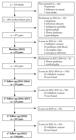
Participants were enrolled in this prospective cohort study from January 14 to February 16, 2012 in the maternity hospital. Details of the recruitment process have been previously described16. Briefly, all women aged over 18 years who gave birth to a full-term singleton (from 37 and 42 weeks of gestation) were invited to participate in this study with their children at baseline. Plans for adoption immediately after delivery, infectious contagious diseases (acquired immune deficiency syndrome, hepatitis, syphilis, and toxoplasmosis), birth defects, Down syndrome, and preeclampsia were chosen as exclusion criteria (Figure 1).
This study was carried out in accordance with the Declaration of Helsinki. This study was designed following the Standards for Reporting of Diagnostic Accuracy Studies (STARD) statement. Written informed consent was obtained from all participants in this study.
Data collection
All follow-ups were carried out at participants’ homes. Data were collected by a previously tested structured questionnaire that was administered by most of the same trained healthcare providers (which included a physical therapist, a nutritionist, a nurse, and a psychologist) at all follow-ups. Anthropometric measurements and clinical, biological, demographic, and socioeconomic information were collected by this questionnaire. In all follow-ups, the data were collected individually in a private room of the family’s home.
In the first follow-up, the child’s length was measured to the nearest 0.1 cm with a pediatric anthropometric ruler (WCS®, Wood model, Curitiba, Brazil) and their weight was measured to the nearest 10 g with a digital pediatric scale (Beurer®, BY20 model, Ulm, Germany). The child’s weight status was divided into three categories based on the 2006 WHO sex-specific BMI-for-age growth standards: ≤85th, >85th and <97th, and ≥97th percentile17. Neck circumference was measured using a 150-cm flexible tape (increments of 1 mm). The children were standing and the measurement was obtained at the level of the thyroid cartilage, taking care that the tape would avoid compressing their skin8.
In the second, third, and fourth follow-ups, the child’s height was measured to the nearest 0.1 cm using a portable stadiometer (WCS®, Compact model, Curitiba, Brazil) on a wall without skirting. The subject stood in an orthostatic position wearing light clothing with no shoes and evenly distributing their weight. Weight was measured on a digital scale (G-Tech®, Glass 7 model, Zhongshan, China) with a 180-kg capacity to the nearest 0.1 kg as the subject wore light clothing with no shoes or accessories (jewelry, watches, coats). All anthropometric measurements were performed in duplicates. The average of the two measurements was used for analysis. NC was measured using the same equipment and procedures as those of the first follow-up. The children’s weight status was classified into three categories (≤85th, >85th and <97th, and ≥97th percentile) based on the 2006 WHO sex-specific BMI-for-age growth standards in the second follow-up17, and according to the 2007 WHO Growth Reference Data for children and adolescents aged from five to 19 years in the third and fourth follow-ups18
Data analysis
The sample size of the PREDI Study was calculated on OpenEpi 3.02, as previously described19. Data were analyzed using the IBM SPSS Statistics for Macintosh (Version 27.0. Armonk, NY: IBM Corp.). To examine differences between the mother-infant pairs enrolled at baseline and those not enrolled in each follow-up, maternal education, monthly household income, marital status, birth weight, and child sex were compared using the Student’s t- and the Chi-squared test for continuous and categorical variables, respectively (Supplementary Material 1).
Distributions of the anthropometric measurements were assessed using the Kolmogorov-Smirnov test. As the variables were abnormally distributed, the Mann-Whitney U test was applied to compare medians and interquartile ranges. The Spearman’s correlation coefficient was used to explore the relationship between NC and age, body weight, height, and BMI. The best NC cut-offs to indicate those with overweight/obesity (excess body weight) were determined using the receiver operating characteristic (ROC) curve according to sex and age group in each follow-up and based on previous studies7 , 9 , 15 , 20. The best cut-off points were selected when the highest sensitivity value corresponded to the highest specificity value for each age group and sex. The areas under the curve (AUC) and their respective 95% confidence intervals (CI) were determined.
The ROC curve was used to show the overall discriminatory power of the diagnostic test and AUC, as a measure of the diagnostic power of the test (i.e., NC). The greater the AUC, the greater the discriminatory power of NC. The 95% CI should not include 0.50. Subsequently, sensitivity (the probability of an individual classified with excess body weight based on NC according to age and sex being classified as having excess body weight based on BMI values; true positives) and specificity (the probability of an individual classified without excess body weight based on NC according to age and sex being classified as having excess body weight based on BMI values; false positives) were determined. The 95% CI of the anthropometric measures was also estimated; all tests were considered significant at p<0.05.
The Youden index (sensitivity + specificity − 1) was calculated to show the tradeoff between sensitivity and specificity for the ideal cut-off point of each anthropometric measure to predict adiposity. A 1 indicates no false positives or negatives. The likelihood ratio (LR) was also calculated. The LR+ of a positive test result was calculated as “sensitivity divided by 1 – specificity,” indicating the odds of a condition increasing under a positive test. Conversely, the LR- is “1 - sensitivity divided by specificity” denotes the odds of a condition decreasing under a negative test. A ratio >1 indicates that the test result is more likely to occur in subjects with the condition than without the condition; conversely, a ratio <1 indicates that the test result is more likely to occur in subjects without the condition. The higher the ratio, the more likely the test result is to occur in subjects with the condition than without the condition; likewise, the lower the ratio, the more likely the test result is to occur in subjects without the condition than with the condition. The positive and negative predictive values describe the success of a diagnostic test. Positive predictive values evince the probability of a subject with a positive test truly having the outcome [true-positive / (true-positive + false-positive)]: excess body weight. Negative predictive values evince the probability of a subject with a negative test having no such outcome [true-negative / (true-negative + false-negative)].
RESULTS
Except for monthly household income, we found no significant (p<0.05) difference in maternal education years, birth weight, marital status, or child sex between mothers/children enrolled at baseline and those considered losses in the fourth follow-up (Supplementary material 1). The prevalence of excess body weight (>85th percentile) equaled 41.9, 30.4, 25.7, and 27.1% at ages one-two, five-six, seven-eight, and nine years, respectively. Table 1 shows the characteristics of the children according to sex and cohort period. The median age of boys and girls was similar in all follow-ups (p>0.05). Although inexpressive, we observed a greater difference in weight, height, and BMI in boys aged from two to six years. NC medians significantly (p<0.001) differed in boys between follow-ups. The prevalence of excess body weight among girls totaled 39.4, 27.0, 22.4, and 20.6% in the first, second, third, and fourth follow-up, respectively. In boys, the prevalence of excess body weight also decreased over the same period, except for the last follow-up: 44.0, 33.3, 29.0, and 32.9%, respectively.
Table 2 shows the correlation between NC and age, weight, height, and BMI by sex and follow-up. NC, weight, height, and BMI showed a positive correlation (p<0.05) in boys and girls across follow-ups. We also observed that the strength of this correlation increased with aging boys and girls.
Table 3 shows the AUCs, including optimal cut-off points, sensitivities, specificities, Youden index, positive and negative predictive values, and likelihood ratios (LR+/LR-) for the associations between NC and excess body weight according to age group and sex. The NC cut-off points increased with age in boys (from 23.9 cm at age one-two years to 29.6 cm at age nine years) and girls (from 23.2 to 28.9 cm in the same ages). Except for the one-two-year age group (AUC = 0.73; 95%CI 0.65-0.81 for boys and girls), the accuracy of NC in finding excess body weight in boys and girls totaled 0.80 or higher (AUC: 0.80-0.95; 95%CI: 0.71-1.00). The chosen NC cut-off points could correctly find from 74.4 to 92.0% of boys at risk of excess body weight and from 81.1 to 90.0% of girls at risk. False positives ranged from 53.8 to 84.3% in boys and from 49.4 to 85.2% in girls (Table 3).
DISCUSSION
This study showed that NC was positively correlated with weight, height, and BMI in Brazilian boys and girls aged from one to nine years. The association of NC with these measures in all follow-ups and the 0.73-0.95 AUC indicate that NC accurately measures excess body weight in children aged under 10 years. The sensitivities and specificities agree with studies on children in Brazil15 , 21 and other countries7.
BMI varies considerably throughout life22. Studies have shown that the growth rate in children is particularly high from birth to their first two years of life23 — when the greatest variation in body weight gain occurs ,—which can configure a risk factor for excess body weight over the years. Some authors reported that BMI rapidly increases during the first year of life, decreasing thereafter and reaching a minimum value by the age of four to eight years24. A second rise occurs after the last minimum BMI, a period called adiposity rebound24. This period is associated with obesity in late childhood, adolescence, and adulthood24.
Despite this variation in childhood, BMI serves as the global standard indicator for assessing nutritional status, regardless of age classification. However, age groups with considerable variations in height measurements, such as infants, deserve special attention regarding the most appropriate indicator of nutritional status. The BMI is also limited in determining changes in fat or lean mass. Even in the presence of excess body fat, BMI is unable to assess the distribution of adipose tissue25. While the adequate and frequent assessment of nutritional status is essential for health promotion and disease prevention26, an accurate indicator is even more important to ensure the development of successful interventions. Since NC does not consider height (the main measure responsible for BMI variability in childhood), it offer an excellent alternative to predict nutritional status, especially during this period of intense body changes.
Neck circumference has the advantages that it requires no multiple measurements of precision and reliability; is suffers no influence from measurement period (pre- and postprandial period); is easily applied in cold weather since it dispenses undressing the child; causes less embarrassment (especially in girls as the test dispenses this population lifting their shirts/coats to measure abdominal or waist circumference); requires no equipment that needs calibration such as scales and anthropometric rulers/stadiometers7 - 9 , 12, and can be performed on bedridden patients or amputees. Additionally, NC has been shown to independently predict overweight and obesity in several age groups8 - 10 , 25.
Another important feature of NC as an indicator of nutritional status refers to its indirect measurement of upper body subcutaneous fat, an independent predictor of cardiometabolic diseases10. Since neck adipose tissue is a depository of some important lipid molecules, it configures an independent ectopic of white adipose tissue deposits, with probable differing roles in deep and superficial compartments including carotid arteries, main vessels to the brain that are prone to fatal atherosclerotic changes27. Increased NC has been associated with a higher risk of metabolic syndrome and can therefore be used as an additional marker of cardiovascular risk28 - 30. Some authors also found that NC can find excess android fat in children21. In other words, it may be possible to identify children at cardiovascular risk as early as preschool, preventing the development of associated chronic diseases in the future.
Finally, from a public health perspective, NC offers accurate measures to assess nutritional status and early screenings , saving time and increasing the number of investigated children. Furthermore, the good accuracy of NC enables identifying excess body weight in children before the onset of overweight/obesity, which would drastically reduce the costs of treating many associated diseases9. Despite the high AUC values for NC in this study (73.0–95%) suggesting its high accuracy in assessing nutritional status, the low specificity and Youden index obtained for ages 1–4stem from the rapid growth and developmental characteristics of early years8. Thus, NC as a measure of nutritional status should be used with caution in this age group. Finally, the high sensitivity and positive predictive values in our study indicate that NC configures a good measure to diagnose excess body weight and screen children for targeted interventions.
Our study has several strengths. Its primary data came from a birth cohort study, providing opportunities for future research in this field. All data, including the anthropometric measures, were collected using the same equipment and by most members of the same research group, which reduces possible biases. However, we should mention some of the limitations of the study. First, the lack of longitudinal studies on NC in children impaired data comparison. Second, our results came from a relatively small cohort of mothers and their children living in Brazil, necessitating caution when comparing these results to other populations. Finally, we acknowledge the significant losses to follow-up from baseline to the fourth follow-up. However, the sample has been similar since baseline and the losses were almost random.
CONCLUSION
Our findings showed that NC can screen Brazilian children aged 2–9 years for excess body weight. However, further studies involving larger sample sizes and other populations are necessary to complement our data.
ACKNOWLEDGEMENTS
The authors would like to thank the Darcy Vargas Maternity Hospital of Joinville for enabling data collection at their facilities, the University of Joinville Region (UNIVILLE) for its financial support, the Brazilian Federal Agency for Support and Evaluation of Graduate Education (CAPES) for the fellowship it granted to DS (88887.148097/2017-00), and Programa de Bolsas Universitárias do Estado de Santa Catarina (UNIEDU) for the fellowship it granted to CBC (16654/471/SED/2021).
REFERENCES
-
1. Chooi YC, Ding C, Magkos F. The epidemiology of obesity. Metabolism. 2019;92:6-10. doi: 10.1016/j.metabol.2018.09.005
» https://doi.org/10.1016/j.metabol.2018.09.005 -
2. 2. World Health Organization. Obesity and overweight [Internet]. Geneva: World Health Organization; 2021 [cited 2021 Sep 17]. Available from: https://www.who.int/en/news-room/fact-sheets/detail/obesity-and-overweight
» https://www.who.int/en/news-room/fact-sheets/detail/obesity-and-overweight -
3. Fang X, Zuo J, Zhou J, Cai J, Chen C, et al. Childhood obesity leads to adult type 2 diabetes and coronary artery diseases: A 2-sample mendelian randomization study. Medicine (Baltimore). 2019;98(32):e16825. doi: 10.1097/md.0000000000016825
» https://doi.org/10.1097/md.0000000000016825 -
4. Gautam S, Jeong HS. Childhood Obesity and its associated factors among school children in Udupi, Karnataka, India. J Lifestyle Med. 2019;9(1):27-35. doi: 10.15280/jlm.2019.9.1.27
» https://doi.org/10.15280/jlm.2019.9.1.27 -
5. Karki A, Shrestha A, Subedi N. Prevalence and associated factors of childhood overweight/obesity among primary school children in urban Nepal. BMC Public Health. 2019;19(1):e1055. doi: 10.1186/s12889-019-7406-9
» https://doi.org/10.1186/s12889-019-7406-9 -
6. Alves Junior CA, Mocellin MC, Gonçalves ECA, Silva DA, Trindade EB. Anthropometric Indicators as Body Fat Discriminators in Children and Adolescents: a systematic review and meta-analysis. Adv Nutr. 2017;8(5):718-27. doi: 10.3945/an.117.015446
» https://doi.org/10.3945/an.117.015446 -
7. Hatipoglu N, Mazicioglu MM, Kurtoglu S, Kendirci M. Neck circumference: an additional tool of screening overweight and obesity in childhood. Eur J Pediatr. 2010;169(6):733-9. doi: 10.1007/s00431-009-1104-z
» https://doi.org/10.1007/s00431-009-1104-z -
8. Santos D, Contarato AAPF, Kroll C, Bertoli M, Czarnobay SA, et al. Neck circumference as a complementary measure to identify excess body weight in children aged 13-24 months. Rev Bras Saúde Materno Infant. 2015;15(3):301-7. doi: 10.1590/S1519-38292015000300005
» https://doi.org/10.1590/S1519-38292015000300005 -
9. Kroll C, Mastroeni S, Czarnobay SA, Ekwaru JP, Veugelers PJ, et al. The accuracy of neck circumference for assessing overweight and obesity: a systematic review and meta-analysis. Ann Hum Biol. 2017;44(8):667-77. doi: 10.1080/03014460.2017.1390153
» https://doi.org/10.1080/03014460.2017.1390153 -
10. Silva AAGO, Araujo LF, Diniz M, Lotufo PA, Bensenor IM, et al. Neck circumference and 10-year cardiovascular risk at the baseline of the ELSA-Brasil study: difference by sex. Arq Bras Cardiol. 2020;115(5):840-48. doi: 10.36660/abc.20190289
» https://doi.org/10.36660/abc.20190289 -
11. Arias Téllez MJ, Acosta FM, Sanchez-Delgado G, Martinez-Tellez B, Muñoz-Hernández V, et al. Association of neck circumference with anthropometric indicators and body composition measured by DXA in young Spanish adults. Nutrients. 2020;12(2):514. doi: 10.3390/nu12020514
» https://doi.org/10.3390/nu12020514 -
12. González-Cortés CA, Téran-García M, Luevano-Contreras C, Portales-Pérez DP, Vargas-Morales JM, et al. Neck circumference and its association with cardiometabolic risk factors in pediatric population. Medicina (Kaunas). 2019;55(5):183. doi: 10.3390/medicina55050183
» https://doi.org/10.3390/medicina55050183 -
13. Zheng M, Bowe SJ, Hesketh KD, Bolton K, Laws R, et al. Relative effects of postnatal rapid growth and maternal factors on early childhood growth trajectories. Paediatr Perinat Epidemiol. 2019;33(2):172-80. doi: 10.1111/ppe.12541
» https://doi.org/10.1111/ppe.12541 -
14. Holmgren A, Martos-Moreno GÁ, Niklasson A, Martínez-Villanueva J, Argente J, et al. The pubertal growth spurt is diminished in children with severe obesity. Pediatr Res. 2021;90(1):184-90. doi: 10.1038/s41390-020-01234-3
» https://doi.org/10.1038/s41390-020-01234-3 -
15. Mucelin E, Traebert J, Zaidan MA, Piovezan AP, Nunes RD, et al. Accuracy of neck circumference for diagnosing overweight in six- and seven-year-old children. J Pediatr (Rio J). 2021;97(5):559-63. doi: 10.1016/j.jped.2020.11.005
» https://doi.org/10.1016/j.jped.2020.11.005 -
16. Czarnobay SA, Kroll C, Corrêa CB, Mastroeni S, Mastroeni MF. Predictors of excess body weight concurrently affecting mother-child pairs: a 6 year follow-up. J Public Health (Oxf). 2021;45(1):e10-21. doi: 10.1093/pubmed/fdab399
» https://doi.org/10.1093/pubmed/fdab399 -
17. 17. World Health Organization. Child growth standards: length/height-for-age, weight-for-age, weight-for-length, weight-for-height and body mass index-for-age: Methods and development [Internet]. Geneve: World Health Organization; 2006 [cited 2021 Sep 17]. Avaiable from: https://www.who.int/publications/i/item/924154693X
» https://www.who.int/publications/i/item/924154693X -
18. Onis M, Onyango AW, Borghi E, Siyam A, Nishida C, et al. Development of a WHO growth reference for school-aged children and adolescents. Bull World Health Organ. 2007;85(9):660-7. doi: 10.2471/blt.07.043497
» https://doi.org/10.2471/blt.07.043497 -
19. Sales WB, Silleno Junior JD, Kroll C, Mastroeni SSBS, Silva JC, et al. Influence of altered maternal lipid profile on the lipid profile of the newborn. Arch Endocrinol Metabol. 2015;59(2):123-8. doi: 10.1590/2359-3997000000024
» https://doi.org/10.1590/2359-3997000000024 -
20. Nafiu OO, Burke C, Lee J, Voepel-Lewis T, Malviya S, et al. Neck circumference as a screening measure for identifying children with high body mass index. Pediatrics. 2010;126(2):e306-10. doi: 10.1542/peds.2010-0242
» https://doi.org/10.1542/peds.2010-0242 -
21. Filgueiras MS, Albuquerque FM, Castro APP, Rocha NP, Milagres LC, et al. Neck circumference cutoff points to identify excess android fat. J Pediatr (Rio J). 2020;96(3):356-63. doi: 10.1016/j.jped.2018.11.009
» https://doi.org/10.1016/j.jped.2018.11.009 -
22. Hwang IT, Ju Y-S, Lee HJ, Shim YS, Jeong HR, et al. Body mass index trajectories and adiposity rebound during the first 6 years in Korean children: based on the National Health Information Database, 2008-2015. PLoS One. 2020;15(10):e0232810. doi: 10.1371/journal.pone.0232810
» https://doi.org/10.1371/journal.pone.0232810 -
23. Smith JD, Egan KN, Montaño Z, Dawson-McClure S, Jake-Schoffman DE, et al. A developmental cascade perspective of paediatric obesity: a conceptual model and scoping review. Health Psychol Rev. 2018;12(3):271-93. doi: 10.1080/17437199.2018.1457450
» https://doi.org/10.1080/17437199.2018.1457450 -
24. Brisbois TD, Farmer AP, McCargar LJ. Early markers of adult obesity: a review. Obes Rev. 2012;13(4):347-67. doi: 10.1111/j.1467-789X.2011.00965.x
» https://doi.org/10.1111/j.1467-789X.2011.00965.x -
25. Sommer I, Teufer B, Szelag M, Nussbaumer-Streit B, Titscher V, et al. The performance of anthropometric tools to determine obesity: a systematic review and meta-analysis. Sci Rep. 2020;10(1):12699. doi: 10.1038/s41598-020-69498-7
» https://doi.org/10.1038/s41598-020-69498-7 -
26. Reber E, Gomes F, Vasiloglou MF, Schuetz P, Stanga Z. Nutritional risk screening and assessment. J Clin Med. 2019;8(7):1065. doi: 10.3390/jcm8071065
» https://doi.org/10.3390/jcm8071065 -
27. Pandzic Jaksic V, Grizelj D, Livun A, Boscic D, Ajduk M, et al. Neck adipose tissue - tying ties in metabolic disorders. Horm Mol Biol Clin Investig. 2018;33(2): doi: 10.1515/hmbci-2017-0075/j/hmbci.2018.33.issue-2/hmbci-7-0075/hmbci-2017-0075.xml.
» https://doi.org/10.1515/hmbci-2017-0075/j/hmbci.2018.33.issue-2/hmbci-7-0075/hmbci-2017-0075.xml -
28. Kim KY, Moon HR, Yun JM. Neck circumference as a predictor of metabolic syndrome in koreans: a cross-sectional study. Nutrients. 2021;13(9):3029. doi: 10.3390/nu13093029
» https://doi.org/10.3390/nu13093029 -
29. Zanuncio VV, Sediyama C, Dias MM, Nascimento GM, Pessoa MC, et al. Neck circumference and the burden of metabolic syndrome disease: a population-based sample. J Public Health (Oxf). 2022;44(4):753-60. doi: 10.1093/pubmed/fdab197
» https://doi.org/10.1093/pubmed/fdab197 -
30. Mendes CG, Barbalho SM, Tofano RJ, Lopes G, Quesada KR, et al. Is neck circumference as reliable as waist circumference for determining metabolic syndrome? Metab Syndr Relat Disord. 2021;19(1):32-8. doi: 10.1089/met.2020.0083
» https://doi.org/10.1089/met.2020.0083
-
Study developed at the Graduate Program in Health and Environment of the Universidade da Região de Joinville (UNIVILLE) – Joinville (SC), Brazil.
-
Financing source:
Fundo de Apoio à Pesquisa da Universidade da Região de Joinville
-
Approved by the Research Ethics Committee of the Universidade da Região de Joinville [Protocol No. 40242620.4.0000.5366]
Edited by
-
Responsible editor:
Sônia LP Pacheco de Toledo

