Development of Clinical Practice Guidelines and Primary Care Referral Pathways for the Management of Otorhinolaryngological Conditions in Pakistan
Abstract
Introduction Developing region-specific clinical practice guidelines (CPGs) for ear, nose, and throat (ENT) diseases is crucial in Pakistan's primary care, given their significant contribution to clinical cases, aiming to enhance healthcare standards through evidence-based practices with local adaptations.
Objectives To ensure the standardization of primary healthcare and reduce unnecessary specialist referrals by creating CPGs that are appropriate to our region.
Methods We selected eight guidelines regarding epistaxis, neck masses, hearing loss, Ménière's disease, dysphonia, allergic rhinitis, acute otitis externa, and rhinosinusitis from the American Academy of Otolaryngology–Head and Neck Surgery Foundation as the source guidelines, and employed the Grading of Recommendations, Assessment, Development, and Evaluation–Adoption, Adaptation, and De Novo Development (GRADE-ADOLOPMENT) approach to contextualize guidelines by adopting, adapting, or excluding recommendations from them. Clinical-referral algorithms were created using recommendations from the CPGs created, with additional recommendations sought through a best-evidence review process.
Results We developed local CPGs for eight ENT conditions using the GRADE-ADOLOPMENT approach. While most recommendations were adopted in the local CPGs, one recommendation for acute otitis externa, hearing loss, and epistaxis and two for allergic rhinitis were adopted with minor changes. Six recommendations were excluded due to service limitations in Pakistan. Additionally, we created 8 clinical-referral algorithms, incorporating 17 additional recommendations to address gaps in practice, distributed across various conditions.
Conclusion The newly-established CPGs are instrumental in delivering standardized, high-quality care at the primary care level. Simultaneously, the development of clinical referral pathways empowers general physicians to manage patients effectively and make timely, appropriate referrals to ENT specialists.
Keywords
otolaryngology; referral and consultation; GRADE approach; Pakistan; clinical practice guideline
Introduction
Diseases of the ear, nose, and throat (ENT) account for a significant portion of the practice of a primary care physician. These diseases affect populations of all ages and are a serious concern for public health worldwide.1 The most common ENT disorders with which patients present to an outpatient setting include otitis media and externa, cerumen impaction, hearing loss, epistaxis, allergic rhinitis, sinusitis, and pharyngitis/tonsillitis.2,3 Several low- and middle-income countries (LMICs) have a scarcity of ENT specialists and inadequate facilities to support them, resulting in a heavy burden on the existing workforce.4 In Pakistan, ∼ 25% of the consultations of a general physician (GP) with adults and 40% of those with children involve ENT-related complaints.5
Improving the quality and performance of healthcare services is a priority for healthcare settings. Evidence-based clinical practice guidelines (CPGs) are the gold standard to diagnose and manage diseases, and they lead to improved patient safety and outcomes.6 Several CPGs for ENT disorders used on an international level have been developed by high-income countries (HICs) such as the United States (US) and the United Kingdom (UK),7,8 and are tailored to fit their healthcare systems. However, more often than not, LMICs are deficient in monetary resources and the necessary research infrastructure required to generate evidence-based CPGs on their own.9 Pakistan, a LIMC, faces a shortage of specialist doctors, which is expected to increase further by 2030.10 As a result, GPs oversee care provision for a vast burden of ENT conditions. A survey conducted in 20165 showed that most GPs in Pakistan received unsatisfactory ENT training during house job/foundation training. Thus, there is a need for the development of comprehensive CPGs for the local context in Pakistan, so that GPs can adequately provide standardized care, reduce the load of hospital care, prevent needless ENT referrals, and enhance primary health care.11
Creating CPGs from scratch is an arduous process. It is often not possible due to inadequate resources, in which case the process should depend on a combination of adoption (integrating current recommendations as they are), adaptation (revising specific recommendations according to local context), and de novo development of recommendations,9 a process that has been termed adolopment. The Grading of Recommendations, Assessment, Development, and Evaluation–Adoption, Adaptation, and De Novo Development (GRADE-ADOLOPMENT) approach uses evidence-to-decision (EtD) tables to dictate the process of adaptation.12-14 These tables deliver general and context-specific evidence across fixed criteria against which experts make decisions regarding the validity of current recommendations and suggested modifications. The GRADE-ADOLOPMENT approach has been used to create CPGs in many countries, such as Saudi Arabia,9 Tunisia,15 Mexico,16 countries in the Eastern Mediterranean region,17 and Australia.18 In Pakistan, this process has also been used to create local CPGs for the management of adult type-2 diabetes mellitus.19
As the burden of ENT-related diseases continues to rise in Pakistan, the existing GP workforce is becoming increasingly overwhelmed.20 To achieve optimal standards of health care, it is essential to formulate CPGs through a clear and standardized process that uses current evidence-based CPGs with relevant region-specific alterations. These local CPGs would improve ENT-related healthcare delivery in Pakistan and would have high reliability due to the transparent development processes. Primary care clinical pathways that guide primary care management and appropriate specialist referral can help streamline ENT-related primary care and reduce unnecessary specialist referrals. In the present study, we describe our use of the GRADE-ADOLOPMENT approach to develop local evidence-based CPGs and primary care clinical-referral algorithms for the management of ENT conditions at the primary care level in Pakistan.
Methods
Study Setting
The current study was conducted at the [name deleted to maintain the integrity of the review process], a center created in the [name deleted to maintain the integrity of the review process] at [name deleted to maintain the integrity of the review process], Karachi, Pakistan. [name deleted to maintain the integrity of the review process] is one of Pakistan's leading healthcare and biomedical research facilities.
The [name deleted to maintain the integrity of the review process] is tasked with the development of CPGs and primary care management and referral pathways to standardize the clinical practice across Pakistan. The [name deleted to maintain the integrity of the review process] collaborated with the Section of ENT at [name deleted to maintain the integrity of the review process] and the US GRADE working group to implement the GRADE-ADOLOPMENT approach to develop CPGs for eight ENT-related complaints that are commonly presented to a primary care practitioner. The primary intended audience for these CPGs includes the GPs of Pakistan.
Study Team
The [name deleted to maintain the integrity of the review process] research team and experts from the [name deleted to maintain the integrity of the review process] Section of ENT formed the study team. The [name deleted to maintain the integrity of the review process] team members received extensive training in the GRADE-ADOLOPMENT approach and in the creation of CPGs.
Topic Selection
The [name deleted to maintain the integrity of the review process] team approached the Section of ENT to identify the most common ENT disorders based on their clinical experience in Pakistan. The faculty selected eight topics, namely epistaxis, neck masses, sudden sensorineural hearing loss (SSNHL), Ménière's disease, dysphonia, allergic rhinitis (AR), rhinosinusitis, and acute otitis externa (AOE).
Selection of Source Guideline
After the selection of topics, the process for the selection of source guidelines was initiated. The source guideline is the original standardized CPG that is chosen to undergo the GRADE-ADOLOPMENT approach for the development of the local guideline. Two ENT specialists appraised several source CPGs after conducting an extensive literature search on MEDLINE and Google Scholar from 2010 to September 2021. For each CPG, characteristics such as scope, local familiarity and application, rigor, and legitimacy of the establishing bodies were taken into account. As a result, the following source guidelines were selected for the creation of local CPGs:
-
"Clinical Practice Guideline: Acute Otitis Externa" – American Academy of Otolaryngology-Head and Neck Surgery Foundation, 2014.21
-
"Clinical Practice Guideline: Hoarseness (Dysphonia) (Update)" – American Academy of Otolaryngology—Head and Neck Surgery Foundation, 2018.22
-
"Clinical Practice Guideline: Nosebleed (Epistaxis) Executive Summary" –American Academy of Otolaryngology–Head, and Neck Surgery Foundation, 2020.23
-
"Clinical Practice Guideline: Allergic Rhinitis" – American Academy of Otolaryngology–Head, and Neck Surgery Foundation, 2015.24
-
"Clinical Practice Guideline: Evaluation of the Neck Mass in Adults" – American Academy of Otolaryngology–Head, and Neck Surgery Foundation, 2017.25
-
"Clinical Practice Guideline: Sudden Hearing Loss (Update)" – American Academy of Otolaryngology–Head, and Neck Surgery Foundation, 2019.26
-
"Clinical Practice Guideline (Update): Adult Sinusitis" – American Academy of Otolaryngology–Head, and Neck Surgery Foundation, 2015.27
-
"Clinical Practice Guideline: Ménière's Disease" – American Academy of Otolaryngology–Head, and Neck Surgery Foundation, 2020.7
Review of Source Guideline
The [name deleted to maintain the integrity of the review process] team collaborated with the US GRADE working group to form an adaptation of the GRADE-ADOLOPMENT approach, and the steps are outlined in Fig. 1. The modified GRADE-ADOLOPMENT approach has been used previously by the [name deleted to maintain the integrity of the review process] team to create guidelines for type-2 diabetes mellitus.19 A detailed description of the steps of our modified adolopment process can be found in Additional File 1.
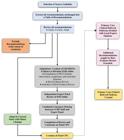
Outline of the Grading of Recommendations, Assessment, Development, and Evaluation–Adoption, Adaptation, and De Novo Development (GRADE-ADOLOPMENT) approach.
Our modified adolopment process has one important difference from the original process: recommendations that required straightforward changes which did not modify the essence of the recommendation but only provided auxiliary information were not put through the complete adaptation process (entailing EtD tables and expert panel review). In our modified adolopment process, adaptation via EtD tables and expert panel reviews is only performed if a content change is deemed necessary in a specific recommendation.
Focus Group Discussion to Identify Challenges and Solutions
Two focus group discussions (FGDs) were held to identify potential solutions to problems that occurred throughout the process of creating the CPGs. The FGDs were directed by a [name deleted to maintain the integrity of the review process] team member, and the participants included both [name deleted to maintain the integrity of the review process] employees and the Department of ENT. Prior to the FGDs, participants were given the chance to individually communicate the challenges they faced and propose solutions. Each obstacle was characterized as either a major or minor difficulty by agreement. The [name deleted to maintain the integrity of the review process] team then grouped the final list of individual challenges into broad themes with their suitable solutions.
Development of Referral Pathways
The recommendations in our local CPG were used as the core material for the development of primary care management and referral pathways. The ENT specialists at [name deleted to maintain the integrity of the review process] worked with the [name deleted to maintain the integrity of the review process] staff to develop the management algorithms for primary care physicians. They focused on early diagnosis, management at the level of primary care, and referral to specialists when needed.
If any gaps in care provision were found while drafting the clinical management and referral pathways, we sought additional recommendations through a best-evidence systematic review process. This preferably involved the use of recommendations from already-existing CPGs other than the selected source CPGs. The evidence collected to develop the recommendation was then reviewed by the experts. If already-existing recommendations in other CPGs were not found, recommendations were drafted and included in the clinical management and referral pathways using peer-reviewed evidence from trustworthy information sources. If the best-evidence systematic review process resulted in no citable evidence, we made additions based on expert consensus.
Results
We created local CPGs for the eight most common ENT disorders seen in the primary care setting of Pakistan using the GRADE-ADOLOPMENT method. Across the 108 recommendations found in the source CPGs for the 8 ENT disorders, 5 recommendations were adopted with minor changes into the local CPG (1 recommendation for AOE, SSNHL, and epistaxis, and 2 for AR), and 6 were excluded from the local CPGs (1 recommendation for epistaxis, 2 for SSNHL, and 3 for AR) (Tables 1-2). All other recommendations were adopted as they were in our local CPGs. The finalized local CPGs can be found in Additional File 1.
Recommendations excluded from the source guideline for the management of ENT conditions in Pakistan
We also created primary care clinical-referral algorithms for these conditions based on the recommendations in the local CPGs (Additional File 2). We added four recommendations to the epistaxis algorithm, three to the neck lumps/masses, rhinosinusitis, and AR algorithm, two for the AOE algorithm, and one for the Ménière's disease and dysphonia algorithms (Table 3).
The challenges faced while developing the CPGs were grouped into three main themes: stakeholder support and involvement, resources, and resistance to change (Additional File 1).
Discussion
The local CPGs we developed can guide GPs regarding the eight most common ENT-related patient complaints in the primary care setting. These CPGs provide patient management details, starting with a thorough clinical evaluation, including history, examinations, and investigations, followed by step-by-step management encompassing pharmacological and non-pharmacological modalities. These local CPGs were organized into comprehensive yet simple primary care management and referral pathways for GPs. These referral pathways were developed to make the recommendations in the CPGs more convenient for GPs to use and, when necessary, guide the decision for appropriate referrals to ENT specialists.
In the primary care setting, GPs function as gatekeepers to specialized ENT care. In fulfilling this role, GPs must be equipped with the knowledge of current evidence-based practices as applicable to their local setting, and they must be able to understand the extent of their role as care providers and determine when a patient warrants a referral to a specialist. This enables GPs to alleviate some of the burdens on the scarce specialist ENT resources while lowering healthcare costs, a consideration of particular importance in an LMIC setting.4,28 Our CPGs and referral algorithms enable GPs to provide better health care at the patient's initial point of contact while bridging the gap between primary and specialized secondary healthcare.29
Referral rates from GPs to specialized ENT services in the literature30-32 are generally variable, ranging from 4.3 up to 20% of all patients seen by GPs with ENT complaints. This variability is attributable to differences in practices at the levels of the individual GP and the healthcare system. However, this variability also highlights the burden of potentially-inappropriate referrals to specialist ENT services, which, in an LMIC such as Pakistan, can further exacerbate shortages of specialist resources. Another form of inappropriate use of resources involves diagnostic tests. While baseline investigations are generally necessary to establish the correct diagnoses, they can be overused, causing a needless financial burden on the patients without significantly improving their health status.33 Our newly-created local CPGs and clinical-referral pathways can help in the standardization of ENT care provision at the primary care level and help minimize unnecessary consumption of specialist resources.
In addition, the variability in certain management practices, such as the prescription of antibiotics for suspected infections, is also a matter of concern for antimicrobial stewardship efforts in the country.34 Studies35,36 have shown that medical doctors in Pakistan generally have some misconceptions regarding appropriate antibiotic prescriptions. Additionally, GPs often feel pressured to administer antibiotics even if they are not convinced that they were indicated, with a major proportion of them doing so solely on the basis of the patient's insistence. Thus, the element of patient education incorporated into our clinical-care pathways is of particular importance in Pakistan, where lower literacy rates mean that patients are unaware of the far-reaching harmful consequences of inappropriate antibiotic prescription. Therefore, the use of these latest CPGs can help curb inappropriate prescription practices that lead to antimicrobial resistance and improve the standard of care for patients.
Strengths and Weaknesses
The current study has certain limitations. As the TOR review is performed by individual experts, it is a subjective process that may introduce biases in the decision to adapt, adopt, or de novo develop recommendations. Another limitation of the present study is that the experts who developed the guidelines were from the same tertiary hospital. A more diversified group of experts could reduce the likelihood of institutional bias. Additionally, the feasibility of the implementation of these recommendations in rural settings remains a concern. The rural areas of Pakistan lack the infrastructure needed to provide specialist services, should patients require them. Hence, financial and geographical barriers are significant challenges to the implementation of the clinical-referral pathways.
The strength of our CPG lies in the transparent and rigorous methodology used to create it. The transparency of the GRADE-ADOLOPMENT approach will encourage GPs to trust in the recommendations provided and make informed decisions accordingly. The detailed step-by-step referral pathways will help streamline the entire process and assist in patient triage. Our process for the development of CPGs and referral pathways may serve as a template for other resource-challenged countries, such as those in Africa, which experience similar challenges,4 and other countries with similar population demographics and disease burdens to develop their own clinical guidelines and management algorithms.
Conclusion
We used the GRADE-ADOLOPMENT approach to create eight local CPGs for common ENT disorders in Pakistan at the primary healthcare level. The recommendations provided will help in the provision of standardized, high-quality care by GPs across the country. Concomitantly, eight referral pathways were also developed to guide stepwise evaluation, management, and specialist referral of patients presenting with ENT disorders. We believe that these newly-created CPGs and referral pathways will enable the healthcare system in Pakistan to deliver the best possible standardized patient care for common ENT-related conditions.
-
Funding Information
The authors declare that they did not receive funding from agencies in the public, private, or non-profit sectors to conduct the present study.
-
Ethical Approval
Given the lack of involvement of patients or other human participants, a waiver of ethical approval and informed consent was obtained from the Ethics Review Committee of the [name deleted to maintain the integrity of the review process]. All methods were conducted in accordance with the highest ethical standards outlined in the 1964 Declaration of Helsinki and its future amendments.
Availability of Supporting Data
All data generated or analyzed during the present study are included in this published article and its supplementary information files.
Data Availability
Data will be available upon request to the corresponding author.
References
-
1 Ibekwe TS, Nwaorgu OG, Onakoya PA, Ibekwe PU. Spectrum of otorhinolaryngology emergencies in the elderly in Ibadan, Nigeria. Niger J Med 2005;14(04):411–414. Doi: 10.4314/njm. v14i4.37199
» https://doi.org/10.4314/njm.v14i4.37199 -
2 Emerick KS, Deschler DG. Common ENT disorders. South Med J 2006;99(10):1090–1099, quiz 1100–1102, 1126. Doi: 10.1097/01.smj.0000233214.49561.c1
» https://doi.org/10.1097/01.smj.0000233214.49561.c1 -
3 Saunders JE, Rankin Z, Noonan KY. Otolaryngology and the Global Burden of Disease. Otolaryngol Clin North Am 2018;51(03): 515–534. Doi: 10.1016/j.otc.2018.01.016
» https://doi.org/10.1016/j.otc.2018.01.016 -
4 Fagan JJ, Jacobs M. Survey of ENT services in Africa: need for a comprehensive intervention. Glob Health Action 2009;2(01):. Doi: 10.3402/gha.v2i0.1932
» https://doi.org/10.3402/gha.v2i0.1932 - 5 Farooq M, Ghani S, Hussain S. Prevalence of Ear, Nose & Throat diseases and Adequacy of ENT training among General Physicians. Int J Pathol 2016;14(03):113–115
-
6 Sciarra E. The importance of practice guidelines in clinical care. Dimens Crit Care Nurs 2012;31(02):84–85. Doi: 10.1097/DCC.0b013e3182445f62
» https://doi.org/10.1097/DCC.0b013e3182445f62 -
7 Basura GJ, Adams ME, Monfared A, Schwartz SR, Antonelli PJ, Burkard R, et al. Clinical Practice Guideline: Ménière's Disease. Otolaryngol Head Neck Surg 2020;162(2_suppl):S1–S55. Doi: 10.1177/0194599820909438
» https://doi.org/10.1177/0194599820909438 -
8 Scadding GK, Durham SR, Mirakian R, Jones NS, Drake-Lee AB, Ryan D, et al; British Society for Allergy and Clinical Immunology. BSACI guidelines for the management of rhinosinusitis and nasal polyposis. Clin Exp Allergy 2008;38(02):260–275. Doi: 10.1111/j.1365-2222.2007.02889.x
» https://doi.org/10.1111/j.1365-2222.2007.02889.x -
9 Schünemann HJ, Wiercioch W, Brozek J, Etxeandia-Ikobaltzeta I, Mustafa RA, Manja V, et al. GRADE Evidence to Decision (EtD) frameworks for adoption, adaptation, and de novo development of trustworthy recommendations: GRADE-ADOLOPMENT. J Clin Epidemiol 2017;81:101–110. Doi: 10.1016/j.jclinepi.2016. 09.009
» https://doi.org/10.1016/j.jclinepi.2016.09.009 -
10 Khan KJ, Raza VF. Specialist shortage in developing countries: comprehending delays in care. BMJ Case Rep 2021;14(01): e235542. Doi: 10.1136/bcr-2020-235542
» https://doi.org/10.1136/bcr-2020-235542 -
11 Symvoulakis EK, Klinis S, Alegakis A, Kyrmizakis DE, Drivas EI, Rachiotis G, et al. Epidemiologic profile of otorhinolaryngological, head and neck disorders in a tertiary hospital unit in Greece: a challenge for general practitioners? BMC Ear Nose Throat Disord 2006;6:12. Doi: 10.1186/1472-6815-6-12
» https://doi.org/10.1186/1472-6815-6-12 -
12 Andrews JC, Schünemann HJ, Oxman AD, Pottie K, Meerpohl JJ, Coello PA, et al. GRADE guidelines: 15. Going from evidence to recommendation-determinants ofa recommendation's direction and strength. J Clin Epidemiol 2013;66(07):726–735. Doi: 10.1016/j.jclinepi.2013.02.003
» https://doi.org/10.1016/j.jclinepi.2013.02.003 -
13 Alonso-Coello P, Schünemann HJ, Moberg J, Brignardello-Petersen R, Akl EA, Davoli M, et al; GRADE Working Group. GRADE Evidence to Decision (EtD) frameworks: a systematic and transparent approach to making well informed healthcare choices. 1: Introduction. BMJ 2016;353:i2016. Doi: 10.1136/bmj.i2016
» https://doi.org/10.1136/bmj.i2016 -
14 Alonso-Coello P, Oxman AD, Moberg J, Brignardello-Petersen R, Akl EA, Davoli M, et al; GRADE Working Group. GRADE Evidence to Decision (EtD) frameworks: a systematic and transparent approach to making well informed healthcare choices. 2: Clinical practice guidelines. BMJ 2016;353:i2089. Doi: 10.1136/bmj.i2089
» https://doi.org/10.1136/bmj.i2089 -
15 Kahale LA, Ouertatani H, Brahem AB, Grati H, Hamouda MB, Saz-Parkinson Z, Akl EA. Contextual differences considered in the Tunisian ADOLOPMENT of the European guidelines on breast cancer screening. Health Res Policy Syst 2021;19(01):80. Doi: 10.1186/s12961-021-00731-z
» https://doi.org/10.1186/s12961-021-00731-z -
16 Coronado-Zarco R, León AO-Gd, Faba-Beaumont MG. Adaptation of clinical practice guidelines for osteoporosis in a Mexican context. Experience using methodologies ADAPTE, GRADE-ADOLOPMENT, and RAND/UCLA. J Clin Epidemiol 2021;131:30–42. Doi: 10.1016/j.jclinepi.2020.10.022
» https://doi.org/10.1016/j.jclinepi.2020.10.022 -
17 Darzi A, Harfouche M, Arayssi T, Alemadi S, Alnaqbi KA, Badsha H, et al. Adaptation of the 2015 American College of Rheumatology treatment guideline for rheumatoid arthritis for the Eastern Mediterranean Region: an exemplar of the GRADE Adolopment. Health Qual Life Outcomes 2017;15(01):183. Doi: 10.1186/s12955-017-0754-1
» https://doi.org/10.1186/s12955-017-0754-1 -
18 Okely AD, Ghersi D, Loughran SP, Cliff DP, Shilton T, Jones RA, et al. A collaborative approach to adopting/adapting guidelines. The Australian 24-hour movement guidelines for children (5-12 years) and young people (13-17 years): An integration of physical activity, sedentary behaviour, and sleep. Int J Behav Nutr Phys Act 2022;19(01):2. Doi: 10.1186/s12966-021-01236-2
» https://doi.org/10.1186/s12966-021-01236-2 -
19 Martins RS, Masood MQ, Mahmud O, Rizvi NA, Sheikh A, Islam N, et al. Adolopment of adult diabetes mellitus management guidelines for a Pakistani context: Methodology and challenges. Front Endocrinol (Lausanne) 2023;13:1081361. Doi: 10.3389/fendo.2022.1081361
» https://doi.org/10.3389/fendo.2022.1081361 -
20 Zeeshan M, Zeb J, Saleem M, Zaman SA, Khan A, Tahir M. ENT diseases presenting to a tertiary care hospital. Endocrinol Metabol Int J 2018;6(06):416–418 Doi: 10.15406/emij.2018.06.00225
» https://doi.org/10.15406/emij.2018.06.00225 -
21 Rosenfeld RM, Schwartz SR, Cannon CR, Roland PS, Simon GR, Kumar KA, et al. Clinical practice guideline: acute otitis externa. Otolaryngol Head Neck Surg 2014;150(1 Suppl):S1–S24. Doi: 10.1177/0194599813517083
» https://doi.org/10.1177/0194599813517083 -
22 Stachler RJ, Francis DO, Schwartz SR, Damask CC, Digoy GP, Krouse HJ, et al. Clinical Practice Guideline: Hoarseness (Dysphonia) (Update). Otolaryngol Head Neck Surg 2018;158(1_suppl): S1–S42. Doi: 10.1177/0194599817751030
» https://doi.org/10.1177/0194599817751030 -
23 Tunkel DE, Anne S, Payne SC, Ishman SL, Rosenfeld RM, Abramson PJ, et al. Clinical Practice Guideline: Nosebleed (Epistaxis) Executive Summary. Otolaryngol Head Neck Surg 2020;162(01):8–25. Doi: 10.1177/0194599819889955
» https://doi.org/10.1177/0194599819889955 -
24 Seidman MD, Gurgel RK, Lin SY, Schwartz SR, Baroody FM, Bonner JR, et al. Clinical practice guideline: Allergic rhinitis. Otolaryngol Head Neck Surg 2015;152(1 Suppl):S1–43. Doi: 10.1177/0194599814561600
» https://doi.org/10.1177/0194599814561600 -
25 Pynnonen MA, Gillespie MB, Roman B, Rosenfeld RM, Tunkel DE, Bontempo L, et al. Clinical Practice Guideline: Evaluation of the Neck Mass in Adults. Otolaryngol Head Neck Surg 2017;157 (2_suppl):S1–S30. Doi: 10.1177/0194599817722550 PubMed
» https://doi.org/10.1177/0194599817722550 - 26 Chandrasekhar SS, Tsai Do BS, Schwartz SR, Bontempo LJ, Faucett EA, Finestone SA, et al. Clinical Practice Guideline: Sudden Hearing Loss (Update). Otolaryngol Head Neck Surg 2019;161 (1_suppl):S1–S45
-
27 Rosenfeld RM, Piccirillo JF, Chandrasekhar SS, Brook I, Kumar KA, Kramper M, et al. Clinical practice guideline (update): adult sinusitis. Otolaryngol Head Neck Surg 2015;152(2 Suppl): S1–S39. Doi: 10.1177/0194599815572097 PubMed
» https://doi.org/10.1177/0194599815572097 -
28 Starfield B, Shi L, Macinko J. Contribution of primary care to health systems and health. Milbank Q 2005;83(03):457–502. Doi: 10.1111/j.1468-0009.2005.00409.x
» https://doi.org/10.1111/j.1468-0009.2005.00409.x -
29 Davies P, Pool R, Smelt G. What do we actually know about the referral process? Br J Gen Pract 2011;61(593):752–753. Doi: 10.3399/bjgp11 × 613278
» https://doi.org/10.3399/bjgp11x613278 -
30 Donnelly MJ, Quraishi MS, McShane DP. ENT and general practice: a study of paediatric ENT problems seen in general practice and recommendations for general practitioner training in ENT in Ireland. Ir J Med Sci 1995;164(03):209–211. Doi: 10.1007/ BF02967831
» https://doi.org/10.1007/BF02967831 -
31 Coyle E, Hanley K, Sheerin J. Who goes where? A prospective study of referral patterns within a newly established primary care team. Ir J Med Sci 2011;180(04):845–849. Doi: 10.1007/s11845-011-0724-2
» https://doi.org/10.1007/s11845-011-0724-2 -
32 Oosthuizen JC, McShane D, Kinsella J, Conlon B. General practitioner ENT referral audit. Ir J Med Sci 2015;184(01):143–146. Doi: 10.1007/s11845-014-1075-6
» https://doi.org/10.1007/s11845-014-1075-6 -
33 Winkens R, Dinant GJ. Evidence base of clinical diagnosis: Rational, cost effective use of investigations in clinical practice. BMJ 2002;324(7340):783. Doi: 10.1136/bmj.324.7340.783
» https://doi.org/10.1136/bmj.324.7340.783 -
34 Sharma A, Singh A, Dar MA, Kaur RJ, Charan J, Iskandar K, et al. Menace of antimicrobial resistance in LMICs: Current surveillance practices and control measures to tackle hostility. J Infect Public Health 2022;15(02):172–181. Doi: 10.1016/j.jiph.2021.12.008
» https://doi.org/10.1016/j.jiph.2021.12.008 -
35 Atif M, Ihsan B, Malik I, Ahmad N, Saleem Z, Sehar A, Babar Z-U-D. Antibiotic stewardship program in Pakistan: a multicenter qualitative study exploring medical doctors’ knowledge, perception and practices. BMC Infect Dis 2021;21(01):374. Doi: 10.1186/s12879-021-06043-5
» https://doi.org/10.1186/s12879-021-06043-5 -
36 Faizullah M, Umar MI, Anwar M, Sarfraz MK. A cross-sectional study on knowledge, attitude and practices of medical doctors towards antibiotic prescribing patterns and resistance in Khyber Pakhtun Khawah, Pakistan. J Appl Pharm Sci 2017;7(12):038–046 Doi: 10.7324/JAPS.2017.71205
» https://doi.org/10.7324/JAPS.2017.71205 - 37 Womack JP, Kropa J, Stabile MJ. Epistaxis: Outpatient Management. Am Fam Physician 2018;98(04):240–245
- 38 Kucik CJ, Clenney T. Management of epistaxis. Am Fam Physician 2005;71(02):305–311
- 39 Yau S. An update on epistaxis. Aust Fam Physician 2015;44(09): 653–656
-
40 Nguyen QA. Epistaxis Treatment & Management. Medscape; 2024. Available from: https://emedicine.medscape.com/article/863220-treatment#d18
» https://emedicine.medscape.com/article/863220-treatment#d18 -
41 Tan E, Jaya J. An approach to neck masses in adults. Aust J Gen Pract 2020;49(05):267–271. Doi: 10.31128/AJGP-09-19-5080
» https://doi.org/10.31128/AJGP-09-19-5080 - 42 Schwetschenau E, Kelley DJ. The adult neck mass. Am Fam Physician 2002;66(05):831–838
- 43 Sander R. Otitis externa: a practical guide to treatment and prevention. Am Fam Physician 2001;63(05):927–936, 941–942
- 44 Osguthorpe JD. Adult rhinosinusitis: diagnosis and management. Am Fam Physician 2001;63(01):69–76
-
45 American Academy of Allergy Asthma & Immunology. Nasal Polyps. AAAI; 2019. Available from: https://www.aaaai.org/tools-for-the-public/conditions-library/allergies/nasal-polyps
» https://www.aaaai.org/tools-for-the-public/conditions-library/allergies/nasal-polyps -
46 JBDS-IP. Management of Hyperglycaemia and Steroid (Glucocorticoid) Therapy. 2023. Available from: https://abcd.care/sites/default/files/site_uploads/JBDS_Guidelines_Current/JBDS_08_Management_of_Hyperglycaemia_and_Steroid_(Glucocorticoid)_Therapy_with_QR_code_January_2023.pdf
» https://abcd.care/sites/default/files/site_uploads/JBDS_Guidelines_Current/JBDS_08_Management_of_Hyperglycaemia_and_Steroid_(Glucocorticoid)_Therapy_with_QR_code_January_2023.pdf -
47 CDC. Sinus Infection Basics 2024. Available from: https://www.cdc.gov/sinus-infection/about/?CDC_AAref_Val=https://www.cdc.gov/antibiotic-use/sinus-infection.html
» https://www.cdc.gov/sinus-infection/about/?CDC_AAref_Val=https://www.cdc.gov/antibiotic-use/sinus-infection.html -
48 Kimple AJ, Senior BA, Naureckas ET, Gudis DA, Meyer T, Hempstead SE, et al. Cystic Fibrosis Foundation otolaryngology care multidisciplinary consensus recommendations. Int Forum Allergy Rhinol 2022;12(09):1089–1103. Doi: 10.1002/alr.22974
» https://doi.org/10.1002/alr.22974 -
49 Scadding GK, Kariyawasam HH, Scadding G, Mirakian R, Buckley RJ, Dixon T, et al. BSACI guideline for the diagnosis and management of allergic and non-allergic rhinitis (Revised Edition 2017; First edition 2007). Clin Exp Allergy 2017;47(7):856–889 Doi: 10.1111/cea.12953 PubMed
» https://doi.org/10.1111/cea.12953 -
50 Jean T, Ziyar A. Allergic Rhinitis Workup. Medscape; 2023. Available from: https://emedicine.medscape.com/article/134825-workup
» https://emedicine.medscape.com/article/134825-workup -
51 Li JC. Meniere Disease (Idiopathic Endolymphatic Hydrops) Treatment & Management. Medscape; 2020 Available from: https://emedicine.medscape.com/article/1159069-treatment#d19
» https://emedicine.medscape.com/article/1159069-treatment#d19 - 52 Cooper L, Quested RA. Hoarseness: An approach for the general practitioner. Aust Fam Physician 2016;45(06):378–381
Edited by
-
Editor-in-Chief:
Geraldo Pereira Jotz.