
 TRANSLANGUAGING AS A DECOLONIAL TOOL IN BI/MULTILINGUAL EDUCATION: A SOCIAL JUSTICE-ORIENTED APPROACH
Abstract
Aware of Brazil's stark inequities and the neoliberal framing of schooling, this article advances a critical, justice-oriented view of bi/multilingual intercultural education. Drawing on interculturality, a heteroglossic view of language, and decolonial pedagogies—including translanguaging—we analyze thematic activities from a learning resource designed for under-resourced contexts. Organized around culturally relevant stories (Indigenous lives, racism, gender inequality), the material adopts a translanguaging/decolonial stance to reject colonial boundaries of named languages while valuing students' linguistic-semiotic, cultural, and historical repertoires often erased by abyssal thinking. We situate bi/multilingual education in Brazil amid hegemonic ideologies, then contextualize the Bilingual Kids portfolio and examine how early-childhood activities foster translanguaging (García & Wei, 2014), intercultural practices, and multidiscursivity (Busch, 2014) to unsettle colonial norms. We argue that intentionally selected children's stories counter school color-blindness and expand access to plural narratives, enabling more agentive, responsive, and solidaristic subjects (Sousa Santos, 2002). We conclude by reflecting on how the portfolio challenges coloniality and Eurocentric universalism, and on our loci of enunciation as researchers and teacher educators.
Keywords
bi/multilingual education; multilingualism; decolonial perspective; translanguaging; social justice
Introduction
Bi/Multilingual education in Brazil is organized into two domains: one for economically privileged groups that can afford to learn an additional language and the other for minority groups such as indigenous and deaf people (Megale, 2018). Hence, the students enrolled in English-Portuguese bi/multilingual schools in Brazil predominantly come from economically advantaged backgrounds. Historically, there have been limited initiatives that provide bi/multilingual education opportunities for underprivileged groups, and recently, the growth of public bi/multilingual schools has been trying to fulfill this gap (El Kadri, Passoni & Megale, 2024).
Aware of the extreme situations that we experience in Brazil, such as the inequality of opportunities and the neoliberalism that rules our educational processes, we argue for the need to position translanguaging as a decolonial tool and a social justice-oriented approach in bi/multilingual education. According to Rocha and Megale (2023), translanguaging can be understood as a perspective or philosophy that questions dominant ideologies and, in the realm of language and language education, directly challenges monolingual ideology. Therefore, the authors defend the idea that it is intrinsically linked to emancipatory and libertarian movements. Aligned with this view, we believe that, by breaking the cycles of English hegemony and Eurocentric norms reflected in education and society, as well as in academic knowledge production through translanguaging pedagogy, we might be able to foster more empowering practices for bi/multilingual schools in Brazil.
In earlier studies (El Kadri, 2022; Megale, El Kadri & Saviolli 2024; El Kadri, Passoni & Megale 2024), we have advocated for a public bi/multilingual education that is engaged and critical, addressing the needs of public schools with the aim of developing citizens who have access to diverse discourses and can forge global citizen identities, that is, students with new ways of acting, interacting and being in the world and with capabilities of contributing to local and global contexts. We exemplified our vision of critical intercultural bi/multilingual education through the analysis of thematic units from Bilingual Kids (El Kadri & El Kadri, 2023), a textbook designed for use in bi/multilingual schools serving underprivileged contexts in Brazil. Specifically aimed at Infant Education, it was designed to cover three levels of Early Childhood Education: Preschool (3 years old), Pre-K (4 - 5 years old) and Kindergarten (5-6 years old). This textbook presents narratives and discourses from non-hegemonic countries such as Brazil, Korea, Lebanon and Somalia. The intercultural perspective (Moreira & Candau, 2008; Schnorr, 2015; Walsh, 2013; 2015; 2017) we adopt seems to have the potential to foster the construction of new realities by questioning the power relations established in a society that privileges certain individuals, knowledge, and practices over others (Walsh, 2012).
Believing that literature is an excellent strategy to introduce students to different cultures and ways of being in the world, we chose books to organize the units of the Bilingual Kids portfolio (El Kadri & El Kadri, 2024) that present narratives from various contexts. This has the potential to expand children’s cultural repertoire, allowing them to recognize, value, and appreciate diverse cultural identities. We believe that through stories that highlight different ways of being and belonging in the world, combined with a diversity of discourses, we can decolonize bi/multilingual education and challenge colonial understandings of language, race, and gender that have historically reinforced inequalities and oppressed individuals who do not conform to patriarchal and Eurocentric standards (Megale & El Kadri, 2023). This is how we dream, dare, and hope to transform the reality of many students through the proposal to construct untested feasibilities1 (Freire, 1987; 1992) in bi/multilingual public schools (Megale & El Kadri, 2023). In all of those papers (El Kadri, Saviolli & Santos, 2022; El Kadri, 2022; El Kadri, Saviolli & Molinari, 2022; 2024; Megale & El Kadri, 2023; Megale, El Kadri & Saviolli, 2024), we conclude that the intentional choice of children’s stories that aim at overcoming the pretense of curricular neutrality, propagated by the monocultural character of our schools, has the potential to promote access to other narratives and discourses for the production of agentive, responsive, and more solidary subjects (Megale & El Kadri, 2023).
In El Kadri and Megale (2024), we illustrated how we have tried to create translingual spaces in the classroom with some activities from a similar portfolio designed focusing on two of the goals displayed by Garcia and Wei (2014) for teaching to learn content and language through translanguaging: identity investment and positionality, and cross-metalinguistic awareness. We recognize, however, that our efforts to challenge the compartmentalization of languages and promote translanguaging in the classroom are still in their early stages. This is how we have been trying to foster equity, diversity, and inclusion in Applied Linguistics, focusing in particular on unequal relations of power manifested in language ideologies and practices in diverse educational and social contexts.
In this paper, we continue to pursue our goal to present our views on translanguaging, that is, our beliefs and attitudes towards bi/multilingualism (Garcia et al., 2017), materialized in learning resources. Here, we focus on the Bilingual Kids portfolio (El Kadri & El Kadri, 2023), designed for early bi/multilingual education, which represents systematic and intentional strategies for the creation of translingual spaces to generate learning and development (García et al., 2017).
We support a view of bi/multilingual education that understands difference and diversity as richness and promotes equitable access to learning opportunities, aiming at social justice. We understand social justice in language education refers to the equitable distribution of resources, opportunities, and rights related to language learning and teaching, ensuring that all learners, regardless of their background, have access to quality education that respects their linguistic and cultural identities. It encompasses the promotion of linguistic diversity, the right to bi/multilingual education, and the acknowledgment of language as a fundamental aspect of identity and community. Social justice in this context seeks to empower marginalized groups, address inequalities in educational practices, and advocate for inclusive policies that support all learners, particularly those from historically underrepresented or disadvantaged communities. Thus, this paper also highlights the increased focus on language diversity, problematizing notions of multilingualism in relation to linguistic rights and the ecology of languages and knowledge produced in multiple languages. Thus, we aim to engage in a dialogue regarding bi/multilingual intercultural education that is both critical and committed to social justice (Garcia & Wei, 2014; Menken & Garcia, 2010). By drawing on the framework of interculturality (Moreira & Candau, 2008; Schnorr, 2015; Walsh, 2013; 2015; 2017) and informed by a heteroglossic understanding of language (Busch, 2014), as well as critical pedagogical approaches such as decolonial pedagogies (Walsh, 2013) and translanguaging (Garcia & Wei, 2014; Rocha & Megale, 2023; El Kadri & Megale, 2023), we demonstrate our perspective by analyzing thematic activities within a learning resource tailored for learners in an underprivileged context: students from public bi/multilingual schools.
This article is organized as follows: first, we present our view on bi/multilingual education in Brazil and the challenges of facing hegemonic ideologies through the heteroglossic view of languages, translanguaging, and intercultural perspectives. We then contextualize the Bilingual Kids portfolio (El Kadri & El Kadri, 2024) and focus on presenting our analysis of the ways we fostered translanguaging and intercultural practices in early childhood as a way to challenge colonial practices. We conclude the article by sharing our views on how the portfolio contributes to challenging coloniality and the universalist assumptions that privilege Eurocentric perspectives, reflecting on our loci of enunciation and our role as researchers and teacher educators.
Bi/Multilingual Education in Brazil
Brazil is often seen by society as a monolingual country where Portuguese is understood to be the only language spoken (Oliveira, 2009). However, historically, it has been multilingual. Despite efforts to suppress or hide its linguistic diversity (Oliveira, 2009). Despite this myth of monolinguism, Brazil has significant cultural and linguistic diversity (Oliveira, 2009; Morello, 2012; Maher, 2013; Preuss & Álvares, 2014). In 2010, there were 274 indigenous languages, though this number was reduced to 188 by linguists (Oliveira, 2009), who determined some were dialects of the same language (Freire, 2018). In the 16th century, there were over 1300 language families in Brazil (Rodrigues, 2002). Languages of immigrants, such as Italian and German, in the southern part of the country, for example, are now considered Brazilian as they are used in daily life. Other languages, including different sign languages, are also used in deaf and isolated communities (Soares & Fargetti, 2022). Brazil’s extensive borders with other South American countries mean that around 10 million people in border cities engage in multilingual interactions (Morello, 2018). Additionally, some African languages are still used in religious rituals and in Quilombos2. Immigration has increased in the last decades, significantly impacting Brazil’s sociolinguistic landscape. According to the Observatory of International Migrations,3 international residence applications surged from 105,094 in 2013 to 1.2 million in 2023, with immigrants coming primarily from Venezuela, Haiti, Bolivia, Colombia, and the United States (Oliveira, 2023). The number of recognized refugees also rose dramatically, from 86 in 2011 to 26,500 in 2020, with Venezuelans being the most recognized nationality (Oliveira, 2023).
Despite the above, the myth of monolingualism persists in Brazil (Oliveira, 2009), rooted in historical language suppression policies that promoted Portuguese while marginalizing other languages (Oliveira, 2009; Liberali, Megale & Vieira, 2022; Megale & El Kadri, 2023). This myth is perpetuated by the marginalization of indigenous, deaf, and migrant communities, as well as speakers of stigmatized Portuguese varieties (Cavalcanti, 1999; Oliveira, 2009). These policies have resulted in the extinction of many languages; Rodrigues (1993) estimates that approximately 75% of languages spoken 500 years ago have disappeared.
One of the earliest language policies by the Portuguese Crown promoted Nheengatu, an indigenous lingua franca, over other indigenous languages (Oliveira, 2009). However, by the late 18th century, Portuguese became the official language, leading to further suppression of indigenous languages (Freire, 2018). This linguistic repression continued during the Estado Novo period (1937-1945) under Getúlio Vargas, with aggressive policies targeting immigrant languages and imposing Portuguese (Altenhofen, 2004; Oliveira, 2009). Sign languages were also banned in schools in 1911 (Carraro & Del Mouro, 2016).
These repressive policies have deeply affected Brazil’s linguistic landscape and the identities of speakers of indigenous, immigrant, and sign languages4 (Liberari, Vieira & Megale, 2022). The 1988 Constitution marked a shift towards inclusivity, granting indigenous peoples the right to use their languages in education and officially recognizing Brazilian Sign Language (Libras) (Cunha Junior, Vihalva, Sparano-Tesser; Demambro & Oliveira, 2022).
Since 2014, there has been a rise in English-Portuguese bi/multilingual schools, particularly in the private sector, driven by families seeking additional educational opportunities for their children (Megale, 2019; 2020; 2021; Liberali, Megale & Vieira, 2022; Megale & El Kadri, 2023). Some public schools have also adopted bi/multilingual programs. The 2020 National Curriculum Guidelines for Plurilingual Education outline the organization and instructional time for bi/multilingual schools, though they have faced criticism for aligning with neoliberal objectives, requiring proof of proficiency according to the Common European Framework (Council of Europe, 2020). This commodification of elective bi/multilingual education has also been making its way into the public education sector. Despite the fact that in some parts of the South of Brazil some public schools have been long bi/multilingual without any official documents (Pinheiro, 2008; Fritzen, 2011; Semechechem, 2016), recently, a few regions in Brazil have implemented public bi/multilingual schools initiatives such as the states of Santa Catarina, Alagoas, Maranhão, Paraná and the city of Rio de Janeiro, among others (El Kadri, Passoni & Megale, 2024). Some of these initiatives are backed by powerful private organizations, while others are conducted in partnership with public universities, such as the one discussed in this article.
We aim to address the question of whether bi/multilingual education in Brazil can be implemented outside the “neoliberal trap”.5 As critical educators, we argue for an activist approach to education aimed at promoting social justice. One promising avenue for addressing this challenge is to focus on bi/multilingual education through a decolonial lens (Mignolo, 2010; Walsh, 2013; Queiroz, 2020). By doing so, we can challenge the colonial structures that have historically marginalized linguistic and cultural practices and instead promote an inclusive approach that values all languages and cultures. In the next section, we discuss the theoretical foundation of our activist approach.
Challenge hegemonic ideologies: heteroglossic view of languages, translanguaging and interculturality
The bi/multilingual education we advocate aims to expand students’ linguistic repertoires, thus enhancing their capacity to engage with the world and promote social justice. Learning in multiple languages allows students to access cultural assets and sources of knowledge that would otherwise remain inaccessible through their birth language alone. We support an intercultural approach to bi/multilingual education (Moreira & Candau, 2008; Walsh, 2015; Schnorr, 2015) that is committed to social equity, focuses on exposing and addressing the color-blindness embedded in educational institutions (Stoer & Cortesão, 1999), and moves beyond the monochromatic nature of school culture.
According to Stoer and Cortesão (1999), the schooling process, through standardization and normalization narratives, produces individuals who fail to perceive the diverse cultural nuances (Sousa Santos, 1995)6 that make up the world. Due to cultural color blindness, we often overlook the differences within our schools and fail to reflect on the power dynamics that influence them, whether they are related to gender, ethnicity, race, or religion.
Moreover, we view pedagogical practice as a process of cultural negotiation (Moreira & Candau, 2008). bi/multilingual education thus becomes a means to challenge the Eurocentrism embedded in our curricula, compelling us to rethink our pedagogical choices to incorporate a variety of discourses and narratives within our school environments. For young people seeking linguistic enrichment, bi/multilingual education often serves as a vehicle to maintain the privileged status of those who partake in this educational opportunity by developing languages valued in our society and skills prized by the job market. Unfortunately, as previously mentioned, there are still very few prestigious bi/multilingual schools in the Brazilian public sector or accessible to low-income students. Therefore, bi/multilingual schools can either reinforce the privilege of the more advantaged segments of our society or serve as tools for the emancipation of disadvantaged groups. The structure adopted by these schools can either reinforce or challenge power relations. According to Flores and Baetens Beardmore (2015, p. 205):
These program structures include the student population being served, the allocation of instructional languages, the manner in which students are grouped, and how cultural knowledge is addressed in the classroom. These decisions inform and are informed by broader social understandings of language and language learning.
The social understandings referred to by these authors stem from two distinct language ideologies: monoglossic and heteroglossic.
The monoglossic ideology legitimizes linguistic practices as practiced by monolinguals (García, 2009). Generally speaking, according to McKinney (2017), the monolingual ideology is linked to several points that maintain a dynamic relationship: a) imposition of monolingualism as the norm, emphasizing the idea of named or individual languages; b) perpetuation of stabilizing notions of linguistic proficiency, individually established for each named language; c) reinforcement of the idea of the nation as closely tied to a specific people, named language, and geographical territory; d) emphasis on linguistic “purism”; e) characterization of Bi/multilingualism as a collection of monolingualisms; f) prescription of a monolithic and essentialist view of culture, wherein mixing is seen as a problem to be avoided; and g) perpetuation of the notion of language as a self-sufficient, closed system devoid of its ideological nature. Additionally, Berenblum (2003) explains that the monoglossic ideology is grounded in and maintained through the imposition and normalization of the notion of language as a symbol of national identity. Berenblum (2003) argues that this ideology is established through the erasure of our historical memory, as it relies on silencing plural and dissenting voices and making their struggles invisible, in order to normalize a uniform and homogenizing perspective on language. According to Rocha and Megale (2023), within this logic, language is seen as pre-existing social practices and, as such, must remain pure and protected from possible mixtures.
The heteroglossic ideology, on the other hand, posits that languages are not separable and countable entities associated with nation-states. This view of language considers bi/multilingualism the norm and recognizes the fluid linguistic practices of multilingual speakers in all their complexity (Flores & Baetens Beardmore, 2015). According to Busch (2014), a heteroglossic ideology not only acknowledges the presence of different languages as a resource for meaning-making but also commits to multidiscursivity and the multiplicity of voices in the school community. For Busch, multidiscursivity means that students can bring their concerns and interests into the classroom, participating in the construction of a dynamic curriculum. The multiplicity of voices relates to the fact that, in this perspective, learning and teaching occur in a dialogic and multidirectional manner; thus, roles are not fixed but are situationally negotiated (Busch, 2014). Busch (2014) rejects monolingual orientations and approaches that label certain linguistic practices as deficiencies. The heteroglossic ideology recognizes and values all types of multimodal language practices as legitimate means of meaning-making (Busch, 2014).
In this context, according to Rocha and Megale (2023), translanguaging emerges as a concept that addresses the need to explain the production of social meanings from a broader perspective, situating linguistic practices within power dynamics and accounting for the social diversity indexed in these practices. According to Canagarajah (2013), the translanguaging paradigm challenges the monolingual ideology based on two fundamental premises: 1) communication does not conform to the imposition of stability and rigid boundaries, thus transcending individual languages; 2) communication goes beyond written or verbal text, involving a multifaceted set of semiotic and ecological or contextual resources.
In this line, García (2009), by challenging simpler and reductionist conceptions of bi/multilingualism, approached language as a dynamic practice – thus, impossible to think of as a noun, but rather as a verb – languaging. Becker (1988) explains that “languaging” is the most appropriate notion to capture a continuous process that is always being created as we interact with the world through language. Based on this, García and Wei (2014) argue that learning a new form of languaging is not just learning a new code; it is actually entering into another history of interactions and cultural practices and learning “a new way of being in the world” (Becker, 1995, p. 227). In this sense, for Garcia and Wei (2014), “the term languaging is necessary to refer to the simultaneous process of our continuous becoming and of our language practices, as we interact and produce meaning in the world” (García & Wei, 2014, p. 8).
García and Wei (2014) then referred to translanguaging as the multiple discursive practices experienced by speakers with the purpose of making meaning, understanding, and expressing their B bi/multilingual worlds. In this context, we can see a departure from the understanding of language as a closed and self-sufficient set of signs, functioning as a communication tool that carries messages within homogeneous and static communities of speakers, thus as something we can use, possess, and control. Language, from the translanguaging perspective, is seen as something we do, in a situated, glocalized, and individualized manner. As Mazzaferro (2018) emphasizes, from this perspective, language is understood as a practice and action performed by individuals in reflective, relational, and dialogic ways. Poza (2017) acknowledges the political nature of the concept by highlighting the commitment of the translanguaging paradigm to undermine reductive conceptions of language and culture imposed by monolingual ideologies and to challenge linguistic ideologies that perpetuate the marginalization of certain individuals and groups due to their colonial, racist, sexist, and classist foundations. The author emphasizes the importance of harnessing the disruptive potential of translanguaging, strengthening its distinctive force that emerges from its commitment to linguistic equality and social justice, as also emphasized by many other authors (e.g., García & Wei, 2014; García, 2000a, 2000b; García & Alvis, 2019).
Additionally, Mazak (2017) explains that translanguaging represents a paradigmatic shift, as it fosters a renewed and broader understanding of language practices in our society, which is often tainted by prejudiced, racist, and colonialist discourses. As previously mentioned, Masak argues that the Trans Turn is closely linked to a post-structuralist stance in Applied Linguistics, moving away from concepts such as homogeneity, stability, completeness, linearity, and duality, and instead embracing principles focused on mobility, historical situationality, and social, linguistic, cultural, and political dynamism. Thus, translanguaging demonstrates its potential for disruption by inherently connecting these ideas to the struggle for social (Fraser, 2008) and cognitive justice (Mignolo, 2010). The transformative appeal of translanguaging dynamically unfolds in the intersections between confronting reductionist views on language, communication, identity, culture, and subjectivity, and the ongoing challenge against the discourses and practices that structure and perpetuate global abyssal inequalities. In this way, translanguaging also aligns with the struggle for decoloniality.
In this regard, drawing on Mignolo (2010) and Walsh (2013; 2017), Queiroz (2020) advocates for the construction of decolonial thought that challenges the conceptions of languages invented in a society structured by the colonial matrix of power, thereby enabling the realization of decolonial pedagogies. According to Queiroz (2020), decoloniality can provide the conditions for producing a powerful linguistic and educational critique in a world marked by deep inequalities and overwhelming (symbolic) violence.
In this context, as García (2020a) argues, translanguaging educational practices, from a decolonial perspective, offer the opportunity for the emergence of other logics of existence and knowledge construction, urging us to to unlearn what we once took for granted, so we can relearn through new perspectives. According to Rocha and Megale (2023), translanguaging practice, in this sense, cannot be understood merely as a pedagogy where a named language supports the learning of certain types of speech imposed by dominant classes. Translanguaging practice is a way to empower linguistically, culturally, and socially oppressed and marginalized communities to finally see and hear themselves as they truly are, as people with an unequivocal right to their language practices, histories, and repertoires, without the burden of judgment and the cruel impositions of a group that views itself as white, monolingual, and holders of valid knowledge in this world—the path is the movement of and towards reconstructing new linguistic realities and other worlds or modes of existence, as stated by García (2020a).
Thus, we associate translanguaging with possibilities for expanding the world and stretching the present, as Sousa Santos (2002) posits in his concept of the sociology of absences. For the author (2002, p. 246), absences are “fragments of social experience not socialized by the metonymic totality.”
According to Sousa Santos (2002, p. 246), the aim of the sociology of absences is “to transform impossible objects into possible ones and, based on them, to transform absences into presences.” We thus understand translanguaging as a means to confront and challenge policies of non-existence and their modes of production. Working to turn these absences into presences involves considering alternative approaches to hegemonic practices. In this sense, translanguaging has the potential to create conditions for expanding “existing credible experiences” and, consequently, it itself is an epistemological alternative, necessarily transgressive, to the colonial relations to which we are subjected (Sousa Santos, 2002, p. 246).
Therefore, we identify in translanguaging the potential to transcend the abyssal thinking described by Sousa Santos (2007). This concept highlights how prevailing ideologies establish a boundary that delineates what is deemed “civil society,” while marginalizing and erasing the existence of colonized knowledge and ways of life beyond this boundary, thereby relegating them to invisibility. In addressing this issue, we emphasize the opportunity to “think otherwise” (Mignolo, 2000) about our own languages, identities, and perceptions of others.
Rocha and Megale (2023) explain that translanguaging education is closely linked to a liberatory, transformative, and emancipatory education (Freire, 1976, 2004, 2013, 2014), grounded in the principles of solidarity and social and cognitive justice. The authors consider that this liberatory translanguaging education is committed to creating spaces for dissent (creative conflict) and coexistence, enabling us to renew our perspectives, develop sensitivity to differences, and strengthen our cooperative disposition to foster communal and collective relationships, in a redistributive effort of power (Fraser, 2008). Moreover, Rocha and Megale (2023) emphasize that translanguaging pedagogical practices are concerned with human dramas, guiding us to develop collective projects that enable intervention and social transformation based on the social issues experienced by diverse communities, whether directly or indirectly linked to the school community.
Building on the discussion presented thus far, the following section introduces the Bilingual Kids Portfolio and presents an analysis of how we have promoted translanguaging and intercultural practices in early childhood education as a means to challenge colonial legacies. This is, therefore, a propositive approach for bi/multilingual education.
The Bilingual Kids Portfolio
The Bilingual Kids collection—Bilingual/Multilingual Portfolio for Early Childhood Education (El Kadri & El Kadri, 2024) —comprises three volumes, covering the levels titled Preschool, Pre-K, and Kindergarten, and it was published by a local publishing house. The Preschool volume is intended for children aged 3 to 4 years, while Pre-K and Kindergarten are aimed at children aged 4 to 6 years, respectively. Each level is organized around social activities that trigger a sequence of curricular content related to the skills proposed by the BNCC, which emphasizes play and interaction as foundational elements of the children’s learning environment. This framework ensures children’s rights to live together, play, participate, explore, express themselves, and know themselves.
The primary goal of the collection is to expand family experiences through educationally intentional activities, especially those that promote socialization, autonomy, and communication. The collection is designed for public bi/multilingual schools with prestigious languages (English-Portuguese), where 30% to 40% of the curriculum content is delivered in English, in accordance with the National Curriculum Guidelines for the provision of Multilingual Education (Brasil, 2020). Its core principles include: 1) the concept of the dynamic bi/multilingual subject through a heteroglossic perspective that advocates for translanguaging practices; 2) social activities as curriculum organizers; 3) the importance of constructing phonological awareness as a foundation for literacy in two languages; 4) principles of decoloniality and interculturality as tools to challenge colonial practices and 5) the educational implications of considering English as a lingua franca.
The portfolio has been implemented in public schools in Assaí, Ibiporã and Londrina (Paraná state) and in eight schools in Tarumã (São Paulo state), and, therefore, it has been used with more than 1000 children aged 3-6. The portfolios were provided free of charge and funded by each local Secretariat of Education. The use of the portfolio is aligned with teacher education meetings conducted by the two teacher educators who designed the printed portfolio. The objective of creating it was to provide support to teachers as they reflect on their perspectives on translanguaging and begin to develop teaching practices in their classrooms.
It is hoped that the portfolio can serve as a guide for building public bi/multilingual schools that aim to cultivate individuals with new ways of acting, interacting, and being in the world.
Fostering Translanguaging and Intercultural practices in Early childhood as a way to challenge colonial practices
One way to promote translanguaging practices in the portfolio was through designing units around social activities that culminate in multilingual products (García & Wei, 2014). Understanding language as a social practice led to organizing the units around such activities, integrating “the life we live” (Marx & Engels, 2006, p. 26) into the curriculum. From a socio-cultural perspective, organizing the curriculum around social activities implies that teaching and learning focus on active participation in these activities (Liberali, 2009). Therefore, the criteria for choosing the themes of the unit were based on the main social activities children engage in their daily lives. Table 1 exemplifies how these social activities reflect children’s daily lives at home and at school:
Using social activities as curriculum organizers enables students to engage in diverse language practices, thereby expanding their expressive capacities in artistic, physical, and linguistic forms (Brasil, 2018, p. 63). For instance, consider the “Campaign Sharing Day” unit: the entire curriculum is crafted to actively engage children in participating in a campaign. Throughout the unit, children are exposed to various genres to prepare them for active involvement in the campaign. The following figures illustrate the progression of the unit: at the beginning, students are introduced to the social activity, and by the end, they are fully prepared to participate in it as they engage in the activities proposed along the unit:
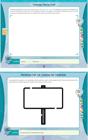
Organizing the portfolio by social activities allows the units to culminate in some sort of multilingual product. This is meaningful because it gives bi/multilingual students an authentic purpose and motivation for learning (Celic & Seltzer, 2013). The idea is that bi/multilingual students have opportunities to demonstrate their understanding and abilities through their different languages. In general, students engage in social activities using both English and their home language simultaneously. By creating multilingual products that reflect real-world language use, students can effectively demonstrate the learning outcomes of this integrated unit (Celic & Seltzer, 2013). This practice is informed by the heteroglossic ideology that posits that languages are not separable and countable entities associated with nation-states and that embraces bi/multilingualism as the norm, recognizing the fluid linguistic practices of multilingual speakers in all their complexity (Flores & Baetens Beardmore, 2015), as discussed previously.
The portfolio proposes practices that aim to respect children’s needs, promote the child’s overall development, and understand play and interaction as a means to promote and guarantee the six rights of learning and development in Early Childhood Education. Thus, the portfolio is informed by the definition of a child as proposed by the National Curriculum Guidelines for Early Childhood Education, which understands a child as a historical subject endowed with rights, who, through interactions, relationships, and everyday experiences, builds both personal and collective identities; one who plays, imagines, dreams, desires, learns, observes, experiments, narrates, questions, and creates meanings about nature and society, thereby producing culture (Brasil, 2009). It also aims to provide bi/multilingual education capable of contributing to children’s critical agency and the exercise of active citizenship, as well as expanding the possibilities of interaction and social mobility (Brasil, 2018). The activities and proposals described in the next section demonstrate how the themes, for example, allow the development of active citizenship.
Integrating content and language through the design of thematic units (García & Wei, 2014) is one strategy used that allows building background knowledge. Here, in the Campaign Sharing day unit, the contents through the units cover the topic of the importance of sharing, allowing children to get to know different realities in the world. In the image that follows, for example, the learners listen to the story “A home of our own” and reflect on poverty around the world. In the first proposal in figure 2, they reflect on a girl’s reality. In the sequence of the portfolio, for example, after listening to the “The water princess” story, they reflect on the characters’ routine to get water (Gie Gie’s story) and after on their own local reality:

By incorporating culturally responsive stories that work with themes and perspectives that are global, the activities proposed are meant to facilitate knowledge, respect, and reflection about others (El Kadri, 2022). This is important because, in addition to facilitating the inclusion of local and global perspectives in the curriculum, it also raises awareness of cultural viewpoints that promote social justice. By incorporating minority perspectives and addressing racial, indigenous, and typically underrepresented cultures in educational materials, the portfolio aims to ensure a more inclusive and equitable education.
Stories are important and powerful resources for new ideas and new ways of being and allow languaging, that is, the ongoing process of becoming who we are through social practices, as we interact and create meanings in the world (Garcia & Wei, 2014). Thus, access to different discourses is essential to our process of forging new ways of being, acting, and belonging. The stories chosen allow for respectful questioning of our own culture and that of others, enabling students to understand themselves and each other by reflecting on the diversity of cultures, perspectives, and experiences, allowing for identity investment and positionality (García & Wei, 2014) and also for a decolonial and interculturality perspective that are materialized in the inclusion of diverse narratives and discourses that go far beyond those from the Global North.
We also point out that the intentional choice of children’s stories that aim at overcoming cultural color blindness (Stoer & Cortesão, 1999), propagated by the monocultural character of our schools, has the potential to promote access to other narratives and discourses for the production of agentive, responsive and more solidary subjects. This is one example of how we support an intercultural approach to bi/multilingual education (Moreira & Candau, 2008; Walsh, 2015; Schnorr, 2015), committed to social equity: by bringing the multidiscursivity, discussing the differences and reflecting on the power dynamics that influence them. We believe that incorporating a range of discourses and narratives within our school environments could be a powerful way to challenge the Eurocentrism embedded in our curricula.
As students go through diverse and complementary activities that foster different discourses and narratives in both languages that escalate in content and language complexity along the unit a series of discourses and narratives, they develop and extend new knowledge and at the same time develop critical thinking and critical consciousness (García & Wei, 2014). In the following activities, students are tasked with expanding the story by envisioning and creating an alternative ending. In the next portfolio (Kindergarten), after reading the story “Lá no meu quintal7”, in our home language (Portuguese) and get in touch with different backyards everywhere (in the square, in the forest, in the streets of small towns, in the back of house) and discover the backyards of children from the five regions of Brazil, students are asked to resonate with the story, representing their backyard and talk about it.

By doing so, learners are in touch with local/global tensions around them and develop citizenship attributes by using their whole repertoire, in the way suggested by the translanguaging pedagogy. The content studied in one language is complemented or seen from another perspective in the other language. It is not about translating the same content - although translation is also a translanguaging strategy, according to García and Wei (2014), but rather recognizing that the learning achieved in one language complements the other without hindering the learning process.
The use of both languages is a strategy used to foster background knowledge and interrogate inequality. This is what is intended in the activity after listening to the book From my window (Junior, 2020), both in Portuguese and in English. The story is narrated by a child who lives in a favela (slums) in Rio de Janeiro. The work highlights the beauty in relationships and collective actions, while still considering the local reality. The narratives from people who live in the favelas in Brazil are rarely utilized in pedagogical materials and activities for children. The idea is that, after accessing the voices of children who live in the favelas, the learners reflect on their own lives, representing what they see from their window. This also reflects the heteroglossic view of language by valuing the presence of multidiscursivity, the multiplicity of voices and the different languages as a resource for meaning-making (Busch, 2014).

The literature circle proposal also utilizes the strategy of multilingual listening (García & Wei, 2014). The aural materials come from different sources, other than the teacher, especially in preschool, where children cannot read and write with autonomy, there are relevant possibilities for students to interact with a diverse range of oral input that will also articulate to the process of building background knowledge about the target curricular content. In the figure, children listen to different stories that bring diverse narratives, allowing not only the development of intercultural skills, but also opportunities to grow their literacy in their languages while learning important academic content. This helps children to strengthen all their languages and to fully develop their bi/multilingualism as well as their bi/multilingual identities (García 2009; Celic & Seltzer, 2013). A translanguaging and a decolonial perspective are adopted in these materials to reject rigid colonial boundaries of named languages and, at the same time, value the children’s linguistic-semiotic, cultural and historical repertoires.

In the activities proposed, the dynamic bi/multilingual subject (García, 2009) is materialized by valuing the children’s repertoire in daily practices and using translanguaging practices. Specific tasks are planned in which the children are provided with opportunities to use their full linguistic repertoire through Cross-linguistic transfer and metalinguistic awareness strategies (García & Wei, 2014) that aim to strengthen their ability to meet the communicative needs of the socio-educational situation. Both languages are intentionally brought together with the aim of making connections between languages that will facilitate the content learning process and the meaning-making in the additional language. Figure 6 shows the intentional design of contrasting both languages:

Proposals for cross-linguistic reference or metalinguistic awareness, which allow learners to rely on the named language to construct new meanings or develop metalinguistic awareness in both languages, are ways to incorporate translanguaging pedagogy into our practices (García & Wei, 2014). Activities comparing the languages like this contribute to the development of translanguaging abilities and emphasize linguistic awareness (García & Wei, 2014). These proposals demonstrate that the perspective on the bi/multilingual subject adopted seems to be confined to the one proposed by Garcia (2009) and Bush (2012). In this approach, the bi/multilingual subject is conceptualized in a way to value children’s linguistic repertoire, being able to interact and meet the demands of the context in which they are inserted. This view aligns with the heteroglossic perspective, which frames the bi/multilingual subject as an intertwining of their languages, where one language contributes to the learning of the other. Contrary to the notion of completely separate languages, this perspective recognizes that an individual’s languages are interconnected.
Therefore, the bi/multilingual subject does not necessarily have equivalent competencies in both languages, as this depends on the context and specific demands of each situation. This approach considers that subjects not only learn two languages but expand their repertoire multimodally to adapt to diverse contexts. Thus, bi/multilingual education prioritizes the multidimensional development of subjects, promoting the interconnection of knowledge between languages and valuing “translingual” (García & Wei, 2014) as a means of constructing individuals’ understanding of the world. This vision of the bi/multilingual subject in Bilingual Kids culminates in practices that promote the development of skills according to the BNCC (Brasil, 2018), regardless of the language of instruction. This means that both languages are responsible for the integral development of the student and serve as essential resources for students to comprehend and engage with the world, its diverse complexities and multiple narratives.
Final considerations
In this article, we presented our views on translanguaging, specifically our beliefs and attitudes towards bi/multilingualism (Garcia et al., 2017), materialized in the learning resources designed for a public bi/multilingual school in Brazil, the Bilingual Kids portfolio (El Kadri & El Kadri, 2023). Through systematic and intentional strategies for creating translingual spaces to facilitate learning and development (García et al., 2017), such as designing units around social activities that culminate in multilingual final products, integrating content and language through thematic units, employing cross-linguistic transfer and metalinguistic awareness strategies, and simultaneously developing new knowledge and critical thinking (García & Wei, 2014). We argue that a heteroglossic view of languages, translanguaging, and interculturality has the potential to challenge hegemonic ideologies and empower linguistically, culturally, and socially marginalized communities.
We demonstrate that by designing units informed by translanguaging pedagogy and interculturality, such as incorporating discourses and narratives from the Global South (including those produced in Brazil), we can foster more heteroglossic practices that challenge universalist and Northern-centric reference points increasingly disseminated through a single language (English). Additionally, we show that designing activities that encourage the use of two languages can help students recognize themselves as part of the global community.
This approach is crucial for Brazilian contexts because it exemplifies how, as applied linguists and researchers, we can operate within the grietas - “fractures” - (Walsh, 2013) to challenge monocentric and Eurocentric views that permeate language teaching curricula and bi/multilingual contexts. We use the term grietas because we align with Walsh’s (2013) idea about the need to provoke fractures in colonial power in order to advance other projects focused on pedagogical and decolonial perspectives.
It demonstrates our efforts to contest colonial practices and move towards a socially-oriented approach for bi/multilingual schools, aligning with the Sustainable Development Goal (SDG) of ensuring inclusive and equitable quality education and promoting lifelong learning opportunities for all (UN Sustainable Development Agenda 2030).
Although we acknowledge that we are still in the early stages of implementing decolonial practices in bi/multilingual schools, we believe that by focusing on heteroglossic views of language and interculturality, we can challenge the unequal power relations manifested in language ideologies and practices in schools, starting from early childhood education. This can only begin if we learn how to promote a more critically informed, pluralistic, and culturally rich environment for bi/multilingual schools. We believe we can initiate this by breaking the cycles of English hegemony and Eurocentric norms reflected in education and society, through our practices as teacher educators and researchers, to foster more empowering practices for bi/multilingual schools in Brazil.
This helps us to begin to address our concern regarding the possibility of bi/multilingual education escaping the neoliberal trap. As applied linguistics and critical teacher educators, we have argued for an activist approach to education aimed at promoting social justice to escape this trap. The activities proposed show how concepts such as translanguaging, multidiscursivity, interculturality and a heteroglossic perspective help us move into this direction.
We believe it is only possible to foster a more inclusive bi/multilingual education oriented to social justice by the recognition that we need to challenge the colonial structures that have historically marginalized linguistic and cultural practices. Such activist moves call for researchers and educators to engage in the conversation and start promoting practices in their local contexts. We claim for critical teacher education programs that begin by questioning the monoglossic views and colonial perspectives related to the teaching of languages. Such programs should not only confront but also seek to dismantle entrenched biases and inequities, thereby fostering a more equitable and inclusive approach to bi/multilingual education. By embedding these critical perspectives into teacher education, we can work towards creating educational environments that better reflect and support the rich linguistic and cultural diversity of Brazil.
End notes
-
1
Paulo Freire’s concept of the “untested feasible” (inédito viável) is deeply connected to the capacity to dream and transform reality. For Freire (2016), the untested feasible refers to something that has not yet been realized, a latent possibility that arises when people become capable of seeing beyond the limitations imposed by the present. It refers to an idea, an action, or a social transformation that, although unprecedented, is feasible, meaning it has the potential to be realized. When something that was previously untested is perceived by those who think utopically — that is, by those who are able to dream of a more just and equal society — it ceases to be just a dream or an abstraction. By becoming a “highlighted perception,” this unprecedented possibility gains visibility and can be transformed into reality through collective action and the exercise of critical consciousness.
-
2
Quilombos were communities in Brazil formed by escaped enslaved people of African descent, often in remote areas, as a form of resistance against slavery. These settlements, which existed from the colonial period through the 19th century, became spaces of autonomy, freedom, and cultural preservation, where Afro-Brazilians could live according to their own social, political, and spiritual values. Many quilombos also included Indigenous people and poor whites who fled colonial oppression.
-
3
Observatory of Migration and Human Rights - SEA-EU
-
4
These are important modalities of Bilingual/Multilingual education in Brazil which are often excluded from policies and generally are not seen as Bilingual/Multilingual contexts by the society in general, who tend to associate Bilingual/Multilingual education to those schools that teach through Portuguese and another prestigious language, mainly English.
-
5
Neoliberalism is an economic and political ideology that emphasizes free markets, deregulation, privatization, and a reduced role of the state in economic affairs. It advocates for minimal government intervention in the economy, promoting individual responsibility, competition, and the notion that market forces are the most efficient way to allocate resources. Neoliberalism gained prominence in the late 20th century and has influenced global economic policies, including in education. Neoliberalism’s application to education often undermines its role as a public good, emphasizing economic goals, competition, and efficiency over equality, social justice, and holistic human development through the Marketization of Education, in which education is treated as a commodity, with schools and universities seen as businesses.
-
6
The inclusion of Boaventura de Sousa Santos in this discussion does not overlook or condone the serious allegations of misconduct associated with him. Rather, it reflects a recognition that his theoretical contributions—particularly to the understanding of epistemologies of the South, ecology of knowledges, and decolonial thought—remain influential within critical scholarship. Engaging with his ideas critically allows us to disentangle conceptual value from personal conduct, situating his work within broader epistemological debates while maintaining a clear ethical stance against any form of abuse or oppression.
-
7
In English: Back in my backyard
DATA AVAILABILITY STATEMENT
Datasets related to this research will be available upon contact with the corresponding author.
References
- Altenhofen, C. V. (2004). Política linguística, mitos e concepções linguísticas em áreas bilíngues de imigrantes (alemães) no Brasil. Revista Internacional de Linguística Iberoamericana (RILI), 1(3), 83–93.
- Becker, A. (1988). Language in Particular: A Lecture. In D. Tannen (ed.), Linguistics in Context (pp. 17-35). Ablex.
- Becker, A. (1995). Beyond translation: Essays toward a modern philosophy University of Michigan Press.
- Berenblum, A. (2003). A invenção da palavra oficial: Identidade, língua nacional e escola em tempos de globalização Autêntica.
- Brasil. Ministério da Educação. Conselho Nacional de Educação. Câmara de Educação Básica. (2009). Resolução CNE/CEB nº 5, de 17 de dezembro de 2009: Fixa as Diretrizes Curriculares Nacionais para a Educação Infantil Brasília, DF: Ministério da Educação.
- Brasil. Ministério da Educação. (2018). Base Nacional Comum Curricular Brasília, DF: Ministério da Educação.
-
Brasil. Ministério da Educação. Conselho Nacional da Educação/Câmara da Educação Básica. (2020). Parecer CNE/CEB nº 02/2020 http://portal.mec.gov.br/index.php?option=com_docman&view=download&alias=156861-pceb002-20&category_slug=setembro-2020-pdf&Itemid=30192
» http://portal.mec.gov.br/index.php?option=com_docman&view=download&alias=156861-pceb002-20&category_slug=setembro-2020-pdf&Itemid=30192 - Busch, B. (2012). The linguistic repertoire revisited. Applied Linguistics, 33(5), 503–523.
- Busch, B. (2014). Building on heteroglossia and heterogeneity: The experience of a multilingual classroom. In A. Blackledge & A. Creese (Eds.), Heteroglossia as practice and pedagogy (pp. 21–40). Springer.
- Carraro, E. A., & Del Mouro, K. A. G. (2016). O processo histórico da Língua Brasileira de Sinais. In Anais do Encontro Científico e Tecnológico (ENCITEC) (pp. 10–13). Cascavel, PR: FAG Toledo.
- Cavalcanti, M. C. (1999). Estudos sobre educação bilíngue e escolarização em contextos de minorias linguísticas no Brasil. DELTA, 15, 385–417.
- Celic, C., & Stelzer, K. (2013). Translanguaging: A CUNY–NYSIEB guide for educators The Graduate Center, City University of New York.
- Council of Europe. (2020). Common European Framework of Reference for Languages: Learning, teaching, assessment—Companion volume Council of Europe.
- Cunha Júnior, E. P., Vihalva, S., Sparano-Tesser, C. R., Demambro, T. S., & Oliveira, E. P. (2022). A educação de surdos no bilinguismo e no multiculturalismo brasileiro. In F. Liberali, A. Megale, & D. A. Vieira (Eds.), Por uma educação bi/multilíngue insurgente (Vol. 1, pp. 111–120). Campinas, SP: Pontes Editores.
- El Kadri, M. S. (2022). Reflexões e contribuições de uma linguista aplicada para a área de educação bilíngue: Global Kids – Portfólio Bilíngue [Unpublished manuscript]. Department of Modern Foreign Languages, State University of Londrina.
- El Kadri, M. S., Saviolli, V. B., & Molinari, A. (Eds.). (2022). Educação de professores para o contexto bi/multilíngue: Perspectivas e práticas (Vol. 1, 181 p.). Campinas, SP: Pontes Editores.
- El Kadri, M., Saviolli, V. C. B., & Santos, C. G. (2022). Rumo à uma educação antirracista na educação bilíngue: A proposta do “Global Kids”. Entretextos, 22(2), 107–128. Londrina.
- El Kadri, M., Passoni, T., & Megale, A. (Eds.). (2024). Construindo horizontes na educação bilíngue pública: Reflexões e utopias para a equidade Tikinet.
- El Kadri, M. S., Saviolli, V. B., & Molinari, A. (2024). Toward a plurilingual pedagogy and critical intercultural perspective in bi/multilingual schools: The Global Kids portfolio In F. Zolin-Vesz, D. L. Banegas, & L. de Oliveira (Eds.), Language teacher education beyond borders: Multilingualism, transculturalism and critical approaches (Vol. 1, pp. 129–156). New York, NY: Bloomsbury Academic.
- El Kadri, M. S., & Saviolli, V. B. (2023). Global Kids: Portfólio bilíngue Pontes Editores.
- El Kadri, M. S., & El Kadri, A. (2023). Bilingual Kids: Portfólio bilíngue Midiograf.
- El Kadri, M. S., & Megale, A. (2024). Translanguaging in Early Bilingual/Multilingual education in Brazil: Proposals from the Global Kids Portfolio. In A. Welp & R. Maciel (Eds.), Transformative practices in translanguaging classrooms Zouk.
- Flores, N., & Baetens Beardmore, H. (2015). Programs and structures in Bilingual/Multilingual and multilingual education. In W. E. Wright, S. Boun, & O. García (Eds.), The handbook of Bilingual/Multilingual and multilingual education (pp. 205–222). Wiley.
- Fraser, N. (2008). Scales of justice: Reimagining political space in a globalized world Polity Press.
- Freire, P. (1976). Educação como prática da liberdade (6th ed.). Paz e Terra.
- Freire, P. (1987). Pedagogia do oprimido 17 ed. Rio de Janeiro: Paz e Terra.
- Freire, P. (1992). Pedagogia da Esperança: Um reencontro com pedagogia do oprimido. Rio de Janeiro: Paz e Terra.
- Freire, P. (2004). Pedagogia da autonomia (Original work published 1996). Paz e Terra.
- Freire, P. (2013). Pedagogia da tolerância (2nd ed.; Original work published 1995). Paz e Terra.
- Freire, J. R. (2018). Changing policies and language ideologies with regard to Indigenous languages in Brazil. In M. Cavalcante & T. Maher (Eds.), Multilingual Brazil: Language resources, identities, and ideologies in a globalized world (pp. 105–124). Routledge.
- Fritzen, M. P. (2011). Reflexões sobre práticas de letramento em contexto escolar de língua minoritária. D.E.L.T.A., 27(1), 63–76.
- García, O. (2009). Bilingual/Multilingual education in the 21st century: A global perspective Wiley-Blackwell.
- García, O. (2020a). Foreword: Co-labor and re-performances. In E. Moore, J. Bradley, & J. Simpson (Eds.), Translanguaging as transformation: The collaborative construction of new linguistic realities (pp. xvii–xxii). Multilingual Matters.
-
García, O. (2020b). The education of Latinx Bilingual/Multilingual children in times of isolation: Unlearning and relearning. MinneTESOL Journal, 36(1). http://minnetesoljournal.org/journal-archive/mtj-2020-1/the-education-of-latinx-Bilingual/Multilingual-children-in-times-of-isolation-unlearning-and-relearning/
» http://minnetesoljournal.org/journal-archive/mtj-2020-1/the-education-of-latinx-Bilingual/Multilingual-children-in-times-of-isolation-unlearning-and-relearning/ -
García, O., & Alvis, J. (2019). The decoloniality of language and translanguaging: Latinx knowledge-production. Journal of Postcolonial Linguistics, 1, 26–40. https://iacpl.net/journal-of-postcolonial-linguistics-12019/the-decoloniality-of-language-and-translanguaging-latinx-knowledge-production/
» https://iacpl.net/journal-of-postcolonial-linguistics-12019/the-decoloniality-of-language-and-translanguaging-latinx-knowledge-production/ - García, O., & Wei, L. (2014). Translanguaging: Language, Bilingual/Multilingualism, and education Palgrave Macmillan.
- García, O., Johnson, S. I., & Seltzer, K. (2017). The translanguaging classroom: Leveraging student Bilingual/Multilingualism for learning Caslon.
- Liberali, F. C. (2009). Atividade social nas aulas de língua estrangeira Moderna.
- Liberali, F. C., Megale, A. H., & Vieira, D. (2022). Por uma educação bi/multilíngue insurgente Pontes.
- Maher, T. M. (2013). Ecos de resistência: Políticas linguísticas e as línguas minoritárias brasileiras. In C. Nicolaides et al. (Eds.), Políticas e políticas linguísticas (pp. 117–134). Pontes.
- Marx, K., & Engels, F. (2006). A ideologia alemã Martin Claret.
- Mazak, C. M. (2017). Introduction: Theorizing translanguaging practices in higher education. In C. M. Mazak & K. S. Carroll (Eds.), Translanguaging in higher education: Beyond monolingual ideologies Multilingual Matters.
- Mazzaferro, G. (2018). Translanguaging as everyday practice: An introduction. In G. Mazzaferro (Ed.), Translanguaging as everyday practice Springer.
- McKinney, C. (2017). Language and power in post-colonial schooling: Ideologies in practice Routledge.
- Megale, A. H. (2018). Educação bilíngue de línguas de prestígio no Brasil: Uma análise dos documentos oficiais. The Specialist, 39(2).
- Megale, A. H. (2019). Educação bilíngue no Brasil Richmond.
- Megale, A. H. (2020). Desafios e práticas na educação bilíngue Richmond.
- Megale, A. H. (2021). Educação bilíngue: Como fazer? Richmond.
- Megale, A. H., & El Kadri, M. (2023). Escola bilíngue: (Trans)formando saberes na educação de professores Santillana.
- Megale, A., El Kadri, M., & Saviolli, V. (2023). Sonhar, ousar e esperançar: A construção de inéditos viáveis em uma escola bilíngue pública Scripta, 27(60), 36–64.
- Menken, K., & García, O. (2010). Negotiating language policies in schools: Educators as policymakers. In The handbook of Bilingual/Multilingual education (pp. 197–213). Wiley.
- Mignolo, W. (2000). Local histories/global designs: Coloniality, global knowledges, and border thinking Princeton University Press.
- Mignolo, W. (2010). Desobediência epistémica: Retórica da modernidade, lógica da colonialidade e gramática da descolonialidade Ediciones del Signo.
- Moreira, A. F., & Candau, V. M. (2008). Indagações sobre currículo: Currículo, conhecimento e cultura. In J. Beauchamp, S. D. Pagel, & A. R. do Nascimento (Eds.), Indagações sobre currículo: Currículo, conhecimento e cultura Ministério da Educação/Secretaria de Educação Básica.
- Morello, R. (2012). Uma política pública e participativa para as línguas brasileiras: Sobre a regulamentação e a implementação do Inventário Nacional da Diversidade Linguística (INDL). Gragoatá, 32, 31–41.
- Morello, R. (2018). The languages on the Brazilian borders: Documenting urban diversity, researching school and classroom practice, working toward change. In M. Cavalcanti & T. M. Maher (Eds.), Multilingual Brazil: Language resources, identities, and ideologies in a globalized world (pp. 89–104). Routledge.
- Oliveira, G. M. (2009). Brasileiro fala português: Monolinguismo e preconceito linguístico. Linguasagem, 11
-
Oliveira, T. (2023). Dez anos de OBMigra e os indicadores sociodemográficos dos imigrantes internacionais no Brasil. In L. Cavalcanti, T. Oliveira, & S. L. Silva (Eds.), Relatório anual OBMigra 2023 — OBMigra 10 anos: Pesquisa, dados e contribuições para políticas Observatório das Migrações Internacionais/Ministério da Justiça e Segurança Pública – Conselho Nacional de Imigração & Coordenação-Geral de Imigração Laboral. https://portaldeimigracao.mj.gov.br/pt/dados/relatórios-a
» https://portaldeimigracao.mj.gov.br/pt/dados/relatórios-a - Pinheiro, L. S. (2008). Bases conceituais para uma política linguística do português/italiano nas escolas: Caxias do Sul, RS [Dissertação de Mestrado, Universidade de Caxias do Sul]. Universidade de Caxias do Sul.
-
Poza, L. (2017). Translanguaging: Definitions, implications, and further needs in burgeoning inquiry. Berkeley Review of Education, 6(2), 101–128. https://escholarship.org/uc/item/8k26h2tp
» https://escholarship.org/uc/item/8k26h2tp - Preuss, E. O., & Álvares, M. R. (2014). Bilinguismo e políticas linguísticas no Brasil: Da ilusão monolíngue à realidade plurilíngue. Revista de Estudos da Linguagem, 36(4), 403–414.
- Queiroz, L. (2020). Decolonialidade e concepções de língua: Uma crítica linguística e educacional Pontes.
- Rocha, C., & Megale, A. (2023). Translinguagem e seus atravessamentos: Da história, dos entendimentos e das possibilidades para decolonizar a educação linguística contemporânea. D.E.L.T.A., 39(2), 1–32.
- Rodrigues, A. D. (1993). Línguas indígenas: 500 anos de descobertas e perdas. D.E.L.T.A., 9(1), 83–103.
- Rodrigues, A. D. (2002). Línguas brasileiras: Para o conhecimento das línguas indígenas (4th ed.). Loyola.
- Santos, B. S. (1995). Introdução a uma ciência pós-moderna Afrontamento.
- Santos, B. S. (2002). Para uma sociologia das ausências e uma sociologia das emergências. Revista Crítica de Ciências Sociais, 63, 237–280.
-
Santos, B. S. (2007). Para além do pensamento abissal: Das linhas globais e uma ecologia de saberes. Novos Estudos, 79, 71–94. https://www.scielo.br/pdf/nec/n79/04.pdf
» https://www.scielo.br/pdf/nec/n79/04.pdf - Schnorr, G. M. (2015). A filosofia intercultural de Raúl Fornet-Betancourt: Práxis dialógica e reaprendizagem do pensar [Doctoral dissertation, Universidade de São Paulo].
- Semechechem, J. A. (2016). O multilinguismo na escola: Práticas linguísticas em uma comunidade de imigração ucraniana no Paraná [Tese de Doutorado, Universidade Estadual de Maringá]. Universidade Estadual de Maringá.
- Soares, C., & Fargetti, C. (2022). Línguas indígenas de sinais: Pesquisas no Brasil. LIAMES, 22, 1–14.
- Stoer, S., & Cortesão, L. (1999). Levantando a pedra: Da pedagogia inter/multicultural às políticas educativas numa época de transnacionalização Afrontamento.
- Walsh, C. (2012). Interculturalidad y (de)colonialidad: Perspectivas críticas y políticas. Visão Global, 15(1–2), 61–74.
- Walsh, C. (Ed.). (2013). Pedagogias decoloniales: Práticas insurgentes de resistir, (re)existir y (re)vivir (Tomo I). Ediciones Abya-Yala.
- Walsh, C. (2015). Sobre el gênero y su modo-muy-otro. In P. Quintero (Ed.), Alternativas descoloniales al capitalismo colonial/moderno (pp. 165–182). Ediciones del Signo.
- Walsh, C. (2017). Gritos, grietas y siembras de vida: Entrejerece de lo pedagógico e lo decolonial. In C. Walsh (Ed.), Pedagogias decoloniales: Práticas insurgentes de resistir, (re)existir y (re)vivir (Tomo II). Ediciones Abya-Yala.
Edited by
-
Guest editors:
Leonardo da Silva, Priscila Fabiane Farias, Graham V. Crookes

 Source: El Kadri & El Kadri (2024)
 Source: El Kadri & El Kadri (2024)
 Source: El Kadri & El Kadri (2024)
 Source: El Kadri & El Kadri (2024)
 Source: El Kadri & El Kadri (2024)
 Source: El Kadri & El Kadri (2024)