 Metabolomics by UPLC-QTOF-MSE in Free-Ranging Neotropical Primates Plasma for Identification of Potential Biomarkers of Toxoplasmosis
Abstract
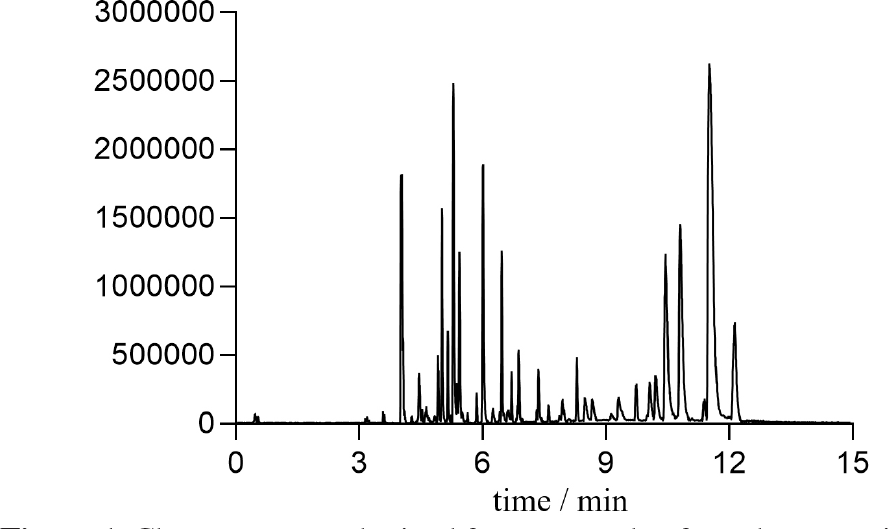
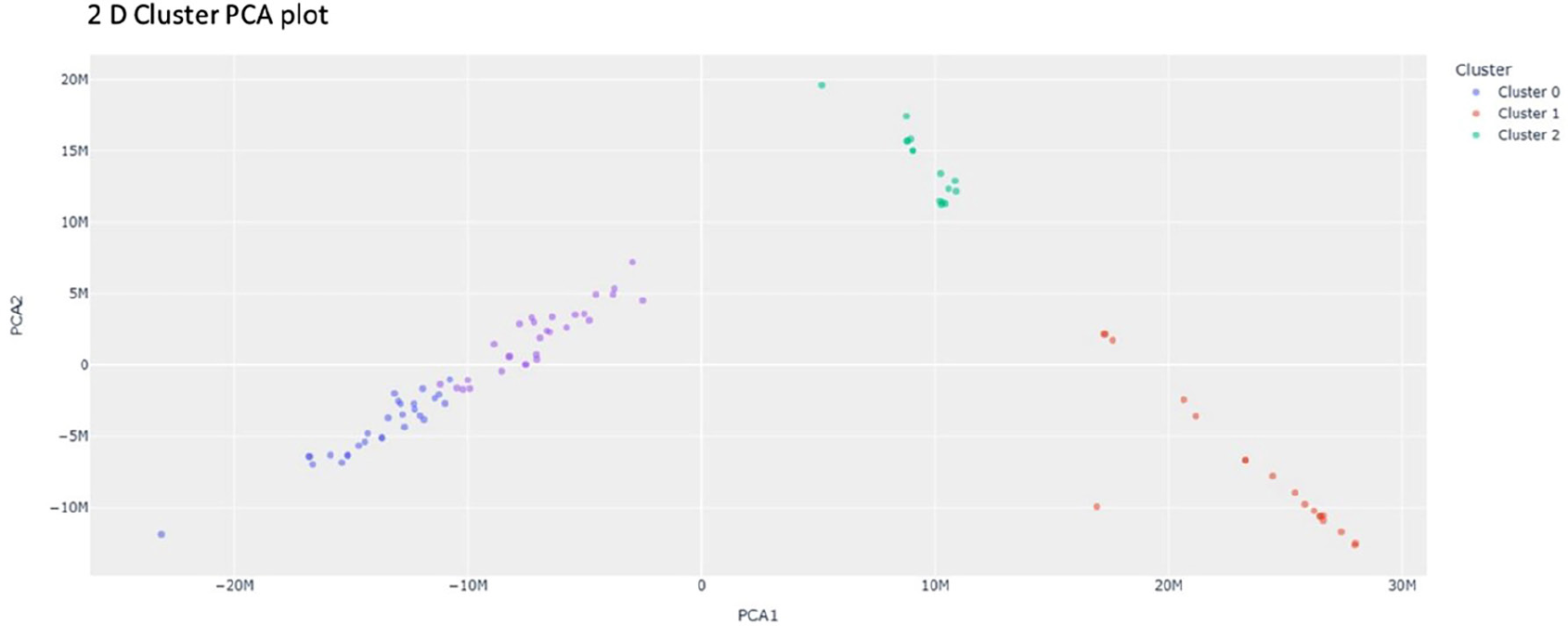
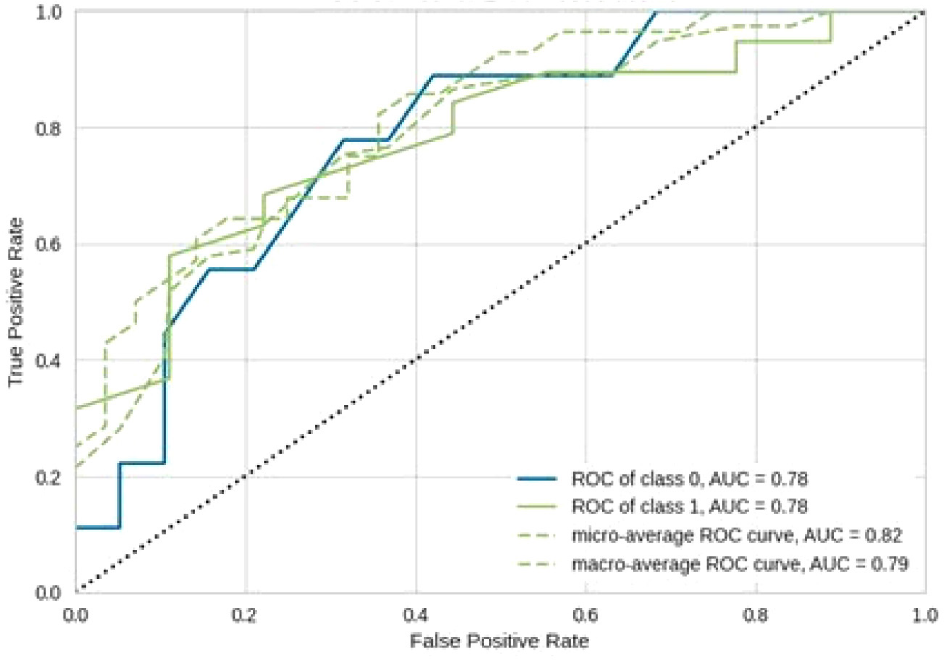
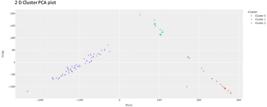
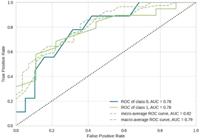
Toxoplasmosis, caused by the obligate intracellular protozoan Toxoplasma gondii, represents a relevant zoonotic disease affecting both human and animal health. Free-ranging neotropical primates (FRNP) are particularly susceptible to severe clinical outcomes; however, systemic metabolic alterations associated with infection in these species remain poorly characterized. This study aimed to investigate serum metabolic perturbations in FRNP naturally infected with T. gondii using an untargeted liquid chromatography-mass spectrometry (LC-MS) approach integrated with multivariate and machine learning (ML) analyses. Serum samples from infected and non infected FRNP were analyzed by liquid chromatography-high-resolution mass spectrometry (LC-HRMS), yielding 1025 metabolic features following rigorous data preprocessing and quality control procedures. Both unsupervised and supervised ML models were employed to explore group discrimination. Several metabolic features (m/z 809.2713, 660.5429, 718.3614, 537.5458, 707.2745, 318.2951) were significantly altered in infected animals. Receiver Operating Characteristic (ROC) analysis indicated moderate discriminatory performance (area under the curve (AUC) = 0.78; sensitivity = 0.88). Collectively, these findings indicate that T. gondii infection in FRNP is associated with measurable systemic metabolic perturbations. The identified features should be interpreted as preliminary metabolic signatures, warranting further targeted validation and larger-scale studies to clarify their biological and potential translational relevance.
Keywords:
toxoplasmosis; non-human primates; machine learning; liquid chromatography coupled with mass spectrometry
 Thumbnail
 Thumbnail
 Thumbnail